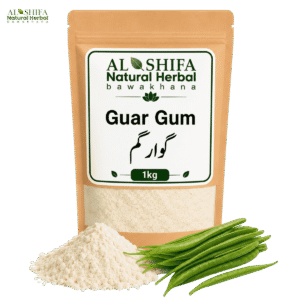
گوارگم
Price range: ₨ 170 through ₨ 1,500

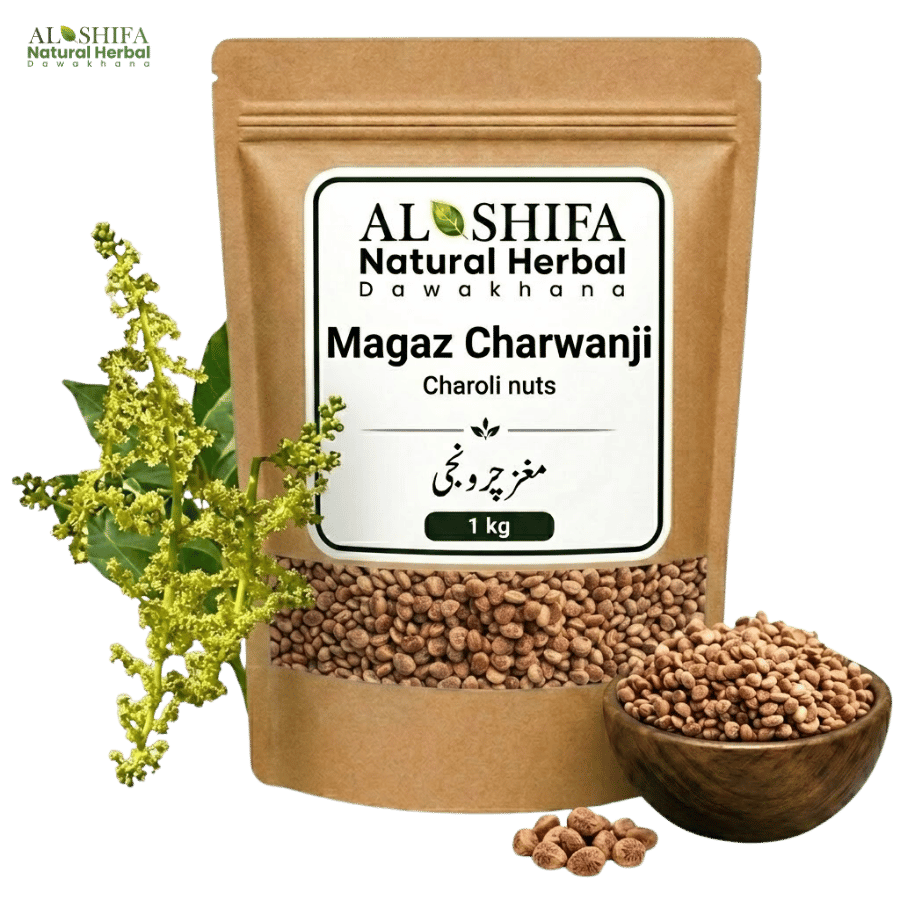
Magaz Charwanji (Charoli Nuts / Chironji Kernels) is a premium edible seed kernel traditionally valued in South Asian cuisine and nourishing preparations. It has a mild nutty flavour, creamy texture, natural plant fats, protein, dietary fibre, minerals, and other naturally occurring nutrients.
Traditionally used in kheer, halwa, sweets, milk-based desserts, festive dishes, nut mixtures, and nourishing preparations, Al Shifa Magaz Charwanji is carefully selected with attention to natural identity, cleanliness, freshness, taste, and kernel quality.
Key Features:
Important Note: Charoli is commonly called a nut, but botanically the edible portion is the kernel obtained from inside the seed of Buchanania lanzan. People with significant nut or seed allergies should use appropriate caution.
Magaz Charwanji (Charoli Nuts / Chironji Kernels) is a premium edible kernel obtained from the seeds of the Chironji tree, botanically known as Buchanania lanzan. These small, creamy kernels have been valued for generations across South Asia in traditional cuisine, sweets, nourishing foods, and selected Unani and Ayurvedic preparations.
Charoli kernels are appreciated for their mild nutty flavour, creamy texture, natural plant fats, protein, dietary fibre, minerals, and other naturally occurring nutrients. They are commonly incorporated into desserts, milk-based preparations, festive dishes, traditional tonics, and nourishing recipes.
Al Shifa Magaz Charwanji is carefully selected with attention to natural identity, kernel quality, taste, cleanliness, freshness, and responsible storage.
Magaz Charwanji refers specifically to the edible kernel found inside the hard seed of the Chironji fruit.
The Chironji tree produces small fruits containing hard seeds. Once the outer shell of the seed is carefully removed, the edible inner kernel is obtained.
This kernel is known by several regional names, including:
Although commonly called a “nut,” it is more accurately the edible kernel of a seed.
Chironji is botanically known as Buchanania lanzan and belongs to the Anacardiaceae family.
English Name: Charoli Nuts / Chironji Kernels
Urdu Name: مغز چرونجی
Roman Name: Magaz Charwanji / Maghaz Chironji / Charoli
Scientific Name: Buchanania lanzan Spreng.
Family: Anacardiaceae
Plant Part: Seed Kernel
Product Type: Edible Nut-Like Kernel
Charoli is commonly called a nut because of its appearance, taste, and culinary use.
Botanically, however, the edible portion is the kernel obtained from inside the seed of the Chironji fruit.
This distinction is useful for accurate product identification, particularly when comparing whole Chironji seeds with shelled Magaz Charwanji.
Magaz Charwanji has a long history in South Asian cooking.
Its mild, pleasantly nutty character makes it particularly suitable for rich traditional foods and desserts.
It may be used in:
It can be used whole or incorporated into suitable recipes according to culinary preference.
Charoli kernels are naturally nutrient-dense because they are seed kernels designed by the plant to store nourishment.
Depending on variety, growing conditions, processing, and storage, they naturally provide varying amounts of:
Their nutritional profile makes them suitable for inclusion in a varied and balanced diet.
Magaz Charwanji naturally contains a meaningful proportion of plant oils and fats.
These contribute to its:
Because Charoli kernels are naturally oil-rich, proper storage is particularly important. Excessive heat, moisture, air exposure, and prolonged storage can gradually affect their freshness and flavour.
Charoli kernels naturally contain plant protein.
Protein is an important dietary nutrient involved in normal body functions, including the maintenance and repair of body tissues.
However, Magaz Charwanji should be considered one component of a varied diet rather than a replacement for a complete dietary protein plan.
In traditional South Asian food culture, Charoli kernels are often included in rich and nourishing recipes.
They may be combined with ingredients such as:
Such preparations have historically been valued as part of general nourishment, especially where calorie-dense foods are desired.
Magaz Charwanji also appears in selected traditional Unani and Ayurvedic preparations.
Historically, it has been associated with formulations intended for:
These are traditional uses and should not be interpreted as evidence that Charoli kernels treat weakness caused by disease, infertility, sexual dysfunction, hormonal disorders, or other medical conditions.
Because Magaz Charwanji contains natural fats, protein, and calories, it can contribute dietary energy when incorporated into appropriate foods.
This helps explain its historical association with nourishing and restorative recipes.
Its traditional reputation as a strengthening food should be understood in a nutritional context rather than as a stimulant or medicinal energy enhancer.
Charoli kernels have also been included in certain traditional food and herbal preparations associated with digestive wellbeing.
As a nutrient-dense kernel, however, it can be relatively rich for some individuals.
People who find rich or fatty foods difficult to digest may prefer smaller culinary portions according to individual tolerance.
Persistent abdominal pain, vomiting, severe indigestion, or unexplained digestive symptoms require appropriate medical evaluation.
Magaz Charwanji has historically been included in selected nourishing preparations intended for men’s general vitality and restorative wellness.
This traditional association is primarily connected with its status as a nutrient-dense food ingredient.
It should not be promoted as a proven treatment for:
Such concerns can have multiple causes and require appropriate medical evaluation when persistent.
Charoli kernels may also appear in nourishing foods and traditional preparations intended for women’s general wellbeing.
Their role is primarily nutritional and restorative.
They should not be presented as a treatment for:
Women with specific health or fertility concerns should seek appropriate professional guidance.
In some traditional beauty practices, Charoli kernels have been ground and incorporated into external preparations.
Historically, such mixtures may have been used as part of:
These are traditional cosmetic applications and should not be considered treatments for acne, pigmentation disorders, eczema, fungal infections, or other skin diseases.
A small patch test is sensible before using any new nut or seed preparation on sensitive skin.
Charoli kernels can resemble small nuts and may be used in similar culinary contexts, but they are distinct from:
Each has a different botanical origin and nutritional composition.
Charoli should therefore be identified and sold under its own correct name rather than as a substitute botanical identity for another nut.
Charoli belongs to the Anacardiaceae botanical family, which also includes plants such as cashew, pistachio, and mango.
Food allergy patterns are complex, and belonging to the same botanical family does not mean that every person allergic to one member will necessarily react to another.
However, people with significant nut, seed, cashew, pistachio, mango, or related food allergies should exercise appropriate caution when trying Charoli for the first time.
Anyone with a history of severe food allergy should seek professional advice where appropriate.
At Al Shifa Natural Herbal Dawakhana, Magaz Charwanji is selected with attention to:
Natural Identity – Genuine Charoli/Chironji kernels.
Kernel Quality – Appropriate appearance and characteristic natural texture.
Natural Taste & Aroma – Mild, pleasant, nutty character without obvious rancidity.
Cleanliness – Carefully handled to minimize shell fragments, dust, and unnecessary foreign matter.
Freshness – Oil-rich kernels require particular attention to freshness.
Quality Selection – Excessively damaged, mouldy, insect-affected, damp, or rancid-smelling kernels are avoided.
Responsible Storage – Protection from heat, moisture, sunlight, insects, and prolonged air exposure.
Al Shifa Natural Herbal Dawakhana, established in 1999, supplies carefully selected herbs, seeds, kernels, nuts, roots, spices, fruit peels, gums, natural resins, oils, powders, and other traditional natural ingredients across Pakistan.
Our Magaz Charwanji is selected for customers seeking quality Charoli kernels for appropriate culinary, nutritional, traditional nourishing, and selected herbal preparations.
We focus on identity, cleanliness, freshness, natural taste, kernel quality, and responsible storage.
Magaz Charwanji can be incorporated into suitable foods according to recipe and dietary preference.
Common culinary uses include:
It may be used whole or prepared according to the requirements of the recipe.
When used as part of a specialized traditional medicinal formulation rather than ordinary food, appropriate professional guidance is recommended.
Magaz Charwanji is primarily an edible food ingredient when appropriately sourced and stored.
Use additional caution in cases of:
Whole kernels should be offered to young children only in an age-appropriate form because small nuts and kernels can present a choking hazard.
Magaz Charwanji is a nutritious traditional food ingredient and seed kernel, not a medicine for specific diseases.
It should not be considered a proven treatment for infertility, sexual weakness, hormonal disorders, diabetes, high cholesterol, heart disease, digestive disease, skin disorders, anaemia, or other medical conditions.
Its traditional strengthening and restorative reputation should primarily be understood in the context of its use as a nutrient-dense food.
Because Charoli kernels naturally contain oils, careful storage is important for preserving freshness.
Store in a cool, clean, dry place in a tightly closed container.
For better preservation:
For longer storage, especially in warm conditions, appropriately cool storage may help maintain freshness.
Magaz Charwanji (Charoli Nuts / Chironji Kernels) is a premium edible seed kernel traditionally valued for its mild nutty flavour, creamy texture, natural plant fats, protein, and nutritional richness.
It is widely used in traditional sweets, kheer, halwa, milk preparations, festive foods, nourishing recipes, garnishing, and selected Unani and Ayurvedic preparations.
Customers searching for Magaz Charwanji Pakistan, Charoli Nuts Pakistan, Chironji Pakistan, Chironji Kernels Pakistan, Magaz Charwanji Lahore, Charoli price in Pakistan, Chironji price in Pakistan, pure Charoli Nuts, or Magaz Charwanji online can choose Al Shifa Natural Herbal Dawakhana for carefully selected kernels.
Since 1999, Al Shifa Natural Herbal Dawakhana has focused on providing traditional natural ingredients with attention to identity, cleanliness, freshness, natural quality, appropriate storage, and responsible product information.
Product Name: Magaz Charwanji / Charoli Nuts
English Name: Charoli Nuts / Chironji Kernels
Urdu Name: مغز چرونجی
Roman Name: Magaz Charwanji / Maghaz Chironji / Charoli
Scientific Name: Buchanania lanzan Spreng.
Family: Anacardiaceae
Plant Part: Seed Kernel
Product Type: Edible Nut-Like Kernel
Traditional Use: Culinary preparations, sweets, nourishment, restorative foods, general vitality, and selected traditional wellness formulations
Important Note: Charoli is commonly called a nut, but the edible portion is botanically the kernel obtained from inside the seed of the Chironji fruit.
مغز چرونجی ایک قیمتی اور غذائیت سے بھرپور قدرتی مغز ہے جو چرونجی کے درخت کے پھل میں موجود سخت بیج کے اندر سے حاصل کیا جاتا ہے۔ برصغیر میں اسے صدیوں سے روایتی پکوانوں، مٹھائیوں، دودھ سے تیار ہونے والی غذاؤں، مقوی خوراکوں اور طبِ یونانی و آیورویدی تیاریوں میں استعمال کیا جاتا رہا ہے۔
چرونجی کے چھوٹے، ملائم اور خوش ذائقہ مغز اپنی قدرتی چکنائی، نباتاتی لحمیات، غذائی ریشے، معدنی اجزاء اور دیگر قدرتی غذائی مرکبات کی وجہ سے اہمیت رکھتے ہیں۔
الشفاء نیچرل ہربل دواخانہ میں مغز چرونجی کو قدرتی شناخت، مغز کے معیار، ذائقے، صفائی، تازگی اور محفوظ ذخیرے کو مدنظر رکھتے ہوئے منتخب کیا جاتا ہے۔
مغز چرونجی دراصل چرونجی کے پھل میں موجود سخت بیج کے اندر پایا جانے والا خوردنی مغز ہے۔
چرونجی کے پھل میں ایک سخت بیج موجود ہوتا ہے۔ اس بیج کے بیرونی سخت خول کو احتیاط سے الگ کرنے کے بعد اندر سے چھوٹا اور نرم خوردنی مغز حاصل ہوتا ہے۔
یہ مغز برصغیر کے مختلف علاقوں میں:
جیسے ناموں سے معروف ہے۔
اگرچہ عام طور پر اسے خشک میوہ تصور کیا جاتا ہے، لیکن نباتاتی اعتبار سے یہ دراصل بیج کے اندر موجود خوردنی مغز ہے۔
چرونجی کا درخت آم اور کاجو کے نباتاتی خاندان سے تعلق رکھتا ہے۔
اس درخت کے پھل کے اندر موجود سخت بیج سے مغز چرونجی حاصل کیا جاتا ہے۔
اس لیے مغز چرونجی کو درخت کا پھل یا مکمل بیج سمجھنے کے بجائے بیج کے اندر موجود خوردنی حصے کے طور پر شناخت کرنا زیادہ درست ہے۔
چرونجی کے پھل سے حاصل ہونے والے مکمل سخت بیج اور اس کے اندر موجود خوردنی مغز میں فرق ہوتا ہے۔
سخت خول الگ کرنے کے بعد حاصل ہونے والا نرم حصہ مغز چرونجی کہلاتا ہے۔
یہی حصہ عام طور پر:
میں استعمال کیا جاتا ہے۔
مغز چرونجی کو برصغیر کے روایتی کھانوں میں خاص مقام حاصل ہے۔
اس کا ہلکا خوش ذائقہ، ملائم ساخت اور قدرتی چکنائی اسے خصوصاً مٹھائیوں اور مقوی غذاؤں کے لیے موزوں بناتی ہے۔
روایتی طور پر اسے:
میں استعمال کیا جاتا ہے۔
مغز چرونجی قدرتی طور پر غذائیت سے بھرپور ہوتا ہے کیونکہ بیج کے اندر موجود مغز پودے کے لیے محفوظ غذائی ذخیرے کا کام کرتا ہے۔
قسم، زمین، موسم، پختگی، ذخیرے اور تیاری کے طریقے کے مطابق اس میں مختلف مقدار میں:
موجود ہو سکتے ہیں۔
اس وجہ سے مغز چرونجی کو متوازن غذا کے ایک حصے کے طور پر استعمال کیا جا سکتا ہے۔
مغز چرونجی میں قدرتی طور پر روغنی اجزاء پائے جاتے ہیں۔
یہی قدرتی چکنائی اس کے:
میں اہم کردار ادا کرتی ہے۔
چونکہ مغز چرونجی روغنی اجزاء سے بھرپور ہوتا ہے، اس لیے اس کی تازگی برقرار رکھنے کے لیے مناسب ذخیرہ خاص طور پر ضروری ہے۔
بہت زیادہ گرمی، نمی، ہوا اور طویل عرصے تک نامناسب ذخیرہ اس کے ذائقے اور خوشبو کو متاثر کر سکتا ہے۔
مغز چرونجی میں قدرتی طور پر نباتاتی لحمیات بھی موجود ہوتے ہیں۔
لحمیات جسم کی عمومی ساخت، بافتوں کی دیکھ بھال اور روزمرہ غذائی ضروریات میں اہم کردار ادا کرتے ہیں۔
تاہم مغز چرونجی کو مکمل غذائی لحمیات کا واحد ذریعہ سمجھنے کے بجائے متوازن اور متنوع غذا کے ایک حصے کے طور پر استعمال کرنا بہتر ہے۔
برصغیر کی روایتی غذائی ثقافت میں مغز چرونجی کو مقوی اور غذائیت بخش تیاریوں میں شامل کیا جاتا رہا ہے۔
اسے حسبِ ضرورت دیگر اجزاء کے ساتھ ملایا جا سکتا ہے، مثلاً:
ایسی غذائیں تاریخی طور پر جسمانی غذائیت، عمومی توانائی اور بحالی کے لیے استعمال ہوتی رہی ہیں۔
طبِ یونانی میں مغز چرونجی کو بعض مقوی اور غذائیت بخش مرکبات میں شامل کیا جاتا رہا ہے۔
روایتی طور پر اس کا استعمال ایسے نسخوں میں ملتا ہے جن کا مقصد:
ہو۔
یہ استعمال روایتی طریقۂ علاج کا حصہ ہیں اور انہیں کسی مخصوص بیماری کا ثابت شدہ علاج نہیں سمجھنا چاہیے۔
مغز چرونجی میں قدرتی چکنائی، لحمیات اور غذائی حرارے موجود ہوتے ہیں، اس لیے مناسب مقدار میں اسے غذا میں شامل کرنے سے جسم کو غذائی توانائی حاصل ہو سکتی ہے۔
اسی غذائی خصوصیت کی وجہ سے اسے روایتی طور پر مقوی اور بحالی کی غذاؤں میں شامل کیا جاتا رہا ہے۔
اس کی مقوی شہرت کو بنیادی طور پر غذائیت سے بھرپور خوراک کے تناظر میں سمجھنا چاہیے، نہ کہ کسی فوری محرک یا بیماری کی دوا کے طور پر۔
مغز چرونجی بعض روایتی غذائی اور طبی تیاریوں میں نظامِ ہضم کی عمومی نگہداشت کے لیے بھی استعمال ہوتا رہا ہے۔
چونکہ یہ قدرتی چکنائی اور غذائیت سے بھرپور مغز ہے، اس لیے بعض افراد کے لیے زیادہ مقدار میں اس کا استعمال بھاری محسوس ہو سکتا ہے۔
ایسے افراد جو روغنی یا بھاری غذائیں آسانی سے ہضم نہیں کر پاتے انہیں اپنی جسمانی برداشت کے مطابق مناسب مقدار اختیار کرنی چاہیے۔
مسلسل پیٹ درد، شدید بدہضمی، بار بار قے یا غیر معمولی ہاضمی علامات کی صورت میں طبی معائنہ ضروری ہے۔
مغز چرونجی کو بعض روایتی مقوی نسخوں میں مردوں کی عمومی جسمانی طاقت اور غذائی تندرستی کے لیے شامل کیا جاتا رہا ہے۔
اس روایتی استعمال کی بنیادی وجہ اس کا غذائیت سے بھرپور ہونا ہے۔
اسے:
کا ثابت شدہ علاج نہیں سمجھنا چاہیے۔
ایسے مسائل کی متعدد طبی وجوہات ہو سکتی ہیں اور مسلسل شکایت کی صورت میں مناسب معائنہ ضروری ہے۔
مغز چرونجی خواتین کے لیے تیار کی جانے والی بعض روایتی مقوی غذاؤں میں بھی شامل کیا جاتا رہا ہے۔
اس کا بنیادی کردار غذائی اور مقوی نوعیت کا ہے۔
اسے خواتین میں:
کا علاج نہیں سمجھنا چاہیے۔
ایسی طبی کیفیات میں مستند معالج سے رہنمائی حاصل کرنا ضروری ہے۔
بعض روایتی طریقوں میں مغز چرونجی کو پیس کر جلد کی آرائشی تیاریوں میں بھی استعمال کیا جاتا رہا ہے۔
اسے دیگر مناسب اجزاء کے ساتھ ملا کر:
میں شامل کیا جا سکتا ہے۔
یہ استعمال روایتی آرائشی نگہداشت سے متعلق ہیں۔
مغز چرونجی کو مہاسوں، چھائیوں، ایگزیما، فنگس، جلدی انفیکشن یا دیگر جلدی بیماریوں کا ثابت شدہ علاج نہیں سمجھنا چاہیے۔
حساس جلد پر استعمال سے پہلے جلد کے چھوٹے حصے پر آزمانا بہتر ہے۔
مغز چرونجی اپنے ذائقے اور استعمال کی وجہ سے دوسرے مغزیات سے مشابہ ہو سکتا ہے، لیکن اس کی نباتاتی شناخت مختلف ہے۔
یہ:
نہیں ہے۔
ہر مغز کی نباتاتی شناخت، غذائی ساخت اور قدرتی خصوصیات مختلف ہوتی ہیں۔
اس لیے مغز چرونجی کو اس کی اپنی اصل شناخت کے ساتھ استعمال اور فروخت کرنا زیادہ درست ہے۔
چرونجی کا درخت اسی بڑے نباتاتی خاندان سے تعلق رکھتا ہے جس میں کاجو، پستہ اور آم جیسے پودے بھی شامل ہیں۔
ایک ہی نباتاتی خاندان سے تعلق رکھنے کا مطلب یہ نہیں کہ ایک چیز سے حساس ہر شخص لازماً دوسری چیز سے بھی حساس ہوگا۔
تاہم جن افراد کو:
سے شدید حساسیت رہی ہو، انہیں پہلی مرتبہ مغز چرونجی استعمال کرتے وقت احتیاط کرنی چاہیے۔
شدید غذائی الرجی کی سابقہ تاریخ رکھنے والے افراد کے لیے طبی رہنمائی مناسب رہتی ہے۔
الشفاء نیچرل ہربل دواخانہ میں مغز چرونجی کے انتخاب کے دوران درج ذیل خصوصیات کو اہمیت دی جاتی ہے:
قدرتی شناخت: اصل چرونجی کے خوردنی مغز کا انتخاب۔
مغز کا معیار: مناسب قدرتی شکل، ساخت اور ظاہری معیار۔
قدرتی ذائقہ اور خوشبو: خوشگوار ہلکا مغزی ذائقہ اور تازگی۔
صفائی: خول کے غیر ضروری ٹکڑوں، گرد اور بیرونی مواد کو کم سے کم رکھنے کی کوشش۔
تازگی: روغنی مغز ہونے کی وجہ سے تازگی کو خصوصی اہمیت دی جاتی ہے۔
معیاری انتخاب: بہت زیادہ ٹوٹے ہوئے، نم، پھپھوندی زدہ، کیڑوں سے متاثر یا خراب بو والے مغز سے گریز۔
محفوظ ذخیرہ: گرمی، نمی، دھوپ، کیڑوں اور غیر ضروری ہوا سے مناسب حفاظت۔
الشفاء نیچرل ہربل دواخانہ سنہ ۱۹۹۹ سے جڑی بوٹیوں، بیجوں، مغزیات، جڑوں، مصالحہ جات، پھلوں کے چھلکوں، گوند، قدرتی رال، روغنی اجزاء، سفوف اور دیگر روایتی قدرتی خام اجزاء کی فراہمی سے وابستہ ہے۔
ہمارا مغز چرونجی ایسے صارفین کے لیے منتخب کیا جاتا ہے جو اسے مناسب غذائی، روایتی، مقوی اور مختلف پکوانوں میں استعمال کرنا چاہتے ہیں۔
ہم اصل شناخت، صفائی، تازگی، قدرتی ذائقے، مغز کے معیار اور محفوظ ذخیرے کو بنیادی اہمیت دیتے ہیں۔
مغز چرونجی کو مختلف غذائی تیاریوں میں حسبِ ضرورت استعمال کیا جا سکتا ہے۔
عام روایتی استعمالات میں شامل ہیں:
اسے مکمل مغز کی صورت میں یا متعلقہ غذائی ترکیب کے مطابق تیار کر کے استعمال کیا جا سکتا ہے۔
اگر اسے عام غذا کے بجائے کسی مخصوص طبی نسخے میں استعمال کرنا مقصود ہو تو مستند معالج کی رہنمائی مناسب ہے۔
مناسب ماخذ سے حاصل کردہ اور درست طریقے سے محفوظ کیا گیا مغز چرونجی بنیادی طور پر ایک خوردنی غذائی جزو ہے۔
تاہم درج ذیل صورتوں میں خصوصی احتیاط ضروری ہے:
چھوٹے بچوں کو مکمل مغز دیتے وقت خاص احتیاط ضروری ہے کیونکہ چھوٹے مغزیات سانس کی نالی میں پھنسنے کا خطرہ پیدا کر سکتے ہیں۔ بچوں کو ہمیشہ عمر کے مطابق محفوظ شکل میں غذا دی جانی چاہیے۔
مغز چرونجی ایک قدرتی غذائیت سے بھرپور خوردنی مغز ہے، کسی مخصوص بیماری کی دوا نہیں۔
اسے بانجھ پن، جنسی کمزوری، ہارمون کی خرابی، ذیابیطس، بلند کولیسٹرول، دل کی بیماری، نظامِ ہضم کی بیماری، خون کی کمی، جلدی بیماری یا کسی دوسری طبی کیفیت کا ثابت شدہ علاج نہیں سمجھنا چاہیے۔
اس کی روایتی مقوی اور بحالی سے متعلق شہرت کو بنیادی طور پر اس کے غذائیت سے بھرپور غذائی جزو ہونے کے تناظر میں سمجھنا چاہیے۔
چونکہ مغز چرونجی میں قدرتی روغنی اجزاء موجود ہوتے ہیں، اس لیے اس کی تازگی برقرار رکھنے کے لیے مناسب ذخیرہ بہت اہم ہے۔
اسے صاف، ٹھنڈی اور خشک جگہ پر اچھی طرح بند برتن یا پیکٹ میں محفوظ رکھیں۔
بہتر حفاظت کے لیے:
گرم موسم میں طویل عرصے تک محفوظ رکھنے کے لیے مناسب ٹھنڈی جگہ مغز کی تازگی برقرار رکھنے میں مدد دے سکتی ہے۔
مغز چرونجی ایک قیمتی، خوش ذائقہ اور غذائیت سے بھرپور قدرتی مغز ہے جو روایتی طور پر کھیر، حلوہ، مٹھائیوں، دودھ کی تیاریوں، چاول کے پکوانوں، مقوی غذاؤں، خشک میوہ جات کے مرکبات اور بعض طبِ یونانی و آیورویدی تیاریوں میں استعمال کیا جاتا رہا ہے۔
اس کی قدرتی چکنائی، نباتاتی لحمیات، غذائی ریشے اور دیگر قدرتی غذائی اجزاء اسے روایتی غذاؤں میں ایک منفرد مقام دیتے ہیں۔
اگر آپ مغز چرونجی پاکستان، چرونجی پاکستان، خالص مغز چرونجی، اصل چرونجی، مغز چرونجی لاہور، مغز چرونجی کے فوائد، مغز چرونجی کے استعمال، مغز چرونجی کی قیمت پاکستان یا مغز چرونجی آن لائن تلاش کر رہے ہیں تو الشفاء نیچرل ہربل دواخانہ احتیاط سے منتخب معیاری مغزیات فراہم کرتا ہے۔
سنہ ۱۹۹۹ سے الشفاء نیچرل ہربل دواخانہ روایتی قدرتی اجزاء کی فراہمی میں اصل شناخت، صفائی، تازگی، قدرتی معیار، مناسب ذخیرے اور ذمہ دارانہ معلومات کو بنیادی اہمیت دیتا آ رہا ہے۔
نام: مغز چرونجی
معروف نام: چرونجی کا مغز / چرولی
قسم: قدرتی خوردنی مغز
مستعمل حصہ: بیج کا اندرونی مغز
روایتی استعمال: مٹھائیاں، کھیر، حلوہ، دودھ کی تیاری، مقوی غذائیں، عمومی غذائیت، جسمانی تندرستی اور بعض روایتی مرکبات
اہم نوٹ: چرونجی کو عام طور پر خشک میوہ کہا جاتا ہے، لیکن نباتاتی اعتبار سے استعمال ہونے والا حصہ چرونجی کے پھل کے سخت بیج کے اندر موجود خوردنی مغز ہے۔