الشفاء، نمونیا کیپسول
Original price was: ₨ 3,500.₨ 2,350Current price is: ₨ 2,350.

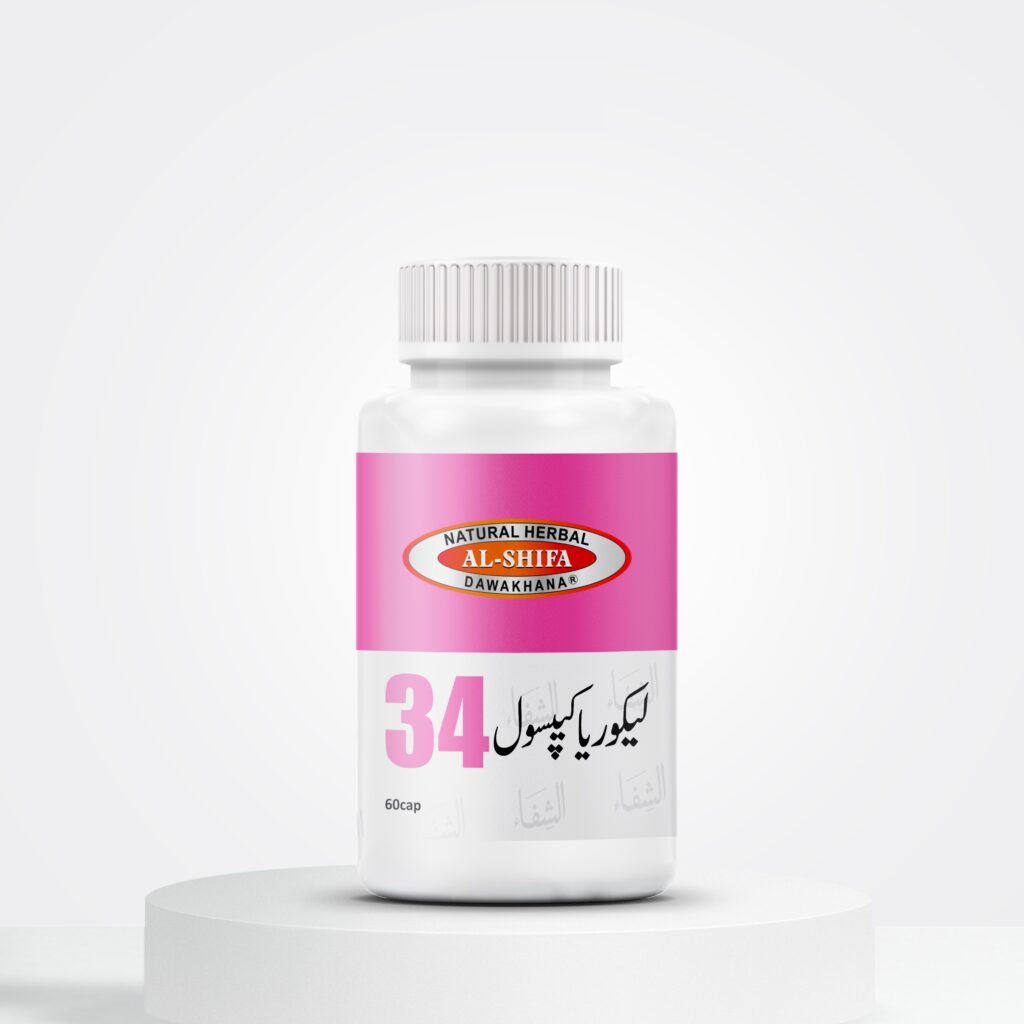
Al Shifa Likoria Capsules – Herbal Leucorrhea, White Vaginal Discharge & Women's Reproductive Wellness Support
Al Shifa Likoria Capsules are a traditional herbal formulation developed to support women's reproductive wellness, vaginal health, menstrual wellbeing, physical strength, and overall female vitality. Traditionally used for concerns involving excessive white or yellow vaginal discharge, vaginal itching, lower back pain, leg and thigh discomfort, muscular weakness, menstrual irregularities, fatigue, reduced appetite, and general physical weakness. Presented by Al Shifa Natural Herbal Dawakhana.
Key Benefits:
Dosage: 1 capsule in the morning and 1 capsule at night, one hour after meals with water.
Course Duration: 1 Month
Brand: Al Shifa Natural Herbal – Trusted Since 1999
Home Delivery: Available Across Pakistan.
Al Shifa Likoria Capsules are a traditional herbal formulation developed for women’s reproductive wellness, leucorrhea concerns, vaginal discharge, menstrual wellbeing, physical strength, and overall female vitality.
This herbal medicine is traditionally used for concerns involving excessive white or yellow vaginal discharge, vaginal itching, lower back pain, leg and thigh discomfort, muscular weakness, irregular menstrual periods, general physical fatigue, reduced appetite, pale complexion, irritability, and reduced physical stamina.
Presented by Al Shifa Natural Herbal, Likoria Capsules draw on 25 years of practical experience in traditional herbal and Unani care.
The formulation is traditionally associated with leucorrhea (Likoria), Sailan-ur-Rahim, vaginal discharge concerns, women’s reproductive comfort, physical weakness, menstrual wellness, and general female health.
Traditionally used in Unani medicine for concerns involving excessive vaginal discharge, commonly known as leucorrhea or Likoria.
Traditionally associated with concerns involving persistent or excessive white vaginal discharge and women’s intimate wellness.
Focused on women’s reproductive wellness concerns involving yellowish vaginal discharge. Unusual yellow discharge may require examination for infection.
Traditionally used for concerns involving excessive vaginal moisture, persistent wetness, and discomfort associated with abnormal discharge.
Traditionally associated with women’s intimate health concerns involving vaginal itching, irritation, and discomfort.
Traditionally valued for women’s physical wellness concerns involving lower back discomfort, backache, and muscular fatigue.
Focused on general physical weakness accompanied by discomfort in the legs, thighs, and lower body.
Traditionally associated with muscular tiredness, body aches, stiffness, and general physical discomfort.
Traditionally valued for women’s reproductive wellbeing and concerns involving irregular menstrual periods or changes in the monthly cycle.
Traditionally used for general body weakness, physical exhaustion, and reduced strength.
Focused on women’s vitality concerns involving tiredness, sluggishness, and reduced physical stamina.
Traditionally associated with general vitality concerns involving a pale complexion, tired-looking face, and reduced facial freshness.
Focused on general wellbeing concerns involving reduced appetite, poor food intake, and nutritional weakness.
Traditionally associated with concerns involving general weakness and reduced body strength. Rapid or unexplained weight loss requires medical evaluation.
Focused on general wellbeing concerns involving stomach acidity, digestive discomfort, and reduced appetite.
Traditionally associated with women’s general wellness concerns involving irritability, emotional tension, sadness, and reduced mental freshness.
Focused on general physical weakness and fatigue in women experiencing low energy or dizziness.
Traditionally associated with general weakness, pale appearance, and tiredness. Anemia requires diagnosis and appropriate treatment.
A traditional herbal formulation focused on women’s reproductive comfort, menstrual wellbeing, and overall female vitality.
Traditionally valued for supporting general female wellness, everyday stamina, physical strength, and overall wellbeing.
Leucorrhea, commonly called Likoria in Pakistan, refers to vaginal discharge that is generally white, milky, or pale in appearance.
In traditional Unani medicine, leucorrhea is commonly discussed under the name Sailan-ur-Rahim.
The vagina and cervix naturally produce secretions that help maintain moisture, support the vaginal environment, and protect reproductive tissues.
Normal vaginal discharge is an important part of female reproductive health.
The amount and appearance of discharge may change according to age, hormonal activity, menstrual cycle, ovulation, pregnancy, and other physiological conditions.
However, when vaginal discharge becomes unusually heavy, changes color, develops an unpleasant odor, or is accompanied by itching, burning, or pain, it may indicate an underlying health concern.
Normal vaginal discharge is itself a disease and does automatically cause physical weakness, anemia, or infertility.
Healthy vaginal discharge may vary in quantity, texture, and appearance throughout a woman’s life.
Before Menstruation: Hormonal changes may affect vaginal secretions.
During Ovulation: Discharge may become clear, slippery, and stretchy.
During Pregnancy: Vaginal discharge may increase because of hormonal and physiological changes.
During Sexual Arousal: Natural lubrication may increase vaginal moisture.
During Adolescence: Hormonal changes around puberty may influence vaginal discharge.
These changes do not necessarily indicate leucorrhea requiring treatment.
Abnormal vaginal discharge refers to a noticeable change in vaginal secretions that may be associated with infection, irritation, inflammation, or other reproductive health conditions.
These symptoms should be assessed according to their cause rather than treated as a single condition.
White or milky discharge may be a normal physiological secretion.
However, thick white discharge accompanied by itching or irritation may be associated with vaginal yeast infection or another condition.
Clear or watery discharge commonly occurs during normal hormonal changes.
It may increase around ovulation or during certain stages of the menstrual cycle.
Thick or sticky discharge can occur naturally during the menstrual cycle.
Changes accompanied by itching, irritation, or unusual odor may require evaluation.
Yellowish discharge may have different causes.
Persistent bright yellow discharge, especially when accompanied by itching, odor, or burning, may be associated with infection.
Greenish discharge may indicate a reproductive tract infection and should be medically assessed.
An unpleasant or fishy vaginal odor may occur with bacterial vaginosis or other infections.
Blood-stained discharge outside the normal menstrual period may have several causes and should be evaluated when unexplained or persistent.
Discharge accompanied by significant itching may occur with yeast infections, irritation, or other vaginal conditions.
Burning during urination may occur with urinary tract infections, vaginal irritation, or sexually transmitted infections.
Unusual discharge accompanied by pelvic pain may indicate a condition requiring prompt medical evaluation.
Vaginal discharge can vary with age, hormonal changes, and reproductive circumstances.
Persistent vaginal discharge in young girls may occur because of irritation, inflammation, foreign material, or infection.
Discharge accompanied by itching, burning, bleeding, or pain requires appropriate pediatric medical assessment.
Hormonal changes during puberty may cause normal vaginal discharge to appear before menstrual periods begin.
Discharge naturally varies during the menstrual cycle.
Changes accompanied by odor, itching, or pain may indicate an underlying condition.
Changes in vaginal discharge may occur because of hormonal factors, sexual activity, irritation, or infections.
Marriage itself does not cause leucorrhea.
Increased clear or milky-white discharge may be normal during pregnancy.
Unusual discharge, bleeding, persistent watery leakage, or pain requires assessment by a maternity healthcare professional.
Postpartum discharge, known as lochia, is different from ordinary vaginal discharge.
Unpleasant odor, fever, severe pain, or unusually heavy bleeding after childbirth requires prompt medical care.
Changes in reproductive health may occur after childbirth, but persistent abnormal discharge should be evaluated according to its underlying cause.
Lower estrogen levels after menopause can contribute to vaginal dryness and irritation.
New or persistent abnormal discharge, particularly blood-stained discharge, requires medical evaluation.
Traditional Unani literature describes different forms of vaginal discharge according to the area believed to be involved.
These classifications are historical descriptions and are not equivalent to modern medical diagnoses.
Traditionally describes discharge associated with the external genital region.
Traditionally describes discharge associated with the vaginal canal.
Traditionally refers to discharge associated with the cervix.
Traditionally describes discharge believed to originate from the uterus.
A historical Unani classification associated with the female reproductive organs.
A traditional description associated with secretions or inflammation involving the Bartholin glands.
Modern diagnosis of vaginal discharge depends on symptoms, examination, and appropriate laboratory testing.
Women experiencing abnormal discharge may report one or more of the following symptoms:
Other symptoms such as fatigue, weight loss, pale complexion, and back pain may occur at the same time but are not necessarily caused by vaginal discharge.
Bacterial vaginosis occurs when the normal balance of vaginal bacteria changes.
It may cause thin discharge and an unpleasant odor.
Yeast infections may cause itching, irritation, and thick white discharge.
Trichomoniasis is a sexually transmitted infection that may cause abnormal discharge, irritation, and discomfort.
Inflammation of the cervix may cause unusual discharge or bleeding.
Certain infections, including gonorrhea and chlamydia, may cause abnormal discharge or reproductive tract inflammation.
Scented products, harsh soaps, and certain hygiene products may irritate sensitive genital tissues.
Hormonal fluctuations can affect the amount and consistency of vaginal discharge.
Discharge naturally changes before, during, and after different stages of the menstrual cycle.
Hormonal changes during pregnancy may increase normal vaginal discharge.
Lower estrogen levels may contribute to vaginal dryness, irritation, and changes in vaginal comfort.
Retained foreign material or local irritation may cause unusual discharge or odor.
Inflammation involving reproductive tissues may cause abnormal discharge and associated discomfort.
Vaginal itching and burning may occur because of irritation, inflammation, infection, or sensitivity to certain products.
Appropriate treatment depends on the underlying cause.
Frequent urination and burning during urination may sometimes occur alongside vaginal discharge.
These symptoms may indicate urinary tract infection, vaginal irritation, or other urinary conditions.
Lower back pain is common among women and may arise from muscular, skeletal, urinary, or reproductive health conditions.
Vaginal discharge does not directly damage the spine or automatically cause back pain.
Women may experience discomfort in the legs, thighs, calves, and joints because of several physical or medical factors.
Severe weakness can affect daily activities, concentration, and physical endurance.
Severe or persistent weakness should be evaluated independently of vaginal discharge.
A pale or tired-looking face may occur because of fatigue, nutritional deficiencies, or certain medical conditions.
Anemia is one possible cause of unusual paleness, particularly when accompanied by fatigue or dizziness.
Anemia occurs when the blood does not contain enough healthy red blood cells or hemoglobin to meet the body’s oxygen needs.
Anemia is not caused by ordinary vaginal discharge and requires appropriate medical diagnosis and treatment.
Menstrual irregularities may involve changes in cycle timing, duration, or bleeding patterns.
Menstrual irregularities and leucorrhea are separate concerns that may require different approaches.
Fertility depends on normal ovulation, reproductive organ health, hormonal function, and several other factors.
Normal white vaginal discharge does not cause infertility.
However, certain untreated reproductive tract infections may affect fertility.
Al Shifa Likoria Capsules are a traditional herbal wellness formulation, not an established treatment for infertility or difficulty conceiving.
Digestive discomfort and poor appetite may affect nutritional intake and general physical strength.
Digestive problems should be assessed according to their own causes.
Unintentional weight loss may occur because of reduced food intake, digestive problems, metabolic conditions, or other illnesses.
Rapid or unexplained weight loss requires medical assessment and should not automatically be attributed to leucorrhea.
Low blood pressure, also called hypotension, may cause symptoms when circulation is insufficient to meet the body’s needs.
Symptomatic low blood pressure should be assessed according to its cause.
Emotional wellbeing is influenced by physical health, sleep, stress, hormonal changes, and daily circumstances.
These symptoms do not necessarily result from vaginal discharge and may require separate attention.
Some women experiencing physical weakness may also report a racing heartbeat, dizziness, or a sensation of faintness.
These symptoms may be associated with anemia, dehydration, low blood pressure, anxiety, or other medical conditions.
Persistent palpitations or fainting require medical evaluation.
In traditional Unani medicine, leucorrhea is commonly described as Sailan-ur-Rahim.
Historical Unani descriptions discuss vaginal discharge according to its appearance, consistency, associated symptoms, and the reproductive area believed to be involved.
Traditional Unani formulations have been used for concerns involving vaginal discharge, reproductive comfort, physical weakness, and general female vitality.
Al Shifa Likoria Capsules are presented within this traditional herbal wellness approach.
Clean the external genital area gently and avoid harsh or heavily scented products.
Internal vaginal washing can disturb the natural vaginal environment.
Breathable clothing may help maintain comfort and reduce unnecessary moisture.
Use clean menstrual products and change them regularly.
Include nutritious foods that support general health and physical strength.
Reduce fried or greasy foods when they worsen digestive symptoms.
Individuals experiencing acidity may benefit from avoiding foods that personally worsen heartburn or digestive discomfort.
Drink sufficient water according to individual needs.
Adequate sleep supports physical recovery and overall wellbeing.
Avoid unnecessary vaginal sprays, perfumes, and harsh cleansing products.
Unusual yellow or green discharge, strong odor, itching, burning, pelvic pain, or bleeding requires appropriate medical assessment.
Severe weakness, rapid weight loss, anemia symptoms, menstrual irregularities, and difficulty conceiving should be assessed according to their underlying causes.
The supplied traditional Unani guidance recommends simple home-cooked meals and advises limiting several foods during the course.
These include:
The traditional guidance also favors simple homemade roti and freshly prepared meals with light gravy-based dishes.
These restrictions are part of the supplied traditional dietary advice. There is no established medical evidence that ordinary foods such as rice, lentils, potatoes, yogurt, or sour fruits directly cause leucorrhea, so broad food avoidance is not generally necessary.
Al Shifa Natural Herbal – Trusted Since 1999
Al Shifa Likoria Capsules are part of our traditional herbal product range, developed for women interested in reproductive wellness, physical vitality, and general wellbeing.
Traditional Label Directions:
Take each capsule one hour after meals with water.
Course Duration: 1 Month
Product Name: Al Shifa Likoria Capsules
Alternative English Name: Al Shifa Leucorrhea Capsules
Product Category: Traditional Herbal Leucorrhea, Vaginal Discharge & Women’s Reproductive Wellness Support
Product Form: Capsules
Formulation Type: Traditional Herbal Formula
Traditional Wellness Focus: Leucorrhea, White Vaginal Discharge, Yellow Vaginal Discharge, Women’s Reproductive Wellness, Vaginal Comfort, General Physical Weakness, Lower Back Pain, Leg & Thigh Discomfort, Muscular Fatigue, Menstrual Irregularities, Reduced Appetite, Physical Fatigue & Overall Female Vitality
Dosage: 1 Capsule in the Morning and 1 Capsule at Night, One Hour After Meals With Water
Course Duration: 1 Month
Brand: Al Shifa Natural Herbal
Brand Heritage: Trusted Since 1999
Home Delivery: Available Across Pakistan
Al Shifa Natural Herbal Dawakhana.
الشفاء، لیکوریا کیپسول۔
Al Shifa, Likoria Capsules.
فوائد: اندام نہانی سے سفید یا پیلا پانی خارج ہونا، چہرے کی رنگت زرد، کمر ٹانگوں رانوں میں درد، معدہ میں تیزابیت، پٹھوں میں کھینچاؤ، چڑچڑا پن، شدید جسمانی کمزوری، کمر درد، ماہانہ نظام میں خرابی، حمل کا نہ ٹھہرنا، ٹانگوں میں درد، بھوک نہ لگنا وزن کا تیزی سے گھٹنا، لو بلڈ پریشر، اداسی، بانجھ پن، نسوانی حسن میں کمی، چہرے کی بے رونقی، خون کی کمی، طبیعت میں سستی اور جلدی غصہ آنا، دل ڈوبنا، خواتین میں لیکوریا کے خاتمے کے لئے مفید دواء۔
مقدارخوراک: ایک کیپسول صبح، ایک کیپسول رات، کھانے کے ایک گھنٹہ بعد پانی کیساتھ استعمال کریں
دوا برائے ایک ماہ۔
ہوم ڈلیوری آل پاکستان۔
مشورہ کیلئے رابطہ کر سکتے ہیں۔
رحم میں سے سفید رطوبت جاری ہونا یہ بڑی سخت بیماری ہے اس سے عورتوں کی صحت بہت جلد بگڑ کر خراب ہو جاتی ہے۔
لیکوریا کے اسباب
لیکوریا کی علامات
طبیعت سست اور کمر درد پیشاب کی بار بار حاجت رہتی ہے اندام نہانی میں خارش اور اس سے سفید زرد پانی بہتا رہتا ہے۔
پر ہیز: دال چنا، دال ماش، چاول، آلو، گوبھی، شملہ مرچ، تمام بوتلیں، ٹھنڈے مشروبات، بازاری تلی ہوئی فرائی چیزیں، ٹھنڈا دودھ، سفید چنے،نان، خمیری روٹی، ڈبل روٹی، بڑا گوشت، چھوٹے بڑے پائے، پیزا، حلوہ پوڑی، تمام کھٹے فروٹ، اور تمام کھٹی چیزیں، سموسے، پکوڑے، برگر، پرہیز لازمی ہے، گھر کی سادہ روٹی کھائیں شوربے والا سالن ذیادہ استعمال کریں۔
لیکوریا ہے کیا کیوں ہوتا ہے مکمل معلومات
تحریر حکیم محمد عرفان فاضل طب والجراحت
لیکوریا کو سیلان الرحم بھی کہا جاتا ہے یہ سفید رنگ کی رطوبت ہوتی ہے جو وجائینہ سے خارج ہوتی رہتی ہے۔
زنانہ اعضائے تناسل کی بلغمی جھلیوں سے خاص قسم کی رطوبات خارج ہوتی رہتی ہیں یہ قدرت کی طرف سے ان اعضاء کی حفاظت اور کسی مقصد کیلیئے خارج ہوتی ہیں۔ لیکن جب کسی بےاحتیاطی یا بیماری کی وجہ سے یہ تراوش بڑھ جائے تو سیلان بڑھ جاتا ہے۔ جو تکلیف دہ ہوتا ہے اور مریضہ کو کمزور کردیتا ہے۔
اندام نہانی سے سفید رطوبت کا اخراج خواتین کے بہت سے عوارض کی علامات کو ظاہر کرتا ہے۔ بعض اوقات یہ حاد اور شدید نوعیت کا ہوتا ہے۔ اس حالت میں یہ گاڑھا اور سفید رنگ کا ہوتا ہے بعض اوقات شفاف رطوبت کی مانند اور مزمن حالت میں پتلا پیلا بدبو دار خراش دار اور کبھی جما ہوا سبزی مائل چھیچھڑوں کی شکل میں ہوتا ہے۔
اگر معمولی نوعیت کا ہوتو حیض سے ایک دن قبل یا ایک دن بعد میں ہوتا ہے۔ جو خواتین اس عارضے میں مبتلاء ہوتی ہیں۔ ان کی صحت کمزور ہوتی ہے چہرہ زرد اور مرجھایا ہوا۔ کمر کے نچلے حصے اور ٹانگوں میں درد۔ معمولی محنت سے تھک جانا۔ ہڈیوں اور پٹھوں کی کمزوری ہوجاتی ہے۔
یاد رہے لیکوریا بذات خود کوئی مرض نہیں ہے کیونکہ ایک صحت مند عورت کو مخصوص حالات میں وجائنہ میں چپچپاہٹ کا احساس رہنا چاہیئے۔ جیسے بلوغت کے بعد۔ خواتین کو حیض سے قبل۔ جماع کے وقت۔ انڈا نکلتے وقت۔ یہ سیلان خارج ہوتا ہے۔
اگر یہ سیلان بڑھ جائے اور تکلیف یا بدبو کا باعث بنے تو رحم کی سوزش ورم یا رسولیوں کا نتیجہ ہوتا ہے۔ اس کی وجہ سے خواتین ذہنی طور پر کمزور اور یاداشت میں کمی محسوس کرتی ہیں۔ جونہی اس عارضے کی علامات شروع ہوں تو مناسب دواء کے ساتھ کسی ماہر طبیبہ سے مکمل چیک اپ کروانا ضروری ہے۔
لیکوریا کی درجہ بندی
عمر کے لحاظ سے لیکوریا کی مختلف درجہ بندیاں ہیں۔
نمبر1: بچپن کا لیکوریا۔
یہ عموما بلوغت سے پہلے شروع ہوتا ہے۔ اس وجہ سے بچیاں تکلیف دہ حالات کا شکار رہتی ہیں
تیز خراش دار پیشاب، یا پیشاب کی جلن ہونا۔ بچیاں جب لیکیوریا کو چھپاتی ہیں تو ان میں وجائنا کی سوزش پیدا ہوجاتی ہے۔ اور لیکیوریا اپنی حالتیں بدلنے لگتا ہے۔
نمبر2: شرم گاہ کی خارش۔
شرم گاہ کی خارش انتہائی شدید ہوتی ہے۔ مریضہ کو شرم گاہ کھجاتے ہوئے لذت آتی ہے۔ اور وجائنہ کی نالیوں میں سوزش پیدا ہوکر لیکیوریا کو بدبو دار بنادیتی ہے۔
نمبر3: سوتی کیڑوں کا شرم گاہ میں داخل ہونا۔
وجائینہ کی خارش کی شکایت کرتی لڑکیوں کو اس مقام پر سخت چبھن اور درد کی کیفیت پیدا ہوجاتی ہے۔ ایسی صورت میں پیٹ کے کیڑے مقعد کے راستے وجائینہ میں داخل ہوجاتے ہیں۔ جو نہ صرف خارش پیدا کرتے ہیں بلکہ لیکیوریا کا باعث بھی بنتے ہیں۔
نمبر4: غذائی بد پرہیزی کے اثرات۔
ایسی لڑکیاں جو بہت زیادہ کھٹی اشیاء کھاتی ہیں ان میں لیکوریا کا مرض پیدا ہوجاتا ہے۔ عموما بچیاں کھٹی چیزیں۔ املی اور املی سے بنی ہوئی چیزیں۔ اچار۔ چٹنیاں۔ چاٹ۔ دہی بھلے۔ امبیاں۔ لیموں اور دیگر مصالحوں والی ڈشیں شوق سے کھاتی ہیں تب لیکیوریا بگڑ جاتا ہے۔ اور یہ بچیاں آگے چل کر کئی مسائل کا شکار ہوجاتی ہیں۔
نمبر5: غم، فکر، پریشانی۔
بلوغت کی عمر میں پاوں رکھتے ہی لڑکیاں عشق و محبت کا روگ پال لیتی ہیں اس پریشانی سے لڑکیوں کے ماہانہ نظام میں گڑ بڑ پیدا ہوجاتی ہے۔ خیالوں خیالوں میں محبوب سے ملتی ہیں جس کی وجہ سے شرم گاہ یا رحم میں سوزش پیدا ہوجاتی ہے اور لیکیوریا شدید ہوجاتا ہے۔
نمبر6: زیادہ دیر کھڑے رہنے سے۔
جاب کرنے والی لڑکیاں زیادہ دیر کھڑی رہتی ہیں جس کی وجہ سے لیکیوریا جیسے مرض میں مبتلا ہوجاتی ہیں۔
نمبر7: لڑکے لڑکیوں کا ایک جگہ اکٹھے رہنا۔
ایسی لڑکیاں جو مردوں کے ساتھ رہ کر کام کرتی ہیں، یا کو، ایجوکیشن کیلئے آتے جاتے اٹھتے بیٹھتے لڑکوں کی شہوت انگیز نظروں کے سبب لیکیوریا کا شکار ہوجاتی ہیں۔
نمبر8: نئی دلہن کا لیکوریا۔
نئی نئی شادی کی وجہ سے جماع کی زیادتی ہوتی ہے تو رحم کی نالیوں میں سوزش پیدا ہوجاتی ہے اور لیکوریا کا باعث بنتی ہے۔ اور پھر مسلسل جماع سے سسٹ یا رسولیاں بننے لگتی ہیں۔
نمبر9: بچوں والی خواتین کا لیکوریا۔
ایسی جواتین جو کئی بچے پیدا کرچکی ہوں وہ رحم کی رسولی۔ سوزش یا کثرت جماع کی وجہ سے لیکوریا کا شکار بنتی ہیں۔
نمبر10: سن یاس کا لیکوریا۔
سن یاس کی عمر میں خواتین کی شرم گاہ میں خشکی پیدا ہوجاتی ہے لیکن اگر رحم میں انفیکشن یا رسولی بن جائے تو سیلان شروع ہوجاتا ہے۔
لیکوریا کی اقسام
عام طور پہ لیکوریا چھے اقسام کا ہوتا ہے۔
نمبر1: سیلان فرجی۔
اس میں اندام نہانی کے بیرونی حصے سے لیسدار رطوبت خارج ہوتی ہے۔ اس قسم کا لیکوریا نوجوان لڑکیوں کو ہوا کرتا ہے۔
نمبر2: سیلان مہبلی۔
اندام نہانی کے اندرونی حصے سے گاڑھی دودھیا رطوبت نکلتی ہے جو خارش اور جلن پیدا کرتی ہے۔ یہ لیکیوریا نئی نویلی دلہن کو ہوتا ہے۔
نمبر3: سیلان عنقی۔
اس قسم میں عنق الرحم سے سیلان ہوا کرتا ہے جو انڈے کی سفیدی کی طرح لیسدار اور کھارا ہوتا ہے۔
نمبر4: سیلان رحمی۔
رحم کے اندرونی حصے سے رطوبت کا افراز ہوتا ہے جو سفید یا نیلگوں ہوتی ہے۔ لیکن لیسدار نہیں ہوتی۔ لیکوریا پرانا ہونے کی صورت میں مادے کی رنگت سرخی مائل۔ زردی مائل اور پانی جیسی خارج ہونے لگتی ہے۔ سیلان کی شدت سے کپڑے ہر دم تر رہتے ہیں مرض کی یہ قسم ہر عمر کی عورت کو ہوسکتی ہے۔
نمبر5: سیلان بیضی۔
یہ سیلان عورت کے خصیہ الرحم کے کمزور۔ اور قوت ماسکہ کے ختم ہونے سے پیدا ہوتا ہے۔ یہ رطوبت قازف نالیوں سے بہتی ہے۔
نمبر6: سیلان بارتھولی۔
اس سیلان کا سبب گوناکوکس جراثیم ہوتے ہیں۔ التہاب کی وجہ سے غدہ بارتھولین سے رطوبت جاری ہوتی ہے جو کہ مردوں میں سیلان منی کی طرح ہوتی ہے۔ اگر سیلان رحم میں خون کے زرات پائے جائیں تو یہ رحم میں ورم سوزش یا رسولی کا اظہار ہے۔
لیکوریا کی علامات
اس مرض سے متاثرہ خواتین میں درج ذیل میں سے کچھ علامات ظاہر ہوتی ہیں۔
نمبر1: مرض کے شروع میں بغیر تکلیف کے لیکوریا ہونا۔
نمبر2: مرض بڑھ جائے تو وجائینہ میں خارش اور جلن ہونا۔
نمبر3: چپچپا پانی خارج ہونا۔
نمبر4: انڈے کی سفیدی کی طرح ہونا۔
نمبر5: دودھیا لیسدار ہونا۔
نمبر6: بدبودار لوتھڑوں کی شکل میں ہونا۔
نمبر7: لیکوریا میں خون کے ذرات ہونا۔
نمبر8: مریضہ کا چہرہ زرد ہونا۔
نمبر9: آنکھیں گال اندر دھنسے ہونا۔
نمبر10: چڑچڑا پن ہونا۔
نمبر11: سستی و کاہلی سے کام میں جی نہ لگنا۔
نمبر12: سر کمر پنڈلیوں اور جوڑوں میں شدید درد ہونا۔
نمبر13: قبض ہونا۔
نمبر14: بھوک بند ہونا۔
نمبر15: جی متلانا۔
نمبر16: بار بار پیشاب جلن دار آنا۔
نمبر17: رحم کی خارش۔
نمبر18: رحم کا بار بار ٹل جانا۔
نمبر19: رحم کی رسولیاں۔ سسٹ وغیرہ۔
لیکوریا کی وجوہات
اس مرض کی عموما درج ذیل وجوہات ہوتی ہیں۔
نمبر1: رحم اور اس کے متعلقات کی خرابیاں۔
نمبر2: رحم یا اس کے ارد گرد اعضاء میں خرابی یا بیماری پیدا ہونے کے باعث فرج کے راستے سیلان ہونا۔
نمبر3: جنسی اعضاء کی عدم صفائی۔
جوڑوں میں بائی کے دردوں کا مزمن عارضہ۔
نمبر5: جو خواتین جوڑوں کے دردوں کیلیئے گرم ادویہ استعمال کرتی ہیں ان میں اس مرض کے امکانات
بڑھ جاتے ہیں۔
نمبر6: بندش حیض۔
نمبر7: بواسیر و قبض کا عارضہ۔
نمبر8: رحم کی سوزش۔
نمبر9: آتشک، سوزاک۔
نمبر10: پریشانی مایوسی غصہ۔
نمبر11: رحم یا اس کے متعلقہ اعضاء میں سرطان ہونا۔
نمبر12: رحم کا ٹل جانا۔
نمبر13: کثرت حیض۔
نمبر14: چٹ پٹی کھٹی اشیاء کا استعمال۔
نمبر15: خون، کیلشیم اور وٹامن ڈی کی کمی ہونا۔
نمبر16: شہوت کی زیادتی ہونا۔
نمبر17: ہارمونز کی کمی بیشی ہونا۔
نمبر18: زچگی کے بعد نفاس کے دب جانے سے شدید بخار کی کیفیت نمایاں ہوتی ہے اس کے ساتھ رحم سے نفاس کے بجائے لیکیوریا جاری ہوجاتا ہے۔
نمبر19: بعض خواتین میں یہ عارضہ اندام نہانی میں ٹرائیکومونس ویجینائلیس جراثیم کے انفیکشن کے باعث پیدا ہوجاتا ہے۔ یہ جراثیم چالیس فیصد خواتین کے رحم میں موجود ہوتا ہے۔ اور جنسی اعضاء میں سوزش پیدا کرکے سیلان کا باعث بنتا ہے۔
الشفاء، لیکوریا کیپسول کورس
لیکوریا کی مزید معلومات
لیکوریا کیاہے
لیکوریا اور وائٹ ڈسچارج کیا ہے۔
کیا لیکوریا کا علاج ضروری ہے۔
کیا لیکوریا بانجھ پن کا سبب بنتا ہے۔
لیکوریا ایک ایسی خطرناک بیماری ہے جو عورت کی تمام زندگی کو مکمل طور تباہ کر دیتا ہے۔ ہر عورت کی فُرج میں سے کچھ رطوبتوں کا اخراج ہوتا ہے ۔کیمیائی توازن قائم رکھنے کے لئے ،یہ اخراج ،فرج کا نارمل دفاعی نظام ہوتا ہے۔
اور اِس اخراج کے ذریعے فُرج کے عضلات کی نارمل لچک بھی قائم رہتی ہے۔تاہم اگر اِس اخراج کی مقدار واضح طور پر بڑھ جاتی ہے اور یہ سفید رنگ کی گاڑھی رطوبت بن جائے تو اِسے لیکوریا کہا جاتا ہے۔
لیکوریا میں مبتلا مریضہ کی حالت چند مہینوں میں ہی عجیب سے عجیب تر ہوتی چلے جاتی ہے۔لیکوریا اپنا پہلا ٹارگٹ ریڑ کی ہڈی کو بناتا ہے جس سے اٹھنے بیٹھنے کی سکت کم ہو جاتی ہے۔ آگر آپ نیچے دی گئی کسی بھی علامت سے دوچار ہیں تو کہیں یہ لیکوریا کے سبب تو نہیں؟
لیکوریا کی علامات
نمبر1: بالوں کا گرنا۔
نمبر2: چہرے پے دانوں کا نکلنا۔
نمبر3: غذائی بد پرہیزی۔
نمبر4: ماہواری میں عدم توازن۔
نمبر5: دل ڈوبنا۔
نمبر6: بھاری پن۔
نمبر7: چڑچڑاپن۔
نمبر8: ہر وقت غصہ کا رہنا۔
نمبر9: پاؤں اور ٹانگوں میں ہر وقت درد کا رہنا۔
نمبر10: پٹھوں کا کھینچاؤ۔
نمبر11: کمر کا درد۔
نمبر12: حمل کا نہ ٹھہرنا۔
نمبر13: ریڑ کی ہڈی میں درد رہنا۔
نمبر14: دل کی دھڑکن کا تیز رہنا۔
نمبر15: بھوک نہ لگنا۔
نمبر16: معدہ کا خراب رہنا۔
نمبر17: چکر آنا۔
نمبر18: بلڈ پریشر کا کم رہنا۔
نمبر19: وزن کا تیزی سے گھٹنا۔
نمبر20: جسمانی کمزوری۔
نمبر21: ہڈیوں میں درد۔
نمبر22: جوڑوں کا درد۔
نمبر23: نسوانی حسن میں کمی۔
وجوہات
نمبر1: بچپن میں مٹی کا کھانا۔
نمبر2: بچپن کا لیکوریا۔
نمبر3: پیشاب کی جلن ہونا۔
نمبر4: شرم گاہ کی خراش۔
نمبر5: وجائنہ کی صفائی کا خیال نہ رکھنا۔
(sexual feelings) نمبر6: سیکسول فیلنگز کا زیادہ یا کم ہونا۔
نمبر7: خوراک کا متوازن نہ ہونا۔
پریشانی۔ (stress) :نمبر8
نمبر9: ٹائلٹ کا انفیکشن۔
نمبر10: غیر اخلاقی مواد کا دیکھنا۔
ماسٹربیشن۔ (vigina rubbing or fingering) : نمبر11
نمبر12: زیادہ بھاری وزن اٹھانا۔
نمبر13: ماہانہ نظام میں خرابی۔
جو خواتین لیکوریا کے مسئلہ کو ختم کرنا چاہتی ہیں وہ الشفاء، لیکوریا کیپسول کورس ایک ماہ استعمال کریں اور ان تمام مسائل سے چھٹکاڑہ پائیں۔