کشمش سندرخانی
Price range: ₨ 450 through ₨ 1,800
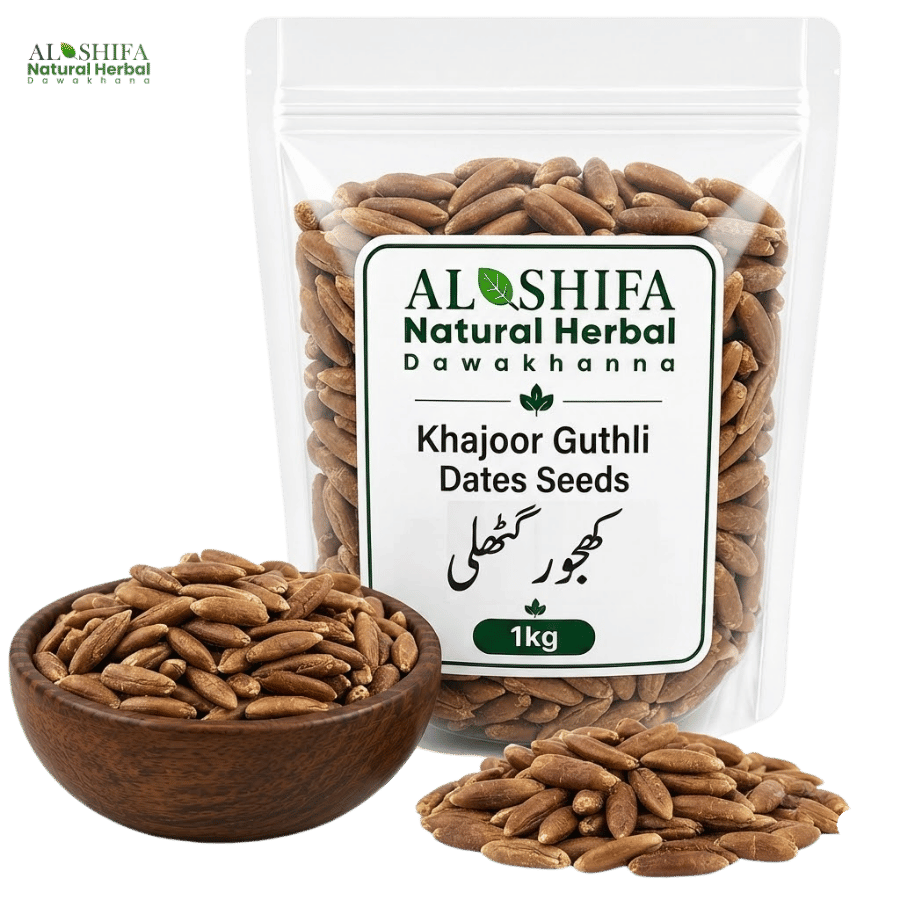
Khajoor Guthli / Date Seeds are natural dried seeds obtained from the Date Palm (Phoenix dactylifera L.). They are naturally fibrous and can be roasted, ground, and used in suitable food and beverage preparations.
How to Use: Clean, roast if desired, and grind into a fine powder before adding to suitable food or beverage preparations.
Storage: Store in a cool, dry place away from sunlight and moisture.
Important Note: Whole date seeds are extremely hard and should not be chewed directly.
Khajoor Guthli / Date Seeds – کھجور گٹھلی are the hard seeds found inside the fruits of the Date Palm (Phoenix dactylifera L.), a well-known palm belonging to the Arecaceae family. Dates have been valued for centuries as an important food across the Middle East, South Asia, North Africa, and many other regions, while their seeds have also traditionally been collected and used for a variety of food-related and botanical purposes.
Date seeds are naturally hard, dense, and fibrous. Unlike the soft edible flesh of dates, they are generally cleaned, dried, roasted, ground, or otherwise processed before use. In recent years, date seeds have received growing interest as a plant-based ingredient because they naturally contain dietary fiber, carbohydrates, oils, phenolic compounds, and other botanical constituents.
Quality Khajoor Guthli should be properly separated from the date fruit, cleaned, adequately dried, and stored under suitable conditions.
Product Name: Khajoor Guthli / Date Seeds
Urdu Name: کھجور گٹھلی
Roman Name: Khajoor Guthli / Khajur Guthli
English Names: Date Seeds / Date Pits / Date Stones / Date Kernels
Botanical Source: Date Palm
Botanical Name: Phoenix dactylifera L.
Family: Arecaceae
Genus: Phoenix
Plant Part: Seeds
Product Type: Natural Botanical Food Ingredient / Seed Raw Material
Form: Whole Dried Seeds
Every date fruit normally contains a hard elongated seed at its center. This seed is commonly known as a date pit, date stone, date kernel, or Khajoor Guthli.
Although the sweet flesh is the most commonly consumed part of the date fruit, the seed represents a substantial plant structure designed to support the development of a new date palm.
The seeds are considerably harder than ordinary edible seeds. Because of their tough structure, whole date seeds are not normally chewed or eaten directly.
Instead, depending on the intended food use, they may be:
Proper processing is particularly important because of their extreme hardness.
Date seeds come from Phoenix dactylifera L., the cultivated date palm.
Scientific Name: Phoenix dactylifera L.
Genus: Phoenix
Family: Arecaceae
Plant Type: Palm Tree
Plant Part: Seed
The date palm has been cultivated for thousands of years and remains an important food crop in many warm and arid regions.
Different varieties of dates may produce seeds that differ somewhat in:
Therefore, natural variation between batches of Khajoor Guthli is normal.
Date seeds contain a complex mixture of naturally occurring plant constituents.
Depending on date variety, growing conditions, maturity, processing, and analytical method, date seeds may contain:
Their composition should not be confused with the composition of the sweet date flesh.
The seed contains substantially more structural and fibrous material, whereas the fruit flesh is naturally much richer in sugars.
One of the most notable nutritional characteristics of date seeds is their substantial fibrous content.
Dietary fiber is an important component of a balanced diet and contributes to normal digestive function.
However, the amount of fiber in an individual commercial product depends on factors such as:
Therefore, precise claims such as a specific percentage of fiber should only be made when supported by nutritional testing of the actual product being sold.
Date seeds have attracted scientific interest because they contain naturally occurring phenolic compounds and other plant constituents with antioxidant activity in laboratory testing.
These compounds are part of the date palm’s natural chemistry.
Research may describe antioxidant activity measured in laboratory assays, but this should not be interpreted to mean that date seeds prevent or treat diseases in humans.
The nutritional significance of a food depends on the complete diet, preparation method, quantity consumed, and individual circumstances.
Date seeds also contain a naturally occurring oil fraction.
Depending on variety and analytical method, date seed oil may contain several fatty acids, including combinations of:
The exact fatty-acid profile varies among date varieties and growing conditions.
Whole date seeds, ground date seed powder, and extracted date seed oil are therefore different products and should not be treated as nutritionally identical.
One of the most practical ways date seeds can be used is after appropriate processing into a powder.
The seeds are typically cleaned and thoroughly dried before grinding. Depending on the desired product, roasting may also be performed before grinding.
Because date seeds are exceptionally hard, suitable grinding equipment is required.
The resulting powder can have:
The exact characteristics depend heavily on the roasting and grinding process.
Roasting changes the sensory characteristics of date seeds.
Appropriate roasting can develop a darker color and deeper roasted aroma, making the resulting ground material suitable for certain beverage and food preparations.
Roasting conditions matter because differences in:
can influence flavor, aroma, color, and chemical composition.
Over-roasting or burning should be avoided.
Roasted and ground date seeds are sometimes prepared as a coffee-style botanical beverage.
Because date seeds do not naturally contain coffee beans, this type of beverage should not be confused with conventional coffee.
Pure date seeds are naturally caffeine-free, making roasted date seed powder of interest to people looking for a roasted beverage ingredient without the naturally occurring caffeine found in coffee beans.
However, a commercial blend containing actual coffee, tea, cacao, or other caffeine-containing ingredients may not be caffeine-free.
Although roasted date seed beverages may resemble coffee in appearance or roasted aroma, the two ingredients are botanically different.
Derived from:
Phoenix dactylifera
Plant part:
Seed of the date fruit
Derived primarily from plants belonging to the genus:
Coffea
These are completely different botanical sources.
Therefore, the term “date seed coffee” generally describes a coffee-style beverage rather than actual coffee.
Date seeds have historically been utilized in different regions rather than simply discarded.
Depending on local traditions and processing practices, they have been associated with:
The method of preparation is important because the whole seed itself is extremely hard.
Properly processed date seed powder may be explored as an ingredient in suitable food preparations.
Potential food applications can include:
The amount incorporated into a recipe depends on the desired flavor, texture, particle size, and overall formulation.
Because date seed powder is fibrous and has its own distinctive flavor, it is not necessarily a direct one-to-one substitute for ordinary wheat flour.
Pure Khajoor Guthli naturally contains no coffee-derived caffeine.
This makes properly roasted date seed powder potentially suitable for preparing a caffeine-free roasted beverage.
However, “caffeine-free” applies only when the product contains pure date seeds without added caffeine-containing ingredients.
Always check the complete ingredient list when purchasing a blended beverage product.
Date seed powder naturally contains dietary fiber.
Fiber contributes to normal bowel function as part of an overall balanced diet.
When adding a fiber-containing ingredient to the diet, it is generally sensible to introduce it gradually and maintain adequate fluid intake.
Consuming unusually large quantities of fiber suddenly may cause:
Individual tolerance can vary.
Date seed products should not be promoted as a treatment for constipation or digestive diseases.
Date seeds have been studied for their naturally occurring phenolic constituents and antioxidant properties in laboratory research.
This area of research is scientifically interesting, but an important distinction must be maintained:
Laboratory antioxidant activity is not the same as demonstrated prevention or treatment of disease in humans.
The term antioxidant should therefore be used in the context of naturally occurring plant compounds rather than as a promise of medical benefit.
Date seed constituents have also been investigated experimentally in relation to metabolic processes.
However, existing laboratory or preliminary research does not justify marketing ordinary date seeds as a treatment for:
People with diabetes should manage their condition according to professional medical and nutritional advice.
It is also important to distinguish date seeds from date fruit, since the nutritional composition of the seed differs considerably from the naturally sweet fruit flesh.
The dietary fiber, natural oils, and plant compounds found in date seeds make them an interesting subject for nutritional research.
Nevertheless, Khajoor Guthli should not be described as a treatment for:
A balanced dietary pattern, physical activity, appropriate medical care, and other lifestyle factors are much more important than any single botanical ingredient.
Because date seed powder contains fibrous plant material, it may contribute to the fiber content of suitable foods.
However, it should not be marketed as:
No single seed powder can replace an appropriate diet, physical activity, sleep, and overall energy balance for healthy weight management.
Whole Khajoor Guthli is extremely hard and is primarily suitable as raw material for further processing.
Properly processed and finely ground seeds are more practical for food and beverage applications.
Oil extracted from the seeds is a separate concentrated product with a different composition and use profile.
These forms should not be considered interchangeable.
Whole date seeds are very hard and should not normally be chewed.
Attempting to bite or chew them can potentially:
For food applications, date seeds should first be appropriately cleaned and mechanically processed into a suitable form.
Date seeds intended for further use should be properly separated from fruit residue and handled hygienically.
Good processing practices include:
Improper drying or storage can encourage spoilage and should be avoided.
Because seeds may retain traces of date flesh after removal from the fruit, good hygiene is important.
Before processing, ensure that the seeds are:
Prepared powder should also be protected from moisture and contamination.
Good-quality Khajoor Guthli should generally have:
Natural differences in size, shade, and shape may occur between date varieties and batches.
Date palms include many cultivated varieties, and their seeds are not always identical.
Natural variation may result from:
Therefore, slight differences in seed size, shape, color, and surface appearance are normal and do not necessarily indicate poor quality.
Ordinary food use of appropriately processed date seed ingredients differs from consuming unusually large quantities or concentrated preparations.
Pregnant or breastfeeding individuals should avoid excessive or medicinal-style consumption when reliable safety information for a particular preparation is unavailable.
If using a concentrated extract or specialized formulation, professional guidance is advisable.
Whole date seeds should be kept away from young children because their size and hardness can create a choking or dental hazard.
If date seed powder is used as a food ingredient for children, it should be:
Parents should consider the child’s individual dietary needs and tolerance.
Although date products are widely consumed, individual sensitivities can occur with almost any food or botanical material.
Stop using the product if an unusual reaction develops and seek appropriate medical advice if symptoms are significant.
People with known allergies or complex dietary restrictions should review ingredients carefully before using blended products.
Proper storage helps preserve the quality of Khajoor Guthli.
Whole dry seeds generally store differently from roasted or ground material, so processed date seed powder should receive additional protection from moisture and air.
Avoid using date seeds or processed date seed powder if there is:
When in doubt about product quality, it is safer not to use the material.
Quality Khajoor Guthli / Date Seeds – کھجور گٹھلی provide a natural botanical raw material obtained from the widely cultivated date palm.
Product Name: Khajoor Guthli / Date Seeds
Urdu Name: کھجور گٹھلی
Roman Name: Khajoor Guthli / Khajur Guthli
English Names: Date Seeds / Date Pits / Date Stones / Date Kernels
Botanical Source: Date Palm
Botanical Name: Phoenix dactylifera L.
Family: Arecaceae
Genus: Phoenix
Plant Part: Seeds
Product Form: Whole Dried Seeds
Product Category: Natural Botanical Food Ingredient / Seed Raw Material
Naturally Occurring Constituents: Dietary fiber, carbohydrates, plant protein, natural oils, fatty acids, phenolic compounds, minerals and other botanical constituents
Common Uses: Roasting, grinding, date seed powder, coffee-style botanical beverages and suitable food formulations
Storage: Keep tightly sealed in a cool, dry place away from sunlight, moisture, insects and contamination.
Khajoor Guthli / Date Seeds – کھجور گٹھلی are much more than the hard inner portion of the date fruit. They are a naturally fibrous botanical material that can be cleaned, dried, roasted, and ground for a variety of appropriate food and beverage applications.
Their naturally occurring dietary fiber, seed oils, fatty acids, and phenolic compounds have also made date seeds an interesting subject of modern food and nutritional research. However, research findings should be interpreted carefully and should not be converted into unsupported disease-treatment claims.
For practical use, whole date seeds should be properly processed rather than chewed directly because of their exceptional hardness. When roasted and ground appropriately, they can provide a distinctive earthy and roasted ingredient for suitable preparations, including caffeine-free coffee-style beverages.
Important Note: This product is provided as a natural botanical food ingredient/raw material and is not intended to diagnose, treat, cure, or prevent any disease. Whole date seeds are extremely hard and should not be chewed directly. Ensure appropriate cleaning, drying, roasting, and grinding according to the intended food use.
کھجور گٹھلی کھجور کے پھل کے اندر موجود سخت بیج ہے جو فینکس ڈیکٹیلیفیرا نامی کھجور کے درخت سے حاصل ہوتا ہے۔ یہ درخت ایریکیسی نباتاتی خاندان سے تعلق رکھتا ہے۔ کھجور ہزاروں سال سے مشرقِ وسطیٰ، جنوبی ایشیا، شمالی افریقہ اور دنیا کے دیگر گرم علاقوں میں ایک اہم غذائی پھل کے طور پر استعمال ہوتی رہی ہے، جبکہ اس کی گٹھلی کو بھی مختلف روایتی اور غذائی مقاصد کے لیے محفوظ کرکے استعمال کیا جاتا رہا ہے۔
کھجور کے نرم اور میٹھے گودے کے برعکس اس کی گٹھلی انتہائی سخت، گھنی اور ریشے دار ہوتی ہے۔ اسی لیے مکمل گٹھلی کو براہِ راست چبانے کے بجائے عام طور پر صاف، خشک، بھون اور پیس کر استعمال کے قابل شکل میں تیار کیا جاتا ہے۔
کھجور کی گٹھلی میں قدرتی طور پر غذائی ریشہ، نباتاتی روغنی اجزاء، لحمیات، فینولک مرکبات، مختلف روغنی تیزاب اور دیگر قدرتی نباتاتی اجزاء پائے جاتے ہیں۔
نام: کھجور گٹھلی
دیگر معروف نام: کھجور کا بیج، کھجور کی گٹھلی
نباتاتی ماخذ: کھجور کا درخت
نباتاتی نام: فینکس ڈیکٹیلیفیرا
نباتاتی خاندان: ایریکیسی
جنس: فینکس
استعمال ہونے والا حصہ: بیج
شکل: مکمل خشک گٹھلی
قسم: قدرتی غذائی اور نباتاتی خام مادہ
ہر کھجور کے پھل کے درمیان عام طور پر ایک سخت اور لمبوتری گٹھلی موجود ہوتی ہے۔
کھجور کا میٹھا گودا عام طور پر براہِ راست کھایا جاتا ہے، جبکہ اس کی گٹھلی اپنی سخت ساخت کی وجہ سے براہِ راست کھانے کے لیے موزوں نہیں ہوتی۔
مختلف استعمالات کے لیے کھجور کی گٹھلی کو پہلے مناسب طریقے سے تیار کیا جا سکتا ہے، مثلاً:
گٹھلی کی غیر معمولی سختی کی وجہ سے اسے پیسنے کے لیے مناسب آلات کی ضرورت ہوتی ہے۔
کھجور کی گٹھلی فینکس ڈیکٹیلیفیرا نامی کھجور کے درخت سے حاصل ہوتی ہے۔
یہ ایک قدیم زرعی درخت ہے جس کی کاشت ہزاروں سال سے گرم اور خشک علاقوں میں کی جا رہی ہے۔
کھجور کی مختلف اقسام کی گٹھلیوں میں قدرتی طور پر فرق ہو سکتا ہے۔
یہ فرق درج ذیل خصوصیات میں نظر آ سکتا ہے:
اس لیے مختلف فصلوں اور اقسام کی کھجور گٹھلیوں کا ایک دوسرے سے معمولی مختلف ہونا قدرتی بات ہے۔
کھجور کی گٹھلی میں مختلف قدرتی غذائی اور نباتاتی اجزاء پائے جاتے ہیں۔
ان میں شامل ہو سکتے ہیں:
ان اجزاء کی مقدار کھجور کی قسم، کاشت کے علاقے، پختگی، خشک کرنے کے طریقے، بھوننے، پیسنے اور دیگر عوامل کے مطابق مختلف ہو سکتی ہے۔
کھجور کا گودا اور اس کی گٹھلی ایک ہی پھل کے حصے ہونے کے باوجود غذائی ساخت کے اعتبار سے ایک جیسے نہیں ہیں۔
کھجور کا گودا قدرتی طور پر میٹھا اور شکر سے بھرپور ہوتا ہے، جبکہ گٹھلی میں سخت ساختی اور ریشے دار نباتاتی اجزاء کا تناسب زیادہ ہوتا ہے۔
اسی لیے کھجور کے گودے سے متعلق غذائی معلومات کو براہِ راست کھجور کی گٹھلی پر لاگو نہیں کرنا چاہیے۔
کھجور کی گٹھلی کی نمایاں خصوصیات میں اس کا ریشے دار نباتاتی ڈھانچہ شامل ہے۔
غذائی ریشہ متوازن غذا کا اہم حصہ ہے اور معمول کے نظامِ ہاضمہ میں اپنا کردار ادا کرتا ہے۔
تاہم کسی مخصوص کھجور گٹھلی کے سفوف میں غذائی ریشے کی صحیح مقدار کا انحصار مختلف عوامل پر ہوتا ہے، مثلاً:
اسی لیے کسی مخصوص مقدار یا فیصد کا دعویٰ مصنوعات کی باقاعدہ غذائی جانچ کے بغیر نہیں کرنا چاہیے۔
کھجور کی گٹھلی میں قدرتی طور پر مختلف فینولک مرکبات پائے جاتے ہیں۔
ان مرکبات پر جدید غذائی تحقیق میں خاصی توجہ دی گئی ہے اور تجربہ گاہ میں ان کی ضدِ تکسیدی سرگرمی کا بھی مطالعہ کیا گیا ہے۔
تاہم تجربہ گاہ میں کسی نباتاتی مرکب کی ضدِ تکسیدی سرگرمی کا مطلب یہ نہیں کہ وہ انسانوں میں کسی بیماری کو روکنے یا اس کا علاج کرنے کی صلاحیت ثابت کر چکا ہے۔
اس لیے ان قدرتی اجزاء کو غذائی اور نباتاتی خصوصیات کے تناظر میں سمجھنا زیادہ مناسب ہے۔
کھجور کی گٹھلی میں قدرتی طور پر کچھ روغنی اجزاء بھی پائے جاتے ہیں۔
مختلف اقسام کی کھجور گٹھلیوں میں مختلف روغنی تیزاب موجود ہو سکتے ہیں، جن میں شامل ہیں:
ان کی مقدار کھجور کی قسم، زمین، موسم، فصل اور استخراج کے طریقے کے مطابق مختلف ہو سکتی ہے۔
مکمل گٹھلی، پسی ہوئی گٹھلی اور گٹھلی سے نکالا گیا روغن تین الگ شکلیں ہیں اور ان کی خصوصیات بھی ایک جیسی نہیں ہوتیں۔
کھجور کی گٹھلی کو استعمال کرنے کا ایک معروف طریقہ اسے مناسب تیاری کے بعد سفوف میں تبدیل کرنا ہے۔
اس مقصد کے لیے گٹھلیوں کو پہلے اچھی طرح صاف اور خشک کیا جاتا ہے۔ مطلوبہ استعمال کے مطابق انہیں بھونا بھی جا سکتا ہے، جس کے بعد مناسب مشین کی مدد سے باریک پیسا جاتا ہے۔
تیار شدہ سفوف کی خصوصیات میں شامل ہو سکتی ہیں:
ان خصوصیات کا انحصار بھوننے اور پیسنے کے طریقے پر ہوتا ہے۔
کھجور کی گٹھلی کو مناسب طریقے سے بھوننے سے اس کی رنگت، خوشبو اور ذائقے میں تبدیلی آتی ہے۔
بھوننے کے بعد گٹھلی میں گہری بھوری رنگت اور مخصوص بھنی ہوئی خوشبو پیدا ہو سکتی ہے۔
اس عمل میں درج ذیل عوامل اہم ہوتے ہیں:
ضرورت سے زیادہ بھوننے یا جلانے سے ذائقہ، خوشبو اور معیار متاثر ہو سکتا ہے۔
بھنی اور پسی ہوئی کھجور گٹھلی کو بعض علاقوں میں گرم مشروب تیار کرنے کے لیے بھی استعمال کیا جاتا ہے۔
اس سے تیار ہونے والا مشروب ظاہری رنگت اور بھنی ہوئی خوشبو کے اعتبار سے کافی سے مشابہ ہو سکتا ہے، لیکن نباتاتی اعتبار سے یہ کافی نہیں ہے۔
کھجور گٹھلی کھجور کے درخت کے بیج سے حاصل ہوتی ہے، جبکہ کافی ایک بالکل مختلف نباتاتی ماخذ سے حاصل کی جاتی ہے۔
اس لیے کھجور گٹھلی سے تیار کردہ مشروب کو کافی جیسا نباتاتی مشروب سمجھنا زیادہ مناسب ہے۔
خالص کھجور گٹھلی میں کافی کی طرح قدرتی کیفین موجود نہیں ہوتی۔
اسی وجہ سے مناسب طریقے سے بھنی اور پسی ہوئی خالص کھجور گٹھلی ایسے افراد کے لیے ایک متبادل گرم مشروب کا جزو بن سکتی ہے جو کیفین کے بغیر بھنی ہوئی خوشبو والا مشروب پسند کرتے ہیں۔
تاہم اگر کسی تیار شدہ آمیزے میں کافی، چائے، کوکو یا کیفین رکھنے والا کوئی دوسرا جزو شامل ہو تو پوری مصنوعات کو کیفین سے پاک نہیں کہا جا سکتا۔
مختلف علاقوں میں کھجور کی گٹھلی کو صرف ضائع کرنے کے بجائے مختلف طریقوں سے استعمال کیا جاتا رہا ہے۔
روایتی اور جدید استعمالات میں شامل ہو سکتے ہیں:
استعمال سے پہلے مناسب تیاری اہم ہے کیونکہ مکمل گٹھلی انتہائی سخت ہوتی ہے۔
مناسب طریقے سے تیار اور باریک پسی ہوئی کھجور گٹھلی کو بعض غذائی تیاریوں میں شامل کیا جا سکتا ہے۔
اس کے ممکنہ استعمالات میں شامل ہیں:
کسی بھی ترکیب میں اس کی مقدار مطلوبہ ذائقے، ساخت، سفوف کی باریکی اور مکمل ترکیب کے مطابق مقرر کی جانی چاہیے۔
اس کی ریشے دار ساخت کی وجہ سے اسے عام آٹے کا مکمل متبادل نہیں سمجھنا چاہیے۔
کھجور گٹھلی کے سفوف میں قدرتی غذائی ریشہ موجود ہوتا ہے۔
غذائی ریشہ متوازن غذا کے حصے کے طور پر معمول کے نظامِ ہاضمہ میں معاون کردار ادا کرتا ہے۔
اگر کوئی شخص اپنی خوراک میں ریشے دار اجزاء کی مقدار بڑھا رہا ہو تو اسے آہستہ آہستہ بڑھانا اور مناسب مقدار میں پانی پینا بہتر ہوتا ہے۔
اچانک بہت زیادہ ریشہ استعمال کرنے سے بعض افراد میں:
ہو سکتی ہے۔
کھجور گٹھلی کو قبض یا نظامِ ہاضمہ کی کسی بیماری کا علاج نہیں سمجھنا چاہیے۔
کھجور کی گٹھلی میں موجود فینولک اور دوسرے نباتاتی مرکبات پر ضدِ تکسیدی خصوصیات کے حوالے سے تحقیق کی گئی ہے۔
یہ تحقیق غذائی سائنس کے اعتبار سے دلچسپ ہے، لیکن تجربہ گاہ میں کسی مادے کی ضدِ تکسیدی سرگرمی اور انسان میں بیماری کے علاج یا روک تھام کے درمیان واضح فرق موجود ہے۔
اس لیے کھجور گٹھلی کو کسی بیماری کے علاج یا روک تھام کے دعوے کے ساتھ استعمال نہیں کرنا چاہیے۔
کھجور گٹھلی کے بعض اجزاء پر تحول اور خون میں شکر سے متعلق تجرباتی تحقیق بھی کی گئی ہے۔
تاہم ایسی ابتدائی یا تجرباتی تحقیق کی بنیاد پر عام کھجور گٹھلی کو:
قرار دینا درست نہیں۔
ذیابیطس یا خون میں شکر کے مسائل رکھنے والے افراد کو اپنی غذا اور علاج کے لیے مستند طبی رہنمائی پر عمل کرنا چاہیے۔
کھجور گٹھلی میں غذائی ریشہ، قدرتی روغنی اجزاء اور مختلف نباتاتی مرکبات موجود ہوتے ہیں، لیکن ان اجزاء کی موجودگی کا مطلب یہ نہیں کہ کھجور گٹھلی کسی قلبی بیماری کا علاج ہے۔
اسے:
قرار نہیں دینا چاہیے۔
دل کی صحت کے لیے مکمل متوازن غذا، جسمانی سرگرمی، مناسب وزن اور ضرورت کے مطابق طبی نگہداشت زیادہ اہم ہیں۔
کھجور گٹھلی کے سفوف میں ریشے دار اجزاء موجود ہوتے ہیں، لیکن اسے وزن کم کرنے والی دوا نہیں سمجھنا چاہیے۔
اسے:
کے طور پر پیش کرنا درست نہیں۔
صحت مند وزن کے لیے مجموعی غذا، جسمانی سرگرمی، نیند اور روزمرہ طرزِ زندگی اہم کردار ادا کرتے ہیں۔
مکمل گٹھلی بہت سخت ہوتی ہے اور عام طور پر مزید تیاری کے لیے خام مادے کے طور پر موزوں ہوتی ہے۔
مناسب طریقے سے تیار اور باریک پسی ہوئی گٹھلی مختلف غذائی اور مشروبات کی تیاری میں نسبتاً آسانی سے استعمال کی جا سکتی ہے۔
گٹھلی سے نکالا گیا روغن ایک الگ اور مرتکز مصنوعات ہے جس کی ساخت اور استعمال مکمل یا پسی ہوئی گٹھلی سے مختلف ہوتے ہیں۔
ان تینوں شکلوں کو ایک دوسرے کا مکمل متبادل نہیں سمجھنا چاہیے۔
کھجور کی مکمل گٹھلی انتہائی سخت ہوتی ہے، اس لیے اسے دانتوں سے توڑنے یا چبانے کی کوشش مناسب نہیں۔
ایسا کرنے سے:
غذائی استعمال کے لیے گٹھلی کو پہلے مناسب طریقے سے تیار اور مشینی طور پر پیسنا بہتر ہے۔
کھجور گٹھلی کو استعمال سے پہلے اچھی طرح صاف کرنا ضروری ہے کیونکہ پھل سے نکالنے کے بعد اس پر گودے کے کچھ اجزاء باقی رہ سکتے ہیں۔
مناسب تیاری میں شامل ہے:
نامناسب خشک کرنے یا ذخیرہ کرنے سے مصنوعات کا معیار متاثر ہو سکتا ہے۔
اگر کھجور گٹھلی کو غذائی استعمال کے لیے تیار کیا جا رہا ہو تو صفائی پر خاص توجہ دینا ضروری ہے۔
استعمال سے پہلے اس بات کو یقینی بنائیں کہ گٹھلیاں:
تیار شدہ سفوف کو بھی نمی اور آلودگی سے محفوظ رکھنا ضروری ہے۔
معیاری کھجور گٹھلی میں درج ذیل خصوصیات ہونی چاہئیں:
مختلف اقسام کی وجہ سے جسامت، رنگت اور شکل میں معمولی فرق قدرتی بات ہے۔
دنیا بھر میں کھجور کی متعدد اقسام کاشت کی جاتی ہیں، اس لیے تمام گٹھلیاں بالکل ایک جیسی نہیں ہوتیں۔
قدرتی فرق کی وجوہات میں شامل ہیں:
اس لیے گٹھلی کی رنگت، جسامت، شکل یا وزن میں معمولی فرق معیار کی خرابی کی علامت نہیں ہوتا۔
مناسب طریقے سے تیار شدہ کھجور گٹھلی کے عام غذائی استعمال اور غیر معمولی طور پر زیادہ یا مرتکز مقدار کے استعمال میں فرق ہے۔
حمل یا دودھ پلانے کے دوران کسی بھی مرتکز نباتاتی تیاری یا غیر معمولی مقدار کے استعمال سے پہلے مستند طبی یا غذائی رہنمائی حاصل کرنا بہتر ہے۔
مکمل کھجور گٹھلی اپنی سختی اور جسامت کی وجہ سے چھوٹے بچوں کے لیے مناسب نہیں۔
اس سے:
کا خطرہ ہو سکتا ہے۔
اگر پسی ہوئی کھجور گٹھلی کو بچوں کی کسی غذائی تیاری میں استعمال کیا جائے تو اسے مناسب طریقے سے صاف، تیار، باریک پیسا اور بچے کی عمر کے مطابق خوراک میں شامل کیا جانا چاہیے۔
کسی بھی غذائی یا نباتاتی مادے کی طرح بعض افراد میں کھجور یا اس سے حاصل شدہ مصنوعات کے لیے انفرادی حساسیت ممکن ہے۔
اگر استعمال کے بعد کوئی غیر معمولی ردِعمل ظاہر ہو تو استعمال روک دیں۔
شدید علامات کی صورت میں طبی رہنمائی حاصل کریں۔
کھجور گٹھلی کے معیار کو برقرار رکھنے کے لیے مناسب ذخیرہ ضروری ہے۔
پسی ہوئی یا بھنی ہوئی گٹھلی کو مکمل خشک گٹھلی کے مقابلے میں ہوا اور نمی سے زیادہ حفاظت کی ضرورت ہو سکتی ہے۔
اگر کھجور گٹھلی یا اس کے سفوف میں درج ذیل علامات موجود ہوں تو اسے استعمال نہ کریں:
معیار کے بارے میں شک ہونے کی صورت میں مصنوعات استعمال نہ کرنا بہتر ہے۔
کھجور گٹھلی ایک قدرتی، ریشے دار اور مختلف طریقوں سے قابلِ استعمال نباتاتی خام مادہ ہے۔
نام: کھجور گٹھلی
دیگر نام: کھجور کا بیج، کھجور کی گٹھلی
نباتاتی ماخذ: کھجور کا درخت
نباتاتی نام: فینکس ڈیکٹیلیفیرا
نباتاتی خاندان: ایریکیسی
جنس: فینکس
استعمال ہونے والا حصہ: بیج
شکل: مکمل خشک گٹھلی
قسم: قدرتی غذائی اور نباتاتی خام مادہ
قدرتی اجزاء: غذائی ریشہ، نشاستہ دار اجزاء، نباتاتی لحمیات، قدرتی روغنی اجزاء، روغنی تیزاب، فینولک مرکبات، معدنی اجزاء اور دیگر قدرتی نباتاتی مرکبات
عام استعمال: بھوننے، پیسنے، سفوف تیار کرنے، گرم نباتاتی مشروبات اور موزوں غذائی تیاریوں میں استعمال
ذخیرہ: ٹھنڈی، خشک اور دھوپ سے محفوظ جگہ پر اچھی طرح بند پیکنگ میں رکھیں اور نمی، کیڑوں اور آلودگی سے محفوظ رکھیں۔
کھجور گٹھلی کھجور کے پھل کا ایک قدرتی حصہ ہے جسے مناسب صفائی، خشک کرنے، بھوننے اور پیسنے کے بعد مختلف غذائی مقاصد کے لیے استعمال کیا جا سکتا ہے۔
اس میں قدرتی طور پر غذائی ریشہ، روغنی اجزاء، روغنی تیزاب، فینولک مرکبات اور دوسرے نباتاتی اجزاء پائے جاتے ہیں۔ جدید غذائی تحقیق میں بھی کھجور کی گٹھلی اور اس کے مختلف اجزاء کا مطالعہ کیا گیا ہے، تاہم ایسی تحقیق کو بیماریوں کے علاج یا روک تھام کے دعووں میں تبدیل کرنا مناسب نہیں۔
مکمل کھجور گٹھلی بہت سخت ہوتی ہے، اس لیے اسے براہِ راست چبانے کے بجائے مطلوبہ غذائی استعمال کے مطابق مناسب طریقے سے تیار کرنا چاہیے۔ اچھی طرح بھوننے اور باریک پیسنے کے بعد اسے مختلف غذائی تیاریوں یا کیفین سے پاک گرم نباتاتی مشروب کے جزو کے طور پر استعمال کیا جا سکتا ہے۔
اہم نوٹ: یہ ایک قدرتی غذائی اور نباتاتی خام مادہ ہے، کسی بیماری کی تشخیص، علاج یا روک تھام کے لیے دوا نہیں۔ مکمل کھجور گٹھلی کو اس کی سختی کی وجہ سے براہِ راست چبانے سے گریز کریں۔ غذائی استعمال کے لیے مناسب صفائی، خشک کرنے، بھوننے اور پیسنے کا طریقہ اختیار کریں۔