الشفاء پنجیری
Price range: ₨ 4,000 through ₨ 8,000
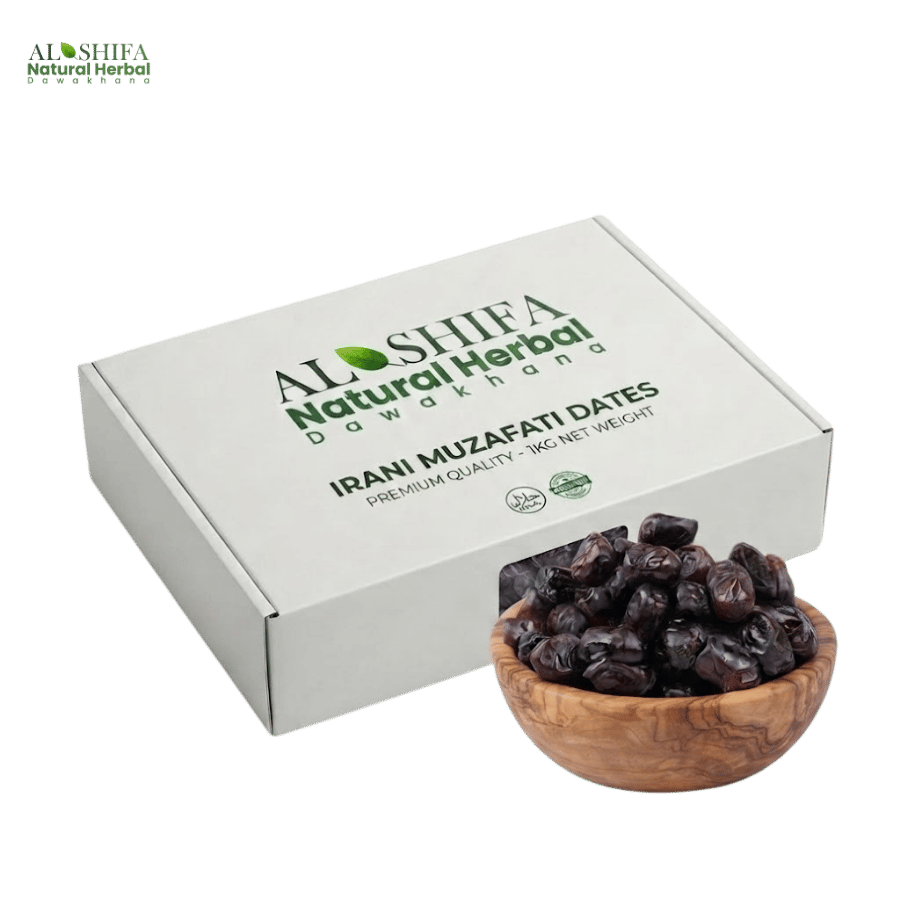
Iranian Mazafati Dates / Irani Mazafati Dates are premium soft dates from Phoenix dactylifera, known for their dark brown to nearly black appearance, soft moist texture and naturally rich, caramel-like sweetness. Mazafati is a distinctive date variety traditionally associated with Iran and is ideal for direct eating, breakfast foods, desserts and everyday snacking.
Al Shifa Iranian Mazafati Dates are carefully selected for fruit quality, characteristic Mazafati appearance, softness, natural taste, freshness, clean handling and proper packaging.
Key Features:
Usage: Enjoy directly as a snack or serve with nuts, milk, yogurt, breakfast cereals and desserts. Remove the pit before blending or chopping where necessary.
Important Note: Mazafati is a distinct soft date variety and should not be confused with Ajwa, Medjool or dry dates. Iranian origin and claims such as organic, no added sugar or preservative-free should match the actual product specification.
Iranian Mazafati Dates / Irani Mazafati Dates / ایرانی مظافتی کھجور are a well-known soft date variety from Phoenix dactylifera L., belonging to the Arecaceae family. Mazafati dates are especially associated with Iran and are valued for their soft, moist texture, naturally sweet caramel-like taste and characteristic dark brown to nearly black appearance.
Unlike dry and semi-dry date varieties, Mazafati dates are generally recognized as soft, high-moisture dates. Their tender flesh and rich natural sweetness make them suitable for direct eating, serving with nuts, adding to breakfast foods and using as a naturally sweet ingredient in desserts and snacks.
Dates naturally provide carbohydrates and natural fruit sugars, along with dietary fiber and minerals such as potassium. Their exact nutritional composition varies with fruit maturity, growing conditions, moisture level, storage and individual batch.
Al Shifa Iranian Mazafati Dates are carefully selected for fruit quality, characteristic Mazafati appearance, softness, natural taste, freshness, clean handling and proper packaging.
Mazafati is a recognized commercial date variety associated particularly with Iran.
The fruits are generally:
Their soft texture distinguishes them from many dried or semi-dried date varieties commonly sold in the market.
Product Name: Iranian Mazafati Dates / Irani Mazafati Dates
English Name: Iranian Mazafati Dates
Urdu Name: ایرانی مظافتی کھجور
Roman Name: Irani Mazafati Khajoor / Mazafati Dates
Scientific Name: Phoenix dactylifera L.
Plant Family: Arecaceae
Fruit Type: Date Palm Fruit
Variety: Mazafati
Plant Part: Ripe Fruit
Product Type: Soft Dates / Whole Date Fruit
Processing: Harvested, Sorted & Packed; Exact Post-Harvest Processing Depends on Supplier Specification
Appearance: Dark Brown to Nearly Black
Texture: Soft, Moist & Fleshy
Taste: Naturally Sweet, Rich & Caramel-Like
Primary Uses: Direct Eating, Snacks, Breakfasts, Desserts & Food Preparations
Mazafati dates come from the date palm, Phoenix dactylifera, one of the world’s oldest cultivated fruit crops.
The palm produces clusters of fruits that change in:
as they mature.
Mazafati represents a particular date variety rather than a separate botanical species.
Mazafati dates are strongly associated with Iran, particularly date-growing regions where the variety is commercially cultivated.
When a product is sold specifically as Iranian Mazafati Dates, Iranian origin should be supported by supplier or sourcing documentation.
Geographical origin should not be inferred from the word “Mazafati” alone for an undocumented batch.
The Iranian city and region of Bam is particularly famous commercially for Mazafati dates.
However:
Mazafati Dates ≠ Automatically Bam Mazafati Dates
“Bam Mazafati” should only be used when the actual geographical origin is confirmed.
One of the most recognizable characteristics of Mazafati dates is their soft and naturally moist flesh.
This makes them different from many harder dry-date products.
Their moisture level can vary depending on:
Therefore, natural differences in softness can occur between batches.
Mazafati dates have a naturally rich sweetness resulting primarily from the fruit’s naturally occurring sugars.
Their flavor is commonly described as:
The exact flavor varies naturally between fruits and harvests.
Dates naturally provide:
Because dates are naturally energy-dense fruits, portion size remains relevant as part of a balanced diet.
Mazafati dates are naturally sweet and naturally contain significant amounts of fruit sugars.
Therefore:
Natural Fruit ≠ Sugar-Free Food
Even when no sugar is added during processing, the fruit itself naturally contains sugars.
A “No Added Sugar” claim should only be used when the finished product and supplier specification confirm that no sugar, syrup or other sweetener has been added.
Mazafati dates should not be confused with Chuara or dry dates.
Mazafati Dates: Typically soft, moist and fleshy.
Dry Dates / Chuara: Considerably lower in moisture with a firmer and drier texture.
Both come from date palms, but their variety, maturity and processing can differ.
Mazafati and Medjool are different commercial date varieties.
Mazafati: Typically very soft, moist and dark.
Medjool: Usually larger, fleshy and characteristically chewy with its own distinct variety profile.
Therefore:
Mazafati ≠ Medjool
They should be marketed according to their actual variety.
Ajwa is another distinct commercial date variety.
Mazafati should not be labeled or marketed as Ajwa simply because both are dark-colored dates.
Mazafati ≠ Ajwa
Variety and origin should be accurately represented.
Mazafati dates can be enjoyed in several ways:
Dates provide carbohydrates and naturally occurring sugars, making them an energy-dense fruit.
This makes them a convenient food for snacks and meals where additional dietary energy is desired.
However, this should not be interpreted as a medical claim that dates treat weakness, fatigue or any nutritional deficiency.
Whole dates naturally contain dietary fiber.
Including fiber-containing fruits as part of an overall balanced diet can contribute to normal dietary fiber intake.
This should remain distinct from claims that Mazafati dates treat constipation or digestive disease.
Dates naturally contain potassium along with smaller amounts of other minerals.
The precise mineral concentration depends on the fruit and batch.
Claims such as “high in potassium,” “rich in iron” or “excellent source of minerals” should only be made when supported by the nutritional composition of the finished product and applicable labeling criteria.
Research on dates may investigate different:
These products are not nutritionally or chemically identical.
Therefore:
Research involving a date extract or another date variety should not automatically be presented as a proven benefit of ordinary Mazafati dates.
Al Shifa Natural Herbal selects Iranian Mazafati Dates with attention to:
For Al Shifa Iranian Mazafati Dates, Premium Quality refers to careful selection based on the expected appearance, texture, taste, cleanliness and overall fruit quality.
It does not automatically mean:
Such claims require the relevant product or supplier documentation.
Iranian Mazafati Dates can be eaten directly or combined with other everyday foods.
They can be enjoyed with:
Always check the fruit and remove the pit before blending, chopping or serving where necessary.
Dates are naturally concentrated in carbohydrates and sugars.
People who monitor their carbohydrate or sugar intake should consider portion size according to their individual dietary requirements.
People managing diabetes or other conditions requiring carbohydrate monitoring should follow individualized dietary advice from their healthcare professional.
Because Mazafati is a relatively soft and moist date variety, appropriate storage is particularly important.
Al Shifa Natural Herbal offers Iranian Mazafati Dates / Irani Mazafati Dates / ایرانی مظافتی کھجور, carefully selected for their characteristic soft texture, dark appearance, naturally sweet taste and premium fruit quality.
Customers searching for Iranian Mazafati Dates in Pakistan, Irani Mazafati Khajoor, Mazafati Dates Pakistan, Iranian Dates in Lahore, Mazafati Khajoor price in Pakistan, premium Iranian dates or buy Mazafati Dates online in Pakistan can choose Al Shifa for quality-focused selection, clean handling and proper packaging.
Product Name: Iranian Mazafati Dates / Irani Mazafati Dates
English Name: Iranian Mazafati Dates
Urdu Name: ایرانی مظافتی کھجور
Roman Name: Irani Mazafati Khajoor / Mazafati Dates
Scientific Name: Phoenix dactylifera L.
Plant Family: Arecaceae
Plant Part: Ripe Fruit
Variety: Mazafati
Product Type: Soft Whole Dates
Origin: Iran, when confirmed by supplier documentation
Processing: Harvested, Sorted & Packed; Exact Post-Harvest Processing Depends on Supplier Specification
Appearance: Dark Brown to Nearly Black
Texture: Soft, Moist & Fleshy
Taste: Naturally Sweet, Rich & Caramel-Like
Primary Uses: Direct Eating, Snacks, Breakfasts, Desserts & Food Preparations
Important Note: Mazafati is a distinct soft date variety and should not be confused with Ajwa, Medjool or dry dates. “Iranian” and particularly “Bam Mazafati” are geographical claims that should match actual sourcing documentation, while claims such as organic, no added sugar or preservative-free require confirmation from the finished-product specification.
ایرانی مظافتی کھجور ایران کی مشہور، نرم، رسیلی اور قدرتی مٹھاس سے بھرپور کھجور ہے۔ یہ کھجور اپنے گہرے بھورے سے سیاہ رنگ، نرم گودے، خوشگوار ذائقے اور عمدہ کوالٹی کی وجہ سے پاکستان سمیت دنیا کے مختلف ممالک میں پسند کی جاتی ہے۔
مظافتی کھجور کو خاص طور پر ایران کے شہر بم اور صوبہ کرمان کے علاقوں سے شہرت حاصل ہوئی ہے۔ اسے بم کھجور بھی کہا جاتا ہے۔
الشفاء ایرانی مظافتی کھجور روزمرہ غذا، ناشتے، افطار، سفر اور قدرتی مٹھاس کے لیے ایک بہترین انتخاب ہے۔ اس میں قدرتی شکر، غذائی ریشہ، پوٹاشیم اور دوسرے غذائی اجزا موجود ہوتے ہیں۔
اردو نام: ایرانی مظافتی کھجور، مظافتی کھجور، بم کھجور
پنجابی نام: ایرانی مظافتی کھجور، مظافتی کھجور
ہندی نام: مظافتی کھجور، ایرانی کھجور
فارسی نام: خرمای مضافتی، خرمای مضافتی بم
عربی نام: تمر مضافتي، تمر بم الإيراني
انگریزی نام: ایرانی مظافتی ڈیٹس، مظافتی ڈیٹس، بم ڈیٹس
سائنسی نام: فینکس ڈیکٹیلیفیرا
خاندان: اریکیسی
استعمال ہونے والا حصہ: کھجور کے درخت کا پکا ہوا پھل
پراڈکٹ کی قسم: قدرتی نرم کھجور
کوالٹی: پریمیم ایرانی کھجور
مظافتی کھجور، کھجور کے درخت کی ایک معروف قسم ہے جو ایران کے گرم علاقوں میں پیدا ہوتی ہے۔
اس کی نمایاں خصوصیات یہ ہیں:
مظافتی کھجور کی خاص پہچان اس کا نرم گودا اور قدرتی نمی ہے۔
اچھی مظافتی کھجور کی رنگت گہری بھوری سے سیاہ ہو سکتی ہے۔
اس کا چھلکا عموماً نرم اور ہموار ہوتا ہے جبکہ اندر کا گودا رسیلا، ملائم اور میٹھا ہوتا ہے۔
اس کا ذائقہ قدرتی مٹھاس سے بھرپور ہوتا ہے اور اسے چبانا سخت خشک کھجوروں کے مقابلے میں آسان ہوتا ہے۔
رنگت اور نرمی میں فرق کھجور کی پختگی، نمی، فصل اور محفوظ رکھنے کے طریقے سے آ سکتا ہے۔
مظافتی کھجور عموماً نیم خشک یا نرم کھجوروں میں شمار ہوتی ہے۔
مظافتی کھجور:
زیادہ خشک کھجور:
دونوں کھجوریں غذائیت فراہم کرتی ہیں، لیکن ان کی نمی، ساخت اور محفوظ رکھنے کا طریقہ مختلف ہوتا ہے۔
مظافتی کھجور میں قدرتی طور پر مختلف غذائی اجزا پائے جاتے ہیں، جن میں:
شامل ہیں۔
ان اجزا کی مقدار کھجور کی پختگی، نمی اور فصل کے مطابق مختلف ہوتی ہے۔
مظافتی کھجور میں قدرتی شکر اور کاربوہائیڈریٹس موجود ہوتے ہیں۔
یہ اجزا جسم کو توانائی فراہم کرتے ہیں اور روزمرہ غذا میں کھجور کو توانائی سے بھرپور انتخاب بناتے ہیں۔
اسے ناشتے، سفر یا جسمانی سرگرمی کے بعد کھایا جا سکتا ہے۔
مظافتی کھجور قدرتی کاربوہائیڈریٹس اور معدنی اجزا فراہم کرتی ہے۔
اسے دودھ، دہی، خشک میوہ جات اور دوسری غذاؤں کے ساتھ شامل کرکے توانائی سے بھرپور ناشتہ تیار کیا جا سکتا ہے۔
یہ متوازن غذا کا حصہ ہے، مکمل غذا کا متبادل نہیں۔
مظافتی کھجور میں غذائی ریشہ موجود ہوتا ہے۔
غذائی ریشہ آنتوں کے معمول کے افعال اور پاخانے کی باقاعدگی کے لیے فائدہ مند ہے۔
کھجور کے ساتھ روزانہ پانی پینا اور دوسری ریشہ دار غذائیں کھانا بھی ضروری ہے۔
کھجور میں موجود غذائی ریشہ قبض سے بچاؤ کے لیے متوازن غذا کا حصہ بن سکتا ہے۔
لیکن مسلسل یا شدید قبض کی صورت میں صرف کھجور پر انحصار نہ کریں۔
مظافتی کھجور میں پوٹاشیم موجود ہوتا ہے۔
پوٹاشیم جسم میں پٹھوں، اعصاب اور بلڈ پریشر کے معمول کے نظام کے لیے ضروری معدنی جز ہے۔
کھجور کو پھلوں، سبزیوں اور دوسری صحت بخش غذاؤں کے ساتھ استعمال کرنا دل کی صحت کے لیے بہتر غذائی معمول کا حصہ ہے۔
پوٹاشیم اور میگنیشیم جسم کے پٹھوں اور اعصابی نظام کے معمول کے افعال میں کردار ادا کرتے ہیں۔
مظافتی کھجور ان معدنی اجزا کی کچھ مقدار فراہم کرتی ہے۔
کھجور میں موجود پوٹاشیم اعصابی سگنلز اور پٹھوں کے معمول کے کام کے لیے ضروری ہے۔
تاہم کھجور کو کسی اعصابی بیماری کی دوا کے طور پر استعمال نہیں کرنا چاہیے۔
مظافتی کھجور میں قدرتی پولی فینولز اور دوسرے پودوں کے مرکبات موجود ہوتے ہیں۔
ان مرکبات میں اینٹی آکسیڈنٹ خصوصیات پائی جاتی ہیں۔
کھجور کو مختلف پھلوں اور سبزیوں کے ساتھ کھانا غذائی تنوع کے لیے فائدہ مند ہے۔
مظافتی کھجور میں آئرن کی تھوڑی مقدار موجود ہو سکتی ہے۔
لیکن اسے آئرن کی کمی یا خون کی کمی کے مکمل علاج کے طور پر استعمال نہ کریں۔
خون کی کمی میں اصل وجہ اور آئرن کی ضرورت معالج سے معلوم کریں۔
مظافتی کھجور افطار میں استعمال کے لیے ایک اچھا انتخاب ہے۔
اس کی قدرتی مٹھاس جسم کو کاربوہائیڈریٹس فراہم کرتی ہے جبکہ نرم گودا کھانے میں آسان ہوتا ہے۔
افطار میں اسے پانی اور دوسری متوازن غذاؤں کے ساتھ استعمال کریں۔
مظافتی کھجور کو ناشتے میں مختلف طریقوں سے شامل کیا جا سکتا ہے۔
مثلاً:
ورزش کے بعد جسم کو کاربوہائیڈریٹس اور دوسری غذائیت کی ضرورت ہوتی ہے۔
مظافتی کھجور قدرتی کاربوہائیڈریٹس فراہم کرتی ہے۔
اسے دودھ، دہی یا پروٹین والی دوسری غذا کے ساتھ کھایا جا سکتا ہے۔
مظافتی کھجور نرم اور میٹھی ہوتی ہے، اس لیے عمر کے مطابق بچوں کی غذا میں شامل کی جا سکتی ہے۔
بچوں کو دینے سے پہلے:
مظافتی کھجور کا نرم گودا اسے سخت خشک کھجوروں کے مقابلے میں چبانے میں آسان بناتا ہے۔
بزرگ افراد اسے اپنی غذائی ضرورت، دانتوں کی حالت اور شوگر کی سطح کے مطابق استعمال کریں۔
مظافتی کھجور ایک غذائی پھل ہے اور حمل کے دوران متوازن غذا کا حصہ بن سکتی ہے۔
اگر حمل میں شوگر کا مسئلہ ہو تو کھجور کی مقدار معالج یا ماہر غذائیت کے مشورے سے رکھیں۔
مظافتی کھجور قدرتی کاربوہائیڈریٹس اور غذائی اجزا فراہم کرتی ہے۔
دودھ پلانے والی خواتین اسے اپنی روزمرہ متوازن غذا میں شامل کر سکتی ہیں۔
یہ اکیلی غذا دودھ کی مقدار بڑھانے کی ضمانت نہیں ہے۔
مظافتی کھجور میں قدرتی شکر موجود ہوتی ہے۔
قدرتی مٹھاس کا مطلب یہ نہیں کہ کھجور شوگر فری ہے۔
ذیابیطس کے مریض:
مظافتی کھجور توانائی فراہم کرنے والی غذا ہے۔
اس میں قدرتی شکر اور کاربوہائیڈریٹس موجود ہوتے ہیں، اس لیے زیادہ مقدار روزانہ کیلوریز بڑھا سکتی ہے۔
وزن کم یا زیادہ کرنے والے افراد اپنی غذائی ضرورت کے مطابق مقدار رکھیں۔
کھجور میں پوٹاشیم موجود ہوتا ہے۔
جن افراد کو گردوں کی بیماری کی وجہ سے پوٹاشیم محدود رکھنے کی ہدایت دی گئی ہو وہ مظافتی کھجور کی مقدار معالج یا ماہر غذائیت سے پوچھ کر رکھیں۔
مظافتی کھجور کو مختلف طریقوں سے استعمال کریں:
مظافتی، عجوہ، مبروم، صفاوی، سکری اور مجدول کھجور کی الگ تجارتی اقسام ہیں۔
ان کی:
میں فرق ہوتا ہے۔
مظافتی کھجور خاص طور پر اپنے نرم، رسیلے گودے اور گہری رنگت کی وجہ سے پہچانی جاتی ہے۔
اچھی مظافتی کھجور کے لیے درج ذیل خصوصیات دیکھیں:
ہر بہت زیادہ چمکدار کھجور لازماً بہتر نہیں ہوتی۔ قدرتی رنگت، تازگی اور صاف حالت زیادہ اہم ہیں۔
کبھی کھجور کی سطح پر قدرتی شکر کے باریک ذرات یا ہلکی سفیدی ظاہر ہو سکتی ہے۔
یہ ہمیشہ پھپھوندی نہیں ہوتی۔
تاہم اگر کھجور میں:
نظر آئے تو اسے استعمال نہ کریں۔
مظافتی کھجور میں قدرتی نمی نسبتاً زیادہ ہوتی ہے، اس لیے اسے گرم موسم میں عام خشک کھجور کے مقابلے میں زیادہ احتیاط سے محفوظ رکھنا ضروری ہے۔
بہترین طریقہ ریفریجریٹر میں رکھنا ہے۔
الشفاء نیچرل ہربل دواخانہ میں ایرانی مظافتی کھجور کے لیے درج ذیل باتوں کو اہمیت دی جاتی ہے:
صحیح قسم: اصلی مظافتی کھجور کی درست پہچان کو اہمیت دی جاتی ہے۔
قدرتی رنگت: گہرے بھورے سے سیاہ قدرتی رنگ کو اہمیت دی جاتی ہے۔
نرم گودا: نرم، رسیلی اور اچھی پختگی والی کھجور کو اہمیت دی جاتی ہے۔
تازگی: صاف، خوش ذائقہ اور تازہ حالت کو اہمیت دی جاتی ہے۔
صفائی: گرد، کیڑوں اور پھپھوندی سے پاک کھجور کو اہمیت دی جاتی ہے۔
اچھی پیکنگ: تازگی اور قدرتی نمی برقرار رکھنے والی پیکنگ کو اہمیت دی جاتی ہے۔
الشفاء نیچرل ہربل دواخانہ سنہ 1999 سے قدرتی جڑی بوٹیوں، خشک میوہ جات، کھجوروں اور غذائی اشیا کی سپلائی کر رہا ہے۔
ہم ایرانی مظافتی کھجور میں:
کو اہمیت دیتے ہیں۔
الشفاء ایرانی مظافتی کھجور روزمرہ غذا، ناشتے، افطار، سفر اور قدرتی مٹھاس کے لیے ایک عمدہ انتخاب ہے۔
مظافتی کھجور قدرتی طور پر میٹھی ہوتی ہے اور اس میں شکر موجود ہوتی ہے۔
ذیابیطس کے مریض مقدار کا خیال رکھیں۔
گردوں کی بیماری میں پوٹاشیم کی پابندی ہو تو معالج سے پوچھ کر استعمال کریں۔
بچوں کو کھلانے سے پہلے گٹھلی نکالیں۔
خراب بو، پھپھوندی یا غیر معمولی خمیر والی کھجور استعمال نہ کریں۔
مظافتی کھجور کو خاص طور پر گرم موسم میں ریفریجریٹر میں محفوظ رکھیں۔
پراڈکٹ نام: ایرانی مظافتی کھجور
اردو نام: ایرانی مظافتی کھجور
انگریزی نام: ایرانی مظافتی ڈیٹس
فارسی نام: خرمای مضافتی
سائنسی نام: فینکس ڈیکٹیلیفیرا
اصل شہرت: بم، کرمان، ایران
رنگت: گہری بھوری سے سیاہ
ذائقہ: قدرتی میٹھا
ساخت: نرم، ملائم اور رسیلی
نمایاں غذائی اجزا: قدرتی شکر، غذائی ریشہ، پوٹاشیم، میگنیشیم اور پولی فینولز
استعمال: براہ راست کھانے، ناشتے، افطار، دودھ، دہی، اسموتھی اور میٹھے پکوانوں میں
محفوظ رکھنے کا طریقہ: بند ڈبے میں ریفریجریٹر میں رکھیں
کوالٹی: پریمیم ایرانی مظافتی کھجور
برانڈ: الشفاء نیچرل ہربل دواخانہ