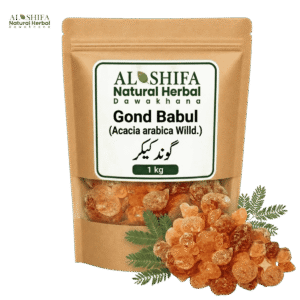
گوند کیکر
Price range: ₨ 125 through ₨ 2,500
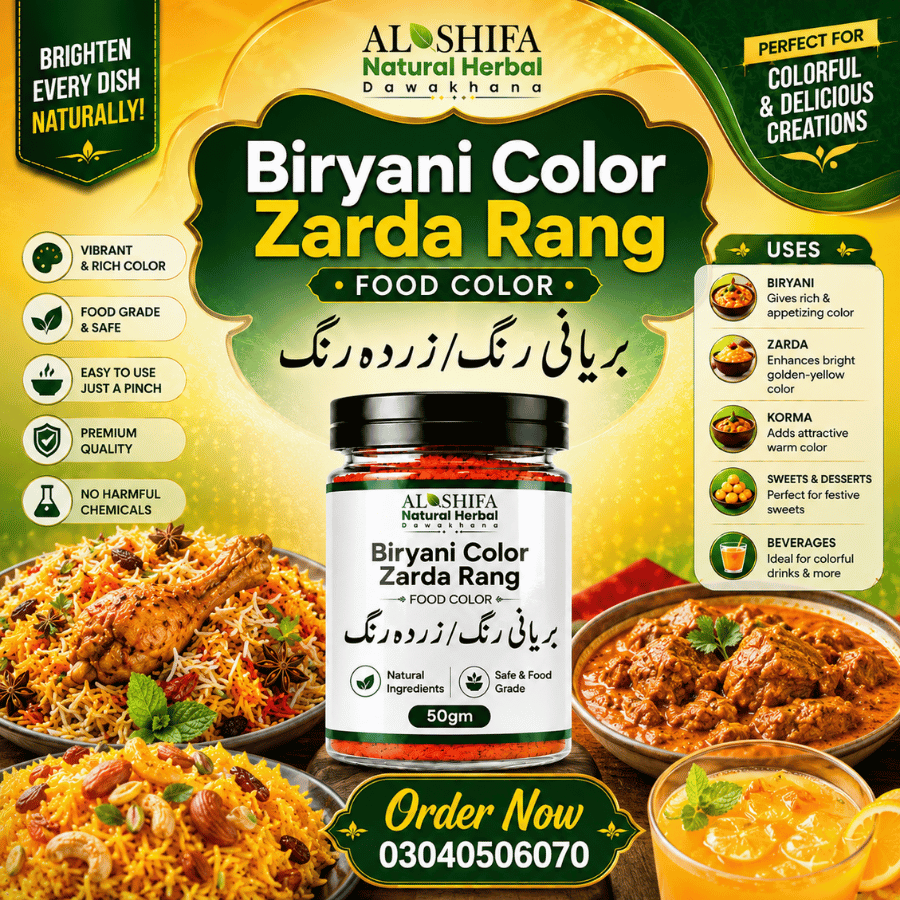
Biryani Color, commonly known as Zarda Rang, is a concentrated food colouring material used to add attractive yellow, golden or orange shades to Biryani, Zarda, Pulao and selected food preparations. It is mainly used to enhance the visual appearance of rice and other suitable dishes without replacing their spices or flavouring ingredients.
Al Shifa Biryani Color is carefully selected with attention to its food-use quality, colouring performance, cleanliness, suitable packaging and responsible storage.
Key Features:
Usage: Use a small quantity according to the desired shade and product concentration. Suitable for Biryani, Zarda, Pulao and selected food preparations.
Important Note: Biryani Color / Zarda Rang is a food colouring product, not a spice, saffron, turmeric or flavouring. Use only food-grade colour intended for consumption and follow the recommended usage instructions. Avoid excessive use.
Biryani Color, commonly known as Zarda Rang, is a concentrated food colouring material used to add an attractive yellow, orange or warm golden shade to rice and selected food preparations. In Pakistan, it is particularly associated with Biryani, Zarda, Pulao and other coloured rice dishes.
Unlike herbs and spices, Biryani Color is primarily used for appearance rather than flavour or aroma. A small quantity can produce a noticeable colour, making careful and even application important.
At Al Shifa Natural Herbal Dawakhana, Biryani Color / Zarda Rang is selected with attention to its food-use identity, colouring performance, cleanliness, suitable packaging and responsible storage.
Biryani Color is a food colouring product intended to improve or standardise the visual appearance of prepared foods.
It is commonly used where cooks want:
It should be used in small quantities according to the concentration of the product.
English Name: Biryani Color / Zarda Food Color
Urdu Name: بریانی رنگ / زردہ رنگ
Roman Name: Biryani Color / Zarda Rang
Product Category: Food Colour
Product Type: Concentrated Food Colouring Material
Primary Use: Colouring Rice & Selected Food Preparations
Biryani Color should not be classified as a medicinal herb or botanical raw material.
Its primary function is to provide colour to food.
Therefore:
Biryani Color ≠ Herb
Biryani Color ≠ Spice
Biryani Color ≠ Herbal Medicine
It belongs to the food-colouring category.
One of its most familiar applications is in Biryani.
Biryani often combines white, yellow and orange rice to create its characteristic layered appearance.
A small amount of food colour can be added to selected portions of rice before final layering.
This can help create the attractive multi-coloured appearance commonly associated with Pakistani Biryani.
Zarda is a traditional sweet rice dish known for its bright yellow or orange colour.
Zarda Rang is used to provide the distinctive colour associated with this dish.
Depending on the desired appearance, only a small quantity may be required.
Food-grade Biryani Color may be used in suitable preparations such as:
The exact suitability depends on the formulation and label instructions of the specific food colour.
Biryani Color changes the visual appearance of food.
It does not automatically provide the aroma or flavour associated with:
Therefore:
Food Colour ≠ Flavouring
Colour and flavour are separate functions.
Saffron is a natural spice obtained from Crocus sativus flowers.
Biryani Color is a food colouring product.
Therefore:
Biryani Color ≠ Saffron
Although both may contribute yellow or orange shades to food, their composition, aroma, flavour and value are completely different.
Turmeric is a botanical spice obtained from Curcuma longa rhizomes.
It contributes both colour and its own characteristic flavour.
Biryani Color is primarily intended to provide colour.
Therefore:
Biryani Color ≠ Turmeric
They should not automatically be treated as interchangeable ingredients.
A colouring ingredient changes appearance.
A flavouring ingredient changes taste or aroma.
Some food preparations may contain both, but they perform different functions.
Therefore:
Food Colour ≠ Food Flavour
Food colours may come from natural or synthetic sources.
Natural colouring materials can be obtained from plant or other permitted food sources.
Synthetic food colours are manufactured colouring substances permitted for food use under applicable standards.
The source should be identified from the actual product formulation rather than assumed from its appearance.
Colour intended for food must be specifically suitable for food use.
Products intended for:
should never be substituted for food-grade colour.
Therefore:
Food-Grade Colour ≠ Industrial Dye
Only colour specifically intended and appropriately labelled for food use should be added to food.
Food colouring can be highly concentrated.
Using excessive colour may:
It is better to begin with a small amount and adjust according to the product instructions and desired shade.
For better distribution, the colour can be mixed according to the preparation method before being applied to selected portions of rice.
The aim is to avoid large concentrated spots of colour.
For layered Biryani, colouring only part of the rice can create an attractive mixture of:
rather than colouring every grain equally.
The final colour depends on several factors, including:
A small adjustment in quantity can noticeably change the final shade.
Bright colour can improve visual presentation, but colour alone does not indicate:
Food quality depends on the complete recipe and ingredients.
Biryani Color is used mainly for colouring.
It should not be promoted as a source of vitamins, minerals, antioxidants or medicinal benefits unless the specific formulation genuinely contains such ingredients and those claims are properly supported.
Food colours should be used according to:
Using more colour than necessary does not improve the quality of the food.
Some individuals may be sensitive to particular food colours or additives.
Anyone with a known sensitivity or allergy to a specific colouring ingredient should check the ingredient information before use.
If a reaction occurs after consuming a coloured food, further consumption should be avoided until the cause is properly assessed.
Food colouring used in foods for children should be appropriate for food use and used responsibly.
The ingredient declaration and applicable food-safety guidance should be followed, particularly for products containing synthetic colours.
In Pakistani food markets, the terms Biryani Color and Zarda Rang may sometimes refer to similar concentrated food colours.
However, products can vary in:
One product may produce a stronger yellow shade while another may appear more orange or golden.
Food colour can be available in different forms.
Powder Colour: Dry concentrated colouring material.
Liquid Colour: Colour dispersed or dissolved in a liquid base.
Gel/Paste Colour: More concentrated semi-solid colouring preparation.
These forms may require different quantities.
Therefore:
Powder ≠ Liquid ≠ Gel Food Colour
Follow the instructions appropriate to the specific product form.
Al Shifa Natural Herbal Dawakhana, established in 1999, supplies herbs, spices, oils and selected food-use ingredients throughout Pakistan.
Our focus for Biryani Color / Zarda Rang includes:
Use Biryani Color / Zarda Rang in a small quantity according to the concentration of the product and the desired shade.
For rice dishes, a small amount may be mixed according to the recipe and applied to selected portions of cooked or partially cooked rice before final layering.
Start with a small quantity because concentrated food colour can quickly produce a strong shade.
Use only as directed for suitable food preparations.
Biryani Color / Zarda Rang is a food colouring product intended primarily to add colour to suitable food preparations.
Important points include:
Store Biryani Color / Zarda Rang in a cool, clean and dry place.
For best quality:
Biryani Color / Zarda Rang – بریانی رنگ / زردہ رنگ is a concentrated food colouring material used to create attractive yellow, golden and orange shades in Biryani, Zarda, Pulao and selected food preparations.
It is especially useful for creating the colourful layered appearance commonly associated with Pakistani rice dishes. Biryani Color should be distinguished from saffron, turmeric, spices and food flavourings, because its main purpose is colouring rather than adding aroma or flavour.
Customers searching for Biryani Color, Biryani Colour, Zarda Rang, Zarda Color, Zarda Colour, Rice Food Color, Yellow Food Color, Orange Food Color, Biryani Food Color, Zarda Food Color, Biryani Color Pakistan, Zarda Rang Pakistan, Biryani Color Lahore, Zarda Color Lahore, Biryani Color price in Pakistan, Zarda Rang price in Pakistan, buy Biryani Color Pakistan, buy Zarda Rang Pakistan or Biryani Color online Pakistan can choose Al Shifa Natural Herbal Dawakhana for carefully selected food-use colouring material.
Since 1999, Al Shifa Natural Herbal Dawakhana has focused on supplying herbs, spices and selected food ingredients with attention to quality selection, cleanliness, responsible information, careful packing and proper storage.
Product Name: Biryani Color / Zarda Rang
English Name: Biryani Color / Zarda Food Color
Urdu Name: بریانی رنگ / زردہ رنگ
Roman Name: Biryani Color / Zarda Rang
Product Category: Food Colour
Product Type: Concentrated Food Colouring Material
Primary Use: Biryani, Zarda, Pulao and selected food preparations
Important Note: Biryani Color is intended for food colouring and should not be confused with saffron, turmeric or food flavouring. Only material specifically suitable for food use should be added to food, and concentrated colour should be used in small amounts according to product instructions.
بریانی رنگ جسے زردہ رنگ بھی کہا جاتا ہے، کھانوں کو خوبصورت اور نمایاں رنگ دینے کے لیے استعمال ہونے والا کھانے کا رنگ ہے۔ پاکستان میں اسے خاص طور پر بریانی، پلاؤ، زردہ، میٹھے چاول، کھیر، سویاں اور مختلف میٹھے پکوانوں میں استعمال کیا جاتا ہے۔
اس کی بہت تھوڑی مقدار کھانے کو زرد، نارنجی یا مطلوبہ رنگ دیتی ہے۔ اچھے بریانی رنگ کی خاص پہچان یہ ہے کہ کم مقدار میں یکساں رنگ دے، کھانے کے ذائقے اور خوشبو کو خراب نہ کرے اور واضح طور پر خوراک میں استعمال کے لیے تیار کیا گیا ہو۔
بریانی رنگ کھانے کی خوبصورتی اور پیشکش بہتر بنانے کے لیے استعمال کیا جاتا ہے۔
یہ خاص طور پر چاولوں میں استعمال ہوتا ہے، جہاں تھوڑی مقدار پورے کھانے میں ملانے کے بجائے چاولوں کے منتخب حصے پر ڈالی جاتی ہے۔ اس طرح سفید اور رنگین چاولوں کا خوبصورت امتزاج بنتا ہے۔
بریانی رنگ مختلف رنگوں اور طاقت میں ملتا ہے، اس لیے ہمیشہ کم مقدار سے آغاز کرنا بہتر ہے۔
بریانی رنگ اور زردہ رنگ کے نام پاکستان میں کھانے کے رنگ کے لیے عام طور پر استعمال کیے جاتے ہیں۔
بریانی کے لیے زرد، نارنجی اور سرخی مائل رنگ پسند کیے جاتے ہیں، جبکہ زردے اور میٹھے چاولوں میں زیادہ تر خوبصورت زرد یا نارنجی رنگ استعمال کیا جاتا ہے۔
اصل مقصد کھانے کی رنگت کو نمایاں اور دلکش بنانا ہوتا ہے۔
بریانی رنگ کوئی جڑی بوٹی، بیج، پھل، چھال یا حکیمی دوا نہیں ہے۔
اسی وجہ سے کتبِ مفردات کے مطابق اس کا گرم، سرد، تر یا خشک مزاج مقرر نہیں کیا جاتا۔
اسے کسی جڑی بوٹی کا مزاج دینا درست نہیں، کیونکہ بریانی رنگ کی پہچان اور استعمال کھانے کے رنگ کے طور پر ہے۔
بریانی رنگ کا سب سے مشہور استعمال بریانی میں ہوتا ہے۔
چاول تیار ہونے کے بعد تھوڑے سے رنگ کو پانی میں حل کرکے چاولوں کے منتخب حصے پر ڈالا جاتا ہے۔ اس سے بریانی میں سفید، زرد اور نارنجی چاولوں کا خوبصورت امتزاج بنتا ہے۔
رنگ بہت زیادہ ڈالنے کے بجائے تھوڑی مقدار استعمال کریں۔
زردہ رنگ میٹھے چاولوں کو خوبصورت زرد یا نارنجی رنگ دینے کے لیے استعمال کیا جاتا ہے۔
اسے پہلے تھوڑے پانی میں حل کرکے چاولوں میں شامل کرنے سے رنگ بہتر انداز میں پھیلتا ہے۔
زردے میں رنگ کے ساتھ الائچی، میوہ جات اور دوسری خوشبودار چیزیں اس کی پیشکش کو مزید خوبصورت بناتی ہیں۔
پلاؤ میں بھی ضرورت کے مطابق بہت تھوڑی مقدار میں کھانے کا رنگ استعمال کیا جاتا ہے۔
خاص تقریبات کے پلاؤ میں چند حصوں کو رنگین رکھنے سے چاول زیادہ خوبصورت دکھائی دیتے ہیں۔
میٹھے چاولوں میں زردہ رنگ خاص طور پر پسند کیا جاتا ہے۔
اس کی مناسب مقدار چاولوں کو دلکش رنگ دیتی ہے اور پکوان کی پیشکش بہتر بناتی ہے۔
کھیر میں ضرورت کے مطابق کھانے کے رنگ کی بہت تھوڑی مقدار شامل کی جاتی ہے۔
زیادہ مقدار کھیر کی قدرتی شکل خراب کر سکتی ہے، اس لیے صرف ہلکی رنگت کے لیے کم مقدار استعمال کریں۔
میٹھی سویوں کو خوبصورت رنگ دینے کے لیے زردہ رنگ استعمال کیا جاتا ہے۔
خاص طور پر تہواروں اور تقریبات کے لیے تیار کی جانے والی میٹھی سویوں میں ہلکی زرد یا نارنجی رنگت خوبصورت دکھائی دیتی ہے۔
مختلف حلووں، مٹھائیوں اور میٹھے پکوانوں میں بھی کھانے کا رنگ استعمال کیا جاتا ہے۔
ہر پکوان کے مطابق مقدار کم رکھی جاتی ہے تاکہ رنگ بہت گہرا نہ ہو۔
بریانی رنگ کا بنیادی فائدہ کھانے کی رنگت اور پیشکش بہتر بنانا ہے۔
یہ بریانی اور دوسرے چاولوں میں مختلف رنگوں کی خوبصورت تہیں بنانے میں فائدہ مند ہے۔
کم مقدار سے کھانے کو نمایاں رنگ مل جاتا ہے۔
خاص تقریبات، دعوتوں اور گھریلو پکوانوں کو زیادہ خوبصورت انداز میں پیش کرنے کے لیے استعمال کیا جاتا ہے۔
بریانی رنگ کا مقصد کھانے کو رنگ دینا ہے۔
اسے کسی بیماری، جسمانی کمزوری یا طبی فائدے کے لیے استعمال نہیں کیا جاتا۔
اس لیے بریانی رنگ کے ساتھ غیر ضروری طبی فوائد منسوب نہیں کیے جاتے۔
اچھا بریانی رنگ واضح طور پر خوراک میں استعمال کے قابل ہونا چاہیے۔
اس کی بہت تھوڑی مقدار مناسب رنگ دینے کے لیے کافی ہونی چاہیے۔
رنگ میں نمی، گندگی یا غیر ضروری اجزا نہیں ہونے چاہئیں۔
اس کی پیکنگ پر خوراک میں استعمال کی وضاحت موجود ہونی چاہیے۔
کھانے کے رنگ اور صنعتی رنگ کو ایک جیسا نہیں سمجھنا چاہیے۔
بریانی رنگ ہمیشہ بہت کم مقدار سے استعمال کریں۔
ضرورت کے مطابق تھوڑے سے رنگ کو پانی میں اچھی طرح حل کریں اور پھر چاولوں یا مطلوبہ پکوان میں شامل کریں۔
بریانی میں خوبصورت رنگ حاصل کرنے کے لیے اسے پورے چاولوں میں ملانے کے بجائے منتخب حصوں پر ڈالنا بہتر رہتا ہے۔
پکوان کی مقدار کے مطابق رنگ آہستہ آہستہ بڑھائیں۔
بریانی یا زردے میں رنگ کو براہ راست زیادہ مقدار میں ڈالنے کے بجائے پہلے تھوڑے پانی میں اچھی طرح حل کریں۔
اس طریقے سے رنگ کھانے میں بہتر انداز میں پھیلتا ہے اور ایک جگہ بہت زیادہ رنگ جمع نہیں ہوتا۔
بریانی رنگ اور زعفران ایک چیز نہیں ہیں۔
بریانی رنگ کھانے کو مطلوبہ رنگ دینے کے لیے استعمال ہوتا ہے جبکہ زعفران ایک قدرتی خوشبودار چیز ہے جس کی اپنی مخصوص خوشبو، ذائقہ اور رنگ ہوتا ہے۔
صرف رنگت کی بنیاد پر بریانی رنگ کو زعفران نہیں سمجھنا چاہیے۔
بریانی رنگ اور ہلدی بھی الگ چیزیں ہیں۔
ہلدی ایک قدرتی مصالحہ ہے جس کا اپنا ذائقہ اور خوشبو ہوتی ہے، جبکہ بریانی رنگ کا بنیادی مقصد کھانے کی رنگت بہتر بنانا ہے۔
بریانی اور زردے میں مطلوبہ رنگ حاصل کرنے کے لیے کھانے کا رنگ کم مقدار میں استعمال کیا جاتا ہے۔
کھانے کا رنگ ضرورت سے زیادہ مقدار میں استعمال نہیں کرنا چاہیے۔
ایسے رنگ سے مکمل پرہیز کریں جس پر خوراک میں استعمال کے قابل ہونے کی واضح معلومات موجود نہ ہوں۔
نامعلوم، کھلی حالت میں ملنے والے یا صنعتی استعمال کے رنگ کو کھانے میں شامل نہ کریں۔
کسی خاص کھانے کے رنگ سے جسم کو حساسیت ہو تو اسے استعمال نہ کریں۔
بچوں کے کھانے میں غیر ضروری طور پر بہت زیادہ رنگ شامل نہ کریں۔
صرف خوراک کے لیے منظور شدہ رنگ اور مناسب مقدار استعمال کریں۔
بچوں کے لیے رنگین خوراک تیار کرتے وقت مصنوعات پر دی گئی مقدار اور استعمال کی ہدایات کو اہمیت دیں۔
بریانی رنگ یا زردہ رنگ کھانے کا رنگ ہے، جڑی بوٹی یا حکیمی دوا نہیں۔
اس کا بنیادی مقصد بریانی، زردہ، پلاؤ اور میٹھے پکوانوں کو خوبصورت رنگ دینا ہے۔
اس کے لیے کتبِ مفردات والا گرم، سرد، تر یا خشک مزاج مقرر نہیں کیا جاتا۔
بریانی رنگ کو بیماریوں کے علاج یا جسمانی طاقت کے لیے استعمال نہیں کیا جاتا۔
خوراک کے لیے صرف ایسا رنگ استعمال کریں جو واضح طور پر کھانے کے قابل ہو۔
الشفاء نیچرل ہربل دواخانہ میں بریانی رنگ کے لیے درج ذیل باتوں کو اہمیت دی جاتی ہے:
خوراک کے لیے مناسب رنگ: صرف کھانے میں استعمال کے لیے تیار کیے گئے رنگ کو اہمیت دی جاتی ہے۔
اچھی رنگت: کم مقدار میں صاف، نمایاں اور خوبصورت رنگ دینے کی خاصیت کو دیکھا جاتا ہے۔
یکساں رنگ: پانی اور کھانے میں مناسب انداز سے پھیلنے والے رنگ کو اہمیت دی جاتی ہے۔
صاف حالت: گرد، نمی اور غیر ضروری اجزا سے پاک رنگ کو اہمیت دی جاتی ہے۔
مناسب خشکی: سفوف کی شکل میں موجود رنگ کو نمی سے محفوظ رکھنے کو اہمیت دی جاتی ہے۔
اچھی پیکنگ: رنگ کو صاف اور مناسب پیکنگ میں رکھنے کو اہمیت دی جاتی ہے۔
غیر ضروری ملاوٹ سے پاک: غیر ضروری اور نامعلوم اجزا کی ملاوٹ سے پاک ہونے کو اہمیت دی جاتی ہے۔
الشفاء نیچرل ہربل دواخانہ سنہ ۱۹۹۹ سے جڑی بوٹیوں، مصالحوں اور کھانے میں استعمال ہونے والی مختلف اشیا کی سپلائی کر رہا ہے۔
ہم بریانی رنگ میں خوراک کے لیے مناسب معیار، صاف حالت، اچھی رنگت، مناسب خشکی اور اچھی پیکنگ کو اہمیت دیتے ہیں۔
اچھے بریانی رنگ کی پہچان اس کی صاف حالت، کم مقدار میں مناسب رنگ دینے کی صلاحیت اور خوراک میں استعمال کے واضح معیار سے کی جاتی ہے۔
بریانی رنگ کو ٹھنڈی، خشک اور روشنی سے محفوظ جگہ پر کسی جار میں اچھی طرح پیک کر کے رکھیں۔
اسے نمی، پانی، تیز دھوپ اور زیادہ گرمی سے بچائیں۔
رنگ نکالتے وقت ہمیشہ صاف اور خشک چمچ استعمال کریں۔
بریانی رنگ خریدتے وقت یہ ضرور دیکھیں کہ وہ خوراک میں استعمال کے لیے تیار کیا گیا ہو۔
صنعتی رنگ، کپڑے کا رنگ یا نامعلوم کیمیائی رنگ خوراک میں استعمال نہ کریں۔
ضرورت سے زیادہ رنگ ڈالنے کے بجائے بہت کم مقدار سے آغاز کریں اور ضرورت کے مطابق مقدار بڑھائیں۔
بریانی رنگ یا زردہ رنگ بریانی، پلاؤ، زردہ، میٹھے چاول، کھیر، سویاں اور دوسرے پکوانوں کو خوبصورت رنگ دینے کے لیے استعمال کیا جاتا ہے۔
یہ جڑی بوٹی یا حکیمی دوا نہیں ہے، اس لیے اس کے لیے کتبِ مفردات کا مزاج اور جڑی بوٹیوں والے طبی فوائد بیان نہیں کیے جاتے۔
اچھا بریانی رنگ خوراک میں استعمال کے قابل، صاف، مناسب طور پر خشک، کم مقدار میں اچھا رنگ دینے والا اور اچھی پیکنگ میں محفوظ ہونا چاہیے۔