سرکہ جامن
Price range: ₨ 450 through ₨ 950
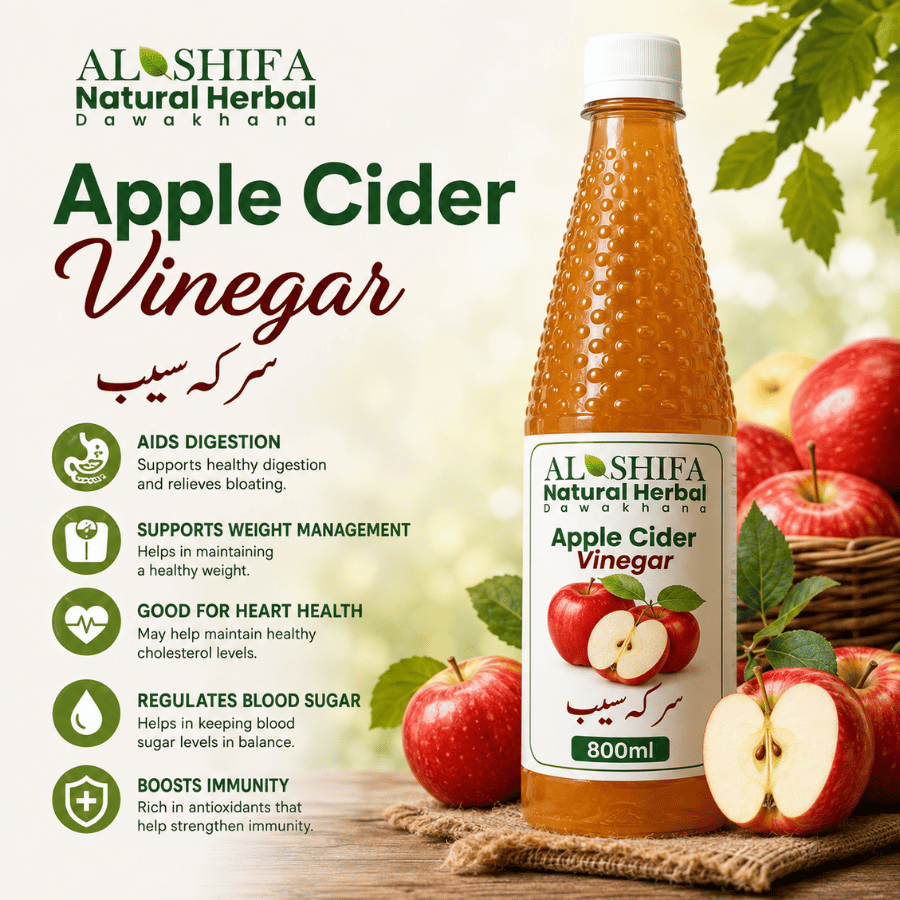
Al Shifa Apple Cider Vinegar (Sirka Saib) is a premium fruit vinegar prepared from Apple (Malus domestica), traditionally valued for digestive wellness, metabolic wellness, dietary balance, appetite wellness and overall vitality.
How to Use: Use according to the recommended serving on the product label. Dilute with water for dietary use or add to salads, dressings and food preparations according to taste.
Wellness Benefits: A premium apple vinegar designed to complement a balanced lifestyle and support digestive wellness, metabolic wellness, dietary balance, appetite wellness and overall vitality.
Al Shifa Apple Cider Vinegar is a premium fruit vinegar prepared from Apple (Malus domestica). With its distinctive fruity aroma and pleasantly tangy taste, Apple Cider Vinegar is widely valued in everyday wellness routines for digestive wellness, metabolic wellness, dietary balance, appetite wellness and overall vitality.
Apples naturally contain valuable plant compounds including polyphenols, flavonoids and phenolic compounds, while the vinegar fermentation process produces acetic acid, the characteristic organic acid found in vinegar.
Apple Cider Vinegar is widely included in balanced dietary routines focused on healthy digestion, digestive comfort and everyday digestive wellness.
Apple Cider Vinegar is a popular addition to active lifestyle routines focused on metabolic wellness and maintaining healthy dietary habits.
Its convenient liquid form makes Apple Cider Vinegar easy to incorporate into a balanced diet and everyday wellness routine.
Apple Cider Vinegar is commonly incorporated into dietary routines focused on appetite balance, mindful eating and healthy lifestyle habits.
Apples naturally contain polyphenols, flavonoids and other beneficial plant compounds, contributing to their nutritional and antioxidant value.
Apple Cider Vinegar complements everyday routines centered around balanced nutrition, physical activity, vitality and general wellbeing.
Its characteristic fruity and tangy flavor makes Apple Cider Vinegar suitable for salads, dressings, marinades, sauces and numerous food preparations.
Apple Cider Vinegar and apples naturally provide a variety of characteristic constituents, including:
These constituents contribute to the distinctive character and popularity of Apple Cider Vinegar in food and wellness routines.
Apple Cider Vinegar has become one of the most popular fruit vinegars and is widely incorporated into routines associated with:
Use Al Shifa Apple Cider Vinegar according to the recommended serving on the product label. For dietary use, dilute the recommended quantity with water. It can also be used according to taste in salads, dressings, marinades and other food preparations.
Keep the bottle tightly closed in a cool, dry and clean place, away from direct sunlight, to maintain freshness and product quality.
Al Shifa Natural Herbal Apple Cider Vinegar is an excellent choice for customers in Pakistan looking to include premium fruit vinegar in their daily routine. Its convenient liquid form and versatile character make it suitable for lifestyles focused on digestive wellness, metabolic wellness, dietary balance and overall vitality.
Product Name: Apple Cider Vinegar
English Name: Apple Cider Vinegar
Urdu Name: سرکہ سیب
Roman Name: Sirka Saib / Apple Cider Vinegar
Scientific Name: Malus domestica
Plant Family: Rosaceae
Main Ingredient: Apple
Product Form: Liquid Vinegar
Product Type: Premium Fruit Vinegar
Key Constituents: Acetic Acid, Organic Acids, Polyphenols, Flavonoids & Phenolic Compounds
Primary Applications: Digestive Wellness, Metabolic Wellness, Dietary Balance, Appetite Wellness & Culinary Use
Brand: Al Shifa Natural Herbal
الشفاء سرکہ سیب ایک بہترین قدرتی پھلوں کا سرکہ ہے جو دنیا کے مشہور اور قیمتی پھل سیب سے تیار کیا جاتا ہے۔ سیب اپنی غذائی اہمیت، خوشگوار ذائقے، قدرتی نباتاتی مرکبات اور قدیم حکیمی استعمال کی وجہ سے دنیا بھر میں خاص مقام رکھتا ہے۔
سرکہ سیب اپنی معدے کی عمومی صحت، ہاضمے، بھوک، جسمانی وزن سے وابستہ غذائی روٹین، خون میں شکر کے ردعمل پر ہونے والی تحقیق، جسمانی تازگی اور روزمرہ تندرستی سے وابستہ خصوصیات کی وجہ سے مشہور ہے۔
سیب میں قدرتی طور پر پولی فینولز، فلیونوئڈز، کوئرسیٹن، کلوروجینک ایسڈ، پیکٹن اور مختلف غذائی اجزا پائے جاتے ہیں۔ سیب سے سرکہ تیار ہونے کے دوران خمیر کے عمل سے اس میں سرکے کی مخصوص کھٹاس پیدا ہوتی ہے۔
سرکہ سیب کو دنیا کے مختلف علاقوں میں صدیوں سے کھانوں، سلاد، چٹنیوں، اچار اور گھریلو غذائی استعمال کے لیے اہمیت دی جاتی رہی ہے۔
الشفاء سرکہ سیب ان لوگوں کے لیے ایک بہترین انتخاب ہے جو سیب جیسے مشہور قدرتی پھل سے تیار ہونے والے سرکے کو اپنی روزمرہ غذائی زندگی کا حصہ بنانا چاہتے ہیں۔
اردو نام: سیب
پنجابی نام: سیب
ہندی نام: سیب
فارسی نام: سیب
عربی نام: تفاح
انگریزی نام: ایپل
سائنسی نام: مالس ڈومیسٹیکا
خاندان: روزیسی، گلاب کا نباتاتی خاندان
استعمال ہونے والا حصہ: سیب کا پھل اور اس کا رس
پراڈکٹ کی قسم: قدرتی پھلوں کا سرکہ
معیار: اعلیٰ درجے کا سرکہ سیب
سیب ایک مشہور اور غذائیت کے اعتبار سے اہم پھل ہے جو دنیا کے مختلف علاقوں میں کاشت کیا جاتا ہے۔
پاکستان میں بھی سیب کی مختلف اقسام دستیاب ہیں، خاص طور پر بلوچستان اور شمالی علاقوں کے سیب اپنی پہچان رکھتے ہیں۔
سیب کی رنگت سرخ، سبز اور زرد ہو سکتی ہے۔
اس کا ذائقہ قسم کے مطابق میٹھا، ہلکا کھٹا یا کھٹا میٹھا ہوتا ہے۔
سیب کو تازہ پھل، رس، خشک پھل، مربہ اور سرکے کی شکل میں استعمال کیا جاتا ہے۔
سیب کی نمایاں خوبیاں:
سرکہ سیب ایک خاص قسم کا پھلوں کا سرکہ ہے جو سیب کے رس سے تیار کیا جاتا ہے۔
اس کی تیاری میں سیب کے رس کو خمیر کے مختلف مراحل سے گزارا جاتا ہے۔
پہلے مرحلے میں سیب کے رس کی قدرتی شکر خمیر کے عمل سے تبدیل ہوتی ہے۔
اگلے مرحلے میں ایسیٹک ایسڈ پیدا ہوتا ہے، جو سرکے کی مخصوص کھٹاس کا بنیادی جز ہے۔
اس طرح سیب کے رس سے ایک منفرد کھٹے ذائقے اور خوشبو والا سرکہ تیار ہوتا ہے۔
سرکہ سیب اپنی قدرتی پھلوں والی پہچان اور مختلف غذائی استعمال کی وجہ سے دنیا بھر میں مقبول ہے۔
سیب کے پھل میں مختلف قدرتی غذائی اور نباتاتی مرکبات پائے جاتے ہیں۔
ان میں شامل ہیں:
تیار شدہ سرکہ سیب میں بنیادی طور پر پانی اور سرکے کی مخصوص کھٹاس پیدا کرنے والا ایسیٹک ایسڈ موجود ہوتا ہے۔
اس میں سیب سے حاصل ہونے والے دوسرے نباتاتی مرکبات کی مقدار سیب کی قسم، خمیر کے عمل، چھاننے اور تیاری کے طریقے کے مطابق مختلف ہوتی ہے۔
سیب میں موجود تمام غذائی اجزا تیار شدہ سرکے میں اسی مقدار میں برقرار نہیں رہتے۔
سرکہ سیب کو قدیم گھریلو اور غذائی طریقوں میں معدے کی عمومی صحت سے وابستہ استعمال کے لیے اہمیت دی جاتی ہے۔
اس کی مخصوص کھٹاس اور سیب سے وابستہ غذائی پہچان اسے مختلف کھانوں میں ایک خاص مقام دیتی ہے۔
سرکہ سیب کو ہاضمے سے وابستہ قدیم گھریلو طریقوں میں استعمال کیا جاتا رہا ہے۔
اس کا کھٹا ذائقہ مختلف غذاؤں اور سلاد میں خوشگوار اضافہ کرتا ہے۔
سرکہ سیب کو قدیم غذائی طریقوں میں بھوک اور کھانے کی رغبت سے وابستہ استعمال کے لیے بھی جانا جاتا ہے۔
اس کی مخصوص خوشبو اور کھٹاس کھانوں کے ذائقے کو مزید نمایاں کرتی ہے۔
سرکہ سیب کو جسمانی وزن سے وابستہ غذائی روٹین میں خاص شہرت حاصل ہے۔
سرکے میں موجود ایسیٹک ایسڈ پر بھوک، کھانے کے بعد کے احساس اور جسمانی وزن کے حوالے سے کچھ انسانی مطالعات کیے گئے ہیں۔
ان مطالعات میں محدود اور مختلف نتائج سامنے آئے ہیں۔
سرکہ سیب کو متوازن غذا اور مناسب جسمانی سرگرمی کے ساتھ ایک غذائی جز کے طور پر استعمال کیا جا سکتا ہے۔
سرکہ سیب کی ایک معروف سائنسی پہچان کھانے کے بعد خون میں شکر کے ردعمل سے متعلق تحقیق ہے۔
کچھ انسانی مطالعات میں سرکے کے استعمال سے کھانے کے بعد خون میں شکر کے ردعمل میں معمولی تبدیلی دیکھی گئی ہے۔
یہ اثر ہر فرد میں یکساں نہیں ہوتا اور سرکہ سیب کسی طبی علاج کا متبادل نہیں ہے۔
سرکہ سیب کو مناسب مقدار میں پانی کے ساتھ ملا کر ایک منفرد کھٹا مشروب تیار کیا جا سکتا ہے۔
اس کی سیب سے وابستہ خوشبو اور مخصوص ذائقہ مشروبات میں ایک خوشگوار تازگی پیدا کرتے ہیں۔
سرکہ سیب کی نمایاں خوبی سیب جیسے مشہور پھل سے وابستہ اس کی قدرتی شناخت ہے۔
سیب میں مختلف نباتاتی مرکبات پائے جاتے ہیں، جو اس کی غذائی اہمیت کا حصہ ہیں۔
سرکہ سیب کو سلاد، چٹنیوں، سبزیوں اور مختلف کھانوں میں شامل کیا جا سکتا ہے۔
اس کا مخصوص کھٹا ذائقہ روزمرہ کھانوں کو ایک منفرد پہچان دیتا ہے۔
سیب میں پولی فینولز اور فلیونوئڈز جیسے قدرتی مرکبات موجود ہوتے ہیں۔
ان مرکبات میں اینٹی آکسیڈنٹ سرگرمی پائی جاتی ہے۔
تیار شدہ سرکہ سیب میں ان کی مقدار تیاری کے طریقے کے مطابق مختلف ہوتی ہے۔
سیب میں موجود مختلف نباتاتی مرکبات پر خلیوں کے قدرتی حفاظتی عمل کے حوالے سے تحقیق کی گئی ہے۔
یہ مرکبات سیب کی نباتاتی اور غذائی اہمیت کو نمایاں کرتے ہیں۔
سیب کے پولی فینولز اور سرکے کے ایسیٹک ایسڈ پر دل اور خون کی نالیوں سے وابستہ مختلف غذائی پہلوؤں کے حوالے سے تحقیق کی گئی ہے۔
یہ تحقیق قدرتی غذائی اجزا کی سائنسی اہمیت کو ظاہر کرتی ہے۔
سرکہ سیب کو بعض قدیم غذائی طریقوں میں جگر اور نظام ہاضمہ کی عمومی نگہداشت سے وابستہ استعمال کے لیے بھی اہمیت دی جاتی رہی ہے۔
اس کی اصل نمایاں خوبی ایک معروف پھلوں کے سرکے کے طور پر غذائی استعمال ہے۔
ایسیٹک ایسڈ سرکہ سیب کا بنیادی جز ہے۔
یہ سرکے کی مخصوص کھٹاس اور غذائی پہچان میں اہم کردار ادا کرتا ہے۔
اس مرکب پر کھانے کے بعد جسم کے بعض غذائی ردعمل کے حوالے سے تحقیق کی گئی ہے۔
سرکہ سیب مختلف کھانوں میں خوشگوار کھٹاس پیدا کرتا ہے۔
اسے سلاد، سبزیوں، چٹنیوں اور دوسرے غذائی مرکبات میں شامل کیا جا سکتا ہے۔
سرکہ سیب سلاد میں ایک منفرد کھٹا ذائقہ پیدا کرتا ہے۔
اسے زیتون کے تیل، کھیرا، ٹماٹر، گاجر، پیاز اور دوسری سبزیوں کے ساتھ استعمال کیا جا سکتا ہے۔
سرکہ سیب کو مناسب غذائی تیزابیت اور درست ترکیب کے ساتھ اچار بنانے میں استعمال کیا جا سکتا ہے۔
اس کی کھٹاس اچار کے ذائقے کو نمایاں کرتی ہے۔
مناسب تیزابیت والا غذائی سرکہ اچار کی محفوظ تیاری میں بھی اہم کردار ادا کرتا ہے۔
سرکہ سیب مختلف گھریلو چٹنیوں میں استعمال کیا جا سکتا ہے۔
اس کی کھٹاس ٹماٹر، لہسن، ادرک اور دوسرے مصالحوں کے ساتھ خوشگوار امتزاج بناتی ہے۔
سرکہ سیب کو مختلف سبزیوں کے سلاد اور غذائی تیاریوں میں شامل کیا جا سکتا ہے۔
اس کا منفرد ذائقہ سبزیوں کی قدرتی پہچان کو مزید نمایاں کرتا ہے۔
سرکہ سیب کو مختلف گوشت کے پکوانوں اور مصالحوں میں شامل کیا جاتا ہے۔
اس کی مخصوص کھٹاس گوشت کی غذائی تیاری میں ایک منفرد ذائقہ پیدا کرتی ہے۔
سیب سے سرکہ تیار کرنے میں خمیر کا عمل بنیادی اہمیت رکھتا ہے۔
اس عمل کے نتیجے میں سیب کے رس سے ایک الگ غذائی پراڈکٹ تیار ہوتی ہے۔
سرکہ سیب مردوں کی روزمرہ غذا میں سلاد، چٹنیوں اور مختلف کھانوں کے ذریعے شامل کیا جا سکتا ہے۔
اس کی سیب سے وابستہ پہچان اور کھٹا ذائقہ اسے ایک مقبول غذائی انتخاب بناتے ہیں۔
سرکہ سیب خواتین کی روزمرہ غذائی زندگی میں بھی ایک منفرد انتخاب ہے۔
اسے مختلف کھانوں اور سلاد میں شامل کرکے خوشگوار کھٹے ذائقے سے لطف اندوز ہوا جا سکتا ہے۔
سیب دنیا کے قدیم اور مشہور پھلوں میں شامل ہے۔
اسے تازہ پھل، رس، خشک پھل اور سرکے کی شکل میں صدیوں سے استعمال کیا جاتا رہا ہے۔
سرکہ سیب اسی قدیم غذائی روایت کا ایک اہم حصہ ہے۔
سرکہ سیب کو متوازن غذا کے ساتھ ایک منفرد غذائی جز کے طور پر استعمال کیا جا سکتا ہے۔
اس کی مخصوص کھٹاس، خوشبو اور مختلف کھانوں میں استعمال کی سہولت اسے ایک ممتاز غذائی پراڈکٹ بناتی ہے۔
سرکہ سیب کی سب سے نمایاں خوبی اس کا سیب سے وابستہ منفرد ذائقہ، خوشبو اور مخصوص کھٹاس ہے۔
سیب کا پھل اپنی قدرتی مٹھاس اور غذائی پہچان کی وجہ سے مشہور ہے، جبکہ خمیر کے عمل سے تیار ہونے والا سرکہ اپنی کھٹاس کی وجہ سے پہچانا جاتا ہے۔
یہ تبدیلی سیب کے رس کو ایک الگ غذائی شکل دیتی ہے۔
کوئرسیٹن سیب میں پایا جانے والا ایک قدرتی فلیونوئڈ ہے۔
یہ سیب کی کھال اور دوسرے حصوں میں موجود نباتاتی مرکبات میں شامل ہے۔
اس پر اینٹی آکسیڈنٹ سرگرمی اور مختلف حیاتیاتی افعال کے حوالے سے تحقیق کی گئی ہے۔
تیار شدہ سرکہ سیب میں اس کی مقدار تیاری کے طریقے کے مطابق مختلف ہوتی ہے۔
کلوروجینک ایسڈ سیب میں پایا جانے والا ایک قدرتی پولی فینول ہے۔
یہ سیب کی نباتاتی شناخت اور غذائی اہمیت کا حصہ ہے۔
اس مرکب پر مختلف غذائی اور حیاتیاتی خصوصیات کے حوالے سے تحقیق کی گئی ہے۔
پیکٹن سیب میں پایا جانے والا قدرتی غذائی ریشہ ہے۔
یہ سیب کی ساخت اور غذائی خصوصیات میں اہم کردار ادا کرتا ہے۔
پیکٹن کو غذائی ریشے کے طور پر ہاضمے اور آنتوں کی معمول کی صحت سے وابستہ اہمیت حاصل ہے۔
البتہ سیب کے پھل میں موجود پیکٹن اور تیار شدہ سرکہ سیب کی غذائی ساخت الگ ہوتی ہے۔
ایسیٹک ایسڈ سرکہ سیب کا بنیادی جز ہے۔
یہ سرکے کی مخصوص کھٹاس پیدا کرتا ہے۔
اس مرکب پر کھانے کے بعد خون میں شکر کے ردعمل اور بعض دوسرے غذائی افعال کے حوالے سے تحقیق کی گئی ہے۔
سرکہ سیب کی نمایاں غذائی شناخت میں ایسیٹک ایسڈ کو خاص اہمیت حاصل ہے۔
قدرتی طور پر تیار ہونے والے بعض سرکوں میں ایک خاص قسم کی نرم تہہ یا باریک ذرات موجود ہوتے ہیں جنہیں مدر آف ونیگر کہا جاتا ہے۔
یہ تہہ سرکہ بنانے والے بیکٹیریا اور ان کے بنائے ہوئے قدرتی ریشوں سے وابستہ ہوتی ہے۔
بعض سرکوں کو چھان کر صاف کیا جاتا ہے، جبکہ بعض میں یہ تہہ برقرار رہتی ہے۔
مدر آف ونیگر کی موجودگی یا غیر موجودگی کا تعلق سرکے کی تیاری اور چھاننے کے طریقے سے ہوتا ہے۔
اس کی موجودگی سے اضافی طبی فوائد ثابت نہیں ہوتے۔
سرکہ سیب سیب کے رس سے تیار کیا جاتا ہے اور اس کی پہچان سیب سے وابستہ خوشبو اور منفرد کھٹاس ہے۔
عام سفید سرکہ اپنی صاف شفاف رنگت اور نمایاں کھٹے ذائقے کی وجہ سے مشہور ہے۔
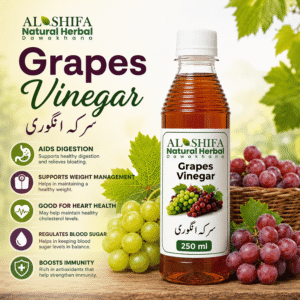
سرکہ انگوری انگور کے رس سے تیار کیا جاتا ہے۔
سرکہ جامن جامن کے پھل سے تیار کیا جاتا ہے۔
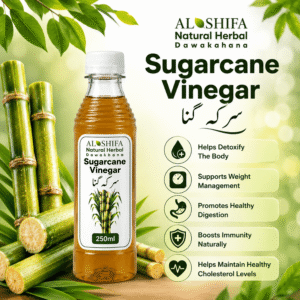
سرکہ گنا گنے کے رس سے تیار ہوتا ہے۔
ان تمام غذائی سرکوں کا بنیادی کھٹا جز ایسیٹک ایسڈ ہے، جبکہ ان کی خوشبو، رنگت اور ذائقہ مختلف ہو سکتے ہیں۔
سیب سے سرکہ تیار کرنے میں کئی اہم مراحل شامل ہوتے ہیں۔
سرکہ بنانے کے لیے اچھی کوالٹی کے سیب منتخب کیے جاتے ہیں۔
سیب کو مناسب طریقے سے صاف کرکے رس حاصل کرنے کے لیے تیار کیا جاتا ہے۔
سیب سے رس حاصل کیا جاتا ہے، جسے سرکہ بنانے کے عمل میں استعمال کیا جاتا ہے۔
سیب کے رس میں موجود قدرتی شکر خمیر کے عمل سے تبدیل ہوتی ہے۔
اگلے مرحلے میں ایسیٹک ایسڈ پیدا ہوتا ہے اور سر