تخم کاہو
Price range: ₨ 250 through ₨ 3,500
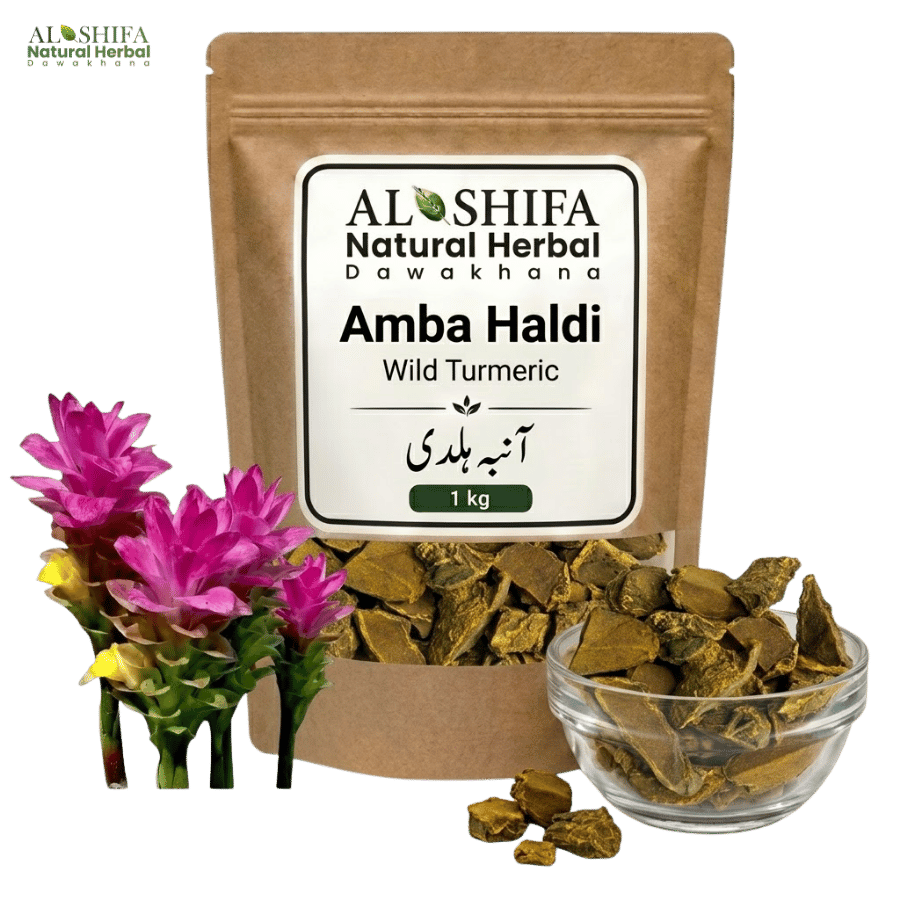
Amba Haldi (Wild Turmeric) is an aromatic traditional rhizome commonly associated with Curcuma aromatica. It has long been valued in South Asian herbal traditions, particularly for skin care, Ubtan, beauty preparations, external cleansing, aromatic applications, and general traditional wellness.
Al Shifa Amba Haldi is carefully selected with attention to traditional identity, characteristic natural aroma, cleanliness, proper drying, and overall raw-material quality.
Key Features:
Important Note: Amba Haldi is not identical to ordinary culinary turmeric (Curcuma longa). Perform a patch test before extensive skin application, and confirm product suitability before medicinal internal use.
Amba Haldi, commonly known as Wild Turmeric, is an aromatic traditional rhizome widely valued in Unani, Ayurvedic, and South Asian herbal traditions. It is commonly associated with Curcuma aromatica, a member of the ginger family known for its distinctive fragrance and traditional use in skin care, beauty preparations, external herbal applications, digestive wellness, and general traditional care.
Unlike ordinary culinary turmeric, Amba Haldi has a noticeably different aromatic character. Its fresh rhizome is traditionally known for a pleasant fragrance that may be described as somewhat reminiscent of raw mango, which is associated with the regional name Amba Haldi.
Al Shifa Amba Haldi is carefully selected with attention to traditional identity, characteristic aroma, natural rhizome appearance, cleanliness, appropriate drying, and overall raw-material quality.
Amba Haldi is an aromatic underground rhizome belonging to the turmeric and ginger group of plants.
The rhizome is collected, cleaned, and dried for use in traditional herbal preparations.
Depending on its origin and processing, dried Amba Haldi may have:
Colour, aroma, size, and appearance can naturally vary according to growing region, plant maturity, harvesting season, drying, and storage.
English Name: Wild Turmeric / Aromatic Turmeric
Urdu Name: آنبہ ہلدی
Roman Name: Amba Haldi / Amb Haldi
Scientific Name: Curcuma aromatica Salisb.
Family: Ginger Family
Plant Part: Dried Rhizome
Product Type: Aromatic Traditional Herbal Raw Material
Regional trade names for turmeric-like rhizomes can sometimes overlap, so correct botanical identification is important.
Amba Haldi should not automatically be considered identical to ordinary kitchen turmeric.
Amba Haldi / Wild Turmeric is commonly associated with Curcuma aromatica.
Regular Culinary Turmeric is primarily obtained from Curcuma longa.
Although they are related plants, they can differ in:
Ordinary turmeric is widely used as a culinary spice, whereas Amba Haldi has a particularly strong traditional reputation in external skin and beauty preparations.
Research conducted specifically on Curcuma longa should therefore not automatically be applied to Curcuma aromatica.
Amba Haldi has been used for generations in traditional South Asian herbal and beauty practices.
Its historical applications include preparations associated with:
These traditional applications do not establish Amba Haldi as a treatment for diagnosed skin, digestive, or inflammatory diseases.
One of the most recognized traditional applications of Amba Haldi is in external skin-care preparations.
It has historically been incorporated into:
It is traditionally valued for supporting a clean, refreshed, and healthy-looking appearance of the skin.
However, Amba Haldi should not be presented as a proven treatment for acne, eczema, psoriasis, fungal infections, bacterial infections, pigmentation disorders, scars, or other dermatological diseases.
Amba Haldi has a particularly strong association with traditional South Asian beauty routines.
It may be combined in traditional external preparations with ingredients such as:
The exact formulation depends on the intended cosmetic use and individual skin type.
Traditional beauty use does not mean that every preparation is suitable for every skin type.
Amba Haldi is often associated with traditional preparations intended to improve the appearance of dull or tired-looking skin.
A responsible description is that it may be used in traditional cosmetic routines intended to support:
It should not be described as permanently whitening skin, changing natural skin colour, bleaching the skin, or medically treating hyperpigmentation.
Traditional herbal preparations may include Amba Haldi for external cleansing and general skin comfort.
Its aromatic rhizome has historically been used in preparations intended to:
These uses are cosmetic and traditional rather than claims to disinfect the skin or cure infections.
Historical herbal practice may include Amba Haldi in selected external preparations for general skin care.
However, raw herbal powder should not be relied upon to treat:
Significant or persistent skin problems require appropriate medical assessment.
Do not apply non-sterile herbal powder directly to deep or open wounds.
Amba Haldi may also appear in selected traditional external preparations for scalp and hair care.
Its aromatic nature makes it suitable for certain:
These applications relate to general cosmetic and traditional care.
It should not be described as a proven treatment for hair loss, baldness, dandruff, scalp infection, alopecia, or other scalp diseases.
Although Amba Haldi is especially recognized for external applications, turmeric-family rhizomes have also appeared in traditional digestive formulations.
Historical use may associate Amba Haldi with:
However, Wild Turmeric should not automatically be used in the same culinary quantities or manner as ordinary kitchen turmeric.
The exact botanical identity and intended product grade should be confirmed before internal use.
It should not be presented as a treatment for ulcers, acid reflux disease, inflammatory bowel disease, liver disease, gallstones, or other diagnosed digestive conditions.
Wild Turmeric contains naturally occurring aromatic and plant compounds.
The precise composition can vary according to:
Its rhizome contains naturally occurring volatile aromatic constituents and other plant compounds responsible for its characteristic fragrance and colour.
Importantly, Amba Haldi should not simply be marketed as though its composition is identical to ordinary Curcuma longa turmeric or to standardized curcumin extracts.
Curcumin is strongly associated with ordinary turmeric products, especially Curcuma longa and standardized turmeric extracts.
Amba Haldi belongs to the same broader plant group, but its chemical profile can differ.
Therefore:
are not interchangeable products.
Claims based on concentrated curcumin research should not automatically be applied to ordinary dried Amba Haldi.
One of the defining qualities of Amba Haldi is its characteristic fragrance.
Its aroma may be described as:
This aromatic quality contributes to its popularity in external herbal and cosmetic preparations.
Different preparations of Wild Turmeric can vary significantly.
Whole Dried Rhizome: Traditional dried raw material.
Powder: Finely ground dried rhizome used in various traditional preparations.
Extract: A concentrated preparation containing selected plant constituents.
Essential or Volatile Oil: A highly concentrated aromatic fraction requiring different handling and safety precautions.
Amounts, uses, and safety information for one form should not automatically be transferred to another.
Natural herbal products can still cause irritation or allergic reactions.
Before applying Amba Haldi widely to the skin, especially on sensitive skin, a small patch test is advisable.
Discontinue use if it causes:
Avoid contact with the eyes and other highly sensitive areas.
If a serious allergic reaction occurs, seek prompt medical attention.
Like other turmeric-family rhizomes, Amba Haldi preparations may temporarily stain:
Care should therefore be taken during preparation and application.
Natural staining does not necessarily indicate poor product quality.
Amba Haldi should not automatically be treated as ordinary culinary turmeric.
Before internal medicinal or food use, the user should ensure that:
Regular medicinal internal use is best undertaken with appropriate professional guidance.
Using turmeric-family spices in ordinary food preparations is different from taking concentrated medicinal quantities.
During pregnancy or breastfeeding, regular medicinal or concentrated use of Amba Haldi should be discussed with an appropriately qualified healthcare professional.
Traditional use alone does not establish safety for every preparation or amount during pregnancy.
Professional guidance is advisable before regular medicinal internal use for individuals who:
Concentrated extracts may have different interaction and safety considerations from ordinary dried rhizome.
At Al Shifa Natural Herbal Dawakhana, Amba Haldi is selected with attention to:
Traditional Identity – Rhizome material consistent with expected Wild Turmeric characteristics.
Characteristic Aroma – Naturally distinctive aromatic profile.
Natural Appearance – Appropriate colour, texture, and rhizome structure.
Cleanliness – Carefully handled to minimize unnecessary soil and foreign material.
Proper Drying – Appropriately dried to support responsible storage.
Quality Selection – Material showing significant mould, excessive moisture, infestation, or obvious deterioration is avoided.
Al Shifa Natural Herbal Dawakhana, established in 1999, supplies carefully selected herbs, rhizomes, roots, seeds, barks, fruits, gums, resins, spices, powders, oils, and other traditional natural raw materials throughout Pakistan.
Our Amba Haldi is selected for customers seeking an aromatic traditional rhizome for appropriate skin-care, beauty, Ubtan, external herbal, aromatic, and traditional wellness preparations.
We focus on:
Amba Haldi is traditionally used in different ways depending on the intended preparation.
For external cosmetic use, it may be incorporated into suitable traditional herbal powders, masks, Ubtan-style preparations, or other skin-care formulations.
The appropriate amount depends on:
A small patch test is advisable before widespread external application.
For medicinal internal use, the appropriate method and amount depend on botanical identity, preparation, individual health status, and intended purpose. Professional guidance is recommended rather than assuming that Wild Turmeric can be used exactly like ordinary culinary turmeric.
Amba Haldi is a traditional aromatic herbal raw material. It should not be presented as a proven treatment for:
Traditional use and scientific research provide useful information, but they do not replace appropriate medical diagnosis or established treatment.
Store Amba Haldi in a cool, clean, dry place in a tightly closed container.
For better preservation:
Amba Haldi (Wild Turmeric) is an aromatic traditional rhizome commonly associated with Curcuma aromatica. It has a longstanding place in South Asian herbal traditions, particularly in skin care, Ubtan, traditional beauty preparations, external herbal care, aromatic formulations, and general wellness practices.
Customers searching for Amba Haldi Pakistan, Amb Haldi Pakistan, Wild Turmeric Pakistan, Curcuma Aromatica Pakistan, pure Amba Haldi, original Amba Haldi, Wild Turmeric powder, Amba Haldi Lahore, Amba Haldi benefits, Wild Turmeric benefits, Amba Haldi for skin, Amba Haldi for Ubtan, Amba Haldi price in Pakistan, Wild Turmeric price in Pakistan, buy Amba Haldi Pakistan, or Amba Haldi online Pakistan can choose Al Shifa Natural Herbal Dawakhana for carefully selected traditional raw material.
Since 1999, Al Shifa Natural Herbal Dawakhana has focused on supplying traditional natural ingredients with attention to identity, cleanliness, appropriate drying, natural quality, responsible storage, and accurate product information.
Product Name: Amba Haldi
English Name: Wild Turmeric / Aromatic Turmeric
Urdu Name: آنبہ ہلدی
Roman Name: Amba Haldi / Amb Haldi
Scientific Name: Curcuma aromatica Salisb.
Plant Part: Dried Rhizome
Product Type: Aromatic Traditional Herbal Raw Material
Traditional Use: Skin care, Ubtan and beauty preparations, external herbal care, aromatic applications, and selected traditional wellness preparations
Important Note: Amba Haldi is not identical to ordinary culinary turmeric. Confirm product suitability before internal use, and perform a patch test before extensive skin application.
آنبہ ہلدی ایک خوشبودار روایتی نباتاتی جزو ہے جس کا تعلق ادرک اور ہلدی کے خاندان سے ہے۔ اس کا بنیادی مستعمل حصہ پودے کا زیرِ زمین تنا ہے، جسے حاصل کرنے کے بعد صاف اور خشک کرکے مختلف روایتی تیاریوں میں استعمال کیا جاتا ہے۔
برصغیر میں آنبہ ہلدی کو طویل عرصے سے خصوصاً جلد کی نگہداشت، حسن و آرائش، ابٹن، جسمانی صفائی، خوشبودار بیرونی تیاریوں اور عمومی روایتی نگہداشت میں اہمیت حاصل رہی ہے۔
اس کی نمایاں خصوصیت اس کی مخصوص خوشبو ہے۔ روایتی طور پر اس کی خوشبو میں کچے آم سے مشابہ ایک خاص مہک محسوس کی جاتی ہے، اور اسی نسبت سے اسے آنبہ ہلدی کہا جاتا ہے۔
الشفاء نیچرل ہربل دواخانہ میں آنبہ ہلدی کو روایتی شناخت، مخصوص قدرتی خوشبو، زیرِ زمین تنے کی ظاہری حالت، صفائی، مناسب خشکی اور مجموعی معیار کو مدنظر رکھتے ہوئے منتخب کیا جاتا ہے۔
آنبہ ہلدی ہلدی اور ادرک سے قریبی تعلق رکھنے والے ایک خوشبودار پودے کا زیرِ زمین تنا ہے۔
اسے مناسب وقت پر زمین سے نکالنے کے بعد صاف اور خشک کیا جاتا ہے۔
خشک آنبہ ہلدی میں عموماً:
دیکھی جا سکتی ہے۔
رنگ، خوشبو، جسامت اور ظاہری حالت میں علاقے، موسم، پودے کی پختگی، برداشت، خشک کرنے کے طریقے اور ذخیرے کے مطابق قدرتی فرق ہو سکتا ہے۔
آنبہ ہلدی ایک خوشبودار روایتی نباتاتی خام جزو ہے جس کا تعلق ہلدی اور ادرک کے خاندان سے ہے۔
اردو نام: آنبہ ہلدی
رومن نام: امبا ہلدی / آم ہلدی
معروف نام: جنگلی ہلدی / خوشبودار ہلدی
مستعمل حصہ: خشک زیرِ زمین تنا
قسم: خوشبودار روایتی نباتاتی خام جزو
مختلف علاقوں میں ہلدی سے ملتے جلتے زیرِ زمین تنوں کے تجارتی نام ایک دوسرے سے مل سکتے ہیں، اس لیے خام مال کی درست نباتاتی شناخت اہم ہے۔
آنبہ ہلدی اور باورچی خانے میں استعمال ہونے والی عام ہلدی قریبی نباتاتی رشتہ رکھتی ہیں، لیکن دونوں کو مکمل طور پر ایک ہی چیز نہیں سمجھنا چاہیے۔
آنبہ ہلدی اپنی مخصوص خوشبو اور حسن و آرائش سے متعلق روایتی استعمال کے لیے زیادہ معروف ہے۔
عام ہلدی بنیادی طور پر کھانوں، مصالحہ جات اور مختلف روایتی تیاریوں میں استعمال ہوتی ہے۔
دونوں میں فرق ہو سکتا ہے:
اس لیے عام ہلدی سے متعلق ہر تحقیق یا ہر استعمال کو خودکار طور پر آنبہ ہلدی پر لاگو نہیں کرنا چاہیے۔
آنبہ ہلدی کو برصغیر میں نسلوں سے حسن و آرائش اور نباتاتی نگہداشت کی مختلف تیاریوں میں استعمال کیا جاتا رہا ہے۔
اس کا روایتی تعلق:
سے بیان کیا جاتا ہے۔
یہ تمام استعمال روایتی اور آرائشی نوعیت کے ہیں اور انہیں جلد کی کسی تشخیص شدہ بیماری کا ثابت شدہ علاج نہیں سمجھنا چاہیے۔
آنبہ ہلدی کا سب سے معروف استعمال جلد کی بیرونی نگہداشت میں ہے۔
اسے روایتی طور پر:
میں شامل کیا جاتا رہا ہے۔
روایتی طور پر اسے جلد کی صاف، تروتازہ اور صحت مند نظر آنے والی کیفیت کی معاونت کے لیے استعمال کیا جاتا ہے۔
تاہم اسے مہاسوں، چنبل، جلدی سوزش، داد، پھپھوندی، جراثیمی جلدی بیماری، داغ دھبوں یا کسی دوسری جلدی بیماری کا ثابت شدہ علاج قرار نہیں دینا چاہیے۔
آنبہ ہلدی کا برصغیر کے روایتی ابٹن میں خاص مقام ہے۔
اسے مختلف روایتی آمیزوں میں دیگر مناسب اجزاء کے ساتھ استعمال کیا جا سکتا ہے، مثلاً:
مرکب کی نوعیت جلد کی قسم اور مطلوبہ بیرونی استعمال کے مطابق مختلف ہو سکتی ہے۔
کسی چیز کا روایتی طور پر حسن و آرائش میں استعمال ہونا اس بات کی ضمانت نہیں کہ وہ ہر قسم کی جلد کے لیے یکساں موزوں ہوگی۔
آنبہ ہلدی کو روایتی حسن و آرائش میں بے رونق یا تھکی ہوئی نظر آنے والی جلد کے لیے استعمال کیا جاتا رہا ہے۔
اس کے بارے میں مناسب طور پر یہ کہا جا سکتا ہے کہ اسے ایسی روایتی تیاریوں میں شامل کیا جاتا ہے جن کا مقصد:
ہو۔
اسے جلد کا قدرتی رنگ مستقل طور پر تبدیل کرنے، جلد کو سفید کرنے یا داغ دھبوں کی بیماری کا یقینی علاج کرنے والی چیز کے طور پر پیش نہیں کرنا چاہیے۔
آنبہ ہلدی مختلف روایتی بیرونی تیاریوں میں جلد کی صفائی اور عمومی نگہداشت کے لیے شامل کی جاتی رہی ہے۔
اس کا روایتی استعمال:
سے متعلق ہے۔
یہ روایتی اور آرائشی استعمال ہیں۔ ان کا مطلب یہ نہیں کہ آنبہ ہلدی جلد کو جراثیم سے مکمل پاک کرتی یا کسی جلدی جراثیمی بیماری کا علاج کرتی ہے۔
روایتی طریقوں میں آنبہ ہلدی بعض بیرونی تیاریوں میں استعمال ہوتی رہی ہے، لیکن عام غیر جراثیم سے پاک سفوف کو:
پر خود سے استعمال نہیں کرنا چاہیے۔
گہرے، متاثرہ یا مسلسل خراب رہنے والے زخم اور جلدی مسائل مناسب طبی معائنے کے متقاضی ہیں۔
آنبہ ہلدی کو بعض روایتی بیرونی بالوں اور سر کی جلد کی تیاریوں میں بھی شامل کیا جاتا رہا ہے۔
اس کی خوشبودار خصوصیات کی وجہ سے اسے:
میں استعمال کیا جا سکتا ہے۔
تاہم اسے بال گرنے، گنج پن، خشکی، سر کی جلد کی پھپھوندی یا کسی دوسری بیماری کا ثابت شدہ علاج قرار نہیں دینا چاہیے۔
اگرچہ آنبہ ہلدی خصوصاً بیرونی اور حسن و آرائش کے استعمال کے لیے مشہور ہے، لیکن ہلدی کے خاندان کے مختلف زیرِ زمین تنے روایتی طور پر بعض ہاضم تیاریوں میں بھی استعمال ہوتے رہے ہیں۔
آنبہ ہلدی کا تاریخی تعلق:
سے بیان کیا جاتا ہے۔
تاہم آنبہ ہلدی کو عام باورچی خانے کی ہلدی سمجھ کر اسی انداز اور مقدار میں استعمال نہیں کرنا چاہیے۔
اندرونی استعمال سے پہلے خام مال کی درست شناخت اور اس مقصد کے لیے اس کی مناسبت کی تصدیق ضروری ہے۔
اسے معدے کے زخم، تیزابیت کی بیماری، آنتوں کی سوزش، جگر کی بیماری، پتے کی پتھری یا دیگر ہاضم امراض کا ثابت شدہ علاج نہیں سمجھنا چاہیے۔
آنبہ ہلدی میں قدرتی طور پر مختلف خوشبودار اور نباتاتی اجزاء پائے جاتے ہیں۔
ان کی مقدار اور تناسب کا انحصار:
پر ہو سکتا ہے۔
اس کے زیرِ زمین تنے میں موجود قدرتی خوشبودار اجزاء اس کی مخصوص مہک اور روایتی خصوصیات میں اہم کردار ادا کرتے ہیں۔
عام ہلدی کے بعض مشہور قدرتی اجزاء پر وسیع تحقیق موجود ہے، لیکن آنبہ ہلدی کی قدرتی ساخت عام ہلدی سے مختلف ہو سکتی ہے۔
اسی لیے:
ایک دوسرے کے مساوی نہیں ہیں۔
کسی مرتکز جزو یا عام ہلدی پر ہونے والی تحقیق کو براہِ راست آنبہ ہلدی کے عام خشک زیرِ زمین تنے پر لاگو نہیں کرنا چاہیے۔
آنبہ ہلدی کی ایک نمایاں خصوصیت اس کی خوشبو ہے۔
اس کی قدرتی مہک کو روایتی طور پر:
بیان کیا جاتا ہے۔
یہی مخصوص مہک اسے روایتی ابٹن اور بیرونی حسن و آرائش کی تیاریوں میں ایک منفرد مقام دیتی ہے۔
آنبہ ہلدی کی مختلف شکلیں ایک دوسرے سے مختلف ہو سکتی ہیں۔
مکمل خشک زیرِ زمین تنا: روایتی خام نباتاتی شکل۔
سفوف: خشک زیرِ زمین تنے کو پیس کر تیار کی جانے والی شکل۔
عصارہ: مخصوص نباتاتی اجزاء کو مرتکز کرکے تیار کی جانے والی شکل۔
خوشبودار روغنی حصہ: نہایت مرتکز خوشبودار جزو جس کے استعمال اور حفاظت کے تقاضے مختلف ہو سکتے ہیں۔
ایک شکل کی مقدار، استعمال یا حفاظت سے متعلق معلومات کو خود سے دوسری شکل پر لاگو نہیں کرنا چاہیے۔
قدرتی نباتاتی اجزاء بھی بعض افراد میں حساسیت یا جلن پیدا کر سکتے ہیں۔
چہرے یا جسم کے بڑے حصے پر استعمال سے پہلے تھوڑی مقدار جلد کے ایک چھوٹے حصے پر لگا کر آزمائش کرنا بہتر ہے۔
اگر استعمال کے بعد:
پیدا ہو تو استعمال بند کر دیں۔
آنکھوں اور انتہائی حساس حصوں سے دور رکھیں۔
شدید الرجی یا سانس لینے میں دشواری کی صورت میں فوری طبی امداد حاصل کریں۔
ہلدی کے خاندان کے دوسرے نباتاتی اجزاء کی طرح آنبہ ہلدی بھی بعض اوقات عارضی طور پر رنگ چھوڑ سکتی ہے۔
اس کا رنگ:
پر لگ سکتا ہے۔
اس لیے تیاری اور استعمال کے دوران مناسب احتیاط کریں۔
قدرتی رنگ چھوڑنا لازماً خراب معیار کی علامت نہیں ہے۔
آنبہ ہلدی کو عام کھانے والی ہلدی سمجھ کر خود سے اندرونی استعمال شروع نہیں کرنا چاہیے۔
اندرونی یا طبی استعمال سے پہلے ضروری ہے کہ:
باقاعدہ طبی اندرونی استعمال مستند معالج یا رجسٹرڈ طبیب کی رہنمائی میں کرنا زیادہ مناسب ہے۔
کھانوں میں معمول کے مصالحہ جات کا استعمال اور کسی نباتاتی جزو کی مرتکز طبی مقدار استعمال کرنا ایک جیسی چیزیں نہیں ہیں۔
حمل یا دودھ پلانے کے دوران آنبہ ہلدی کا باقاعدہ طبی یا مرتکز استعمال مستند معالج کے مشورے کے بغیر نہیں کرنا چاہیے۔
روایتی استعمال ہر مقدار اور ہر تیاری کے حمل کے دوران محفوظ ہونے کا ثبوت نہیں ہے۔
باقاعدہ اندرونی طبی استعمال سے پہلے مستند طبی مشورہ حاصل کرنا بہتر ہے، خصوصاً اگر کوئی شخص:
مرتکز عصاروں کی طاقت اور حفاظتی تقاضے عام خشک آنبہ ہلدی سے مختلف ہو سکتے ہیں۔
الشفاء نیچرل ہربل دواخانہ میں آنبہ ہلدی کے انتخاب کے دوران درج ذیل امور کو اہمیت دی جاتی ہے:
روایتی شناخت: آنبہ ہلدی کی معروف خصوصیات سے مطابقت رکھنے والا خام مال۔
مخصوص قدرتی خوشبو: قدرتی اور نمایاں خوشبودار کیفیت۔
قدرتی ظاہری حالت: مناسب رنگت، ساخت اور زیرِ زمین تنے کی شکل۔
صفائی: غیر ضروری مٹی، گرد اور بیرونی مواد کو کم سے کم رکھنے کا خیال۔
مناسب خشکی: بہتر ذخیرے کے لیے مناسب طور پر خشک خام مال۔
معیار: پھپھوندی، غیر معمولی نمی، کیڑوں یا واضح خرابی والے خام مال سے اجتناب۔
الشفاء نیچرل ہربل دواخانہ سنہ ۱۹۹۹ سے جڑی بوٹیوں، زیرِ زمین تنوں، جڑوں، بیجوں، چھالوں، پھلوں، مصالحہ جات، گوند، قدرتی رال، سفوف، روغنی اجزاء اور دیگر روایتی قدرتی خام اجزاء کی فراہمی سے وابستہ ہے۔
آنبہ ہلدی کے انتخاب میں ہم:
کو بنیادی اہمیت دیتے ہیں۔
آنبہ ہلدی کو روایتی طور پر مختلف بیرونی حسن و آرائش اور نباتاتی تیاریوں میں استعمال کیا جاتا ہے۔
بیرونی استعمال میں اسے مناسب مقدار میں:
میں شامل کیا جا سکتا ہے۔
استعمال کی مناسب مقدار کا انحصار جلد کی قسم، تیاری کی نوعیت، دوسرے اجزاء اور فرد کی حساسیت پر ہوتا ہے۔
بڑے حصے پر استعمال سے پہلے جلد کے چھوٹے حصے پر آزمائش کرنا بہتر ہے۔
اندرونی طبی استعمال کے لیے مناسب طریقہ اور مقدار خام مال کی درست شناخت، فرد کی صحت اور استعمال کے مقصد کے مطابق مختلف ہو سکتی ہے، اس لیے مستند طبی رہنمائی حاصل کرنا بہتر ہے۔
آنبہ ہلدی ایک روایتی خوشبودار نباتاتی خام جزو ہے۔ اسے:
کا ثابت شدہ علاج نہیں سمجھنا چاہیے۔
روایتی استعمال اور نباتاتی تحقیق مفید معلومات فراہم کر سکتے ہیں، لیکن یہ مستند طبی تشخیص یا باقاعدہ علاج کا متبادل نہیں ہیں۔
آنبہ ہلدی کو صاف، ٹھنڈی اور خشک جگہ پر اچھی طرح بند برتن میں محفوظ رکھیں۔
بہتر حفاظت کے لیے:
آنبہ ہلدی ایک خوشبودار روایتی زیرِ زمین نباتاتی جزو ہے جسے برصغیر میں خصوصاً جلد کی نگہداشت، ابٹن، حسن و آرائش، جسمانی صفائی، خوشبودار بیرونی تیاریوں اور منتخب روایتی نباتاتی استعمال کے لیے اہمیت حاصل رہی ہے۔
اگر آپ آنبہ ہلدی پاکستان، آم ہلدی، جنگلی ہلدی، خوشبودار ہلدی، خالص آنبہ ہلدی، اصل آنبہ ہلدی، قدرتی آنبہ ہلدی، آنبہ ہلدی لاہور، آنبہ ہلدی کے فوائد، آنبہ ہلدی کے استعمال، جلد کے لیے آنبہ ہلدی، ابٹن کے لیے آنبہ ہلدی، حسن و آرائش کے لیے آنبہ ہلدی، آنبہ ہلدی کی قیمت، آنبہ ہلدی کی قیمت پاکستان، خالص آنبہ ہلدی کی قیمت، آنبہ ہلدی آن لائن یا آنبہ ہلدی خریدیں تلاش کر رہے ہیں تو الشفاء نیچرل ہربل دواخانہ احتیاط سے منتخب روایتی خام اجزاء فراہم کرتا ہے۔
سنہ ۱۹۹۹ سے الشفاء نیچرل ہربل دواخانہ قدرتی اور روایتی خام اجزاء کی فراہمی میں درست شناخت، صفائی، مناسب خشکی، قدرتی معیار، ذمہ دارانہ ذخیرے اور درست معلومات کو بنیادی اہمیت دیتا آ رہا ہے۔
نام: آنبہ ہلدی
اردو نام: آنبہ ہلدی
معروف نام: جنگلی ہلدی / خوشبودار ہلدی
مستعمل حصہ: خشک زیرِ زمین تنا
قسم: خوشبودار روایتی نباتاتی خام جزو
روایتی استعمال: جلد کی نگہداشت، ابٹن، حسن و آرائش، بیرونی نباتاتی نگہداشت اور خوشبودار روایتی تیاریوں میں استعمال
اہم وضاحت: آنبہ ہلدی اور عام باورچی خانے کی ہلدی مکمل طور پر ایک جیسی نہیں ہیں۔ اندرونی استعمال سے پہلے خام مال کی درست شناخت اور اس مقصد کے لیے اس کی مناسبت کی تصدیق ضروری ہے۔