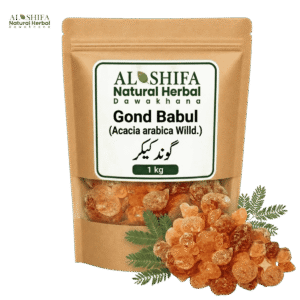
گوند کیکر
Price range: ₨ 125 through ₨ 2,500


Abhal (Hao Bair / Juniper Berries) is a strongly aromatic traditional herbal raw material commonly associated with Juniperus communis. Known for its distinctive pine-like, resinous, warm and slightly pungent aroma, it has traditionally been used in preparations associated with digestive comfort, appetite, urinary-system wellness, aromatic formulations, warming preparations, and general traditional care.
Al Shifa Abhal is carefully selected with attention to traditional identity, characteristic natural aroma, appearance, cleanliness, proper drying, and responsible storage.
Key Features:
Important Note: Medicinal or concentrated Juniper use requires particular caution during pregnancy and in people with kidney disease. It should not be considered a treatment for urinary infections, kidney stones, kidney disease, or other diagnosed medical conditions.
Abhal, also known as Hao Bair or Juniper Berries, is an aromatic traditional herbal raw material obtained from juniper plants. It is commonly associated with Juniperus communis, an evergreen conifer known for its intensely fragrant, resinous, pine-like fruits.
Although commonly called a “berry,” the Juniper Berry is botanically not a true fruit or berry. It is actually a fleshy, berry-like seed cone produced by the juniper plant.
Juniper Berries have a long history of use in traditional herbal practices, including Unani and European herbal traditions. Their characteristic aromatic nature has led to their traditional use in preparations associated with digestive comfort, appetite, urinary-system wellness, aromatic formulations, seasonal wellbeing, and general traditional care.
Al Shifa Abhal is carefully selected with attention to traditional identity, characteristic aroma, natural appearance, cleanliness, appropriate drying, and overall raw-material quality.
Abhal consists of the dried berry-like cones of a juniper plant.
The material typically has:
Natural differences in size, colour and aroma may occur according to species, geographic origin, maturity, harvesting, drying, and storage.
English Name: Juniper Berries
Urdu Name: ابہل / ہاو بیر
Roman Name: Abhal / Hao Bair
Scientific Name: Juniperus communis L.
Plant Part: Dried Berry-Like Seed Cones
Plant Type: Evergreen Aromatic Conifer
Product Type: Aromatic Traditional Herbal Raw Material
Traditional herbal trade names are not always botanically standardized. In some regions, Abhal may be associated with other related Juniperus species.
For this reason, exact botanical identification is important when species-specific medicinal information is required.
The common term Juniper Berry is convenient but botanically imprecise.
Junipers are conifers and do not produce true berries like grapes or blueberries.
Their female seed cones develop fleshy, fused scales that create a berry-like appearance. These structures contain the seeds of the plant.
Therefore, the more precise description is:
Dried berry-like seed cone of Juniper.
Abhal has historically been used in different traditional systems because of its strong aromatic character.
Traditional applications may include preparations associated with:
These uses represent traditional practice and should not be interpreted as proof that Juniper Berries treat diagnosed diseases.
Juniper Berries have traditionally been incorporated into aromatic digestive preparations.
Their historical use may be associated with:
Their naturally aromatic and bitter-pungent character contributes to their traditional digestive reputation.
However, Abhal should not be presented as a treatment for ulcers, inflammatory bowel disease, persistent reflux, liver disease, gallbladder disease, intestinal infection, or other diagnosed digestive disorders.
One of the best-known historical uses of Juniper Berries is in traditional urinary-system formulations.
They have traditionally been associated with:
This historical use should be described cautiously.
Juniper Berries are not a substitute for medical treatment of urinary tract infection, kidney infection, kidney stones, bladder stones, kidney disease, urinary obstruction, or prostate disease.
Painful urination, blood in urine, fever, flank pain, inability to urinate, or persistent urinary symptoms require medical evaluation.
Juniper Berries have historically been included in herbal preparations associated with urinary output and fluid balance.
This does not mean that concentrated Juniper preparations are appropriate for everyone.
Individuals with kidney disease, significant heart disease, unexplained swelling, dehydration, or those using medicines affecting fluid balance should not self-medicate with concentrated Juniper preparations.
Abhal possesses a strong natural aroma often described as:
This characteristic aroma has made Juniper useful in traditional aromatic and warming formulations.
Its sensory qualities should not be interpreted as evidence that it treats infections or other diseases.
Juniper Berries are also used as a spice in several culinary traditions.
They may contribute:
to selected foods and spice blends.
However, food use requires correct species identification and appropriate food-grade material.
Medicinal raw material should not automatically be assumed suitable for culinary use unless its grade and source are appropriate.
Juniper Berries contain naturally occurring aromatic plant compounds.
Depending on species, origin, maturity and processing, these may include varying amounts of:
The aromatic oil commonly contains terpene-related constituents responsible for much of the characteristic juniper fragrance.
The presence of these compounds does not establish that raw Juniper Berries treat any particular disease.
Different Juniper preparations can vary considerably in concentration.
Whole Dried Juniper Berries: Traditional raw herbal material.
Powder: Ground dried berry-like cones.
Extract: Concentrated preparation containing selected plant constituents.
Essential Oil: Highly concentrated volatile aromatic fraction.
These forms are not equivalent.
In particular, Juniper Essential Oil should not be treated like ordinary whole dried berries. Concentrated oils require separate safety considerations and should not be casually used internally.
Because Juniper has a longstanding association with urinary-system use, kidney safety deserves particular attention.
Regular or concentrated medicinal use should be avoided without professional guidance in people with:
Using a traditionally “urinary” herb does not mean it is suitable when the kidneys are already diseased.
Medicinal or concentrated use of Juniper Berries during pregnancy should be avoided unless specifically advised by an appropriately qualified healthcare professional.
Traditional literature has historically associated Juniper with uterine and menstrual activity, while reliable safety data for concentrated medicinal use during pregnancy are limited.
Juniper should not be used to induce menstruation, labour, miscarriage, or pregnancy termination.
Culinary exposure and concentrated medicinal use are different situations.
Reliable information about concentrated medicinal use during breastfeeding is limited.
Regular medicinal quantities, extracts, or concentrated preparations should therefore be used only with appropriate professional guidance.
Juniper preparations have been investigated in experimental research related to metabolic and glucose-related effects.
However, ordinary dried Abhal should not be marketed as a treatment for diabetes or high blood sugar.
People taking glucose-lowering medicines should seek professional advice before regular concentrated medicinal use because combining herbal preparations with medication may alter glucose control.
Prescribed diabetes treatment and monitoring should not be replaced with Juniper Berries.
Professional guidance is advisable for people taking medicines that affect:
The relevance of an interaction can depend on the form, concentration, amount, duration, and individual health condition.
Excessive or concentrated Juniper preparations may cause digestive irritation in some individuals.
Possible unwanted effects may include:
Stop use and seek appropriate advice if significant or persistent symptoms develop.
Individuals sensitive to juniper or related aromatic plants should use caution.
Stop use if symptoms such as:
develop.
Severe allergic symptoms require urgent medical attention.
Medicinal use in children should be undertaken only with qualified professional guidance.
Whole dried Juniper Berries can also present a choking risk to young children.
Concentrated extracts and essential oils require even greater caution.
Abhal supplied as whole dried Juniper Berries is a traditional raw herbal ingredient, not a finished medicine.
Raw-material supply does not establish:
The amount and method of use can differ significantly according to the intended formulation and individual circumstances.
At Al Shifa Natural Herbal Dawakhana, Abhal is selected with attention to:
Traditional Identity – Material consistent with expected Juniper Berry characteristics.
Characteristic Aroma – Naturally strong resinous and pine-like fragrance.
Natural Appearance – Appropriate dried berry-like cone structure and colour.
Cleanliness – Careful handling to minimize unnecessary foreign material.
Proper Drying – Appropriately dried for responsible storage.
Quality Selection – Material showing obvious mould, infestation, excessive moisture, or deterioration is avoided.
Al Shifa Natural Herbal Dawakhana, established in 1999, supplies carefully selected herbs, fruits, seeds, roots, rhizomes, barks, gums, resins, spices, oils, minerals, and other traditional natural raw materials throughout Pakistan.
Our Abhal is selected for customers seeking traditional Juniper Berries for appropriate herbal, aromatic, digestive, urinary-wellness, spice, and compound formulations.
We focus on:
Abhal has traditionally been incorporated into different herbal formulations according to the intended purpose.
There is no single universal medicinal dosage appropriate for every person because use can depend on:
Regular medicinal or concentrated use should preferably be undertaken with qualified professional guidance.
Do not self-medicate with concentrated Juniper preparations if you have kidney disease or significant urinary problems.
Abhal / Juniper Berries are traditional aromatic herbal raw materials and should not be considered proven treatments for:
Persistent urinary symptoms, painful urination, fever, blood in urine, severe back or flank pain, swelling, or reduced urine output require appropriate medical evaluation.
Store Abhal in a cool, clean, dry place in a tightly closed container.
For better preservation:
Abhal (Hao Bair / Juniper Berries) is a strongly aromatic traditional herbal raw material valued for its distinctive pine-like, resinous fragrance and warm, slightly pungent character. It has historically been used in digestive, urinary-wellness, aromatic, warming, spice, and general traditional herbal formulations.
Customers searching for Abhal Pakistan, Hao Bair Pakistan, Juniper Berries Pakistan, pure Abhal, original Abhal, dried Juniper Berries, Juniperus communis Pakistan, Abhal benefits, Abhal uses, Juniper Berry benefits, Juniper Berry uses, Abhal Lahore, Abhal price in Pakistan, Juniper Berries price in Pakistan, buy Abhal Pakistan, or Juniper Berries online Pakistan can choose Al Shifa Natural Herbal Dawakhana for carefully selected traditional raw material.
Since 1999, Al Shifa Natural Herbal Dawakhana has focused on supplying traditional natural ingredients with attention to identity, cleanliness, proper drying, characteristic aroma, responsible storage, and accurate product information.
Product Name: Abhal / Hao Bair
English Name: Juniper Berries
Urdu Name: ابہل / ہاو بیر
Roman Name: Abhal / Hao Bair
Scientific Name: Juniperus communis L.
Plant Part: Dried Berry-Like Seed Cones
Product Type: Aromatic Traditional Herbal Raw Material
Traditional Use: Digestive comfort, urinary-system wellness, aromatic and warming formulations, spice applications, and general traditional preparations
Important Note: Medicinal or concentrated Juniper use requires particular caution during pregnancy and in people with kidney disease. Juniper should not be used as a substitute for treatment of urinary infections, kidney stones, kidney disease, or other diagnosed conditions.
ابہل جسے ہاو بیر بھی کہا جاتا ہے، ایک نہایت خوشبودار روایتی نباتاتی خام جزو ہے جو ایک سدا بہار مخروطی درخت سے حاصل ہوتا ہے۔ اس کے خشک، گول اور بیر نما حصے اپنی تیز، صنوبر جیسی، رال دار، قدرے تلخ اور گرم خوشبو کی وجہ سے پہچانے جاتے ہیں۔
ابہل کو طب یونانی اور مختلف قدیم نباتاتی روایات میں طویل عرصے سے استعمال کیا جاتا رہا ہے۔ روایتی طور پر اسے ہاضمے کی عمومی آسودگی، بھوک، پیٹ کے بھاری پن، پیشاب کے نظام کی عمومی نگہداشت، جسمانی رطوبتوں کے توازن سے متعلق مرکبات، خوشبودار تیاریوں، موسمی نگہداشت اور گرم تاثیر رکھنے والے مرکبات میں شامل کیا جاتا رہا ہے۔
اگرچہ اسے عام طور پر بیر کہا جاتا ہے، لیکن نباتاتی اعتبار سے یہ حقیقی بیر نہیں بلکہ بیج رکھنے والا گوشت دار مخروطی حصہ ہے۔
الشفاء نیچرل ہربل دواخانہ میں ابہل کو روایتی شناخت، مخصوص قدرتی خوشبو، ظاہری حالت، صفائی، مناسب خشکی اور مجموعی خام مال کے معیار کو مدنظر رکھتے ہوئے منتخب کیا جاتا ہے۔
ابہل ایک خوشبودار سدا بہار درخت کے خشک بیر نما مخروطی حصے ہوتے ہیں۔
خشک ابہل عموماً:
ہو سکتے ہیں۔
جسامت، رنگت، خوشبو اور ظاہری حالت میں پودے کی قسم، علاقے، پختگی، برداشت، خشک کرنے کے طریقے اور ذخیرے کے مطابق قدرتی فرق ہو سکتا ہے۔
اردو نام: ابہل / ہاو بیر
رومن نام: ابہل / ہاو بیر
معروف نام: صنوبر نما خوشبودار بیر
مستعمل حصہ: خشک بیر نما بیج دار مخروطی حصہ
پودے کی قسم: سدا بہار خوشبودار مخروطی درخت
مصنوعات کی قسم: روایتی خوشبودار نباتاتی خام جزو
روایتی نباتاتی بازار میں ابہل کا نام بعض اوقات ایک سے زیادہ قریبی اقسام کے لیے استعمال ہو سکتا ہے۔
اس لیے اگر کسی خاص طبی مقصد کے لیے مخصوص قسم درکار ہو تو درست نباتاتی شناخت اہم ہے۔
عام بول چال میں اسے بیر کہا جاتا ہے، لیکن نباتاتی اعتبار سے اس کی ساخت عام پھلوں سے مختلف ہے۔
مخروطی درخت عام پھل دار پودوں کی طرح حقیقی بیر پیدا نہیں کرتے۔
ان کے مادہ مخروط کے نرم اور گوشت دار حصے آپس میں مل کر ایک گول بیر جیسی ساخت بنا لیتے ہیں جس کے اندر بیج موجود ہوتے ہیں۔
اسی وجہ سے اسے عام طور پر بیر کہا جاتا ہے، حالانکہ زیادہ درست نباتاتی وضاحت بیر نما بیج دار مخروطی حصہ ہے۔
ابہل کو اپنی تیز خوشبو اور گرم مزاج خصوصیات کی وجہ سے مختلف روایتی مرکبات میں اہمیت حاصل رہی ہے۔
اسے تاریخی طور پر:
میں شامل کیا جاتا رہا ہے۔
یہ روایتی استعمال ہیں اور انہیں کسی تشخیص شدہ بیماری کا ثابت شدہ علاج نہیں سمجھنا چاہیے۔
ابہل کو روایتی طور پر خوشبودار ہاضم مرکبات میں شامل کیا جاتا رہا ہے۔
اس کا تاریخی استعمال:
سے متعلق تیاریوں میں بیان کیا جاتا ہے۔
اس کی تیز، تلخ اور خوشبودار کیفیت اس کی روایتی ہاضم شہرت کی ایک اہم وجہ ہے۔
تاہم ابہل کو معدے کے زخم، آنتوں کی سوزش، مسلسل تیزابیت، جگر کی بیماری، پتے کی بیماری، آنتوں کے انفیکشن یا دوسری تشخیص شدہ ہاضم بیماریوں کا علاج نہیں سمجھنا چاہیے۔
ابہل کا ایک نمایاں تاریخی استعمال پیشاب کے نظام سے متعلق روایتی مرکبات میں رہا ہے۔
اسے روایتی طور پر:
میں شامل کیا جاتا رہا ہے۔
تاہم ابہل کو:
کا علاج نہیں سمجھنا چاہیے۔
اگر پیشاب میں شدید جلن، خون، بخار، کمر یا پہلو میں شدید درد، پیشاب کی مقدار میں واضح کمی یا پیشاب بند ہونے جیسی علامات ہوں تو طبی معائنہ ضروری ہے۔
ابہل کو تاریخی طور پر ایسے نباتاتی مرکبات میں بھی شامل کیا جاتا رہا ہے جن کا تعلق پیشاب کے اخراج اور جسمانی رطوبتوں کے عمومی توازن سے بیان کیا جاتا ہے۔
یہ روایتی استعمال ہر فرد کے لیے موزوں نہیں ہوتا۔
خاص طور پر:
کی صورت میں مرتکز یا باقاعدہ استعمال اپنی طرف سے نہیں کرنا چاہیے۔
ابہل اپنی مخصوص قدرتی خوشبو کی وجہ سے آسانی سے پہچانا جاتا ہے۔
اس کی مہک کو عموماً:
محسوس کیا جا سکتا ہے۔
یہی خصوصیات اسے مختلف روایتی خوشبودار اور گرم تاثیر رکھنے والے مرکبات میں اہم بناتی ہیں۔
تاہم صرف تیز خوشبو یا گرم تاثیر کسی بیماری کے علاج کا ثبوت نہیں ہے۔
ابہل اور اس کے قریبی نباتاتی گروہ کے بیر نما حصے دنیا کے مختلف علاقوں میں مصالحے کے طور پر بھی استعمال کیے جاتے ہیں۔
یہ کھانوں میں:
پیدا کر سکتے ہیں۔
تاہم خوراک میں استعمال کے لیے درست نباتاتی شناخت اور غذائی معیار کا خام مال ضروری ہے۔
طبی خام مال کو خودکار طور پر خوراک کے معیار کا خام مال نہیں سمجھنا چاہیے۔
ابہل میں مختلف قدرتی خوشبودار نباتاتی اجزاء پائے جا سکتے ہیں۔
ان میں مختلف مقدار میں:
شامل ہو سکتے ہیں۔
ان کی مقدار پودے کی قسم، علاقے، موسم، پختگی، برداشت، خشک کرنے اور ذخیرے کے مطابق مختلف ہو سکتی ہے۔
ان قدرتی اجزاء کی موجودگی بذاتِ خود کسی بیماری کے علاج کا ثبوت نہیں ہے۔
ابہل مختلف شکلوں میں دستیاب ہو سکتا ہے۔
مکمل خشک ابہل: روایتی خام نباتاتی شکل۔
سفوف: خشک ابہل کو پیس کر تیار کی جانے والی شکل۔
عصارہ: مخصوص نباتاتی اجزاء کو مرتکز کرکے تیار کی جانے والی شکل۔
خوشبودار روغنی جوہر: نہایت مرتکز خوشبودار حصہ۔
یہ تمام شکلیں ایک دوسرے کے برابر نہیں ہیں۔
خصوصاً مرتکز خوشبودار روغنی جوہر کو مکمل خشک ابہل کی طرح استعمال نہیں کرنا چاہیے۔
مرتکز روغنی اجزاء کے لیے الگ حفاظتی اصول ضروری ہوتے ہیں۔
چونکہ ابہل کا روایتی استعمال پیشاب کے نظام سے متعلق رہا ہے، اس لیے گردوں کے مریضوں میں خصوصی احتیاط ضروری ہے۔
باقاعدہ یا مرتکز طبی استعمال مستند رہنمائی کے بغیر نہ کریں اگر کسی فرد کو:
ہو۔
کسی نباتاتی جزو کا پیشاب کے نظام میں روایتی استعمال اس بات کا ثبوت نہیں کہ وہ پہلے سے بیمار گردوں کے لیے بھی محفوظ ہے۔
حمل کے دوران ابہل کا باقاعدہ، مرتکز یا طبی مقدار میں استعمال مستند طبی مشورے کے بغیر نہیں کرنا چاہیے۔
روایتی حوالوں میں ابہل کا تعلق بعض اوقات رحم اور ماہواری سے متعلق سرگرمیوں سے بھی بیان کیا گیا ہے، جبکہ حمل کے دوران مرتکز استعمال کی حفاظت سے متعلق قابل اعتماد معلومات محدود ہیں۔
ابہل کو:
کے لیے ہرگز استعمال نہیں کرنا چاہیے۔
خوراک میں معمولی مصالحہ جاتی استعمال اور مرتکز طبی استعمال ایک جیسی چیزیں نہیں ہیں۔
دودھ پلانے کے دوران ابہل کی باقاعدہ یا مرتکز طبی مقدار کے محفوظ استعمال سے متعلق معلومات محدود ہیں۔
اس لیے دودھ پلانے والی خواتین کو عصارے، مرتکز تیاریوں یا باقاعدہ طبی مقدار کے استعمال سے پہلے مستند طبی رہنمائی حاصل کرنی چاہیے۔
ابہل اور اس کے بعض اجزاء پر خون میں شکر اور جسمانی تحول سے متعلق تحقیقی مطالعے کیے گئے ہیں۔
تاہم عام خشک ابہل کو:
کا علاج نہیں سمجھنا چاہیے۔
اگر کوئی شخص خون میں شکر کم کرنے والی ادویات استعمال کرتا ہے تو ابہل کی مرتکز یا باقاعدہ طبی مقدار استعمال کرنے سے پہلے مستند مشورہ حاصل کرنا بہتر ہے۔
تجویز کردہ ادویات اور خون میں شکر کی نگرانی کو ابہل سے تبدیل نہیں کرنا چاہیے۔
خاص طور پر ان افراد کو مستند رہنمائی حاصل کرنی چاہیے جو ایسی ادویات استعمال کرتے ہوں جن کا تعلق:
سے ہو۔
ممکنہ اثر کا انحصار استعمال کی شکل، مقدار، مدت اور فرد کی صحت پر ہو سکتا ہے۔
زیادہ مقدار یا مرتکز ابہل بعض حساس افراد میں معدے اور نظام ہضم میں جلن پیدا کر سکتا ہے۔
ممکنہ علامات میں شامل ہو سکتی ہیں:
شدید یا مسلسل علامات کی صورت میں استعمال بند کرکے مناسب طبی مشورہ حاصل کریں۔
خوشبودار نباتاتی اجزاء سے حساس افراد کو ابہل استعمال کرتے وقت احتیاط کرنی چاہیے۔
اگر استعمال کے بعد:
پیدا ہو تو استعمال بند کر دیں۔
شدید الرجی یا سانس لینے میں دشواری کی صورت میں فوری طبی مدد ضروری ہے۔
بچوں میں ابہل کا طبی استعمال مستند معالج کی رہنمائی کے بغیر نہیں کرنا چاہیے۔
مکمل خشک بیر نما حصے چھوٹے بچوں کے حلق میں پھنسنے کا خطرہ بھی پیدا کر سکتے ہیں۔
مرتکز عصاروں اور روغنی جوہر کے استعمال میں مزید احتیاط ضروری ہے۔
ابہل اگر مکمل خشک خام نباتاتی جزو کے طور پر فراہم کیا جائے تو اسے تیار دوا نہیں سمجھنا چاہیے۔
خام مال کی فراہمی سے یہ ثابت نہیں ہوتا کہ:
مقدار اور طریقۂ استعمال مطلوبہ مرکب اور فرد کی صحت کے مطابق مختلف ہو سکتے ہیں۔
الشفاء نیچرل ہربل دواخانہ میں ابہل کے انتخاب کے دوران درج ذیل امور کو اہمیت دی جاتی ہے:
روایتی شناخت: ابہل کی معروف خصوصیات سے مطابقت رکھنے والا خام مال۔
مخصوص قدرتی خوشبو: نمایاں صنوبر جیسی اور رال دار مہک۔
قدرتی ظاہری حالت: مناسب خشک بیر نما ساخت اور رنگت۔
صفائی: غیر ضروری بیرونی مواد، مٹی اور گرد کو کم سے کم رکھنے کا خیال۔
مناسب خشکی: بہتر ذخیرے کے لیے مناسب طور پر خشک خام مال۔
معیار: پھپھوندی، غیر معمولی نمی، کیڑوں یا واضح خرابی والے خام مال سے اجتناب۔
الشفاء نیچرل ہربل دواخانہ سنہ ۱۹۹۹ سے جڑی بوٹیوں، پھلوں، بیجوں، جڑوں، زیرِ زمین تنوں، چھالوں، گوند، قدرتی رال، مصالحہ جات، روغنی اجزاء، معدنی خام مواد اور دیگر روایتی قدرتی اجزاء کی فراہمی سے وابستہ ہے۔
ابہل کے انتخاب میں ہم:
کو بنیادی اہمیت دیتے ہیں۔
ابہل کو روایتی طور پر مقصد کے مطابق مختلف مرکبات میں شامل کیا جاتا رہا ہے۔
مناسب طریقۂ استعمال اور مقدار کا انحصار:
پر ہو سکتا ہے۔
اسی لیے ہر شخص کے لیے اس کی کوئی ایک عمومی طبی مقدار مقرر نہیں کی جا سکتی۔
گردوں کی بیماری، پیشاب کے نظام کی سنگین علامات، حمل، دودھ پلانے، بچوں یا مستقل ادویات کے ساتھ باقاعدہ طبی استعمال کے لیے مستند رہنمائی حاصل کریں۔
ابہل ایک روایتی خوشبودار نباتاتی خام جزو ہے۔ اسے:
کا ثابت شدہ علاج نہیں سمجھنا چاہیے۔
پیشاب میں شدید جلن، خون، بخار، پہلو یا کمر میں شدید درد، جسم پر غیر معمولی سوجن، پیشاب کی مقدار میں نمایاں کمی یا پیشاب بند ہونے کی صورت میں طبی معائنہ ضروری ہے۔
ابہل کو صاف، ٹھنڈی اور خشک جگہ پر اچھی طرح بند برتن میں محفوظ رکھیں۔
بہتر حفاظت کے لیے:
ابہل / ہاو بیر ایک تیز خوشبودار روایتی نباتاتی خام جزو ہے جو اپنی مخصوص صنوبر جیسی، رال دار، گرم اور قدرے تیز خوشبو کی وجہ سے پہچانا جاتا ہے۔
روایتی طور پر اسے ہاضمے کی عمومی آسودگی، بھوک، پیشاب کے نظام کی عمومی نگہداشت، جسمانی رطوبتوں کے توازن سے متعلق تیاریوں، خوشبودار مرکبات، گرم تاثیر رکھنے والی تیاریوں اور عمومی روایتی نگہداشت میں شامل کیا جاتا رہا ہے۔
اگر آپ ابہل پاکستان، ہاو بیر پاکستان، خالص ابہل، اصل ابہل، قدرتی ابہل، خشک ابہل، طب یونانی ابہل، ابہل کے فوائد، ابہل کے استعمال، ہاضمے کے لیے ابہل، پیشاب کے نظام کے لیے ابہل، ابہل لاہور، ہاو بیر لاہور، ابہل کی قیمت، ابہل کی قیمت پاکستان، خالص ابہل کی قیمت، ہاو بیر کی قیمت، ابہل آن لائن یا ابہل خریدیں تلاش کر رہے ہیں تو الشفاء نیچرل ہربل دواخانہ احتیاط سے منتخب روایتی خام مواد فراہم کرتا ہے۔
سنہ ۱۹۹۹ سے الشفاء نیچرل ہربل دواخانہ روایتی قدرتی خام اجزاء کی فراہمی میں درست شناخت، صفائی، مناسب خشکی، قدرتی خوشبو، ذمہ دارانہ ذخیرے اور درست معلومات کو بنیادی اہمیت دیتا آ رہا ہے۔
نام: ابہل / ہاو بیر
اردو نام: ابہل / ہاو بیر
رومن نام: ابہل / ہاو بیر
معروف نام: صنوبر نما خوشبودار بیر
مستعمل حصہ: خشک بیر نما بیج دار مخروطی حصہ
قسم: خوشبودار روایتی نباتاتی خام جزو
روایتی استعمال: ہاضمے کی عمومی آسودگی، پیشاب کے نظام کی عمومی نگہداشت، خوشبودار و گرم تیاریوں، مصالحہ جاتی استعمال اور عمومی روایتی مرکبات
اہم وضاحت: حمل اور گردوں کی بیماری کی صورت میں ابہل کا باقاعدہ یا مرتکز طبی استعمال مستند رہنمائی کے بغیر نہیں کرنا چاہیے۔ اسے پیشاب کے انفیکشن، گردے کی پتھری یا گردوں کی بیماری کے علاج کا متبادل نہ سمجھیں۔