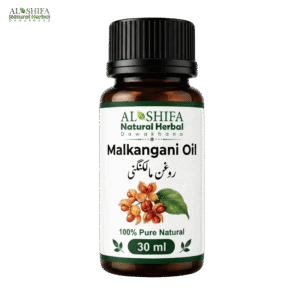
روغن مالکنگنی
Price range: ₨ 2,500 through ₨ 8,000

Cotton Seed Oil / Roghan Tukham Kapas / Roghan Banola is a natural fixed vegetable oil obtained from cotton seeds, primarily from cultivated Gossypium species. Naturally rich in linoleic acid (Omega-6) and containing palmitic acid and oleic acid (Omega-9), properly processed Cotton Seed Oil provides smooth emollient and conditioning properties suitable for skin, body, massage, hair, scalp and cosmetic formulations.
Al Shifa Cotton Seed Oil is carefully selected with attention to its genuine cottonseed origin, suitable processing, characteristic fatty-acid profile, freshness, clean handling and protective packaging.
Key Features:
Usage: Apply a suitable amount to skin, hair or scalp, use for massage, blend with compatible carrier oils, or incorporate into soaps, creams, lotions, balms, hair oils and other cosmetic formulations.
Important Note: Cotton Seed Oil is a fixed vegetable oil, not an essential oil. Crude cottonseed oil naturally contains gossypol and other unwanted constituents, making appropriate processing and refining important. Cosmetic-grade Cotton Seed Oil should not automatically be considered suitable for consumption.
Cotton Seed Oil / Roghan Tukham Kapas / Roghan Banola – روغن تخم کپاس / روغن بنولا / کاٹن سیڈ آئل is a natural fixed vegetable oil obtained from the seeds of cotton plants, primarily Gossypium hirsutum L. and other cultivated Gossypium species belonging to the Malvaceae family. Cotton seeds naturally contain oil composed mainly of linoleic acid (Omega-6), palmitic acid and oleic acid (Omega-9) together with smaller amounts of other fatty acids.
Cottonseed Oil has a smooth emollient character and can be incorporated into skin and body care, massage products, hair and scalp conditioning, soaps, creams, lotions, balms and other cosmetic formulations.
An important characteristic of crude cottonseed oil is the presence of naturally occurring gossypol and related pigments. Commercial oil intended for food or cosmetic applications is therefore appropriately processed and refined to reduce unwanted constituents. Crude, unrefined cottonseed material should not automatically be considered equivalent to properly refined Cottonseed Oil.
At Al Shifa Natural Herbal Dawakhana, Cotton Seed Oil is selected with attention to its correct botanical identity, genuine cottonseed origin, suitable processing, characteristic fatty-acid profile, freshness, clean handling and protective packaging.
Cotton Seed Oil, commonly called Cottonseed Oil, is a fixed vegetable oil obtained from cotton seeds.
Cotton plants are primarily cultivated for their fibre, but the seeds remaining after fibre processing contain a valuable natural oil fraction.
The oil may be obtained through:
For many commercial applications, refining is especially important because crude cottonseed oil naturally contains pigments, free fatty acids and compounds such as gossypol that are substantially reduced during appropriate processing.
Product Name: Cotton Seed Oil / Roghan Tukham Kapas / Roghan Banola – روغن تخم کپاس / روغن بنولا / کاٹن سیڈ آئل
English Name: Cotton Seed Oil / Cottonseed Oil
Urdu Name: روغن تخم کپاس / روغن بنولا / کاٹن سیڈ آئل
Roman Name: Cotton Seed Oil / Roghan Tukham Kapas / Roghan Banola
Scientific Name: Gossypium hirsutum L. and other cultivated Gossypium species
Plant Family: Malvaceae
Plant Part: Seeds
Oil Type: Fixed Vegetable Oil / Seed Oil / Carrier Oil
Common Forms: Refined Cottonseed Oil / Cotton Seed Carrier Oil / Cosmetic-Grade Cottonseed Oil / Food-Grade Cottonseed Oil
Appearance: Pale Yellow to Golden-Yellow After Suitable Refining; Crude Oil Can Be Darker
Aroma: Mild and Characteristic; Refined Grades Usually Have a Relatively Neutral Aroma
Primary Applications: Skin & Body Care, Massage, Hair & Scalp Conditioning, Soap, Creams, Lotions, Balms & Cosmetic Formulations
Product Type: Cottonseed Fixed Vegetable Oil
Cotton belongs to the genus Gossypium.
Commercial cotton is produced from several cultivated species, with Gossypium hirsutum being one of the most widely cultivated.
Cotton seeds contain:
When the oil is extracted, the resulting product represents primarily the lipid fraction of the seed.
Cottonseed processing begins after the cotton fibre has been separated.
Oil production can involve:
Commercial refining can include several stages designed to improve colour, aroma, stability and suitability for the intended application.
Cottonseed differs from many ordinary edible oilseeds because the seed naturally contains gossypol, a polyphenolic plant compound.
Crude Cotton Seed Oil may also contain:
Appropriate refining substantially reduces free gossypol and other unwanted components.
Therefore:
Crude Cottonseed Oil ≠ Properly Refined Cottonseed Oil
The intended grade and processing history are important when selecting Cotton Seed Oil for cosmetic or food applications.
Gossypol is a naturally occurring compound associated with cotton plants and particularly cottonseed.
It is not a desirable constituent of ordinary edible Cottonseed Oil in significant amounts.
Proper commercial processing and refining are used to reduce its presence in finished oil.
This is one reason why raw or inadequately processed cottonseed-derived material should not automatically be used in place of properly manufactured oil.
Properly processed Cotton Seed Oil generally has:
Crude oil can differ considerably in colour, aroma and composition.
Cotton Seed Oil naturally contains a characteristic combination of polyunsaturated, monounsaturated and saturated fatty acids.
Important fatty acids generally include:
The exact proportions vary according to cotton species, variety, growing conditions and processing.
Linoleic acid is generally the dominant fatty acid in conventional Cotton Seed Oil.
It is an essential polyunsaturated Omega-6 fatty acid.
In topical formulations, linoleic-rich vegetable oils provide useful emollient and conditioning characteristics.
Cotton Seed Oil naturally contains oleic acid, a monounsaturated Omega-9 fatty acid.
It contributes to:
Cotton Seed Oil contains a notable proportion of palmitic acid.
Palmitic acid is a saturated fatty acid that contributes to the overall physical and formulation characteristics of the oil.
The combination of linoleic, oleic and palmitic acids gives conventional Cotton Seed Oil its distinctive fatty-acid profile.
Cotton Seed Oil can naturally contain tocopherol compounds belonging to the Vitamin E family.
Their exact concentrations depend on:
The presence of natural tocopherols does not mean that Cotton Seed Oil is equivalent to pure Vitamin E.
Cotton Seed Oil can also contain naturally occurring phytosterols as part of its minor lipid fraction.
Their concentration varies according to processing and should not be treated as standardized without product-specific analysis.
Properly processed Cotton Seed Oil can function as an emollient in skin-care formulations.
It can provide:
It may be used alone in suitable applications or blended with other compatible carrier oils.
Cotton Seed Oil can be incorporated into products intended for dry and rough-feeling skin.
Suitable applications include:
Its primary role is cosmetic emollient conditioning.
Cotton Seed Oil may be incorporated into compatible facial formulations.
Applications can include:
The amount should be adjusted according to skin type, formulation and desired sensory feel.
Cotton Seed Oil can be included in formulations designed for dry or mature-looking skin.
Its emollient fatty-acid profile can improve:
However:
Skin Conditioning ≠ Reversal of Biological Aging
Cotton Seed Oil should not be marketed as permanently removing wrinkles or reversing natural aging.
Cotton Seed Oil can be incorporated into:
It can also be combined with other vegetable oils to modify the final texture and skin feel.
Cotton Seed Oil can provide useful lubrication in massage formulations.
It may be used:
Its smooth texture allows easy spreading over the skin.
Cotton Seed Oil can be incorporated into hair-care formulations for its lipid-conditioning properties.
It may help:
These are cosmetic conditioning effects rather than medicinal hair treatments.
Cotton Seed Oil can be incorporated into products intended for dry, rough or frizzy hair.
Possible applications include:
The amount should be adjusted according to hair texture and the desired finish.
A small amount of Cotton Seed Oil can lubricate dry hair ends.
It can temporarily provide:
However:
Hair Conditioning ≠ Permanent Split-End Repair
Vegetable oil can improve the appearance and feel of damaged hair but cannot permanently reconnect a physically split hair fibre.
Properly processed Cotton Seed Oil can be incorporated into compatible scalp massage formulations.
It can provide:
It should not be presented as treatment for scalp diseases.
Cotton Seed Oil can condition hair and scalp.
However:
Hair & Scalp Conditioning ≠ Guaranteed Hair Growth
Ordinary topical Cotton Seed Oil should not be described as a proven treatment for baldness, alopecia or other causes of hair loss.
Cotton Seed Oil can be incorporated into properly calculated soap formulations.
Its fatty-acid profile can contribute to the conditioning characteristics of the finished soap.
Because it contains a substantial proportion of linoleic acid, formulators should also consider oxidative stability when determining the percentage used.
Accurate alkali calculations are required whenever oils are added, removed or substituted.
Cotton Seed Oil can be incorporated into the oil phase of:
Its fatty-acid profile provides useful emollient and conditioning characteristics.
Cotton Seed Oil can be combined with:
to create balms, body butters and other lipid-rich formulations.
Properly processed Cotton Seed Oil can be incorporated into:
Its established vegetable-oil characteristics make it useful across a variety of cosmetic applications.
Cottonseed and Cotton Seed Oil have been studied in nutritional, agricultural and industrial contexts.
Research can involve:
These materials are not interchangeable.
Research involving isolated gossypol or crude cottonseed material should not automatically be applied to properly refined Cotton Seed Oil.
Likewise, nutritional research on edible oil should not automatically be converted into medical claims for topical cosmetic use.
Correct product identity and processing are particularly important with Cotton Seed Oil.
The grade, refining status and intended use should always be considered.
This is one of the most important distinctions for Cotton Seed Oil.
Crude Cotton Seed Oil is the initial extracted oil and can contain:
Refined Cotton Seed Oil undergoes additional processing designed to reduce unwanted components and improve its suitability for the intended commercial application.
Therefore, crude and refined grades should not be treated as interchangeable.
Cottonseed meal is the solid protein-rich material remaining after much of the oil has been removed from cottonseed.
Cotton Seed Oil is the extracted lipid fraction.
They have very different:
They should not be confused.
Individual sensitivity can occur with any cosmetic oil.
Before extensive topical use, test a small amount on a limited area of skin.
Discontinue use if significant:
develops.
Avoid direct contact with the eyes and mucous membranes.
For ordinary external cosmetic use, choose appropriately processed Cotton Seed Oil and follow its intended directions.
Crude or inadequately processed cottonseed-derived materials should not be used casually.
Cosmetic-grade Cotton Seed Oil should not automatically be consumed during pregnancy or breastfeeding.
For children, use only appropriately processed Cotton Seed Oil as part of an age-appropriate cosmetic formulation.
Avoid direct contact with:
Keep the container securely out of reach of young children.
Properly refined Cottonseed Oil is widely used as an edible vegetable oil in different markets.
However:
Cosmetic Grade ≠ Automatically Food Grade
Food use requires suitable:
Only consume Cotton Seed Oil specifically manufactured and labelled for food use.
Crude or inadequately processed Cottonseed Oil should not be used as a substitute for properly manufactured edible oil.
Cotton Seed Oil naturally contains a substantial amount of polyunsaturated linoleic acid.
Prolonged exposure to:
can accelerate oxidation.
Protective packaging and suitable storage help preserve product quality.
At Al Shifa Natural Herbal Dawakhana, Cotton Seed Oil is selected with attention to:
Botanical Identity – Derived from cultivated Gossypium species.
Plant Part – Genuine cottonseed-derived oil.
Fixed-Oil Identity – Natural vegetable oil rather than an essential oil.
Processing – Appropriate attention to refined versus crude oil identity.
Gossypol Consideration – Suitable processing is important for reducing unwanted naturally occurring gossypol.
Fatty-Acid Profile – Naturally rich in linoleic acid with palmitic and oleic acids.
Skin Applications – Suitable for emollient skin-care formulations.
Dry-Skin Applications – Suitable for dry and rough-feeling skin.
Body Applications – Suitable for body oils, creams and lotions.
Massage Applications – Provides useful lubrication and spreadability.
Hair Applications – Suitable for dry and frizzy hair conditioning.
Scalp Applications – Suitable for compatible scalp formulations.
Soap Applications – Suitable for properly calculated soap formulations.
Cosmetic Applications – Suitable for creams, lotions, balms and oil blends.
Freshness – Attention to natural oil condition.
Clean Handling – Carefully handled during packing.
Protective Packaging – Helps maintain product quality.
Responsible Claims – No exaggerated anti-aging, hair-growth or disease-treatment claims.
Al Shifa Natural Herbal Dawakhana, established in 1999, supplies carefully selected natural oils, herbs and botanical materials throughout Pakistan.
Our focus for Cotton Seed Oil includes:
For Facial Care: Apply a small amount to clean skin or blend with compatible carrier oils.
For Dry Skin: Massage an appropriate amount into dry or rough-feeling areas.
For Body Care: Use alone or incorporate into body oils, creams, lotions, balms and body butters.
For Massage: Use alone or blend with other compatible carrier oils according to the desired texture.
For Hair: Apply a suitable amount to hair lengths and ends or incorporate into hair oils, masks and conditioners.
For Scalp Care: Use an appropriate amount in a compatible scalp massage formulation.
For Soap Making: Use only as part of a properly calculated soap formula.
For Cosmetic Formulations: Incorporate according to the requirements of the finished product.
Cotton Seed Oil / Roghan Tukham Kapas / Roghan Banola – روغن تخم کپاس / روغن بنولا / کاٹن سیڈ آئل is a natural fixed vegetable oil obtained from cotton seeds and naturally contains linoleic acid, palmitic acid, oleic acid and other fatty acids.
It is suitable for skin and body care, massage, hair and scalp conditioning, soaps, creams, lotions, balms and other cosmetic formulations.
Crude cottonseed oil naturally contains gossypol and other unwanted constituents, so the processing and refining status of the oil is important. Properly processed Cotton Seed Oil should not be confused with crude cottonseed material.
For best quality:
Cotton Seed Oil / Roghan Tukham Kapas / Roghan Banola – روغن تخم کپاس / روغن بنولا / کاٹن سیڈ آئل is a natural fixed vegetable oil obtained from cotton seeds. Its characteristic fatty-acid profile is naturally rich in linoleic acid (Omega-6) and also contains palmitic and oleic acids, making properly processed oil suitable for skin, body, massage, hair, scalp, soap, creams, lotions and cosmetic formulations.
Customers searching for Cotton Seed Oil, Cottonseed Oil, Roghan Tukham Kapas, Roghan Banola, Gossypium Oil, Pure Cotton Seed Oil, Natural Cottonseed Oil, Refined Cottonseed Oil, Cotton Seed Carrier Oil, Cotton Seed Oil Omega 6, Cotton Seed Oil for Skin, Cotton Seed Oil for Dry Skin, Cotton Seed Oil for Body, Cotton Seed Oil for Massage, Cotton Seed Oil for Hair, Cotton Seed Oil for Scalp, Cotton Seed Oil for Soap, Cotton Seed Oil for Cosmetics, Cotton Seed Oil Pakistan, Roghan Banola Pakistan, Roghan Tukham Kapas Pakistan, Cotton Seed Oil Lahore, Cotton Seed Oil price in Pakistan, buy Cotton Seed Oil Pakistan or Cotton Seed Oil online Pakistan can choose Al Shifa Natural Herbal Dawakhana for carefully selected quality.
Since 1999, Al Shifa Natural Herbal Dawakhana has focused on supplying natural oils and botanical materials with attention to correct identity, suitable processing, quality selection, freshness, clean handling, responsible product information, protective packaging and proper storage.
Product Name: Cotton Seed Oil / Roghan Tukham Kapas / Roghan Banola – روغن تخم کپاس / روغن بنولا / کاٹن سیڈ آئل
English Name: Cotton Seed Oil / Cottonseed Oil
Urdu Name: روغن تخم کپاس / روغن بنولا / کاٹن سیڈ آئل
Roman Name: Cotton Seed Oil / Roghan Tukham Kapas / Roghan Banola
Scientific Name: Gossypium hirsutum L. and other cultivated Gossypium species
Plant Family: Malvaceae
Plant Part: Seeds
Oil Type: Fixed Vegetable Oil / Seed Oil / Carrier Oil
Common Forms: Refined Cottonseed Oil / Cotton Seed Carrier Oil / Cosmetic-Grade Cottonseed Oil / Food-Grade Cottonseed Oil
Appearance: Pale Yellow to Golden-Yellow After Suitable Refining
Aroma: Mild and Characteristic; Refined Grades Usually More Neutral
Primary Applications: Skin & Body Care, Massage, Hair & Scalp Conditioning, Soap, Creams, Lotions, Balms & Cosmetic Formulations
Product Type: Cottonseed Fixed Vegetable Oil
Important Note: Cotton Seed Oil is a fixed vegetable oil obtained from cotton seeds, not an essential oil. Crude cottonseed oil naturally contains gossypol and other unwanted constituents, making appropriate processing and refining important. Cosmetic-grade Cotton Seed Oil should not automatically be considered suitable for consumption.
کاٹن سیڈ آئل، روغن تخم کپاس یا روغن بنولا کپاس کے بیجوں سے حاصل ہونے والا قدرتی روغن ہے۔ کپاس پاکستان کی اہم فصلوں میں شامل ہے۔ اس کے ریشے کپڑا بنانے کے لیے استعمال کیے جاتے ہیں جبکہ بیج، جنہیں بنولا بھی کہا جاتا ہے، قدرتی چکنائی رکھتے ہیں۔
بنولے کے بیجوں سے روغن نکالنے کے بعد اسے اچھی طرح صاف کیا جاتا ہے۔ خوراک کے لیے استعمال ہونے والے کاٹن سیڈ آئل میں صفائی کا مرحلہ بہت اہم ہے۔
اس روغن میں لینولیک تیزاب، اولیک تیزاب اور پالمیٹک تیزاب اہم قدرتی چکنائیاں ہیں۔ اس کے ساتھ سٹیئرک تیزاب، قدرتی ٹوکوفیرولز اور سٹیرولز بھی پائے جاتے ہیں۔
خوراک کے قابل صاف کیا ہوا کاٹن سیڈ آئل کھانا پکانے میں استعمال کیا جاتا ہے۔ بیرونی طور پر اسے خشک جلد، جسمانی مالش اور بالوں کی روغنی دیکھ بھال میں بھی استعمال کیا جاتا ہے۔
اردو: کپاس، تخم کپاس، بنولا، بنولہ، روغن تخم کپاس، روغن بنولا، کاٹن سیڈ آئل
پنجابی: کپاہ، بنولا، بنولے دا تیل
ہندی: کپاس، بنولا، کپاس بیج کا تیل
فارسی: پنبه، تخم پنبه، روغن تخم پنبه
عربی: قطن، بذور القطن، زيت بذور القطن
انگریزی نام: کاٹن، کاٹن سیڈ، کاٹن سیڈ آئل
سائنسی نام: گوسیپیم ہرسوٹم
خاندان: مالویسی
استعمال ہونے والا حصہ: کپاس کے بیج
کپاس ایک جھاڑی نما پودا ہے جس کی کئی اقسام دنیا کے گرم علاقوں میں کاشت کی جاتی ہیں۔
پاکستان میں کپاس ایک اہم زرعی فصل ہے۔
اس کے پتے سبز اور چوڑے ہوتے ہیں۔
پودے پر خوبصورت پھول آتے ہیں جن کے بعد پھلی نما ٹینڈے بنتے ہیں۔
ٹینڈے پکنے کے بعد کھلتے ہیں اور ان میں سفید نرم ریشہ دکھائی دیتا ہے۔
اس ریشے کے اندر کپاس کے بیج موجود ہوتے ہیں۔
ان بیجوں کو بنولا کہا جاتا ہے۔
بنولے کے بیجوں میں قدرتی چکنائی موجود ہوتی ہے جس سے روغن بنولا حاصل کیا جاتا ہے۔
اچھے بنولے کے بیج:
کپاس سے ریشہ الگ کرنے کے بعد بنولے کے بیج حاصل ہوتے ہیں۔
بیجوں پر باقی رہ جانے والا ریشہ صاف کیا جاتا ہے۔
اس کے بعد بیجوں سے قدرتی روغن نکالا جاتا ہے۔
نکالا گیا غیر صاف روغن خوراک کے لیے براہ راست استعمال نہیں کیا جاتا۔
خوراک کے قابل کاٹن سیڈ آئل کو مزید صاف کیا جاتا ہے تاکہ غیر ضروری رنگ، بو، آزاد چکنائیاں، موم اور گوسی پول جیسے ناپسندیدہ اجزا کم یا الگ کیے جائیں۔
اس کے بعد حاصل ہونے والا صاف روغن کھانے کے درجے کے مطابق استعمال کیا جاتا ہے۔
کپاس اور تخم کپاس برصغیر میں پرانی طبی پہچان رکھتے ہیں، لیکن صاف شدہ کاٹن سیڈ آئل کے لیے الگ اور واضح مستند مزاج پاکستانی اور برصغیر کی معروف حکیمی کتب مفردات میں مقرر نہیں ہے۔
تخم کپاس، بنولے کا مکمل بیج اور اس سے صاف کر کے حاصل کیا گیا روغن ایک جیسی شکلیں نہیں ہیں۔
اسی لیے تخم کپاس کا مزاج بغیر واضح مستند حوالے کے صاف شدہ کاٹن سیڈ آئل پر لاگو نہیں کرنا چاہیے۔
کاٹن سیڈ آئل قدرتی چکنائیوں سے بھرپور روغن ہے۔
اس میں لینولیک تیزاب نمایاں غیر سیر شدہ چکنائی ہے۔
اولیک تیزاب بھی اس کی اہم قدرتی چکنائیوں میں شامل ہے۔
پالمیٹک تیزاب اس روغن کی نمایاں سیر شدہ چکنائیوں میں شامل ہے۔
خوراک کے قابل صاف کاٹن سیڈ آئل کھانا پکانے میں استعمال کیا جاتا ہے۔
بیرونی طور پر اسے خشک جلد، جسمانی مالش اور بالوں کی روغنی دیکھ بھال میں بھی استعمال کیا جاتا ہے۔
اچھی طرح صاف کیا ہوا خوراک کے قابل کاٹن سیڈ آئل مختلف کھانوں میں استعمال کیا جاتا ہے۔
اس کی صاف شدہ شکل کی خوشبو اور ذائقہ ہلکا ہوتا ہے۔
اسے سالن، سبزیوں اور دوسری غذاؤں کی تیاری میں استعمال کیا جاتا ہے۔
خوراک کے لیے صرف واضح طور پر کھانے کے قابل اور اچھی طرح صاف کیا ہوا کاٹن سیڈ آئل استعمال کریں۔
کاٹن سیڈ آئل خشک جلد کی روغنی دیکھ بھال میں استعمال کیا جاتا ہے۔
اس کی تھوڑی مقدار صاف جلد پر لگا کر ہلکی مالش کی جاتی ہے۔
اس میں موجود قدرتی چکنائیاں جلد کو نرم اور ہموار رکھنے کے لیے فائدہ مند ہیں۔
کاٹن سیڈ آئل چہرے کی خشک جلد پر کم مقدار میں استعمال کیا جاتا ہے۔
چند قطرے صاف جلد پر لگا کر ہلکے ہاتھ سے پھیلائے جاتے ہیں۔
تیل والی یا دانوں والی جلد پر پہلے جلد کے چھوٹے حصے پر تھوڑی مقدار آزمائیں۔
جلدی امراض میں طبی استعمال معالج سے پوچھ کر کریں۔
خشک ہاتھوں اور پاؤں پر کاٹن سیڈ آئل کی تھوڑی مقدار لگا کر مالش کی جاتی ہے۔
یہ خشک جلد کو نرم اور روغنی رکھنے کے لیے فائدہ مند ہے۔
خشک اور کھردری ایڑیوں پر کاٹن سیڈ آئل لگایا جاتا ہے۔
رات کے وقت تھوڑی مقدار سے ہلکی مالش جلد کو نرم رکھنے کے لیے فائدہ مند ہے۔
کہنیوں اور گھٹنوں کی خشک اور کھردری جلد پر کاٹن سیڈ آئل استعمال کیا جاتا ہے۔
اس کی قدرتی چکنائیاں خشک حصوں کو روغنی نرمی دینے کے لیے فائدہ مند ہیں۔
کاٹن سیڈ آئل جسمانی مالش میں استعمال کیا جاتا ہے۔
یہ جلد پر آسانی سے پھیلتا ہے۔
اسے اکیلا یا دوسرے بنیادی روغنوں کے ساتھ ملا کر استعمال کیا جاتا ہے۔
کاٹن سیڈ آئل خشک اور روکھے بالوں کی روغنی دیکھ بھال میں استعمال کیا جاتا ہے۔
اس کی تھوڑی مقدار بالوں کی لمبائی پر لگائی جاتی ہے۔
یہ بالوں کو نرم، ہموار اور چمک دار رکھنے کے لیے فائدہ مند ہے۔
بالوں کے خشک اور کھردرے سروں پر کاٹن سیڈ آئل کے چند قطرے لگائے جاتے ہیں۔
اسے ہتھیلیوں پر پھیلا کر بالوں کے سروں پر لگایا جاتا ہے۔
یہ بالوں کے خشک سروں کو نرم رکھنے کے لیے فائدہ مند ہے۔
سر کی خشک جلد پر کاٹن سیڈ آئل کی تھوڑی مقدار لگا کر ہلکی مالش کی جاتی ہے۔
اسے دوسرے بالوں کے روغنوں کے ساتھ ملا کر بھی استعمال کیا جاتا ہے۔
سر کی جلد کے امراض میں طبی استعمال معالج سے پوچھ کر کریں۔
کاٹن سیڈ آئل ناخنوں اور ان کے اردگرد خشک جلد پر استعمال کیا جاتا ہے۔
ایک یا دو قطرے لگا کر ہلکی مالش کی جاتی ہے۔
یہ ناخنوں کے کناروں کی خشک جلد کو نرم رکھنے کے لیے فائدہ مند ہے۔
کاٹن سیڈ آئل میں اہم قدرتی روغنی اجزا یہ ہیں:
لینولیک تیزاب کاٹن سیڈ آئل کی نمایاں غیر سیر شدہ چکنائی ہے۔
یہ اومیگا چھ خاندان کی قدرتی چکنائی ہے۔
یہ انسانی غذا میں ضروری چکنائیوں میں شامل ہے۔
اولیک تیزاب اومیگا نو خاندان کی قدرتی چکنائی ہے۔
یہ کاٹن سیڈ آئل کی اہم غیر سیر شدہ چکنائیوں میں شامل ہے۔
یہ روغن کی نرم ساخت کا حصہ ہے۔
پالمیٹک تیزاب کاٹن سیڈ آئل کی نمایاں سیر شدہ چکنائیوں میں شامل ہے۔
اس کی مقدار کئی دوسرے عام بیجوں کے روغنوں کے مقابلے میں نمایاں رہتی ہے۔
سٹیئرک تیزاب بھی کاٹن سیڈ آئل کی قدرتی چکنائیوں میں شامل ہے۔
اس کی مقدار پالمیٹک تیزاب کے مقابلے میں کم رہتی ہے۔
کاٹن سیڈ آئل میں قدرتی ٹوکوفیرولز پائے جاتے ہیں۔
یہ وٹامن ای خاندان سے تعلق رکھنے والے قدرتی اجزا ہیں۔
یہ بنولے کے بیجوں کی قدرتی روغنی ساخت کا حصہ ہیں۔
کاٹن سیڈ آئل میں قدرتی سٹیرولز بھی پائے جاتے ہیں۔
یہ بنولے کے بیجوں سے حاصل روغن کے قدرتی اجزا میں شامل ہیں۔
گوسی پول کپاس کے پودے اور اس کے بیجوں میں قدرتی طور پر پایا جانے والا ایک خاص مادہ ہے۔
غیر صاف بنولے کے روغن میں اس کی مقدار موجود رہ سکتی ہے۔
اسی وجہ سے غیر صاف کاٹن سیڈ آئل کو براہ راست خوراک میں استعمال نہیں کیا جاتا۔
خوراک کے قابل کاٹن سیڈ آئل کو اچھی طرح صاف کیا جاتا ہے تاکہ گوسی پول کی مقدار خوراک کے مقرر معیار کے مطابق بہت کم ہو۔
یہی وجہ ہے کہ خوراک کے لیے صرف کھانے کے قابل صاف شدہ کاٹن سیڈ آئل استعمال کرنا ضروری ہے۔
غیر صاف کاٹن سیڈ آئل بیجوں سے ابتدائی طور پر حاصل ہونے والا روغن ہے۔
اس میں قدرتی رنگ، بو، موم، گوسی پول اور دوسرے غیر ضروری اجزا موجود رہتے ہیں۔
صاف شدہ کاٹن سیڈ آئل کو کئی صفائی کے مرحلوں سے گزارا جاتا ہے۔
خوراک کے لیے صاف شدہ اور واضح طور پر کھانے کے قابل روغن استعمال کیا جاتا ہے۔
بنولا کپاس کے بیج کا مقامی نام ہے۔
کاٹن سیڈ بھی اسی بیج کے لیے استعمال ہونے والا نام ہے۔
اس لیے روغن بنولا، روغن تخم کپاس اور کاٹن سیڈ آئل بنیادی طور پر ایک ہی اصل یعنی کپاس کے بیج سے حاصل ہونے والے روغن کے نام ہیں۔
کپاس کے پودے سے سفید ریشہ اور بیج دونوں حاصل ہوتے ہیں۔
سفید ریشہ کپڑا اور دوسری اشیا بنانے میں استعمال کیا جاتا ہے۔
اس ریشے کے اندر موجود بیج کو بنولا کہا جاتا ہے۔
روغن بنولا کپاس کے ریشے سے نہیں بلکہ اسی بیج سے حاصل کیا جاتا ہے۔
مکمل بنولے میں چکنائی کے ساتھ پروٹین، ریشہ اور دوسرے اجزا بھی موجود ہوتے ہیں۔
روغن بنولا بیج سے حاصل ہونے والا چکنائی والا حصہ ہے۔
اس لیے مکمل بنولا اور اس سے حاصل روغن ایک جیسی غذائی شکلیں نہیں ہیں۔
تخم کپاس کا جوہر اور روغن تخم کپاس الگ شکلیں ہیں۔
جوہر الگ طریقے سے حاصل کیا جاتا ہے۔
روغن تخم کپاس بیجوں میں موجود قدرتی چکنائی سے حاصل کیا جاتا ہے۔
دونوں کی ساخت اور استعمال الگ ہیں۔
غیر صاف کاٹن سیڈ آئل کی رنگت گہری زرد، سرخی مائل یا بھوری ہو سکتی ہے۔
اچھی طرح صاف کیے گئے خوراک کے قابل کاٹن سیڈ آئل کی رنگت ہلکی زرد سے سنہری ہوتی ہے۔
صاف شدہ روغن کی رنگت نسبتاً ہلکی اور صاف دکھائی دیتی ہے۔
صاف شدہ کاٹن سیڈ آئل کی خوشبو بہت ہلکی ہوتی ہے۔
غیر صاف روغن میں بیجوں جیسی بو زیادہ نمایاں رہتی ہے۔
باسی، سڑی ہوئی یا تیز خراب بو تازہ روغن کی پہچان نہیں ہے۔
کاٹن سیڈ آئل نرم، ہموار اور بہنے والی روغنی ساخت رکھتا ہے۔
یہ جلد اور بالوں پر آسانی سے پھیلتا ہے۔
صاف شدہ خوراک کے قابل روغن بھی نرم اور ہلکی ساخت رکھتا ہے۔
صاف جلد پر کاٹن سیڈ آئل کے چند قطرے لگائیں۔
ہلکے ہاتھ سے جلد پر پھیلائیں۔
خشک حصوں پر نرم مالش کریں۔
پہلی بار استعمال سے پہلے جلد کے چھوٹے حصے پر تھوڑی مقدار آزمائیں۔
کاٹن سیڈ آئل کی تھوڑی مقدار ہتھیلیوں پر پھیلائیں۔
اسے بالوں کی لمبائی اور خشک سروں پر لگائیں۔
سر کی خشک جلد پر تھوڑی مقدار لگا کر ہلکی مالش کریں۔
کاٹن سیڈ آئل کو روغن بادام، روغن جوجوبا، روغن ناریل، روغن سورج مکھی، روغن زیتون اور روغن آرگن کے ساتھ ملا کر استعمال کیا جاتا ہے۔
جلد اور بالوں کی ضرورت کے مطابق اسے اکیلا بھی استعمال کیا جاتا ہے۔
خوراک کے قابل صاف شدہ کاٹن سیڈ آئل مختلف کھانوں میں استعمال کیا جاتا ہے۔
اس کا ذائقہ نسبتاً ہلکا ہوتا ہے۔
کھانا پکانے کے لیے ہمیشہ واضح طور پر خوراک کے درجے والا صاف کاٹن سیڈ آئل استعمال کریں۔
ایک ہی روغن کو بار بار بہت زیادہ گرم نہ کریں۔
صرف صاف شدہ اور خوراک کے قابل کاٹن سیڈ آئل غذا میں استعمال کریں۔
غیر صاف روغن بنولا کو نہ پئیں اور خوراک میں استعمال نہ کریں۔
کسی بیماری کے لیے اس کا اندرونی طبی استعمال معالج سے پوچھ کر کریں۔
کاٹن سیڈ آئل میں لینولیک اور اولیک تیزاب جیسی غیر سیر شدہ چکنائیاں پائی جاتی ہیں۔
اس میں پالمیٹک تیزاب جیسی سیر شدہ چکنائی بھی نمایاں مقدار میں موجود ہے۔
دل اور خون کی نالیوں کے امراض میں خوراک میں استعمال ہونے والی تمام چکنائیوں کی مجموعی مقدار کو اہمیت دیں۔
ایسی بیماری میں غذائی روغن کا انتخاب اور مقدار معالج سے پوچھ کر کریں۔
کاٹن سیڈ آئل غیر سیر شدہ اور سیر شدہ دونوں قسم کی قدرتی چکنائیاں رکھتا ہے۔
کولیسٹرول کی بیماری میں خوراک، روزمرہ جسمانی سرگرمی اور معالج کی دی گئی ادویات کو باقاعدگی سے جاری رکھیں۔
روزانہ استعمال ہونے والے روغن کی مقدار معالج سے پوچھ کر کریں۔
حمل کے دوران صرف صاف شدہ اور خوراک کے قابل کاٹن سیڈ آئل غذا میں استعمال کریں۔
غیر صاف بنولے کا روغن خوراک میں استعمال نہ کریں۔
کسی بیماری کے لیے اندرونی طبی استعمال معالج سے پوچھ کر کریں۔
دودھ پلانے کے دوران صرف خوراک کے قابل صاف شدہ کاٹن سیڈ آئل غذائی استعمال میں لیں۔
کسی بیماری کے لیے الگ طبی استعمال معالج سے پوچھ کر کریں۔
بچوں کی خوراک میں صرف واضح طور پر کھانے کے قابل اور صاف شدہ کاٹن سیڈ آئل استعمال کریں۔
غیر صاف روغن بنولا بچوں کو نہ دیں۔
کسی بیماری کے لیے اندرونی طبی استعمال معالج سے پوچھ کر کریں۔
حساس جلد پر پہلی بار کاٹن سیڈ آئل کی تھوڑی مقدار آزمائیں۔
خارش، سرخی، سوجن یا جلن پیدا ہو تو استعمال بند کریں۔
جلدی امراض میں طبی استعمال معالج سے پوچھ کر کریں۔
اچھا بنولا: صاف، خشک اور اچھی حالت والے کپاس کے بیجوں سے حاصل کیا گیا ہو۔
خوراک کے لیے مکمل صفائی: کھانے کے لیے روغن اچھی طرح صاف کیا گیا ہو۔
قدرتی رنگت: صاف شدہ روغن ہلکی زرد سے سنہری رنگت رکھتا ہو۔
ہلکی خوشبو: خوراک کے قابل صاف روغن کی خوشبو بہت ہلکی ہو۔
صاف حالت: پانی، گرد اور غیر ضروری ذرات سے پاک ہو۔
تازگی: باسی یا سڑی ہوئی بو نہ رکھتا ہو۔
غیر ضروری ملاوٹ سے پاک: مصنوعی رنگ، غیر ضروری مصنوعی خوشبو اور کم معیار کے دوسرے روغن کی ملاوٹ سے پاک ہو۔
کاٹن سیڈ آئل، روغن تخم کپاس یا روغن بنولا کپاس کے بیجوں سے حاصل ہونے والا قدرتی روغن ہے۔
اس میں لینولیک تیزاب، اولیک تیزاب اور پالمیٹک تیزاب اہم قدرتی چکنائیاں ہیں۔ اس کے ساتھ سٹیئرک تیزاب، قدرتی ٹوکوفیرولز اور سٹیرولز بھی پائے جاتے ہیں۔
اس کا بیرونی استعمال خشک جلد، ہاتھوں، پاؤں، خشک ایڑیوں، جسمانی مالش، خشک بالوں، بالوں کے سروں، سر کی خشک جلد اور ناخنوں کی روغنی دیکھ بھال میں کیا جاتا ہے۔
غیر صاف بنولے کے روغن میں گوسی پول موجود رہ سکتا ہے، اس لیے اسے براہ راست خوراک میں استعمال نہیں کیا جاتا۔
خوراک کے لیے صرف واضح طور پر کھانے کے قابل اور اچھی طرح صاف کیا ہوا کاٹن سیڈ آئل استعمال کریں۔
پاکستانی اور برصغیر کی معروف حکیمی کتب مفردات میں صاف شدہ کاٹن سیڈ آئل کے لیے الگ مستند مزاج واضح طور پر مقرر نہیں ہے۔
الشفاء نیچرل ہربل دواخانہ میں کاٹن سیڈ آئل کے لیے درج ذیل باتوں کو اہمیت دی جاتی ہے:
اچھا بنولا: صاف، خشک اور اچھی حالت والے کپاس کے بیجوں سے حاصل روغن کو اہمیت دی جاتی ہے۔
صاف حالت: پانی، گرد اور غیر ضروری ذرات سے پاک روغن کو اہمیت دی جاتی ہے۔
قدرتی رنگت: روغن کی اپنی صاف اور قدرتی رنگت کو دیکھا جاتا ہے۔
ہلکی خوشبو: صاف اور تازہ روغن کی ہلکی خوشبو کو اہمیت دی جاتی ہے۔
نرم روغنی ساخت: صاف، ہموار اور بہنے والی ساخت کو اہمیت دی جاتی ہے۔
تازگی: باسی یا خراب بو والے روغن سے بچا جاتا ہے۔
غیر ضروری ملاوٹ سے پاک: مصنوعی رنگ، غیر ضروری مصنوعی خوشبو اور کم معیار کے دوسرے روغن کی ملاوٹ سے پاک ہونے کو اہمیت دی جاتی ہے۔
الشفاء نیچرل ہربل دواخانہ سنہ ۱۹۹۹ سے قدرتی جڑی بوٹیوں، بیجوں اور ان سے حاصل ہونے والے روغنوں کی سپلائی کر رہا ہے۔
ہم کاٹن سیڈ آئل میں اچھے بنولے، صاف حالت، قدرتی رنگت، ہلکی خوشبو، تازگی اور غیر ضروری ملاوٹ سے پاک ہونے کو اہمیت دیتے ہیں۔
اچھے کاٹن سیڈ آئل کی پہچان اچھی اصل، صاف حالت، قدرتی رنگت، ہلکی خوشبو، نرم روغنی ساخت، تازگی اور اچھی پیکنگ سے کی جاتی ہے۔
کاٹن سیڈ آئل کو ٹھنڈی، خشک اور روشنی سے محفوظ جگہ پر کسی جار میں اچھی طرح پیک کر کے رکھیں۔
اسے تیز دھوپ، پانی اور زیادہ گرمی سے بچائیں۔
استعمال کے بعد ڈھکن اچھی طرح بند کریں۔
باسی یا خراب بو پیدا ہونے پر روغن استعمال نہ کریں۔
اسے بچوں کی پہنچ سے دور رکھیں۔
غیر صاف روغن بنولا خوراک میں استعمال نہ کریں۔
خوراک کے لیے صرف اچھی طرح صاف شدہ اور واضح طور پر کھانے کے قابل کاٹن سیڈ آئل استعمال کریں۔
صرف بیرونی استعمال کے لیے فروخت ہونے والا روغن نہ پئیں۔
جلد پر پہلی بار استعمال سے پہلے تھوڑی مقدار آزمائیں۔
خارش، سرخی، سوجن یا جلن پیدا ہو تو استعمال بند کریں۔
آنکھوں اور کھلے زخموں پر نہ لگائیں۔
کسی بیماری کے لیے اندرونی طبی استعمال معالج سے پوچھ کر کریں۔
کاٹن سیڈ آئل کپاس کے بیج یعنی بنولے سے حاصل ہونے والا قدرتی روغن ہے۔
اس کی اہم پہچان لینولیک تیزاب، اولیک تیزاب اور پالمیٹک تیزاب پر مشتمل قدرتی روغنی ساخت ہے۔
اسے خشک جلد، ہاتھوں، پاؤں، جسمانی مالش، خشک اور روکھے بالوں، بالوں کے سروں، سر کی خشک جلد اور ناخنوں کی روغنی دیکھ بھال میں استعمال کیا جاتا ہے۔
روغن بنولا، روغن تخم کپاس اور کاٹن سیڈ آئل ایک ہی اصل یعنی کپاس کے بیج سے حاصل ہونے والے روغن کے معروف نام ہیں۔
غیر صاف بنولے کے روغن میں گوسی پول موجود رہ سکتا ہے، جبکہ خوراک کے قابل کاٹن سیڈ آئل کو اچھی طرح صاف کیا جاتا ہے۔
پاکستانی اور برصغیر کی معروف حکیمی کتب مفردات میں صاف شدہ کاٹن سیڈ آئل کے لیے الگ مستند مزاج واضح طور پر مقرر نہیں ہے۔
اچھے کاٹن سیڈ آئل کی پہچان اچھی اصل، صاف حالت، قدرتی رنگت، ہلکی خوشبو، نرم ساخت، تازگی اور غیر ضروری ملاوٹ سے پاک ہونے سے کی جاتی ہے۔