مراکشی نیلی مٹی
Price range: ₨ 2,500 through ₨ 12,500
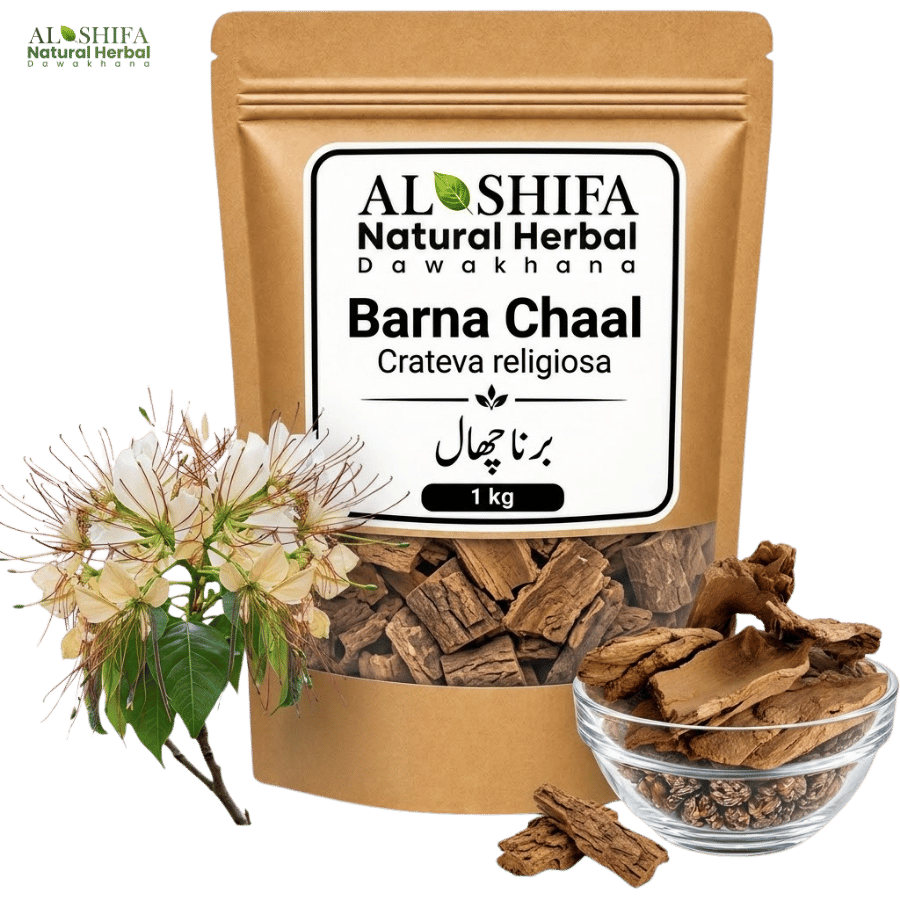
Barna Chaal, also known as Varun Chaal, is a traditional dried herbal bark commonly associated with Crateva religiosa. It has traditionally been used in urinary, bladder and selected kidney-related herbal formulations.
Al Shifa Barna Chaal is carefully selected with attention to its traditional identity, characteristic bark appearance, cleanliness, proper dryness and responsible storage.
Key Features:
Usage: Suitable for selected traditional herbal preparations associated with urinary and bladder wellness. Use according to the product form and appropriate professional guidance.
Important Note: Barna Chaal is a traditional herbal bark and is not a guaranteed treatment for kidney stones, urinary infections, prostate disease or kidney disease. Persistent urinary pain, blood in urine, fever, difficulty urinating or severe stone symptoms require medical assessment.
Barna Chaal, also known as Varun Chaal, is the dried bark of the Varun tree, commonly associated with Crateva religiosa. It is a traditional herbal raw material valued in South Asian herbal and Ayurvedic practices, particularly in preparations associated with the urinary system, bladder and urinary comfort.
The word Chaal means bark, so Barna Chaal specifically refers to the dried bark rather than the leaves, flowers, fruit or other parts of the tree.
Varun bark has a long history in traditional medicine and is particularly recognised in formulations associated with urinary complaints. Modern research has also examined Crateva species and their plant compounds, but traditional use should not be confused with proven treatment for kidney stones, urinary infections, prostate disease or other medical conditions.
At Al Shifa Natural Herbal Dawakhana, Barna Chaal is carefully selected with attention to its traditional identity, characteristic bark appearance, cleanliness, proper dryness and responsible storage.
Barna Chaal is the dried bark obtained from the Varun tree.
The tree belongs to the Capparaceae family and grows in parts of South Asia and other tropical regions.
The bark may naturally appear:
Natural variation in colour, thickness and texture can occur according to tree age, growing conditions, harvesting and drying.
English Name: Varun Bark / Three-Leaved Caper Bark
Urdu Name: برنا کی چھال
Roman Name: Barna Chaal / Varun Chaal
Scientific Name: Crateva religiosa G.Forst.
Plant Family: Capparaceae
Plant Part: Bark
Product Type: Dried Herbal Bark / Botanical Raw Material
The name Varun is strongly associated with trees belonging to the genus Crateva.
Crateva religiosa is one scientific name commonly associated with Varun in herbal trade and botanical literature.
However, closely related Crateva species and botanical names can appear in different regions and references.
For this reason:
Trade Name ≠ Automatic Species Confirmation
Where exact botanical identity is important, the source material should be properly verified.
The names Crateva religiosa and Crateva nurvala are both encountered in literature and herbal trade connected with Varun.
Botanical classification and naming have varied between references, and material sold as Varun may be identified under one of these names depending on the source.
For product identification, it is better to confirm the botanical source rather than relying only on the common name.
Different parts of the Varun tree should not automatically be treated as interchangeable.
Therefore:
Bark ≠ Leaf ≠ Root ≠ Flower ≠ Fruit
Barna Chaal specifically refers to bark material.
Varun bark has a long history in South Asian herbal practice.
It has traditionally been included in preparations associated with:
Its strongest traditional reputation is connected with the urinary tract.
Barna Chaal is particularly known in traditional herbal systems for its use in formulations intended to support normal urinary function.
Traditional preparations may be associated with complaints involving:
However, urinary symptoms can have many causes.
Persistent pain, burning, blood in urine, fever or difficulty passing urine requires proper medical assessment.
Varun bark is widely associated in traditional medicine with preparations used for urinary and kidney stones.
This is one of its best-known historical uses.
However:
Traditional Stone Use ≠ Guaranteed Stone Dissolution
Kidney and urinary stones vary greatly in:
A herb should not be relied upon to treat an obstructing or complicated urinary stone.
Small urinary stones may behave differently from larger stones.
A stone can sometimes obstruct urinary flow and lead to severe pain or complications.
Seek medical assessment for symptoms such as:
Herbal use should not delay appropriate diagnosis.
Varun bark has traditionally been included in preparations associated with bladder function and urinary comfort.
This traditional use does not mean it can treat every bladder disease.
Bladder symptoms may result from:
Correct diagnosis remains important.
Urinary discomfort and burning can occur with a urinary tract infection.
However:
Barna Chaal ≠ Antibiotic
It should not be promoted as a replacement for appropriate treatment of bacterial urinary infections.
Fever, back pain, pregnancy with urinary symptoms, blood in urine or persistent symptoms require medical assessment.
Varun bark is sometimes included in traditional formulations associated with male urinary flow and prostate-related urinary complaints.
However:
Barna Chaal ≠ Proven Treatment for Enlarged Prostate
Difficulty urinating in men can result from several conditions and should not be self-diagnosed.
Persistent weak urinary flow, inability to empty the bladder, repeated nighttime urination or urinary retention should be medically assessed.
Varun bark naturally contains a range of plant compounds.
Research on Crateva species has identified compounds belonging to groups such as:
The exact composition can vary according to species, growing conditions, bark age, processing and extraction method.
The presence of these compounds does not automatically establish a treatment effect for a disease.
Barna Chaal can be supplied in different forms.
Whole/Cut Bark: Dried pieces of natural bark.
Bark Powder: Finely ground dried bark.
Bark Extract: Concentrated material prepared using a particular extraction process.
Therefore:
Whole Bark ≠ Powder ≠ Extract
Research involving a concentrated extract should not automatically be applied to ordinary dried bark.
A Crateva extract may vary according to:
Therefore, two Varun extracts can differ considerably even if their product names appear similar.
Varun has historically been associated with urinary formulations and is sometimes described in traditional literature in connection with increased urinary flow.
However, promoting a herb simply as a “diuretic” can oversimplify its traditional role.
People with kidney disease, dehydration, heart conditions or medicines affecting fluid balance should be particularly cautious with concentrated urinary herbs.
Traditional urinary use should not be interpreted as proof that Barna Chaal can treat:
These conditions require proper medical care.
Different urinary stones are made from different substances.
These can include:
A general herbal product cannot be assumed to dissolve every stone type.
Varun is sometimes used alongside other urinary herbs in traditional formulations.
One such herb is Punarnava.
However:
Varun ≠ Punarnava
They come from different plants and should not be treated as interchangeable.
Gokhru is another herb commonly associated with urinary and reproductive formulations.
However:
Barna Chaal ≠ Gokhru
Their botanical sources and plant parts are different.
Both products are sold as tree bark and may look similar after drying.
However:
Barna Chaal ≠ Arjun Chaal
Barna Chaal comes from a Crateva species, while Arjun Chaal comes from Terminalia arjuna.
Correct botanical identification is important.
Barna Chaal has a history of internal use in traditional herbal systems, but this does not mean unlimited or unsupervised use is appropriate.
The amount and preparation depend on:
Concentrated extracts require particular attention because they are not equivalent to ordinary dried bark.
Reliable modern safety information for concentrated Varun bark preparations during pregnancy and breastfeeding is limited.
Unsupervised medicinal use should therefore be avoided during pregnancy and breastfeeding.
Barna Chaal should not be given to young children as an unsupervised treatment for urinary symptoms.
Urinary problems in children require proper medical assessment.
People with diagnosed kidney disease should not self-use concentrated urinary herbs simply because the product has a traditional reputation for kidney or bladder support.
Reduced kidney function can change the way the body handles fluids, minerals and medicines.
Professional guidance is important.
People taking regular medicines or living with chronic medical conditions should use concentrated Barna Chaal preparations carefully.
Particular attention is appropriate for people using medicines that affect:
Professional guidance is advisable where significant medical conditions are present.
At Al Shifa Natural Herbal Dawakhana, Barna Chaal is selected with attention to:
Traditional Identity – Material consistent with recognised Varun bark characteristics.
Bark Quality – Suitable dried bark with characteristic texture and appearance.
Natural Appearance – Appropriate natural colour and bark structure.
Cleanliness – Careful selection to reduce unwanted foreign material.
Proper Dryness – Bark dried appropriately for responsible storage.
Responsible Handling – Careful handling during selection and packing.
Proper Storage – Protection from moisture, insects and contamination.
Al Shifa Natural Herbal Dawakhana, established in 1999, supplies carefully selected herbs and traditional botanical raw materials throughout Pakistan.
Our focus for Barna Chaal includes:
Barna Chaal may be used as a traditional dried herbal bark in suitable herbal preparations associated with urinary and bladder wellness.
The appropriate preparation and amount depend on the product form and intended traditional application.
For kidney stones, persistent urinary symptoms, urinary obstruction or diagnosed kidney disease, professional medical assessment should take priority over self-treatment.
Barna Chaal / Varun Chaal is a traditional herbal bark and should not be considered a guaranteed treatment for kidney stones, urinary infections, prostate disease or chronic kidney disease.
Important distinctions include:
Store Barna Chaal in a cool, clean and dry place.
For best quality:
Barna Chaal / Varun Chaal / Crateva religiosa – برنا کی چھال is a traditional dried herbal bark widely recognised in South Asian herbal practice, particularly for its historical use in urinary, bladder and kidney-related herbal formulations.
It is important to distinguish traditional urinary support from guaranteed treatment of kidney stones, urinary infections, urinary obstruction or prostate disease. Correct botanical identity and proper plant-part selection remain essential for quality herbal material.
Customers searching for Barna Chaal, Varun Chaal, Varuna Bark, Varun Bark, Crateva Religiosa, Crateva Religiosa Bark, Crateva Nurvala, Three Leaved Caper Bark, Dried Varun Bark, Barna Chaal Pakistan, Varun Chaal Pakistan, Crateva Religiosa Pakistan, Barna Chaal Lahore, Varun Chaal Lahore, Barna Chaal price in Pakistan, Varun Chaal price in Pakistan, Crateva Religiosa price in Pakistan, buy Barna Chaal Pakistan, buy Varun Chaal Pakistan or Varun Bark online Pakistan can choose Al Shifa Natural Herbal Dawakhana for carefully selected traditional botanical raw material.
Since 1999, Al Shifa Natural Herbal Dawakhana has focused on supplying herbs and specialised natural materials with attention to correct identity, quality selection, cleanliness, proper drying, responsible information and suitable storage.
Product Name: Barna Chaal / Varun Chaal
English Name: Varun Bark / Three-Leaved Caper Bark
Urdu Name: برنا کی چھال
Roman Name: Barna Chaal / Varun Chaal
Scientific Name: Crateva religiosa G.Forst.
Plant Family: Capparaceae
Plant Part: Bark
Product Type: Dried Herbal Bark / Botanical Raw Material
Traditional Use: Urinary, bladder and selected kidney-related traditional herbal formulations
Important Note: Barna Chaal is traditionally associated with urinary and bladder preparations, but it should not be considered a guaranteed treatment for kidney stones, urinary infections, prostate disease or kidney disease. Botanical naming within Crateva-related trade material can vary, so correct source identification remains important.
برنا کی چھال ایک مشہور طبی درخت کی خشک چھال ہے جو حکمت اور جڑی بوٹیوں کی ادویات میں خاص طور پر گردوں، مثانے اور پیشاب کے امراض کے لیے استعمال کی جاتی ہے۔ برنا ایک درمیانے سے بڑے قد کا درخت ہے جس کی چھال باہر سے بھوری اور اندر سے سبز مائل ہوتی ہے۔
برنا کی چھال کا سب سے مشہور استعمال گردہ و مثانہ کی پتھری، پیشاب کی بندش، پیشاب کی رکاوٹ اور جسمانی ورم کے لیے کیا جاتا ہے۔ حکمت میں اسے پیشاب جاری کرنے اور گردہ و مثانہ میں جمع ریت اور پتھری کے اخراج کے لیے استعمال ہونے والی ادویات میں شامل کیا جاتا ہے۔
برنا ایک بڑا درخت ہے جو پاکستان، ہندوستان اور برصغیر کے دوسرے گرم علاقوں میں پایا جاتا ہے۔ پاکستان میں بھی اس درخت کی موجودگی بیان کی گئی ہے۔
اس کے پتے ایک ڈنڈی پر عموماً تین حصوں میں ہوتے ہیں۔ درخت پر خوبصورت پھول آتے ہیں اور اس کا پھل گول ہوتا ہے۔
برنا کے درخت کی چھال طبی استعمال میں خاص اہمیت رکھتی ہے۔ خشک چھال باہر سے بھوری یا خاکی بھوری جبکہ اندر کی طرف سبز مائل نظر آتی ہے۔
حکمت میں اس کی چھال مکمل ٹکڑوں، کٹی ہوئی چھال، سفوف اور جوشاندے کی شکل میں استعمال کی جاتی ہے۔
پاکستانی اور برصغیری کتبِ مفردات میں برنا کا مزاج گرم درجہ سوم اور خشک درجہ دوم بیان کیا گیا ہے۔
اس گرم و خشک مزاج کی وجہ سے حکمت میں برنا کی چھال کو پیشاب جاری کرنے، گردہ و مثانہ کی پتھری اور جسمانی ورم کے لیے استعمال کیا جاتا ہے۔
کتبِ مفردات میں برنا کے اہم کام پیشاب جاری کرنا، پتھری اور ریت کے اخراج میں فائدہ پہنچانا اور جسمانی ورم کو کم کرنا بیان کیے گئے ہیں۔
برنا کی چھال میں کئی قدرتی اجزا پائے جاتے ہیں جن میں پودوں میں پائے جانے والے قدرتی روغنی اجزا، تلخ اجزا، قدرتی حفاظتی اجزا اور دوسرے فعال اجزا شامل ہیں۔
اس درخت کی چھال کے اجزا پر گردہ و مثانہ، پیشاب کے بہاؤ، جسمانی سوزش اور پتھری بننے کے عمل کے حوالے سے تحقیق کی گئی ہے۔
برنا کی چھال کی اصل اہمیت گردہ اور مثانہ کے لیے استعمال ہونے والی حکیمی ادویات میں ہے۔
برنا کی چھال گردہ کی پتھری کی بیماری کے لیے حکمت میں مشہور ہے۔
اسے پانی میں جوش دے کر استعمال کیا جاتا ہے اور گردوں میں جمع ریت اور چھوٹی پتھری کے اخراج کے لیے استعمال ہونے والی حکیمی ادویات میں شامل کیا جاتا ہے۔
کتبِ مفردات میں برنا کو پتھری توڑنے اور اس کے اخراج میں فائدہ مند جڑی بوٹیوں میں شمار کیا گیا ہے۔
برنا کی چھال مثانہ کی پتھری کی بیماری کے لیے بھی استعمال کی جاتی ہے۔
حکمت میں گردہ اور مثانہ دونوں کی پتھری اور ریت کے لیے اس کی چھال کا جوشاندہ استعمال کیا جاتا ہے۔
اسے پیشاب کے راستے ریت اور پتھری کے چھوٹے ذرات کے اخراج کے لیے استعمال ہونے والی ادویات میں بھی شامل کیا جاتا ہے۔
برنا کی چھال پیشاب کی بندش اور پیشاب کرنے میں دشواری کے لیے استعمال کی جاتی ہے۔
کتبِ مفردات میں اسے پیشاب جاری کرنے والی جڑی بوٹی کے طور پر بیان کیا گیا ہے۔
اس کی چھال کا جوشاندہ پیشاب کے بہاؤ کو بہتر رکھنے کے لیے استعمال کیا جاتا ہے۔
پیشاب کی رکاوٹ اور کم پیشاب آنے کی شکایت میں برنا کی چھال حکیمی ادویات میں استعمال کی جاتی ہے۔
اس کا جوشاندہ پیشاب جاری کرنے اور جسم سے اضافی پانی کے اخراج کے لیے استعمال کیا جاتا ہے۔
برنا کی چھال گردہ اور مثانہ میں جمع ہونے والی ریت کے لیے بھی استعمال کی جاتی ہے۔
حکمت میں اسے پتھری اور ریت کے اخراج کے لیے استعمال ہونے والے نسخوں میں خاص اہمیت حاصل ہے۔
برنا کی چھال کا جوشاندہ اس مقصد کے لیے مشہور طریقۂ استعمال ہے۔
برنا کی چھال جسمانی ورم کے لیے اندرونی اور بیرونی دونوں طریقوں سے استعمال کی جاتی ہے۔
چھال کو پانی میں پیس کر ورم والی جگہ پر بیرونی طور پر لگایا جاتا ہے۔ اس کے پتوں اور چھال کو پانی میں پکا کر بھی بیرونی استعمال میں لیا جاتا ہے۔
جلد پر اس کا لیپ زیادہ دیر رکھنے سے جلن اور چھالا پیدا ہو سکتا ہے، اس لیے بیرونی استعمال میں احتیاط ضروری ہے۔
برنا کی چھال پیشاب کا بہاؤ بڑھانے کی خاصیت رکھتی ہے۔
اسی وجہ سے اسے جسم سے اضافی پانی کے اخراج کے لیے استعمال ہونے والی حکیمی ادویات میں شامل کیا جاتا ہے۔
یہ خاصیت گردہ، مثانہ اور پیشاب کے لیے اس کے مشہور استعمال کی اہم وجہ ہے۔
برنا کی چھال پیشاب کی بندش، پیشاب کے کم بہاؤ، گردہ و مثانہ کی ریت اور پتھری کے لیے استعمال کی جاتی ہے۔
حکمت میں اسے پیشاب کے امراض کے لیے استعمال ہونے والی کئی مرکب ادویات میں شامل کیا جاتا ہے۔
برنا درمیانے سے بڑے قد کا درخت ہے۔ اس کے پتے عموماً ایک ڈنڈی پر تین پتوں کی شکل میں نکلتے ہیں۔
اس کے پھول خوبصورت اور ہلکے رنگ کے ہوتے ہیں۔ درخت کا پھل گول اور لیموں سے قدرے چھوٹا ہوتا ہے۔
درخت کی چھال باہر کی طرف سے بھوری اور کھردری ہوتی ہے جبکہ اندر کی سطح سبز مائل نظر آتی ہے۔
خشک برنا کی چھال عموماً بھوری، سرمئی بھوری یا خاکی بھوری رنگت کی ہوتی ہے۔
چھال کا بیرونی حصہ کھردرا جبکہ اندرونی حصہ نسبتاً ہموار اور سبز مائل یا ہلکی بھوری رنگت کا ہوتا ہے۔
اچھی برنا کی چھال صاف، مناسب طور پر خشک، اپنی قدرتی رنگت والی اور پھپھوندی سے پاک ہوتی ہے۔
برنا کی چھال مکمل خشک ٹکڑوں، کٹی ہوئی چھال اور سفوف کی شکل میں ملتی ہے۔
مکمل یا کٹی ہوئی چھال میں اس کی قدرتی رنگت، ساخت، خشکی اور صفائی دیکھنا آسان ہوتا ہے۔
سفوف کی شکل میں خریدتے وقت صاف اور درست شناخت والی برنا کی چھال سے تیار کیے گئے سفوف کو اہمیت دی جاتی ہے۔
برنا کی چھال کا جوشاندہ حکمت میں اس کے مشہور طریقۂ استعمال میں شامل ہے۔
خشک چھال کو مناسب مقدار میں پانی کے ساتھ جوش دے کر چھان لیا جاتا ہے۔
یہ جوشاندہ خاص طور پر پیشاب کے بہاؤ، گردہ و مثانہ کی ریت اور پتھری کے لیے استعمال کیا جاتا ہے۔
برنا کی چھال کو سفوف، جوشاندے اور دوسری جڑی بوٹیوں کے ساتھ حکیمی نسخوں میں استعمال کیا جاتا ہے۔
کتبِ مفردات میں خشک چھال کی مقدار عموماً تین سے پانچ گرام لکھی گئی ہے۔
مقدار کا انتخاب عمر، جسمانی حالت، استعمال کے مقصد اور نسخے کے مطابق کیا جاتا ہے۔ کسی بیماری کے لیے مسلسل استعمال میں مقدار معالج سے چیک کروائیں۔
برنا کی چھال کو پانی میں پیس کر جسمانی ورم پر بیرونی طور پر لگایا جاتا ہے۔
اس کی چھال یا پتوں کو پانی میں پکا کر بھی بیرونی استعمال کیا جاتا ہے۔
برنا کی چھال جلد پر تیز اثر پیدا کرتی ہے۔ زیادہ دیر تک لگا رہنے سے جلد سرخ، جلن والی یا چھالے والی ہو سکتی ہے، اس لیے لیپ کو زیادہ دیر جلد پر نہ رکھیں۔
برنا کی چھال گرم و خشک مزاج رکھتی ہے اور زیادہ مقدار جسم کو موافق نہ آنے کی شکایت پیدا کر سکتی ہے۔
زیادہ مقدار سے معدے میں بے آرامی یا جسم میں خشکی محسوس ہو سکتی ہے۔
بیرونی استعمال میں زیادہ دیر تک چھال کا لیپ لگانے سے جلد پر جلن، سرخی اور چھالا پیدا ہو سکتا ہے۔
حاملہ خواتین، دودھ پلانے والی خواتین اور بچوں میں برنا کی چھال کی اندرونی مقدار معالج سے چیک کروائیں۔
گردوں کے سنگین امراض یا مستقل ادویات استعمال کرنے والے افراد بھی اسے مسلسل استعمال کرنے سے پہلے معالج سے مقدار چیک کروائیں۔
جلد پر بیرونی استعمال کرتے وقت کم مقدار اور مختصر وقت کو اہمیت دیں۔
برنا کی چھال برنا کے درخت سے حاصل ہونے والی خشک چھال ہے اور حکمت میں خاص طور پر گردہ، مثانہ اور پیشاب کے لیے استعمال کی جاتی ہے۔
کتبِ مفردات میں اس کا مزاج گرم درجہ سوم اور خشک درجہ دوم بیان کیا گیا ہے۔
برنا کی چھال پیشاب جاری کرنے، گردہ و مثانہ کی ریت اور پتھری اور جسمانی ورم کے لیے استعمال کی جاتی ہے۔
اس کی چھال کا جوشاندہ اندرونی استعمال میں مشہور ہے جبکہ پانی میں پیسی ہوئی چھال جسمانی ورم پر بیرونی طور پر لگائی جاتی ہے۔
برنا کی چھال کا لیپ جلد پر زیادہ دیر رکھنے سے سرخی، جلن اور چھالا پیدا کر سکتا ہے، اس لیے بیرونی استعمال میں احتیاط کریں۔
الشفاء نیچرل ہربل دواخانہ میں برنا کی چھال کے لیے درج ذیل باتوں کو اہمیت دی جاتی ہے:
درست شناخت: اصل برنا کے درخت سے حاصل ہونے والی چھال کی درست شناخت کو اہمیت دی جاتی ہے۔
اچھی چھال: مضبوط، مناسب طور پر خشک اور اچھی حالت والی چھال کو اہمیت دی جاتی ہے۔
قدرتی رنگت: چھال کی اپنی بھوری، خاکی بھوری اور اندرونی سبز مائل قدرتی رنگت کو دیکھا جاتا ہے۔
صاف حالت: مٹی، گرد، کنکر اور غیر ضروری اجزا سے پاک چھال کو اہمیت دی جاتی ہے۔
مناسب خشکی: اچھی طرح خشک چھال کو اہمیت دی جاتی ہے تاکہ نمی کی وجہ سے خراب نہ ہو۔
قدرتی بو: چھال کی اپنی قدرتی بو اور تازگی کو دیکھا جاتا ہے۔
غیر ضروری ملاوٹ سے پاک: دوسرے درختوں کی چھال، مٹی اور غیر ضروری اجزا کی ملاوٹ سے پاک ہونے کو اہمیت دی جاتی ہے۔
الشفاء نیچرل ہربل دواخانہ سنہ ۱۹۹۹ سے قدرتی جڑی بوٹیوں، بیجوں، جڑوں، چھالوں اور حکمت میں استعمال ہونے والے اجزا کی سپلائی کر رہا ہے۔
ہم برنا کی چھال میں درست شناخت، اچھی چھال، صاف حالت، قدرتی رنگت، مناسب خشکی اور غیر ضروری ملاوٹ سے پاک ہونے کو اہمیت دیتے ہیں۔
اچھی برنا کی چھال کی پہچان اس کی درست شناخت، مضبوط ساخت، صاف حالت، قدرتی رنگت، مناسب خشکی اور اچھی پیکنگ سے کی جاتی ہے۔
برنا کی چھال کو ٹھنڈی، خشک اور روشنی سے محفوظ جگہ پر کسی جار میں اچھی طرح پیک کر کے رکھیں۔
اسے نمی، پانی، تیز دھوپ اور زیادہ گرمی سے بچائیں اور بچوں کی پہنچ سے دور رکھیں۔
برنا کی چھال کی درست شناخت ضروری ہے کیونکہ ظاہری شکل میں دوسری درختوں کی چھال اس سے ملتی جلتی ہو سکتی ہے۔
گردہ و مثانہ کی پتھری، پیشاب کی بیماری یا دوسری حکیمی ادویات کے ساتھ مسلسل استعمال میں مناسب مقدار معالج سے چیک کروائیں۔
بیرونی استعمال میں اس کا لیپ زیادہ دیر جلد پر نہ رکھیں کیونکہ برنا جلد کو سرخ اور جلن والی بنا سکتی ہے۔
برنا کی چھال ایک مشہور حکیمی درخت کی خشک چھال ہے۔ کتبِ مفردات میں اس کا مزاج گرم درجہ سوم اور خشک درجہ دوم بیان کیا گیا ہے۔
برنا کی چھال گردہ و مثانہ کی پتھری، ریت، پیشاب کی بندش، پیشاب کے کم بہاؤ اور جسمانی ورم کے لیے استعمال کی جاتی ہے۔ اس کا جوشاندہ حکمت میں خاص طور پر گردہ، مثانہ اور پیشاب کے لیے مشہور ہے۔
اچھی برنا کی چھال صاف، مناسب طور پر خشک، اپنی قدرتی بھوری رنگت والی اور غیر ضروری ملاوٹ سے پاک ہوتی ہے۔ درست شناخت، مناسب مقدار اور اچھی صفائی اس کے طبی استعمال میں اہم ہیں۔