Gul Dhawa, Axle Wood Flower
Contact for Price
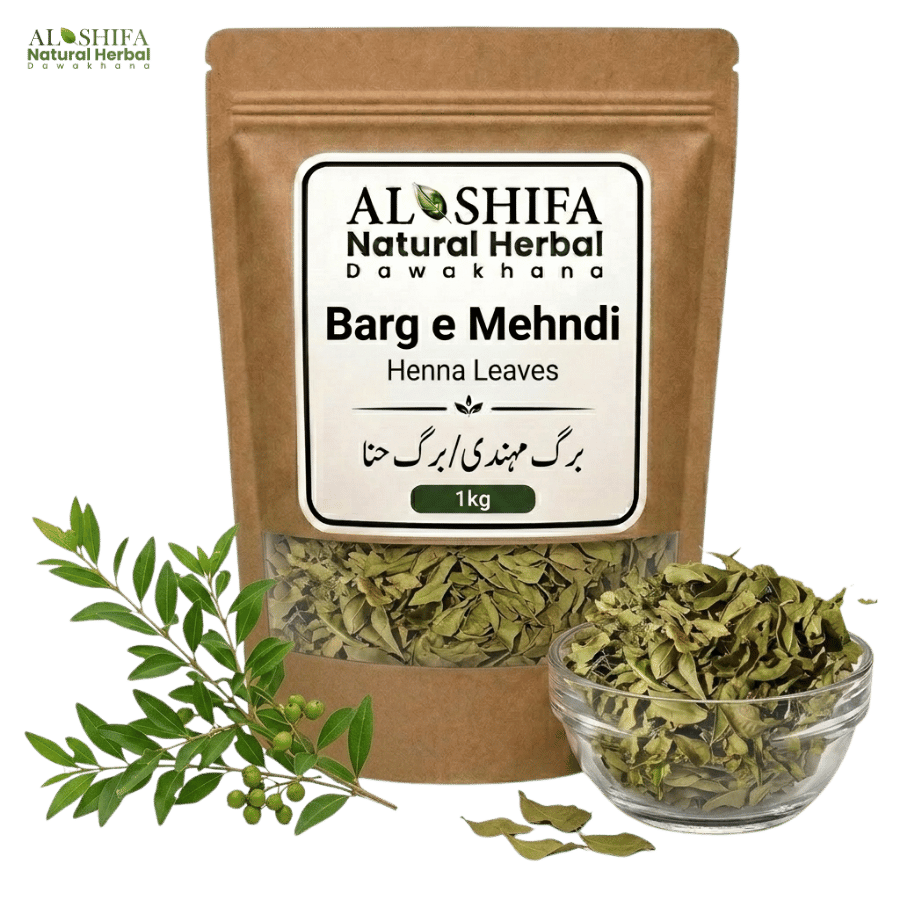
Barg e Mehndi, also known as Barg e Hina or Henna Leaves, consists of naturally dried leaves of the henna plant. Traditionally valued for their natural colouring properties, henna leaves are widely used for hair colouring, hair and scalp care, hand and foot decoration, herbal pastes and external herbal preparations.
Al Shifa Barg e Mehndi is carefully selected for its natural colour, characteristic aroma, cleanliness and properly dried condition.
Key Features:
Important Note: Pure henna naturally produces orange to reddish-brown tones and should not be confused with chemically formulated black henna. A patch test is recommended before wider skin use.
Barg e Mehndi, commonly known as Henna Leaves, refers to the dried leaves of Lawsonia inermis, the well-known henna plant traditionally used throughout South Asia, the Middle East and other regions for natural colouring, hair care, scalp preparations, skin decoration and various traditional herbal applications.
Henna leaves are particularly valued for their naturally occurring colouring constituent known as lawsone, which binds with keratin and produces the characteristic orange to reddish-brown colour associated with traditional henna.
Al Shifa Barg e Mehndi is carefully selected with attention to its traditional botanical identity, natural leaf colour, cleanliness, proper drying, characteristic aroma and storage quality.
Barg e Mehndi means the leaves of the henna plant.
Henna is a branching shrub or small tree that grows particularly well in warm and relatively dry climates. Its leaves are collected, dried and used either whole, crushed or ground into powder depending on the intended preparation.
The leaves have been traditionally used in:
Henna has a particularly long cultural history in South Asia and the Middle East.
Product Name: Barg e Mehndi
English Name: Henna Leaves
Urdu Name: برگ مہندی / برگ حنا
Roman Name: Barg e Mehndi / Barg-e-Hina
Scientific Name: Lawsonia inermis L.
Family: Lythraceae
Part Used: Dried Leaves
Traditional Category: Natural Colouring & External Herbal-Care Material
One of the most important characteristics of Henna Leaves is their ability to produce a natural colour.
The leaves contain lawsone, a naturally occurring colouring compound. When properly prepared and allowed sufficient contact time, this compound can bind with keratin present in hair, skin and nails.
Depending on the material and application conditions, natural henna may produce shades ranging from:
The final shade can vary according to the quality of henna, preparation method, contact time and the natural colour and condition of the hair or skin.
Henna has been used for generations as a traditional natural hair colour.
Unlike conventional permanent chemical dyes, pure Henna Leaves naturally deposit warm reddish or copper tones onto the hair.
The final result varies considerably according to the original hair colour.
For example, henna may appear:
Pure henna does not naturally produce a jet-black colour by itself.
Pure Lawsonia inermis henna naturally produces orange to reddish-brown staining.
Products marketed as black henna may contain additional dyes or chemicals. Some may contain substances capable of causing serious skin reactions.
Therefore, pure Henna Leaves should not automatically be considered the same as commercially prepared black henna products.
Always check the composition of any mixed or ready-made henna product before use.
Beyond natural colouring, Henna Leaves have traditionally been incorporated into hair-care routines.
Traditional preparations may be used to:
The coating effect of henna may make some hair feel thicker or more textured after application.
Individual results can vary according to hair type, previous chemical treatments and frequency of use.
Henna has also been used in traditional scalp preparations.
It may be included in herbal pastes or combined with other suitable hair-care herbs.
Traditional use may focus on:
However, Henna Leaves should not be presented as a proven treatment for fungal scalp infections, psoriasis, severe dandruff, alopecia or other diagnosed scalp disorders.
Henna is famous for its use in traditional body decoration.
Prepared henna paste has historically been applied to:
to create decorative patterns and temporary natural staining.
Henna decoration remains an important part of weddings, festivals and cultural celebrations in many regions.
Lawsone is the principal colouring constituent associated with henna.
Its concentration can vary depending on factors such as:
This is one reason natural Henna Leaves from different harvests may not always produce exactly the same colour intensity.
Henna may be supplied as whole dried leaves, crushed material or fine powder.
These forms are related but are not identical in practical use.
Whole or dried leaves allow the raw material to be visually examined more easily, while finely ground powder is generally more convenient for preparing smooth colouring pastes.
The purity and identity of the original plant material remain important regardless of the physical form.
In traditional herbal practice, Barg e Mehndi may be incorporated into:
The exact preparation depends on the intended external use and other ingredients included in the formulation.
Natural henna has a long history of external use on intact skin for temporary decorative staining.
However, natural origin does not guarantee that every person will tolerate it.
A small patch test is advisable before wider application, particularly for people with sensitive skin or a history of allergic reactions.
Do not apply questionable or contaminated material to broken, inflamed or severely irritated skin.
Some individuals may develop sensitivity to henna or to additional ingredients present in mixed henna products.
Stop use if application causes:
Severe reactions require appropriate medical attention.
Extra caution is particularly important with commercially prepared dark or black henna mixtures because they may contain ingredients not naturally present in pure Henna Leaves.
A person who has reacted to conventional hair dyes should not assume that every henna-containing product is automatically safe.
Mixed commercial henna preparations may contain additional colouring agents, fragrances, preservatives or other substances.
For sensitive individuals, checking the complete ingredient list and performing an appropriate patch test is important.
Henna powder, paste or loose plant particles should be kept away from the eyes.
Do not use ordinary Henna Leaves as:
If henna material accidentally enters the eye, rinse thoroughly with clean water and seek medical advice if significant irritation continues.
Barg e Mehndi is primarily offered as an external-use herbal raw material.
Traditional historical sources may mention other applications, but this should not be interpreted as a recommendation for routine internal consumption.
Henna should not be casually eaten or consumed as a household remedy.
Henna exposure may pose particular concerns for people with G6PD deficiency, especially infants and young children.
For this reason, medicinal or extensive use in babies and young children should not be undertaken casually.
Parents should seek appropriate professional medical guidance if there is known or suspected G6PD deficiency.
Henna has a long history of cosmetic use, but pregnancy and breastfeeding require additional caution with herbal and cosmetic products.
Avoid unknown, adulterated or chemically enhanced henna mixtures.
Pregnant or breastfeeding women should seek professional guidance before medicinal, extensive or non-routine use.
Henna should be used cautiously in children.
Do not allow children to swallow henna powder or paste.
Extra caution is required in infants and children with known or possible G6PD deficiency.
Keep loose powder away from the nose, mouth and eyes.
At Al Shifa Natural Herbal Dawakhana, Barg e Mehndi is selected with attention to:
Botanical Identity – Leaves corresponding to the traditional Henna plant.
Natural Leaf Appearance – Characteristic dried herbal material.
Natural Aroma – Typical herbal aroma of dried Henna Leaves.
Proper Drying – Appropriately dried material suitable for storage.
Cleanliness – Attention to minimizing unnecessary dust and foreign matter.
Storage Quality – Protection from excessive moisture, heat and deterioration.
Al Shifa Natural Herbal Dawakhana, established in 1999, supplies traditional herbs and natural raw materials with attention to identity and quality.
Our focus includes:
Barg e Mehndi may traditionally be used in:
For colouring applications, the preparation method, grinding quality, liquid used, resting time and application duration can influence the final result.
Always perform a small patch test before extensive skin or scalp application.
Avoid contact with eyes and do not apply to severely damaged or infected skin without appropriate professional advice.
Store Henna Leaves in a cool, dry and clean place in a tightly closed container.
For best quality:
Do not use material showing visible mould, insect infestation, unusual moisture or a spoiled odour.
Barg e Mehndi is primarily a traditional natural colouring and external herbal-care material.
It should not be promoted as a proven cure for:
Persistent hair loss, scalp inflammation, severe itching, wounds or unusual skin changes should be appropriately evaluated.
Barg e Mehndi, also known as Barg e Hina or Henna Leaves, is the dried leaf of Lawsonia inermis, traditionally valued for its natural colouring properties and long history of use in hair care, scalp preparations, hand and foot decoration and external herbal applications.
If you are searching for Barg e Mehndi, Henna Leaves, Barg e Hina, pure Henna Leaves, original Mehndi Leaves, dried Henna Leaves, natural Henna, Henna Leaves for hair, Mehndi Leaves for hair, Henna Leaves Pakistan, Barg e Mehndi Pakistan, Henna Leaves Lahore, Barg e Mehndi price in Pakistan, Henna Leaves price in Pakistan, buy Henna Leaves Pakistan or Barg e Mehndi online Pakistan, Al Shifa Natural Herbal Dawakhana provides carefully selected traditional herbal raw material.
Since 1999, Al Shifa Natural Herbal Dawakhana has focused on supplying traditional herbs with attention to identity, cleanliness, natural quality, proper drying, appropriate storage and responsible product information.
Product Name: Barg e Mehndi
English Name: Henna Leaves
Urdu Name: برگ مہندی / برگ حنا
Roman Name: Barg e Mehndi / Barg-e-Hina
Scientific Name: Lawsonia inermis L.
Family: Lythraceae
Part Used: Dried Leaves
Traditional Uses: Natural hair colouring, hair and scalp preparations, hand and foot decoration and selected external herbal applications
Important Note: Pure henna naturally produces orange to reddish-brown staining and should not be confused with chemically enhanced “black henna.” Primarily intended for appropriate external use.
برگ مہندی جسے برگ حنا بھی کہا جاتا ہے، مہندی کے پودے کے خشک پتے ہیں۔ مہندی صدیوں سے برصغیر، مشرق وسطیٰ اور دوسرے گرم علاقوں میں بالوں کو قدرتی رنگ دینے، بالوں اور سر کی جلد کی دیکھ بھال، ہاتھ پاؤں کی آرائش اور مختلف بیرونی ادویات بنانے میں استعمال ہوتی آ رہی ہے۔
مہندی کے پتوں کی سب سے خاص بات ان میں موجود قدرتی رنگ ہے، جو جلد، بالوں اور ناخنوں پر اپنا رنگ چھوڑ کر مخصوص نارنجی، تانبے جیسی یا سرخی مائل بھوری رنگت پیدا کرتا ہے۔
الشفاء نیچرل ہربل دواخانہ کی برگ مہندی کو اس کی درست پہچان، قدرتی رنگت، مخصوص خوشبو اور صفائی کو دیکھ کر منتخب کیا جاتا ہے۔ پتوں کو صاف ستھری جگہ پر چھاؤں میں اچھی طرح خشک کر کے رکھا جاتا ہے تاکہ ان کا قدرتی معیار برقرار رہے۔
برگ مہندی سے مراد مہندی کے پودے کے پتے ہیں۔
مہندی ایک شاخ دار جھاڑی یا چھوٹا درخت ہے جو خاص طور پر گرم اور نسبتاً خشک علاقوں میں اچھی طرح اگتا ہے۔
اس کے پتوں کو جمع کرنے کے بعد صاف ستھری جگہ پر چھاؤں میں اچھی طرح خشک کیا جاتا ہے۔ ضرورت کے مطابق انہیں:
کی شکل میں استعمال کیا جا سکتا ہے۔
برگ مہندی کو بالوں، سر کی جلد، ہاتھوں، پاؤں اور مختلف بیرونی ادویات بنانے میں استعمال کیا جاتا رہا ہے۔
نام: برگ مہندی
دوسرا معروف نام: برگ حنا
عام نام: مہندی کے پتے
رومن نام: برگ مہندی / برگ حنا
خاندان: حنا خاندان
استعمال ہونے والا حصہ: خشک پتے
قسم: قدرتی رنگ دینے والی جڑی بوٹی، جو زیادہ تر بیرونی استعمال کے لیے استعمال ہوتی ہے
اچھی برگ مہندی میں خشک ہونے کے بعد بھی پتوں کی قدرتی شکل، رنگت اور خوشبو کافی حد تک موجود رہتی ہے۔
اچھی برگ مہندی کی عام نشانیاں یہ ہو سکتی ہیں:
اگر مہندی میں بہت زیادہ نمی، پھپھوندی، کیڑے یا غیر معمولی خراب بو محسوس ہو تو یہ اس کے خراب ہونے کی علامت ہو سکتی ہے۔
برگ مہندی کی سب سے مشہور خاصیت اس کا قدرتی رنگ ہے۔
مہندی کے پتوں میں قدرتی طور پر رنگ پیدا کرنے والا ایک خاص جزو موجود ہوتا ہے، جو بالوں، جلد اور ناخنوں پر اپنا رنگ چھوڑتا ہے۔
اس سے مختلف حالات میں درج ذیل رنگت پیدا ہو سکتی ہے:
حاصل ہونے والی رنگت مہندی کے معیار، اسے تیار کرنے کے طریقے، اسے کتنی دیر لگایا گیا اور بالوں یا جلد کی اپنی قدرتی رنگت کے مطابق مختلف ہو سکتی ہے۔
مہندی کو نسلوں سے بالوں کو قدرتی رنگ دینے کے لیے استعمال کیا جاتا رہا ہے۔
خالص برگ مہندی عام طور پر بالوں پر گرم سرخی مائل یا تانبے جیسی رنگت پیدا کرتی ہے۔
بالوں کی اصل رنگت کے مطابق نتیجہ مختلف ہو سکتا ہے۔
مثلاً:
قدرتی مہندی اکیلے استعمال کرنے سے عام طور پر مکمل کالا رنگ پیدا نہیں کرتی۔
خالص برگ مہندی قدرتی طور پر نارنجی سے سرخی مائل بھوری رنگت پیدا کرتی ہے۔
بازار میں بعض تیار شدہ مہندیاں سیاہ مہندی کے نام سے بھی فروخت ہوتی ہیں۔ ان میں مہندی کے علاوہ اضافی رنگ یا کیمیکل شامل ہو سکتے ہیں۔
بعض غیر معیاری اجزاء حساس افراد میں:
پیدا کر سکتے ہیں۔
اس لیے خالص برگ مہندی اور بازار میں ملنے والی ہر سیاہ مہندی کو ایک جیسا نہیں سمجھنا چاہیے۔
برگ مہندی کو قدرتی رنگ دینے کے ساتھ ساتھ بالوں کی دیکھ بھال کے لیے بھی استعمال کیا جاتا رہا ہے۔
مہندی سے تیار مختلف چیزیں عام طور پر:
کے لیے استعمال ہوتی رہی ہیں۔
مہندی بالوں کے اوپر ایک ہلکی قدرتی تہہ بنا سکتی ہے، جس کی وجہ سے بعض لوگوں کے بال استعمال کے بعد زیادہ بھرے یا مضبوط محسوس ہو سکتے ہیں۔
نتیجہ ہر شخص کے بالوں کی قسم، حالت اور پہلے استعمال کیے گئے رنگ یا کیمیکل کے مطابق مختلف ہو سکتا ہے۔
برگ مہندی کو سر کی جلد کی دیکھ بھال کے لیے مختلف جڑی بوٹیوں سے تیار ادویات میں بھی شامل کیا جاتا رہا ہے۔
اسے:
میں شامل کیا جا سکتا ہے۔
تاہم برگ مہندی کو:
کا ثابت شدہ علاج نہیں سمجھنا چاہیے۔
مہندی کا ہاتھوں اور پاؤں پر استعمال برصغیر کی پرانی اور مشہور روایات میں شامل ہے۔
مہندی کا تیار کیا ہوا لیپ عام طور پر:
پر لگایا جاتا ہے۔
اس سے خوبصورت نقش و نگار بنائے جاتے ہیں اور جلد پر عارضی قدرتی رنگ پیدا ہوتا ہے۔
شادیوں، عید، تہواروں اور دوسری خوشی کی تقریبات میں مہندی کا استعمال آج بھی بہت مقبول ہے۔
مہندی کے پتوں میں قدرتی طور پر ایسے اجزاء موجود ہوتے ہیں جو اس کا خاص رنگ پیدا کرتے ہیں۔
ان کی مقدار مختلف چیزوں کی وجہ سے کم یا زیادہ ہو سکتی ہے، مثلاً:
اسی وجہ سے مختلف فصلوں سے حاصل ہونے والی مہندی کے رنگ اور رنگ دینے کی طاقت میں کچھ فرق ہو سکتا ہے۔
برگ مہندی مکمل خشک پتوں یا پاؤڈر کی شکل میں دستیاب ہو سکتی ہے۔
مکمل خشک پتوں میں مہندی کی اصل شکل اور معیار کو دیکھنا نسبتاً آسان ہوتا ہے، جبکہ باریک پاؤڈر سے لیپ بنانا اور اسے بالوں یا جلد پر لگانا زیادہ آسان ہوتا ہے۔
دونوں صورتوں میں اہم چیزیں یہ ہیں:
برگ مہندی کو مختلف بیرونی استعمال کی ادویات میں شامل کیا جا سکتا ہے، مثلاً:
اسے تیار کرنے کا طریقہ اس بات پر منحصر ہوتا ہے کہ اسے کس مقصد کے لیے استعمال کرنا ہے اور اس کے ساتھ کون سی دوسری چیزیں شامل کی جا رہی ہیں۔
قدرتی مہندی صدیوں سے صحت مند جلد پر عارضی رنگ اور خوبصورت نقش بنانے کے لیے استعمال ہوتی آ رہی ہے۔
لیکن کسی چیز کا قدرتی ہونا اس بات کی ضمانت نہیں کہ وہ ہر شخص کی جلد کے لیے مناسب ہوگی۔
حساس جلد والے افراد کے لیے بہتر ہے کہ زیادہ مقدار میں لگانے سے پہلے جلد کے کسی چھوٹے حصے پر تھوڑی سی مہندی لگا کر دیکھ لیں۔
زخمی، بہت زیادہ سوجی ہوئی یا شدید متاثرہ جلد پر خود سے مہندی استعمال نہ کریں۔
بعض لوگوں کو خالص مہندی یا تیار شدہ مہندی میں شامل دوسرے اجزاء سے حساسیت ہو سکتی ہے۔
اگر مہندی لگانے کے بعد:
پیدا ہوں تو استعمال فوراً بند کر دیں۔
اگر تکلیف زیادہ ہو تو ڈاکٹر سے رابطہ کریں۔
سیاہ مہندی استعمال کرتے وقت زیادہ احتیاط کریں کیونکہ اس میں خالص مہندی کے علاوہ اضافی رنگ یا کیمیکل شامل ہو سکتے ہیں۔
جن لوگوں کو پہلے بالوں کے مصنوعی رنگ سے شدید الرجی یا حساسیت ہو چکی ہو، انہیں یہ نہیں سمجھنا چاہیے کہ ہر مہندی والی چیز ان کے لیے لازماً محفوظ ہوگی۔
بازار میں ملنے والی تیار شدہ مہندی میں:
شامل ہو سکتے ہیں۔
اس لیے ایسی تیار شدہ مہندی استعمال کرنے سے پہلے یہ دیکھ لینا بہتر ہے کہ اس میں کیا کچھ شامل کیا گیا ہے۔
مہندی کے پاؤڈر، لیپ اور پتوں کے باریک ذرات کو آنکھوں سے دور رکھیں۔
عام برگ مہندی کو:
استعمال نہ کریں۔
اگر مہندی کا پاؤڈر یا لیپ آنکھ میں چلا جائے تو آنکھ کو صاف پانی سے اچھی طرح دھوئیں۔ اگر جلن یا درد ختم نہ ہو یا نظر میں کوئی تبدیلی محسوس ہو تو ڈاکٹر سے رابطہ کریں۔
برگ مہندی بنیادی طور پر بیرونی استعمال کے لیے استعمال ہونے والی جڑی بوٹی ہے۔
پرانی کتابوں میں اس کے دوسرے استعمال بھی مل سکتے ہیں، لیکن اسے عام کھانے پینے کی جڑی بوٹی نہیں سمجھنا چاہیے۔
مہندی کے پتوں یا پاؤڈر کو خود سے کھانا یا پینا مناسب نہیں ہے۔
بعض لوگوں میں پیدائشی طور پر خون کے سرخ خلیوں میں ایک خاص خامرے کی کمی ہوتی ہے۔ یہ مسئلہ خاندان میں ایک نسل سے دوسری نسل میں منتقل ہو سکتا ہے۔
ایسے افراد، خاص طور پر شیر خوار اور چھوٹے بچوں میں مہندی کے استعمال سے نقصان دہ ردعمل کا خطرہ زیادہ ہو سکتا ہے۔
اگر کسی بچے یا بڑے کو خون کی ایسی خاندانی بیماری ہو یا اس کا شبہ ہو تو مہندی کے زیادہ یا طبی استعمال سے پہلے مستند ڈاکٹر سے مشورہ کریں۔
مہندی کو بیرونی آرائش کے لیے طویل عرصے سے استعمال کیا جاتا رہا ہے، لیکن حمل کے دوران ایسی مہندی سے احتیاط کرنی چاہیے جس میں اضافی کیمیکل شامل ہوں۔
حاملہ خواتین:
دودھ پلانے والی خواتین کو بھی ایسی مہندی سے احتیاط کرنی چاہیے جس میں کیا کچھ ملایا گیا ہو، معلوم نہ ہو۔
چھاتی یا ایسی جگہ پر مہندی نہ لگائیں جہاں سے اس کے اجزاء بچے کے منہ میں جانے کا امکان ہو۔
زیادہ یا غیر معمولی استعمال سے پہلے ڈاکٹر سے مشورہ کرنا بہتر ہے۔
بچوں میں مہندی احتیاط سے استعمال کرنی چاہیے۔
خاص طور پر:
خون کی خاص خاندانی بیماری والے بچوں میں زیادہ احتیاط ضروری ہے۔
الشفاء نیچرل ہربل دواخانہ میں برگ مہندی منتخب کرتے وقت درج ذیل باتوں کا خیال رکھا جاتا ہے:
درست پہچان: مہندی کے اصل پودے کے پتے ہوں۔
قدرتی شکل اور رنگ: خشک ہونے کے بعد بھی پتوں کی قدرتی شکل اور رنگت مناسب ہو۔
قدرتی خوشبو: مہندی کے پتوں کی اپنی مخصوص خوشبو موجود ہو۔
اچھی طرح خشک: پتوں کو صاف ستھری جگہ پر چھاؤں میں اچھی طرح خشک کیا گیا ہو تاکہ ان میں نمی باقی نہ رہے۔
صاف ستھری: مٹی، کنکر، تنکوں اور دوسری غیر ضروری چیزوں سے پاک صاف ہو۔
صحیح طریقے سے محفوظ: نمی، بہت زیادہ گرمی، کیڑوں اور خراب ہونے سے محفوظ رکھا گیا ہو۔
الشفاء نیچرل ہربل دواخانہ سنہ ۱۹۹۹ سے جڑی بوٹیوں اور قدرتی اجزاء کی فراہمی سے وابستہ ہے۔
ہماری توجہ درج ذیل باتوں پر رہتی ہے:
برگ مہندی کو مختلف بیرونی استعمال کی ادویات اور چیزوں میں شامل کیا جا سکتا ہے، مثلاً:
مہندی کا رنگ کتنا گہرا آئے گا، اس کا انحصار مہندی کے معیار، پاؤڈر کی باریکی، اسے تیار کرنے کے طریقے، اس میں شامل دوسری چیزوں، لگانے کے وقت اور بالوں کی اپنی رنگت پر ہوتا ہے۔
زیادہ مقدار میں استعمال کرنے سے پہلے جلد کے چھوٹے حصے پر لگا کر دیکھ لینا بہتر ہے۔
آنکھوں سے بچائیں اور شدید زخمی یا متاثرہ جلد پر خود سے استعمال نہ کریں۔
برگ مہندی بنیادی طور پر قدرتی رنگ دینے اور بالوں، سر کی جلد، ہاتھوں اور پاؤں پر بیرونی استعمال کے لیے استعمال ہوتی ہے۔
اسے خود سے درج ذیل مسائل کا ثابت شدہ علاج نہ سمجھیں:
اگر بال بہت تیزی سے جھڑ رہے ہوں، سر کی جلد پر زخم ہوں، مسلسل شدید خارش ہو، سوجن برقرار رہے یا جلد میں غیر معمولی تبدیلیاں نظر آئیں تو ڈاکٹر سے معائنہ کروائیں۔
برگ مہندی کو ٹھنڈی، خشک اور صاف ستھری جگہ پر اچھی طرح بند برتن میں رکھیں۔
بہتر معیار برقرار رکھنے کے لیے:
اگر پتوں میں پھپھوندی، بہت زیادہ نمی، کیڑے یا خراب بو محسوس ہو تو انہیں استعمال نہ کریں۔
برگ مہندی یا برگ حنا مہندی کے پودے کے خشک پتے ہیں، جو اپنے قدرتی رنگ کی وجہ سے صدیوں سے مشہور ہیں۔ انہیں خاص طور پر بالوں کو قدرتی رنگ دینے، بالوں اور سر کی جلد کی دیکھ بھال، ہاتھ پاؤں کی آرائش اور مختلف بیرونی استعمال کی ادویات بنانے میں استعمال کیا جاتا رہا ہے۔
اگر آپ برگ مہندی، برگ حنا، مہندی کے پتے، خالص برگ مہندی، اصل برگ مہندی، خشک مہندی کے پتے، خالص مہندی کے پتے، بالوں کے لیے برگ مہندی، بالوں کے لیے مہندی کے پتے، سر کی جلد کے لیے مہندی، قدرتی بالوں کی مہندی، برگ مہندی پاکستان، برگ حنا پاکستان، برگ مہندی لاہور، برگ مہندی کی قیمت، مہندی کے پتوں کی قیمت، برگ مہندی کی قیمت پاکستان، برگ مہندی آن لائن یا برگ مہندی خریدیں تلاش کر رہے ہیں تو الشفاء نیچرل ہربل دواخانہ احتیاط سے منتخب، صاف ستھری اور اچھی طرح خشک کی گئی برگ مہندی فراہم کرتا ہے۔
سنہ ۱۹۹۹ سے الشفاء نیچرل ہربل دواخانہ جڑی بوٹیوں کی فراہمی میں درست پہچان، صفائی، قدرتی معیار، اچھی طرح خشک کرنے، صحیح طریقے سے محفوظ رکھنے اور آسان و ذمہ دارانہ معلومات کو اہمیت دیتا آ رہا ہے۔
نام: برگ مہندی
دوسرا نام: برگ حنا
عام نام: مہندی کے پتے
رومن نام: برگ مہندی / برگ حنا
خاندان: حنا خاندان
استعمال ہونے والا حصہ: خشک پتے
عام استعمال: بالوں کو قدرتی رنگ دینا، بالوں اور سر کی جلد کی دیکھ بھال، ہاتھ پاؤں کی آرائش اور مختلف بیرونی استعمال کی ادویات بنانا
اہم نوٹ: خالص مہندی قدرتی طور پر نارنجی سے سرخی مائل بھوری رنگت پیدا کرتی ہے۔ اسے اضافی کیمیائی رنگوں والی سیاہ مہندی کے برابر نہ سمجھیں۔ زیادہ مقدار میں استعمال کرنے سے پہلے جلد کے چھوٹے حصے پر لگا کر حساسیت کی جانچ کرنا بہتر ہے۔