
Shikakai, Acacia concinna
Contact for Price
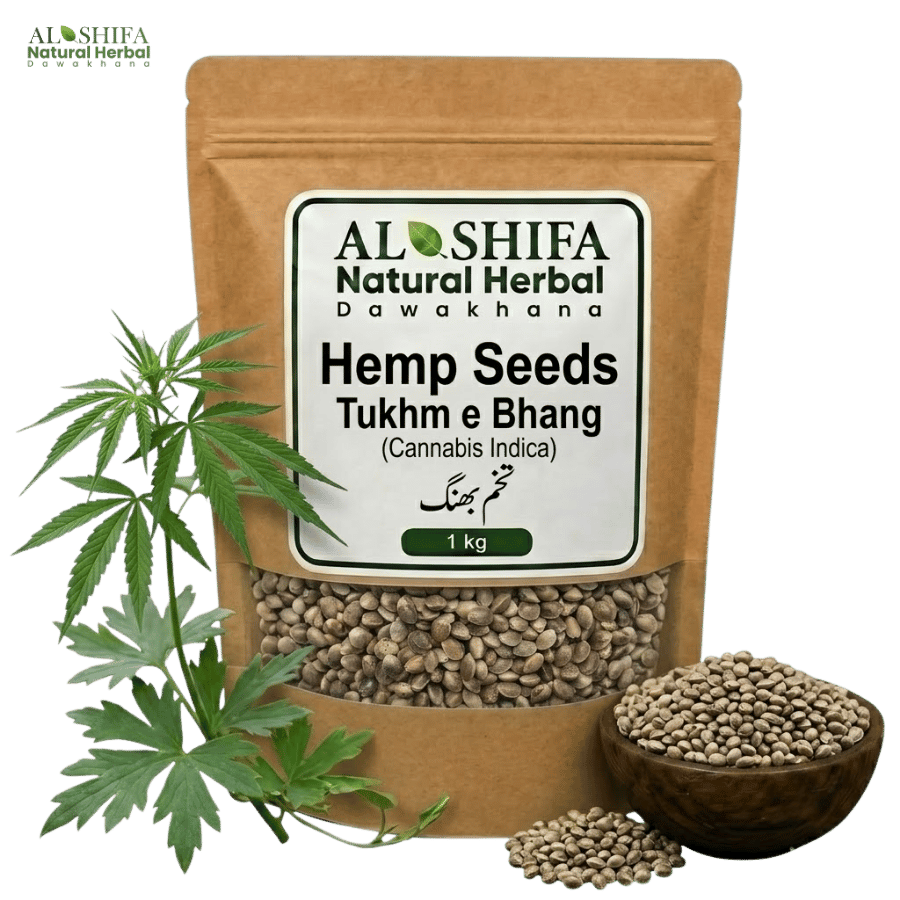
Tukhm-e-Bhang (Hemp Seeds) are nutritious seeds obtained from Cannabis sativa, traditionally valued as an oilseed and natural source of plant protein, essential fatty acids, fiber, and minerals.
How to Use: Use food-grade hemp seeds in suitable nutritional or traditional food preparations according to individual dietary needs.
Important Note: Hemp seeds are different from Cannabis flowers, resin, and intoxicating preparations. Product quality and legal status may vary by jurisdiction; use only appropriately sourced, compliant food-grade seeds.
Tukhm-e-Bhang (Hemp Seeds) are the seeds of Cannabis sativa L., a plant belonging to the Cannabaceae family. The seeds have a long history of nutritional and traditional use in different cultures and are naturally rich in protein, dietary fats, essential fatty acids, fiber, minerals, and other nutrients.
An important botanical clarification is necessary: although the trade name may sometimes be written as Cannabis indica, modern botanical classification generally recognizes cultivated hemp and cannabis within Cannabis sativa L., while terms such as indica are commonly used for particular forms, populations, or commercial classifications rather than being the most appropriate universal scientific name for hemp seed.
Most importantly, hemp seeds are fundamentally different from the resin-rich flowers and other cannabinoid-containing parts of the Cannabis plant. Properly cleaned hemp seeds themselves do not naturally contain meaningful intoxicating levels of ٹی ایچ سی within the seed tissue. Trace contamination may occur from contact with resinous plant material during harvesting and processing, so food-grade sourcing and regulatory compliance remain important.
Hemp seeds are valued primarily as a nutritious oilseed rather than for intoxicating effects. Their balanced nutritional profile has made them popular in seeds, powders, protein products, cold-pressed oils, and other food preparations.
Product Name: Tukhm-e-Bhang / Hemp Seeds
English Name: Hemp Seeds / Cannabis Seeds
Urdu Name: تخم بھنگ
Roman Name: Tukhm-e-Bhang / Tukhm Bhang
Scientific Name: Cannabis sativa L.
Family: Cannabaceae
Plant Type: Annual Herbaceous Plant
Used Part: Seeds
Product Category: Nutritional Oilseed / Traditional Botanical
Common Forms: Whole Seeds, Hulled Hemp Hearts, Hemp Seed Powder and Hemp Seed Oil
Hemp seeds are small seeds produced by the Cannabis plant.
Despite their botanical origin, the seeds should not be confused with the psychoactive or resin-rich portions of the plant.
The seed is primarily valued for its:
When the hard outer shell is removed, the soft inner kernels are commonly called hemp hearts.
The term Bhang can create confusion.
In South Asian usage, “bhang” may refer to preparations made from Cannabis leaves or other plant material. Tukhm-e-Bhang, however, specifically refers to the seeds.
Therefore:
Tukhm-e-Bhang ≠ Bhang Drink
Hemp Seeds ≠ Cannabis Flowers
Hemp Seeds ≠ Cannabis Resin
Hemp Seed Oil ≠ Cannabis Extract
These distinctions are important nutritionally, chemically, legally, and commercially.
Hemp seeds are not consumed for an intoxicating effect.
The intoxicating cannabinoid commonly associated with Cannabis is concentrated primarily in resin-producing plant tissues rather than inside properly cleaned seeds.
Naturally clean seed tissue generally contains negligible amounts of intoxicating cannabinoids. Detectable traces in commercial seeds can result from contamination with resinous plant material during harvesting or processing.
For this reason, reputable food-grade processing is important.
Hemp seeds should not be marketed as a recreational or intoxicating Cannabis product.
Hemp seeds are naturally nutrient-dense.
Their nutritional composition may include:
Exact nutritional values vary according to variety, growing conditions, processing, storage, and whether the seeds are whole or hulled.
Hemp seeds are naturally rich in plant protein.
Important proteins include:
Hemp protein provides a broad range of amino acids and can contribute to overall dietary protein intake.
However, hemp seeds should not be described as a medical treatment for protein deficiency or as automatically equivalent to every animal-derived protein source.
One of the most notable nutritional features of hemp seeds is their fatty-acid composition.
Hemp seed oil naturally contains substantial amounts of:
It can also contain smaller amounts of:
These fatty acids are among the reasons hemp seeds are valued as a nutritional oilseed.
Hemp seed oil is often noted for containing both omega-6 and omega-3 polyunsaturated fatty acids.
These fats form part of a balanced diet and are involved in normal physiological processes.
However, the presence of essential fatty acids does not mean hemp seeds should be marketed as a treatment for cardiovascular disease, high cholesterol, inflammatory disorders, or other medical conditions.
Whole hemp seeds retain their outer hull and therefore generally provide more dietary fiber than completely hulled hemp hearts.
This distinction is useful:
Whole Hemp Seeds = Seed Kernel + Outer Hull
Hemp Hearts = Hulled Inner Kernel
The nutritional composition and texture of the two forms therefore differ.
Hemp seeds can naturally provide several minerals, including magnesium, phosphorus, potassium, iron, and zinc.
The exact amount depends on the seed and processing.
Specific percentage claims or daily-value claims should only be made when supported by an appropriate nutritional analysis of the actual product.
Hemp seeds have historically been used as a food and oilseed in various regions.
Traditional uses have included:
Their primary modern value is nutritional rather than intoxicating.
Because hemp seeds contain polyunsaturated fatty acids and other nutrients, they can form part of a balanced diet.
Some research on hemp seed components and hemp seed oil has explored cardiovascular-related markers.
However, hemp seeds should not be claimed to:
Their nutritional role should be distinguished from medical treatment.
Whole hemp seeds contain dietary fiber, which can contribute to normal dietary fiber intake.
Adequate dietary fiber supports normal digestive function as part of a balanced diet.
However, individual tolerance varies, and consuming a large quantity suddenly may cause:
Increasing seed intake gradually may be better tolerated by some individuals.
Hemp seed oil contains essential fatty acids and is also used in food and cosmetic formulations.
Its fatty-acid profile has generated interest in skin-related nutrition and topical products.
However:
Hemp Seed Oil ≠ Cannabidiol Oil
and
Hemp Seed Oil ≠ Cannabis Essential Oil
Ordinary cold-pressed hemp seed oil is produced from seeds and should not automatically be marketed as a cannabinoid-rich product.
Oil obtained by pressing hemp seeds is known as hemp seed oil.
It is primarily valued for its fatty-acid composition.
This differs substantially from cannabinoid-rich extracts manufactured from flowers, leaves, or resin-bearing Cannabis material.
Therefore:
Hemp Seed Oil ≠ Cannabidiol Extract
Hemp Seed Oil ≠ Tetrahydrocannabinol-Rich Cannabis Oil
The product label should accurately identify which material is being sold.
After some of the oil has been removed from hemp seeds, the remaining seed material can be processed into hemp protein products.
Hemp protein powder and whole hemp seeds are related but nutritionally different products.
Protein concentration can be higher in processed hemp protein powder than in ordinary whole seeds.
Therefore, nutritional values from hemp protein powder should not be copied onto whole hemp seed listings.
Commercial hemp products may include:
These are not nutritionally identical.
Whole seeds retain more hull material and fiber, while hulled seeds provide easier access to the soft, nutrient-rich kernel.
“Hemp” is commonly used for Cannabis cultivated and regulated for non-intoxicating industrial, seed, fiber, or food applications.
The legal definition of hemp can depend on the jurisdiction and permitted cannabinoid concentration.
Botanically, however, hemp and drug-type Cannabis are closely related forms within the Cannabis plant complex.
A legal classification should therefore not be confused with a completely separate botanical species.
Older botanical systems and modern commercial terminology may distinguish between Cannabis sativa and Cannabis indica.
However, classification within Cannabis has long been debated.
For a general hemp-seed product, Cannabis sativa L. is the most widely accepted and appropriate scientific designation.
Therefore, unless the actual seed material has been authenticated as a particular botanical population or cultivar, it is better not to use Cannabis indica as the definitive scientific name solely because it appears in a trade name.
Cannabinoids are primarily produced in specialized glandular structures on the aerial parts of Cannabis plants.
The seeds themselves are not significant natural cannabinoid-producing tissues.
Trace cannabinoid residues detected on commercial seeds may arise from external contamination during:
Proper cleaning and food-grade processing help reduce such contamination.
Properly processed food-grade hemp seeds are not intended to produce intoxication.
They should not be sold or represented as a way to achieve psychoactive effects.
If a seed product has been contaminated with resinous Cannabis material or does not meet applicable food and legal standards, its composition may differ from properly processed food-grade hemp seeds.
Properly processed food-grade hemp seeds are expected to contain only negligible cannabinoid residues.
Nevertheless, cannabinoid contamination can vary among poorly controlled products.
People subject to highly sensitive workplace, athletic, military, or legal drug-testing requirements may wish to use products with reliable quality control and appropriate cannabinoid testing.
Hemp seeds are used as foods in some regions, but pregnancy and breastfeeding require additional caution with any Cannabis-derived commercial product because product quality and contamination levels can vary.
Food-grade hemp seed should be distinguished from cannabinoid-containing Cannabis products.
Pregnant or breastfeeding women should seek professional guidance if considering regular supplemental or concentrated use.
Food-grade hemp seed is nutritionally different from psychoactive Cannabis preparations.
Nevertheless, products intended for children should come from a reliable food-grade source and comply with relevant food and cannabinoid regulations.
Cannabis-derived extracts or cannabinoid-containing preparations should never be assumed to be equivalent to ordinary hemp seeds.
Although uncommon, hemp seed allergy can occur.
Possible allergic symptoms may include:
Anyone experiencing severe allergic symptoms should seek urgent medical attention.
Ordinary food quantities of hemp seeds are different from concentrated Cannabis extracts.
People with significant medical conditions, food allergies, digestive sensitivity, or those using multiple medicines should discuss substantial supplemental intake with an appropriately qualified healthcare professional.
Claims and cautions applying to cannabinoid-rich Cannabis products should not automatically be transferred to ordinary hemp seeds.
Good-quality hemp seeds should ideally be:
Where relevant, commercial quality testing may include microbial contaminants, pesticides, heavy metals, and cannabinoid residues.
Cannabis and hemp regulations vary considerably between countries and regions.
The legal treatment of:
may differ.
A food-grade hemp seed product should therefore comply with the laws and regulations applicable in the location where it is sold or used.
The botanical fact that hemp seeds are non-intoxicating does not by itself determine their legal status in every jurisdiction.
Because hemp seeds contain substantial amounts of unsaturated fats, poor storage can lead to oxidation and rancidity.
For best quality:
Seeds developing a strong rancid, stale, moldy, or otherwise abnormal odor should not be consumed.
For responsible product information:
Tukhm-e-Bhang = Cannabis/Hemp Seeds
Botanical Source = Cannabis sativa
Hemp Seeds ≠ Bhang Drink
Hemp Seeds ≠ Cannabis Flowers
Hemp Seeds ≠ Cannabis Resin
Hemp Seed Oil ≠ Cannabinoid-Rich Cannabis Extract
Seed Tissue Does Not Naturally Produce Meaningful Intoxicating Cannabinoid Levels
Trace Surface Contamination Can Occur During Harvesting
Whole Seeds ≠ Hemp Hearts
Hemp Seeds ≠ Hemp Protein Powder
Nutritional Use ≠ Medical Treatment
Product Name: Tukhm-e-Bhang / Hemp Seeds
English Name: Hemp Seeds / Cannabis Seeds
Urdu Name: تخم بھنگ
Roman Name: Tukhm-e-Bhang / Tukhm Bhang
Scientific Name: Cannabis sativa L.
Family: Cannabaceae
Plant Type: Annual Herbaceous Plant
Used Part: Seeds
Product Category: Nutritional Oilseed / Traditional Botanical
Important Nutritional Components: Plant protein, polyunsaturated fatty acids, linoleic acid, alpha-linolenic acid, fiber, minerals and naturally occurring plant compounds
Common Forms: Whole Seeds, Hulled Seeds, Hemp Hearts, Seed Powder and Hemp Seed Oil
Intoxicating Status: Properly cleaned food-grade hemp seeds are non-intoxicating
Storage: Cool, dry and protected from heat, moisture, light and excessive air exposure
Tukhm-e-Bhang (تخم بھنگ) refers specifically to the seeds of the Cannabis plant and should not be confused with intoxicating Cannabis preparations made from resin-rich flowers or other plant material.
For general hemp-seed identification, Cannabis sativa L. is more appropriate than automatically assigning the product to Cannabis indica. Properly cleaned food-grade hemp seeds are primarily nutritional oilseeds and do not naturally contain meaningful intoxicating levels of cannabinoids within the seed tissue, although trace surface contamination can occur during harvesting and processing.
Hemp seeds should not be presented as a treatment for heart disease, high cholesterol, hypertension, inflammatory disease, or other medical conditions. Because Cannabis and hemp regulations vary by jurisdiction, the sourcing, sale, possession, germination, and use of hemp or Cannabis seeds should comply with applicable local laws.
تخم بھنگ بھنگ کے پودے کے بیج ہیں، جس کا نباتاتی نام کینابس سیٹیوا ہے۔ یہ نبات کینابیسی خاندان سے تعلق رکھتی ہے۔ اس کے بیج مختلف خطوں میں طویل عرصے سے غذائی، تیل دار بیج اور روایتی نباتاتی مادے کے طور پر استعمال ہوتے رہے ہیں۔
تخم بھنگ قدرتی طور پر نباتاتی پروٹین، غذائی چکنائی، ضروری فیٹی ایسڈز، غذائی ریشے، معدنی اجزاء اور دوسرے غذائی مرکبات فراہم کر سکتے ہیں۔ ان کی بنیادی اہمیت ایک غذائیت سے بھرپور تیل دار بیج کے طور پر ہے، نہ کہ نشہ آور اثرات کے لیے۔
یہ وضاحت خاص طور پر ضروری ہے کہ تخم بھنگ کو بھنگ کے پھولوں، پتوں، رال یا ان سے تیار کردہ نشہ آور مصنوعات کے برابر نہیں سمجھنا چاہیے۔ مناسب طور پر صاف کیے گئے غذائی معیار کے بیجوں کے اندر قدرتی طور پر قابل ذکر نشہ آور مقدار موجود نہیں ہوتی، البتہ فصل کی کٹائی اور تیاری کے دوران رال دار نباتاتی حصوں سے بیرونی آلودگی کی معمولی مقدار ممکن ہو سکتی ہے۔
مصنوعات کا نام: تخم بھنگ
معروف نام: تخم بھنگ، بھنگ کے بیج، ہیمپ سیڈز
نباتاتی نام: کینابس سیٹیوا
نباتاتی خاندان: کینابیسی
نبات کی قسم: یک سالہ علفی نبات
استعمال ہونے والا حصہ: بیج
مصنوعات کی قسم: غذائی تیل دار بیج اور روایتی نباتاتی مادہ
عام شکلیں: ثابت بیج، چھلکا اترا بیج، بیج کا سفوف اور بیج کا تیل
تخم بھنگ چھوٹے بیج ہیں جو کینابس کے پودے سے حاصل ہوتے ہیں۔
اگرچہ یہ اسی نبات سے حاصل ہوتے ہیں جس کے بعض دوسرے حصوں میں مخصوص فعال مرکبات پائے جا سکتے ہیں، لیکن بیجوں کی قدرتی کیمیائی اور غذائی خصوصیات پھولوں اور رال دار حصوں سے نمایاں طور پر مختلف ہوتی ہیں۔
تخم بھنگ کو بنیادی طور پر ان کے درج ذیل غذائی اجزاء کی وجہ سے اہمیت حاصل ہے:
برصغیر میں لفظ بھنگ مختلف معنوں میں استعمال ہو سکتا ہے۔
بعض مواقع پر بھنگ سے مراد پودے کے پتوں یا دوسرے حصوں سے تیار کردہ مخصوص روایتی مشروب یا تیاری ہوتی ہے، جبکہ تخم بھنگ سے مراد صرف اس نبات کے بیج ہیں۔
اس لیے یہ فرق اہم ہے:
تخم بھنگ اور بھنگ کا روایتی مشروب ایک چیز نہیں۔
تخم بھنگ اور بھنگ کے پھول ایک چیز نہیں۔
تخم بھنگ اور نبات کی رال ایک چیز نہیں۔
تخم بھنگ کا تیل اور رال دار نباتاتی عرق ایک چیز نہیں۔
ان مصنوعات کی غذائی، کیمیائی اور قانونی حیثیت ایک دوسرے سے مختلف ہو سکتی ہے۔
عام غذائی اور تجارتی ہیمپ بیج کے لیے کینابس سیٹیوا وسیع طور پر استعمال ہونے والی نباتاتی شناخت ہے۔
کینابس کی درجہ بندی تاریخی طور پر مختلف انداز میں کی گئی ہے اور بعض ناموں میں کینابس انڈیکا بھی استعمال ہوتا رہا ہے۔
تاہم عام تخم بھنگ یا ہیمپ سیڈز کے لیے صرف تجارتی نام کی بنیاد پر انہیں لازماً کینابس انڈیکا قرار دینا مناسب نہیں۔
درست نباتاتی شناخت کے لیے اصل نبات، قسم، ماخذ اور ضرورت کے مطابق مستند تصدیق اہم ہے۔
تخم بھنگ قدرتی طور پر غذائیت سے بھرپور بیج شمار کیے جاتے ہیں۔
ان میں قدرتی طور پر درج ذیل اجزاء پائے جا سکتے ہیں:
ان اجزاء کی مقدار بیج کی قسم، کاشت، موسم، زمین، فصل، چھلکے کی موجودگی اور تیاری کے طریقے کے مطابق مختلف ہو سکتی ہے۔
تخم بھنگ قدرتی طور پر نباتاتی پروٹین فراہم کرتے ہیں۔
ان میں پائے جانے والے اہم پروٹین گروہوں میں:
شامل ہیں۔
یہ پروٹین مختلف امینو ایسڈز فراہم کرتے ہیں اور متوازن غذا میں مجموعی پروٹین کی مقدار میں حصہ ڈال سکتے ہیں۔
تاہم تخم بھنگ کو پروٹین کی کمی یا کسی دوسری طبی کیفیت کا علاج قرار نہیں دینا چاہیے۔
تخم بھنگ کی نمایاں غذائی خصوصیات میں ان کی قدرتی چکنائی شامل ہے۔
بیج کے تیل میں خاص طور پر:
پائے جاتے ہیں۔
اس کے علاوہ نسبتاً کم مقدار میں:
بھی موجود ہو سکتے ہیں۔
یہ فیٹی ایسڈز متوازن غذا کے اہم اجزاء میں شمار ہوتے ہیں۔
تخم بھنگ کے تیل میں قدرتی طور پر اومیگا چھ اور اومیگا تین فیٹی ایسڈز پائے جاتے ہیں۔
یہ غذائی چکنائیاں جسم کے مختلف معمول کے حیاتیاتی افعال میں حصہ لیتی ہیں۔
تاہم ان کی موجودگی کی بنیاد پر تخم بھنگ کو:
قرار نہیں دینا چاہیے۔
ان کا بنیادی کردار غذائی ہے۔
ثابت تخم بھنگ میں بیرونی چھلکا موجود رہتا ہے، اس لیے ان میں چھلکا اتارے ہوئے بیجوں کے مقابلے میں غذائی ریشہ زیادہ ہو سکتا ہے۔
یہ فرق اہم ہے:
ثابت تخم بھنگ میں بیرونی چھلکا اور اندرونی مغز دونوں موجود ہوتے ہیں۔
چھلکا اتارے ہوئے تخم بھنگ میں بنیادی طور پر نرم اندرونی مغز باقی رہتا ہے۔
اسی وجہ سے دونوں کی ساخت، ذائقہ اور غذائی اجزاء کی مقدار مختلف ہو سکتی ہے۔
تخم بھنگ قدرتی طور پر کئی معدنی اجزاء فراہم کر سکتے ہیں، جن میں:
شامل ہو سکتے ہیں۔
معدنی اجزاء کی حتمی مقدار اصل مصنوعات کے تجزیے کے بغیر یقینی طور پر بیان نہیں کی جانی چاہیے۔
اگر مصنوعات کے لیبل پر مخصوص مقدار یا یومیہ ضرورت کا فیصد درج کرنا ہو تو مناسب غذائی تجزیہ ضروری ہے۔
تخم بھنگ مختلف علاقوں میں روایتی طور پر غذا اور تیل دار بیج کے طور پر استعمال ہوتے رہے ہیں۔
ان کے استعمال میں شامل ہو سکتے ہیں:
ان کی بنیادی جدید اہمیت بھی غذائی اجزاء اور تیل دار بیج کی حیثیت سے ہے۔
مناسب طور پر صاف اور غذائی معیار کے تخم بھنگ کو نشہ آور اثر حاصل کرنے کے لیے استعمال نہیں کیا جاتا۔
نشہ آور اثرات سے وابستہ اہم مرکبات بنیادی طور پر نبات کے مخصوص رال دار حصوں میں پیدا ہوتے ہیں، جبکہ صاف بیج کا اندرونی بافتہ ان مرکبات کا اہم قدرتی پیداواری حصہ نہیں۔
البتہ فصل کی کٹائی، علیحدگی اور تیاری کے دوران بیجوں کی سطح پر رال دار نباتاتی مواد کے معمولی ذرات منتقل ہو سکتے ہیں۔
اسی لیے معتبر ماخذ، مناسب صفائی اور غذائی معیار کی تیاری اہم ہے۔
بیجوں میں پائے جانے والے معمولی رال دار باقیات بعض اوقات خود بیج کے اندر سے نہیں بلکہ بیرونی آلودگی کی وجہ سے ہو سکتے ہیں۔
یہ آلودگی ممکنہ طور پر:
کے دوران ہو سکتی ہے۔
معیاری غذائی تیاری اور مناسب صفائی ایسے باقیات کو کم کرنے میں مدد دیتی ہے۔
تخم بھنگ کو دبا کر حاصل ہونے والے تیل کو بھنگ کے بیج کا تیل کہا جاتا ہے۔
یہ بنیادی طور پر اپنے قدرتی فیٹی ایسڈز کی وجہ سے غذائی اہمیت رکھتا ہے۔
اسے نبات کے پھولوں، پتوں یا رال دار حصوں سے حاصل ہونے والے مرتکز عرق کے برابر نہیں سمجھنا چاہیے۔
یعنی:
بیج کا تیل اور رال دار عرق ایک چیز نہیں۔
بیج کا تیل اور نشہ آور نباتاتی تیل ایک چیز نہیں۔
مصنوعات کے لیبل پر اصل ماخذ اور تیاری کی قسم واضح ہونی چاہیے۔
تخم بھنگ مختلف صورتوں میں فروخت ہو سکتے ہیں:
یہ تمام غذائی اعتبار سے مکمل طور پر یکساں نہیں۔
ثابت بیج میں چھلکے کی وجہ سے ریشہ زیادہ ہو سکتا ہے، جبکہ چھلکا اتارنے کے بعد نرم مغز براہ راست استعمال کے لیے زیادہ آسان ہو سکتا ہے۔
تخم بھنگ سے تیل کا کچھ حصہ نکالنے کے بعد باقی مواد کو مزید عمل سے گزار کر پروٹین سے بھرپور سفوف تیار کیا جا سکتا ہے۔
اس لیے تخم بھنگ کا پروٹین سفوف اور مکمل ثابت بیج ایک جیسی مصنوعات نہیں۔
پروٹین سفوف میں پروٹین کا تناسب مکمل بیج کے مقابلے میں زیادہ ہو سکتا ہے۔
کسی پروٹین سفوف کی غذائی معلومات کو بغیر تجزیے کے ثابت تخم بھنگ پر لاگو نہیں کرنا چاہیے۔
ثابت تخم بھنگ میں موجود غذائی ریشہ معمول کی ہاضم کارکردگی میں غذائی معاونت فراہم کر سکتا ہے۔
متوازن غذا میں مناسب ریشہ معمول کی آنتوں کی کارکردگی کے لیے اہم ہے۔
تاہم اچانک بہت زیادہ مقدار میں بیج کھانے سے بعض افراد میں:
ہو سکتی ہے۔
ہر فرد کی غذائی برداشت مختلف ہوتی ہے۔
تخم بھنگ میں کثیر غیر سیر شدہ فیٹی ایسڈز پائے جاتے ہیں، اس لیے انہیں متوازن غذا میں صحت بخش چکنائی کے ایک غذائی ذریعے کے طور پر استعمال کیا جا سکتا ہے۔
تخم بھنگ اور ان کے تیل کے مختلف اجزاء پر قلبی صحت سے متعلق تحقیق بھی کی گئی ہے۔
لیکن تخم بھنگ کو دل کی بیماری، بلند کولیسٹرول یا بلند فشار خون کا علاج نہیں سمجھنا چاہیے۔
غذائی فائدہ اور طبی علاج میں واضح فرق رکھنا ضروری ہے۔
تخم بھنگ کا تیل اپنی قدرتی چکنائی کی وجہ سے غذائی اور کاسمیٹک مصنوعات دونوں میں استعمال ہو سکتا ہے۔
اس کے فیٹی ایسڈز کی وجہ سے جلد سے متعلق غذائی اور بیرونی استعمال میں بھی دلچسپی پائی جاتی ہے۔
تاہم بیج کے عام تیل کو رال دار یا دوسرے مرتکز کینابس عرق کے برابر نہیں سمجھنا چاہیے۔
تخم بھنگ کی مصنوعات کو نشہ حاصل کرنے، ذہنی کیفیت تبدیل کرنے یا تفریحی نشہ آور استعمال کے لیے پیش نہیں کیا جانا چاہیے۔
مناسب غذائی معیار کے تخم بھنگ کا بنیادی مقصد غذائیت اور تیل دار بیج کے طور پر استعمال ہے۔
اگر کسی مصنوعات میں رال دار نباتاتی مواد کی قابل ذکر آمیزش ہو تو وہ عام صاف غذائی بیج سے مختلف مصنوعات سمجھی جائے گی۔
مناسب طور پر صاف اور معیاری غذائی تخم بھنگ میں رال دار مرکبات کی مقدار نہایت کم ہونی چاہیے۔
تاہم ناقص صفائی یا غیر معیاری مصنوعات میں بیرونی آلودگی مختلف ہو سکتی ہے۔
ایسے افراد جنہیں ملازمت، کھیل، قانونی یا کسی دوسرے مقصد کے لیے انتہائی حساس منشیات کی جانچ سے گزرنا پڑتا ہو، انہیں قابل اعتماد اور مناسب طور پر جانچ شدہ مصنوعات کو ترجیح دینی چاہیے۔
تخم بھنگ اور رال دار کینابس مصنوعات میں واضح فرق رکھنا ضروری ہے۔
غذائی معیار کے صاف بیج بنیادی طور پر غذائی تیل دار بیج ہیں، لیکن حمل کے دوران کسی بھی کینابس سے حاصل شدہ تجارتی مصنوعات کے معیار اور ممکنہ آلودگی کو نظر انداز نہیں کرنا چاہیے۔
حاملہ خواتین اگر تخم بھنگ کو باقاعدہ غذائی اضافے کے طور پر استعمال کرنا چاہیں تو مناسب طبی یا غذائی رہنمائی حاصل کرنا بہتر ہے۔
دودھ پلانے والی خواتین کے لیے بھی صاف غذائی بیج اور رال دار کینابس مصنوعات کو ایک جیسا نہیں سمجھنا چاہیے۔
باقاعدہ یا زیادہ مقدار میں استعمال کے لیے مصنوعات کا غذائی معیار اور قابل اعتماد ماخذ اہم ہے۔
اگر کوئی طبی مسئلہ یا مستقل ادویات موجود ہوں تو پیشہ ورانہ مشورہ بہتر ہے۔
غذائی معیار کے تخم بھنگ نشہ آور کینابس تیاریوں سے مختلف ہیں۔
اگر بچوں کے لیے غذائی استعمال مقصود ہو تو مصنوعات:
بچوں کے لیے عام بیج کو رال دار کینابس عرق یا دوسری مرتکز تیاریوں کے برابر نہیں سمجھنا چاہیے۔
اگرچہ ہر فرد میں نہیں ہوتی، لیکن تخم بھنگ سے غذائی الرجی ممکن ہے۔
ممکنہ علامات میں شامل ہو سکتی ہیں:
شدید الرجی یا سانس کی تکلیف کی صورت میں فوری طبی مدد حاصل کرنی چاہیے۔
عام غذائی مقدار میں صاف تخم بھنگ اور مرتکز کینابس عرق ایک جیسی چیزیں نہیں، اس لیے رال دار عرق سے متعلق تمام احتیاطیں خود بخود بیجوں پر لاگو نہیں کی جانی چاہئیں۔
تاہم ایسے افراد جو:
انہیں بہت زیادہ یا باقاعدہ اضافی استعمال سے پہلے مناسب پیشہ ورانہ مشورہ حاصل کرنا چاہیے۔
اچھے معیار کے تخم بھنگ میں درج ذیل خصوصیات اہم ہیں:
ضرورت کے مطابق تجارتی معیار میں جراثیمی آلودگی، بھاری دھاتوں، زرعی باقیات اور رال دار مرکبات کی جانچ بھی اہم ہو سکتی ہے۔
تخم بھنگ میں غیر سیر شدہ چکنائیاں قابل ذکر مقدار میں موجود ہوتی ہیں۔
یہ چکنائیاں ہوا، حرارت اور روشنی کے طویل اثر سے آکسیڈیشن کا شکار ہو سکتی ہیں، جس سے بیج باسی یا بدذائقہ ہو سکتے ہیں۔
اسی لیے تازہ اور مناسب طریقے سے محفوظ کیے گئے بیجوں کو ترجیح دینی چاہیے۔
تیز باسی، خراب، پھپھوندی یا غیر معمولی بو والے بیج استعمال نہیں کرنے چاہئیں۔
تخم بھنگ کو بہتر حالت میں محفوظ رکھنے کے لیے:
اگر بیجوں میں باسی تیل جیسی تیز بو، پھپھوندی، غیر معمولی نمی یا کیڑوں کا حملہ موجود ہو تو انہیں استعمال نہ کریں۔
بھنگ اور ہیمپ سے متعلق قوانین مختلف ممالک اور علاقوں میں مختلف ہو سکتے ہیں۔
قانونی اعتبار سے درج ذیل چیزوں کی حیثیت الگ ہو سکتی ہے:
اس لیے کسی علاقے میں بیج کے غیر نشہ آور ہونے کا مطلب لازماً یہ نہیں کہ اس کی خرید، فروخت، درآمد، کاشت یا اگانا ہر صورت میں قانونی ہے۔
مقامی قوانین اور متعلقہ ضوابط کی پابندی ضروری ہے۔
تخم بھنگ کے بارے میں ذمہ دارانہ معلومات کے لیے درج ذیل فرق اہم ہیں:
تخم بھنگ سے مراد کینابس کے بیج ہیں۔
عام غذائی ہیمپ بیج کی نباتاتی شناخت کینابس سیٹیوا کے تحت کی جاتی ہے۔
تخم بھنگ اور بھنگ کا روایتی مشروب ایک چیز نہیں۔
تخم بھنگ اور کینابس کے پھول ایک چیز نہیں۔
تخم بھنگ اور نبات کی رال ایک چیز نہیں۔
بیج کا تیل اور رال دار مرتکز عرق ایک چیز نہیں۔
صاف بیج کا اندرونی حصہ نشہ آور مرکبات پیدا کرنے والا بنیادی نباتاتی بافتہ نہیں۔
فصل اور تیاری کے دوران بیج کی سطح پر معمولی بیرونی آلودگی ممکن ہے۔
ثابت بیج اور چھلکا اترا ہوا مغز غذائی اعتبار سے مکمل طور پر یکساں نہیں۔
مکمل تخم بھنگ اور پروٹین سفوف ایک چیز نہیں۔
غذائی استعمال اور بیماری کا طبی علاج ایک چیز نہیں۔
مصنوعات کا نام: تخم بھنگ
معروف نام: تخم بھنگ، بھنگ کے بیج، ہیمپ سیڈز
نباتاتی نام: کینابس سیٹیوا
نباتاتی خاندان: کینابیسی
نبات کی قسم: یک سالہ علفی نبات
استعمال ہونے والا حصہ: بیج
مصنوعات کی قسم: غذائی تیل دار بیج اور روایتی نباتاتی مادہ
اہم غذائی اجزاء: نباتاتی پروٹین، کثیر غیر سیر شدہ فیٹی ایسڈز، لینولیک ایسڈ، الفا لینولینک ایسڈ، غذائی ریشہ، معدنی اجزاء اور دوسرے قدرتی نباتاتی مرکبات
عام شکلیں: ثابت بیج، چھلکا اترا بیج، بیج کا سفوف اور بیج کا تیل
بنیادی اہمیت: غذائیت اور تیل دار بیج
ذخیرہ: ٹھنڈی، خشک اور حرارت، نمی، روشنی اور زیادہ ہوا سے محفوظ جگہ
تخم بھنگ سے مراد کینابس نبات کے بیج ہیں۔ انہیں بھنگ کے رال دار پھولوں، پتوں یا ان سے تیار ہونے والی نشہ آور مصنوعات کے برابر نہیں سمجھنا چاہیے۔
مناسب طور پر صاف اور غذائی معیار کے تخم بھنگ بنیادی طور پر غذائیت سے بھرپور تیل دار بیج ہیں۔ بیج کے اندرونی بافتے میں قدرتی طور پر قابل ذکر نشہ آور مقدار پیدا نہیں ہوتی، تاہم فصل کی کٹائی اور تیاری کے دوران رال دار نباتاتی مواد سے سطحی آلودگی ممکن ہو سکتی ہے۔ اسی لیے معتبر ماخذ، مناسب صفائی اور غذائی معیار اہم ہیں۔
تخم بھنگ کو دل کی بیماری، بلند کولیسٹرول، بلند فشار خون، سوزش یا کسی دوسری بیماری کا ثابت شدہ علاج قرار نہیں دینا چاہیے۔
بھنگ اور ہیمپ سے متعلق قانونی ضوابط مختلف علاقوں میں مختلف ہو سکتے ہیں۔ اس لیے تخم بھنگ کی خرید، فروخت، ذخیرہ، درآمد، کاشت یا اگانے سے متعلق مقامی قوانین اور متعلقہ ضوابط کی پابندی ضروری ہے۔