
Gule Babuna,Chamomile
Contact for Price
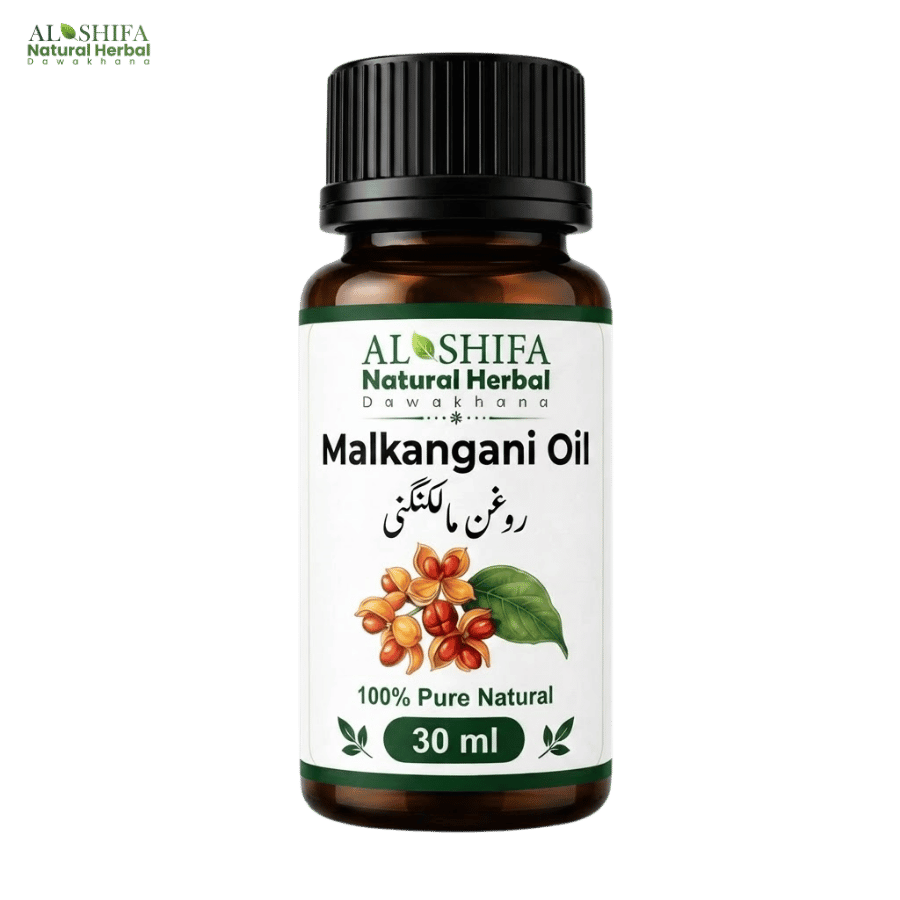
Malkangani Oil / Intellect Seeds Oil – روغن مالکنگنی is a traditional herbal seed oil obtained from Malkangani seeds (Celastrus paniculatus). It has a long history of traditional use for memory and cognitive wellness, head and scalp massage, hair conditioning, skin care, and body massage.
How to Use: For external use, apply a small amount to the scalp, hair, or healthy skin and massage gently according to the product directions.
Storage: Store in a cool, dry place away from direct sunlight, heat, and moisture. Keep the bottle tightly closed after use.
Important Note: Malkangani Oil is not an ordinary culinary oil. Do not consume unless the specific product is clearly manufactured and labelled for internal use. It should not be considered a proven treatment for memory loss, dementia, neurological disorders, baldness, or other medical conditions.
Malkangani Oil / Intellect Seeds Oil – روغن مالکنگنی is a traditional herbal oil obtained from the seeds of the Malkangani plant (Celastrus paniculatus). Malkangani is a climbing medicinal plant native to parts of South and Southeast Asia and has a long history of use in traditional herbal systems.
The seeds and their oil have traditionally been associated with memory and cognitive wellness, mental alertness, scalp and hair care, body massage, and general traditional wellness. Because of its historical association with intellect and memory, Celastrus paniculatus is sometimes referred to as the “Intellect Tree,” and its seeds are commonly called Intellect Tree Seeds.
Malkangani seed oil naturally contains a complex mixture of fatty acids and plant-derived constituents. Its precise chemical composition can vary according to seed origin, plant variety, extraction method, processing, and storage conditions.
Product Name: Malkangani Oil
Urdu Name: روغن مالکنگنی
Roman Name: Roghan-e-Malkangani / Roghan Malkangani
Common English Names: Malkangani Oil / Intellect Tree Seed Oil / Celastrus Oil
Botanical Name: Celastrus paniculatus Willd.
Plant Family: Celastraceae
Plant Part Used: Seeds
Product Type: Traditional Herbal Seed Oil
Product Form: Oil
Traditional Uses: Traditional Cognitive Wellness, Scalp Massage, Hair Care, Body Massage & External Personal Care
Malkangani is a woody climbing plant traditionally found in India, Pakistan, Sri Lanka, and other parts of South and Southeast Asia.
The plant produces fruits containing seeds from which the characteristic oil can be obtained.
Its seeds have been valued in traditional herbal practices for generations and are particularly associated with traditional preparations intended for:
These traditional applications should be distinguished from medically proven treatments.
Malkangani oil is the fatty oil obtained from the seeds of Celastrus paniculatus.
Depending on the manufacturer, the oil may be produced through:
The finished oil may differ in color, aroma, consistency, and chemical composition depending on the quality of the seeds and the extraction process.
Malkangani is sometimes known as the Intellect Tree because of its longstanding traditional association with memory and mental performance.
Its seeds have historically been used in traditional herbal preparations associated with:
This traditional reputation explains names such as Intellect Tree, Intellect Seeds, and Intellect Tree Seed Oil.
The name itself should not be interpreted as proof that the oil increases intelligence or treats neurological disease.
Malkangani has perhaps received the greatest traditional attention for its association with memory and cognition.
Traditional herbal systems have used preparations derived from its seeds in connection with:
Modern laboratory and animal research has investigated Celastrus paniculatus for possible effects related to cognition, oxidative stress, and nervous-system function.
However, evidence from laboratory or animal studies cannot automatically establish the same benefits in humans.
Malkangani is frequently described in traditional literature as a herb associated with memory.
This historical use has encouraged scientific interest in the plant and its constituents.
However, ordinary Malkangani oil should not be claimed to:
Memory problems can have many causes, and persistent or worsening memory difficulties require appropriate professional assessment.
Traditional Malkangani preparations have also been associated with concentration and mental alertness.
For this reason, the plant is sometimes included in traditional herbal formulations intended for students, adults, or individuals seeking general cognitive wellness.
Nevertheless, the evidence for specific clinical benefits, effective dosage, and long-term safety in humans remains limited.
It is more appropriate to describe Malkangani as having a traditional association with cognitive wellness rather than as a clinically established cognitive enhancer.
Malkangani has historically been included in herbal traditions involving nervous-system wellness.
Its traditional reputation includes associations with:
Research has explored various extracts and seed preparations, but this does not establish Malkangani oil as a treatment for neurological disorders.
It should not replace medical care for epilepsy, dementia, Parkinson’s disease, neuropathy, stroke, paralysis, severe anxiety, depression, or other neurological or psychiatric conditions.
As a seed-derived oil, Malkangani oil naturally contains various fatty acids.
Depending on the source and processing, these may include varying proportions of:
The exact percentages can vary considerably.
Specific fatty-acid concentrations should therefore only be stated when supported by laboratory analysis of the actual product.
The seeds of Celastrus paniculatus contain various naturally occurring plant constituents that have attracted scientific interest.
Different studies and preparations have identified multiple classes of compounds in the seeds and seed-derived materials.
The precise chemical profile can be influenced by:
The presence of biologically active plant compounds does not by itself prove effectiveness against a particular disease.
Malkangani has been investigated experimentally for antioxidant-related activity.
Antioxidant activity refers to interactions with oxidative processes under particular experimental conditions.
While such research can help scientists understand the plant, antioxidant findings from laboratory studies should not be translated into claims that Malkangani oil can:
Such claims require substantially stronger clinical evidence.
Malkangani oil has traditionally been used externally for head and scalp massage.
Its oil-based texture can:
Massage itself may provide a relaxing experience and temporary feelings of comfort.
These effects should not be confused with treatment of neurological or psychological disorders.
Malkangani oil may also be incorporated into a traditional hair-care routine.
Applied appropriately to the hair, an oil can:
These effects primarily involve conditioning the existing hair shaft.
Malkangani oil is sometimes promoted for hair growth, but strong clinical evidence demonstrating that ordinary topical Malkangani oil reliably regrows lost hair is lacking.
It is therefore more appropriate to describe it as a traditional hair and scalp-conditioning oil.
Hair loss can be associated with:
Persistent or sudden hair loss should be appropriately evaluated.
For people who use traditional hair oils, Malkangani oil can provide an oily layer over the scalp and hair.
This may help:
Avoid applying oil to an infected, severely inflamed, or wounded scalp.
Malkangani oil has also been used externally in traditional massage practices.
When used as an appropriate massage oil, it can:
Massage may temporarily produce warmth and relaxation due to physical stimulation.
This does not establish the oil as a treatment for underlying joint, muscular, or neurological disease.
Traditional herbal practice may include Malkangani oil in massage of:
The lubricating nature of the oil can make massage more comfortable.
However, it should not be described as a proven treatment for arthritis, nerve damage, paralysis, fractures, slipped discs, or chronic musculoskeletal disease.
Like many seed-derived oils, Malkangani oil can provide an emollient layer when applied externally.
It may help:
Individual skin responses can vary, so a patch test is recommended before widespread use.
Malkangani has a notable history in traditional herbal practice, particularly in relation to memory and mental wellness.
However, traditional use and clinical evidence are not interchangeable.
Appropriate product wording includes:
Statements claiming guaranteed treatment of neurological, psychiatric, or memory disorders should be avoided without appropriate clinical evidence.
Malkangani seed preparations have historically been used internally in some traditional systems. However, Malkangani is not an ordinary culinary oil, and internal use requires substantially more caution than common edible oils such as olive or sunflower oil.
The concentration and composition of Malkangani preparations can vary significantly.
Therefore:
This distinction is particularly important for concentrated herbal oils.
Because reliable safety information for medicinal Malkangani preparations during pregnancy and breastfeeding is limited, unnecessary internal use should be avoided unless specifically advised by a qualified healthcare professional.
Pregnant or breastfeeding individuals should not assume that a product is safe simply because it is natural or traditionally used.
Concentrated herbal oils should not automatically be given internally to children.
Children can respond differently to biologically active plant preparations, and appropriate dosing cannot simply be calculated from an adult dose without professional guidance.
Keep Malkangani oil safely out of reach of young children.
People taking regular medication should seek professional advice before using concentrated Malkangani preparations internally.
This is particularly important for individuals receiving treatment for:
Reliable interaction data for Malkangani preparations remain limited, so caution is appropriate.
For external scalp massage:
Avoid excessive application.
For traditional hair conditioning:
The amount required depends on hair length, thickness, and dryness.
For external massage:
Do not apply near the eyes or other sensitive areas.
Before applying Malkangani oil extensively, test a small amount on healthy skin.
Wait and observe for unusual irritation.
Stop use if you experience:
Seek appropriate medical advice for a severe reaction.
Do not apply Malkangani oil to:
External herbal oils should be applied only according to their intended use.
The quality of Malkangani oil depends on several factors, including:
Correct identification of Celastrus paniculatus is particularly important because common or regional plant names can sometimes refer to different species.
A quality Malkangani oil should have clearly identified raw material and transparent ingredient information.
Products may vary considerably because some commercially available preparations can be:
A blended preparation should not be represented as pure Malkangani seed oil unless it genuinely consists of that material.
Natural Malkangani oil can vary in appearance depending on extraction and processing.
Its color may range from yellowish to deeper amber or brownish shades.
Natural variation can occur because of:
Color alone cannot confirm purity or quality.
Natural seed oils may possess a characteristic plant or seed-like aroma.
The intensity can vary depending on whether the oil is:
A strong rancid, rotten, or clearly abnormal smell may indicate deterioration or contamination.
To help maintain quality:
Do not use the oil if you notice:
Natural variation in color or aroma may occur, but obvious deterioration should not be ignored.
Malkangani Oil / Intellect Seeds Oil – روغن مالکنگنی is a traditional seed-derived herbal oil with a longstanding place in South Asian herbal practices.
Product Name: Malkangani Oil
Urdu Name: روغن مالکنگنی
Roman Name: Roghan-e-Malkangani / Roghan Malkangani
English Names: Malkangani Oil / Intellect Tree Seed Oil / Celastrus Oil
Botanical Name: Celastrus paniculatus Willd.
Plant Family: Celastraceae
Plant Part Used: Seeds
Product Type: Traditional Herbal Seed Oil
Form: Oil
Traditional Uses: Cognitive Wellness in Traditional Herbal Practice, Head Massage, Scalp Care, Hair Conditioning, Skin Conditioning & Body Massage
Storage: Store tightly closed in a cool, dry place away from direct sunlight, excessive heat, and moisture.
Malkangani Oil / Intellect Seeds Oil – روغن مالکنگنی is obtained from the seeds of Celastrus paniculatus, a plant historically valued in South Asian herbal traditions. Its longstanding association with memory, concentration, and mental alertness has led to names such as the “Intellect Tree.” The seed-derived oil is also traditionally used externally for head and scalp massage, hair conditioning, skin care, and body massage.
Modern research has investigated Celastrus paniculatus and its constituents for several biological activities, particularly in experimental models. However, available evidence should not be interpreted as proof that ordinary Malkangani oil treats dementia, Alzheimer’s disease, neurological disorders, psychiatric conditions, or hair loss.
Important Note: Malkangani oil is not an ordinary culinary oil. Do not consume a product unless it is specifically manufactured and labelled for internal use, and medicinal internal use should preferably be undertaken with qualified professional guidance. Pregnant or breastfeeding individuals, children, people taking regular medication, and those with chronic medical conditions should exercise particular caution.
روغن مالکنگنی مالکنگنی کے بیجوں سے حاصل کیا جانے والا ایک روایتی نباتاتی روغن ہے۔ مالکنگنی ایک بیل نما پودا ہے جو جنوبی اور جنوب مشرقی ایشیا کے مختلف علاقوں میں پایا جاتا ہے۔ اس کے بیج اور ان سے حاصل ہونے والا روغن صدیوں سے روایتی طریقۂ علاج اور ذاتی نگہداشت میں استعمال ہوتے آئے ہیں۔
مالکنگنی کو روایتی طور پر حافظے، توجہ، ذہنی چستی اور عمومی دماغی صحت کے حوالے سے خاص اہمیت حاصل رہی ہے۔ اس کے علاوہ روغن مالکنگنی کو سر کی مالش، بالوں کی نگہداشت، جلد کی نرمی اور جسمانی مالش کے لیے بھی استعمال کیا جاتا رہا ہے۔
اس کے بیجوں سے حاصل ہونے والے روغن میں قدرتی طور پر مختلف روغنی تیزاب اور نباتاتی اجزاء پائے جاتے ہیں۔ ان اجزاء کی مقدار بیجوں کے معیار، پودے کی قسم، علاقے، روغن نکالنے کے طریقے، تیاری اور محفوظ رکھنے کے حالات کے مطابق مختلف ہو سکتی ہے۔
پروڈکٹ کا نام: روغن مالکنگنی
عام نام: مالکنگنی کے بیجوں کا روغن
ماخذ: مالکنگنی کے بیج
استعمال ہونے والا حصہ: بیج
پروڈکٹ کی قسم: روایتی نباتاتی بیجوں کا روغن
شکل: مائع روغن
روایتی استعمال: حافظے اور ذہنی چستی سے متعلق روایتی استعمال، سر کی مالش، بالوں کی نگہداشت، جلد کی نگہداشت اور جسمانی مالش
مالکنگنی ایک بیل نما نباتاتی پودا ہے جس کے پھلوں کے اندر بیج پائے جاتے ہیں۔ یہی بیج اس پودے کا وہ حصہ ہیں جو روایتی جڑی بوٹیوں کے استعمال میں خاص اہمیت رکھتے ہیں۔
روایتی طور پر مالکنگنی کے بیجوں کا ذکر درج ذیل مقاصد کے حوالے سے ملتا ہے:
یہ روایتی استعمال ہیں اور انہیں کسی بیماری کے ثابت شدہ علاج کے طور پر نہیں سمجھنا چاہیے۔
روغن مالکنگنی اس پودے کے بیجوں میں موجود قدرتی روغنی مادے کو نکال کر حاصل کیا جاتا ہے۔
روغن نکالنے کے لیے بیجوں کو مختلف طریقوں سے تیار اور دبا کر ان میں موجود روغنی اجزاء حاصل کیے جا سکتے ہیں۔
تیار ہونے والے روغن کا:
بیجوں اور تیاری کے طریقے کے مطابق مختلف ہو سکتے ہیں۔
مالکنگنی کی سب سے معروف روایتی خصوصیات میں اس کا حافظے اور ذہنی کارکردگی کے حوالے سے استعمال شامل ہے۔
قدیم روایتی طریقوں میں مالکنگنی کے بیجوں سے تیار کردہ مختلف اشیاء کو:
کے حوالے سے استعمال کیا جاتا رہا ہے۔
اسی روایتی شہرت کی وجہ سے مالکنگنی پر جدید سائنسی تحقیق بھی کی گئی ہے، تاہم ابتدائی یا تجرباتی تحقیق کو کسی بیماری کے ثابت شدہ علاج کے برابر نہیں سمجھنا چاہیے۔
روایتی جڑی بوٹیوں کے طریقوں میں مالکنگنی کو ذہنی چستی اور توجہ کے حوالے سے بھی اہم سمجھا گیا ہے۔
اس کے بیجوں سے تیار کردہ روایتی مصنوعات کا استعمال بعض علاقوں میں ایسے افراد کے لیے کیا جاتا رہا ہے جو ذہنی تھکن، توجہ اور عمومی ذہنی کارکردگی کے حوالے سے نباتاتی مصنوعات استعمال کرنا چاہتے ہیں۔
تاہم یہ کہنا درست نہیں کہ روغن مالکنگنی لازماً ذہانت بڑھاتا، ہر قسم کی ذہنی کمزوری دور کرتا یا دماغی بیماریوں کا علاج کرتا ہے۔
مالکنگنی کا حافظے سے روایتی تعلق ہونے کے باوجود عام روغن مالکنگنی کو:
قرار دینا مناسب نہیں۔
حافظے میں مسلسل یا اچانک تبدیلی کی بہت سی طبی وجوہات ہو سکتی ہیں، اس لیے ایسی علامات کی صورت میں مستند معالج سے مشورہ ضروری ہے۔
مالکنگنی کا ذکر روایتی طور پر اعصابی اور ذہنی عمومی نگہداشت کے حوالے سے بھی ملتا ہے۔
اس کے روایتی استعمالات میں:
شامل رہے ہیں۔
لیکن اسے مرگی، فالج، رعشہ، اعصابی نقصان، شدید ذہنی بیماری، شدید بے چینی یا افسردگی کا متبادل علاج نہیں سمجھنا چاہیے۔
مالکنگنی کے بیجوں سے حاصل ہونے والے روغن میں قدرتی طور پر مختلف روغنی تیزاب موجود ہو سکتے ہیں۔
ان میں مختلف مقدار میں:
شامل ہو سکتے ہیں۔
ان کی درست مقدار بیجوں، علاقے اور روغن نکالنے کے طریقے کے مطابق مختلف ہو سکتی ہے۔
کسی مخصوص پروڈکٹ میں درست مقدار جاننے کے لیے مناسب تجزیہ ضروری ہے۔
مالکنگنی کے بیجوں میں مختلف قدرتی نباتاتی اجزاء پائے جاتے ہیں جن پر سائنسی سطح پر تحقیق کی گئی ہے۔
ان اجزاء کی نوعیت اور مقدار درج ذیل عوامل سے متاثر ہو سکتی ہے:
کسی نباتاتی جزو کی موجودگی بذاتِ خود کسی مخصوص بیماری کے علاج کا ثبوت نہیں ہوتی۔
مالکنگنی کے مختلف اجزاء پر تجرباتی سطح پر مانع تکسید خصوصیات کے حوالے سے تحقیق کی گئی ہے۔
اس قسم کی تحقیق کسی پودے کی قدرتی خصوصیات کو سمجھنے میں مدد دیتی ہے، لیکن اس بنیاد پر روغن مالکنگنی کے بارے میں یہ دعویٰ کرنا مناسب نہیں کہ یہ سرطان، بڑھاپے، دماغی تنزلی یا دوسری دائمی بیماریوں کو یقینی طور پر روکتا یا ختم کرتا ہے۔
روغن مالکنگنی کا ایک معروف بیرونی استعمال سر کی مالش ہے۔
اس کی روغنی ساخت سر کی جلد پر:
مالش سے حاصل ہونے والے سکون کو کسی دماغی یا اعصابی بیماری کے علاج کے برابر نہیں سمجھنا چاہیے۔
روغن مالکنگنی کو سر کی جلد کی روایتی نگہداشت کے لیے استعمال کیا جا سکتا ہے۔
مناسب مقدار میں لگانے سے یہ:
زخم، شدید سوزش، پھوڑے یا انفیکشن کی صورت میں روغن لگانے سے پہلے مناسب طبی مشورہ لینا بہتر ہے۔
روغن مالکنگنی روایتی طور پر بالوں میں بھی استعمال کیا جاتا ہے۔
بالوں پر مناسب مقدار لگانے سے یہ:
یہ اثرات بنیادی طور پر موجودہ بالوں کی ظاہری نگہداشت سے متعلق ہیں۔
روغن مالکنگنی کو بعض روایتی استعمالات میں بالوں کی افزائش کے حوالے سے بھی پیش کیا جاتا ہے۔
تاہم عام روغن مالکنگنی کو سر پر لگانے سے نئے بال اگنے، گنج پن ختم ہونے یا ہر قسم کے بالوں کے جھڑنے کے علاج کے مضبوط طبی شواہد موجود نہیں۔
اس لیے اسے زیادہ مناسب طور پر بالوں اور سر کی جلد کی روایتی نگہداشت کے لیے بیان کرنا چاہیے۔
بالوں کا جھڑنا مختلف وجوہات کی بنا پر ہو سکتا ہے، مثلاً:
اگر بال اچانک، بہت زیادہ یا مسلسل جھڑ رہے ہوں تو اصل وجہ معلوم کرنا ضروری ہے۔
بالوں پر روغن لگانے سے ان کی سطح پر ہلکی روغنی تہہ بن سکتی ہے۔
اس سے بال عارضی طور پر:
محسوس ہو سکتے ہیں۔
ان اثرات کو لازماً بالوں کی نئی افزائش کی علامت نہیں سمجھنا چاہیے۔
روغن مالکنگنی کو روایتی طور پر جسمانی مالش کے لیے بھی استعمال کیا جاتا رہا ہے۔
مالش کے دوران اس کی روغنی ساخت:
مالش سے جسم میں عارضی گرمائش اور سکون محسوس ہو سکتا ہے۔
روایتی طور پر روغن مالکنگنی کو جسم کے مختلف حصوں کی مالش کے لیے استعمال کیا جاتا رہا ہے، مثلاً:
روغن کی پھسلن مالش کو آسان بنانے میں مدد دیتی ہے۔
تاہم اسے گٹھیا، فالج، اعصابی نقصان، ہڈی ٹوٹنے، ریڑھ کی ہڈی کی بیماری یا دوسری سنجیدہ طبی کیفیات کا ثابت شدہ علاج نہیں سمجھنا چاہیے۔
بیجوں سے حاصل ہونے والے دوسرے روغنوں کی طرح روغن مالکنگنی بھی بیرونی طور پر جلد کو چکنا رکھنے میں مدد دے سکتا ہے۔
اس کا مناسب استعمال:
حساس جلد والے افراد کو پہلے تھوڑی مقدار آزمانی چاہیے۔
مالکنگنی کی روایتی جڑی بوٹیوں میں خاص اہمیت رہی ہے، خصوصاً حافظے اور ذہنی چستی کے حوالے سے۔
تاہم روایتی استعمال اور ثابت شدہ طبی علاج دو مختلف چیزیں ہیں۔
اس لیے روغن مالکنگنی کو مناسب طور پر:
کہا جا سکتا ہے۔
مالکنگنی کے بیجوں سے تیار کردہ بعض روایتی مصنوعات کو تاریخی طور پر اندرونی طور پر بھی استعمال کیا جاتا رہا ہے، لیکن روغن مالکنگنی کو عام خوردنی تیل نہیں سمجھنا چاہیے۔
اس کی مختلف مصنوعات کی طاقت، خالص پن اور تیاری میں نمایاں فرق ہو سکتا ہے۔
اس لیے:
حمل اور دودھ پلانے کے دوران مالکنگنی کی مرتکز تیاریوں کے محفوظ استعمال کے حوالے سے قابلِ اعتماد معلومات محدود ہیں۔
اس لیے اس دوران اندرونی استعمال سے گریز کرنا زیادہ محتاط طرزِ عمل ہے، جب تک کسی مستند معالج کی واضح ہدایت موجود نہ ہو۔
قدرتی یا نباتاتی ہونا کسی چیز کے ہر حالت میں محفوظ ہونے کی ضمانت نہیں۔
مرتکز نباتاتی روغن بچوں کو خود سے اندرونی طور پر نہیں دینا چاہیے۔
بچوں کے جسم کا ردعمل بڑوں سے مختلف ہو سکتا ہے اور بڑوں کی مقدار کو کم کرکے بچوں کے لیے محفوظ مقدار فرض کرنا درست نہیں۔
روغن مالکنگنی کو چھوٹے بچوں کی پہنچ سے دور رکھیں۔
جو افراد مستقل ادویات استعمال کرتے ہیں انہیں روغن مالکنگنی یا مالکنگنی کی مرتکز تیاری اندرونی طور پر استعمال کرنے سے پہلے مستند معالج سے مشورہ کرنا چاہیے۔
خاص طور پر اگر کسی شخص کو:
موجود ہو تو زیادہ احتیاط ضروری ہے۔
سر کی بیرونی مالش کے لیے:
ضرورت سے زیادہ مقدار استعمال کرنے کی ضرورت نہیں۔
بالوں کی روایتی نگہداشت کے لیے:
مقدار بالوں کی لمبائی، گھنے پن اور خشکی کے مطابق رکھی جا سکتی ہے۔
بیرونی جسمانی مالش کے لیے:
آنکھوں اور دوسرے حساس حصوں سے روغن کو دور رکھیں۔
روغن مالکنگنی کو وسیع حصے پر لگانے سے پہلے جلد کے ایک چھوٹے اور صحت مند حصے پر تھوڑی مقدار لگا کر آزمائش کرنا بہتر ہے۔
درج ذیل علامات ظاہر ہونے پر استعمال بند کر دیں:
شدید ردعمل کی صورت میں طبی مدد حاصل کریں۔
روغن مالکنگنی کو درج ذیل جگہوں پر استعمال نہ کریں:
بیرونی نباتاتی روغن ہمیشہ اپنے مخصوص طریقۂ استعمال کے مطابق استعمال کریں۔
روغن مالکنگنی کا معیار کئی عوامل پر منحصر ہوتا ہے:
خصوصاً پودے کی درست شناخت اہم ہے کیونکہ بعض علاقوں میں مختلف نباتات کے لیے ملتے جلتے مقامی نام استعمال ہو سکتے ہیں۔
بازار میں مالکنگنی سے متعلق مختلف قسم کی روغنی مصنوعات دستیاب ہو سکتی ہیں۔
ان میں فرق ہو سکتا ہے:
اگر کسی پروڈکٹ میں دوسرے روغن شامل ہوں تو اسے خالص روغن مالکنگنی قرار نہیں دینا چاہیے۔
روغن مالکنگنی کا قدرتی رنگ تیاری کے طریقے کے مطابق مختلف ہو سکتا ہے۔
یہ:
نظر آ سکتا ہے۔
رنگ پر بیجوں کی پختگی، علاقے، روغن نکالنے کے طریقے، چھاننے اور ذخیرہ کرنے کے حالات کا اثر پڑ سکتا ہے۔
صرف رنگ دیکھ کر روغن کے خالص ہونے کا فیصلہ نہیں کیا جا سکتا۔
قدرتی بیجوں سے حاصل شدہ روغن میں بیجوں یا نباتات سے متعلق مخصوص خوشبو ہو سکتی ہے۔
خوشبو کی شدت تیاری اور صفائی کے طریقے کے مطابق مختلف ہو سکتی ہے۔
اگر روغن میں شدید باسی، سڑی ہوئی یا غیر معمولی ناگوار بو پیدا ہو جائے تو اسے استعمال نہ کریں۔
روغن مالکنگنی کے معیار کو برقرار رکھنے کے لیے:
درج ذیل صورتوں میں روغن استعمال نہ کریں:
قدرتی روغن میں معمولی رنگ یا خوشبو کا فرق لازماً خرابی کی علامت نہیں ہوتا۔
روغن مالکنگنی روایتی جڑی بوٹیوں میں معروف بیجوں سے حاصل ہونے والا روغن ہے۔
پروڈکٹ کا نام: روغن مالکنگنی
عام نام: مالکنگنی کے بیجوں کا روغن
ماخذ: مالکنگنی کے بیج
استعمال ہونے والا حصہ: بیج
پروڈکٹ کی قسم: روایتی نباتاتی بیجوں کا روغن
شکل: مائع روغن
عمومی رنگ: زردی مائل سے عنبری یا بھورے رنگ تک
روایتی استعمال: حافظے اور ذہنی چستی سے متعلق روایتی نگہداشت، سر کی مالش، بالوں کی نگہداشت، جلد کی نگہداشت اور جسمانی مالش
محفوظ رکھنے کا طریقہ: ٹھنڈی اور خشک جگہ پر اچھی طرح بند کرکے رکھیں اور براہِ راست دھوپ، زیادہ گرمی اور نمی سے محفوظ رکھیں۔
روغن مالکنگنی ایک قدیم نباتاتی روغن ہے جسے روایتی طور پر حافظے، ذہنی چستی اور توجہ کے حوالے سے اہمیت حاصل رہی ہے۔ اسی کے ساتھ اسے سر اور بالوں کی نگہداشت، جلد کو نرم رکھنے اور جسمانی مالش میں بھی استعمال کیا جاتا رہا ہے۔
اس کے بیجوں میں قدرتی روغنی تیزاب اور مختلف نباتاتی اجزاء پائے جاتے ہیں، لیکن ان اجزاء کی موجودگی کو کسی دماغی، اعصابی یا دوسری بیماری کے ثابت شدہ علاج کے طور پر نہیں سمجھنا چاہیے۔
اہم نوٹ: روغن مالکنگنی کو عام خوردنی روغن نہ سمجھیں۔ صرف وہی پروڈکٹ اندرونی طور پر استعمال کریں جو واضح طور پر اس مقصد کے لیے تیار کی گئی ہو۔ دوائی کے طور پر اندرونی استعمال سے پہلے مستند معالج سے مشورہ کرنا بہتر ہے۔ حاملہ اور دودھ پلانے والی خواتین، بچے، مستقل ادویات استعمال کرنے والے افراد اور دائمی بیماری میں مبتلا افراد خصوصی احتیاط کریں۔