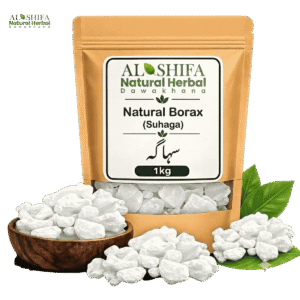
سہاگہ
Price range: ₨ 150 through ₨ 1,250
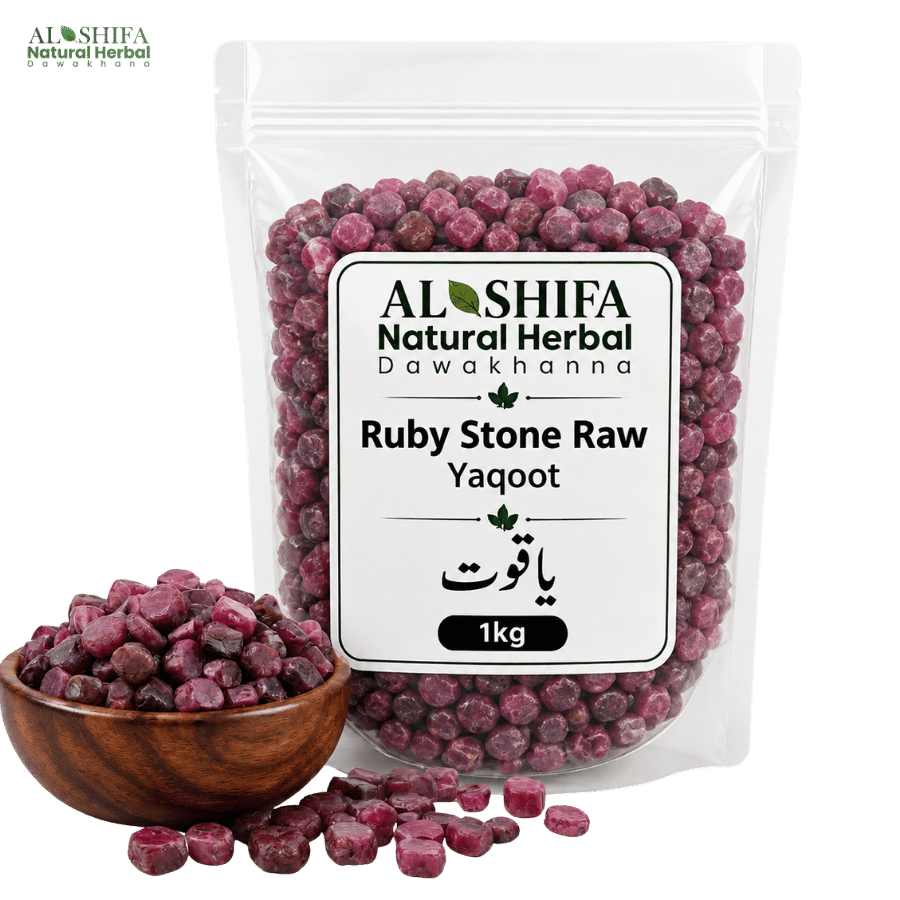
Ruby Stone is a precious red gemstone variety of the mineral corundum, composed principally of aluminium oxide (Al₂O₃). Also known as Yaqoot, its characteristic red to deep-red color is primarily associated with trace chromium, and it is traditionally valued for gemstone, ornamental and collection purposes.
Al Shifa Ruby Stone is carefully selected for characteristic mineral appearance, color, physical condition, cleanliness, quality and proper packaging.
Key Features:
Usage: Suitable for gemstone, ornamental, collection and appropriate traditional non-ingestible applications.
Ruby Stone / Yaqoot / یاقوت is a natural gemstone variety of the mineral corundum, scientifically identified as aluminium oxide (Al₂O₃). Ruby is distinguished by its characteristic red to deep-red coloration, which is primarily associated with trace amounts of chromium within the corundum crystal structure.
Ruby is one of the best-known precious gemstones and has been valued for centuries across South Asia, the Middle East and other regions for jewelry, ornamental use, gemstone collections and traditional cultural applications. Its appearance can vary considerably according to natural origin, trace-element composition, inclusions, crystal quality and any treatment applied to the stone.
Al Shifa Ruby Stone / Yaqoot is carefully selected with attention to characteristic mineral appearance, physical condition, cleanliness and overall material quality for traditional and gemstone-related use.
Ruby is the red gemstone variety of the mineral:
Corundum
with the principal chemical composition:
Aluminium Oxide — Al₂O₃
Corundum occurs naturally in several colors. The name Ruby is specifically applied to qualifying red corundum, while corundum of other gemstone colors is generally classified within the sapphire category.
Product Name: Ruby Stone / Yaqoot
English Name: Ruby / Ruby Stone
Urdu Name: یاقوت / یاقوت سرخ
Roman Name: Yaqoot / Yaqoot Surkh
Mineral Species: Corundum
Chemical Composition: Aluminium Oxide (Al₂O₃)
Mineral Class: Oxide Mineral
Characteristic Color: Red to Deep Red
Primary Color Contributor: Chromium in the Corundum Structure
Crystal System: Trigonal
Mohs Hardness: 9
Material Type: Natural Gemstone / Mineral Material
Primary Applications: Gemstone, Jewelry, Collection, Ornamental & Traditional Use
Ruby belongs to the mineral species corundum.
Chemically, corundum consists principally of aluminium oxide:
Al₂O₃
Pure corundum itself is essentially colorless. Different trace elements incorporated into its crystal structure can produce different colors.
In ruby, the characteristic red coloration is primarily associated with chromium.
The characteristic red color of ruby develops when small amounts of chromium occur within the corundum crystal structure.
Depending on composition and geological origin, ruby can show shades ranging from:
Color alone, however, is not sufficient to determine gemstone authenticity, natural origin or commercial grade.
Ruby and sapphire belong to the same mineral species: corundum.
The main gemstone distinction is based primarily on color.
Ruby: Red corundum.
Sapphire: Gem-quality corundum of other qualifying colors, including the well-known blue sapphire.
Therefore:
Ruby and Sapphire share the same basic mineral composition but represent different gemstone color varieties.
Ruby is notable for its exceptional hardness.
Mohs Hardness: 9
This makes corundum one of the hardest naturally occurring minerals, exceeded in conventional Mohs hardness by diamond.
Other properties can vary according to the specimen, inclusions and treatment.
Natural rubies may contain internal features or inclusions formed during crystal growth.
These can include various:
Inclusions do not automatically establish authenticity, quality or origin. Proper gemological examination is required.
Natural and synthetic rubies can have essentially the same fundamental mineral composition.
Natural Ruby: Formed through natural geological processes.
Synthetic Ruby: Manufactured under controlled laboratory conditions to produce crystalline corundum with ruby coloration.
Therefore:
Chemical composition alone cannot always establish natural origin.
Gemological testing may be required to distinguish natural from laboratory-grown material.
An imitation or simulant may resemble ruby visually but consist of a completely different material.
Ruby-like materials can include:
Therefore, red appearance alone does not prove that a stone is genuine ruby.
Commercial rubies may undergo treatments intended to improve their appearance.
Depending on the gemstone market, these may include:
A treated natural ruby is different from an untreated natural ruby, and both are different from a synthetic ruby.
Therefore:
Natural ≠ Automatically Untreated
Claims such as Natural Untreated Ruby should only be made when supported by reliable gemological identification or supplier documentation.
Red spinel can visually resemble ruby but is a different mineral.
Ruby: Corundum, Al₂O₃.
Spinel: A separate mineral species with a different chemical composition and crystal structure.
Historically, some famous red gemstones were called rubies before modern mineralogical identification became available.
Therefore:
Red Spinel ≠ Ruby
Red garnets may also resemble ruby in color.
However, garnet represents a different mineral group with different chemical and physical properties.
Therefore:
Red Garnet ≠ Ruby
Correct mineral identification is important when a stone is being sold specifically as Yaqoot or Ruby.
Yaqoot has a long history in traditional gemstone literature and cultural practices.
It has traditionally been associated with concepts such as:
Such historical or cultural associations should be distinguished from scientifically demonstrated medical effects.
Historical Unani, Ayurvedic and other traditional literature may describe gemstones or specially processed gemstone preparations for various purposes.
However:
Raw Ruby Stone ≠ Gemstone Medicine
and:
Ruby Stone ≠ Kushta Yaqoot or other specially processed traditional pharmaceutical preparation
A raw gemstone should not be ground or consumed simply because a processed gemstone preparation appears in traditional literature.
This distinction is especially important for herbal and traditional-medicine stores.
Ruby Stone / Yaqoot: Natural mineral/gemstone material.
Kushta Yaqoot: A separately manufactured traditional preparation whose composition and properties depend on its specific formulation and processing.
Therefore:
Raw Yaqoot ≠ Kushta Yaqoot
The two should not be sold or used interchangeably.
Although ruby’s principal mineral component is aluminium oxide, a natural gemstone is not the same thing as chemically pure laboratory-grade Al₂O₃.
Natural ruby may contain:
Therefore, the phrase “100% Pure Ruby” should not be interpreted as meaning 100% chemically pure aluminium oxide.
Ruby quality can be influenced by several factors, including:
A photograph or trade name alone cannot establish gemstone grade or monetary value.
For high-value Ruby Stone, professional gemological testing can help determine:
A recognized gemological laboratory report is more reliable than visual appearance alone for high-value commercial claims.
Raw Ruby Stone is not an ordinary food, dietary supplement or mineral supplement.
It should not be powdered or swallowed for self-treatment.
Traditional medicinal preparations involving gemstones require specialized manufacturing and should not be confused with raw gemstone material.
Ruby is extremely hard but can still be damaged, particularly where fractures or treatments are present.
For appropriate care:
Al Shifa Natural Herbal selects Ruby Stone / Yaqoot with attention to:
For Al Shifa Ruby Stone, Premium Quality refers to careful selection based on characteristic appearance, color, physical condition, cleanliness and overall material quality.
It does not automatically establish:
These claims require appropriate documentation or gemological testing.
Ruby Stone may be kept or used for gemstone, ornamental, collection or traditional non-ingestible applications according to the nature and grade of the material.
For jewelry use, professional cutting, setting or gemological evaluation may be appropriate.
Do not grind or consume raw Ruby Stone as a substitute for a professionally manufactured traditional medicinal preparation.
Ruby Stone / Yaqoot is a natural gemstone material, not a medicine or dietary mineral supplement.
Traditional beliefs surrounding Yaqoot should not be presented as scientifically proven treatment for heart, blood, neurological, sexual, psychological or other medical conditions.
Natural origin, treatment status, geographic origin and gemstone grade cannot be established from the product name alone and require appropriate gemological evidence.
Store Ruby Stone:
Al Shifa Natural Herbal offers Ruby Stone / Yaqoot / یاقوت, carefully selected for its characteristic red appearance, physical condition, cleanliness and overall material quality.
Customers searching for Ruby Stone in Pakistan, Yaqoot Stone, یاقوت, Yaqoot Surkh, Red Ruby Stone, Ruby Stone Lahore, Yaqoot price in Pakistan or buy Yaqoot online in Pakistan can choose Al Shifa for quality-focused selection, careful handling and proper packaging.
Product Name: Ruby Stone / Yaqoot
English Name: Ruby / Ruby Stone
Urdu Name: یاقوت / یاقوت سرخ
Roman Name: Yaqoot / Yaqoot Surkh
Mineral Species: Corundum
Chemical Composition: Aluminium Oxide (Al₂O₃)
Mineral Class: Oxide Mineral
Crystal System: Trigonal
Mohs Hardness: 9
Characteristic Color: Red to Deep Red
Primary Color Contributor: Chromium
Product Type: Natural Gemstone / Mineral Material
Primary Applications: Gemstone, Jewelry, Collection, Ornamental & Traditional Use
Important Note: The trade name Yaqoot or Ruby Stone alone does not prove natural origin, untreated status, geographic origin or gemstone grade. These require appropriate gemological testing or reliable documentation. Raw Ruby Stone is also different from Kushta Yaqoot and should not be consumed as a medicinal preparation.
یاقوت سرخ ایک قیمتی قدرتی پتھر ہے جسے پاکستانی اور یونانی حکمت میں خاص اہمیت حاصل ہے۔ حکیمی کتابوں میں اسے دل، دماغ، اعصاب اور جسمانی طاقت کے لیے بننے والی ادویات میں شامل کیا جاتا ہے۔ یاقوت کو کشتہ، خمیرہ اور دوسری مرکب حکیمی ادویات میں استعمال کیا جاتا ہے۔
یاقوت سرخ اپنی خوبصورت سرخ رنگت، قدرتی چمک اور حکیمی استعمال کی وجہ سے مشہور ہے۔
اردو نام: یاقوت، یاقوت سرخ، لال یاقوت
پنجابی نام: یاقوت، لال یاقوت
ہندی نام: مانک، مانکیہ، لال منی
فارسی نام: یاقوت سرخ
عربی نام: یاقوت احمر
انگریزی نام: روبی، روبی اسٹون
سائنسی نام: کورنڈم، ایلومینیم آکسائیڈ
خاندان: کورنڈم معدنی گروہ
یاقوت سرخ زمین کے اندر قدرتی طور پر بننے والا ایک قیمتی معدنی پتھر ہے۔ اس کی رنگت ہلکے سرخ سے گہرے سرخ تک ہوتی ہے۔ اس کی سرخ رنگت میں کرومیم نامی معدنی جز کا اہم کردار ہے۔
یاقوت کی سختی 9 درجے کی ہوتی ہے۔ اس کی خوبصورتی، مضبوطی اور قدرتی چمک اسے قیمتی پتھروں میں نمایاں مقام دیتی ہے۔
پاکستانی حکمت میں یاقوت کو خاص طور پر دل اور دماغ کے لیے بننے والی مرکب ادویات میں شامل کیا جاتا ہے۔
پاکستان اور برصغیر میں رائج حکمت کی کتب مفردات میں یاقوت سرخ مزاج سرد و خشک اور بعض اطباء کے نزدیک معتدل مانا جاتا ہے۔
پاکستانی حکمت اور یونانی طب میں یاقوت سرخ کے درج ذیل استعمالات بیان کیے جاتے ہیں۔
یاقوت کو دل کی کمزوری کے لیے بنائی جانے والی حکیمی ادویات میں شامل کیا جاتا ہے۔ حکمت میں اسے دل کی طاقت کے لیے اہم معدنی اجزا میں شمار کیا جاتا ہے۔
خفقان، دل کی گھبراہٹ اور دل کی دھڑکن کی شکایات کے لیے بننے والی حکیمی ادویات میں یاقوت استعمال ہوتا ہے۔
یاقوت کو دماغ کی طاقت کے لیے تیار ہونے والی حکیمی ادویات میں شامل کیا جاتا ہے۔ دماغی کمزوری اور ذہنی تھکن کے نسخوں میں بھی اس کا استعمال بیان کیا جاتا ہے۔
اعصاب کی کمزوری اور جسمانی تھکن کے لیے بننے والی مرکب حکیمی ادویات میں یاقوت کو شامل کیا جاتا ہے۔
حکمت میں یاقوت کو جسمانی کمزوری اور تھکاوٹ کے لیے بننے والے خاص نسخوں میں استعمال کیا جاتا ہے۔
دل کی گھبراہٹ، پریشانی، بے چینی اور اداسی کے لیے بننے والی حکیمی ادویات میں یاقوت کا استعمال بیان کیا جاتا ہے۔
حکمت میں یاقوت کو جسم کی طاقت اور توانائی کے لیے بننے والی مرکب ادویات کا حصہ سمجھا جاتا ہے۔
کشتہ یاقوت یاقوت سرخ سے تیار ہونے والی ایک معدنی حکیمی دوا ہے۔ پاکستانی اور یونانی حکمت میں اسے دل اور دماغ کے لیے بننے والی خاص ادویات میں شمار کیا جاتا ہے۔
حکیمی کتابوں میں کشتہ یاقوت کے درج ذیل استعمالات بیان کیے جاتے ہیں۔
دل کی کمزوری: دل کی طاقت کے لیے بننے والی حکیمی ادویات میں استعمال۔
خفقان: دل کی گھبراہٹ اور دھڑکن کی شکایات کے حکیمی نسخوں میں استعمال۔
دماغی کمزوری: دماغی طاقت کے لیے بننے والی ادویات میں استعمال۔
اعصابی کمزوری: اعصاب کی طاقت کے لیے بننے والے نسخوں میں استعمال۔
جسمانی تھکن: جسمانی طاقت کے لیے بننے والی مرکب ادویات میں استعمال۔
دل اور دماغ کی طاقت: دل اور دماغ کے لیے بننے والی خاص حکیمی ادویات میں استعمال۔
کشتہ یاقوت ایک معدنی حکیمی دوا ہے جسے دل کی طاقت اور خفقان کے حکیمی نسخوں میں استعمال کیا جاتا ہے۔
خمیرہ یاقوت ایک مرکب حکیمی دوا ہے۔ حکمت میں اسے دل کی گھبراہٹ، دل کی کمزوری اور جسمانی طاقت کے لیے استعمال کیا جاتا ہے۔
مفرح یاقوتی معتدل حکمت کی مشہور مرکب ادویات میں شمار ہوتی ہے۔ اسے دل، دماغ اور جسمانی طاقت کے لیے استعمال کیا جاتا ہے۔
جواہر مہرہ قیمتی پتھروں سے بننے والی حکیمی دوا ہے۔ اس کے مختلف نسخوں میں یاقوت بھی شامل ہوتا ہے۔ حکمت میں اسے دل اور دماغ کی طاقت کے لیے استعمال کیا جاتا ہے۔
یاقوتی سادہ کو حکمت میں جسمانی طاقت اور دل کے لیے بننے والی ادویات میں شمار کیا جاتا ہے۔
یاقوت سرخ اور اس سے بننے والی ادویات کی معلومات کے لیے درج ذیل حکیمی کتابیں اہم ہیں۔
بیاض کبیر: خمیرہ جات اور مرکب حکیمی ادویات۔
مخزن المرکبات: خمیرہ اور دوسری مرکب ادویات۔
قرابادین: حکیمی ادویات کے اجزا اور نسخے۔
ہمدرد کی طبی کتابیں: مفرح اور خمیرہ جات۔
علم الادویہ: معدنی ادویات اور ان کی پہچان۔
الشفاء نیچرل ہربل دواخانہ میں یاقوت سرخ کے انتخاب کے لیے درج ذیل خصوصیات کو اہمیت دی جاتی ہے۔
درست پہچان: اصلی یاقوت سرخ اور کورنڈم معدنی پتھر کی درست پہچان کو اہمیت دی جاتی ہے۔
قدرتی رنگت: یاقوت کی خوبصورت سرخ رنگت اور قدرتی ظاہری حالت کو اہمیت دی جاتی ہے۔
قدرتی چمک: پتھر کی اصل چمک اور خوبصورتی کو دیکھا جاتا ہے۔
صاف حالت: گرد، مٹی اور غیر ضروری گندگی سے پاک پتھر کو اہمیت دی جاتی ہے۔
اچھی قسم: پتھر کی رنگت، چمک، صفائی اور مجموعی حالت کو اہمیت دی جاتی ہے۔
غیر ضروری ملاوٹ سے پاک: مصنوعی رنگ، شیشے کی ملاوٹ اور غیر واضح پتھروں سے پاک ہونے کو اہمیت دی جاتی ہے۔
الشفاء نیچرل ہربل دواخانہ سنہ 1999 سے قدرتی جڑی بوٹیوں اور حکیمی اشیا کی سپلائی کر رہا ہے۔
ہم یاقوت سرخ میں درست پہچان، قدرتی رنگت، خوبصورت چمک، صاف حالت اور اچھی قسم کو اہمیت دیتے ہیں۔
اچھے یاقوت سرخ کی پہچان اس کی رنگت، چمک، سختی، صاف حالت اور مستند معدنی جانچ سے ہوتی ہے۔
یاقوت سرخ کو صاف، خشک اور محفوظ جگہ پر کسی جار میں اچھی طرح پیک کر کے رکھیں۔
تیز دھوپ اور زیادہ گرمی سے دور رکھیں۔
دوسرے سخت پتھروں سے الگ رکھیں۔
گرد اور مٹی سے محفوظ رکھیں۔
صاف کرنے کے لیے نرم کپڑا استعمال کریں۔
استعمال کے بعد جار کا ڈھکن اچھی طرح بند کریں۔
بچوں کی پہنچ سے دور رکھیں۔
یاقوت سرخ ایک معدنی پتھر ہے۔ کشتہ یاقوت اور یاقوت سے بننے والی حکیمی ادویات کی خوراک مستند معالج سے پوچھ کر استعمال کریں۔
کشتہ جات کی تیاری میں معدنی پتھر کی درست پہچان، صفائی اور معیار کی پہچان اہم ہے۔