مراکشی نیلی مٹی
Price range: ₨ 2,500 through ₨ 12,500
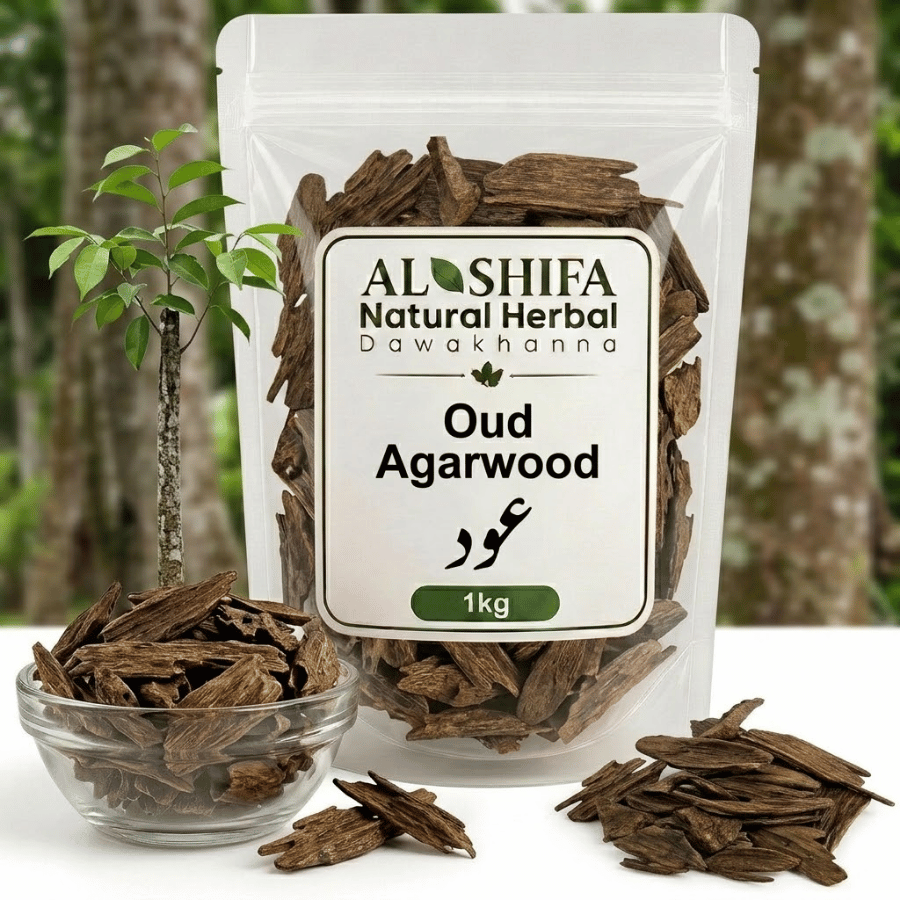
Oud, commonly known as Agarwood, Aloeswood or Oudh, is a highly valued natural aromatic material formed in the resin-rich heartwood of Aquilaria species. It has been traditionally valued for its deep woody fragrance and used in perfumery, attars, incense, cultural fragrance practices and aromatic preparations.
Al Shifa Oud is carefully selected with attention to its natural aromatic character, recognizable resinous wood appearance, cleanliness, proper dryness and responsible storage.
Key Features:
Important Note: Genuine Agarwood is resin-rich aromatic wood and should not automatically be confused with ordinary Aquilaria wood, synthetic Oud fragrance or perfume blends. Several Agarwood-producing species are subject to conservation and trade controls, making responsible and lawful sourcing important.
Oud, commonly known as Agarwood, Aloeswood or Oudh, is a highly valued aromatic natural wood material traditionally obtained from resin-rich heartwood of trees belonging mainly to the genus Aquilaria. In Urdu and traditional aromatic trade, it is known as عود.
Agarwood is unusual because healthy Aquilaria wood is generally pale and relatively low in aromatic resin. The characteristic dark, fragrant Oud develops when the tree produces resin within its wood in response to natural injury, microbial interaction or other forms of stress. Over time, resin accumulation can transform portions of the wood into the dense, richly aromatic material valued as Agarwood.
Oud has a long history in traditional perfumery, incense, attars, religious and cultural fragrance practices, aromatic preparations and selected traditional herbal systems.
Its fragrance can be deep, woody, warm, sweet, smoky, earthy, balsamic or leathery, depending on botanical species, geographic origin, resin concentration, age and processing.
At Al Shifa Natural Herbal Dawakhana, Oud is selected with attention to its recognizable aromatic character, natural appearance, cleanliness, dryness and responsible storage.
Oud is resin-rich aromatic wood formed in certain trees, particularly species belonging to the genus Aquilaria.
The valuable material is not simply ordinary wood from an Aquilaria tree.
True Agarwood develops when resin accumulates within portions of the wood, producing changes in:
Depending on grade and processing, Oud may be supplied as:
Product Name: Oud
English Name: Agarwood / Aloeswood / Oudh
Urdu Name: عود
Roman Name: Oud / Oudh / Agarwood
Botanical Association: Aquilaria spp.
Commonly Associated Species: Aquilaria malaccensis and related Aquilaria species
Plant Family: Thymelaeaceae
Plant Part: Resin-Rich Heartwood
Common Form: Aromatic Wood Chips / Pieces / Powder
Product Type: Traditional Aromatic Natural Wood Material
Aquilaria is a genus of trees naturally associated with tropical regions of South and Southeast Asia.
Different Aquilaria species have historically been sources of Agarwood.
The tree itself does not automatically consist of valuable Oud.
Much of the normal wood may be relatively pale and lightly scented. The highly valued aromatic material develops only where sufficient resin has accumulated within the wood.
This makes resin formation central to the identity and quality of Agarwood.
Agarwood develops through a complex natural biological process.
When certain Aquilaria trees experience injury or other biological stress, the tree may respond by producing aromatic resin within affected wood.
Over time, the resin can:
The amount and character of resin can vary greatly between individual pieces.
For this reason, two genuine pieces of Agarwood may look and smell noticeably different.
This distinction is extremely important.
Ordinary Aquilaria Wood:
May be pale, lightweight and contain little aromatic resin.
Agarwood / Oud:
Contains accumulated aromatic resin and generally has a stronger, richer and more complex fragrance.
Therefore, wood coming from an Aquilaria tree should not automatically be described as high-quality Agarwood.
The value of Oud depends substantially on the resinous portion of the wood.
Agarwood does not have one perfectly uniform appearance.
Depending on resin concentration and origin, pieces may show:
Natural variation is expected.
A uniformly black appearance alone does not prove that a piece is high-grade or genuine Oud.
One of the most distinctive features of Oud is its complex aroma.
Depending on origin and quality, the fragrance may contain impressions described as:
The aroma can change considerably when the wood is gently heated or burned.
No single fragrance profile represents every type of genuine Agarwood.
Quality evaluation of Oud can be complex because natural material varies greatly.
General features may include:
Aroma, darkness or weight alone should not be treated as absolute proof of authenticity.
Oud has been valued for centuries across different cultures.
Its traditional uses include:
Its greatest historical importance is closely connected with its exceptional fragrance.
Oud is one of the most valued aromatic materials in traditional perfumery.
It may be used in:
Its deep woody character can serve as an important base note in perfume formulations.
Oud may be combined with aromatic materials such as:
The final fragrance depends on the complete formulation.
This distinction is important when buying Agarwood products.
Oud Wood:
The natural resin-rich aromatic wood itself.
Oud Oil:
A concentrated aromatic oil traditionally obtained from Agarwood through specialized extraction or distillation.
Oud Attar:
A perfume preparation that may contain natural Oud oil, other aromatic oils or a blended fragrance composition.
Oud Fragrance Oil:
May be synthetic, nature-identical or blended and does not automatically contain genuine Agarwood oil.
A product labelled “Oud fragrance” should therefore not automatically be assumed to contain natural distilled Oud oil.
Different forms of Agarwood serve different purposes.
Wood Chips:
Often used for traditional incense and aromatic burning.
Wood Pieces:
May be kept as aromatic material or used in specialized traditional applications.
Powder:
May be incorporated into incense mixtures or other aromatic preparations.
Oud Oil:
A concentrated aromatic product obtained through specialized processing.
Research, value and quality standards for one form should not automatically be applied to another.
Agarwood chips have a long history of use as incense.
When appropriately heated, resin-rich wood releases a distinctive aromatic smoke.
Traditional incense use may be associated with:
The quality of aroma depends heavily on the resin content and origin of the wood.
Burning any natural aromatic material produces smoke and airborne particles.
Agarwood incense should therefore be used in a well-ventilated area.
Heavy or prolonged smoke exposure may irritate:
People with asthma, respiratory sensitivity or smoke intolerance should use particular caution.
Natural incense smoke should not be assumed harmless simply because the material is botanical.
Oud holds significant cultural importance in many parts of:
It has traditionally been used to scent:
These uses contribute greatly to Oud’s historical and commercial value.
Agarwood has also appeared in selected traditional medical systems.
Different traditions have historically included Agarwood in compound preparations associated with general wellness and aromatic use.
However, traditional medicinal use should not be interpreted as proof that Oud treats a specific disease.
Modern products sold primarily for fragrance or incense should not automatically be assumed suitable for internal consumption.
Resin-rich Agarwood contains a complex mixture of naturally occurring aromatic compounds.
Research has identified groups including:
The exact composition varies substantially according to:
This chemical complexity contributes to the wide variety of Oud fragrance profiles.
The word “Oud” is widely used in modern perfumery.
However, many commercial Oud fragrances are not made entirely from natural Agarwood.
Products may contain:
Synthetic Oud fragrance can be useful in perfumery, but it should not be represented as genuine natural Agarwood when it is not.
Authenticating high-value Agarwood can be challenging.
Colour alone is insufficient.
Likewise:
do not individually prove authenticity or grade.
Evaluation may require a combination of:
Very resin-rich Agarwood can become dense, and some high-resin pieces may sink in water.
However, the simple idea that all genuine Oud must sink is incorrect.
Many genuine pieces contain less resin and may float.
Similarly, sinking alone does not prove that wood is genuine, natural or high grade.
It should not be used as the only authenticity test.
Agarwood may originate from:
Cultivated Agarwood can also produce genuine resin-rich material.
“Wild” should therefore not automatically be treated as the only sign of authenticity.
Responsible cultivated sources can play an important role in reducing pressure on natural populations.
Agarwood-producing trees have faced significant pressure from historical overharvesting and international demand.
Several Aquilaria species are internationally trade-regulated, and sourcing requirements can vary according to species, origin and jurisdiction.
For this reason, responsible Agarwood trade should consider:
Al Shifa does not support illegal harvesting or unlawful trade in protected plant materials.
There is no single universal appearance or fragrance that defines every commercial grade of Oud.
Quality and value may be influenced by:
Terms such as “premium,” “super,” “royal” or “AAA” may be commercial grade names rather than universal scientific standards.
Whole wood pieces retain more visible structural characteristics than finely powdered material.
Once Agarwood is powdered, it becomes more difficult to evaluate:
For this reason, reliable sourcing becomes particularly important for powdered Oud.
Oud-based perfumes and attars are widely used externally.
However, the safety of a finished perfume depends on the entire formulation rather than Oud alone.
Fragrance preparations may contain:
People with sensitive skin should consider testing unfamiliar fragrance preparations on a small area first.
Some people may experience sensitivity to perfumes or aromatic smoke.
Possible symptoms can include:
Stop exposure if significant irritation develops.
People with asthma or known fragrance sensitivity should use particular caution around concentrated perfumes and incense smoke.
Agarwood sold for incense, perfume or technical aromatic use should not automatically be consumed internally.
Internal traditional use requires:
Fragrance oils, synthetic Oud oils and incense products are not intended for ingestion unless specifically manufactured and appropriately identified for such use.
Pregnant or breastfeeding women should avoid medicinal internal use of unidentified or concentrated Oud preparations without professional guidance.
Fragrance use may also need to be reduced if strong aromas trigger nausea, headache or respiratory discomfort.
Traditional use does not establish medicinal safety during pregnancy or breastfeeding.
Oud chips, incense, concentrated fragrance oils and powders should be kept safely away from young children.
Children should not be exposed unnecessarily to concentrated incense smoke.
Internal medicinal use should not be undertaken without appropriate professional guidance.
At Al Shifa Natural Herbal Dawakhana, Oud is selected with attention to:
Recognizable Identity – Material consistent with traditional aromatic Agarwood.
Natural Appearance – Characteristic wood structure and resinous variation.
Aromatic Character – Natural woody and resinous fragrance.
Proper Dryness – Appropriately dry for responsible storage.
Cleanliness – Selected to reduce unnecessary dust and foreign material.
Responsible Storage – Protected from moisture, contamination and strong external odours.
Al Shifa Natural Herbal Dawakhana, established in 1999, supplies carefully selected traditional herbs and natural aromatic materials throughout Pakistan.
Our focus includes:
Oud has traditionally been used in several aromatic forms.
Depending on product grade and intended purpose, it may be used as:
When burning Oud, use only a small suitable piece with appropriate incense equipment and adequate ventilation.
Avoid excessive smoke exposure.
Do not ingest Oud sold for incense, perfume or aromatic use.
Oud / Agarwood is resin-rich aromatic wood, primarily associated with Aquilaria species.
Ordinary Aquilaria wood and resin-rich Agarwood are not automatically the same in quality or value.
Similarly:
are different products.
Several Agarwood-producing species are subject to conservation and international trade controls. Product origin and responsible sourcing are therefore particularly important.
Traditional aromatic or medicinal use should not be interpreted as proof that Oud treats specific diseases.
Store Oud in a cool, dry and clean place in a tightly closed container.
For better preservation:
Do not use material showing visible mould, excessive moisture or an unusual contaminated smell.
Oud, commonly known as Agarwood, Aloeswood or Oudh, is a premium aromatic natural material formed when resin accumulates within the wood of certain Aquilaria species. It has been valued for centuries in traditional perfumery, attars, incense, cultural fragrance practices and aromatic preparations.
True Agarwood is distinguished from ordinary Aquilaria wood by its resinous aromatic character. Natural colour, density and fragrance can vary considerably according to species, origin, resin concentration and processing.
Customers searching for Oud Pakistan, Agarwood Pakistan, Oudh Pakistan, Agar Wood Pakistan, Aquilaria Agarwood Pakistan, pure Oud, original Oud, natural Agarwood, Oud wood chips, Agarwood chips, Oud for incense, Oud for attar, Oud for perfume, Oud Lahore, Oud price in Pakistan, Agarwood price in Pakistan, original Oud price in Pakistan, buy Oud Pakistan, buy Agarwood Pakistan or Oud online Pakistan can choose Al Shifa Natural Herbal Dawakhana for carefully selected traditional aromatic material.
Since 1999, Al Shifa Natural Herbal Dawakhana has focused on supplying traditional herbs and natural raw materials with attention to identity, cleanliness, natural quality, responsible storage and clear product information.
Product Name: Oud
English Name: Agarwood / Aloeswood / Oudh
Urdu Name: عود
Roman Name: Oud / Oudh / Agarwood
Botanical Association: Aquilaria spp.
Commonly Associated Species: Aquilaria malaccensis and related Aquilaria species
Plant Family: Thymelaeaceae
Plant Part: Resin-Rich Heartwood
Common Form: Aromatic Wood Chips / Pieces / Powder
Product Type: Traditional Aromatic Natural Wood Material
Traditional Use: Perfumery, attars, incense, cultural fragrance practices and selected traditional aromatic preparations
Important Note: Genuine Agarwood is resin-rich aromatic wood and should not automatically be confused with ordinary Aquilaria wood, synthetic Oud fragrance or perfume blends. Several Agarwood-producing species are subject to conservation and trade controls, making responsible and lawful sourcing particularly important.
عود ایک قیمتی، خوشبودار اور رال سے بھرپور نباتاتی لکڑی ہے جسے صدیوں سے طبِ یونانی، خوشبو سازی، بخور اور مختلف روایتی استعمالات میں اہم مقام حاصل رہا ہے۔ عود مخصوص درختوں کی عام لکڑی نہیں بلکہ ان کے تنے یا شاخوں کے اندر قدرتی دباؤ، چوٹ یا دوسرے عوامل کے نتیجے میں بننے والی گہری، خوشبودار اور رال دار لکڑی ہے۔
عود پیدا کرنے والے درختوں کی مختلف اقسام پائی جاتی ہیں۔ ان میں ایک معروف نباتاتی نوع اکویلاریہ ملاکینسس ہے، جس کا تعلق تھائم میلیسی خاندان سے ہے۔ تاہم عود صرف اسی ایک نوع سے حاصل نہیں ہوتا بلکہ اکویلاریہ کی متعدد اقسام عود پیدا کر سکتی ہیں۔
اصل عود کی خاص پہچان اس کی خوشبودار رال، گہری رنگت، مخصوص قدرتی مہک اور عام لکڑی کی نسبت مختلف رال دار ساخت ہے۔ عود کی خوشبو، رنگت، وزن اور رال کی مقدار اس کی نباتاتی نوع، علاقے، درخت کی عمر، رال بننے کے عمل اور معیار کے مطابق بہت مختلف ہو سکتی ہے۔
طبِ یونانی اور دوسرے روایتی طبی طریقوں میں عود کا ذکر خصوصاً معدہ اور ہاضمے، متلی، خوشبو دار مرکبات، بعض قلبی و دماغی مقوی تیاریوں اور دوسرے مرکب دیسی طبی نسخوں میں ملتا ہے۔ مختلف روایتی طبی نظاموں میں اس کے استعمال میں فرق پایا جاتا ہے۔
الشفاء نیچرل ہربل دواخانہ میں عود منتخب کرتے وقت اس کی درست پہچان، قدرتی خوشبو، رال دار ساخت، قدرتی رنگت، صفائی، مناسب خشک حالت اور محفوظ ذخیرہ کو اہمیت دی جاتی ہے۔
عود مخصوص خوشبودار درختوں کے اندر بننے والی رال سے بھرپور لکڑی ہے۔
صحت مند درخت کی عام ہلکی لکڑی خود بخود اعلیٰ معیار کا عود نہیں ہوتی۔ جب درخت کے بعض حصوں میں قدرتی یا پیدا کردہ چوٹ اور دوسرے حیاتیاتی عوامل کے جواب میں رال دار مادے جمع ہونے لگتے ہیں تو لکڑی آہستہ آہستہ گہری، بھاری اور خوشبودار ہو سکتی ہے۔
یہ عمل وقت کے ساتھ رال سے بھرپور مخصوص لکڑی پیدا کرتا ہے جسے عود کہا جاتا ہے۔
اصل عود کی عام ظاہری خصوصیات میں شامل ہو سکتی ہیں:
عود کی رنگت، وزن، مہک اور رال کی مقدار ہر ٹکڑے میں یکساں ہونا ضروری نہیں۔
یہ فرق درخت کی نوع، علاقے، رال بننے کے طریقے، لکڑی کے حصے، درخت کی عمر اور معیار کے مطابق ہو سکتا ہے۔
نام: عود
دوسرے معروف نام: عودِ ہندی، اگر، اگرو
نباتاتی جنس: اکویلاریہ
ایک معروف نباتاتی نوع: اکویلاریہ ملاکینسس
خاندان: تھائم میلیسی
استعمال ہونے والا حصہ: خوشبودار رال سے بھرپور لکڑی
قسم: خوشبودار نباتاتی مفرد
عام شکل: سخت، خشک اور رال دار لکڑی کے ٹکڑے یا باریک تراشے
عام رنگت: بھوری سے گہری بھوری یا سیاہی مائل
ذائقہ: مخصوص، قدرے تلخ یا تیز
بو: گہری، مخصوص اور دیرپا خوشبودار مہک
عود کی درست شناخت میں یہ بات خاص طور پر اہم ہے کہ مختلف اکویلاریہ اقسام سے عود حاصل ہو سکتا ہے۔ اس لیے بازار میں موجود ہر عود کو صرف اکویلاریہ ملاکینسس قرار دینا درست نہیں۔
قدیم حکیمی کتب میں عود کا مزاج عموماً گرم و خشک بیان کیا جاتا ہے۔
اس کے درجے اور مختلف اقسام کے بارے میں حکیمی حوالوں میں اختلاف مل سکتا ہے۔
عودِ ہندی، عود کی دوسری اقسام اور مختلف معیار کی رال دار لکڑی کی قوت ایک جیسی ہونا ضروری نہیں۔
اسی لیے طبی استعمال میں عود کی قسم، مقدار، مریض کا مزاج اور نسخے میں شامل دوسری ادویات کو مدنظر رکھنا ضروری ہے۔
اچھی عود میں درج ذیل خصوصیات دیکھی جا سکتی ہیں:
صرف گہری رنگت، زیادہ وزن یا تیز خوشبو کی بنیاد پر عود کے معیار کا حتمی فیصلہ نہیں کیا جا سکتا۔
مصنوعی خوشبو، رنگ، روغن یا دوسری چیزوں سے عام لکڑی کو عود جیسا ظاہر کیا جا سکتا ہے، اس لیے قابلِ اعتماد ماخذ اہم ہے۔
طبِ یونانی اور روایتی حکیمی معلومات میں عود کے لیے مختلف افعال بیان کیے گئے ہیں۔
مقوی معدہ: معدے کی کمزوری سے متعلق بعض مرکب ادویات میں شامل کیا جاتا رہا ہے۔
ہاضم: ہاضمے سے متعلق بعض حکیمی مرکبات کا حصہ بنایا جاتا رہا ہے۔
خوشبودار مفرد: مختلف خوشبودار طبی مرکبات اور بخورات میں استعمال کیا جاتا ہے۔
مقوی قلب: بعض قدیم حکیمی مرکبات میں قلب کو تقویت دینے والی دوسری ادویات کے ساتھ شامل کیا جاتا رہا ہے۔
مقوی دماغ: بعض روایتی خوشبودار اور مقوی مرکبات میں اس کا ذکر ملتا ہے۔
یہ افعال طبِ یونانی اور روایتی طبی معلومات پر مبنی ہیں۔ انہیں کسی بیماری کا یقینی یا جدید انسانی طبی تحقیق سے مکمل طور پر ثابت شدہ علاج نہیں سمجھنا چاہیے۔
عود کو بعض قدیم حکیمی نسخوں میں معدے اور ہاضمے سے متعلق دوسری مناسب ادویات کے ساتھ شامل کیا جاتا رہا ہے۔
روایتی طور پر اس کا ذکر بعض:
سے متعلق مرکبات میں ملتا ہے۔
دوسرے روایتی طبی نظاموں میں بھی عود کو معدے کی بعض تکالیف اور متلی سے متعلق استعمال کیا جاتا رہا ہے۔
شدید یا مسلسل پیٹ درد، مسلسل قے، پاخانے میں خون، نگلنے میں دشواری یا غیر معمولی وزن کم ہونے کی صورت میں خود سے عود یا کوئی دوسرا حکیمی نسخہ استعمال نہ کریں۔
عود کا ذکر بعض روایتی طبی طریقوں میں متلی اور قے سے متعلق مرکبات میں ملتا ہے۔
اسے عموماً تنہا دوا کے طور پر استعمال کرنے کے بجائے دوسری مناسب ادویاتی اشیاء کے ساتھ شامل کیا جاتا رہا ہے۔
قے کی وجہ معدے کی خرابی، جراثیمی بیماری، حمل، ادویات، جگر یا پتہ کی بیماری اور دوسری طبی حالتیں ہو سکتی ہیں۔
مسلسل قے، خون والی قے، شدید کمزوری یا جسم میں پانی کی کمی کی صورت میں فوری طبی معائنہ ضروری ہے۔
طبِ یونانی میں عود کو بعض خوشبودار مقوی قلب مرکبات میں دوسری مناسب ادویات کے ساتھ شامل کیا جاتا رہا ہے۔
یہ استعمال قدیم حکیمی نظریات اور روایتی تجربات پر مبنی ہے۔
سینے میں درد، سانس پھولنا، دل کی دھڑکن میں شدید بے ترتیبی، بے ہوشی یا بازو اور جبڑے تک پھیلنے والے درد کی صورت میں عود یا کسی روایتی نسخے پر انحصار نہ کریں۔
ایسی علامات میں فوری طبی مدد حاصل کریں۔
عود کی مخصوص خوشبو کی وجہ سے اسے مختلف روایتی طبی نظاموں میں سکون، خوشبودار ماحول اور بعض دماغی و اعصابی مرکبات میں استعمال کیا جاتا رہا ہے۔
جدید تجرباتی تحقیقات میں عود کے بعض اجزاء اور عرقوں پر اعصابی نظام اور سکون سے متعلق اثرات کا مطالعہ کیا گیا ہے، لیکن ان نتائج کا بڑا حصہ تجربہ گاہ یا جانوروں کی تحقیق سے متعلق ہے۔
اس لیے عود کو بے خوابی، بے چینی یا کسی ذہنی و اعصابی بیماری کا ثابت شدہ علاج نہیں سمجھنا چاہیے۔
بعض روایتی طبی طریقوں میں عود کا ذکر کھانسی اور سانس سے متعلق مرکبات میں بھی ملتا ہے۔
لیکن عود کا دھواں طبی علاج کا متبادل نہیں ہے۔
دمہ، سانس کی الرجی یا دھوئیں سے حساس افراد میں بخور یا عود کا دھواں علامات بڑھا سکتا ہے۔
سانس لینے میں شدید دشواری، سینے میں جکڑن یا ہونٹ نیلے پڑنے کی صورت میں فوری طبی مدد حاصل کریں۔
عود دنیا کی مشہور قدرتی خوشبودار لکڑیوں میں شمار ہوتا ہے۔
اسے صدیوں سے:
میں استعمال کیا جاتا رہا ہے۔
عود کو گرم کرنے یا جلانے سے اس کی رال میں موجود خوشبودار اجزاء خارج ہوتے ہیں اور مخصوص گہری مہک پیدا ہوتی ہے۔
بخور استعمال کرتے وقت کمرے میں مناسب ہوا کا گزر ہونا چاہیے، خصوصاً اگر کسی شخص کو دمہ یا دھوئیں سے حساسیت ہو۔
عود کی سب سے اہم قدرتی خاصیت اس کی رال سے بھرپور خوشبودار لکڑی ہے۔
عام صحت مند لکڑی نسبتاً ہلکی اور کم خوشبودار ہو سکتی ہے۔ درخت میں رال جمع ہونے کے ساتھ لکڑی کے بعض حصے گہرے اور زیادہ خوشبودار ہو جاتے ہیں۔
عود بننے کے عمل اور درخت کی نوع کے مطابق اس کی خوشبو اور کیمیائی ساخت میں نمایاں فرق ہو سکتا ہے۔
اسی وجہ سے مختلف علاقوں اور مختلف درختوں سے حاصل ہونے والے عود کی مہک، رنگت، وزن اور معیار ایک جیسے نہیں ہوتے۔
عود کی رال دار لکڑی میں سینکڑوں قدرتی نباتاتی مرکبات کی شناخت کی جا چکی ہے۔
ان میں خصوصاً:
شامل ہو سکتے ہیں۔
عود کی خوشبو اور اس کی قدرتی خصوصیات میں خصوصاً سسکوئی ٹرپینز اور کرومون سے متعلق مرکبات اہم سمجھے جاتے ہیں۔
ان اجزاء کی مقدار اور تناسب پر:
اثر انداز ہو سکتے ہیں۔
کسی قدرتی جز کی موجودگی کا مطلب یہ نہیں کہ عود کسی مخصوص بیماری کا یقینی علاج ہے۔
عود کی لکڑی:
یہ درخت کے اندر بننے والی خوشبودار رال سے بھرپور لکڑی ہے۔
عود کا تیل:
یہ عود کی رال دار لکڑی سے مختلف طریقوں سے حاصل کیا جانے والا مرتکز خوشبودار روغن ہے۔
دونوں ایک ہی شکل کی چیز نہیں ہیں۔
تیل میں خوشبودار اجزاء زیادہ مرتکز ہو سکتے ہیں، اس لیے عود کی لکڑی کے طبی یا حفاظتی اصولوں کو خود سے عود کے تیل پر لاگو نہیں کرنا چاہیے۔
اسی طرح خوشبو کے لیے تیار کردہ ہر عود کا تیل اندرونی طبی استعمال کے لیے مناسب نہیں ہوتا۔
ہر خوشبودار لکڑی عود نہیں ہوتی۔
اصل عود مخصوص درختوں کے اندر رال جمع ہونے کے نتیجے میں بنتا ہے۔
عام خوشبودار لکڑی:
اس لیے صرف خوشبو یا رنگت دیکھ کر کسی لکڑی کو اصل عود قرار نہیں دینا چاہیے۔
عود کی قیمت اور معیار میں بہت زیادہ فرق ہونے کی وجہ سے درست شناخت خاص اہمیت رکھتی ہے۔
عود خریدتے وقت درج ذیل باتوں کو اہمیت دینی چاہیے:
عود مختلف اکویلاریہ اقسام سے حاصل ہو سکتا ہے، اس لیے ہر نمونے کو صرف ایک نباتاتی نوع سے منسوب کرنا درست نہیں۔
خواتین عود کو ماہواری کی خرابی، بانجھ پن، رحم کی بیماری یا کسی دوسری اندرونی بیماری کے علاج کے لیے خود سے استعمال نہ کریں۔
روایتی طبی نسخوں میں عود کا استعمال دوسرے مفردات کے ساتھ مختلف مقاصد کے لیے ہو سکتا ہے، لیکن کسی مخصوص خواتین کی بیماری کے علاج کے لیے اس کی جدید انسانی طبی تحقیق محدود ہے۔
حمل کے دوران عود کا اندرونی طبی استعمال خود سے نہ کریں۔
حاملہ خواتین میں طبی مقدار میں عود کی حفاظت کے متعلق کافی قابلِ اعتماد انسانی معلومات موجود نہیں ہیں۔
دودھ پلانے والی خواتین بھی عود یا اس کے مرتکز روغن کا اندرونی طبی استعمال مستند معالج کی رہنمائی کے بغیر شروع نہ کریں۔
خوشبو یا بخور استعمال کرتے وقت بھی اگر متلی، سر درد یا سانس کی حساسیت محسوس ہو تو استعمال بند کریں۔
شیر خوار اور چھوٹے بچوں کو عود خود سے اندرونی دوا کے طور پر نہ دیں۔
بچوں کے قریب بہت زیادہ دھواں یا بخور بھی استعمال نہ کریں، خصوصاً اگر بچے کو دمہ، کھانسی یا سانس کی حساسیت ہو۔
بچوں میں طبی استعمال صرف مستند معالج کی رہنمائی میں ہونا چاہیے۔
جگر یا گردوں کی بیماری رکھنے والے افراد عود کے مرتکز عرق یا روغن کا اندرونی طبی استعمال خود سے نہ کریں۔
عود کی مختلف اقسام، عرقوں اور روغنوں کی کیمیائی ساخت میں فرق ہو سکتا ہے اور ان کے طویل مدتی انسانی حفاظتی اثرات مکمل طور پر واضح نہیں ہیں۔
عود اور مختلف جدید ادویات کے درمیان ممکنہ باہمی اثرات کے متعلق مکمل انسانی معلومات محدود ہیں۔
اگر کوئی شخص:
استعمال کر رہا ہو تو عود کے اندرونی طبی استعمال سے پہلے مستند معالج سے مشورہ کرے۔
عود کی لکڑی، سفوف، عرق، روغن اور بخور کی قوت ایک جیسی نہیں ہوتی۔
زیادہ یا ناموافق استعمال سے بعض افراد میں:
پیدا ہو سکتی ہیں۔
ایسی صورت میں استعمال بند کریں اور ضرورت کے مطابق مستند معالج سے رابطہ کریں۔
عود کے مصلح اور بدل کا انتخاب اس کی قسم، استعمال کے مقصد، مریض کے مزاج اور نسخے میں شامل دوسری ادویات کے مطابق کیا جاتا ہے۔
قدیم حکیمی کتب میں مختلف اقسام کے عود اور ان کے استعمال کی وجہ سے مصلح اور بدل کے بارے میں بھی اختلاف مل سکتا ہے۔
اسی لیے کسی ایک مفرد کو ہر حالت میں عود کا مصلح یا بدل قرار نہیں دینا چاہیے۔
مستند حکیم مطلوبہ فعل اور نسخے کے مطابق مناسب مصلح یا بدل منتخب کر سکتا ہے۔
عود کی مناسب مقدار اس کی اصل قسم، رال کی مقدار، تیاری، سفوف یا عرق کی شکل، مریض کی عمر، مزاج، صحت کی حالت اور استعمال کے مقصد کے مطابق مختلف ہو سکتی ہے۔
عود کی لکڑی، سفوف اور مرتکز روغن کو ایک جیسی مقدار میں استعمال نہیں کیا جا سکتا۔
اسی لیے یہاں خود سے کھانے یا پینے کے لیے کوئی مخصوص مقدار تجویز نہیں کی جا رہی۔
طبی استعمال کے لیے مستند حکیم یا معالج سے مناسب مقدار، مدت اور طریقۂ استعمال معلوم کریں۔
عود ایک قیمتی خوشبودار نباتاتی مادہ ہے۔ قدرتی ہونے کا مطلب یہ نہیں کہ اسے ہر شخص، ہر بیماری یا ہر مقدار میں استعمال کر سکتا ہے۔
اسے خود سے درج ذیل مسائل کا ثابت شدہ علاج نہ سمجھیں:
عود کے مختلف استعمال متعدد روایتی طبی نظاموں میں بیان کیے گئے ہیں اور اس کے اجزاء پر جدید تجرباتی تحقیق بھی ہوئی ہے، لیکن متعدد مخصوص طبی فوائد کے لیے مضبوط انسانی طبی تحقیق ابھی محدود ہے۔
الشفاء نیچرل ہربل دواخانہ میں عود منتخب کرتے وقت درج ذیل باتوں کا خیال رکھا جاتا ہے:
درست پہچان: مطلوبہ عود پیدا کرنے والی نباتاتی جنس سے حاصل ہونے والی رال دار لکڑی ہو۔
قدرتی خوشبو: لکڑی میں اس کی اصل اور مخصوص قدرتی مہک موجود ہو۔
قدرتی رنگت: بھوری سے گہری بھوری یا سیاہی مائل رال دار حصے موجود ہوں۔
اصل رال دار ساخت: عام ہلکی لکڑی کے بجائے مناسب رال دار حصے موجود ہوں۔
مناسب خشک حالت: لکڑی میں غیر ضروری نمی نہ ہو۔
صاف ستھری حالت: مٹی، گرد اور دوسری غیر ضروری چیزوں سے پاک ہو۔
پھپھوندی اور کیڑوں سے محفوظ: خراب ہونے، پھپھوندی یا کیڑوں کی واضح علامات موجود نہ ہوں۔
مصنوعی خوشبو سے حفاظت: غیر ضروری مصنوعی خوشبو یا کیمیائی مادوں سے پاک ہو۔
مناسب ذخیرہ: نمی، بہت زیادہ گرمی اور بیرونی آلودگی سے محفوظ رکھا گیا ہو۔
الشفاء نیچرل ہربل دواخانہ سنہ ۱۹۹۹ سے قدرتی جڑی بوٹیوں اور دیسی طبی اشیاء کی سپلائی کر رہا ہے۔
ہماری ترجیحات میں شامل ہیں:
قدرتی عود ہونے کی وجہ سے مختلف بار آنے والے مال میں رنگت، وزن، رال کی مقدار، لکڑی کی ساخت اور خوشبو میں قدرتی فرق ہو سکتا ہے۔
عود کو ٹھنڈی، خشک اور صاف جگہ پر مضبوطی سے بند برتن میں رکھیں۔
اگر لکڑی میں پھپھوندی، غیر معمولی نمی، کیڑے یا سڑی ہوئی بو محسوس ہو تو اسے استعمال نہ کریں۔
عود مخصوص عود پیدا کرنے والے درختوں کے اندر بننے والی قدرتی خوشبودار رال سے بھرپور لکڑی ہے۔ اکویلاریہ ملاکینسس اس کے معروف نباتاتی ماخذوں میں سے ایک ہے، تاہم اکویلاریہ کی متعدد اقسام عود پیدا کر سکتی ہیں۔
طبِ یونانی اور دوسرے روایتی طبی طریقوں میں عود کا ذکر خصوصاً معدہ اور ہاضمے، متلی، بعض مقوی قلب و دماغ مرکبات، خوشبودار طبی تیاریوں اور دوسرے مرکب دیسی طبی نسخوں میں ملتا ہے۔ اس کے علاوہ عود بخور اور قدرتی خوشبو کے طور پر بھی صدیوں سے استعمال ہوتا آ رہا ہے۔
اگر آپ عود، عودِ ہندی، اگر، اگرو، خالص عود، اصل عود، عود کے فوائد، عود کے استعمال، عود پاکستان، عود لاہور، عود کی قیمت، عود کی قیمت پاکستان، عود آن لائن یا عود خریدیں تلاش کر رہے ہیں تو خریدتے وقت اس کی درست شناخت، قدرتی خوشبو، رال دار ساخت، قدرتی رنگت، صفائی، مناسب خشک حالت اور قابلِ اعتماد ماخذ کو ضرور دیکھیں۔
الشفاء نیچرل ہربل دواخانہ سنہ ۱۹۹۹ سے قدرتی جڑی بوٹیوں اور دیسی طبی اشیاء کی سپلائی میں درست پہچان، صفائی، قدرتی معیار، مناسب خشک حالت، محفوظ ذخیرہ اور ذمہ دارانہ معلومات کو اہمیت دیتا آ رہا ہے۔
نام: عود
دوسرے معروف نام: عودِ ہندی، اگر، اگرو
نباتاتی جنس: اکویلاریہ
ایک معروف نباتاتی نوع: اکویلاریہ ملاکینسس
خاندان: تھائم میلیسی
استعمال ہونے والا حصہ: خوشبودار رال سے بھرپور لکڑی
قسم: خوشبودار نباتاتی مفرد
عام شکل: سخت، خشک اور رال دار لکڑی کے ٹکڑے یا باریک تراشے
عام رنگت: بھوری سے گہری بھوری یا سیاہی مائل
بو: مخصوص، گہری اور دیرپا قدرتی خوشبو
مزاج: قدیم حکیمی حوالوں میں عموماً گرم و خشک؛ درجے اور قسم کے بارے میں اختلاف مل سکتا ہے
طبِ یونانی میں بیان کردہ افعال: مقوی معدہ، ہاضم، خوشبودار مفرد اور بعض روایات میں مقوی قلب و دماغ مرکبات کا جز
اہم قدرتی اجزاء: سسکوئی ٹرپینز، کرومون سے متعلق مرکبات، خوشبودار روغنی اجزاء اور دوسرے قدرتی نباتاتی مرکبات
عام روایتی استعمال: معدہ اور ہاضمے، متلی، بعض مقوی قلب و دماغ تیاریوں، خوشبودار مرکبات، بخور اور دوسرے روایتی نسخوں میں استعمال۔
اہم نوٹ: عود عام خوشبودار لکڑی نہیں بلکہ مخصوص درختوں میں بننے والی رال سے بھرپور لکڑی ہے۔ مختلف اکویلاریہ اقسام سے عود حاصل کیا جا سکتا ہے، اس لیے ہر عود کو صرف ایک نباتاتی نوع قرار دینا درست نہیں۔ حاملہ خواتین، دودھ پلانے والی مائیں، بچے، جگر یا گردوں کے مریض اور مستقل ادویات استعمال کرنے والے افراد اندرونی طبی استعمال سے پہلے مستند حکیم یا معالج سے رہنمائی حاصل کریں۔