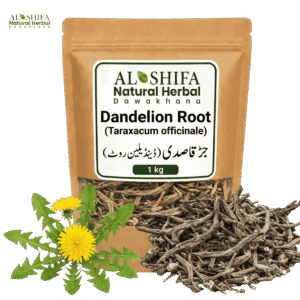
جڑقاصدی/ڈینڈیلین روٹ
Price range: ₨ 800 through ₨ 7,800

Nakchikni (Sneezewort) is a pungent and aromatic traditional herbal raw material historically used in Unani and South Asian herbal practices. It is particularly known for its traditional association with nasal stimulation, seasonal wellness, aromatic preparations and selected traditional herbal formulations.
Al Shifa Nakchikni is carefully selected with attention to traditional identity, characteristic aroma, natural appearance, proper dryness, cleanliness and responsible storage. Regional materials sold as Nakchikni may vary botanically, while the English name Sneezewort is commonly associated with Achillea ptarmica.
Key Features:
Important Note: Do not deliberately inhale, deeply sniff or blow raw Nakchikni powder into the nose. Fine powder can strongly irritate the nose, eyes, throat and respiratory tract, particularly in children and people with asthma or respiratory sensitivity.
Nakchikni, commonly described in traditional herbal trade as Sneezewort, is a strongly aromatic and pungent herbal raw material historically used in Unani and South Asian traditional practices. Its traditional name reflects its association with sneezing and nasal stimulation, although this historical use requires considerable caution because powdered or concentrated plant material can irritate the nose, eyes and respiratory tract.
The English common name Sneezewort is most commonly associated botanically with Achillea ptarmica, a flowering plant related to yarrow. However, regional materials sold under the name Nakchikni may not always represent exactly the same botanical species. Correct botanical identification is therefore important, particularly when the material is intended for medicinal use.
Al Shifa Nakchikni is selected with attention to traditional identity, characteristic appearance, aroma, appropriate dryness, cleanliness and responsible handling.
Nakchikni is a traditional name associated with pungent herbal material historically used in preparations involving the nose, head and seasonal wellness.
The name itself became associated with sneezing because powdered forms of certain pungent herbs were historically used as nasal stimulants.
This historical practice should not be interpreted as a recommendation to intentionally inhale raw herbal powder.
Fine plant particles can irritate sensitive respiratory tissues and may be especially problematic for people with asthma, allergies or other respiratory conditions.
English Name: Sneezewort
Urdu Name: نک چھکنی
Roman Name: Nakchikni / Nak Chikni
Common Botanical Association: Achillea ptarmica L.
Plant Type: Aromatic Flowering Herb
Plant Family: Asteraceae
Product Type: Traditional Herbal Raw Material
The name Nakchikni has been used regionally in traditional herbal markets, and vernacular names are not always botanically standardized.
The English name Sneezewort specifically refers most commonly to Achillea ptarmica, but a locally traded Nakchikni sample should not automatically be assigned this species without botanical verification.
This distinction is important because plants sold under similar traditional names can differ in:
For professional formulation, correct raw-material identification is preferable to relying only on a market name.
The name Sneezewort comes from the historical use of dried plant material in preparations intended to provoke sneezing.
Similarly, the traditional name Nakchikni is strongly associated with nasal stimulation and sneezing.
Historically, this type of use was linked with traditional ideas concerning clearing the head or nasal passages.
Modern safety considerations are important, however.
Deliberately inhaling herbal powder can cause:
Therefore, raw Nakchikni powder should not be deeply inhaled or deliberately introduced into the nose without appropriately qualified professional guidance.
Nakchikni has historically appeared in traditional preparations associated with:
These historical uses do not establish that Nakchikni treats sinusitis, migraine, infections or respiratory diseases.
Nakchikni is especially known for its historical association with nasal preparations.
Traditional systems sometimes considered sneezing a means of clearing accumulated material from the nasal passages or head.
This is a historical therapeutic concept and should not be confused with modern evidence-based treatment.
Intentional irritation of the nasal passages may worsen symptoms in some individuals rather than improve them.
A strong sneezing response does not mean that a product is working better.
Sneezing is primarily a protective reflex triggered when the nasal lining is irritated.
Repeated or forceful irritation may cause:
Therefore, stronger irritation should not be considered a sign of greater medicinal benefit.
Because of its traditional association with the nose, Nakchikni may be searched for in relation to sinus problems.
It should not be presented as a proven treatment for:
Persistent facial pain, fever, foul or bloody nasal discharge, severe headache, breathing difficulty or prolonged nasal blockage requires appropriate medical evaluation.
Fine herbal powder can enter the respiratory tract when inhaled.
People with:
should be particularly cautious around airborne Nakchikni powder.
If exposure causes wheezing, chest tightness or breathing difficulty, move away from the powder and seek medical attention if symptoms are significant or persistent.
Fine particles can also irritate the eyes.
Avoid allowing powdered Nakchikni to enter the eyes.
If accidental exposure occurs, gently rinse the eye with plenty of clean water.
Persistent pain, redness, swelling or visual disturbance requires professional medical assessment.
Like several aromatic members of its broader herbal group, Sneezewort-type materials have also appeared historically in selected digestive preparations.
Traditional uses may be associated with:
These traditional uses do not establish treatment for ulcers, reflux disease, intestinal infections, inflammatory bowel disease, liver disease or other diagnosed digestive conditions.
Sneezewort belongs to the same botanical genus as several plants commonly known as yarrow.
However, Sneezewort and ordinary Yarrow should not automatically be treated as identical materials.
Different Achillea species can vary in:
Therefore, information from one Achillea species should not automatically be generalized to every other species.
Depending on the exact botanical species and plant part, Sneezewort-type material may contain naturally occurring compounds such as:
The exact composition can vary with species, growing conditions, harvesting, drying and storage.
Research on an isolated compound or extract does not establish the same effect for ordinary dried Nakchikni.
Different preparations should not automatically be considered equivalent.
Whole Dried Herb: Traditional dried plant material.
Powder: Finely ground material with greater potential for airborne exposure and nasal irritation.
Compound Herbal Preparation: Nakchikni combined with other ingredients.
Extract: More concentrated preparation of selected constituents.
Aromatic Oil: Highly concentrated and not equivalent to the dried herb.
Safety and concentration can differ substantially between these forms.
Medicinal or concentrated use during pregnancy should preferably be avoided unless specifically advised by an appropriately qualified healthcare professional.
Traditional use does not establish pregnancy safety.
The same caution applies during breastfeeding, particularly for concentrated preparations.
Do not deliberately expose infants or young children to Nakchikni powder to make them sneeze.
Children have smaller and more sensitive airways, and fine herbal powder may cause substantial irritation.
Medicinal use in children should only occur with qualified professional guidance.
Keep powdered material securely away from children.
Sneezewort belongs to a botanical family that also includes plants such as yarrow, chamomile, daisy, sunflower and ragweed.
Individuals with significant sensitivity to plants from this family may have a greater possibility of allergic reaction.
Possible reactions can include:
Severe swelling or breathing difficulty requires urgent medical attention.
Because of its historical reputation, some people may consider directly sniffing or deeply inhaling Nakchikni powder.
This should not be treated as routine self-care.
Direct inhalation of fine powder can irritate:
Do not assume that stronger burning or more sneezing means greater benefit.
Nakchikni supplied as a traditional herbal raw material is not automatically a finished medicine.
Raw-material supply does not establish:
The exact botanical identity and intended formulation should be considered before medicinal use.
At Al Shifa Natural Herbal Dawakhana, Nakchikni is selected with attention to:
Traditional Identity – Material consistent with the expected traditional raw product.
Characteristic Appearance – Appropriate dried herbal characteristics.
Aroma – Expected natural aromatic profile.
Proper Drying – Appropriate dryness for responsible storage.
Cleanliness – Careful handling to reduce unnecessary foreign material.
Responsible Handling – Particular attention to minimizing unnecessary exposure to fine airborne powder.
Al Shifa Natural Herbal Dawakhana, established in 1999, supplies carefully selected herbs, seeds, roots, fruits, barks, gums, resins, spices and other traditional raw materials throughout Pakistan.
Our Nakchikni is selected for customers seeking a traditional aromatic herbal ingredient for appropriate professional and traditional formulations.
We focus on:
The method of use depends on the exact botanical identity, plant part and intended traditional formulation.
Because powdered Nakchikni can strongly irritate the nose and respiratory tract, do not deliberately inhale, deeply sniff or blow raw powder into the nostrils as a routine home remedy.
There is no single universal medicinal dosage suitable for every Nakchikni product because regional botanical identity and preparations may vary.
For medicinal use, particularly involving the nose or respiratory tract, seek qualified professional guidance.
Nakchikni is a traditional herbal raw material and should not be considered a proven treatment for:
Seek appropriate medical attention for breathing difficulty, wheezing, severe facial pain, persistent fever, repeated nosebleeds, severe headache, visual disturbance or prolonged nasal symptoms.
Store Nakchikni in a cool, clean and dry place in a tightly closed container.
For responsible storage:
Nakchikni (Sneezewort) is a traditional pungent and aromatic herbal raw material historically associated with nasal stimulation, seasonal wellness, aromatic formulations and selected traditional herbal preparations.
Its historical association with sneezing should not be interpreted as a recommendation to deliberately inhale raw herbal powder. Modern safety considerations are particularly important because fine particles may irritate the nose, eyes, throat and respiratory tract.
Customers searching for Nakchikni Pakistan, Nak Chikni Pakistan, Sneezewort Pakistan, pure Nakchikni, original Nakchikni, Nakchikni herb, Nakchikni benefits, Nakchikni uses, Sneezewort benefits, Sneezewort uses, Nakchikni Lahore, Nakchikni price in Pakistan, Sneezewort price in Pakistan, buy Nakchikni Pakistan, or Nakchikni online Pakistan can choose Al Shifa Natural Herbal Dawakhana for carefully selected traditional raw material.
Since 1999, Al Shifa Natural Herbal Dawakhana has focused on supplying traditional ingredients with attention to identity, cleanliness, appropriate drying, responsible storage and accurate product information.
Product Name: Nakchikni
English Name: Sneezewort
Urdu Name: نک چھکنی
Roman Name: Nakchikni / Nak Chikni
Common Botanical Association: Achillea ptarmica L.
Plant Type: Aromatic Flowering Herb
Product Type: Traditional Herbal Raw Material
Traditional Use: Nasal-stimulation traditions, aromatic preparations, seasonal wellness and selected traditional herbal formulations
Important Note: Regional Nakchikni may vary botanically. Raw powder should not be deliberately or deeply inhaled because it can strongly irritate the nose, eyes and respiratory tract.
نک چھکنی ایک معروف تیز خوشبو اور قدرے تیز اثر رکھنے والا روایتی نباتاتی خام جزو ہے جسے طب یونانی اور برصغیر کی قدیم جڑی بوٹیوں کی روایات میں استعمال کیا جاتا رہا ہے۔ اس کا روایتی نام خاص طور پر چھینک آنے اور ناک میں تحریک پیدا ہونے سے منسوب ہے۔
قدیم طریقوں میں نک چھکنی کو ناک اور سر سے متعلق بعض روایتی تیاریوں، موسمی نگہداشت، خوشبودار مرکبات اور بعض عمومی نباتاتی نسخوں میں شامل کیا جاتا رہا ہے۔
تاہم اس کا باریک سفوف ناک، آنکھ، حلق اور سانس کی نالی میں شدید جلن پیدا کر سکتا ہے۔ اس لیے اس کے قدیم استعمال کو ناک میں سفوف ڈالنے یا اسے زور سے سونگھنے کی عمومی ہدایت نہیں سمجھنا چاہیے۔
الشفاء نیچرل ہربل دواخانہ میں نک چھکنی کو روایتی شناخت، قدرتی ظاہری حالت، مخصوص خوشبو، مناسب خشکی، صفائی اور ذمہ دارانہ ذخیرے کو مدنظر رکھتے ہوئے منتخب کیا جاتا ہے۔
نک چھکنی ایک روایتی نام ہے جو ایسے تیز اور خوشبودار نباتاتی خام مال سے منسوب رہا ہے جسے تاریخی طور پر ناک، سر اور موسمی نگہداشت سے متعلق بعض مرکبات میں استعمال کیا جاتا تھا۔
اس کے نام کی شہرت خاص طور پر اس وجہ سے ہوئی کہ باریک سفوف ناک کی حساس اندرونی سطح کو تحریک دے کر چھینک پیدا کر سکتا ہے۔
چھینک آنا جسم کا ایک قدرتی حفاظتی ردعمل ہے۔ اس لیے کسی مادے سے زیادہ چھینکیں آنا اس بات کا ثبوت نہیں کہ وہ زیادہ مؤثر یا زیادہ فائدہ مند ہے۔
اردو نام: نک چھکنی
رومن نام: نک چھکنی
معروف نام: چھینک پیدا کرنے والی روایتی بوٹی
پودے کی نوعیت: خوشبودار پھول دار نباتاتی پودا
پودے کا خاندان: گلِ مینا خاندان
مصنوعات کی قسم: روایتی نباتاتی خام جزو
نک چھکنی ایک قدیم علاقائی اور تجارتی نام ہے، اور مختلف علاقوں میں روایتی نام ہمیشہ ایک ہی نباتاتی قسم کے لیے استعمال نہیں ہوتے۔
اس لیے بازار میں نک چھکنی کے نام سے دستیاب ہر خام مال کو محض نام کی بنیاد پر ایک ہی مخصوص نباتاتی قسم قرار دینا درست نہیں۔
مختلف علاقوں سے حاصل ہونے والے خام مال میں فرق ہو سکتا ہے، مثلاً:
خصوصاً طبی مرکبات کی تیاری کے لیے صرف تجارتی نام کے بجائے درست نباتاتی شناخت زیادہ اہم ہے۔
اس نام کا تعلق اس کے قدیم استعمال اور چھینک پیدا کرنے والی خاصیت سے ہے۔
باریک اور تیز نباتاتی سفوف ناک کی اندرونی حساس سطح کو تحریک دے سکتا ہے، جس کے نتیجے میں چھینک آ سکتی ہے۔
قدیم روایات میں بعض اوقات چھینک کو سر یا ناک کی صفائی کے تصور سے جوڑا جاتا تھا۔
تاہم جدید حفاظتی نقطۂ نظر سے ناک کو جان بوجھ کر بار بار تیز سفوف سے تحریک دینا ہر شخص کے لیے محفوظ نہیں سمجھا جا سکتا۔
چھینک بنیادی طور پر جسم کا ایک حفاظتی ردعمل ہے جو ناک کی اندرونی سطح میں جلن یا تحریک پیدا ہونے پر ظاہر ہوتا ہے۔
اس لیے زیادہ چھینکیں آنے کا مطلب یہ نہیں کہ نک چھکنی زیادہ فائدہ دے رہی ہے۔
ضرورت سے زیادہ تحریک پیدا ہونے سے:
ہو سکتی ہے۔
نک چھکنی کی سب سے معروف روایتی شہرت ناک اور سر سے متعلق قدیم تیاریوں میں رہی ہے۔
قدیم طریقوں میں چھینک پیدا کرنے کو بعض اوقات ناک یا سر میں جمع مواد خارج کرنے کے تصور سے منسلک کیا جاتا تھا۔
یہ ایک روایتی طبی تصور ہے، اسے جدید سائنسی طور پر ثابت شدہ طریقۂ علاج نہیں سمجھنا چاہیے۔
بعض افراد میں ناک کو جان بوجھ کر تیز مادے سے تحریک دینا علامات کم کرنے کے بجائے مزید بڑھا سکتا ہے۔
نک چھکنی کی روایتی شہرت کی وجہ سے بعض افراد اس کا سفوف براہ راست ناک میں ڈالنے یا زور سے سونگھنے کا سوچ سکتے ہیں۔
اسے عام گھریلو استعمال کا محفوظ طریقہ نہیں سمجھنا چاہیے۔
باریک سفوف:
میں جلن پیدا کر سکتا ہے۔
اس لیے خام سفوف کو جان بوجھ کر گہرا سونگھنے، ناک میں پھونکنے یا بار بار چھینک پیدا کرنے کے لیے استعمال کرنے سے گریز کرنا بہتر ہے، خصوصاً مستند طبی رہنمائی کے بغیر۔
چونکہ نک چھکنی کی روایتی شہرت ناک سے متعلق ہے، اس لیے بعض لوگ اسے ناک بند ہونے یا سائنوس سے متعلق مسائل کے لیے تلاش کرتے ہیں۔
تاہم اسے:
کا ثابت شدہ علاج نہیں سمجھنا چاہیے۔
چہرے میں شدید درد، بخار، بدبودار یا خون آلود ناک کی رطوبت، شدید سر درد یا طویل عرصے تک ناک بند رہنے کی صورت میں طبی معائنہ ضروری ہے۔
باریک نباتاتی سفوف سانس کے ساتھ اندر جا سکتا ہے۔
خصوصاً ایسے افراد کو زیادہ احتیاط کرنی چاہیے جنہیں:
ہوں۔
اگر نک چھکنی کے سفوف کے سامنے آنے کے بعد سینے میں جکڑن، سانس میں سیٹی یا سانس لینے میں دشواری پیدا ہو تو سفوف سے فوراً دور ہو جائیں۔
شدید یا برقرار رہنے والی علامات کی صورت میں طبی مدد حاصل کریں۔
نک چھکنی کا باریک سفوف آنکھوں میں بھی شدید جلن پیدا کر سکتا ہے۔
اسے آنکھوں سے دور رکھیں۔
اگر سفوف اتفاقاً آنکھ میں چلا جائے تو آنکھ کو صاف پانی سے اچھی طرح دھوئیں۔
اگر:
تو طبی معائنہ کروائیں۔
نک چھکنی سے منسوب بعض نباتاتی مواد کو تاریخی طور پر مخصوص ہاضم اور خوشبودار مرکبات میں بھی شامل کیا جاتا رہا ہے۔
اس کا روایتی استعمال:
سے متعلق بیان کیا جا سکتا ہے۔
تاہم اسے معدے کے زخم، شدید تیزابیت، آنتوں کے انفیکشن، آنتوں کی دائمی سوزش، جگر کی بیماری یا دوسری تشخیص شدہ ہاضم بیماریوں کا علاج نہیں سمجھنا چاہیے۔
نک چھکنی سے منسوب بعض نباتاتی اقسام اسی وسیع نباتاتی گروہ سے تعلق رکھتی ہیں جس میں یارو جیسی جڑی بوٹیاں بھی شامل ہیں۔
اس کے باوجود نک چھکنی اور عام یارو کو ایک ہی خام مال نہیں سمجھنا چاہیے۔
قریبی نباتاتی اقسام میں بھی فرق ہو سکتا ہے، مثلاً:
اس لیے ایک نباتاتی قسم پر موجود معلومات کو اسی خاندان کی ہر دوسری قسم پر لاگو کرنا درست نہیں۔
درست نباتاتی قسم اور مستعمل حصے کے مطابق نک چھکنی سے منسوب پودوں میں مختلف قدرتی اجزاء موجود ہو سکتے ہیں، مثلاً:
ان اجزاء کی مقدار نباتاتی قسم، علاقے، موسم، کٹائی، خشک کرنے اور ذخیرے کے مطابق مختلف ہو سکتی ہے۔
کسی ایک مرتکز عصارے یا الگ کیے گئے جزو پر ہونے والی تحقیق کو عام خشک نک چھکنی پر براہ راست لاگو نہیں کرنا چاہیے۔
نک چھکنی کی مختلف شکلوں کو ایک دوسرے کے برابر نہیں سمجھنا چاہیے۔
ثابت خشک بوٹی: روایتی خشک نباتاتی خام مال۔
سفوف: باریک پسا ہوا خام مال، جس کے ہوا میں پھیلنے اور ناک یا سانس کی نالی میں جانے کا امکان زیادہ ہوتا ہے۔
مرکب تیاری: نک چھکنی کو دوسرے اجزاء کے ساتھ ملا کر تیار کیا گیا نسخہ۔
عصارہ: مخصوص نباتاتی اجزاء کی نسبتاً مرتکز شکل۔
خوشبودار روغنی تیاری: انتہائی مرتکز شکل جو خشک بوٹی کے برابر نہیں ہوتی۔
ہر شکل کی طاقت اور حفاظتی احتیاطیں مختلف ہو سکتی ہیں۔
حمل کے دوران نک چھکنی کی مرتکز یا طبی مقدار مستند طبی رہنمائی کے بغیر استعمال نہیں کرنی چاہیے۔
کسی جڑی بوٹی کا قدیم روایتی استعمال حمل کے دوران اس کی حفاظت کی ضمانت نہیں ہوتا۔
خصوصاً تیز، مرتکز یا ناک اور سانس کی نالی کو تحریک دینے والی تیاریوں سے اپنی طرف سے استعمال میں احتیاط ضروری ہے۔
دودھ پلانے کے دوران نک چھکنی کی مرتکز یا باقاعدہ طبی مقدار استعمال کرنے سے پہلے مستند طبی رہنمائی حاصل کرنا بہتر ہے۔
خام سفوف کو بچے کے قریب اس انداز میں استعمال نہ کریں کہ باریک ذرات ہوا میں پھیل کر بچے کی ناک یا سانس کی نالی میں داخل ہوں۔
شیر خوار یا چھوٹے بچوں کو چھینک دلانے کے لیے نک چھکنی کا سفوف استعمال نہیں کرنا چاہیے۔
بچوں کی سانس کی نالیاں نسبتاً چھوٹی اور حساس ہوتی ہیں اور باریک سفوف ان میں زیادہ جلن پیدا کر سکتا ہے۔
بچوں میں طبی استعمال صرف مستند معالج کی رہنمائی میں ہونا چاہیے۔
نک چھکنی اور اس کا سفوف بچوں کی پہنچ سے دور رکھیں۔
نک چھکنی سے منسوب پودے ایسے نباتاتی خاندان سے تعلق رکھ سکتے ہیں جس میں گل مینا، بابونہ، سورج مکھی اور بعض دوسری معروف پھول دار نباتات شامل ہیں۔
اس خاندان کے پودوں سے شدید حساسیت رکھنے والے افراد میں الرجی کا امکان ہو سکتا ہے۔
علامات میں شامل ہو سکتے ہیں:
چہرے یا حلق کی شدید سوجن یا سانس لینے میں دشواری کی صورت میں فوری طبی مدد حاصل کریں۔
نک چھکنی استعمال کرتے وقت یہ سمجھنا ضروری ہے کہ:
زیادہ جلن، زیادہ چھینک یا زیادہ تیزی کا مطلب زیادہ فائدہ نہیں ہے۔
ناک اور سانس کی نالی میں شدید جلن بنیادی طور پر بافتوں کی تحریک کی علامت ہو سکتی ہے۔
بار بار یا شدید تحریک بعض افراد میں مسئلہ مزید بڑھا سکتی ہے۔
نک چھکنی اگر روایتی خام نباتاتی جزو کے طور پر فراہم کی جائے تو اسے تیار دوا نہیں سمجھنا چاہیے۔
خام نک چھکنی کی فراہمی سے یہ ثابت نہیں ہوتا کہ:
طبی استعمال سے پہلے خام مال کی درست شناخت اور مطلوبہ تیاری کو مدنظر رکھنا ضروری ہے۔
الشفاء نیچرل ہربل دواخانہ میں نک چھکنی کے انتخاب کے دوران درج ذیل خصوصیات کو اہمیت دی جاتی ہے:
روایتی شناخت: روایتی خام مال کی معروف خصوصیات سے مطابقت۔
قدرتی ظاہری حالت: خشک نباتاتی مواد کی مناسب ساخت۔
مخصوص خوشبو: خام مال کی قدرتی خوشبودار کیفیت۔
مناسب خشکی: بہتر ذخیرے کے لیے مناسب طور پر خشک مواد۔
صفائی: غیر ضروری بیرونی مواد اور آلودگی کو کم سے کم رکھنے کا خیال۔
ذمہ دارانہ رکھ رکھاؤ: باریک سفوف اور گرد کے غیر ضروری پھیلاؤ کو کم رکھنے پر توجہ۔
الشفاء نیچرل ہربل دواخانہ سنہ ۱۹۹۹ سے جڑی بوٹیوں، بیجوں، جڑوں، خشک پھلوں، چھال، گوند، قدرتی رال، مصالحہ جات اور دیگر روایتی خام اجزاء کی فراہمی سے وابستہ ہے۔
ہم نک چھکنی کے انتخاب میں:
کو بنیادی اہمیت دیتے ہیں۔
نک چھکنی کے استعمال کا طریقہ اس کی درست نباتاتی شناخت، مستعمل حصے اور مطلوبہ روایتی مرکب کے مطابق مختلف ہو سکتا ہے۔
چونکہ اس کا باریک سفوف ناک اور سانس کی نالی میں شدید جلن پیدا کر سکتا ہے، اس لیے خام سفوف کو معمول کے گھریلو طریقے کے طور پر جان بوجھ کر گہرا سونگھنے، ناک میں ڈالنے یا ناک میں پھونکنے سے گریز کریں۔
مختلف علاقوں میں نک چھکنی کے نام سے دستیاب خام مال کی نباتاتی شناخت مختلف ہو سکتی ہے، اس لیے ہر مصنوعات کے لیے ایک ہی عمومی طبی مقدار مقرر کرنا مناسب نہیں۔
ناک، سر یا سانس کی نالی سے متعلق طبی استعمال کے لیے مستند معالج کی رہنمائی حاصل کریں۔
نک چھکنی ایک روایتی نباتاتی خام جزو ہے۔ اسے:
کا ثابت شدہ علاج نہیں سمجھنا چاہیے۔
سانس لینے میں دشواری، سینے میں جکڑن، شدید سانس کی سیٹی، چہرے میں شدید درد، مسلسل بخار، بار بار ناک سے خون، شدید سر درد، نظر میں تبدیلی یا طویل عرصے تک ناک کی علامات رہنے کی صورت میں طبی معائنہ ضروری ہے۔
نک چھکنی کو صاف، ٹھنڈی اور خشک جگہ پر اچھی طرح بند برتن میں محفوظ رکھیں۔
بہتر حفاظت کے لیے:
نک چھکنی ایک روایتی تیز اور خوشبودار نباتاتی خام جزو ہے جو تاریخی طور پر ناک سے متعلق روایتی تیاریوں، موسمی نگہداشت، خوشبودار مرکبات اور بعض عمومی نباتاتی نسخوں میں استعمال کیا جاتا رہا ہے۔
اس کی چھینک پیدا کرنے والی روایتی شہرت کو خام سفوف براہ راست ناک میں ڈالنے یا گہرا سونگھنے کی ہدایت نہیں سمجھنا چاہیے۔ باریک ذرات ناک، آنکھ، حلق اور سانس کی نالی میں جلن پیدا کر سکتے ہیں۔
اگر آپ نک چھکنی پاکستان، خالص نک چھکنی، اصل نک چھکنی، نک چھکنی بوٹی، نک چھکنی کے فوائد، نک چھکنی کے استعمال، ناک کے لیے نک چھکنی، روایتی نک چھکنی، طب یونانی نک چھکنی، نک چھکنی لاہور، نک چھکنی کی قیمت، نک چھکنی کی قیمت پاکستان، نک چھکنی آن لائن یا خالص نک چھکنی خریدیں تلاش کر رہے ہیں تو الشفاء نیچرل ہربل دواخانہ احتیاط سے منتخب روایتی خام مال فراہم کرتا ہے۔
سنہ ۱۹۹۹ سے الشفاء نیچرل ہربل دواخانہ روایتی اجزاء کی فراہمی میں شناخت، صفائی، مناسب خشکی، ذمہ دارانہ ذخیرے اور درست معلومات کو بنیادی اہمیت دیتا آ رہا ہے۔
نام: نک چھکنی
اردو نام: نک چھکنی
رومن نام: نک چھکنی
نوعیت: خوشبودار روایتی نباتاتی خام جزو
روایتی استعمال: ناک سے متعلق قدیم تیاریوں، موسمی نگہداشت، خوشبودار مرکبات اور منتخب روایتی نباتاتی نسخوں میں استعمال
اہم وضاحت: مختلف علاقوں میں نک چھکنی کے نام سے دستیاب خام مال کی نباتاتی شناخت مختلف ہو سکتی ہے۔ اس کے خام سفوف کو جان بوجھ کر گہرا سونگھنے یا ناک میں ڈالنے سے گریز کریں کیونکہ یہ ناک، آنکھ اور سانس کی نالی میں شدید جلن پیدا کر سکتا ہے۔