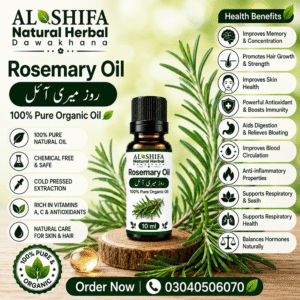
روز میری آئل
₨ 600
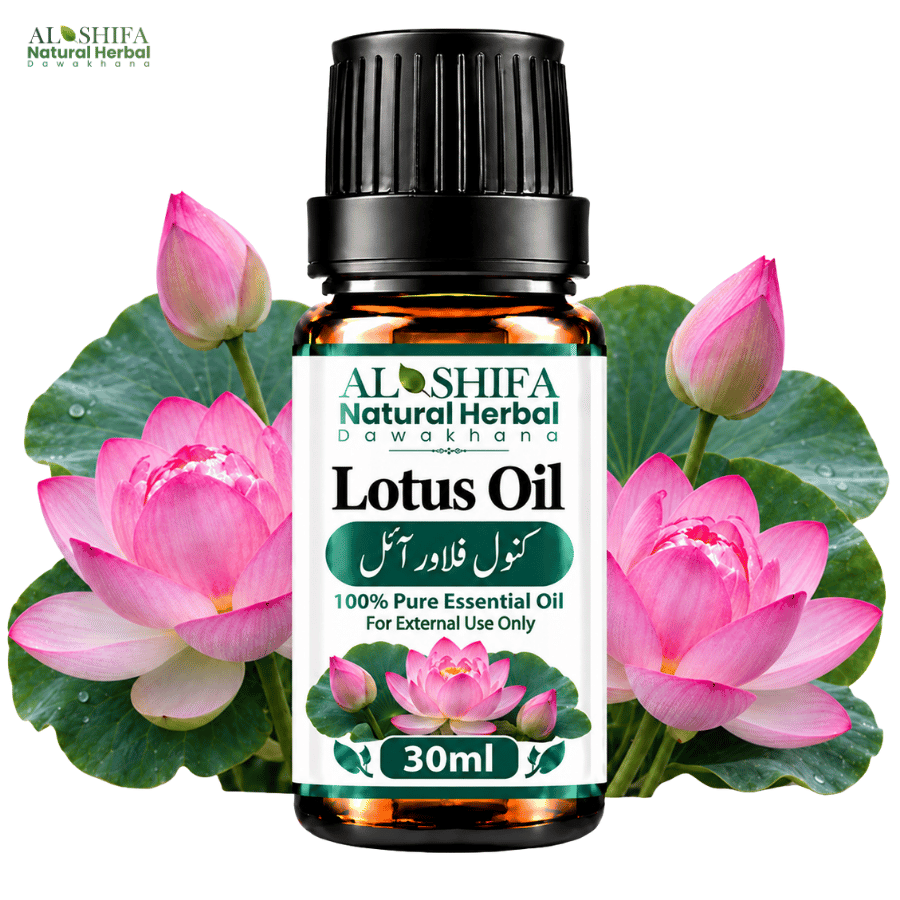
Lotus Essential Oil / Roghan Kanwal / Lotus Flower Oil is a luxurious floral aromatic oil associated with the flowers of Nelumbo nucifera. Its soft, sweet, floral, fresh, slightly powdery, green and delicately aquatic aroma makes it ideal for perfumery, attars, floral fragrance blends, body-care formulations, hair-care products, soaps and cosmetics.
Al Shifa Lotus Flower Oil is carefully selected for botanical identity, characteristic floral aroma, freshness, quality and clean handling.
Key Features:
Usage: Use at a suitable concentration in perfumes, attars and compatible cosmetic formulations. Dilute appropriately before topical use.
Important Note: Commercial Lotus Oil may be an absolute, flower extract, infused oil or other aromatic preparation. Confirm the exact extraction method before classifying it as a conventional essential oil.
Lotus Essential Oil / Roghan Kanwal / Lotus Flower Oil – روغن کنول is a luxurious floral aromatic product associated with the fragrant flowers of Nelumbo nucifera Gaertn., commonly known as Sacred Lotus, Indian Lotus or Pink Lotus. The plant belongs to the Nelumbonaceae family and is one of the most recognised aquatic flowering plants of South Asia.
Lotus flowers are valued for their distinctive soft, sweet, floral, fresh, slightly powdery, green and delicately aquatic aroma. Their refined fragrance makes Lotus aromatic material particularly desirable in fine perfumery, attars, floral fragrance blends, body-care formulations, soaps and cosmetics.
An important product distinction is necessary: Lotus flowers produce aromatic material in extremely low quantities, and products commercially sold as “Lotus Essential Oil” are frequently Lotus Absolute, flower extract, infused oil or fragrance preparation rather than a conventional steam-distilled essential oil. The supplier’s extraction method should therefore be confirmed before labelling the product as 100% pure steam-distilled Lotus Essential Oil.
At Al Shifa Natural Herbal Dawakhana, Lotus Flower Oil is carefully selected with attention to its botanical identity, characteristic floral aroma, freshness, quality, clean handling and correct product classification.
Lotus Flower Oil refers to aromatic material derived from the flowers of Nelumbo nucifera.
The Lotus is an aquatic plant that produces large, beautiful flowers above the water surface. Depending on the cultivar, its flowers may appear:
Commercial Lotus aromatic materials may be available under names such as:
These products should not automatically be considered identical.
Product Name: Lotus Essential Oil / Roghan Kanwal / Lotus Flower Oil – روغن کنول
English Name: Lotus Flower Oil / Lotus Essential Oil / Sacred Lotus Oil
Urdu Name: روغن کنول
Roman Name: Roghan Kanwal / Kanwal Oil / Lotus Flower Oil
Scientific Name: Nelumbo nucifera Gaertn.
Plant Family: Nelumbonaceae
Plant Part: Flowers
Plant Type: Aquatic Perennial Flowering Plant
Oil Type: Floral Aromatic Botanical Oil / Extract, depending on extraction method
Extraction Method: Common commercial floral materials may be obtained through specialised extraction; supplier specification should be confirmed
Common Names: Sacred Lotus / Indian Lotus / Pink Lotus / Lotus
Appearance: Usually pale yellow to yellowish or amber-toned aromatic material; varies according to extraction and concentration
Aroma: Sweet, Soft, Floral, Fresh, Slightly Powdery, Green & Delicately Aquatic
Primary Applications: Perfumery, Attars, Floral Fragrance Blends, Body Care, Massage Formulations, Soaps & Cosmetics
Product Type: Concentrated Floral Aromatic Material
Nelumbo nucifera is a perennial aquatic plant that grows with its roots and rhizomes anchored beneath the water while its leaves and flowers rise above the surface.
Characteristic features include:
The flower is the most relevant plant part for Lotus aromatic material intended for perfumery.
Lotus flowers are admired for their elegant appearance and delicate fragrance.
The floral aroma can be described as:
Unlike strongly citrusy or herbal essential oils, Lotus provides a softer and more refined floral fragrance profile.
The aromatic character of Lotus can vary according to:
High-quality Lotus floral aromatic material is particularly valued for creating sophisticated floral accords rather than an overpowering fragrance.
Lotus flowers are delicate and are not generally considered a high-yield source of conventionally distilled essential oil.
For this reason, specialised extraction methods may be used to capture their fragrance.
Commercial Lotus products may include:
If a supplier describes a product as Lotus Essential Oil, it is useful to verify:
This ensures accurate product labelling.
Lotus Absolute is one of the most important concentrated aromatic forms of Lotus used in perfumery.
Unlike a conventional steam-distilled essential oil, an absolute is produced through extraction processes designed to capture delicate flower aromatics.
Lotus Absolute is particularly valued in:
Its concentrated nature means it is generally used in relatively small quantities.
Perfumery is one of the primary applications for Lotus floral aromatic material.
It can contribute:
Lotus works particularly well in:
Lotus Flower Oil or Absolute can provide a refined floral character to compatible attar compositions.
It may complement:
The correct amount depends on whether the ingredient is a concentrated absolute, diluted extract or another Lotus preparation.
Lotus aromatic material can be incorporated into compatible fragrance blends where a soft and elegant floral note is desired.
Potential combinations include:
Its fragrance can add floral complexity without the sharpness associated with some strongly volatile essential oils.
Where the supplied Lotus aromatic material is approved for topical cosmetic use, it may be incorporated into an appropriately diluted massage formulation.
Compatible carrier oils may include:
The concentration should correspond to the exact form and specification of the Lotus ingredient.
Appropriately specified Lotus floral material can be incorporated primarily for fragrance into compatible cosmetic formulations such as:
Claims concerning Lotus extracts should not automatically be applied to Lotus aromatic oil because different extraction methods produce different chemical compositions.
Lotus aromatic material may also be incorporated at a suitable cosmetic concentration into compatible:
Its primary contribution in many such products is its soft floral fragrance.
Lotus floral aromatic material can provide an elegant fragrance profile to:
The stability and required concentration depend on whether the material is a botanical absolute, extract or fragrance preparation.
Lotus aromatic material may be incorporated into compatible formulations including:
The ingredient should be used according to the specification of the exact material supplied.
Different parts of Nelumbo nucifera contain numerous naturally occurring botanical constituents.
Research on Lotus flowers and other plant parts has examined various:
However, the chemical composition of a flower absolute, water extract, alcohol extract, seed extract, leaf extract and rhizome extract can differ considerably.
Therefore, information about one Lotus preparation should not automatically be transferred to another.
Scientific research involving Nelumbo nucifera may study:
This does not mean that every reported finding applies to Lotus Flower Oil.
Therefore:
Lotus Flower Extract ≠ Lotus Absolute
Lotus Leaf Extract ≠ Lotus Flower Oil
Lotus Seed Extract ≠ Lotus Flower Oil
Isolated Compound Research ≠ Proven Effect of Complete Lotus Oil
Laboratory Findings ≠ Proven Human Treatment
Lotus aromatic oil should not be presented as a substitute for medical treatment.
This is one of the most important product distinctions.
Essential Oil: Conventionally refers to volatile botanical material obtained mainly through distillation.
Lotus Absolute: A concentrated aromatic flower material obtained through specialised extraction.
Because Lotus flowers yield very little conventional essential oil, high-quality Lotus aromatic materials in the fragrance industry are often available as absolutes or extracts.
Therefore:
Lotus Absolute ≠ Conventional Steam-Distilled Essential Oil
The extraction method should determine the final product classification.
These are different preparations.
Lotus Absolute/Extract: Concentrated aromatic material obtained directly from flowers through extraction.
Lotus Infused Oil: Produced by allowing Lotus botanical material to infuse into a fixed carrier oil.
Therefore:
Lotus Absolute ≠ Lotus Infused Oil
An infused product should be labelled accordingly rather than represented as a pure essential oil.
A Lotus Fragrance Oil may contain synthetic or nature-identical fragrance materials formulated to reproduce a Lotus-like aroma.
A genuine botanical Lotus aromatic extract originates from Lotus flowers.
Therefore:
Botanical Lotus Aromatic Material ≠ Lotus Fragrance Oil
This distinction is especially important for products marketed as natural.
Lotus and Water Lily are frequently confused because both are aquatic flowering plants.
Sacred Lotus: Nelumbo nucifera, family Nelumbonaceae.
Water Lilies: Primarily Nymphaea species, family Nymphaeaceae.
Therefore:
Nelumbo nucifera ≠ Nymphaea species
Pink Lotus, Blue Water Lily and White Water Lily aromatic products should not automatically be treated as the same botanical ingredient.
This distinction is particularly important in the aromatic oil market.
Sacred/Pink Lotus: Nelumbo nucifera.
Products sold as Blue Lotus commonly refer to Nymphaea caerulea, which belongs to a different botanical family.
Therefore:
Pink/Sacred Lotus ≠ Blue Lotus
Their botanical identities should remain clearly separated on product labels and website listings.
Although both names are associated with decorative flowers, Lotus is not a true Lily.
Lotus: Nelumbo nucifera, Nelumbonaceae.
True Lily: Lilium species, Liliaceae.
Therefore:
Lotus Flower Oil ≠ Lily Flower Oil
Concentrated floral aromatic materials should be used appropriately.
For topical applications:
The correct concentration depends on whether the product is an absolute, extract, infused oil or fragrance preparation.
During pregnancy or breastfeeding:
Concentrated Lotus aromatic material should be kept securely away from children.
For child-specific products:
Lotus aromatic material intended for perfumery or cosmetics should not automatically be considered edible.
Unless specifically manufactured and labelled for food use:
Cosmetic Grade ≠ Food Grade
At Al Shifa Natural Herbal Dawakhana, Lotus Flower Oil is selected with attention to:
Botanical Identity – Nelumbo nucifera.
Plant Part – Fragrant flowers.
Characteristic Aroma – Soft, sweet, floral, fresh and delicately aquatic.
Correct Classification – Essential oil, absolute, extract or infused oil should be identified according to the actual manufacturing method.
Perfumery Applications – Suitable for compatible floral fragrance compositions.
Attar Applications – Suitable for compatible traditional and modern fragrance blends.
Body-Care Applications – Suitable where supported by the ingredient specification.
Hair-Care Applications – Suitable for compatible cosmetic formulations.
Soap & Cosmetic Applications – Suitable for appropriately designed formulations.
Responsible Information – Research involving other Lotus extracts is not automatically attributed to Lotus aromatic oil.
Clean Handling – Carefully handled during packing.
Protective Packaging – Helps protect delicate aromatic material from unnecessary light, heat and air exposure.
Al Shifa Natural Herbal Dawakhana, established in 1999, supplies carefully selected botanical oils and aromatic products throughout Pakistan.
Our focus for Lotus Flower Oil includes:
For Perfumery: Use at a suitable concentration in floral perfumes and botanical fragrance compositions.
For Attars: Incorporate according to the concentration and specification of the Lotus aromatic material.
For Aromatic Blends: Use sparingly in compatible floral and botanical fragrance blends.
For Massage & Body Care: Use only if approved for topical cosmetic use and dilute appropriately.
For Hair Products: Incorporate at an appropriate concentration into compatible hair-care formulations.
For Soap & Cosmetics: Follow the complete formulation and ingredient-specific usage limits.
Lotus Essential Oil / Roghan Kanwal / Lotus Flower Oil – روغن کنول should be botanically identified as Nelumbo nucifera Gaertn. when Sacred or Indian Lotus is the actual source.
The commercial term “Lotus Essential Oil” does not automatically establish that the product is steam-distilled. Lotus flowers are extremely low-yield aromatic materials, and commercial products are commonly available as absolutes, flower extracts, infused oils or fragrance preparations.
The supplier’s botanical species, plant part, extraction method and ingredient composition should therefore be confirmed before making a 100% pure essential oil claim.
For best quality:
Lotus Essential Oil / Roghan Kanwal / Lotus Flower Oil – روغن کنول is a luxurious floral aromatic product associated with the flowers of Nelumbo nucifera, commonly known as Sacred Lotus, Indian Lotus or Pink Lotus. Its soft, sweet, fresh, floral, slightly powdery, green and delicately aquatic fragrance makes it especially suitable for fine perfumery, attars, floral fragrance blends, body-care formulations, hair products, soaps and cosmetics.
Customers searching for Lotus Essential Oil, Lotus Flower Oil, Sacred Lotus Oil, Pink Lotus Oil, Nelumbo nucifera Oil, Lotus Absolute, Roghan Kanwal, Kanwal Oil, Pure Lotus Oil, Lotus Oil for Perfume, Lotus Oil for Attar, Lotus Oil for Body Care, Lotus Oil Pakistan, Roghan Kanwal Pakistan, Lotus Oil Lahore, Lotus Oil price in Pakistan or buy Lotus Oil online Pakistan can choose Al Shifa Natural Herbal Dawakhana for carefully selected quality and clear botanical identification.
Since 1999, Al Shifa Natural Herbal Dawakhana has focused on supplying botanical oils and aromatic products with attention to botanical identity, quality, freshness, clean handling, responsible information, protective packaging and proper storage.
Product Name: Lotus Essential Oil / Roghan Kanwal / Lotus Flower Oil – روغن کنول
English Name: Lotus Flower Oil / Lotus Essential Oil / Sacred Lotus Oil
Urdu Name: روغن کنول
Roman Name: Roghan Kanwal / Kanwal Oil / Lotus Flower Oil
Scientific Name: Nelumbo nucifera Gaertn.
Plant Family: Nelumbonaceae
Plant Part: Flowers
Oil Type: Floral Aromatic Botanical Oil / Extract
Extraction Method: Specialised flower extraction depending on product specification; supplier method should be confirmed
Common Names: Sacred Lotus / Indian Lotus / Pink Lotus / Lotus
Appearance: Usually Pale Yellow to Yellowish or Amber-Toned; May Vary According to Extraction
Aroma: Sweet, Soft, Floral, Fresh, Slightly Powdery, Green & Delicately Aquatic
Primary Applications: Perfumery, Attars, Floral Fragrance Blends, Body Care, Hair Care, Soaps & Cosmetics
Product Type: Concentrated Floral Aromatic Material
Important Note: Lotus aromatic products are frequently available as absolutes or flower extracts rather than conventional steam-distilled essential oils. Sacred Lotus (Nelumbo nucifera) should also not be confused with Blue Lotus or other Water Lilies (Nymphaea species).
روغن کنول کنول کے خوبصورت اور خوشبودار پھولوں سے تیار ہونے والا خوشبودار روغن ہے۔ کنول پانی میں اگنے والا مشہور پودا ہے جس کے بڑے گول پتے پانی کی سطح سے اوپر یا اس کے قریب رہتے ہیں اور خوبصورت گلابی یا سفید پھول لمبی ڈنڈی پر کھلتے ہیں۔
کنول کے پھول اپنی نرم، میٹھی، پھولوں جیسی اور ہلکی سبز خوشبو کے لیے پسند کیے جاتے ہیں۔ روغن کنول کو خوشبو سازی، جسمانی مالش، جلد کے روغنی آمیزوں، بالوں، خوشبودار غسل اور جسمانی خوشبو کے لیے استعمال کیا جاتا ہے۔
کنول کے نازک پھولوں سے عام بھاپ کے طریقے سے خوشبودار روغن بہت کم حاصل ہوتا ہے۔ بازار میں لوٹس فلاور آئل کے نام سے پھولوں کا خوشبودار جوہر، بنیادی روغن میں تیار روغن یا خوشبو کا آمیزہ بھی ملتا ہے۔ اس لیے خریدتے وقت کنول کی قسم اور روغن تیار کرنے کا طریقہ دیکھنا ضروری ہے۔
اردو نام: کنول، کمل، نیلوفر ہندی، روغن کنول
پنجابی نام: کنول، کمل
ہندی نام: کمل، پدم
فارسی نام: نیلوفر ہندی، گل نیلوفر ہندی
عربی نام: لوتس، نيلوفر هندي
انگریزی نام: لوٹس، لوٹس فلاور، سیکرڈ لوٹس، انڈین لوٹس
سائنسی نام: نیلمبو نیوسیفیرا
خاندان: نیلمبونیسی
استعمال ہونے والا حصہ: خوشبودار پھول
روغن کا نام: روغن کنول، لوٹس فلاور آئل
کنول پانی میں اگنے والا خوبصورت پھول دار پودا ہے۔
اس کی جڑیں اور موٹے زیر زمین حصے پانی کے نیچے مٹی میں رہتے ہیں۔
اس کی لمبی ڈنڈیاں پانی سے اوپر نکلتی ہیں۔
پتے بڑے، گول، سبز اور چوڑے ہوتے ہیں۔
پتوں پر پانی کے قطرے آسانی سے ٹھہرتے نہیں اور موتیوں جیسے نظر آتے ہیں۔
پھول بڑے اور خوبصورت ہوتے ہیں۔
پھولوں کی رنگت سفید، ہلکی گلابی یا گہری گلابی رہتی ہے۔
پھول کے درمیان خاص گول بیج دان ہوتا ہے جس میں بعد میں بیج بنتے ہیں۔
کنول کی اہم پہچان:
ہے۔
صحیح کنول کی پہچان کے لیے اس کا سائنسی نام نیلمبو نیوسیفیرا دیکھنا اہم ہے۔
کنول کا پھول بڑا، خوبصورت اور کئی پنکھڑیوں والا ہوتا ہے۔
اس کی پنکھڑیاں سفید سے گلابی رنگوں میں پائی جاتی ہیں۔
پھول کے درمیان زرد یا سنہری رنگ کا بیج دان نمایاں ہوتا ہے۔
کنول کے پھول کی خوشبو نرم، پھولوں جیسی، میٹھی اور ہلکی سبز تازگی والی ہوتی ہے۔
خوشبو سازی میں پھول کو خاص اہمیت دی جاتی ہے۔
اچھے کنول کے پھول:
خوشبودار روغن اور جوہر تیار کرنے کے لیے تازہ اور خوشبودار پھولوں کو اہمیت دی جاتی ہے۔
کنول کے پھول بہت نازک ہوتے ہیں اور ان سے عام بھاپ کے طریقے سے زیادہ مقدار میں خوشبودار روغن حاصل کرنا آسان نہیں ہوتا۔
کنول کے پھولوں سے خوشبودار جوہر حاصل کیا جاتا ہے۔
تازہ پھولوں کو بنیادی روغن میں شامل کر کے روغن کنول بھی تیار کیا جاتا ہے۔
خوشبو سازی میں کنول کے پھول کا گاڑھا خوشبودار جوہر بھی استعمال کیا جاتا ہے۔
اسی لیے بازار میں لوٹس فلاور آئل کے نام سے ملنے والی ہر بوتل کی تیاری ایک جیسی نہیں ہوتی۔
خریدتے وقت یہ دیکھیں کہ روغن پھولوں کے جوہر سے تیار ہے، بنیادی روغن میں پھول شامل کر کے بنایا گیا ہے یا خوشبو کا آمیزہ ہے۔
روغن کنول کی خوشبو:
ہوتی ہے۔
اس کی خوشبو تیز اور چبھنے والی نہیں بلکہ نرم اور نفیس پھولوں جیسی محسوس ہوتی ہے۔
روغن کنول کی رنگت اسے تیار کرنے کے طریقے کے مطابق رہتی ہے۔
بنیادی روغن میں تیار کنول کا روغن ہلکے زرد سے سنہری رنگ کا رہتا ہے۔
پھولوں سے حاصل گاڑھے خوشبودار جوہر کی رنگت اس سے زیادہ گہری رہ سکتی ہے۔
مصنوعی گلابی یا شوخ رنگ اصل کنول کے روغن کی لازمی پہچان نہیں ہے۔
پاکستانی اور برصغیر کی معروف حکیمی کتب مفردات میں کنول اور نیلوفر کے نام الگ پودوں کے لیے بھی استعمال ہوتے ہیں، اس لیے صحیح پودے کی پہچان ضروری ہے۔
نیلمبو نیوسیفیرا یعنی کمل یا کنول کو حکمت میں سرد مزاج پودوں میں شمار کیا جاتا ہے۔
اس کے پھول کو سرد اور خشک مزاج کے قریب بیان کیا جاتا ہے۔
جدید طریقے سے تیار روغن کنول، خوشبودار جوہر اور بنیادی روغن میں تیار کنول کی شکل ایک جیسی نہیں ہے، اس لیے روغن کا الگ حکیمی درجہ خود سے مقرر نہیں کیا جاتا۔
کنول کے پھول، بیج اور جڑ نما حصہ مختلف طریقوں سے استعمال کیے جاتے ہیں۔
حکیمی ادویات میں کنول کے پھول کو:
کے لیے شامل کیا جاتا ہے۔
کنول کے پھول، بیج، جڑ اور خوشبودار روغن کی مقدار اور استعمال ایک جیسے نہیں ہوتے۔
کسی بیماری کے لیے اندرونی طبی استعمال معالج سے پوچھ کر کریں۔
کنول کے پھول میں کئی قدرتی اجزا پائے جاتے ہیں، جن میں:
شامل ہیں۔
کنول کے پورے پھول میں موجود تمام اجزا خوشبودار روغن یا جوہر میں ایک جیسی مقدار میں موجود نہیں ہوتے۔
خوشبودار جوہر میں زیادہ توجہ پھول کی مہک والے اجزا پر رہتی ہے۔
روغن کنول کو بیرونی طور پر:
میں استعمال کیا جاتا ہے۔
روغن کنول کو جسمانی مالش کے خوشبودار روغنوں میں استعمال کیا جاتا ہے۔
اسے روغن بادام، روغن جوجوبا، روغن ناریل، روغن تل یا دوسرے بنیادی روغن کے ساتھ ملایا جاتا ہے۔
اس کی نرم پھولوں جیسی خوشبو جسمانی مالش کو خوشگوار بناتی ہے۔
زیادہ کام، سفر یا جسمانی مشقت کے بعد روغن کنول کو خوشبودار جسمانی مالش میں استعمال کیا جاتا ہے۔
اسے بنیادی روغن کے ساتھ ملا کر کندھوں، بازوؤں، کمر، ٹانگوں اور پاؤں پر نرم ہاتھ سے مالش کی جاتی ہے۔
اس کی نرم اور میٹھی خوشبو آرام کے وقت پسند کی جاتی ہے۔
روغن کنول کو گردن اور کندھوں کے خوشبودار مالش والے روغنوں میں شامل کیا جاتا ہے۔
اسے بنیادی روغن کے ساتھ ملا کر نرم ہاتھ سے مالش کی جاتی ہے۔
گردن، کندھوں، جوڑوں یا پٹھوں کے امراض میں طبی استعمال معالج سے پوچھ کر کریں۔
روغن کنول کو ہاتھوں اور پاؤں کے روغنی آمیزوں میں استعمال کیا جاتا ہے۔
اسے روغن بادام، روغن جوجوبا یا دوسرے بنیادی روغن کے ساتھ ملا کر ہاتھوں، انگلیوں، پاؤں اور ایڑیوں پر لگایا جاتا ہے۔
اس کی نرم پھولوں جیسی خوشبو جسمانی دیکھ بھال کے روغنوں میں پسند کی جاتی ہے۔
بنیادی روغن میں تیار روغن کنول خشک جلد کی روغنی دیکھ بھال میں استعمال کیا جاتا ہے۔
اسے ہاتھوں، پاؤں، کہنیوں اور جسم کے خشک حصوں پر لگایا جاتا ہے۔
یہاں فائدہ بنیادی روغن اور کنول کے خوشبودار حصے دونوں کے مطابق رہتا ہے۔
پہلی بار استعمال سے پہلے جلد کے چھوٹے حصے پر تھوڑی مقدار آزمائیں۔
چہرے کے لیے صرف وہ روغن کنول استعمال کریں جو جلد کے استعمال کے لیے تیار کیا گیا ہو۔
اگر کنول کا گاڑھا خوشبودار جوہر ہو تو اسے خالص حالت میں براہ راست چہرے پر نہ لگائیں۔
اسے چہرے کے لیے تیار بنیادی روغن میں کم مقدار میں شامل کیا جاتا ہے۔
آنکھوں اور ہونٹوں سے دور رکھیں۔
روغن کنول کو خوشبودار بالوں کے روغن میں شامل کیا جاتا ہے۔
اسے روغن ناریل، روغن بادام یا روغن جوجوبا کے ساتھ ملایا جاتا ہے۔
یہ بالوں کے روغن کو نرم اور پھولوں جیسی خوشبو دیتا ہے۔
بنیادی روغن میں تیار روغن کنول کو سر کی جلد کی خوشبودار مالش میں استعمال کیا جاتا ہے۔
اسے نرم ہاتھ سے سر کی جلد پر لگایا جاتا ہے۔
اگر کنول کا گاڑھا خوشبودار جوہر استعمال کرنا ہو تو اسے پہلے بنیادی روغن میں ملائیں۔
سر کی جلد کے امراض میں طبی استعمال معالج سے پوچھ کر کریں۔
روغن کنول کو خوشبودار غسل میں استعمال کیا جاتا ہے۔
اسے پہلے بنیادی روغن یا غسل کے لیے تیار بغیر خوشبو والے آمیزے میں کم مقدار میں ملایا جاتا ہے۔
اس کے بعد غسل کے پانی میں شامل کیا جاتا ہے۔
اس کی نرم پھولوں جیسی مہک غسل کو خوشگوار بناتی ہے۔
کنول کے پھول کی نرم اور میٹھی خوشبو آرام کے وقت خاص طور پر پسند کی جاتی ہے۔
خوشبو پھیلانے کے لیے تیار کنول کے روغن کو کمرے میں استعمال کیا جاتا ہے۔
اس کی پھولوں اور ہلکی آبی تازگی والی مہک خوشگوار ماحول پیدا کرتی ہے۔
کنول کا پھول خوشبو سازی میں اپنی نفیس اور نرم مہک کے لیے اہم ہے۔
اس کی خوشبو پھولوں جیسی، میٹھی، نرم اور ہلکی آبی تازگی والی ہوتی ہے۔
اسے پھولوں، لکڑی، ترش پھلوں اور نرم میٹھی خوشبوؤں کے ساتھ ملایا جاتا ہے۔
اعلی معیار کی پھولوں والی خوشبوؤں میں کنول کی مہک خاص مقام رکھتی ہے۔
روغن کنول کو:
کے ساتھ خوشبودار آمیزوں میں ملایا جاتا ہے۔
روغن کنول کو جسمانی خوشبو کے روغنوں میں شامل کیا جاتا ہے۔
اسے بنیادی روغن میں کم مقدار میں ملا کر جسم کے بیرونی حصوں پر لگایا جاتا ہے۔
اس کی نرم، میٹھی اور پھولوں جیسی مہک جسم پر ہلکی خوشبو دیتی ہے۔
کنول اور نیلوفر کے نام عام بول چال میں ایک دوسرے کے لیے بھی استعمال ہوتے ہیں، لیکن دونوں پودے ایک نہیں ہیں۔
اصل کنول کا سائنسی نام نیلمبو نیوسیفیرا ہے۔
واٹر للی یا نیلوفر کی اقسام نیمفیا نسل سے تعلق رکھتی ہیں۔
کنول کے پتے زیادہ تر پانی کی سطح سے اوپر اٹھے ہوئے نظر آتے ہیں اور اس کا خاص بیج دان پھول کے درمیان نمایاں ہوتا ہے۔
نیلوفر کے پتے زیادہ تر پانی کی سطح پر تیرتے نظر آتے ہیں۔
اسی لیے روغن کنول خریدتے وقت سائنسی نام دیکھنا ضروری ہے۔
نیلمبو نیوسیفیرا کے پھول سفید سے گلابی رنگوں میں پائے جاتے ہیں۔
خوشبو کی نرمی، پھول کی تازگی اور تیار کرنے کا طریقہ تیار روغن کی مہک میں اہم ہوتے ہیں۔
صرف پھول کے رنگ کی بنیاد پر روغن کی خالص حالت کا فیصلہ نہیں کیا جاتا۔
بازار میں لوٹس فلاور آئل کے نام سے ملنے والی ہر بوتل بھاپ سے حاصل خالص خوشبودار روغن نہیں ہوتی۔
کنول کے نازک پھولوں سے خوشبودار جوہر حاصل کیا جاتا ہے۔
پھولوں کو بنیادی روغن میں شامل کر کے روغن بھی تیار کیا جاتا ہے۔
خوشبو سازی کے لیے تیار کنول کی خوشبو بھی بازار میں ملتی ہے۔
اس لیے بوتل پر اجزا، کنول کی قسم اور تیار کرنے کا طریقہ دیکھیں۔
اصل روغن کنول کے لیے پودے کا سائنسی نام نیلمبو نیوسیفیرا دیکھیں۔
استعمال ہونے والا حصہ پھول ہونا چاہیے اگر اسے لوٹس فلاور آئل کے نام سے فروخت کیا جا رہا ہو۔
اس کی خوشبو نرم، میٹھی، پھولوں جیسی اور ہلکی سبز یا آبی تازگی والی رہتی ہے۔
بہت تیز مصنوعی عطر جیسی بو قدرتی کنول کے پھول کی نرم خوشبو کی اچھی پہچان نہیں ہے۔
تیار کرنے کا طریقہ واضح ہونا بھی اہم ہے۔
اگر روغن کنول بنیادی روغن میں تیار ہے تو اس کی تھوڑی مقدار جلد پر لگائیں۔
اگر یہ گاڑھا خوشبودار جوہر ہے تو اسے بنیادی روغن میں کم مقدار میں ملا کر استعمال کریں۔
پہلی بار استعمال سے پہلے جلد کے چھوٹے حصے پر آزمائیں۔
خارش، سرخی، سوجن یا جلن پیدا ہو تو استعمال بند کریں۔
روغن بادام، روغن جوجوبا، روغن ناریل، روغن زیتون یا روغن تل میں کنول کے خوشبودار روغن کی کم مقدار شامل کریں۔
تیار روغن سے جسم کے مطلوبہ حصے پر نرم ہاتھ سے مالش کریں۔
اگر روغن پہلے سے بنیادی روغن میں تیار ہے تو اسے دی گئی ہدایات کے مطابق استعمال کریں۔
حساس جلد پر روغن کنول استعمال کرنے سے پہلے چھوٹے حصے پر تھوڑی مقدار آزمائیں۔
خارش، سرخی، سوجن یا جلن پیدا ہو تو استعمال بند کریں۔
جلدی امراض میں طبی استعمال معالج سے پوچھ کر کریں۔
روغن کنول کو آنکھوں، پلکوں، ہونٹوں، منہ، ناک کے اندرونی حصے اور جسم کے حساس حصوں پر نہ لگائیں۔
کھلے زخم یا جلی ہوئی جلد پر خوشبودار روغن نہ لگائیں۔
استعمال کے بعد ہاتھ اچھی طرح دھوئیں۔
خوشبو، جلد، بالوں اور جسمانی مالش کے لیے فروخت ہونے والا روغن کنول خود سے نہ پئیں۔
کنول کے پھول، بیج، جڑ نما حصہ اور خوشبودار روغن کی مقدار اور استعمال ایک جیسے نہیں ہوتے۔
کسی بیماری کے لیے اندرونی طبی استعمال معالج سے پوچھ کر کریں۔
حمل کے دوران روغن کنول کا اندرونی استعمال خود سے نہ کریں۔
طبی استعمال معالج سے پوچھ کر کریں۔
بیرونی استعمال سے پہلے روغن کے تمام اجزا دیکھیں اور جلد کے چھوٹے حصے پر آزمائیں۔
دودھ پلانے کے دوران روغن کنول کا اندرونی استعمال خود سے نہ کریں۔
اسے چھاتی یا ایسی جگہ نہ لگائیں جہاں سے بچے کے منہ تک پہنچے۔
طبی استعمال معالج سے پوچھ کر کریں۔
بچوں کو روغن کنول خود سے نہ پلائیں۔
گاڑھے خوشبودار روغن کو بچوں کے چہرے، آنکھوں، منہ اور ناک کے قریب استعمال نہ کریں۔
بچوں کے لیے طبی استعمال معالج سے پوچھ کر کریں۔
روغن بچوں کی پہنچ سے دور رکھیں۔
روغن کنول نیلمبو نیوسیفیرا کے خوبصورت اور خوشبودار پھولوں سے تیار کیا جاتا ہے۔
کنول کے پھول میں کوئرسیٹن، کیمفرول، مائریسیٹن، قدرتی فلیوونائڈز، پولی فینول اور خوشبودار اجزا پائے جاتے ہیں۔
پورے پھول میں موجود تمام اجزا خوشبودار جوہر یا روغن میں ایک جیسی مقدار میں موجود نہیں ہوتے۔
روغن کنول کو جسمانی مالش، جلد کے روغنی آمیزوں، بالوں، خوشبودار غسل، جسمانی خوشبو اور خوشبو سازی میں استعمال کیا جاتا ہے۔
کنول کے نازک پھولوں سے عام بھاپ کے طریقے سے زیادہ مقدار میں روغن حاصل نہیں ہوتا، اس لیے بازار میں لوٹس فلاور آئل کے نام سے پھولوں کا جوہر، بنیادی روغن میں تیار شکل اور خوشبو کے آمیزے بھی ملتے ہیں۔
بیرونی استعمال کے لیے فروخت ہونے والا روغن خود سے نہ پئیں۔
الشفاء نیچرل ہربل دواخانہ میں روغن کنول کے لیے درج ذیل باتوں کو اہمیت دی جاتی ہے:
اصل کنول: نیلمبو نیوسیفیرا کے صحیح پھولوں کو اہمیت دی جاتی ہے۔
اچھے پھول: صاف، تازہ، خوشبودار اور اچھی حالت والے پھولوں کو اہمیت دی جاتی ہے۔
قدرتی خوشبو: کنول کے پھول کی اپنی نرم، میٹھی اور پھولوں جیسی خوشبو کو اہمیت دی جاتی ہے۔
صحیح تیاری: پھولوں کا جوہر، بنیادی روغن میں تیار شکل یا دوسری شکل واضح ہونے کو اہمیت دی جاتی ہے۔
قدرتی رنگت: تیار کرنے کے طریقے کے مطابق قدرتی رنگت کو دیکھا جاتا ہے۔
صاف روغن: پانی، گرد اور غیر ضروری ذرات سے پاک روغن کو اہمیت دی جاتی ہے۔
تازگی: باسی یا خراب بو والے روغن سے بچا جاتا ہے۔
غیر ضروری ملاوٹ سے پاک: غیر ضروری رنگ اور کم معیار کی مصنوعی خوشبو کی ملاوٹ سے پاک ہونے کو اہمیت دی جاتی ہے۔
الشفاء نیچرل ہربل دواخانہ سنہ ۱۹۹۹ سے قدرتی جڑی بوٹیوں، پھولوں، پتوں، جڑوں، بیجوں اور ان سے حاصل ہونے والے روغنوں کی سپلائی کر رہا ہے۔
ہم روغن کنول میں صحیح نیلمبو نیوسیفیرا کی پہچان، اچھے خوشبودار پھول، صاف حالت، قدرتی خوشبو، تازگی اور غیر ضروری ملاوٹ سے پاک ہونے کو اہمیت دیتے ہیں۔
اچھے روغن کنول کی پہچان صحیح کنول کے پھول، نرم اور میٹھی قدرتی خوشبو، صاف حالت، تازگی اور تیار کرنے کے واضح طریقے سے کی جاتی ہے۔
روغن کنول کو ٹھنڈی، خشک اور روشنی سے محفوظ جگہ پر کسی جار میں اچھی طرح پیک کر کے رکھیں۔
تیز دھوپ اور زیادہ گرمی سے بچائیں۔
استعمال کے بعد ڈھکن اچھی طرح بند کریں۔
پانی سے محفوظ رکھیں۔
باسی یا خراب بو پیدا ہونے پر استعمال نہ کریں۔
بچوں کی پہنچ سے دور رکھیں۔
روغن کنول خریدتے وقت سائنسی نام نیلمبو نیوسیفیرا دیکھیں۔
کنول اور واٹر للی یا نیلوفر کو ایک ہی پودا نہ سمجھیں۔
پھولوں کے گاڑھے خوشبودار جوہر کو براہ راست زیادہ مقدار میں جلد پر نہ لگائیں۔
پہلی بار استعمال سے پہلے جلد کے چھوٹے حصے پر تھوڑی مقدار آزمائیں۔
خارش، سرخی، سوجن یا جلن پیدا ہو تو استعمال بند کریں۔
آنکھوں، ہونٹوں، منہ، ناک کے اندرونی حصے اور کھلے زخموں پر نہ لگائیں۔
بیرونی استعمال کے لیے فروخت ہونے والا روغن خود سے نہ پئیں۔
کسی بیماری کے لیے اندرونی طبی استعمال معالج سے پوچھ کر کریں۔
روغن کنول نیلمبو نیوسیفیرا کے خوشبودار پھولوں سے تیار کیا جاتا ہے۔
کنول پانی میں اگنے والا خوبصورت پودا ہے جس کے بڑے گول پتے، سفید یا گلابی پھول اور خاص گول بیج دان اس کی نمایاں پہچان ہیں۔
کنول کے پھول کی خوشبو نرم، میٹھی، پھولوں جیسی اور ہلکی سبز یا آبی تازگی والی ہوتی ہے۔
پاکستانی اور برصغیر کی حکیمی کتب مفردات میں کنول کو سرد مزاج پودوں میں شمار کیا جاتا ہے، جبکہ جدید خوشبودار روغن، پھولوں کے جوہر اور بنیادی روغن میں تیار کنول کا الگ مستند حکیمی درجہ واضح طور پر مقرر نہیں ہے۔
روغن کنول کو جسمانی مالش، جلد کے روغنی آمیزوں، بالوں، خوشبودار غسل، جسمانی خوشبو، صابن سازی اور خوشبو سازی میں استعمال کیا جاتا ہے۔
اچھے روغن کنول کی پہچان صحیح نیلمبو نیوسیفیرا، اچھے خوشبودار پھول، نرم قدرتی خوشبو، صاف حالت، تازگی، تیار کرنے کے واضح طریقے اور غیر ضروری ملاوٹ سے پاک ہونے سے کی جاتی ہے۔