اوک موس آئل
Original price was: ₨ 1,450.₨ 1,200Current price is: ₨ 1,200.
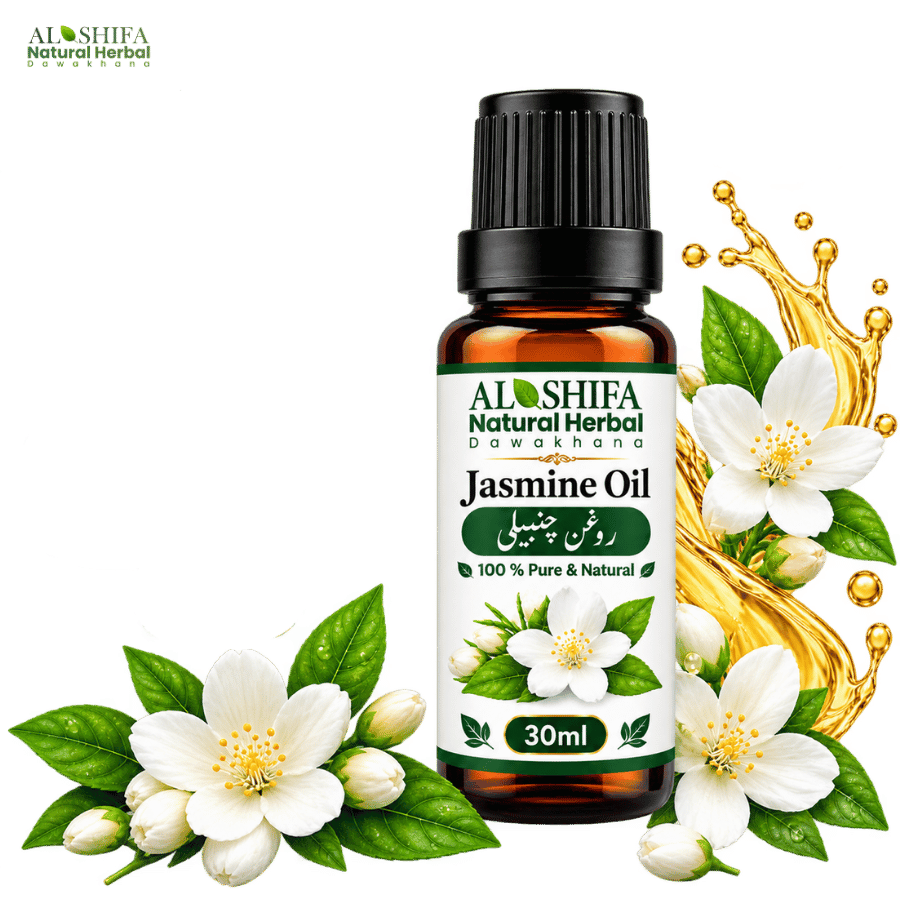
Jasmine Oil, traditionally known as Roghan Chambeli. is a highly valued aromatic botanical oil associated with fragrant jasmine flowers. It is traditionally used in perfumery, attars, aromatherapy, massage, hair-care, skin-care and personal grooming preparations.
Al Shifa Jasmine Oil is carefully selected with attention to its jasmine identity, characteristic rich floral aroma, oil quality, clean handling, suitable packaging and responsible storage.
Key Features:
Usage: Use a suitable amount according to the product concentration. For skin, scalp or massage use, concentrated jasmine aromatic material should be appropriately diluted in a suitable carrier oil. Patch test before wider application.
Important Note: “Jasmine Oil” may refer to Jasmine Absolute, diluted aromatic material, infused oil or fragrance formulations. Concentrated products should not be applied undiluted to sensitive skin, and external-use Jasmine Oil should not automatically be consumed.
Jasmine Oil, traditionally known as Roghan Chambeli (روغن چنبیلی), is a highly valued aromatic botanical oil associated with the fragrant flowers of the jasmine plant. Jasmine has been appreciated for centuries for its rich floral fragrance and has traditionally been used in perfumery, aromatherapy, massage, skin-care, hair-care and personal grooming preparations.
Several jasmine species are used commercially. One of the best-known sources is Jasminum grandiflorum L., while Jasminum sambac (L.) Aiton is another important fragrant jasmine species. The exact botanical source should therefore be considered when identifying a particular Jasmine Oil product.
Jasmine flowers contain delicate aromatic compounds responsible for their characteristic sweet, warm and intensely floral fragrance. Because these aromatic compounds can be difficult to obtain through ordinary steam distillation, commercial jasmine aromatic materials are often produced as Jasmine Absolute through extraction rather than as a conventional steam-distilled essential oil.
Products sold as “Jasmine Oil” may also be jasmine aromatic material diluted in a carrier oil or jasmine flowers infused into a suitable fixed oil. These forms should not automatically be treated as identical.
At Al Shifa Natural Herbal Dawakhana, Roghan Chambeli is selected with attention to its jasmine identity, characteristic floral aroma, oil quality, cleanliness, suitable packaging and responsible storage.
Jasmine Oil is a general commercial term for aromatic oil preparations associated with jasmine flowers.
Depending on the product, it may refer to:
These preparations can differ significantly in concentration and composition.
English Name: Jasmine Oil
Urdu Name: روغن چنبیلی
Roman Name: Roghan Chambeli / Chambeli Oil
Common Scientific Source: Jasminum grandiflorum L.
Other Important Source: Jasminum sambac (L.) Aiton
Plant Family: Oleaceae
Plant Part: Flowers
Product Type: Aromatic Botanical Oil / Perfumery, Aromatherapy & Cosmetic Ingredient
The word “Jasmine” does not refer to only one commercial botanical source.
Two important species include:
Jasminum grandiflorum – commonly associated with Spanish or Royal Jasmine.
Jasminum sambac – commonly known as Arabian Jasmine or Mogra.
Their fragrance profiles and aromatic composition can differ.
Therefore:
Jasminum grandiflorum ≠ Jasminum sambac
The botanical species should be identified whenever exact product identity matters.
Jasmine flowers are delicate and their aromatic material is commonly obtained through solvent extraction.
This produces a concentrated aromatic material generally known as:
Jasmine Absolute
Therefore, many authentic concentrated jasmine aromatics are technically absolutes rather than conventional steam-distilled essential oils.
The term “Jasmine Essential Oil” is widely used in the market, but it can be technically misleading.
True jasmine aromatic material is commonly available as an absolute because the flowers are not typically processed like Peppermint or Eucalyptus for ordinary essential-oil distillation.
Therefore:
Jasmine Absolute ≠ Conventional Steam-Distilled Essential Oil
The actual extraction method matters.
Jasmine-infused oil is generally produced by allowing jasmine flowers or botanical material to infuse into a suitable carrier oil.
Jasmine Absolute is a much more concentrated aromatic extract.
Therefore:
Jasmine Absolute ≠ Jasmine-Infused Oil
Their concentration, fragrance strength and intended use can be very different.
Some commercial products sold as Jasmine Oil may actually be formulated fragrance oils.
These may contain:
A fragrance oil should not automatically be described as pure Jasmine Absolute or pure botanical extract.
Jasmine flowers contain a complex mixture of aromatic compounds.
Depending on species and extraction method, these may include compounds associated with jasmine fragrance such as:
Exact composition varies considerably between jasmine species and preparations.
Jasmine has a long cultural and traditional history in:
Its primary value comes from its distinctive floral aroma and its role as an aromatic cosmetic ingredient.
Jasmine is one of the most recognised floral materials in traditional and modern perfumery.
Its fragrance is generally described as:
It is commonly incorporated into perfumes, attars and fragrance blends.
Jasmine aroma is widely used in aromatherapy and relaxation-focused fragrance blends.
Its floral scent may help create an environment associated with:
However:
Pleasant Aroma ≠ Treatment for Anxiety or Depression
Aromatherapy should not replace appropriate care for mental-health conditions.
Fragrance can influence personal perception, relaxation and emotional experience.
Jasmine is traditionally associated with an uplifting and comforting aromatic profile.
However, responses to fragrance are subjective.
It should not be presented as a guaranteed treatment for:
Properly diluted jasmine aromatic material may be incorporated into massage oils.
It can provide:
Concentrated Jasmine Absolute should generally be appropriately diluted before wider skin application.
Jasmine-based preparations are used in cosmetic skin-care products primarily for their:
The moisturising effect of a Jasmine Oil blend may come largely from its carrier oil.
Therefore:
Jasmine Aroma ≠ Automatically a Moisturising Oil
The complete formulation matters.
A properly formulated jasmine carrier-oil blend may help condition dry-feeling skin.
However:
Skin Conditioning ≠ Treatment for Eczema or Psoriasis
Persistent skin conditions require appropriate evaluation.
Jasmine products are sometimes promoted online for acne.
However, evidence is insufficient to present Jasmine Oil as an acne treatment.
Fragranced products can also irritate sensitive skin.
People with acne-prone or reactive skin should use suitable formulations carefully.
Jasmine Oil should not be promoted as a guaranteed skin-whitening product.
A well-formulated oil may improve the appearance of dry skin by providing conditioning.
However:
Conditioned Skin ≠ Skin Whitening
Jasmine-infused or jasmine-scented carrier oils may be incorporated into traditional hair-care routines.
Depending on the carrier oil, they may help:
The conditioning properties depend significantly on the base oil.
A properly diluted jasmine preparation may be used as part of a scalp-massage routine.
However:
Scalp Massage ≠ Treatment for Scalp Disease
Avoid concentrated aromatic material directly on sensitive or irritated scalp skin.
Jasmine Oil is sometimes marketed for hair growth.
However:
Hair Conditioning ≠ Proven Hair Regrowth
There is insufficient evidence to claim that Jasmine Oil can reverse:
A carrier-oil preparation may help condition a dry-feeling scalp.
However:
Dry-Scalp Conditioning ≠ Dandruff Treatment
Persistent dandruff may require appropriate scalp care.
A diluted jasmine aromatic blend can be incorporated into:
Its primary contribution is usually fragrance, while the carrier oil provides most of the conditioning effect.
Jasmine is highly valued in traditional attar and perfume-oil making.
Its rich floral aroma combines well with many aromatic materials.
It may be used alongside:
The concentration and formulation determine how the finished perfume should be used.
The fragrance of jasmine may be incorporated into evening personal-care or relaxation routines.
This may include:
However, fragrance-based relaxation should not be confused with treatment for insomnia or other sleep disorders.
Jasmine has historically been associated with romance and sensual fragrance.
This cultural association has led to its description as an “aphrodisiac” in traditional fragrance literature.
However:
Traditional Association ≠ Proven Treatment for Sexual Dysfunction
Jasmine Oil should not be presented as a treatment for infertility, erectile dysfunction or hormonal disorders.
Concentrated Jasmine Absolute or aromatic extract should not automatically be applied directly over large areas of skin.
For cosmetic use, it is generally incorporated at an appropriate concentration into a suitable formulation or carrier oil.
Examples of carrier oils may include:
The appropriate dilution depends on the concentration and intended use of the jasmine material.
Before wider topical use:
This is especially important for sensitive or fragrance-reactive skin.
Natural jasmine aromatic materials contain fragrance compounds that can cause sensitivity in some individuals.
Possible reactions may include:
“Natural” does not mean that an aromatic product cannot cause an allergic reaction.
Avoid direct contact with:
If accidental eye exposure occurs, rinse appropriately and seek medical advice if significant irritation continues.
Jasmine aromatic oils and absolutes sold for cosmetic, fragrance or aromatherapy purposes should not automatically be consumed.
Therefore:
External-Use Jasmine Oil ≠ Food-Grade Jasmine Product
Do not swallow a product unless it is specifically manufactured, appropriately formulated and labelled for internal use.
During pregnancy and breastfeeding, concentrated aromatic oils should be used conservatively.
The exact composition and concentration of commercial Jasmine Oil products can vary.
For extensive or specialised use during pregnancy, appropriate professional advice is preferable.
Concentrated aromatic products should be kept away from young children.
For children’s skin, avoid casual use of concentrated Jasmine Absolute or strong fragrance preparations.
Use only age-appropriate, properly formulated products.
Normal external cosmetic use of a properly formulated jasmine product is different from medicinal internal use.
People with:
should use strongly aromatic products cautiously.
The term “Jasmine Oil” can describe products of very different strengths and compositions.
A product may be:
Therefore, purity and concentration claims should be based on the actual product specification.
At Al Shifa Natural Herbal Dawakhana, Roghan Chambeli is selected with attention to:
Jasmine Identity – Appropriate jasmine-derived aromatic character.
Characteristic Aroma – Recognisable rich floral fragrance.
Oil Quality – Attention to normal appearance and condition.
Clean Handling – Responsible handling during packaging.
Suitable Packaging – Packaging designed to protect aromatic quality.
Responsible Storage – Protection from excessive heat, light, air and contamination.
Al Shifa Natural Herbal Dawakhana, established in 1999, supplies natural oils and traditional raw materials throughout Pakistan.
Our focus for Jasmine Oil includes:
For Perfume & Attar:
Use according to the concentration of the product as part of a suitable fragrance formulation.
For Massage:
Dilute concentrated jasmine aromatic material appropriately in a suitable carrier oil before wider body application.
For Skin:
Use only in a properly diluted or ready-to-use cosmetic formulation. Patch test before wider application.
For Hair:
A ready-to-use jasmine carrier-oil blend may be applied in a suitable amount to hair as part of a grooming routine.
For Scalp:
Use a properly diluted preparation and massage gently. Avoid irritated or damaged skin.
For Aromatherapy:
Use an appropriate amount according to the intended aromatherapy product or diffuser instructions.
Jasmine Oil / Roghan Chambeli is an aromatic botanical product associated with jasmine flowers and is widely used in perfumery, aromatherapy and cosmetic preparations.
Important distinctions include:
Store Jasmine Oil in a cool, dry and dark place with the container tightly closed.
For best quality:
Proper storage helps preserve the characteristic jasmine fragrance.
Jasmine Oil, traditionally known as Roghan Chambeli / روغن چنبیلی, is a highly valued aromatic botanical oil associated with fragrant jasmine flowers.
It is widely used in perfumery, attars, aromatherapy, massage oils, hair-care, skin-care and personal grooming preparations. Depending on the product, Jasmine Oil may be supplied as Jasmine Absolute, diluted aromatic material, jasmine-infused oil or another appropriately formulated jasmine preparation.
Customers searching for Jasmine Oil, Roghan Chambeli, Chambeli Oil, Jasmine Flower Oil, Jasminum Grandiflorum Oil, Jasmine Absolute, Jasmine Essential Oil, Jasmine Oil benefits, Jasmine Oil uses, Roghan Chambeli benefits, Roghan Chambeli uses, Jasmine Oil for hair, Jasmine Oil for hair growth, Jasmine Oil for scalp, Jasmine Oil for skin, Jasmine Oil for face, Jasmine Oil for massage, Jasmine Oil for aromatherapy, Jasmine Oil for perfume, Jasmine Oil for attar, Jasmine Oil fragrance, pure Jasmine Oil, original Roghan Chambeli, Jasmine Oil Pakistan, Roghan Chambeli Pakistan, Jasmine Oil Lahore, Jasmine Oil price in Pakistan, Roghan Chambeli price in Pakistan, buy Jasmine Oil Pakistan, buy Roghan Chambeli Pakistan or Jasmine Oil online Pakistan can choose Al Shifa Natural Herbal Dawakhana for carefully selected aromatic oil.
Since 1999, Al Shifa Natural Herbal Dawakhana has focused on supplying natural oils and traditional raw materials with attention to product identity, characteristic quality, clean handling, suitable packaging, responsible storage and clear product information.
Product Name: Jasmine Oil
English Name: Jasmine Oil
Urdu Name: روغن چنبیلی
Roman Name: Roghan Chambeli / Chambeli Oil
Common Scientific Source: Jasminum grandiflorum L.
Other Important Source: Jasminum sambac (L.) Aiton
Plant Family: Oleaceae
Plant Part: Flowers
Product Type: Aromatic Botanical Oil / Perfumery, Aromatherapy & Cosmetic Ingredient
Traditional & General Use: Perfumery, attars, aromatherapy, diluted massage preparations, hair care, skin care and personal grooming
Important Note: “Jasmine Oil” can refer to different preparations, including Jasmine Absolute, diluted aromatic material, infused oil or fragrance formulations. Concentrated jasmine aromatic products should be appropriately diluted for topical use, and external-use products should not automatically be consumed.
روغن چنبیلی چنبیلی کے خوشبودار پھولوں سے حاصل ہونے والا خوشبودار روغن ہے۔ چنبیلی اپنے سفید یا ہلکے رنگ کے نہایت خوشبودار پھولوں کی وجہ سے پاکستان اور برصغیر میں مشہور ہے۔ اس کے پھول خوشبو، بالوں کے روغن، جلد کی مصنوعات اور جسمانی مالش میں استعمال کیے جاتے ہیں۔
چنبیلی کے پھول بہت نازک ہوتے ہیں اور ان سے خوشبودار روغنی اجزاء حاصل کرنے کے لیے خاص طریقے استعمال کیے جاتے ہیں۔ بازار میں روغن چنبیلی کے نام سے خالص خوشبودار جوہر، کسی نرم روغن میں ملا ہوا چنبیلی کا روغن اور خوشبو والا روغن تینوں مل سکتے ہیں۔ اسی لیے استعمال سے پہلے مصنوعات کی قسم جاننا ضروری ہے۔
چنبیلی کی خوشبو میں بینزائل ایسیٹیٹ، لینالول، بینزائل بینزوایٹ، انڈول، فائیٹول اور جاسمون جیسے خوشبودار اجزاء پائے جا سکتے ہیں۔ ان کی مقدار چنبیلی کی قسم اور روغن حاصل کرنے کے طریقے کے مطابق بدلتی ہے۔
الشفاء نیچرل ہربل دواخانہ میں روغن چنبیلی کے لیے اچھے چنبیلی کے پھول، صاف روغن، قدرتی خوشبو، مناسب رنگت، تازگی اور غیر ضروری ملاوٹ سے پاک ہونے کو اہمیت دی جاتی ہے۔
روغن چنبیلی چنبیلی کے خوشبودار پھولوں سے حاصل ہونے والے خوشبودار اجزاء پر مشتمل روغن ہے۔
اسے زیادہ تر:
استعمال کیا جاتا ہے۔
بہت طاقت والا خالص خوشبودار چنبیلی روغن جلد پر براہ راست زیادہ مقدار میں نہیں لگانا چاہیے۔ اسے مناسب نرم روغن میں ملا کر استعمال کرنا بہتر ہے۔
نام: روغن چنبیلی
معروف نام: چنبیلی کا روغن
اصل پودا: چنبیلی
چنبیلی کا سائنسی نام: جیسمینم آفیشینیل یا جیسمینم سمبک
خاندان: اولیسی خاندان
استعمال ہونے والا حصہ: خوشبودار پھول
قسم: خوشبودار روغن
عام شکل: روغنی مائع
عام رنگت: ہلکی زرد سے سنہری یا بھوری مائل
بو: میٹھی، گہری اور نمایاں پھولوں جیسی خوشبو
چنبیلی جھاڑی یا بیل کی شکل میں بڑھنے والا خوشبودار پودا ہے۔
اس کی اہم نشانیاں یہ ہیں:
چنبیلی کی کئی اقسام پائی جاتی ہیں، اس لیے روغن کا اصل پھول معلوم ہونا بہتر ہے۔
اچھی چنبیلی کے پھولوں میں درج ذیل باتیں دیکھی جاتی ہیں:
اچھے روغن چنبیلی میں درج ذیل خصوصیات اہم ہیں:
صرف تیز خوشبو کو خالص ہونے کی علامت نہ سمجھیں۔
پاکستان میں رائج حکیمی اور مفردات کی کتابوں میں چنبیلی کے پھول کو گرم اور خشک اثر رکھنے والا بیان کیا جاتا ہے۔
چنبیلی کے پھول اور ان سے حاصل ہونے والا خوشبودار روغن ایک ہی شکل نہیں رکھتے۔ اسی لیے پھول کے لیے بیان کیے گئے درجۂ مزاج کو بغیر الگ معتبر کتابی حوالے کے روغن پر عین اسی درجے کے ساتھ مقرر کرنا مناسب نہیں۔
روغن چنبیلی کے لیے الگ درجۂ مزاج معتبر حوالے کے بغیر مقرر نہیں کیا جاتا۔
چنبیلی کے پھول اور ان سے حاصل ہونے والی خوشبودار مصنوعات حکیمی اور گھریلو استعمال میں مشہور ہیں۔
انہیں:
استعمال کیا جاتا ہے۔
چنبیلی کے خوشبودار اجزاء میں یہ مادے پائے جا سکتے ہیں:
ان کی مقدار چنبیلی کی قسم، پھولوں کی تازگی اور روغن حاصل کرنے کے طریقے کے مطابق ایک جیسی نہیں رہتی۔
روغن چنبیلی کے نمایاں فائدے اور استعمال یہ ہیں:
چنبیلی کی خوشبو کو پرسکون اور خوشگوار ماحول بنانے کے لیے استعمال کیا جاتا ہے۔
اس کی خوشبو سونگھنے سے ذہنی کیفیت اور سکون کے احساس پر کیا اثر پڑتا ہے، اس پر محدود انسانی تحقیق موجود ہے۔
اسے کمرے کی خوشبو، جسمانی مالش یا خوشبودار غسل میں استعمال کیا جا سکتا ہے۔
ذہنی تھکن کے وقت چنبیلی کی خوشبو خوشگوار ماحول پیدا کر سکتی ہے۔
خوشبو کا تجربہ ہر شخص میں ایک جیسا نہیں ہوتا۔ کسی شخص کو یہ خوشبو سکون بخش محسوس ہو سکتی ہے جبکہ کسی کو بہت تیز لگ سکتی ہے۔
مسلسل شدید ذہنی تھکن کے ساتھ جسمانی علامات بھی موجود ہوں تو معالج سے چیک کروائیں۔
چنبیلی کی خوشبو پر ذہنی سکون اور بے چینی کے حوالے سے محدود تحقیق موجود ہے، لیکن بے چینی کے امراض کی باقاعدہ ادویات کی جگہ روغن چنبیلی استعمال نہیں کیا جاتا۔
بے چینی کے امراض شدید ہوں یا روزمرہ زندگی متاثر ہو رہی ہو تو معالج سے چیک کروائیں۔
چنبیلی کی خوشبو رات کے وقت پرسکون ماحول بنانے کے لیے استعمال کی جا سکتی ہے۔
اسے بے خوابی کی بیماری کی باقاعدہ دوا نہیں سمجھا جاتا۔
اگر بے خوابی کی بیماری مسلسل رہے تو معالج سے چیک کروائیں۔
اگر روغن چنبیلی کسی مناسب نرم روغن میں ملا ہوا ہو تو خشک جلد پر استعمال کیا جا سکتا ہے۔
یہ جلد پر روغنی تہہ بنا کر خشکی اور کھردرا پن کم محسوس کرانے کے لیے فائدہ مند ہے۔
خالص طاقت والا خوشبودار روغن براہ راست پورے جسم پر نہ لگائیں۔
ہاتھوں، کہنیوں، گھٹنوں اور جسم کے خشک حصوں پر نرم روغن میں ملا ہوا چنبیلی کا روغن استعمال کیا جا سکتا ہے۔
یہ جلد کو نرم اور خوشبودار رکھنے کے لیے فائدہ مند ہے۔
اگر جلد کے امراض موجود ہوں تو خوشبودار روغن استعمال کرتے وقت احتیاط ضروری ہے۔
زخم، شدید سرخی، سوجن، پیپ یا بہت زیادہ خارش والی جلد پر روغن چنبیلی خود سے نہ لگائیں۔
جلد کے امراض مسلسل رہیں تو معالج سے چیک کروائیں۔
چنبیلی کے خوشبودار اجزاء حساس افراد میں جلد کی الرجی کی بیماری پیدا کر سکتے ہیں۔
علامات میں شامل ہو سکتی ہیں:
پہلی بار استعمال سے پہلے تھوڑی مقدار جلد کے چھوٹے حصے پر آزمائیں۔
خالص خوشبودار روغن چہرے پر براہ راست لگانا مناسب نہیں۔
اگر مہاسوں کی بیماری موجود ہو تو روغن چنبیلی یا چنبیلی والی چکنی مصنوعات پورے چہرے پر زیادہ مقدار میں استعمال نہ کریں۔
شدید مہاسوں کی بیماری میں معالج سے چیک کروائیں۔
روغن چنبیلی بالوں کی خوشبودار مصنوعات میں مشہور ہے۔
اگر یہ کسی مناسب نرم روغن میں ملا ہوا ہو تو بالوں کی لمبائی اور سروں پر استعمال کیا جا سکتا ہے۔
یہ خشک اور کھردرے بالوں کو روغنی نرمی اور خوشبو فراہم کرتا ہے۔
خشک بالوں کے لیے چنبیلی کا روغن ناریل، بادام، تل یا کسی مناسب بالوں کے روغن میں ملا کر استعمال کیا جا سکتا ہے۔
یہ بالوں کو نرم اور ہموار محسوس کرانے کے لیے فائدہ مند ہے۔
بالوں کے خشک سروں پر چنبیلی ملا نرم روغن کم مقدار میں لگایا جا سکتا ہے۔
یہ بالوں کے سروں کو نرم رکھنے اور خشکی کم محسوس کرانے کے لیے فائدہ مند ہے۔
دو حصوں میں تقسیم ہو جانے والے بالوں کے سرے روغن سے دوبارہ مکمل طور پر نہیں جڑتے۔
نرم روغن میں ملا ہوا روغن چنبیلی سر کی جلد کی ہلکی مالش میں استعمال کیا جا سکتا ہے۔
انگلیوں کے پوروں سے آہستہ مالش کریں اور ناخن سے سر کی جلد نہ رگڑیں۔
خالص طاقت والا خوشبودار روغن سر کی جلد پر زیادہ مقدار میں نہ لگائیں۔
اگر سر کی جلد کے امراض موجود ہوں تو روغن چنبیلی استعمال کرنے سے پہلے جلد کی حالت دیکھیں۔
زخم، شدید خارش، پیپ یا سوجن والی سر کی جلد پر خوشبودار روغن استعمال نہ کریں۔
معالج سے چیک کروائیں۔
روغن چنبیلی بالوں کو خوشبو اور روغنی نرمی فراہم کرتا ہے، لیکن بال گرنے کی بیماری میں نئے بال اگانے کے مضبوط انسانی ثبوت موجود نہیں۔
اگر بال تیزی سے گریں یا سر پر خالی جگہیں بنیں تو معالج سے چیک کروائیں۔
روغن چنبیلی خوشبودار جسمانی مالش میں استعمال کیا جاتا ہے۔
طاقت والے خوشبودار روغن کو ناریل، بادام، تل یا کسی مناسب مالش کے روغن میں کم مقدار میں ملا کر استعمال کیا جا سکتا ہے۔
اس کی خوشبو مالش کے دوران خوشگوار ماحول پیدا کرتی ہے۔
چنبیلی کی خوشبو غسل کی مصنوعات میں استعمال کی جاتی ہے۔
خالص خوشبودار روغن کو براہ راست بہت زیادہ مقدار میں پانی میں ڈالنے کے بجائے مناسب غسل کی مصنوعات میں استعمال کرنا بہتر ہے۔
آنکھوں سے رابطہ نہ ہونے دیں۔
چنبیلی دنیا کے مشہور خوشبودار پھولوں میں شامل ہے۔
اس کی خوشبو عطر، جسمانی خوشبو، صابن، جلد کی مصنوعات اور بالوں کی خوشبودار مصنوعات میں استعمال کی جاتی ہے۔
چنبیلی کی گہری پھولوں جیسی خوشبو اسے خوشبو سازی میں خاص اہمیت دیتی ہے۔
چنبیلی کے پھول اور روغن چنبیلی ایک ہی شکل نہیں ہیں۔
چنبیلی کے پھول:
روغن چنبیلی:
بازار میں روغن چنبیلی مختلف شکلوں میں مل سکتا ہے۔
ایک قسم میں چنبیلی کے طاقت والے خوشبودار اجزاء زیادہ ہوتے ہیں۔
ایک قسم میں چنبیلی کے خوشبودار اجزاء ناریل، بادام، جوجوبا یا کسی مناسب نرم روغن میں پہلے سے ملے ہوتے ہیں۔
جلد اور بالوں پر استعمال سے پہلے یہ جاننا ضروری ہے کہ موجود روغن کس قسم کا ہے۔
خواتین روغن چنبیلی کو خوشبو، بالوں، جلد اور جسمانی مالش میں مناسب مقدار میں استعمال کر سکتی ہیں۔
حساس جلد میں پہلے تھوڑی مقدار آزمائیں۔
خالص طاقت والا خوشبودار روغن جلد پر براہ راست زیادہ مقدار میں نہ لگائیں۔
حمل کے دوران خوشبودار روغنوں کا زیادہ استعمال خود سے نہ کریں۔
چنبیلی کے طاقت والے خوشبودار روغن کو حمل میں جسم پر زیادہ مقدار میں لگانے یا اندرونی طور پر استعمال کرنے سے بچیں۔
اگر حمل کے دوران خوشبودار روغن استعمال کرنا ہو تو معالج سے مناسب طریقہ معلوم کریں۔
دودھ پلانے کے دوران روغن چنبیلی کو چھاتی یا ایسی جگہ نہ لگائیں جہاں سے بچہ اسے منہ میں لے سکے۔
طاقت والے خوشبودار روغن کو کم مقدار میں اور مناسب نرم روغن میں ملا کر استعمال کریں۔
بچے کے چہرے کے قریب تیز خوشبو استعمال نہ کریں۔
بچوں کی جلد بڑوں کے مقابلے میں زیادہ حساس ہو سکتی ہے۔
خالص طاقت والا روغن چنبیلی بچوں کی جلد پر خود سے استعمال نہ کریں۔
بچوں کے چہرے، ناک اور آنکھوں کے قریب تیز خوشبودار روغن نہ لگائیں۔
اگر جگر کے امراض موجود ہوں تو روغن چنبیلی کو کسی بیماری کے لیے منہ کے ذریعے خود سے استعمال نہ کریں۔
بیرونی استعمال بھی مناسب مقدار میں رکھیں۔
اگر گردوں کے امراض موجود ہوں تو طاقت والے خوشبودار روغن کو کسی بیماری کے لیے اندرونی طور پر خود سے استعمال نہ کریں۔
جلد یا بالوں کے استعمال کے لیے مناسب مقدار رکھیں۔
روغن چنبیلی کا مناسب بیرونی استعمال عام طور پر ادویات کی جگہ نہیں لیتا۔
اگر جلد کے امراض کی دوا اسی جگہ لگائی جا رہی ہو تو خوشبودار روغن استعمال کرنے سے پہلے معالج سے مناسب طریقہ معلوم کریں۔
ادویات خود سے بند یا تبدیل نہ کریں۔
طاقت والے روغن چنبیلی کی زیادہ مقدار سے:
پیدا ہو سکتی ہے۔
آنکھوں، منہ اور جسم کے بہت حساس حصوں پر استعمال نہ کریں۔
روغن چنبیلی کا اہم استعمال خوشبو، جلد، بالوں اور جسمانی مالش میں ہے۔
طاقت والے خوشبودار روغن کو گھر میں خود سے منہ کے ذریعے استعمال نہ کریں۔
اسے کسی بیماری کی اندرونی دوا کے طور پر خود سے استعمال کرنا مناسب نہیں۔
روغن چنبیلی کا بدل استعمال کے مقصد کے مطابق منتخب کیا جاتا ہے۔
خوشبودار مالش کے لیے:
استعمال کیے جا سکتے ہیں۔
خشک جلد اور بالوں کے لیے:
جیسے نرم روغن استعمال کیے جا سکتے ہیں۔
روغن چنبیلی کا استعمال اس کی طاقت اور قسم کے مطابق کیا جاتا ہے۔
بالوں کے لیے:
اگر روغن پہلے سے نرم روغن میں ملا ہوا ہو تو تھوڑی مقدار بالوں اور سر کی جلد پر استعمال کریں۔
طاقت والے خوشبودار روغن کے لیے:
کسی مناسب نرم روغن میں بہت کم مقدار ملا کر استعمال کریں۔
خشک جلد کے لیے:
ملا ہوا روغن جلد کے چھوٹے حصے پر آزمانے کے بعد استعمال کریں۔
جسمانی مالش کے لیے:
ناریل، بادام، تل یا کسی مناسب مالش کے روغن میں کم مقدار ملا کر استعمال کریں۔
خوشبو کے لیے:
بہت کم مقدار کافی ہوتی ہے۔
اندرونی استعمال کے لیے:
گھر میں خود سے منہ کے ذریعے استعمال نہ کریں۔
روغن چنبیلی چنبیلی کے خوشبودار پھولوں سے حاصل ہونے والا طاقت والا خوشبودار روغن ہو سکتا ہے۔
بازار میں چنبیلی کا خالص خوشبودار روغن، نرم روغن میں ملا ہوا چنبیلی کا روغن اور خوشبو شامل کی گئی مصنوعات مل سکتی ہیں، اس لیے استعمال سے پہلے مصنوعات کی قسم جاننا ضروری ہے۔
خالص طاقت والا روغن جلد پر براہ راست زیادہ مقدار میں استعمال نہ کریں۔
جلد کی الرجی کی بیماری، شدید جلد کے امراض یا سر کی جلد کے امراض میں جلن پیدا ہونے پر استعمال روک دیں اور معالج سے چیک کروائیں۔
الشفاء نیچرل ہربل دواخانہ میں روغن چنبیلی کے لیے درج ذیل باتوں کو اہمیت دی جاتی ہے:
اچھی چنبیلی: صاف اور خوشبودار چنبیلی کے پھولوں کو اہمیت دی جاتی ہے۔
قدرتی خوشبو: چنبیلی کی اصل میٹھی اور گہری خوشبو کو اہمیت دی جاتی ہے۔
صاف روغن: پانی، گرد اور غیر ضروری اجزاء سے پاک روغن کو اہمیت دی جاتی ہے۔
مناسب رنگت: روغن کی اپنی قدرتی رنگت کو اہمیت دی جاتی ہے۔
تازگی: باسی یا خراب بو والے روغن سے بچا جاتا ہے۔
درست شناخت: چنبیلی کی قسم اور روغن کی نوعیت واضح ہونا اہم ہے۔
غیر ضروری ملاوٹ سے پاک: غیر ضروری رنگ اور کم معیار کے روغن کی ملاوٹ سے پاک ہونے کو اہمیت دی جاتی ہے۔
الشفاء نیچرل ہربل دواخانہ سنہ ۱۹۹۹ سے قدرتی جڑی بوٹیوں، پھولوں، بیجوں اور ان سے حاصل ہونے والے روغنوں کی سپلائی کر رہا ہے۔
ہم روغن چنبیلی میں اچھے چنبیلی کے پھول، صاف حالت، قدرتی خوشبو، مناسب رنگت، تازگی اور غیر ضروری ملاوٹ سے پاک ہونے کو اہمیت دیتے ہیں۔
اچھے روغن چنبیلی کی پہچان اس کی صاف حالت، قدرتی پھولوں جیسی خوشبو، مناسب رنگت اور درست پیکنگ سے کی جاتی ہے۔
روغن چنبیلی کو ٹھنڈی، خشک اور روشنی سے محفوظ جگہ پر کسی جار میں اچھی طرح پیک کر کے رکھیں۔
روغن چنبیلی پاکستان میں خوشبو، بالوں، سر کی جلد، جسمانی مالش اور جلد کی خوشبودار مصنوعات کے لیے استعمال ہونے والا معروف روغن ہے۔
چنبیلی کے خوشبودار پھول پاکستان میں باغات اور گھروں میں بھی پسند کیے جاتے ہیں۔ ان کی میٹھی اور گہری خوشبو عطر اور جسمانی خوشبو کی مصنوعات میں خاص اہمیت رکھتی ہے۔
روغن چنبیلی خریدتے وقت یہ جاننا ضروری ہے کہ مصنوعات خالص طاقت والا خوشبودار روغن ہے یا پہلے سے کسی نرم روغن میں ملا ہوا ہے۔
الشفاء نیچرل ہربل دواخانہ روغن چنبیلی میں صاف حالت، قدرتی خوشبو، مناسب رنگت، تازگی اور غیر ضروری ملاوٹ سے پاک ہونے کو اہمیت دیتا ہے۔
نام: روغن چنبیلی
معروف نام: چنبیلی کا روغن
اصل پودا: چنبیلی
چنبیلی کا سائنسی نام: جیسمینم آفیشینیل یا جیسمینم سمبک
خاندان: اولیسی خاندان
استعمال ہونے والا حصہ: خوشبودار پھول
قسم: خوشبودار روغن
مزاج: پاکستان میں رائج حکیمی اور مفردات کی کتابوں میں چنبیلی کے پھول کو گرم اور خشک اثر رکھنے والا بیان کیا جاتا ہے۔ روغن چنبیلی کے لیے الگ درجۂ مزاج معتبر حوالے کے بغیر مقرر نہیں کیا جاتا۔
عام شکل: روغنی مائع
عام رنگت: ہلکی زرد سے سنہری یا بھوری مائل
بو: میٹھی، گہری اور نمایاں پھولوں جیسی خوشبو
اہم قدرتی اجزاء: بینزائل ایسیٹیٹ، لینالول، بینزائل بینزوایٹ، انڈول، جاسمون، فائیٹول اور جیرانیول۔
اہم فائدے: خوشبودار جسمانی مالش، پرسکون ماحول، خشک جلد کو روغنی نرمی، خشک اور کھردرے بالوں کی دیکھ بھال، سر کی جلد کی مالش اور عطر و خوشبو کی مصنوعات میں استعمال۔
اہم احتیاط: طاقت والے خوشبودار روغن کو جلد پر براہ راست زیادہ مقدار میں استعمال نہ کریں۔ آنکھوں اور منہ سے دور رکھیں۔ جلد کی الرجی کی بیماری پیدا ہونے پر استعمال روک دیں۔ حمل اور بچوں میں طاقت والے خوشبودار روغن کا استعمال خاص احتیاط سے کریں۔