زینتھن گم
Price range: ₨ 470 through ₨ 7,400
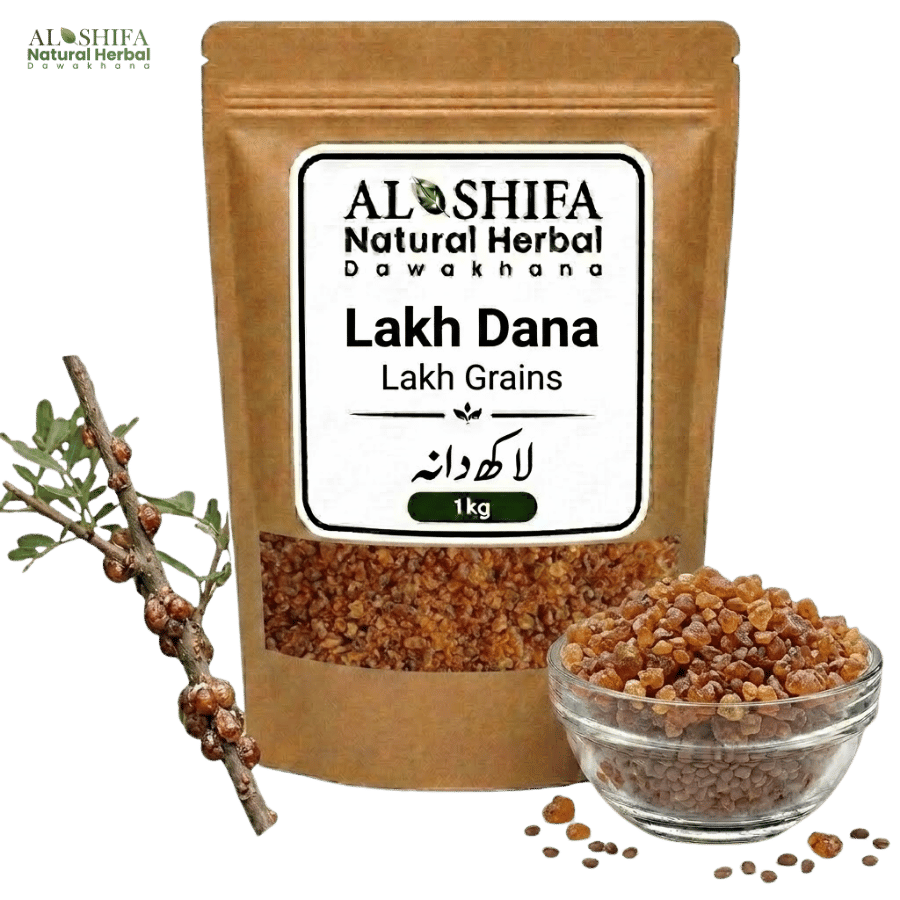
Lakh Dana, also known as Lac Grains, Seedlac or Lac Resin, is a traditional natural resinous material produced by the lac insect Kerria lacca. Despite its grain-like appearance and the name “Dana,” it is not a plant seed. Lac has a long history of use in selected traditional preparations, natural resin applications, handicrafts, polishing, coatings and shellac production.
Al Shifa Lakh Dana is carefully selected with attention to its traditional identity, characteristic granular appearance, natural resinous quality, cleanliness and responsible storage.
Key Features:
Important Note: Lakh Dana is a natural resinous material, not a botanical seed. Its suitability depends on its grade and intended use. Industrial, craft or unknown-grade lac should not be consumed or used medicinally. Internal medicinal use should follow qualified professional guidance.
Lakh Dana, also known as Lac Grains, Lac Resin or Seedlac, is a traditional natural resinous material obtained from the hardened secretion produced by the lac insect, scientifically known as Kerria lacca. Despite the word “Dana” or “Grains” in its trade name, Lakh Dana is not a botanical seed or cereal grain.
The lac insect lives on the branches of certain host trees and produces a natural resinous coating. After collection and processing, this material can be cleaned and prepared into granular forms commonly known in the traditional trade as Lakh Dana.
Lac has a long history of use across South Asia. Depending on its grade and processing, it has been used in traditional preparations, natural colouring, coatings, polishing, sealing, decorative work, handicrafts and the production of shellac. Traditional herbal systems have also historically included lac-derived material in selected compound preparations.
At Al Shifa Natural Herbal Dawakhana, Lakh Dana is carefully selected with attention to its traditional identity, characteristic resinous appearance, cleanliness, proper dryness and responsible storage.
Lakh Dana is a processed natural resinous material derived from lac produced by the insect Kerria lacca.
The insects settle on suitable host-tree branches and feed on plant sap. During their life cycle, they produce a protective resinous secretion around themselves.
This hardened material is collected from the branches and can undergo different stages of cleaning and processing.
Depending on the processing stage and commercial grade, lac materials may be encountered as:
Lakh Dana generally refers to cleaned granular lac material rather than an actual seed.
English Name: Lac Grains / Seedlac / Lac Resin
Urdu Name: لاکھ دانہ
Roman Name: Lakh Dana / Lac Dana / Lak Dana
Biological Source: Kerria lacca
Older Scientific Name: Laccifer lacca
Source: Natural resinous secretion of the lac insect
Common Form: Granules / Broken Resinous Pieces
Product Type: Traditional Natural Resinous Raw Material
The word Dana can create confusion because it commonly means seed or grain.
Lakh Dana is not:
It is a natural resinous material produced by the lac insect on host plants.
Its granular appearance after processing is the reason it may be described commercially as lac grains or Lakh Dana.
Lac insects live on suitable host plants and produce a resinous protective material around their colonies.
Traditional lac production generally involves:
The final appearance and purity of the material depend heavily on the stage of processing.
The lac insect can develop on several host plants.
Traditional lac cultivation has been associated with trees such as:
The host plant, insect strain, harvest season and processing method can influence the appearance and characteristics of the final lac material.
These terms describe different stages or forms of lac processing.
Sticklac:
This is relatively crude lac material collected from host branches and may still contain pieces of bark, insect remains and other natural debris.
Seedlac:
Sticklac is crushed, cleaned and processed to remove much of the unwanted material. The resulting granular resin is commonly called seedlac.
Despite the word “seed,” seedlac is not a botanical seed.
Shellac:
Seedlac can undergo further processing to produce shellac, usually supplied as thin flakes or another refined form.
Therefore, Lakh Dana, crude sticklac and refined shellac should not automatically be treated as identical materials.
Good-quality Lakh Dana should show the expected characteristics of properly processed lac resin.
Common quality features include:
Natural differences in colour and appearance can occur according to source, processing and grade.
Lakh Dana may naturally vary in colour.
Depending on its origin and processing, it may appear:
Natural colour variation does not automatically indicate poor quality.
The colour can be influenced by the source, host plant, harvest and degree of purification.
Lac has been valued in South Asia for centuries as a versatile natural material.
Its historical importance extends beyond herbal practice.
Traditional applications have included:
The intended use depends greatly on the grade and processing of the lac.
Lac-derived materials have historically appeared in selected traditional Unani and Ayurvedic compound preparations.
Traditional literature may associate lac with formulations intended for:
These historical uses should not be interpreted as proof that raw Lakh Dana can medically treat a particular condition.
Lac has a notable traditional reputation in some South Asian systems where it has appeared in compound preparations associated with bones, physical injury and recovery.
However, this traditional use requires careful interpretation.
Lakh Dana should not be described as a proven treatment that:
Suspected fractures and significant injuries require proper medical assessment, imaging when necessary and appropriate treatment.
Traditional preparations should never delay necessary fracture or trauma care.
Lac-derived material may also appear in selected external traditional preparations.
The suitability of Lakh Dana for external use depends on:
Raw or unidentified industrial-grade lac should not automatically be applied to the skin.
Do not apply unverified preparations to:
Lac is a complex natural material containing predominantly resinous components along with smaller amounts of other naturally occurring substances.
Its composition can vary according to:
Natural composition should not be interpreted as evidence for a specific medical effect.
Natural lac material can contain both resinous and colouring components.
During processing, these components may be separated for different purposes.
Lac Resin:
Primarily valued for coating, polishing, shellac production and other resin-related applications.
Lac Dye:
A colouring material derived from lac and historically used for natural dyeing.
These products are related but are not automatically interchangeable.
Shellac is produced through further processing of lac resin.
It has historically been used in:
Modern shellac may also be manufactured to specific grades for specialized applications.
A raw traditional Lakh Dana product should not automatically be assumed to meet the purity standards required for food, pharmaceutical or cosmetic manufacturing.
This is particularly important for lac products.
Different grades may be intended for:
A product being “natural” does not automatically make every grade suitable for eating, medicinal use or cosmetic use.
The required grade should always match the intended application.
Processing can substantially change the cleanliness and characteristics of lac.
Crude Lac Material:
May contain more natural debris and impurities.
Cleaned Lakh Dana / Seedlac:
More processed and granular, with much of the unwanted debris removed.
Refined Shellac:
Further processed into a more uniform material.
These forms should not automatically be substituted for one another.
Lakh Dana is not an ordinary food.
Traditional internal use should only be considered when:
Industrial, craft or unknown-grade lac should not be consumed.
Lac and shellac have many commercial applications, but commercial use does not mean that every product is safe for ingestion.
Materials sold for:
may not meet standards required for internal medicinal or food-related use.
Always use a grade specifically appropriate for the intended purpose.
Reliable information about medicinal internal use of traditional Lakh Dana preparations during pregnancy is limited.
Pregnant women should avoid self-prescribing Lakh Dana or lac-based medicinal preparations unless specifically advised by an appropriately qualified healthcare professional.
There is insufficient reliable information to establish the safety of medicinal amounts of Lakh Dana during breastfeeding.
Breastfeeding women should seek professional guidance before internal medicinal use.
Lakh Dana should not be routinely given internally to infants or children without appropriate professional guidance.
A product intended for crafts or industrial applications must never be given to children for medicinal use.
Natural resins and processed lac products may cause sensitivity in some individuals.
Discontinue exposure and seek appropriate advice if significant:
develops after contact or use.
People with chronic medical conditions or those taking regular medicines should seek qualified professional advice before using Lakh Dana internally as part of a medicinal formulation.
Traditional natural materials can still have biological effects, and the grade and purity of resinous materials require particular attention.
At Al Shifa Natural Herbal Dawakhana, Lakh Dana is selected with attention to:
Traditional Identity – Natural lac material consistent with its traditional source.
Characteristic Appearance – Recognizable granular resinous form.
Cleanliness – Selected to reduce unnecessary foreign material and debris.
Proper Dryness – Maintained appropriately for responsible storage.
Natural Colour – Characteristic colour appropriate to lac material.
Responsible Storage – Protected from moisture, contamination and unsuitable storage conditions.
Al Shifa Natural Herbal Dawakhana, established in 1999, supplies carefully selected traditional herbs and natural raw materials throughout Pakistan.
Our focus includes:
The appropriate use of Lakh Dana depends entirely on the intended purpose and grade.
Traditionally, lac-derived material may be used as:
For medicinal internal use, the material must be of an appropriate grade and should be used only according to qualified professional guidance.
Do not use industrial or unknown-grade lac internally.
Lakh Dana is a natural resinous material produced by the lac insect and is not a botanical seed.
Its traditional reputation should not be interpreted as proof that it can treat or cure:
Traditional use and established medical treatment are different.
The suitability of Lakh Dana also depends strongly on its grade, purity and intended application.
Products intended for industrial, craft or polishing purposes should not be assumed suitable for medicinal, food or cosmetic use.
Store Lakh Dana in a cool, dry and clean place in a tightly closed container.
For better storage:
Do not use material showing visible mould, excessive contamination, unusual deterioration or an abnormal spoiled smell.
Lakh Dana, also known as Lac Grains, Seedlac or Lac Resin, is a traditional natural resinous raw material produced by the lac insect Kerria lacca. Despite its grain-like appearance and the name “Dana,” it is not a plant seed.
Lac has a long history of use across South Asia in traditional compound preparations, natural resin applications, handicrafts, polishing, coatings, decorative work and shellac production. Its suitability for any particular use depends on its processing and grade.
Customers searching for Lakh Dana Pakistan, Lac Grains Pakistan, Seedlac Pakistan, Lac Resin Pakistan, pure Lakh Dana, original Lakh Dana, natural Lakh Dana, Lakh Dana uses, Lakh Dana Lahore, Lakh Dana price in Pakistan, lac resin price in Pakistan, buy Lakh Dana Pakistan or Lakh Dana online Pakistan can choose Al Shifa Natural Herbal Dawakhana for carefully selected traditional raw material.
Since 1999, Al Shifa Natural Herbal Dawakhana has focused on supplying traditional herbs and natural raw materials with attention to identity, cleanliness, natural quality, proper storage and clear product information.
Product Name: Lakh Dana
English Name: Lac Grains / Seedlac / Lac Resin
Urdu Name: لاکھ دانہ
Roman Name: Lakh Dana / Lac Dana / Lak Dana
Biological Source: Kerria lacca
Older Scientific Name: Laccifer lacca
Source Material: Natural Resinous Secretion of the Lac Insect
Common Form: Granules / Broken Resinous Pieces
Product Type: Traditional Natural Resinous Raw Material
Traditional Use: Selected traditional compound preparations, natural resin applications, handicrafts, polishing, coatings and shellac production
Important Note: Lakh Dana is not a plant seed. It is a natural resinous material produced by the lac insect. Product grade is important, and industrial, craft or unknown-grade lac should not be consumed or used medicinally. Traditional medicinal use should follow qualified professional guidance.
لاکھ دانہ ایک مشہور روایتی قدرتی مادہ ہے جو لاکھ کے کیڑے سے خارج ہونے والی قدرتی رال سے حاصل ہوتا ہے۔ لاکھ کا کیڑا مختلف درختوں کی شاخوں پر رہتا ہے اور ان پر ایک رال دار مادہ جمع کرتا ہے۔ اس مادے کو جمع کرنے، صاف کرنے اور مناسب طریقے سے تیار کرنے کے بعد لاکھ مختلف شکلوں میں حاصل ہوتی ہے، جن میں دانہ دار شکل کو لاکھ دانہ کہا جاتا ہے۔
لاکھ دانہ کی خاص پہچان اس کی قدرتی سرخی مائل بھوری سے گہری بھوری رنگت، سخت اور بھربھری رال دار ساخت اور چھوٹے دانوں یا ٹکڑوں جیسی ظاہری حالت ہے۔ اس کی رنگت اور ظاہری شکل خام مال، صفائی اور تیاری کے طریقے کے مطابق مختلف ہو سکتی ہے۔
طب یونانی میں لاکھ کو قدیم زمانے سے مختلف مرکبات میں استعمال کیا جاتا رہا ہے۔ اس کا ذکر خصوصاً جگر سے متعلق بعض روایتی نسخوں، جسم میں چربی سے متعلق بعض مرکبات اور مختلف دیسی طبی ادویات میں ملتا ہے۔
الشفاء نیچرل ہربل دواخانہ میں لاکھ دانہ کو اس کی درست پہچان، قدرتی رنگت، ظاہری حالت، صفائی اور مناسب خشک حالت کو دیکھ کر منتخب کیا جاتا ہے۔ اسے نمی، گرد اور دوسری غیر ضروری چیزوں سے محفوظ رکھنے کے لیے صحیح طریقے سے محفوظ کیا جاتا ہے۔
لاکھ دانہ کسی درخت کا بیج یا اناج نہیں ہے۔
یہ ایک قدرتی رال دار مادہ ہے جو لاکھ کا کیڑا مختلف درختوں کی شاخوں پر پیدا کرتا ہے۔ یہ رال شاخوں کے گرد جمع ہو کر سخت ہو جاتی ہے۔
درخت کی شاخوں سے حاصل ہونے والی خام لاکھ میں شاخوں کے چھوٹے حصے، گرد، کیڑوں کے باقیات اور دوسری غیر ضروری چیزیں موجود ہو سکتی ہیں۔ اسے صاف کرنے اور مختلف مراحل سے گزارنے کے بعد دانہ دار لاکھ حاصل کی جاتی ہے۔
اسی دانہ دار شکل کو عام طور پر لاکھ دانہ کہا جاتا ہے۔
لاکھ دانہ کی رنگت مختلف ہو سکتی ہے، مثلاً:
اس کی رنگت اور ساخت لاکھ کے کیڑے، اس درخت جس پر کیڑا موجود ہو، جمع کرنے کے وقت، خام لاکھ کے معیار، دھونے، صفائی، تیاری اور محفوظ رکھنے کے طریقے کے مطابق مختلف ہو سکتی ہے۔
ضرورت کے مطابق لاکھ دانہ کو:
کی شکل میں رکھا یا مختلف مرکبات میں شامل کیا جا سکتا ہے۔
نام: لاکھ دانہ
دوسرا معروف نام: لاکھ
ایک اور معروف نام: دانہ دار لاکھ
عام نام: قدرتی لاکھ کی رال
ماخذ: لاکھ کے کیڑے سے خارج ہونے والی قدرتی رال
حاصل ہونے کا ذریعہ: لاکھ کا کیڑا
استعمال ہونے والا حصہ: صاف اور تیار کی گئی رال
عام شکل: چھوٹے سخت دانے یا رال دار ٹکڑے
عام رنگت: سرخی مائل بھوری سے گہری بھوری
قسم: طب یونانی اور مختلف روایتی تیاریوں میں استعمال ہونے والا قدرتی رال دار مادہ
لاکھ دانہ کی درست پہچان ضروری ہے کیونکہ نام میں دانہ آنے کے باوجود یہ کسی پودے کا بیج نہیں ہے۔ یہ لاکھ کے کیڑے سے حاصل ہونے والی قدرتی رال کی صاف اور دانہ دار شکل ہے۔
اچھی لاکھ دانہ میں اس کی قدرتی رنگت، رال دار ساخت اور صاف ظاہری حالت موجود رہتی ہے۔
اچھی لاکھ دانہ کی عام نشانیاں یہ ہو سکتی ہیں:
اگر لاکھ دانہ میں بہت زیادہ نمی، پھپھوندی، غیر ضروری کیڑے، بہت زیادہ گندگی یا غیر معمولی خراب بو محسوس ہو تو اسے استعمال نہ کریں۔
خام لاکھ اور لاکھ دانہ ایک ہی قدرتی ماخذ سے حاصل ہوتے ہیں، لیکن ان کی صفائی اور ظاہری حالت میں فرق ہوتا ہے۔
خام لاکھ:
یہ درخت کی شاخوں سے حاصل ہونے والی ابتدائی رال دار شکل ہے۔ اس میں شاخوں کے ٹکڑے، گرد، کیڑوں کے باقیات اور دوسری غیر ضروری چیزیں شامل ہو سکتی ہیں۔
لاکھ دانہ:
خام لاکھ کو توڑنے، دھونے، چھاننے اور صاف کرنے کے بعد حاصل ہونے والی نسبتاً صاف دانہ دار رال کو لاکھ دانہ کہا جاتا ہے۔
اسی لیے طبی یا دوسری تیاریوں میں استعمال کے لیے لاکھ کی قسم اور صفائی کا معیار معلوم کرنا ضروری ہے۔
لاکھ دانہ اور شیلک ایک دوسرے سے متعلق ہیں، لیکن دونوں بالکل ایک ہی تیار شدہ شکل نہیں ہیں۔
لاکھ دانہ:
یہ خام لاکھ کی صفائی اور دھلائی کے بعد حاصل ہونے والی دانہ دار رال ہے۔
شیلک:
لاکھ دانہ کو مزید صاف، چھان کر یا دوسرے مناسب طریقوں سے تیار کرنے کے بعد زیادہ صاف رال حاصل کی جا سکتی ہے جسے شیلک کہا جاتا ہے۔
شیلک کو ادویات، خوراک کی بعض تیار شدہ مصنوعات اور مختلف صنعتی چیزوں پر حفاظتی تہہ بنانے سمیت کئی مقاصد کے لیے استعمال کیا جاتا ہے۔
لاکھ کا استعمال طب یونانی میں قدیم زمانے سے ہوتا آ رہا ہے۔
اسے مختلف روایتی مرکبات میں خصوصاً:
میں شامل کیا جاتا رہا ہے۔
یہ استعمال طب یونانی اور دوسری روایتی طبی معلومات پر مبنی ہیں۔ انہیں کسی بیماری کا یقینی یا ثابت شدہ علاج نہیں سمجھنا چاہیے۔
لاکھ کا ذکر طب یونانی میں جگر سے متعلق بعض قدیم نسخوں اور مرکبات میں ملتا ہے۔
روایتی طبی کتابوں میں اسے مختلف اجزاء کے ساتھ بعض ایسی ادویات میں شامل کیا جاتا رہا ہے جو جگر سے متعلق شکایات کے لیے تیار کی جاتی تھیں۔
لیکن جگر کی بیماریوں کی بہت سی مختلف وجوہات ہو سکتی ہیں۔ اس لیے لاکھ دانہ کو:
کا خود سے ثابت شدہ علاج نہیں سمجھنا چاہیے۔
جگر سے متعلق مسئلہ موجود ہو تو مستند معالج سے معائنہ کروانا ضروری ہے۔
طب یونانی میں لاکھ کا ذکر جسم میں زیادہ چربی اور وزن سے متعلق بعض قدیم مرکبات میں بھی ملتا ہے۔
اسے مختلف دوسری ادویات کے ساتھ روایتی نسخوں میں شامل کیا جاتا رہا ہے۔
لیکن جسمانی وزن اور خون میں چربی پر غذا، جسمانی سرگرمی، عمر، ہارمون، موروثی عوامل، بعض بیماریاں اور ادویات سمیت بہت سی چیزیں اثر انداز ہوتی ہیں۔
اس لیے لاکھ دانہ کو موٹاپے یا خون میں زیادہ چربی کا خود سے ثابت شدہ علاج نہیں سمجھنا چاہیے۔
لاکھ دانہ کے بارے میں یہ بات خاص طور پر سمجھنا ضروری ہے کہ یہ جڑی بوٹی، پودے کا بیج یا درخت کی قدرتی رال نہیں ہے۔
اس کا بنیادی ماخذ لاکھ کا کیڑا ہے۔
لاکھ کا کیڑا مخصوص درختوں کی شاخوں پر رہتے ہوئے رال دار مادہ خارج کرتا ہے، جو بعد میں سخت ہو جاتا ہے۔ اسی مادے کو جمع اور صاف کر کے لاکھ کی مختلف شکلیں تیار کی جاتی ہیں۔
اس لیے لاکھ دانہ کو صرف اس وجہ سے نباتاتی دانہ نہیں سمجھنا چاہیے کہ یہ چھوٹے دانوں کی شکل میں دستیاب ہوتا ہے۔
لاکھ بنیادی طور پر ایک پیچیدہ قدرتی رال ہے۔
اس میں مختلف مقدار میں:
موجود ہو سکتے ہیں۔
خام لاکھ میں رال کے ساتھ قدرتی موم، رنگ دار مادے اور دوسری چیزیں بھی موجود ہو سکتی ہیں۔ صفائی اور تیاری کے مختلف مراحل کے دوران ان کی مقدار میں تبدیلی آ سکتی ہے۔
لاکھ کی قدرتی ساخت پر کئی چیزیں اثر انداز ہو سکتی ہیں، مثلاً:
اسی لیے مختلف جگہوں سے حاصل ہونے والی لاکھ دانہ کی رنگت، صفائی اور ساخت بالکل ایک جیسی ہونا ضروری نہیں۔
لاکھ دانہ مکمل دانوں، چھوٹے ٹکڑوں یا سفوف کی شکل میں دستیاب ہو سکتا ہے۔
مکمل لاکھ دانہ:
اس میں قدرتی رنگت، دانہ دار ساخت، صفائی اور ظاہری معیار کو دیکھنا نسبتاً آسان ہوتا ہے۔
لاکھ دانہ کا سفوف:
سفوف کو مختلف مرکبات میں شامل کرنا آسان ہو سکتا ہے، لیکن پیسنے کے بعد اصل لاکھ کی ظاہری شناخت اور صفائی کو جانچنا نسبتاً مشکل ہو جاتا ہے۔
دونوں صورتوں میں اہم باتیں یہ ہیں:
لاکھ کا طب یونانی میں استعمال موجود ہونے کا مطلب یہ نہیں کہ بازار سے حاصل ہونے والی ہر قسم کی لاکھ دانہ کو عام غذائی چیز کی طرح کھایا جا سکتا ہے۔
لاکھ کی مختلف اقسام اور صفائی کے درجے مختلف مقاصد کے لیے تیار کیے جا سکتے ہیں۔
طبی استعمال میں کئی باتیں اہم ہو سکتی ہیں، مثلاً:
اسی لیے خام یا غیر معلوم معیار کی لاکھ دانہ کو خود سے کھانے یا پینے کے لیے استعمال نہ کریں۔
لاکھ دانہ کی محفوظ اندرونی طبی مقدار کے بارے میں جدید انسانی معلومات محدود ہیں۔
صرف یہ سمجھ کر کہ یہ قدرتی مادہ ہے، اسے زیادہ مقدار یا طویل عرصے تک خود سے استعمال نہیں کرنا چاہیے۔
اگر اندرونی استعمال کے بعد:
محسوس ہو تو استعمال بند کر دیں اور ضرورت کے مطابق مستند معالج سے مشورہ کریں۔
لاکھ کا ذکر بعض روایتی طبی مرکبات میں ملتا ہے، لیکن خواتین کو اسے خود سے کسی اندرونی بیماری کے علاج کے لیے استعمال نہیں کرنا چاہیے۔
اگر کسی خاتون کو مسلسل یا غیر معمولی طبی شکایت ہو تو پہلے اس کی اصل وجہ معلوم کرنا ضروری ہے۔
خصوصاً غیر معمولی خون آنا، مسلسل پیٹ یا زیر ناف درد، ماہواری میں غیر معمولی تبدیلی یا شدید کمزوری کی صورت میں مستند معالج سے معائنہ کروائیں۔
حمل کے دوران لاکھ دانہ کو دوا کے طور پر کھانے یا پینے کے لیے خود سے استعمال نہ کریں۔
حاملہ خواتین میں روایتی طبی مقدار میں لاکھ دانہ کے محفوظ اندرونی استعمال سے متعلق قابل اعتماد جدید انسانی معلومات محدود ہیں۔
صرف طب یونانی میں استعمال کی تاریخ کو حمل کے دوران محفوظ ہونے کا ثبوت نہیں سمجھنا چاہیے۔
اگر حمل کے دوران کسی طبی مسئلے کے لیے اس کا استعمال مقصود ہو تو پہلے مستند معالج سے مشورہ کریں۔
دودھ پلانے والی خواتین کو لاکھ دانہ کا اندرونی طبی استعمال خود سے شروع نہیں کرنا چاہیے۔
اس دوران طبی مقدار میں اس کے محفوظ استعمال کے بارے میں قابل اعتماد انسانی معلومات محدود ہیں، اس لیے استعمال سے پہلے مستند معالج سے مشورہ کرنا بہتر ہے۔
شیر خوار اور چھوٹے بچوں کو لاکھ دانہ دوا کے طور پر خود سے نہ دیں۔
بچوں میں کسی بھی بیماری یا مسلسل کمزوری کی اصل وجہ معلوم کرنا زیادہ اہم ہے۔
اگر کسی بچے کے لیے لاکھ پر مشتمل کوئی طب یونانی دوا استعمال کرنا مقصود ہو تو پہلے بچوں کے معالج یا مستند طبی ماہر سے مناسب رہنمائی حاصل کریں۔
لاکھ دانہ کے روایتی اندرونی استعمال کے دوسری ادویات کے ساتھ ممکنہ اثرات کے بارے میں مکمل جدید انسانی معلومات موجود نہیں ہیں۔
اگر کوئی شخص پہلے سے مستقل دوا استعمال کر رہا ہو، خصوصاً جگر، خون میں چربی، خون میں شکر، بلڈ پریشر یا کسی دوسری اہم بیماری کی دوا، تو لاکھ دانہ کو دوا کے طور پر استعمال کرنے سے پہلے مستند معالج سے مشورہ کرنا بہتر ہے۔
لاکھ دانہ ایک قدرتی رال دار مادہ ہے۔ قدرتی ہونے کا مطلب یہ نہیں کہ اسے ہر شخص، ہر بیماری یا ہر مقدار میں محفوظ سمجھا جائے۔
اسے خود سے درج ذیل مسائل کا ثابت شدہ علاج نہ سمجھیں:
لاکھ کے بہت سے طبی استعمال طب یونانی اور دوسری روایتی طبی معلومات پر مبنی ہیں، جبکہ مختلف بیماریوں کے علاج کے لیے لاکھ دانہ کے اندرونی استعمال کی حفاظت اور مؤثریت سے متعلق جدید انسانی تحقیق محدود ہے۔
اگر علامات شدید ہوں، بار بار ہوں یا مسلسل برقرار رہیں تو مستند معالج سے معائنہ کروائیں۔
الشفاء نیچرل ہربل دواخانہ میں لاکھ دانہ منتخب کرتے وقت درج ذیل باتوں کا خیال رکھا جاتا ہے:
درست پہچان: اصل قدرتی لاکھ کی دانہ دار شکل ہو اور دوسری رال دار چیزوں سے الگ پہچانی جائے۔
قدرتی رنگت: لاکھ دانہ میں اس کی قدرتی سرخی مائل بھوری سے گہری بھوری رنگت موجود ہو۔
قدرتی ساخت: اس کی اصل سخت اور رال دار ساخت برقرار ہو۔
مناسب خشک حالت: غیر ضروری نمی موجود نہ ہو۔
صاف ستھرا: مٹی، گرد، ریت، کنکر، تنکے، شاخوں کے غیر ضروری حصوں اور دوسری غیر ضروری چیزوں سے پاک صاف ہو۔
ظاہری پھپھوندی سے پاک: خراب ہونے یا پھپھوندی کی واضح نشانیاں موجود نہ ہوں۔
صحیح طریقے سے محفوظ: نمی، بہت زیادہ گرمی، آلودگی اور دوسری غیر ضروری چیزوں سے محفوظ رکھا گیا ہو۔
الشفاء نیچرل ہربل دواخانہ سنہ ۱۹۹۹ سے قدرتی جڑی بوٹیوں اور روایتی قدرتی اشیاء کی سپلائی کر رہا ہے۔
ہماری توجہ درج ذیل باتوں پر رہتی ہے:
لاکھ کو طب یونانی میں مختلف ادویات اور مرکبات میں شامل کیا جاتا رہا ہے، خصوصاً:
میں اس کا ذکر ملتا ہے۔
لیکن لاکھ دانہ کی مناسب مقدار اس کی قسم، صفائی، تیاری، استعمال کے مقصد، عمر اور صحت کی حالت کے مطابق مختلف ہو سکتی ہے۔
اسی لیے یہاں خود سے کھانے یا پینے کی کوئی مقدار تجویز نہیں کی جا رہی۔
اگر اسے دوا کے طور پر اندرونی استعمال کے لیے لینا ہو تو پہلے مستند معالج سے اس کی درست قسم، مناسب مقدار، مدت اور طریقہ استعمال معلوم کریں۔
لاکھ دانہ کو ٹھنڈی، خشک اور صاف ستھری جگہ پر اچھی طرح کسی جار میں پیک کر کے رکھیں۔
بہتر معیار برقرار رکھنے کے لیے:
اگر لاکھ دانہ میں غیر معمولی نمی، پھپھوندی، گندگی یا خراب بو محسوس ہو تو اسے استعمال نہ کریں۔
لاکھ دانہ لاکھ کے کیڑے سے خارج ہونے والی قدرتی رال سے حاصل ہونے والا دانہ دار مادہ ہے۔ اسے طب یونانی اور مختلف روایتی طبی مرکبات میں خصوصاً جگر، جسم میں چربی اور بعض دوسرے روایتی طبی مقاصد سے متعلق مرکبات میں شامل کیا جاتا رہا ہے۔
اگر آپ لاکھ دانہ، لاکھ، دانہ دار لاکھ، خالص لاکھ دانہ، اصل لاکھ دانہ، قدرتی لاکھ، لاکھ دانہ کے فوائد، لاکھ دانہ کے استعمال، لاکھ دانہ پاکستان، لاکھ دانہ لاہور، لاکھ دانہ کی قیمت، لاکھ دانہ کی قیمت پاکستان، لاکھ دانہ آن لائن یا لاکھ دانہ خریدیں تلاش کر رہے ہیں تو الشفاء نیچرل ہربل دواخانہ احتیاط سے منتخب، صاف ستھرا اور صحیح طریقے سے محفوظ کیا گیا لاکھ دانہ فراہم کرتا ہے۔
سنہ ۱۹۹۹ سے الشفاء نیچرل ہربل دواخانہ قدرتی جڑی بوٹیوں اور روایتی قدرتی اشیاء کی سپلائی میں درست پہچان، صفائی، قدرتی معیار، مناسب خشک حالت، صحیح طریقے سے محفوظ رکھنے اور آسان و ذمہ دارانہ معلومات کو اہمیت دیتا آ رہا ہے۔
نام: لاکھ دانہ
دوسرا معروف نام: لاکھ
ایک اور معروف نام: دانہ دار لاکھ
عام نام: قدرتی لاکھ کی رال
ماخذ: لاکھ کے کیڑے سے خارج ہونے والی قدرتی رال
حاصل ہونے کا ذریعہ: لاکھ کا کیڑا
استعمال ہونے والا حصہ: صاف اور تیار کی گئی رال
عام شکل: چھوٹے سخت دانے یا رال دار ٹکڑے
عام رنگت: سرخی مائل بھوری سے گہری بھوری
قسم: طب یونانی اور روایتی تیاریوں میں استعمال ہونے والا قدرتی رال دار مادہ
عام دیسی طبی استعمال: جگر، جسم میں چربی، وزن اور بعض دوسرے روایتی طبی مقاصد سے متعلق طب یونانی مرکبات
اہم نوٹ: لاکھ دانہ کسی پودے کا بیج نہیں بلکہ لاکھ کے کیڑے سے حاصل ہونے والی قدرتی رال کی دانہ دار شکل ہے۔ اس کے بہت سے طبی استعمال طب یونانی اور دوسری روایتی معلومات پر مبنی ہیں، جبکہ مختلف بیماریوں کے لیے اس کے اندرونی طبی استعمال کی حفاظت اور مؤثریت سے متعلق جدید انسانی تحقیق محدود ہے۔ حمل، دودھ پلانے کے دوران اور بچوں میں اسے خود سے دوا کے طور پر استعمال نہ کریں۔ اندرونی استعمال سے پہلے مستند معالج سے مشورہ کرنا بہتر ہے۔