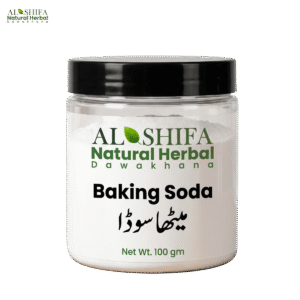
میٹھا سوڈا
Price range: ₨ 200 through ₨ 1,430

Ishq Pecha / Kala Dana (Ipomoea hederacea) is a traditional botanical seed known for its distinctive dark appearance and long history of use in specialized herbal preparations.
How to Use: Use only according to appropriate product directions or under qualified professional guidance.
Important Note: Not an ordinary edible seed. Due to its historical strong purgative use, avoid self-administering large amounts. Pregnant or breastfeeding women, children, and people taking regular medicines should seek professional guidance before medicinal use.
Ishq Pecha (عشق پیچہ), also traditionally known as Kala Dana (کالا دانا), is a climbing botanical commonly associated in traditional herbal trade with Ipomoea hederacea, a member of the Convolvulaceae family. The plant is known for its twining growth habit and characteristic seeds, which have historically been used in specialized traditional herbal preparations.
Kala Dana is not an ordinary edible seed or culinary ingredient. Its seeds have a history of strong purgative use in traditional medicine, which means internal medicinal use requires particular caution. Traditional references to bowel cleansing or purgation should not be interpreted as evidence that self-administered purging is safe or appropriate.
Because traditional names such as Kala Dana may sometimes be applied to seeds from related Ipomoea species in regional herbal markets, correct botanical identification is particularly important.
Quality Kala Dana should be selected according to correct botanical identity, authentic seed material, cleanliness, proper drying, reliable sourcing, and protection from moisture and contamination.
English Name: Ivy-Leaved Morning Glory / Ivy Morning Glory
Urdu Name: عشق پیچہ، کالا دانا
Roman Name: Ishq Pecha / Kala Dana
Scientific Name: Ipomoea hederacea Jacq.
Family: Convolvulaceae
Genus: Ipomoea
Plant Type: Annual Climbing / Twining Plant
Part Traditionally Used: Seeds
Product Type: Dried Traditional Botanical Seeds
Culinary Status: Not an ordinary edible seed
Ipomoea hederacea is a climbing or twining plant belonging to the morning-glory family. It develops slender vines, characteristic leaves, trumpet-shaped flowers, and seed-containing capsules.
After maturity, the capsules produce dark seeds. These seeds are the material commonly associated with the traditional name Kala Dana in herbal use.
The seeds may be supplied whole or processed according to particular traditional formulations.
They should not be confused with ordinary edible black seeds such as black cumin, chia, basil seeds, or other dark-colored culinary seeds.
The names Ishq Pecha and Kala Dana may be used in traditional markets for climbing morning-glory-related botanicals and their seeds.
However, common names are not always botanically precise.
Different species of Ipomoea and related plants can resemble one another, and regional naming practices may vary.
Therefore:
Kala Dana trade name ≠ automatic confirmation of Ipomoea hederacea
Where the product is specifically labeled as Ipomoea hederacea, reliable botanical identification of the seed material is important.
Seeds of Ipomoea species contain a complex mixture of naturally occurring plant constituents. Their composition can vary according to species, maturity, growing conditions, geographic source, processing, and storage.
Reported constituent groups in morning-glory-related seeds may include:
The exact chemical profile should not be assumed solely from the traditional name Kala Dana.
Likewise, the presence of a particular constituent does not by itself establish a therapeutic benefit in humans.
Several members of the morning-glory family have historically attracted attention because their seeds or underground parts contain resin glycosides and related constituents associated with strong gastrointestinal activity.
This helps explain why certain Ipomoea materials have historically appeared in purgative preparations.
However, this traditional pharmacological character also creates an important safety concern.
Strong purgation can cause:
Therefore, the historical purgative reputation of Kala Dana should not be treated as a reason to use large amounts for self-treatment.
Kala Dana has historically been included in specialized traditional preparations rather than being used as an everyday food.
Depending on regional tradition and formulation, historical associations may include:
These references describe historical herbal practice and should not be interpreted as established clinical benefits.
One of the best-known historical associations of Kala Dana is its use in preparations intended to promote bowel evacuation.
Modern safety information requires a clear distinction between traditional purgation and appropriate management of constipation.
Deliberately producing strong diarrhea is not a safe routine method of “detoxification” or cleansing.
Excessive bowel evacuation can remove substantial amounts of water and electrolytes from the body.
For this reason, Kala Dana should not be promoted as an ordinary daily laxative.
Traditional bowel cleansing is sometimes described using modern terms such as “detox,” but these concepts should not be treated as equivalent.
There is no basis for claiming that Kala Dana:
The liver, kidneys, gastrointestinal tract, lungs, and other physiological systems continuously perform their own normal metabolic and elimination functions.
Strong diarrhea is not evidence that the body has been “detoxified.”
Although Kala Dana has a historical association with purgative preparations, it should not be presented as a proven treatment for:
Persistent constipation, unexplained changes in bowel habits, blood in stool, black stools, severe abdominal pain, repeated vomiting, fever, or significant abdominal swelling should receive appropriate medical evaluation.
Strong purgatives can be particularly inappropriate when intestinal obstruction or severe gastrointestinal disease is possible.
Different Ipomoea species and their natural constituents have been investigated experimentally for a variety of biological properties.
Research may involve:
Such research can help scientists understand plant chemistry and biological mechanisms, but it does not establish that ordinary Kala Dana seeds safely or effectively treat corresponding diseases in humans.
Clinical conclusions require appropriate human evidence involving correctly identified material, controlled preparations, and defined doses.
The genus Ipomoea contains hundreds of species.
Different species can have substantially different:
Therefore, research on one Ipomoea species should not automatically be attributed to Ipomoea hederacea.
Similarly:
Whole Kala Dana Seeds ≠ Seed Extract ≠ Concentrated Extract ≠ Isolated Compound ≠ Another Ipomoea Species
This distinction is essential when presenting scientifically responsible herbal product information.
Kala Dana may potentially occur in different forms, including:
These preparations are not equivalent.
Grinding can alter how rapidly seed constituents become available, while concentrated extracts may contain substantially higher levels of selected compounds than whole seeds.
A dose or research finding relating to one form should not automatically be transferred to another.
Kala Dana associated with morning-glory species is generally supplied as dried seed material.
Natural characteristics may include:
Appearance depends on species, maturity, harvesting, and storage.
Visual inspection alone is not sufficient to confirm botanical identity, particularly because many unrelated plants produce small dark seeds.
Kala Dana should not automatically be confused with Kalonji / Black Seed (Nigella sativa).
Despite both products potentially having dark-colored seeds, they are botanically different.
Kala Dana associated with Ipomoea hederacea belongs to the Convolvulaceae family.
Kalonji (Nigella sativa) belongs to the Ranunculaceae family and is commonly used as a culinary spice.
They should not be substituted for one another.
Kala Dana should not be presented as a routine edible seed.
It should not be used like:
Its traditional use is specialized, and its historical purgative character makes casual consumption inappropriate.
Because Kala Dana has a history of strong purgative use, providing a universal self-treatment dose for raw seeds is inappropriate.
The appropriate method depends on:
For medicinal-style internal use, follow the directions of an appropriately qualified healthcare or traditional medicine professional familiar with the exact botanical material.
Do not increase the amount in an attempt to cause stronger or faster bowel evacuation.
Medicinal internal use of Kala Dana should be avoided during pregnancy unless specifically directed by an appropriately qualified healthcare professional.
Strong purgative preparations are particularly unsuitable for casual self-use during pregnancy because significant diarrhea, dehydration, and electrolyte disturbances can create unnecessary risk.
Reliable safety information during breastfeeding is also limited.
Traditional use does not establish safety during pregnancy or breastfeeding.
Kala Dana should not be given medicinally to infants or young children without appropriate professional supervision.
Children can become dehydrated more rapidly than adults when experiencing diarrhea or vomiting.
Keep whole seeds, powders, and concentrated preparations securely out of reach of children.
Particular caution is appropriate for:
Purgative use can be especially problematic in individuals whose fluid or electrolyte balance is already vulnerable.
People taking regular medicines should seek professional guidance before medicinal internal use of Kala Dana.
Strong diarrhea or rapid intestinal transit may potentially affect:
Extra caution is sensible for people taking medicines where fluid, potassium, sodium, or other electrolyte balance is important.
Prescribed medicines should not be replaced with Kala Dana on the basis of traditional claims.
Depending on botanical identity, preparation, amount, and individual sensitivity, inappropriate use may potentially result in:
Severe or persistent symptoms require appropriate medical attention.
Seek appropriate medical care if gastrointestinal symptoms include:
Strong herbal purgatives should not be used to mask potentially serious symptoms.
Quality Kala Dana should be assessed according to:
Reliable identification becomes especially important once seeds have been powdered, because visual identification becomes much more difficult.
Statements such as:
should only be used when supported by appropriate sourcing, testing, certification, or quality-control documentation.
The words “Kala Dana” alone do not verify species, purity, or geographic origin.
To maintain the quality of dried Kala Dana:
Do not use material showing mold, unusual moisture, insect infestation, or obvious deterioration.
Product Name: Ishq Pecha / Kala Dana
English Name: Ivy-Leaved Morning Glory / Ivy Morning Glory
Urdu Name: عشق پیچہ، کالا دانا
Roman Name: Ishq Pecha / Kala Dana
Scientific Name: Ipomoea hederacea Jacq.
Family: Convolvulaceae
Genus: Ipomoea
Plant Type: Annual Climbing / Twining Plant
Part Traditionally Used: Seeds
Product Type: Dried Traditional Botanical Seeds
Common Forms: Whole / Crushed / Powdered Seeds
Culinary Status: Not an ordinary edible seed
Traditional Association: Specialized traditional preparations, including historical purgative use
Storage: Cool, dry place protected from moisture, insects, and contamination
The traditional names Ishq Pecha and Kala Dana can create confusion because regional naming practices vary and several climbing plants may have similar-looking seeds.
Furthermore, the genus Ipomoea contains many different species whose chemical composition and traditional uses cannot automatically be considered interchangeable.
For a product specifically sold as Ipomoea hederacea, botanical identity should therefore be verified through reliable sourcing.
Correct identification is especially important because this material is not an ordinary culinary seed and has a history of potent purgative use.
Ishq Pecha / Kala Dana is a traditional botanical material and is not intended to diagnose, treat, cure, or prevent any disease.
Its historical association with purgative and bowel-cleansing preparations does not mean that deliberately producing diarrhea is safe or beneficial. Excessive or inappropriate use may result in abdominal cramping, vomiting, severe diarrhea, dehydration, weakness, and potentially significant electrolyte disturbances.
Traditional references should not be interpreted as evidence that Kala Dana treats chronic constipation, intestinal parasites, gastrointestinal infections, liver disease, or other medical conditions.
Research involving other Ipomoea species, concentrated extracts, isolated compounds, laboratory experiments, or animals should not automatically be applied to ordinary Ipomoea hederacea seeds.
Pregnant or breastfeeding individuals, children, older adults, people with chronic medical conditions, and those taking regular medicines should seek appropriate professional guidance before medicinal internal use.
عشق پیچہ، کالا دانا ایک معروف روایتی نباتاتی مادہ ہے جسے عموماً آئیپومیا ہیڈریسیا نامی بیل دار پودے کے بیجوں سے منسوب کیا جاتا ہے۔ اس پودے کا تعلق کنولوولیسی خاندان سے ہے۔ یہ ایک چڑھنے اور لپٹنے والی بیل ہے جس پر مخصوص پھول اور بعد میں بیجوں والے پھل بنتے ہیں۔ پختگی کے بعد حاصل ہونے والے گہرے رنگ کے بیج روایتی طور پر کالا دانا کے نام سے استعمال ہوتے رہے ہیں۔
کالا دانا عام خوردنی بیج، مصالحہ یا روزمرہ غذا نہیں ہے۔ قدیم روایتی طریقوں میں اس کے بیجوں کو مخصوص مرکب نسخوں، بالخصوص قوی مسہل تیاریوں سے منسوب کیا جاتا رہا ہے۔ اسی وجہ سے اس کے اندرونی استعمال میں خصوصی احتیاط ضروری ہے۔
یہ بات بھی اہم ہے کہ کالا دانا ایک روایتی تجارتی نام ہے اور مختلف علاقوں میں یہ نام بعض دوسرے ملتے جلتے بیجوں یا آئیپومیا کی دوسری اقسام کے لیے بھی استعمال ہو سکتا ہے۔ لہٰذا درست نباتاتی شناخت کو بنیادی اہمیت حاصل ہے۔
مصنوعات کا نام: عشق پیچہ، کالا دانا
معروف نام: کالا دانا، عشق پیچہ
سائنسی نام: آئیپومیا ہیڈریسیا
نباتاتی خاندان: کنولوولیسی
جنس: آئیپومیا
پودے کی نوعیت: چڑھنے اور لپٹنے والی بیل
روایتی طور پر استعمال ہونے والا حصہ: بیج
مصنوعات کی نوعیت: خشک روایتی نباتاتی بیج
عام شکل: ثابت، کچلے ہوئے یا سفوف شدہ بیج
غذائی حیثیت: عام خوردنی بیج نہیں
عشق پیچہ ایک بیل دار پودا ہے جو اپنے اردگرد موجود سہارا، شاخوں یا دوسری ساختوں کے ساتھ لپٹتے ہوئے بڑھتا ہے۔
اس پودے پر مخصوص شکل کے پتے اور نازک پھول پیدا ہوتے ہیں۔ پھولوں کے بعد بننے والے پھلوں میں بیج تیار ہوتے ہیں۔ پختہ ہونے کے بعد ان بیجوں کو جمع کرکے خشک کیا جا سکتا ہے۔
روایتی جڑی بوٹیوں کی تجارت میں انہی گہرے رنگ کے بیجوں کو کالا دانا کے نام سے پہچانا جا سکتا ہے۔
اسے کلونجی، تخم ریحان، چیا، السی یا دوسرے سیاہ اور گہرے رنگ کے خوردنی بیجوں کے ساتھ نہیں ملانا چاہیے۔
عشق پیچہ پودے کا روایتی نام ہے جبکہ کالا دانا کا نام بالخصوص اس کے گہرے رنگ کے بیجوں کے حوالے سے استعمال کیا جاتا ہے۔
تاہم مختلف علاقوں میں روایتی نام ہمیشہ ایک ہی نباتاتی نوع کے لیے استعمال نہیں ہوتے۔
آئیپومیا جنس میں بہت سی مختلف انواع پائی جاتی ہیں اور بعض اقسام کے بیج ایک دوسرے سے ظاہری مماثلت رکھ سکتے ہیں۔
اس لیے صرف کالا دانا نام لکھا ہونا اس بات کی مکمل تصدیق نہیں کہ موجودہ بیج لازماً آئیپومیا ہیڈریسیا ہی کے ہیں۔
قابل اعتماد ماخذ اور درست نباتاتی شناخت خاص طور پر علاجی استعمال کے لیے اہم ہیں۔
آئیپومیا سے تعلق رکھنے والی مختلف انواع کے بیجوں میں متعدد قدرتی نباتاتی مرکبات پائے جا سکتے ہیں۔
ان مرکبات کی مقدار پودے کی اصل نوع، جغرافیائی ماخذ، موسم، بیج کی پختگی، ذخیرہ، خشک کرنے کے طریقے اور تیاری کی شکل کے مطابق مختلف ہو سکتی ہے۔
ان بیجوں اور متعلقہ انواع میں تحقیق کے دوران جن قدرتی اجزاء کے گروہوں کا ذکر ملتا ہے ان میں شامل ہیں:
کسی مخصوص قدرتی مرکب کی موجودگی بذاتِ خود کسی بیماری کے علاج یا طبی فائدے کا ثبوت نہیں ہوتی۔
آئیپومیا اور اس سے متعلق بعض پودوں کے مختلف حصوں میں پائے جانے والے ریزن گلائیکوسائیڈز نے سائنسی اور روایتی اعتبار سے خاص توجہ حاصل کی ہے۔
ان میں سے بعض مرکبات آنتوں کی سرگرمی پر نمایاں اثر ڈال سکتے ہیں۔ یہی وجہ ہے کہ اس خاندان سے تعلق رکھنے والے بعض نباتاتی مواد کو تاریخی طور پر قوی مسہل تیاریوں میں استعمال کیا جاتا رہا ہے۔
تاہم قوی مسہل اثر کا مطلب یہ نہیں کہ زیادہ اجابت یا شدید دست پیدا کرنا صحت کے لیے فائدہ مند ہے۔
ضرورت سے زیادہ مسہل اثر کے نتیجے میں:
پیدا ہو سکتی ہے۔
کالا دانا کا استعمال عام غذا کے بجائے مخصوص روایتی تیاریوں میں کیا جاتا رہا ہے۔
قدیم روایتی استعمال میں اسے مختلف مقاصد سے منسوب کیا گیا، جن میں شامل ہیں:
یہ تمام حوالے تاریخی اور روایتی استعمال کی وضاحت کرتے ہیں۔ انہیں جدید طبی علاج یا کسی بیماری کے ثابت شدہ فائدے کے طور پر نہیں سمجھنا چاہیے۔
کالا دانا کی نمایاں تاریخی خصوصیات میں اس کا قوی مسہل تیاریوں میں استعمال شامل ہے۔
قدیم روایتی طریقوں میں بعض اوقات ایسے نباتاتی مواد کو آنتوں کی حرکت تیز کرنے یا اجابت پیدا کرنے کے لیے استعمال کیا جاتا تھا۔
تاہم جدید حفاظتی نقطۂ نظر سے جان بوجھ کر شدید دست پیدا کرنا معمول کی صفائی یا صحت بہتر بنانے کا محفوظ طریقہ نہیں۔
شدید اجابت سے جسم بڑی مقدار میں پانی اور ضروری نمکیات کھو سکتا ہے۔
اسی وجہ سے کالا دانا کو عام روزمرہ مسہل یا قبض کے لیے خود سے استعمال ہونے والی سادہ جڑی بوٹی نہیں سمجھنا چاہیے۔
بعض اوقات قوی مسہل مواد کے استعمال سے ہونے والی اجابت کو پورے جسم کی صفائی سمجھ لیا جاتا ہے۔
شدید دست پیدا ہونا اس بات کا ثبوت نہیں کہ جسم سے تمام نقصان دہ مادے خارج ہو گئے ہیں۔
انسانی جسم میں جگر، گردے، آنتیں، پھیپھڑے اور دوسرے اعضاء قدرتی طور پر جسمانی فضلات کے اخراج اور مختلف مادوں کی تنظیم کا کام کرتے ہیں۔
اس لیے کالا دانا کے بارے میں یہ دعویٰ مناسب نہیں کہ یہ:
روایتی آنتوں کی صفائی اور جدید جسمانی اخراج کے نظام کو ایک ہی چیز نہیں سمجھنا چاہیے۔
کالا دانا کی تاریخی مسہل اہمیت کے باوجود اسے درج ذیل مسائل کا ثابت شدہ علاج نہیں سمجھنا چاہیے:
اگر قبض بار بار ہو، طویل عرصے تک برقرار رہے یا اس کے ساتھ شدید درد اور دوسری غیر معمولی علامات موجود ہوں تو وجہ معلوم کرنا ضروری ہے۔
اگر کسی شخص کو درج ذیل علامات موجود ہوں تو قوی مسہل مواد خود سے استعمال کرنے کے بجائے طبی معائنہ کروانا چاہیے:
خاص طور پر آنتوں میں رکاوٹ کا شبہ ہونے کی صورت میں قوی مسہل کا استعمال خطرناک ہو سکتا ہے۔
آئیپومیا کی مختلف انواع اور ان میں پائے جانے والے قدرتی مرکبات پر مختلف تجربہ گاہی اور حیوانی مطالعات کیے گئے ہیں۔
تحقیق میں استعمال ہونے والا مواد مختلف ہو سکتا ہے، مثلاً:
اس قسم کی تحقیق نباتاتی کیمیاء اور حیاتیاتی سرگرمی کو سمجھنے میں مدد دے سکتی ہے، لیکن اس سے یہ ثابت نہیں ہوتا کہ عام خشک کالا دانا انسانوں میں کسی بیماری کا محفوظ اور مؤثر علاج ہے۔
آئیپومیا ایک بڑی نباتاتی جنس ہے جس میں بہت سی مختلف انواع شامل ہیں۔
مختلف انواع میں:
مختلف ہو سکتی ہیں۔
اسی لیے کسی دوسری آئیپومیا نوع پر ہونے والی تحقیق کو خودکار طور پر آئیپومیا ہیڈریسیا سے منسوب نہیں کرنا چاہیے۔
کالا دانا مختلف شکلوں میں دستیاب ہو سکتا ہے:
ان تمام اشکال کو ایک دوسرے کے برابر نہیں سمجھنا چاہیے۔
سفوف بنانے سے بیج کے اندر موجود اجزاء نسبتاً جلد دستیاب ہو سکتے ہیں، جبکہ مرتکز عرق میں بعض قدرتی اجزاء کی مقدار عام ثابت بیجوں سے کہیں زیادہ ہو سکتی ہے۔
اسی لیے کسی مرتکز عرق کی مقدار کو عام خشک بیجوں پر لاگو کرنا درست نہیں۔
نام اور رنگ کی وجہ سے کالا دانا کو بعض اوقات کلونجی سمجھنے کا امکان ہو سکتا ہے، لیکن دونوں مختلف نباتاتی مواد ہیں۔
کالا دانا سے منسوب آئیپومیا ہیڈریسیا کا تعلق کنولوولیسی خاندان سے ہے، جبکہ کلونجی ایک الگ پودا ہے۔
لہٰذا:
کالا دانا اور کلونجی ایک چیز نہیں ہیں۔
دونوں کو ایک دوسرے کے متبادل کے طور پر استعمال نہیں کرنا چاہیے۔
کالا دانا کو روزمرہ غذائی بیج کے طور پر استعمال نہیں کرنا چاہیے۔
اسے درج ذیل عام خوردنی بیجوں کی طرح استعمال کرنا مناسب نہیں:
اس کی روایتی اہمیت مخصوص استعمال سے وابستہ ہے اور اس کی تاریخی قوی مسہل خصوصیت کی وجہ سے عام خوراک کی طرح استعمال مناسب نہیں۔
کالا دانا عموماً خشک بیجوں کی شکل میں دستیاب ہوتا ہے۔
اس کی ممکنہ قدرتی خصوصیات میں شامل ہیں:
بیجوں کی ظاہری شکل پودے کی نوع، پختگی، ماخذ اور ذخیرہ کے مطابق مختلف ہو سکتی ہے۔
صرف رنگ اور ظاہری شکل کی بنیاد پر نباتاتی شناخت کی مکمل تصدیق نہیں کی جا سکتی کیونکہ بہت سے مختلف پودوں کے بیج گہرے رنگ کے ہوتے ہیں۔
کالا دانا کے تاریخی قوی مسہل استعمال کی وجہ سے اس کی کوئی عمومی مقدار خود علاج کے لیے بیان کرنا مناسب نہیں۔
استعمال کا طریقہ درج ذیل عوامل پر منحصر ہوتا ہے:
علاجی انداز میں اندرونی استعمال کے لیے ایسے مستند معالج کی رہنمائی حاصل کرنا مناسب ہے جو استعمال ہونے والے اصل نباتاتی مواد سے واقف ہو۔
تیز یا زیادہ اثر حاصل کرنے کے لیے اپنی طرف سے مقدار بڑھانا مناسب نہیں۔
حمل کے دوران کالا دانا کا علاجی اندرونی استعمال مستند طبی رہنمائی کے بغیر نہیں کرنا چاہیے۔
قوی مسہل تیاریوں سے ہونے والے شدید دست، پانی کی کمی اور جسمانی نمکیات میں خرابی حمل کے دوران غیر ضروری خطرہ پیدا کر سکتی ہے۔
دودھ پلانے کے دوران بھی اس کے محفوظ علاجی استعمال سے متعلق قابل اعتماد معلومات محدود ہیں۔
روایتی استعمال کو حمل یا دودھ پلانے کے دوران محفوظ ہونے کا ثبوت نہیں سمجھنا چاہیے۔
شیر خوار اور کم عمر بچوں کو کالا دانا علاجی مقصد کے لیے خود سے نہ دیں۔
بچے شدید دست یا قے کی صورت میں بالغ افراد کے مقابلے میں زیادہ تیزی سے پانی اور ضروری نمکیات کی کمی کا شکار ہو سکتے ہیں۔
ثابت بیج، سفوف اور مرتکز تیاریوں کو بچوں کی پہنچ سے محفوظ رکھیں۔
کالا دانا کے مسہل استعمال میں عمر رسیدہ اور جسمانی طور پر کمزور افراد کے لیے خصوصی احتیاط ضروری ہے۔
خصوصاً ایسے افراد جنہیں:
ہو، انہیں مستند طبی رہنمائی کے بغیر قوی مسہل استعمال نہیں کرنا چاہیے۔
جو افراد مستقل ادویات لیتے ہیں انہیں کالا دانا کے علاجی اندرونی استعمال سے پہلے مناسب طبی رہنمائی حاصل کرنی چاہیے۔
شدید دست یا آنتوں کی تیز حرکت کے نتیجے میں:
خاص طور پر ایسی ادویات استعمال کرنے والے افراد میں احتیاط ضروری ہے جن کے ساتھ جسمانی پانی، پوٹاشیم، سوڈیم یا دوسرے نمکیات کا توازن اہم ہو۔
مصنوعات کی اصل شناخت، مقدار، تیاری اور انفرادی حساسیت کے مطابق نامناسب استعمال سے ممکنہ طور پر درج ذیل علامات پیدا ہو سکتی ہیں:
شدید یا مسلسل علامات کی صورت میں استعمال روک کر مناسب طبی مدد حاصل کریں۔
معیاری کالا دانا کے انتخاب میں درج ذیل عوامل اہم ہیں:
سفوف شدہ مصنوعات میں قابل اعتماد ماخذ کی اہمیت مزید بڑھ جاتی ہے کیونکہ بیج پیسنے کے بعد صرف ظاہری شکل سے شناخت کرنا مشکل ہو جاتا ہے۔
کالا دانا کے بارے میں درج ذیل دعوے صرف مناسب ثبوت کی موجودگی میں کیے جانے چاہئیں:
صرف کالا دانا نام، گہرا رنگ یا بیج کی ظاہری شکل ان دعوؤں کی تصدیق کے لیے کافی نہیں۔
خشک کالا دانا کا معیار برقرار رکھنے کے لیے:
اگر بیجوں میں پھپھوندی، غیر معمولی نمی، کیڑے یا خراب ہونے کی واضح علامات موجود ہوں تو استعمال نہ کریں۔
مصنوعات کا نام: عشق پیچہ، کالا دانا
معروف نام: کالا دانا
سائنسی نام: آئیپومیا ہیڈریسیا
نباتاتی خاندان: کنولوولیسی
جنس: آئیپومیا
پودے کی نوعیت: چڑھنے اور لپٹنے والی بیل
روایتی طور پر استعمال ہونے والا حصہ: بیج
مصنوعات کی نوعیت: خشک روایتی نباتاتی بیج
عام شکل: ثابت، کچلے ہوئے یا سفوف شدہ بیج
غذائی حیثیت: عام خوردنی بیج نہیں
روایتی اہمیت: مخصوص روایتی نسخوں اور تاریخی مسہل تیاریوں سے وابستہ
ذخیرہ: ٹھنڈی، خشک اور نمی، کیڑوں و آلودگی سے محفوظ جگہ
عشق پیچہ اور کالا دانا روایتی نام ہیں اور مختلف علاقوں میں ان ناموں کا استعمال ہمیشہ ایک ہی نباتاتی نوع کے لیے نہیں ہوتا۔
آئیپومیا جنس میں بہت سی انواع موجود ہیں اور مختلف انواع کے قدرتی اجزاء، روایتی استعمال اور حفاظتی خصوصیات میں فرق ہو سکتا ہے۔
اس لیے اگر مصنوعات کو خاص طور پر آئیپومیا ہیڈریسیا قرار دیا جا رہا ہو تو قابل اعتماد ماخذ سے اس کی نباتاتی شناخت کی تصدیق اہم ہے۔
یہ احتیاط اس لیے بھی ضروری ہے کیونکہ کالا دانا عام غذائی بیج نہیں بلکہ تاریخی طور پر قوی مسہل استعمال سے وابستہ نباتاتی مادہ ہے۔
عشق پیچہ، کالا دانا ایک روایتی نباتاتی مادہ ہے اور اسے کسی بیماری کی تشخیص، علاج یا روک تھام کا متبادل نہیں سمجھنا چاہیے۔
اس کا تاریخی طور پر مسہل اور آنتوں کی صفائی سے وابستہ ہونا اس بات کا ثبوت نہیں کہ جان بوجھ کر شدید دست پیدا کرنا محفوظ یا فائدہ مند ہے۔ نامناسب یا زیادہ استعمال سے پیٹ میں شدید مروڑ، دست، قے، جسم میں پانی کی کمی، کمزوری اور ضروری نمکیات کے توازن میں خرابی پیدا ہو سکتی ہے۔
اس کے روایتی استعمال کو دائمی قبض، آنتوں کے کیڑوں، جراثیمی امراض، جگر کی بیماری یا ہاضمے کی دوسری بیماریوں کے ثابت شدہ علاج کے طور پر پیش نہیں کرنا چاہیے۔
آئیپومیا کی دوسری انواع، مرتکز عرق، الگ کیے گئے قدرتی مرکبات، حیوانی مطالعات یا تجربہ گاہی تحقیق کے نتائج کو عام خشک کالا دانا پر براہ راست لاگو نہیں کیا جا سکتا۔
حاملہ یا دودھ پلانے والی خواتین، بچے، عمر رسیدہ افراد، دائمی طبی مسائل رکھنے والے افراد اور مستقل ادویات استعمال کرنے والے افراد کالا دانا کے علاجی اندرونی استعمال سے پہلے مستند طبی رہنمائی حاصل کریں۔