روغن کدو
Price range: ₨ 2,200 through ₨ 17,500
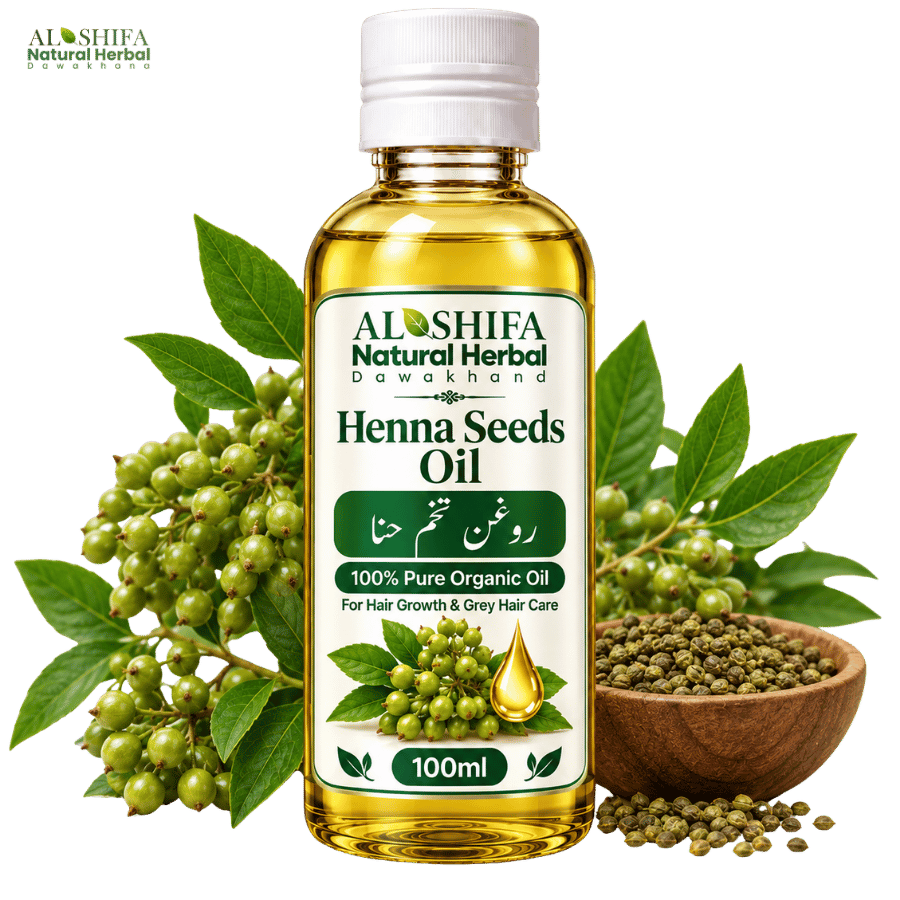
Supports Hair Growth & Helps Reduce Premature Greying
Henna Seeds Oil / Mehndi Seeds Oil is a specialised botanical oil associated with the seeds of Lawsonia inermis. Traditionally valued in herbal hair-care routines, it is commonly used for hair conditioning, scalp care, dry and rough hair, skin conditioning, massage and herbal cosmetic formulations.
Al Shifa Henna Seeds Oil is carefully selected with attention to its correct botanical identity, genuine seed source, characteristic quality, clean handling, protective packaging and suitability for hair, scalp and skin-care applications.
Key Features:
Usage: Apply an appropriate amount to the hair and scalp and massage gently, or incorporate into compatible hair, scalp, skin-care, massage and herbal oil formulations.
Important Note: Henna Seeds Oil specifically refers to a seed-derived or seed-based preparation and should not be confused with Henna leaf powder, Henna leaf extract or generic Mehndi Oil. Its hair-conditioning benefits should not be considered a guaranteed treatment for hair loss or hair regrowth. Patch test before wider topical use.
Supports Hair Growth & Helps Reduce Premature Greying
Henna Seeds Oil / Mehndi Seeds Oil – روغن تخم حنا / مہندی کے بیجوں کا تیل is a specialised botanical oil associated with the seeds of Lawsonia inermis L., the same plant widely known as Henna or Mehndi. While Henna leaves are famous worldwide for their natural colouring properties, the plant also produces small seeds that are used in selected traditional botanical preparations.
Henna Seed Oil is mainly associated with hair care, scalp care, skin conditioning, massage oils and specialised herbal cosmetic formulations. Depending on the manufacturing method, commercial Henna Seed Oil may be a seed-derived fixed oil, seed extract in a carrier oil, or traditionally prepared infused herbal oil.
This distinction is important because Henna Seed Oil is not the same product as Henna Leaf Oil, Henna Leaf Extract, Henna Powder or Henna Essential Oil.
At Al Shifa Natural Herbal Dawakhana, Henna Seeds Oil is selected with attention to its correct botanical identity, seed source, characteristic quality, clean handling, cosmetic suitability, protective packaging and proper storage.
Henna Seeds Oil is an oil preparation derived from or prepared with the seeds of the Henna plant.
The botanical source is:
Lawsonia inermis L.
Henna belongs to the Lythraceae family.
The plant produces:
Henna leaves are the best-known commercial part of the plant, but the seeds are a separate botanical material with their own traditional applications.
Product Name: Henna Seeds Oil / Mehndi Seeds Oil – روغن تخم حنا / مہندی کے بیجوں کا تیل
English Name: Henna Seeds Oil / Mehndi Seeds Oil
Urdu Name: روغن تخم حنا / مہندی کے بیجوں کا تیل
Roman Name: Roghan Tukhm-e-Hina / Mehndi Seeds Oil
Scientific Name: Lawsonia inermis L.
Plant Family: Lythraceae
Plant Part: Seeds
Oil Type: Seed-Derived Botanical Oil / Herbal Oil Preparation, Depending on Production Method
Common Forms: Henna Seed Oil / Henna Seed Extract in Carrier Oil / Traditional Infused Herbal Oil
Appearance: Yellowish to Golden or Brownish Oil, Depending on Extraction, Carrier Oil and Processing
Aroma: Mild to Characteristic Herbal Aroma, Depending on Preparation
Primary Applications: Hair Care, Scalp Care, Skin Conditioning, Massage, Herbal Hair Oils & Cosmetic Formulations
Product Type: Specialised Henna Seed-Derived Botanical Oil
Henna is a shrub or small tree cultivated across warm regions of Asia, the Middle East and Africa.
Its leaves are widely recognised for producing the natural dye used in:
However, Henna Seeds Oil specifically refers to material associated with the seeds, not the colouring leaf powder.
Henna fruits contain numerous small seeds.
These seeds are collected, cleaned and processed according to the intended product type.
The exact characteristics of Henna Seed Oil depend on:
For this reason, different commercial Henna Seed Oils may not have identical composition.
Henna Seeds Oil is primarily valued as a botanical ingredient in traditional and modern hair-care preparations.
It may be incorporated into:
Its oil base can contribute to lubrication and conditioning of the hair surface.
Oil-based hair preparations can coat the hair shaft and reduce excessive friction.
This can help hair feel:
Henna Seeds Oil can therefore be incorporated into formulations intended for dry or rough-feeling hair.
Henna Seeds Oil may also be used as part of a scalp-conditioning routine.
Depending on its formulation, it can provide:
These are cosmetic uses rather than treatments for scalp disease.
Henna and Henna-based oils are frequently promoted in traditional hair-care products for stronger and healthier-looking hair.
However:
Henna Seeds Oil Should Not Be Presented as a Guaranteed Hair-Regrowth Treatment.
Improved conditioning can reduce dryness, roughness and hair breakage, but this is different from stimulating new follicle growth.
Persistent or unexplained hair loss can have nutritional, hormonal, genetic, dermatological or medical causes.
Hair breakage occurs when the hair shaft becomes damaged and breaks.
Hair loss can involve shedding from the root or changes in the hair follicle.
A conditioning botanical oil may improve hair lubrication and reduce friction.
Therefore:
Reduced Breakage ≠ Treatment for Hair Loss
Henna Seeds Oil may be incorporated into oil blends intended for:
It can be used before shampooing or as part of a suitable herbal hair-oil formulation.
Oil-based conditioning can smooth the hair surface and improve light reflection.
This may give the hair a healthier and shinier appearance.
However:
Cosmetic Shine ≠ Permanent Repair of Damaged Hair
Henna leaves contain the colouring compound strongly associated with traditional Henna dyeing.
The major natural dye compound is:
Lawsone
However, Henna Seeds Oil should not automatically be assumed to provide the same colouring effect as Henna leaf powder.
Therefore:
Henna Seeds Oil ≠ Henna Hair Dye
Its primary role is more appropriately described according to the actual oil formulation rather than assuming strong dyeing properties.
Lawsone is strongly associated with Henna leaves and their colouring properties.
The presence and concentration of specific Henna compounds can differ substantially between:
Therefore:
The Chemical Profile of Henna Leaves Should Not Automatically Be Assigned to Henna Seed Oil.
Henna Seeds Oil may be incorporated into suitable botanical skin-care formulations.
Depending on the carrier and processing method, it may contribute to:
It may be used in selected:
Henna Seeds Oil can be incorporated into botanical massage-oil blends.
It may be used alone when suitable or blended with compatible carrier oils to adjust:
Henna seeds and other parts of Lawsonia inermis contain a range of naturally occurring plant constituents.
Research on Henna materials has identified different classes of compounds including:
However, the exact composition of Henna Seed Oil depends strongly on how it is produced.
Research on Henna leaves or solvent extracts should not automatically be applied to a seed-derived oil.
Seed-derived fixed oils contain mixtures of fatty acids incorporated into natural triglycerides.
The exact fatty-acid composition of Henna Seed Oil can vary according to:
For product-quality purposes, laboratory analysis is more reliable than assumptions based solely on the product name.
Different parts and extracts of Lawsonia inermis have been investigated experimentally for antioxidant properties.
However:
Antioxidant Findings from Henna Extracts ≠ Proven Medical Effects of Henna Seeds Oil
The plant part, extraction system, concentration and study model all matter.
Henna-derived materials have also been investigated in laboratory studies for activity against selected microorganisms.
However:
Laboratory Antimicrobial Activity ≠ Treatment for Skin or Scalp Infection
A cosmetic Henna Seeds Oil should not replace appropriate treatment for bacterial or fungal infections.
Different Henna extracts have been investigated experimentally in relation to inflammatory processes.
These findings do not mean that ordinary Henna Seeds Oil is a medical anti-inflammatory treatment.
Therefore:
Experimental Activity ≠ Proven Treatment of Inflammatory Disease
The plant part is important.
Henna Seeds Oil:
Henna Leaf Oil / Leaf Preparation:
Therefore:
Henna Seeds Oil ≠ Henna Leaf Oil
Henna Powder is produced from dried and ground Henna leaves.
Henna Seeds Oil comes from or is prepared with Henna seeds.
Therefore:
Henna Seeds Oil ≠ Henna Powder
Henna powder is widely used for hair colouring, whereas seed oil should not automatically be expected to produce the same dye effect.
Henna Extract may be produced from different plant parts using:
Therefore:
Henna Extract ≠ Henna Seeds Oil
Their chemical composition and intended applications may differ.
The term Henna Oil can sometimes be used loosely in commercial markets.
A seed-derived fixed oil or carrier-oil infusion is not automatically an essential oil.
Therefore:
Henna Seeds Oil ≠ Conventional Henna Essential Oil
The production method should always be considered before classifying the material.
“Mehndi Oil” can refer to several different commercial preparations.
It may mean:
Therefore:
Mehndi Oil ≠ Automatically Pure Henna Seeds Oil
Check the ingredient composition and plant part.
Amla Oil is associated with Phyllanthus emblica.
Henna Seeds Oil comes from Lawsonia inermis.
Both may appear in traditional hair-oil blends, but they are botanically different.
Therefore:
Henna Seeds Oil ≠ Amla Oil
Hibiscus Oil is associated with plants of the Hibiscus genus, particularly Hibiscus rosa-sinensis in traditional hair care.
Henna Seeds Oil comes from Lawsonia inermis.
Therefore:
Henna Seeds Oil ≠ Hibiscus Oil
They may be combined in specialised herbal hair-oil formulations.
Bhringraj and Henna are different botanical materials.
Although both are widely associated with traditional hair care:
Henna Seeds Oil ≠ Bhringraj Oil
Black Seed Oil is generally obtained from Nigella sativa seeds.
Henna Seeds Oil comes from Lawsonia inermis.
Therefore:
Henna Seeds Oil ≠ Black Seed Oil
The word “seed” does not indicate botanical similarity.
An important safety distinction must be made between natural Henna and products sold as Black Henna.
Natural Henna comes from Lawsonia inermis.
Some products marketed as Black Henna may contain additional colouring chemicals, including para-phenylenediamine (PPD).
PPD can cause serious skin sensitisation and allergic reactions in susceptible individuals.
Therefore:
Natural Henna ≠ Black Henna Containing PPD
Henna Seeds Oil should not automatically be associated with Black Henna preparations.
Natural botanical materials can still cause individual sensitivity.
Before wider topical application, patch test a small amount.
Watch for:
Discontinue use if a significant reaction develops.
If Henna Seeds Oil is prepared as an infusion or extract in another oil, the safety and cosmetic characteristics of the carrier oil also matter.
The final product may therefore reflect properties of both:
People with known allergies should check the complete ingredient composition.
Routine external cosmetic use is different from medicinal or internal use of concentrated botanical preparations.
During pregnancy and breastfeeding, use Henna Seeds Oil according to its intended cosmetic purpose and avoid unsupervised internal use.
Use only an appropriately formulated topical product suitable for the child’s age.
Avoid contact with:
Keep the bottle securely out of reach of young children.
Henna Seeds Oil supplied for hair, skin, massage or cosmetic applications should not automatically be considered suitable for consumption.
Therefore:
Cosmetic-Grade Henna Seeds Oil ≠ Automatically Food-Grade Oil
Do not swallow a product intended for external use.
At Al Shifa Natural Herbal Dawakhana, Henna Seeds Oil is selected with attention to:
Botanical Identity – Genuine Lawsonia inermis source.
Plant-Part Identity – Specifically associated with Henna seeds.
Oil-Type Awareness – Recognition of differences between seed oil, infused oil and extract-based preparations.
Hair-Care Applications – Suitable for herbal hair oils and conditioning blends.
Scalp-Care Applications – Suitable for selected scalp-conditioning formulations.
Skin-Care Applications – Suitable for appropriate botanical skin-care preparations.
Massage Applications – Useful in specialised herbal massage blends.
Characteristic Quality – Appropriate appearance, aroma and texture according to production method.
Clean Handling – Carefully handled during packing.
Protective Packaging – Helps preserve product quality.
Responsible Information – No guaranteed hair-growth, infection-treatment or disease-treatment claims.
Proper Storage – Helps protect the oil from unnecessary heat, light and contamination.
Al Shifa Natural Herbal Dawakhana, established in 1999, supplies natural oils, herbs and specialised botanical materials throughout Pakistan.
Our focus for Henna Seeds Oil includes:
For Hair Care: Apply an appropriate amount to the hair and distribute gently through the lengths before washing, according to your normal hair-care routine.
For Scalp Care: Massage a suitable amount gently into the scalp as part of a regular scalp-conditioning routine.
For Dry Hair: Use alone when appropriate or combine with compatible carrier oils to create a richer pre-wash hair treatment.
For Hair-Oil Blends: Combine with compatible botanical oils according to the desired formulation.
For Skin Care: Apply only when the product and carrier-oil base are suitable for topical skin use.
For Massage: Use an appropriate amount alone or as part of a compatible herbal massage blend.
Henna Seeds Oil / Mehndi Seeds Oil – روغنِ تخمِ حنا / مہندی کے بیجوں کا تیل is a specialised botanical oil associated with the seeds of Lawsonia inermis. Commercial products may be seed-derived oils, seed extracts in carrier oils or infused herbal preparations, so the exact production method and composition should be considered.
Important distinctions include:
Store Henna Seeds Oil in a cool, clean and dry place.
For best quality:
Henna Seeds Oil / Mehndi Seeds Oil – روغنِ تخمِ حنا / مہندی کے بیجوں کا تیل is a specialised botanical oil associated with the seeds of Lawsonia inermis L., the well-known Henna or Mehndi plant.
It is particularly suitable for hair conditioning, scalp care, dry and rough hair, herbal hair-oil blends, skin conditioning, massage and specialised cosmetic formulations.
Unlike conventional Henna powder, which is made from the leaves and is famous for natural hair colouring, Henna Seeds Oil is associated specifically with the seeds and should not automatically be expected to produce the same colouring effect.
Customers searching for Henna Seeds Oil, Mehndi Seeds Oil, Henna Seed Oil, Mehndi Seed Oil, Roghan Tukhm e Hina, Lawsonia Inermis Seed Oil, Henna Oil for Hair, Mehndi Oil for Hair, Henna Seed Oil for Hair, Henna Oil for Scalp, Henna Oil for Skin, Henna Hair Oil, Henna Seeds Oil Pakistan, Mehndi Seeds Oil Pakistan, Henna Seeds Oil Lahore, Henna Seeds Oil price in Pakistan, Roghan Tukhm e Hina price, buy Henna Seeds Oil Pakistan or Henna Seed Oil online Pakistan can choose Al Shifa Natural Herbal Dawakhana for carefully selected botanical quality.
Since 1999, Al Shifa Natural Herbal Dawakhana has focused on supplying natural oils and botanical materials with attention to correct identity, quality selection, clean handling, responsible product information, protective packaging and proper storage.
Product Name: Henna Seeds Oil / Mehndi Seeds Oil – روغن تخم حنا / مہندی کے بیجوں کا تیل
English Name: Henna Seeds Oil / Mehndi Seeds Oil
Urdu Name: روغن تخم حنا / مہندی کے بیجوں کا تیل
Roman Name: Roghan Tukhm-e-Hina / Mehndi Seeds Oil
Scientific Name: Lawsonia inermis L.
Plant Family: Lythraceae
Plant Part: Seeds
Oil Type: Seed-Derived Botanical Oil / Herbal Oil Preparation, Depending on Production Method
Common Forms: Henna Seed Oil / Henna Seed Extract in Carrier Oil / Traditional Infused Herbal Oil
Appearance: Yellowish to Golden or Brownish Oil, Depending on Extraction, Carrier Oil and Processing
Aroma: Mild to Characteristic Herbal Aroma, Depending on Preparation
Primary Applications: Hair Care, Scalp Care, Skin Conditioning, Massage, Herbal Hair Oils & Cosmetic Formulations
Product Type: Specialised Henna Seed-Derived Botanical Oil
Important Note: Henna Seeds Oil specifically refers to a seed-derived or seed-based preparation from Lawsonia inermis and should not be confused with Henna leaf powder, leaf extract or generic Mehndi Oil. The exact characteristics depend on the production method and carrier oil, when used. Its hair-conditioning role should not be interpreted as a guaranteed treatment for hair loss or hair regrowth.
روغن تخم حنا مہندی کے پودے کے بیجوں سے حاصل ہونے والا قدرتی روغن ہے۔ اسے مہندی کے بیجوں کا تیل بھی کہا جاتا ہے۔ مہندی پاکستان اور برصغیر میں بہت مشہور پودا ہے۔ اس کے پتے بالوں، ہاتھوں اور پاؤں کو رنگنے کے لیے مشہور ہیں، جبکہ اس کے بیج اپنی الگ پہچان اور استعمال رکھتے ہیں۔
مہندی کے بیج چھوٹے، سخت اور بھورے رنگ کے ہوتے ہیں۔ ان بیجوں میں قدرتی چکنائی پائی جاتی ہے جس میں لینولیک تیزاب، اولیک تیزاب، پالمیٹک تیزاب اور سٹیئرک تیزاب جیسے روغنی اجزا شامل ہوتے ہیں۔
روغن تخم حنا بالوں، سر کی جلد، خشک جلد اور جسمانی مالش میں استعمال کیا جاتا ہے۔ اسے دوسرے بنیادی روغنوں کے ساتھ ملا کر بھی بالوں اور جلد کی دیکھ بھال میں استعمال کیا جاتا ہے۔
اردو: تخم حنا، مہندی کے بیج، روغن تخم حنا، مہندی کے بیجوں کا تیل
پنجابی: مہندی دے بیج، مہندی دے بیجاں دا تیل
ہندی: مہندی بیج، مہندی بیج کا تیل
فارسی: تخم حنا، روغن تخم حنا
عربی: بزر الحناء، زیت بزر الحناء
انگریزی نام: ہینا سیڈ آئل، مہندی سیڈ آئل
سائنسی نام: لاسونیا انرمیس
خاندان: لیتھریسی
استعمال ہونے والا حصہ: بیج
مہندی ایک جھاڑی نما پودا ہے جو گرم علاقوں میں اچھی طرح اگتا ہے۔
اس کے پتے چھوٹے اور سبز، جبکہ پھول چھوٹے اور خوشبودار ہوتے ہیں۔
پھولوں کے بعد چھوٹے گول پھل بنتے ہیں۔ ان پھلوں کے اندر کئی چھوٹے بیج ہوتے ہیں جنہیں تخم حنا کہا جاتا ہے۔
مہندی کے بیج اور پتے ایک ہی پودے سے حاصل ہوتے ہیں، لیکن دونوں کی پہچان اور استعمال الگ ہے۔
اچھے مہندی کے بیج:
روغن کے لیے صاف، خشک اور درست شناخت والے مہندی کے بیجوں کو اہمیت دی جاتی ہے۔
مہندی کے بیجوں میں قدرتی چکنائی موجود ہوتی ہے جس سے روغن حاصل کیا جاتا ہے۔
بازار میں تخم حنا کے نام سے ایسا روغن بھی ملتا ہے جس میں مہندی کے بیج کسی دوسرے بنیادی روغن میں شامل کیے گئے ہوں۔
اس لیے خریدتے وقت یہ دیکھنا ضروری ہے کہ روغن براہ راست مہندی کے بیجوں سے حاصل ہوا ہے یا مہندی کے بیج کسی دوسرے روغن میں شامل کیے گئے ہیں۔
پاکستانی اور برصغیر کی حکیمی کتب مفردات میں تخم حنا کو سرد اور خشک مزاج کے ساتھ بیان کیا جاتا ہے۔
مہندی کے پتے، پھول اور بیج الگ حصے ہیں، اس لیے ان کے استعمال کو الگ سمجھنا ضروری ہے۔
تخم حنا کو حکمت میں بیرونی ادویات اور روغنوں میں استعمال کیا جاتا ہے۔
روغن تخم حنا بالوں، سر کی جلد اور جسمانی جلد کی روغنی دیکھ بھال میں استعمال کیا جاتا ہے۔
مہندی حکمت میں معروف پودا ہے۔
اس کے پتے، پھول اور بیج الگ الگ استعمال کیے جاتے ہیں۔
تخم حنا کو بیرونی حکیمی ادویات میں شامل کیا جاتا ہے۔
اس سے حاصل روغن بالوں، سر کی جلد اور جسمانی جلد کی دیکھ بھال کے لیے استعمال کیا جاتا ہے۔
روغن تخم حنا کے اہم بیرونی استعمال یہ ہیں:
روغن تخم حنا بالوں کی روغنی دیکھ بھال کے لیے استعمال کیا جاتا ہے۔
اسے بالوں کی جڑوں، سر کی جلد اور بالوں کی لمبائی پر کم مقدار میں لگایا جاتا ہے۔
اسے ناریل، تل، زیتون، بادام یا دوسرے بالوں کے روغن کے ساتھ ملا کر بھی استعمال کیا جاتا ہے۔
یہ خشک اور کھردرے بالوں کو نرم اور سنوارنے میں آسان رکھنے کے لیے فائدہ مند ہے۔
روغن تخم حنا کو بالوں کی جڑوں اور سر کی جلد پر ہلکے ہاتھ سے لگایا جاتا ہے۔
انگلیوں کے پوروں سے ہلکی مالش کی جاتی ہے۔
بالوں کی اچھی دیکھ بھال کے لیے سر کی جلد کو صاف رکھنا اور اچھی غذا لینا بھی اہم ہے۔
خشک اور بے رونق بالوں پر روغن تخم حنا استعمال کیا جاتا ہے۔
اسے بالوں کی لمبائی اور خشک سروں پر کم مقدار میں لگایا جاتا ہے۔
یہ بالوں کو نرم، ہموار اور چمک دار دکھانے کے لیے فائدہ مند ہے۔
بالوں کے خشک اور کھردرے سروں پر روغن تخم حنا کی تھوڑی مقدار لگائی جاتی ہے۔
اسے بادام، ناریل یا جوجوبا کے روغن کے ساتھ ملا کر بھی استعمال کیا جاتا ہے۔
یہ بالوں کے سروں کی روغنی نرمی برقرار رکھنے کے لیے فائدہ مند ہے۔
روغن تخم حنا بالوں کو روغنی نرمی دیتا ہے۔
اس سے خشک بال زیادہ ہموار اور چمک دار نظر آتے ہیں۔
بالوں پر بہت زیادہ روغن لگانے کے بجائے کم مقدار استعمال کریں۔
روغن تخم حنا سر کی جلد کی روغنی دیکھ بھال میں استعمال کیا جاتا ہے۔
اس سے سر کی جلد پر ہلکے ہاتھ سے مالش کی جاتی ہے۔
اسے ناریل، تل، زیتون یا دوسرے بنیادی روغن کے ساتھ ملا کر بھی استعمال کیا جاتا ہے۔
خشک سر کی جلد پر روغن تخم حنا کم مقدار میں لگایا جاتا ہے۔
اس سے سر کی جلد نرم اور روغنی رہتی ہے۔
سر کی جلد پر زخم، دانے، بہت زیادہ خارش یا جلدی امراض موجود ہوں تو طبی استعمال معالج سے پوچھ کر کریں۔
بالوں کا بہت زیادہ گرنا، سر میں خالی جگہیں بننا یا بالوں کا مسلسل پتلا ہونا بالوں اور جسمانی صحت کے مختلف امراض سے جڑا ہو سکتا ہے۔
ایسی حالت میں معالج سے چیک کروائیں۔
روغن تخم حنا بالوں اور سر کی جلد کی روزمرہ روغنی دیکھ بھال میں استعمال کیا جاتا ہے۔
مہندی کے بیج اور پتے ایک ہی پودے کے الگ حصے ہیں۔
مہندی کے پتے ہاتھوں، پاؤں اور بالوں کو رنگنے کے لیے مشہور ہیں۔
تخم حنا مہندی کے بیج ہیں اور ان سے حاصل روغن کی اپنی الگ پہچان ہے۔
اس لیے روغن تخم حنا کو مہندی کے پتوں سے تیار تیل سمجھنا درست نہیں۔
مہندی کے پتوں میں قدرتی رنگ دینے والا جز پایا جاتا ہے جسے لاسون کہا جاتا ہے۔
یہ مہندی کے پتوں کو جلد اور بالوں پر نارنجی سے سرخی مائل رنگ دینے میں اہم ہے۔
مہندی کے بیجوں کے روغن کو پتوں کی طرح بالوں کو نمایاں مہندی رنگ دینے والا روغن نہیں سمجھنا چاہیے۔
بالوں کو مہندی کا رنگ دینے کے لیے مہندی کے پتوں کا سفوف استعمال کیا جاتا ہے۔
مہندی کے بیجوں کی چکنائی میں اہم روغنی اجزا شامل ہیں:
یہ قدرتی روغنی اجزا تخم حنا کے بیجوں کی چکنائی کا حصہ ہیں۔
لینولیک تیزاب مہندی کے بیجوں کی قدرتی چکنائی میں پایا جاتا ہے۔
یہ جلد اور بالوں کی روغنی دیکھ بھال میں اہم چکنائی ہے۔
اس کی وجہ سے بیجوں کا روغن خشک جلد اور بالوں کے روغنی آمیزوں میں استعمال کیا جاتا ہے۔
اولیک تیزاب مہندی کے بیجوں کے روغنی اجزا میں شامل ہے۔
یہ زیتون، بادام اور دوسرے قدرتی روغنوں میں بھی پایا جاتا ہے۔
یہ جلد اور بالوں کو روغنی نرمی دینے کے لیے فائدہ مند ہے۔
پالمیٹک تیزاب مہندی کے بیجوں کی قدرتی چکنائی میں شامل ہے۔
یہ بیجوں سے حاصل روغن کی قدرتی ساخت کا حصہ ہے۔
سٹیئرک تیزاب بھی مہندی کے بیجوں کی چکنائی میں پایا جاتا ہے۔
یہ کئی قدرتی بیجوں اور روغنوں میں پایا جانے والا چکنائی والا جز ہے۔
روغن تخم حنا جلد کی بیرونی روغنی دیکھ بھال میں استعمال کیا جاتا ہے۔
اسے خشک اور کھردری جلد پر کم مقدار میں لگایا جاتا ہے۔
اسے بادام، ناریل، زیتون یا دوسرے بنیادی روغن کے ساتھ ملا کر بھی استعمال کیا جاتا ہے۔
خشک جلد پر روغن تخم حنا کی تھوڑی مقدار لگا کر ہلکی مالش کی جاتی ہے۔
یہ جلد کو نرم اور ملائم محسوس کراتا ہے۔
ہاتھوں، پاؤں، کہنیوں اور ایڑیوں کی خشک جلد کے روغنی آمیزوں میں بھی اسے شامل کیا جاتا ہے۔
روغن تخم حنا ہاتھوں اور پاؤں کی خشک اور کھردری جلد کی دیکھ بھال میں استعمال کیا جاتا ہے۔
رات کے وقت تھوڑی مقدار لگا کر ہلکی مالش کی جاتی ہے۔
خشک اور کھردری ایڑیوں کے لیے روغن تخم حنا کو ناریل، زیتون یا بادام کے روغن کے ساتھ ملا کر لگایا جاتا ہے۔
باقاعدہ روغنی دیکھ بھال ایڑیوں کی جلد کو نرم رکھنے کے لیے فائدہ مند ہے۔
روغن تخم حنا جسمانی مالش کے روغن میں بھی استعمال کیا جاتا ہے۔
اسے دوسرے بنیادی روغن کے ساتھ ملا کر جسم پر ہلکے ہاتھ سے لگایا جاتا ہے۔
یہ خشک جسمانی جلد کی روغنی دیکھ بھال کے لیے فائدہ مند ہے۔
روغن تخم حنا داڑھی کی روغنی دیکھ بھال میں استعمال کیا جاتا ہے۔
اسے بادام، جوجوبا یا ناریل کے روغن کے ساتھ ملا کر داڑھی اور اس کے نیچے کی جلد پر لگایا جاتا ہے۔
مہندی کے بیجوں سے حاصل روغن کی رنگت زرد، سنہری یا قدرے گہری نظر آتی ہے۔
اگر مہندی کے بیج کسی دوسرے بنیادی روغن میں شامل کیے گئے ہوں تو اس روغن کی رنگت بھی آخری رنگ میں شامل رہتی ہے۔
شوخ سبز رنگ کو خالص روغن تخم حنا کی لازمی پہچان نہ سمجھیں۔
اچھے روغن تخم حنا میں ہلکی قدرتی بو ہوتی ہے۔
اگر مہندی کے بیج کسی بنیادی روغن میں شامل کیے گئے ہوں تو اس بنیادی روغن کی اپنی بو بھی محسوس ہوتی ہے۔
باسی، سڑی ہوئی یا خراب بو والا روغن استعمال نہ کریں۔
روغن تخم حنا کی تھوڑی مقدار سر کی جلد اور بالوں کی جڑوں پر لگائیں۔
انگلیوں کے پوروں سے ہلکی مالش کریں۔
بالوں کی لمبائی اور خشک سروں پر بھی کم مقدار لگائیں۔
بعد میں بال اپنے معمول کے مطابق دھو لیں۔
جلد پر روغن تخم حنا کی تھوڑی مقدار لگا کر ہلکے ہاتھ سے مالش کریں۔
پہلی بار جلد کے چھوٹے حصے پر تھوڑی مقدار آزمائیں۔
آنکھوں اور کھلے زخموں پر نہ لگائیں۔
حساس جلد پر پہلی بار تھوڑی مقدار آزمائیں۔
خارش، سرخی یا جلن پیدا ہو تو استعمال بند کریں۔
جلدی امراض میں طبی استعمال معالج سے پوچھ کر کریں۔
بالوں، جلد اور بیرونی استعمال کے لیے تیار روغن تخم حنا کو نہ پئیں۔
ہر روغن تخم حنا خوراک کے لیے تیار نہیں کیا جاتا۔
کسی بیماری کے لیے اندرونی طبی استعمال معالج سے پوچھ کر کریں۔
حمل کے دوران روغن تخم حنا کا اندرونی طبی استعمال اپنی طرف سے نہ کریں۔
اندرونی طبی استعمال معالج سے پوچھ کر کریں۔
بیرونی استعمال سے پہلے روغن میں شامل تمام اجزا دیکھیں۔
دودھ پلانے کے دوران روغن تخم حنا کو چھاتی اور بچے کے منہ سے لگنے والی جگہ پر نہ لگائیں۔
اندرونی طبی استعمال معالج سے پوچھ کر کریں۔
بچوں کی جلد اور سر کی جلد پر استعمال سے پہلے بہت تھوڑی مقدار آزمائیں۔
بچوں میں کسی بیماری کے لیے طبی استعمال معالج سے پوچھ کر کریں۔
روغن کو بچوں کی پہنچ سے دور رکھیں۔
اصل تخم حنا: درست شناخت والے مہندی کے بیج استعمال کیے گئے ہوں۔
اچھے بیج: صاف، خشک، مکمل اور اچھی حالت والے بیجوں کو اہمیت دی جاتی ہے۔
قدرتی رنگت: بیجوں سے حاصل روغن کی اپنی زرد سے سنہری رنگت ہونی چاہیے۔
قدرتی بو: روغن میں اپنی ہلکی قدرتی بو ہونی چاہیے۔
صاف روغن: پانی، گرد اور غیر ضروری ذرات سے پاک ہونا چاہیے۔
تازگی: باسی اور خراب بو نہیں ہونی چاہیے۔
واضح قسم: یہ معلوم ہونا چاہیے کہ روغن بیجوں سے حاصل کیا گیا ہے یا مہندی کے بیج کسی بنیادی روغن میں شامل کیے گئے ہیں۔
غیر ضروری ملاوٹ سے پاک: مصنوعی رنگ، مصنوعی خوشبو اور کم معیار کے دوسرے روغن کی ملاوٹ سے پاک ہونا چاہیے۔
روغن تخم حنا مہندی کے بیجوں سے حاصل ہونے والا قدرتی روغن ہے۔
مہندی کے بیجوں میں لینولیک تیزاب، اولیک تیزاب، پالمیٹک تیزاب، سٹیئرک تیزاب اور دوسرے قدرتی روغنی اجزا پائے جاتے ہیں۔
اس کا بیرونی استعمال بالوں، سر کی جلد، خشک بالوں، بالوں کے سروں، خشک جلد، ہاتھوں، پاؤں اور جسمانی مالش میں کیا جاتا ہے۔
مہندی کے بیجوں کا روغن اور مہندی کے پتوں کا رنگ دینے والا استعمال الگ ہے۔
بالوں اور جلد کے لیے تیار روغن تخم حنا کو نہ پئیں۔
کسی بیماری کے لیے اندرونی طبی استعمال معالج سے پوچھ کر کریں۔
الشفاء نیچرل ہربل دواخانہ میں روغن تخم حنا کے لیے درج ذیل باتوں کو اہمیت دی جاتی ہے:
اچھے مہندی کے بیج: صاف، خشک، مکمل اور اچھی حالت والے بیجوں کو اہمیت دی جاتی ہے۔
درست شناخت: اصل مہندی کے بیجوں کی درست پہچان کو اہمیت دی جاتی ہے۔
قدرتی رنگت: روغن کی اپنی قدرتی زرد سے سنہری رنگت کو دیکھا جاتا ہے۔
قدرتی بو: تخم حنا اور استعمال ہونے والے بنیادی روغن کی اپنی بو کو اہمیت دی جاتی ہے۔
صاف روغن: پانی، گرد اور غیر ضروری ذرات سے پاک روغن کو اہمیت دی جاتی ہے۔
تازگی: باسی یا خراب بو والے روغن سے بچا جاتا ہے۔
واضح قسم: بیجوں سے حاصل روغن اور بنیادی روغن میں تیار تخم حنا کے تیل کی الگ شناخت کو اہمیت دی جاتی ہے۔
غیر ضروری ملاوٹ سے پاک: مصنوعی رنگ، مصنوعی خوشبو اور کم معیار کے دوسرے روغن کی ملاوٹ سے پاک ہونے کو اہمیت دی جاتی ہے۔
الشفاء نیچرل ہربل دواخانہ سنہ ۱۹۹۹ سے قدرتی جڑی بوٹیوں، پھولوں، بیجوں اور ان سے حاصل ہونے والے روغنوں کی سپلائی کر رہا ہے۔
ہم روغن تخم حنا میں اصل مہندی کے بیج، درست شناخت، صاف حالت، قدرتی رنگت، تازگی اور غیر ضروری ملاوٹ سے پاک ہونے کو اہمیت دیتے ہیں۔
اچھے روغن تخم حنا کی پہچان اصل مہندی کے بیج، صاف حالت، قدرتی رنگت، ہلکی قدرتی بو، تازگی اور اچھی پیکنگ سے کی جاتی ہے۔
روغن تخم حنا کو ٹھنڈی، خشک اور روشنی سے محفوظ جگہ پر کسی جار میں اچھی طرح پیک کر کے رکھیں۔
اسے تیز دھوپ، پانی اور زیادہ گرمی سے بچائیں۔
استعمال کے بعد ڈھکن اچھی طرح بند کریں۔
اسے بچوں کی پہنچ سے دور رکھیں۔
روغن تخم حنا کو مہندی کے پتوں کے رنگ والے استعمال کے ساتھ نہ ملائیں۔
خریدتے وقت یہ دیکھیں کہ روغن براہ راست بیجوں سے حاصل کیا گیا ہے یا کسی دوسرے بنیادی روغن میں مہندی کے بیج شامل کیے گئے ہیں۔
پہلی بار جلد یا سر کی جلد کے چھوٹے حصے پر تھوڑی مقدار آزمائیں۔
آنکھوں اور کھلے زخموں پر نہ لگائیں۔
خارش، سرخی یا جلن پیدا ہو تو استعمال بند کریں۔
جلدی امراض اور سر کی جلد کے امراض میں طبی استعمال معالج سے پوچھ کر کریں۔
حمل، دودھ پلانے، بچوں اور اندرونی طبی استعمال کے لیے معالج سے پوچھ کر کریں۔
روغن تخم حنا مہندی کے بیجوں سے حاصل یا مہندی کے بیجوں کو کسی بنیادی روغن میں شامل کر کے تیار کیا جانے والا ہربل روغن ہے۔
پاکستانی اور برصغیر کی حکیمی کتب مفردات میں تخم حنا کو سرد اور خشک مزاج کے ساتھ بیان کیا جاتا ہے۔
مہندی کے بیجوں میں لینولیک تیزاب، اولیک تیزاب، پالمیٹک تیزاب اور سٹیئرک تیزاب جیسے قدرتی روغنی اجزا پائے جاتے ہیں۔
اس کا استعمال بالوں، سر کی جلد، خشک بالوں، بالوں کے سروں، خشک جسمانی جلد، ہاتھوں، پاؤں اور جسمانی مالش کے لیے کیا جاتا ہے۔
مہندی کے بیج اور مہندی کے پتے ایک ہی پودے کے الگ حصے ہیں۔ مہندی کے پتوں کا مشہور رنگ دینے والا استعمال بیجوں کے روغن سے الگ ہے۔
اچھے روغن تخم حنا کی پہچان اصل مہندی کے بیج، درست شناخت، صاف حالت، قدرتی رنگت، تازگی اور غیر ضروری ملاوٹ سے پاک ہونے سے کی جاتی ہے۔