روغن لونگ
₨ 650
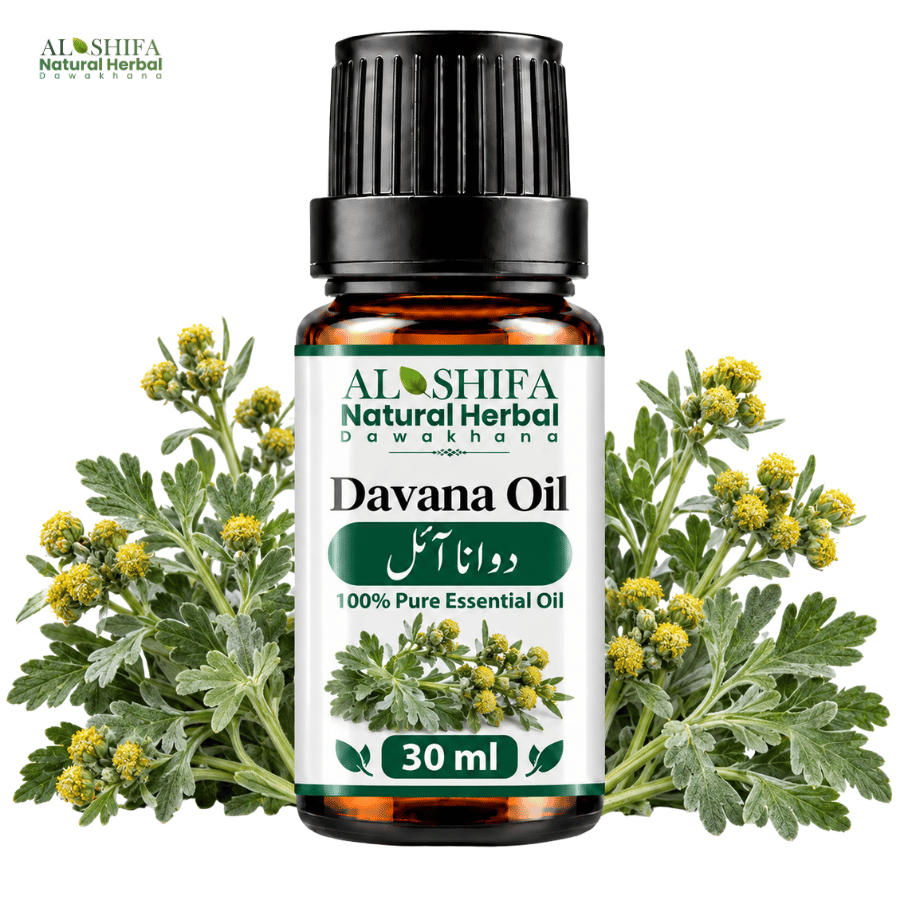
Davana Essential Oil / Roghan Davana. is a concentrated aromatic essential oil obtained from the flowering aerial parts of Artemisia pallens. It is known for its distinctive sweet, fruity, herbaceous, warm and slightly woody aroma and is especially suitable for perfumery, attars, aromatherapy blends, massage formulations, soaps and selected cosmetic products.
Al Shifa Davana Essential Oil is carefully selected with attention to its botanical identity, characteristic Davana aroma, oil quality, freshness, clean handling and protective packaging.
Key Features:
Usage: Dilute appropriately with a suitable carrier oil for topical applications or use at a suitable concentration in perfumes, attars, aromatic blends, soaps and compatible cosmetic formulations.
Important Note: Davana Essential Oil is a concentrated volatile oil and is not the same as Davana infused oil, fragrance oil or other Artemisia oils such as Wormwood Essential Oil. Appropriate dilution is recommended for topical use, and cosmetic or aromatic-grade oil should not be consumed.
Davana Essential Oil / Roghan Davana – دوانا آئل is a distinctive aromatic essential oil obtained from the flowering aerial parts of Artemisia pallens Wall. ex DC., an aromatic plant belonging to the Asteraceae family. Davana is especially valued in fine perfumery for its complex sweet, fruity, herbaceous, warm, slightly woody and tea-like aroma.
The oil is commonly produced through steam distillation of the flowering herb. Its fragrance can develop differently on the skin and blends particularly well with floral, fruity, woody, spicy and oriental-style perfume compositions.
One of the most characteristic natural constituents associated with genuine Davana Essential Oil is davanone, accompanied by other volatile compounds whose proportions vary according to plant origin, harvest stage and distillation conditions.
At Al Shifa Natural Herbal Dawakhana, Davana Essential Oil is selected with attention to its botanical identity, characteristic aroma, essential-oil quality, freshness, clean handling and protective packaging.
Davana Essential Oil is a concentrated volatile aromatic oil distilled from Artemisia pallens.
The plant is an aromatic herb traditionally cultivated in India and valued particularly for its flowering tops.
During the flowering stage, the aerial portions develop the characteristic aromatic profile for which Davana is known.
After harvesting, the plant material is distilled to obtain its fragrant essential oil.
Product Name: Davana Essential Oil / Roghan Davana – دوانا آئل
English Name: Davana Essential Oil / Davana Oil
Urdu Name: دوانا آئل / روغن دوانا/روغن افسنطین
Roman Name: Davana Essential Oil / Roghan Davana
Scientific Name: Artemisia pallens Wall. ex DC.
Plant Family: Asteraceae
Plant Part: Flowering Aerial Parts / Flowering Herb
Oil Type: Volatile Essential Oil
Extraction Method: Steam Distillation
Common Forms: Pure Davana Essential Oil / Davana Oil
Appearance: Yellowish-Brown to Brown or Darker Amber depending on the oil
Aroma: Sweet, Fruity, Herbaceous, Warm, Rich, Slightly Woody & Tea-Like
Primary Applications: Fine Perfumery, Attars, Fragrance Blending, Aromatherapy, Diluted Massage, Soaps & Cosmetics
Product Type: Steam-Distilled Botanical Essential Oil
Artemisia pallens is a small aromatic herb belonging to the same botanical family as many other strongly aromatic plants.
Its leaves and flowering aerial portions contain volatile aromatic compounds.
The flowering herb is the primary material used for essential-oil distillation.
Davana is particularly associated with Indian cultivation and has become internationally recognized as a specialty perfumery ingredient.
Davana Essential Oil is generally obtained by steam distillation of the flowering aerial parts.
Production commonly involves:
The harvest stage can significantly influence the final aromatic and chemical profile.
Davana is notable for an unusually complex fragrance.
Its aroma can be described as:
Depending on the oil and individual perception, fruity nuances can sometimes suggest ripe or dried fruit.
Davana is particularly prized in fine fragrance creation.
It can contribute:
It can be used in floral, fruity, woody, spicy and oriental-style perfume compositions.
Davana is often appreciated by perfumers because its complex aroma can develop differently depending on the fragrance composition and the wearer’s skin chemistry.
This makes it an interesting material for sophisticated perfume blends.
However, this should be understood as an aromatic characteristic rather than a medical or physiological effect.
Davana can add a rich and distinctive character to attar formulations.
It can combine particularly well with aromatic materials such as:
Because Davana has a strong character, the amount used can significantly influence the final fragrance.
Davana can function as a complex aromatic bridge between fruity, herbal and woody notes.
This makes it useful in compositions where the perfumer wants to connect:
Its unusual profile helps create depth without relying on a simple single-note fragrance.
Davana Essential Oil contains a complex mixture of naturally occurring volatile compounds.
One of its most characteristic constituents is:
The oil can also contain additional terpenoid and oxygenated aromatic constituents.
The exact chemical profile varies according to:
Therefore, a fixed davanone percentage should not be assumed without batch-specific analysis.
Davanone is strongly associated with the characteristic chemical profile of Davana Essential Oil.
It contributes to the identity and aromatic character of the oil.
However:
Davanone Content ≠ Proof of a Specific Medical Effect
The complete essential oil and an isolated constituent should also not be treated as identical materials.
Davana may be used in aromatic blends because of its warm, rich and distinctive fragrance.
It can be combined with compatible essential oils according to the desired aromatic profile.
Descriptions such as relaxing, comforting or uplifting can reflect individual fragrance experience, but they should not be interpreted as treatment claims for anxiety, depression, insomnia or other medical conditions.
When appropriately diluted, Davana Essential Oil may be incorporated into aromatic massage formulations.
Suitable carrier oils can include:
Because Davana is a concentrated essential oil, direct undiluted application is generally not recommended.
Davana can be incorporated at suitable concentrations into selected fragranced skin-care and body-care formulations.
Possible applications include:
Its primary role in these formulations is aromatic.
Davana may also be incorporated into appropriately formulated hair and scalp products where its distinctive fragrance is desired.
Possible applications include:
It should be appropriately diluted and kept away from the eyes.
Davana should not be presented as a guaranteed treatment for hair loss, dandruff or scalp diseases.
Davana can provide a sophisticated sweet-herbal fragrance to compatible soap formulations.
It may be useful in:
The concentration should be selected according to the complete formulation and applicable fragrance-safety guidance.
Depending on formulation requirements, Davana may be incorporated into:
Its concentration should be appropriate for the intended product.
Davana has cultural and aromatic importance in India and has been used in traditional settings as a fragrant herb.
Different preparations of the plant have also appeared in traditional herbal practices.
However, it is important to distinguish:
These forms differ significantly in composition and concentration.
Artemisia pallens and Davana Essential Oil have been investigated experimentally for different biological activities, including antioxidant and antimicrobial properties.
However:
Laboratory Activity ≠ Proven Clinical Treatment
The results of laboratory testing should not be interpreted as evidence that ordinary Davana Essential Oil treats infections, inflammatory diseases or other medical conditions in people.
Correct identification helps prevent confusion between Davana and other Artemisia-derived products.
Davana and Wormwood both belong to the Artemisia genus but are different plants.
Davana: Artemisia pallens
Wormwood: Artemisia absinthium
Their essential oils have different chemical profiles and safety considerations.
Therefore:
Davana Essential Oil ≠ Wormwood Essential Oil
Mugwort commonly refers to Artemisia vulgaris and related Artemisia species.
Davana is Artemisia pallens.
Although they belong to the same genus:
Davana Essential Oil ≠ Mugwort Essential Oil
Correct botanical identification is important.
Tarragon is botanically known as Artemisia dracunculus.
Davana is Artemisia pallens.
They have different aromatic and chemical profiles and should not be used interchangeably.
A Davana fragrance oil may be formulated to imitate or interpret the smell of natural Davana.
Genuine Davana Essential Oil is obtained from aromatic plant material through distillation.
Therefore:
Davana Fragrance Oil ≠ Genuine Davana Essential Oil
Davana belongs to the Asteraceae botanical family.
People with known sensitivity to plants in this family should use new Davana-containing topical products cautiously.
Individual reactions can vary.
Davana is a concentrated aromatic oil and can cause irritation or sensitivity in susceptible individuals.
For topical use:
Possible reactions can include:
During pregnancy and breastfeeding:
Essential oils require additional care around children.
For children:
Davana Essential Oil should not automatically be considered suitable for oral consumption.
Unless specifically manufactured, tested and labelled for appropriate internal use:
Essential Oil Grade ≠ Food Grade
At Al Shifa Natural Herbal Dawakhana, Davana Essential Oil is selected with attention to:
Botanical Identity – Artemisia pallens.
Plant Part – Flowering aerial portions.
Extraction Method – Steam-distilled essential oil.
Aromatic Character – Sweet, fruity, herbaceous and warm Davana profile.
Natural Constituents – Characteristic volatile profile associated with davanone.
Perfumery Applications – Suitable for compatible fine-fragrance compositions.
Attar Applications – Suitable for traditional and modern aromatic blends.
Aromatherapy Applications – Suitable for appropriate aromatic use.
Massage Applications – Suitable when properly diluted.
Hair & Scalp Applications – Suitable for appropriately formulated products.
Soap Applications – Suitable for compatible fragranced formulations.
Clean Handling – Carefully handled during packing.
Protective Packaging – Helps protect the volatile aromatic profile from unnecessary exposure to light, heat and air.
Al Shifa Natural Herbal Dawakhana, established in 1999, supplies carefully selected essential oils, herbal oils and natural botanical materials throughout Pakistan.
Our focus for Davana Essential Oil includes:
For Perfumery: Incorporate at an appropriate concentration into floral, fruity, woody, spicy or oriental-style fragrance compositions.
For Attars: Blend carefully with compatible aromatic materials according to the desired fragrance profile.
For Aromatic Use: Use a suitable amount according to the intended aromatic application and product instructions.
For Massage: Dilute appropriately in a compatible carrier oil before skin application.
For Hair & Scalp: Incorporate at a suitable diluted concentration into compatible hair or scalp formulations.
For Soap Making: Use according to the requirements of the complete formulation and applicable fragrance limits.
For Cosmetics: Incorporate at an appropriate concentration according to the intended product and applicable safety guidance.
Davana Essential Oil / Roghan Davana – دوانا آئل is a concentrated volatile essential oil commonly obtained by steam distillation of the flowering aerial parts of Artemisia pallens.
It should not be confused with Wormwood Oil, Mugwort Oil, Tarragon Oil, Davana fragrance oil, herbal extract or infused carrier oil.
Research involving Artemisia pallens, isolated compounds or laboratory preparations should not be interpreted as proof that Davana Essential Oil treats infections, anxiety, insomnia, skin diseases, hair loss or other medical conditions.
For best quality:
Davana Essential Oil / Roghan Davana – دوانا آئل is a specialty steam-distilled essential oil obtained from the flowering aerial parts of Artemisia pallens. Its distinctive sweet, fruity, herbaceous, warm and slightly woody aroma makes it particularly suitable for fine perfumery, attars, fragrance blends, aromatherapy, diluted massage products, hair and scalp formulations, soaps and cosmetics.
Customers searching for Davana Essential Oil, Davana Oil, Roghan Davana, Artemisia pallens Oil, Pure Davana Essential Oil, Natural Davana Oil, Davana Perfume Oil, Davana Oil for Perfume, Davana Oil for Attar, Davana Oil for Fragrance, Davana Oil for Aromatherapy, Davana Oil for Massage, Davana Oil for Hair, Davana Oil for Scalp, Davana Oil for Soap, Davana Oil for Cosmetics, Davana Essential Oil Pakistan, Roghan Davana Pakistan, Davana Oil Lahore, Davana Oil price in Pakistan or buy Davana Essential Oil online Pakistan can choose Al Shifa Natural Herbal Dawakhana for carefully selected quality.
Since 1999, Al Shifa Natural Herbal Dawakhana has focused on supplying essential oils and herbal materials with attention to correct botanical identity, characteristic aroma, quality, freshness, clean handling, responsible product information, protective packaging and proper storage.
Product Name: Davana Essential Oil / Roghan Davana – دوانا آئل
English Name: Davana Essential Oil / Davana Oil
Urdu Name: دوانا آئل / روغن دوانا
Roman Name: Davana Essential Oil / Roghan Davana
Scientific Name: Artemisia pallens Wall. ex DC.
Plant Family: Asteraceae
Plant Part: Flowering Aerial Parts / Flowering Herb
Oil Type: Volatile Essential Oil
Extraction Method: Steam Distillation
Common Forms: Pure Davana Essential Oil / Davana Oil
Appearance: Yellowish-Brown to Brown or Dark Amber
Aroma: Sweet, Fruity, Herbaceous, Warm, Rich, Slightly Woody & Tea-Like
Primary Applications: Fine Perfumery, Attars, Fragrance Blending, Aromatherapy, Diluted Massage, Hair & Scalp Formulations, Soaps & Cosmetics
Product Type: Steam-Distilled Botanical Essential Oil
Important Note: Davana Essential Oil is the concentrated aromatic oil of Artemisia pallens and should not be confused with Wormwood, Mugwort, Tarragon, Davana fragrance oil or infused Davana oil. Appropriate dilution is recommended for topical use, and cosmetic or aromatic-grade essential oil should not be consumed.
روغن دوانا دوانا نامی خوشبودار جڑی بوٹی کے پھولوں، پتوں اور نرم اوپری حصوں سے بھاپ کے ذریعے حاصل ہونے والا گہری خوشبو والا قدرتی روغن ہے۔ دوانا کا سائنسی نام آرٹیمیسیا پیلنس ہے اور یہ سورج مکھی کے خاندان سے تعلق رکھنے والی خوشبودار جڑی بوٹی ہے۔
دوانا کی جڑی بوٹی خاص طور پر اپنی میٹھی، پھلوں جیسی، جڑی بوٹیوں جیسی اور قدرے لکڑی جیسی گہری خوشبو کے لیے مشہور ہے۔ اس کا روغن خوشبو سازی، جسمانی مالش کے خوشبودار روغنوں، جلد کی روغنی دیکھ بھال، بالوں کے خوشبودار روغنوں اور ماحول میں خوشبو پھیلانے کے لیے استعمال کیا جاتا ہے۔
خالص روغن دوانا بہت گہرا خوشبودار روغن ہے، اس لیے جلد پر اسے بنیادی روغن میں کم مقدار میں ملا کر استعمال کیا جاتا ہے۔
اردو نام: روغن افسنطین
پنجابی نام: روغن افسنطین
ہندی نام: روغن افسنطین، روغن ناگ دونا
فارسی نام: روغن افسنطین
عربی نام: دھن الافسنتین، زیت الافسنتین
انگریزی نام: ورم وڈ آئل، کامن ورم وڈ آئل، ابسنتھیم آئل
سائنسی نام: آرٹیمیسیا ایبسنتھیم
خاندان: ایسٹریسی
استعمال ہونے والا حصہ: پھول، پتے اور نرم اوپری شاخیں
روغن کی قسم: بھاپ کے ذریعے حاصل خوشبودار روغن
دوانا ایک چھوٹی، نرم اور خوشبودار جڑی بوٹی ہے۔
اس کی شاخیں باریک ہوتی ہیں اور پتے چھوٹے اور گہرے کٹے ہوئے نظر آتے ہیں۔
پودے پر چھوٹے زرد رنگ کے پھول آتے ہیں۔
پھول اور پتے خوشبودار ہوتے ہیں۔
روغن حاصل کرنے کے لیے پھولوں، پتوں اور نرم اوپری حصوں کو استعمال کیا جاتا ہے۔
دوانا کی سب سے نمایاں پہچان اس کی خاص میٹھی اور گہری خوشبو ہے۔
اچھی دوانا بوٹی:
روغن حاصل کرنے کے لیے خوشبودار اور اچھی حالت والے پھول دار اوپری حصوں کو اہمیت دی جاتی ہے۔
دوانا کے پھول، پتے اور نرم اوپری حصے جمع کیے جاتے ہیں۔
انہیں صاف کر کے بھاپ کے ذریعے روغن نکالنے کے لیے استعمال کیا جاتا ہے۔
بھاپ جڑی بوٹی کے خوشبودار اجزا اپنے ساتھ لے جاتی ہے۔
بھاپ کو ٹھنڈا کرنے کے بعد پانی اور خوشبودار روغن الگ ہو جاتے ہیں۔
حاصل ہونے والا خوشبودار حصہ روغن دوانا کہلاتا ہے۔
اس طریقے سے دوانا کی خاص میٹھی اور جڑی بوٹیوں جیسی خوشبو محفوظ رہتی ہے۔
روغن دوانا اپنی منفرد اور گہری خوشبو کی وجہ سے خاص پہچان رکھتا ہے۔
اس کی خوشبو میں:
محسوس ہوتی ہے۔
یہی خاص خوشبو اسے خوشبو سازی میں اہم بناتی ہے۔
خالص روغن دوانا کی رنگت گہری زرد، سنہری، نارنجی مائل یا بھوری مائل ہوتی ہے۔
اس کی رنگت عام ہلکے خوشبودار روغنوں کے مقابلے میں گہری نظر آتی ہے۔
صرف رنگت دیکھ کر خالص روغن کی پہچان نہ کریں۔ اصل جڑی بوٹی، سائنسی نام، خوشبو اور روغن حاصل کرنے کا طریقہ بھی دیکھیں۔
پاکستان اور برصغیر کی معروف حکمت کی کتب مفردات میں آرٹیمیسیا پیلنس سے حاصل جدید خالص روغن دوانا کا الگ مستند مزاج واضح طور پر مقرر نہیں ہے۔
اس لیے روغن دوانا کے لیے خود سے گرم، سرد، تر یا خشک کا کوئی درجہ مقرر کرنا درست نہیں۔
دوانا کی دوسری آرٹیمیسیا جڑی بوٹیوں کا مزاج روغن دوانا کے نام پر لکھنا بھی درست نہیں کیونکہ ایک ہی خاندان کی جڑی بوٹیاں اپنی ساخت اور خوشبودار اجزا میں الگ ہوتی ہیں۔
کسی بیماری کے لیے اندرونی طبی استعمال معالج سے پوچھ کر کریں۔
دوانا اپنی خاص خوشبو کی وجہ سے خوشبودار جڑی بوٹیوں میں نمایاں مقام رکھتا ہے۔
اس کے پھول دار اوپری حصوں سے حاصل روغن کو:
کے لیے استعمال کیا جاتا ہے۔
روغن دوانا میں کئی قدرتی خوشبودار اجزا پائے جاتے ہیں، جن میں نمایاں یہ ہیں:
ان اجزا میں دوانون روغن دوانا کی خاص پہچان رکھنے والے اہم اجزا میں شمار ہوتا ہے۔
دوانون روغن دوانا کا نمایاں قدرتی خوشبودار جز ہے۔
یہ دوانا کی گہری، میٹھی، پھلوں جیسی اور خاص خوشبو میں اہم جگہ رکھتا ہے۔
خوشبو سازی میں روغن دوانا کی منفرد مہک کی ایک بڑی وجہ یہی قدرتی جز ہے۔
لینالول کئی خوشبودار پھولوں اور جڑی بوٹیوں میں پایا جاتا ہے۔
یہ روغن دوانا کی نرم اور خوشبودار مہک کا حصہ ہے۔
جیرانیول خوشبودار جڑی بوٹیوں اور پھولوں میں پایا جانے والا قدرتی جز ہے۔
یہ دوانا کی میٹھی خوشبو میں حصہ رکھتا ہے۔
روغن دوانا کو جسمانی مالش کے خوشبودار روغنوں میں کم مقدار میں شامل کیا جاتا ہے۔
اسے روغن بادام، روغن جوجوبا، روغن ناریل یا روغن تل کے ساتھ ملا کر استعمال کیا جاتا ہے۔
تیار آمیزے سے کندھوں، بازوؤں، ہاتھوں، ٹانگوں اور پاؤں کی نرم مالش کی جاتی ہے۔
جسمانی تھکن کے بعد استعمال ہونے والے مالش کے روغنوں میں دوانا کا روغن کم مقدار میں شامل کیا جاتا ہے۔
اسے بنیادی روغن کے ساتھ ملا کر کندھوں، بازوؤں، ٹانگوں اور پاؤں پر نرم ہاتھ سے مالش کی جاتی ہے۔
جسم کے تھکے ہوئے حصوں اور کھنچاؤ والی جگہ کی مالش کے لیے تیار خوشبودار روغنی آمیزوں میں روغن دوانا شامل کیا جاتا ہے۔
اسے بنیادی روغن میں کم مقدار میں ملا کر نرم ہاتھ سے مالش کی جاتی ہے۔
درد یا کسی بیماری کے لیے طبی استعمال معالج سے پوچھ کر کریں۔
روغن دوانا کو جلد کے خوشبودار روغنی آمیزوں میں استعمال کیا جاتا ہے۔
خالص روغن کو براہ راست زیادہ مقدار میں لگانے کے بجائے روغن جوجوبا، روغن بادام یا دوسرے بنیادی روغن میں کم مقدار میں ملایا جاتا ہے۔
پہلی بار استعمال سے پہلے جلد کے چھوٹے حصے پر آزمائیں۔
خشک جلد کے روغنی آمیزوں میں روغن دوانا کو بنیادی روغن کے ساتھ شامل کیا جاتا ہے۔
روغن بادام، روغن جوجوبا یا روغن آرگن جلد کو روغنی نرمی دیتے ہیں جبکہ دوانا اپنی خاص خوشبو شامل کرتا ہے۔
روغن دوانا کو ہاتھوں اور پاؤں کے خوشبودار روغنوں میں شامل کیا جاتا ہے۔
اسے بنیادی روغن کے ساتھ ملا کر نرم ہاتھ سے مالش کی جاتی ہے۔
کھلے زخم یا کٹی ہوئی جلد پر استعمال نہ کریں۔
روغن دوانا کو بالوں کے خوشبودار روغنوں میں کم مقدار میں شامل کیا جاتا ہے۔
اسے روغن ناریل، روغن بادام، روغن جوجوبا یا روغن آرگن کے ساتھ ملایا جاتا ہے۔
یہ بالوں کے روغن میں میٹھی اور جڑی بوٹیوں جیسی خاص خوشبو شامل کرتا ہے۔
روغن دوانا کو بنیادی روغن میں کم مقدار میں ملا کر سر کی جلد پر لگایا جاتا ہے۔
خالص روغن براہ راست زیادہ مقدار میں استعمال نہ کریں۔
سر کی جلد کے امراض میں طبی استعمال معالج سے پوچھ کر کریں۔
روغن دوانا کو داڑھی کے خوشبودار روغنوں میں شامل کیا جاتا ہے۔
اسے روغن جوجوبا یا روغن آرگن کے ساتھ کم مقدار میں ملا کر استعمال کیا جاتا ہے۔
اس کی خاص خوشبو داڑھی کے روغن کو الگ مہک دیتی ہے۔
روغن دوانا خوشبو سازی میں خاص اہمیت رکھتا ہے۔
اس کی میٹھی، پھلوں جیسی، جڑی بوٹیوں جیسی اور گہری خوشبو اسے دوسری خوشبوؤں سے الگ پہچان دیتی ہے۔
اسے پھولوں، لکڑی، مصالحوں اور دوسرے خوشبودار روغنوں کے ساتھ ملا کر استعمال کیا جاتا ہے۔
دوانا کی خوشبو کی خاص بات یہ ہے کہ دوسری خوشبوؤں کے ساتھ مل کر بھی اس کی گہری میٹھی مہک نمایاں رہتی ہے۔
روغن دوانا کو پہلے بنیادی روغن یا غسل کے لیے تیار بغیر خوشبو والے آمیزے میں کم مقدار میں ملایا جاتا ہے۔
اس کے بعد اسے غسل میں استعمال کیا جاتا ہے۔
خالص روغن براہ راست زیادہ مقدار میں جلد پر نہ لگائیں۔
خوشبو پھیلانے کے لیے تیار روغن دوانا کو خوشبو والے آلے میں کم مقدار میں استعمال کیا جاتا ہے۔
اس سے ماحول میں میٹھی، گہری، جڑی بوٹیوں اور پھلوں جیسی خوشبو پھیلتی ہے۔
دوانا کا سائنسی نام آرٹیمیسیا پیلنس ہے۔
آرٹیمیسیا خاندان میں کئی دوسری خوشبودار جڑی بوٹیاں بھی شامل ہیں۔
ان سب کو دوانا نہیں کہا جاتا۔
خالص روغن دوانا خریدتے وقت سائنسی نام آرٹیمیسیا پیلنس دیکھنا اصل جڑی بوٹی کی پہچان کے لیے اہم ہے۔
روغن دوانا بنیادی مالش والا روغن نہیں ہے۔
روغن بادام، روغن ناریل، روغن جوجوبا، روغن تل اور روغن زیتون بنیادی روغن ہیں۔
روغن دوانا بہت گہرا خوشبودار روغن ہے اور اسے ان بنیادی روغنوں میں کم مقدار میں ملا کر استعمال کیا جاتا ہے۔
خالص روغن دوانا آرٹیمیسیا پیلنس کے پھول دار اوپری حصوں سے بھاپ کے ذریعے حاصل کیا جاتا ہے۔
دوانا جیسی خوشبو والا تیل خوشبودار اجزا ملا کر بھی تیار کیا جاتا ہے۔
دونوں ایک چیز نہیں ہیں۔
خالص روغن خریدتے وقت سائنسی نام، استعمال ہونے والا حصہ اور روغن حاصل کرنے کا طریقہ دیکھیں۔
روغن دوانا کی بہت کم مقدار روغن بادام یا روغن جوجوبا میں شامل کریں۔
اچھی طرح ملانے کے بعد جلد کے چھوٹے حصے پر آزمائیں۔
خارش، سرخی، سوجن یا جلن نہ ہو تو کم مقدار میں استعمال کریں۔
آنکھوں اور کھلے زخموں سے دور رکھیں۔
روغن بادام، روغن جوجوبا، روغن ناریل یا روغن تل میں روغن دوانا کی کم مقدار شامل کریں۔
تیار آمیزے کو کندھوں، بازوؤں، ٹانگوں اور پاؤں پر نرم ہاتھ سے لگائیں۔
خالص روغن کو پورے جسم پر براہ راست زیادہ مقدار میں استعمال نہ کریں۔
روغن دوانا کو درج ذیل بنیادی روغنوں کے ساتھ ملایا جاتا ہے:
ان آمیزوں کو جسمانی مالش، جلد، بالوں اور داڑھی کے لیے استعمال کیا جاتا ہے۔
حساس جلد پر خالص روغن دوانا براہ راست استعمال نہ کریں۔
اسے بنیادی روغن میں کم مقدار میں ملا کر پہلے جلد کے چھوٹے حصے پر آزمائیں۔
خارش، سرخی، سوجن یا جلن پیدا ہو تو استعمال بند کریں۔
جلدی امراض میں طبی استعمال معالج سے پوچھ کر کریں۔
روغن دوانا کو آنکھوں، ہونٹوں، منہ، ناک کے اندرونی حصے اور جسم کے حساس حصوں پر نہ لگائیں۔
کھلے زخم، کٹی یا جلی ہوئی جلد پر استعمال نہ کریں۔
استعمال کے بعد ہاتھ اچھی طرح دھوئیں۔
خوشبو اور بیرونی استعمال کے لیے فروخت ہونے والا روغن دوانا خود سے نہ پئیں۔
اسے خوراک میں شامل نہ کریں۔
کسی بیماری کے لیے اندرونی طبی استعمال معالج سے پوچھ کر کریں۔
حمل کے دوران روغن دوانا کا اندرونی استعمال خود سے نہ کریں۔
بیرونی استعمال میں بھی کم مقدار رکھیں۔
کسی بیماری کے لیے طبی استعمال معالج سے پوچھ کر کریں۔
دودھ پلانے کے دوران روغن دوانا کو چھاتی یا ایسی جگہ نہ لگائیں جہاں سے بچے کے منہ تک پہنچے۔
اندرونی طبی استعمال معالج سے پوچھ کر کریں۔
بچوں کو روغن دوانا اندرونی طور پر نہ دیں۔
بچوں کی جلد پر خالص روغن براہ راست استعمال نہ کریں۔
آنکھوں، منہ اور ناک کے قریب نہ لگائیں۔
روغن کو بچوں کی پہنچ سے دور رکھیں۔
اصل دوانا: روغن اصل آرٹیمیسیا پیلنس سے حاصل کیا گیا ہو۔
اچھی جڑی بوٹی: صاف، خوشبودار اور اچھی حالت والی دوانا بوٹی استعمال کی گئی ہو۔
قدرتی خوشبو: میٹھی، پھلوں جیسی، جڑی بوٹیوں جیسی اور گہری خوشبو رکھتا ہو۔
قدرتی رنگت: گہری زرد، سنہری، نارنجی مائل یا بھوری مائل قدرتی رنگت رکھتا ہو۔
صاف روغن: پانی، گرد اور غیر ضروری ذرات سے پاک ہو۔
تازگی: باسی یا خراب بو نہ رکھتا ہو۔
درست طریقہ: دوانا کے خوشبودار اوپری حصوں سے بھاپ کے ذریعے حاصل کیا گیا ہو۔
غیر ضروری ملاوٹ سے پاک: غیر ضروری رنگ، مصنوعی خوشبو اور کم معیار کے دوسرے روغن کی ملاوٹ سے پاک ہو۔
روغن دوانا آرٹیمیسیا پیلنس کے پھولوں، پتوں اور نرم اوپری حصوں سے بھاپ کے ذریعے حاصل ہونے والا گہرا خوشبودار روغن ہے۔
اس میں دوانون، دوانا ایتھر، دوانا فیوران، لینالول، جیرانیول اور نیرول جیسے قدرتی خوشبودار اجزا پائے جاتے ہیں۔
اسے جسمانی مالش، جلد کے خوشبودار روغنی آمیزوں، بالوں، سر کی جلد، داڑھی، خوشبو سازی، خوشبودار غسل اور ماحول میں خوشبو پھیلانے کے لیے استعمال کیا جاتا ہے۔
خالص روغن دوانا بہت گہرا ہوتا ہے، اس لیے جلد پر اسے بنیادی روغن کے ساتھ کم مقدار میں استعمال کریں۔
بیرونی استعمال اور خوشبو کے لیے فروخت ہونے والا روغن خود سے نہ پئیں۔
الشفاء نیچرل ہربل دواخانہ میں روغن دوانا کے لیے درج ذیل باتوں کو اہمیت دی جاتی ہے:
اصل دوانا: آرٹیمیسیا پیلنس کی اصل جڑی بوٹی کو اہمیت دی جاتی ہے۔
اچھی جڑی بوٹی: صاف، اچھی حالت اور بھرپور خوشبو رکھنے والی دوانا بوٹی کو اہمیت دی جاتی ہے۔
خوشبودار اوپری حصے: پھولوں، پتوں اور نرم خوشبودار شاخوں کو اہمیت دی جاتی ہے۔
قدرتی خوشبو: میٹھی، پھلوں جیسی، جڑی بوٹیوں جیسی اور گہری قدرتی خوشبو کو اہمیت دی جاتی ہے۔
قدرتی رنگت: روغن کی قدرتی گہری زرد سے بھوری مائل رنگت کو دیکھا جاتا ہے۔
صاف روغن: پانی، گرد اور غیر ضروری ذرات سے پاک روغن کو اہمیت دی جاتی ہے۔
تازگی: باسی یا خراب بو والے روغن سے بچا جاتا ہے۔
غیر ضروری ملاوٹ سے پاک: غیر ضروری رنگ، مصنوعی خوشبو اور کم معیار کے دوسرے روغن کی ملاوٹ سے پاک ہونے کو اہمیت دی جاتی ہے۔
الشفاء نیچرل ہربل دواخانہ سنہ ۱۹۹۹ سے قدرتی جڑی بوٹیوں، پھولوں، پتوں، جڑوں، پھلوں، بیجوں اور ان سے حاصل ہونے والے روغنوں کی سپلائی کر رہا ہے۔
ہم روغن دوانا میں اصل آرٹیمیسیا پیلنس، اچھی خوشبودار جڑی بوٹی، قدرتی خوشبو، قدرتی رنگت، صاف حالت، تازگی اور غیر ضروری ملاوٹ سے پاک ہونے کو اہمیت دیتے ہیں۔
اچھے روغن دوانا کی پہچان اس کی اصل جڑی بوٹی، خاص میٹھی اور گہری خوشبو، قدرتی رنگت، صاف حالت اور تازگی سے کی جاتی ہے۔
روغن دوانا کو ٹھنڈی، خشک اور روشنی سے محفوظ جگہ پر کسی جار میں اچھی طرح پیک کر کے رکھیں۔
تیز دھوپ اور زیادہ گرمی سے بچائیں۔
استعمال کے بعد ڈھکن اچھی طرح بند کریں۔
پانی سے محفوظ رکھیں۔
باسی یا خراب بو پیدا ہونے پر استعمال نہ کریں۔
بچوں کی پہنچ سے دور رکھیں۔
خالص روغن دوانا گہرا خوشبودار روغن ہے۔
جلد پر استعمال کے لیے اسے بنیادی روغن میں کم مقدار میں ملائیں۔
پہلی بار استعمال سے پہلے جلد کے چھوٹے حصے پر آزمائیں۔
خارش، سرخی، سوجن یا جلن پیدا ہو تو استعمال بند کریں۔
آنکھوں، ہونٹوں، منہ، ناک کے اندرونی حصے اور کھلے زخموں پر نہ لگائیں۔
خوشبو اور بیرونی استعمال کے لیے فروخت ہونے والا روغن خود سے نہ پئیں۔
کسی بیماری کے لیے اندرونی طبی استعمال معالج سے پوچھ کر کریں۔
روغن دوانا آرٹیمیسیا پیلنس کے خوشبودار پھولوں، پتوں اور نرم اوپری حصوں سے حاصل ہونے والا قدرتی خوشبودار روغن ہے۔
اس کی نمایاں پہچان میٹھی، پھلوں جیسی، جڑی بوٹیوں جیسی اور گہری خوشبو ہے۔
پاکستان اور برصغیر کی معروف حکمت کی کتب مفردات میں آرٹیمیسیا پیلنس سے حاصل خالص روغن دوانا کا الگ مستند مزاج واضح طور پر مقرر نہیں ہے، اس لیے اس کے لیے خود سے کوئی حکیمی درجہ مقرر نہیں کیا جاتا۔
اسے جسمانی مالش کے خوشبودار روغنوں، جلد کی روغنی دیکھ بھال، بالوں، سر کی جلد، داڑھی، خوشبو سازی اور خوشبودار غسل میں استعمال کیا جاتا ہے۔
خالص روغن دوانا اور صرف دوانا جیسی خوشبو والا تیل ایک چیز نہیں ہیں۔
اچھے روغن دوانا کی پہچان اصل آرٹیمیسیا پیلنس، خاص قدرتی خوشبو، قدرتی رنگت، صاف حالت، تازگی اور غیر ضروری ملاوٹ سے پاک ہونے سے کی جاتی ہے۔