روغن اسطوخودوس
Original price was: ₨ 4,500.₨ 3,800Current price is: ₨ 3,800.
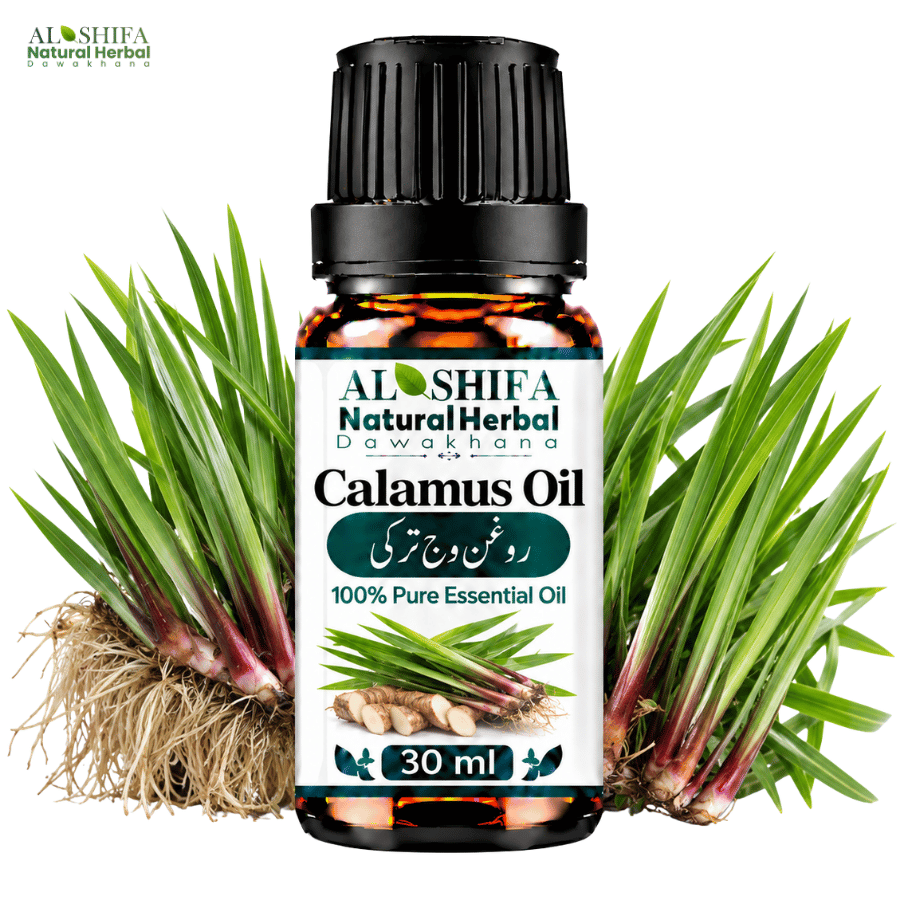
Calamus Essential Oil / Roghan Waj Turki / Roghan Warch is a concentrated aromatic essential oil obtained primarily from the rhizomes of Acorus calamus. It has a distinctive warm, spicy, earthy, woody, sweet and slightly camphoraceous aroma. Its natural composition varies considerably by botanical source and chemotype, particularly in the concentration of beta-asarone, an important safety consideration for Calamus Oil.
Al Shifa Calamus Essential Oil is carefully selected with attention to its correct botanical identity, rhizome source, characteristic aroma, essential-oil quality, clean handling, protective packaging and responsible product information.
Key Features:
Usage: Use only in appropriately formulated external or aromatic applications after considering the oil's chemotype, beta-asarone content, intended concentration and applicable safety requirements. Unsupervised internal use is not recommended.
Important Note: Calamus Essential Oil may contain beta-asarone in widely varying concentrations, depending on its botanical source and chemotype. Due to associated toxicological and regulatory concerns, it should not be used casually for internal consumption or treated as an unrestricted general-purpose essential oil.
Calamus Essential Oil / Roghan Waj Turki / Roghan Warch – روغن وج ترکی is a strongly aromatic essential oil obtained from the underground rhizomes of Acorus calamus L., a perennial wetland plant belonging to the Acoraceae family. It is commonly known as Sweet Flag, Calamus, Waj Turki, Warch or Bach in different herbal traditions and markets.
The oil is generally produced by steam or hydrodistillation of the dried rhizomes. It has a distinctive warm, spicy, earthy, woody, sweet and slightly camphoraceous aroma. The chemical composition of Calamus Oil varies significantly according to the botanical variety, geographic origin and chemotype. One particularly important constituent is beta-asarone, whose concentration can range from very low to high depending on the source.
This chemical variation is especially important because beta-asarone has significant toxicological and regulatory concerns. Calamus Essential Oil should therefore be handled more cautiously than many ordinary cosmetic essential oils, and its beta-asarone content and intended product grade should be known before use.
At Al Shifa Natural Herbal Dawakhana, Calamus Essential Oil is selected with attention to botanical identity, rhizome source, characteristic aroma, essential-oil quality, clean handling, protective packaging and responsible product information.
Calamus Essential Oil is the concentrated volatile aromatic oil obtained primarily from the rhizomes of Acorus calamus.
It is characterized by a:
Calamus has a long history in herbal and aromatic traditions, but the concentrated essential oil requires careful distinction from the whole dried rhizome.
Product Name: Calamus Essential Oil / Roghan Waj Turki / Roghan Warch – روغن وج ترکی
English Name: Calamus Essential Oil / Calamus Oil / Sweet Flag Oil
Urdu Name: روغن وج ترکی / روغن وچھ / روغن ورچ
Roman Name: Calamus Essential Oil / Roghan Waj Turki / Roghan Warch
Scientific Name: Acorus calamus L.
Plant Family: Acoraceae
Plant Part: Rhizome
Oil Type: Volatile Essential Oil
Common Forms: Steam-Distilled Calamus Rhizome Oil / Sweet Flag Essential Oil
Appearance: Yellowish to Brownish Aromatic Liquid
Aroma: Warm, Spicy, Earthy, Woody, Sweet & Slightly Camphoraceous
Primary Applications: Traditional Aromatic Use, Perfumery, Fragrance Research & Specialized Formulations Subject to Safety and Regulatory Requirements
Product Type: Botanical Essential Oil
Acorus calamus is a perennial plant that grows naturally in wet or marshy environments.
It commonly develops:
The rhizome is the most important part in traditional herbal use and essential-oil production.
The underground rhizome of Calamus has a characteristic aromatic smell and has historically been traded as a dried herbal material.
Names encountered in South Asian herbal markets can include:
Because common names can vary between regions, the scientific identity Acorus calamus is important when confirming the botanical source.
Calamus Essential Oil is generally produced by distillation of the rhizome.
Production may involve:
The resulting essential oil is substantially more concentrated than the whole rhizome.
Calamus Oil has an unusual and powerful aromatic profile.
Its fragrance can be described as:
Natural aroma and colour can vary considerably according to the botanical source and chemotype.
The chemical composition of Acorus calamus Essential Oil can vary substantially.
Reported constituents can include:
The exact composition depends strongly on the plant’s geographic and genetic origin.
This makes chemical identification particularly important for Calamus Oil.
Beta-asarone is one of the most important safety considerations associated with Calamus Oil.
Different forms and geographic populations of Acorus calamus can contain very different amounts of beta-asarone.
This means:
Not All Calamus Oils Have the Same Beta-Asarone Content
Beta-asarone has raised toxicological concerns based particularly on experimental animal data, including concerns involving carcinogenic and genotoxic potential.
For this reason, Calamus and beta-asarone-containing materials are subject to restrictions in various jurisdictions and applications.
Therefore:
Natural Origin ≠ Automatically Safe for Internal Use
Acorus calamus occurs in forms with different chromosome numbers and chemical profiles.
Different geographic populations can therefore produce oils with substantially different asarone concentrations.
Commercial descriptions such as:
should not be assumed to have identical chemistry.
Chemical analysis is more reliable than the common name alone when beta-asarone content matters.
Calamus has historically attracted interest as an aromatic material because of its unusual:
However, modern fragrance use must take into account applicable safety standards and restrictions associated with asarone-containing materials.
It should not simply be treated like an unrestricted general-purpose fragrance essential oil.
The Calamus rhizome has a long history in South Asian, Middle Eastern and other herbal traditions.
The plant has historically appeared in preparations associated with:
These historical uses should not be interpreted as proof that concentrated Calamus Essential Oil is safe or effective for the same purposes.
Calamus rhizome has historically been associated with digestive herbal preparations.
However:
Traditional Rhizome Use ≠ Safe Internal Use of Concentrated Calamus Essential Oil
The essential oil concentrates volatile compounds, including potentially significant amounts of beta-asarone depending on the chemotype.
It should therefore not be recommended for unsupervised oral consumption.
Calamus or Waj has historically appeared in herbal traditions involving memory, concentration and neurological wellness.
However:
Calamus Essential Oil ≠ Proven Memory or Cognitive Medication
Traditional use does not establish treatment efficacy for:
Calamus may occasionally appear in traditional hair or scalp preparations.
However, because Calamus Essential Oil can contain safety-relevant asarones, it should not automatically be treated as an ordinary general-purpose scalp oil.
It should also not be marketed as a guaranteed treatment for hair loss.
Calamus Essential Oil ≠ Proven Hair-Growth Medication
Historical or commercial external applications do not establish unrestricted skin safety.
The suitability of Calamus Essential Oil in a topical formulation depends on factors including:
Direct undiluted application is inappropriate.
Acorus calamus extracts, essential oils and individual compounds have been investigated in laboratory antimicrobial research.
Such studies can involve:
Therefore:
Laboratory Antimicrobial Activity ≠ Proven Human Infection Treatment
Calamus Essential Oil should not replace appropriate treatment for infections.
Calamus and its constituents have also been investigated in laboratory studies involving insects and pests.
These experimental findings do not automatically establish that an ordinary bottle of Calamus Essential Oil is an approved pesticide or safe household insect-control product.
Therefore:
Laboratory Insecticidal Activity ≠ Approved Pesticide Use
Calamus extracts and individual compounds may demonstrate antioxidant activity in laboratory testing.
However:
Laboratory Antioxidant Activity ≠ Proven Disease Treatment
Laboratory assays should not be converted into claims that Calamus Oil prevents or treats disease.
Calamus requires especially careful identification because the whole herb, essential oil and different chemotypes are not interchangeable.
For Calamus Oil, botanical identity and chemical composition are particularly important.
The dried rhizome and its essential oil are not equivalent.
The rhizome contains a broad range of plant constituents.
Essential-oil distillation selectively concentrates volatile compounds.
Therefore:
Calamus Rhizome ≠ Calamus Essential Oil
Traditional information about whole-rhizome use should not automatically be applied to the concentrated oil.
Acorus calamus and Acorus gramineus are related but distinct botanical species.
Products identified only as “Acorus Oil” should therefore be checked carefully.
For this product:
Botanical Identity: Acorus calamus L.
Calamus and Vetiver both have earthy and root-like aromatic characteristics, but they are botanically different.
Calamus: Acorus calamus, Acoraceae
Vetiver: Chrysopogon zizanioides, Poaceae
Therefore:
Calamus Essential Oil ≠ Vetiver Essential Oil
The beta-asarone issue is particularly important for this oil.
Because concentrations can vary greatly:
This is especially relevant for commercial cosmetic, fragrance or therapeutic-style formulations.
If a Calamus Essential Oil has been confirmed suitable for the intended external formulation, it should still be used cautiously.
General precautions include:
Possible reactions can include:
Because of the chemical and toxicological concerns surrounding Calamus Oil, a conservative approach is appropriate.
During pregnancy and breastfeeding:
Calamus Essential Oil is not an appropriate oil for casual unsupervised use around infants and young children.
Important precautions include:
This is one of the most important cautions for Calamus Essential Oil.
Due to concerns surrounding beta-asarone and other concentrated constituents, Calamus Essential Oil should not be recommended for casual or unsupervised ingestion.
Calamus Essential Oil ≠ Ordinary Edible Herbal Oil
Essential-Oil Grade ≠ Food-Grade
Traditional Calamus Use ≠ Proof of Safety for Concentrated Essential Oil
The regulatory status of Calamus and beta-asarone-containing materials also varies by jurisdiction and intended application.
At Al Shifa Natural Herbal Dawakhana, Calamus Essential Oil is selected with attention to:
Botanical Identity – Acorus calamus source.
Plant Part – Aromatic rhizome.
Oil Identity – Concentrated volatile essential oil.
Aroma – Characteristic warm, spicy, earthy and woody profile.
Chemical Variation – Recognition that asarone composition can differ significantly between botanical sources and chemotypes.
Traditional Identity – Correctly associated with Waj Turki / Warch rhizome.
Perfumery Applications – Considered only with appropriate formulation and safety requirements.
Freshness – Attention to essential-oil condition and characteristic aroma.
Clean Handling – Carefully handled during packing.
Protective Packaging – Helps protect volatile constituents from unnecessary heat, air and light exposure.
Responsible Information – Traditional use is clearly distinguished from modern safety and clinical evidence.
Al Shifa Natural Herbal Dawakhana, established in 1999, supplies carefully selected essential oils, herbal oils and botanical materials throughout Pakistan.
Our focus for Calamus Essential Oil includes:
For Perfumery or Fragrance Formulation: Use only where the specific Calamus Oil’s chemical profile and applicable fragrance-safety requirements support the intended application.
For External Formulations: Use only at an appropriate concentration after confirming the oil’s suitability and beta-asarone considerations for the intended product.
For Aromatic Evaluation: Evaluate the fragrance carefully in small quantities and avoid excessive direct inhalation of concentrated oil.
For Professional Formulation: Consider botanical source, chemotype, chemical analysis, final concentration and applicable regulatory requirements before use.
For Internal Use: Unsupervised ingestion is not recommended.
Calamus Essential Oil / Roghan Waj Turki / Roghan Warch – روغن وج ترکی is a concentrated volatile aromatic oil obtained primarily from the rhizomes of Acorus calamus. It has a characteristic warm, spicy, earthy, woody and slightly sweet aroma.
Calamus Oil requires more careful safety consideration than many ordinary essential oils because its beta-asarone content can vary substantially according to botanical source and chemotype. Beta-asarone has important toxicological and regulatory concerns.
The concentrated essential oil should therefore not be treated as equivalent to dried Waj Turki rhizome, herbal powder or a general edible herbal oil.
For best quality:
Calamus Essential Oil / Roghan Waj Turki / Roghan Warch – روغن وج ترکی is a concentrated aromatic oil distilled primarily from the rhizomes of Acorus calamus. It is recognized for its distinctive warm, spicy, earthy, woody, sweet and slightly camphoraceous aroma and its long history as an aromatic botanical material.
Customers searching for Calamus Essential Oil, Calamus Oil, Sweet Flag Oil, Roghan Waj Turki, Roghan Warch, Waj Turki Oil, Acorus Calamus Oil, Acorus Calamus Essential Oil, Calamus Rhizome Oil, Pure Calamus Oil, Natural Calamus Oil, Calamus Essential Oil Pakistan, Calamus Oil Pakistan, Calamus Oil Lahore, Calamus Oil price in Pakistan, Roghan Waj Turki price in Pakistan, buy Calamus Oil Pakistan or Calamus Essential Oil online Pakistan can choose Al Shifa Natural Herbal Dawakhana for carefully selected quality and responsible product identification.
Since 1999, Al Shifa Natural Herbal Dawakhana has focused on supplying natural oils and botanical materials with attention to correct botanical identity, quality selection, characteristic aroma, clean handling, responsible safety information, protective packaging and proper storage.
Product Name: Calamus Essential Oil / Roghan Waj Turki / Roghan Warch – روغن وج ترکی
English Name: Calamus Essential Oil / Calamus Oil / Sweet Flag Oil
Urdu Name: روغن وج ترکی / روغن وچھ / روغن ورچ
Roman Name: Calamus Essential Oil / Roghan Waj Turki / Roghan Warch
Scientific Name: Acorus calamus L.
Plant Family: Acoraceae
Plant Part: Rhizome
Oil Type: Volatile Essential Oil
Common Forms: Steam-Distilled Calamus Rhizome Oil / Sweet Flag Essential Oil
Appearance: Yellowish to Brownish Aromatic Liquid
Aroma: Warm, Spicy, Earthy, Woody, Sweet & Slightly Camphoraceous
Primary Applications: Traditional Aromatic Use, Perfumery, Fragrance Research & Specialized Formulations Subject to Safety and Regulatory Requirements
Product Type: Botanical Essential Oil
Important Note: Calamus Essential Oil can contain beta-asarone at widely varying concentrations depending on its botanical source and chemotype. Because of associated toxicological and regulatory concerns, it should not be used casually for internal consumption or treated as an unrestricted general-purpose essential oil.
روغن وج ترکی وج ترکی کی خوشبودار زیر زمین جڑ نما حصے سے حاصل ہونے والا تیز خوشبودار روغن ہے۔ وج ترکی ایک دلدلی اور پانی کے قریب اگنے والی جڑی بوٹی ہے۔ اس کا سائنسی نام ایکورس کیلامس ہے۔
وج ترکی کی جڑ نما حصہ موٹا، خوشبودار اور مخصوص تیز بو رکھتا ہے۔ اسی حصے سے بھاپ کے ذریعے روغن حاصل کیا جاتا ہے۔ روغن وج ترکی کی خوشبو گرم، تیز، مصالحہ دار، لکڑی اور جڑ جیسی ہوتی ہے۔
روغن وج ترکی عام چکنائی والا بنیادی روغن نہیں ہے۔ یہ تیز خوشبودار روغن ہے، اس لیے بیرونی استعمال میں اسے روغن بادام، روغن ناریل، روغن تل یا روغن جوجوبا جیسے بنیادی روغن میں کم مقدار میں ملا کر استعمال کیا جاتا ہے۔
اردو: وج ترکی، وج، وچھ، بچ، ورچ، روغن وج ترکی، روغن ورچ
پنجابی: وج، بچ، وچھ، وج دی جڑ، وج دا تیل
ہندی: وچ، بچ، گھوڑ بچ، بچ کی جڑ، بچ کا تیل
فارسی: وج، اگیر ترکی، روغن وج
عربی: وج، عود الوج، زيت الوج
انگریزی نام: کیلامس، سویٹ فلیگ، کیلامس آئل، سویٹ فلیگ آئل
سائنسی نام: ایکورس کیلامس
خاندان: ایکوریسی
استعمال ہونے والا اہم حصہ: زیر زمین جڑ نما حصہ
وج ترکی پانی اور نم زمین کے قریب اگنے والی جڑی بوٹی ہے۔
اس کے پتے لمبے، باریک اور تلوار کی شکل کے ہوتے ہیں۔
پودے کا اہم خوشبودار حصہ زمین کے نیچے پھیلنے والی موٹی جڑ نما ساخت ہے۔
یہ جڑ نما حصہ باہر سے بھورا اور اندر سے ہلکا رنگ رکھتا ہے۔
خشک ہونے کے بعد بھی اس میں مخصوص تیز خوشبو باقی رہتی ہے۔
حکمت میں زیادہ اہمیت اسی زیر زمین حصے کو دی جاتی ہے۔
روغن بھی اسی خوشبودار حصے سے حاصل کیا جاتا ہے۔
اچھی وج ترکی میں:
وج ترکی کے صاف زیر زمین جڑ نما حصے منتخب کیے جاتے ہیں۔
انہیں مٹی اور غیر ضروری گندگی سے صاف کیا جاتا ہے۔
ضرورت کے مطابق چھوٹے حصوں میں کاٹا جاتا ہے۔
اس کے بعد بھاپ کے ذریعے خوشبودار روغن حاصل کیا جاتا ہے۔
گرم بھاپ جڑ میں موجود اڑنے والے خوشبودار اجزا کو اپنے ساتھ لے جاتی ہے۔
بھاپ ٹھنڈی ہونے کے بعد پانی اور روغن الگ ہو جاتے ہیں۔
روغن کو پانی سے الگ کر کے صاف کیا جاتا ہے۔
اس طرح حاصل ہونے والا روغن تیز، گرم، مصالحہ دار اور جڑ جیسی خوشبو رکھتا ہے۔
پاکستان اور برصغیر میں استعمال ہونے والی حکمت کی کتب مفردات میں وج کو گرم اور خشک مزاج والی جڑی بوٹی کے طور پر بیان کیا جاتا ہے۔
حکمت میں وج کی خشک جڑ کو دماغی، اعصابی، ہاضمے اور جسمانی ادویات میں شامل کیا جاتا ہے۔
روغن وج ترکی جڑ سے حاصل ہونے والا تیز خوشبودار روغن ہے، اس لیے اس کی مقدار مکمل خشک جڑ کے برابر نہیں رکھی جاتی۔
روغن کے اندرونی طبی استعمال میں خاص احتیاط ضروری ہے۔
وج ترکی حکمت میں پرانی معروف جڑی بوٹی ہے۔
اس کی خشک جڑ کو:
میں استعمال کیا جاتا ہے۔
وج ترکی کی جڑ، سفوف اور اس سے حاصل روغن کی مقدار ایک جیسی نہیں ہوتی۔
کسی بیماری کے لیے اندرونی طبی استعمال معالج سے پوچھ کر کریں۔
روغن وج ترکی کی خوشبو بہت خاص ہوتی ہے۔
اس میں تیز، گرم، مصالحہ دار، جڑ، لکڑی اور ہلکی میٹھی خوشبو محسوس ہوتی ہے۔
یہ عام بنیادی روغن نہیں ہے۔
اس کی کم مقدار بھی روغنی آمیزے میں نمایاں خوشبو دیتی ہے۔
وج ترکی کے روغن میں پودے کی قسم اور اگنے کے علاقے کے مطابق مختلف قدرتی خوشبودار اجزا پائے جاتے ہیں، جن میں نمایاں یہ ہیں:
ان اجزا کی مقدار وج ترکی کی قسم اور اگنے کے علاقے کے مطابق کافی بدلتی ہے۔
بیٹا اسارون وج ترکی کے روغن کا اہم قدرتی جز ہے۔
اس کی مقدار وج ترکی کی ہر قسم میں ایک جیسی نہیں ہوتی۔
کچھ اقسام میں اس کی مقدار زیادہ جبکہ دوسری اقسام میں بہت کم یا نہ ہونے کے برابر رہتی ہے۔
اسی وجہ سے روغن وج ترکی کے اندرونی استعمال میں خاص احتیاط رکھی جاتی ہے۔
الفا اسارون بھی وج ترکی کی جڑ کے خوشبودار اجزا میں شامل ہے۔
یہ جڑ اور اس سے حاصل روغن کی مخصوص تیز اور مصالحہ دار خوشبو کا حصہ ہے۔
روغن وج ترکی کو جسمانی مالش میں خالص حالت میں زیادہ مقدار میں استعمال نہیں کیا جاتا۔
اس کے چند قطرے بنیادی روغن میں ملائے جاتے ہیں۔
روغن بادام، روغن تل، روغن ناریل یا روغن جوجوبا کے ساتھ اسے جسمانی مالش میں استعمال کیا جاتا ہے۔
کمر، کندھوں، بازوؤں، ٹانگوں اور پاؤں پر نرم ہاتھ سے مالش کی جاتی ہے۔
جسمانی تھکن کے بعد روغن وج ترکی کی کم مقدار بنیادی روغن میں ملا کر استعمال کی جاتی ہے۔
تیار روغنی آمیزے سے بازوؤں، کندھوں، ٹانگوں اور پاؤں کی مالش کی جاتی ہے۔
اس کی تیز جڑ اور مصالحے جیسی خوشبو مالش کے روغن میں نمایاں رہتی ہے۔
پٹھوں کے کھنچاؤ والی جگہ کی مالش میں روغن وج ترکی کو بنیادی روغن میں کم مقدار میں ملا کر استعمال کیا جاتا ہے۔
تیار آمیزے سے نرم ہاتھ سے مالش کی جاتی ہے۔
پٹھوں کے امراض یا مسلسل درد میں طبی استعمال معالج سے پوچھ کر کریں۔
روغن وج ترکی کو روغن تل، روغن بادام یا دوسرے بنیادی روغن میں ملا کر گردن اور کندھوں کی مالش میں استعمال کیا جاتا ہے۔
اس کی کم مقدار ہی کافی رہتی ہے کیونکہ اس کی خوشبو تیز ہوتی ہے۔
روغن وج ترکی کو جسمانی مالش کے آمیزوں میں کمر اور ٹانگوں کے لیے استعمال کیا جاتا ہے۔
بنیادی روغن کے ساتھ ملا کر نرم ہاتھ سے مالش کی جاتی ہے۔
خالص روغن کو بڑی مقدار میں براہ راست جلد پر نہ لگائیں۔
روغن وج ترکی کے چند قطرے بنیادی روغن میں شامل کر کے پاؤں کی مالش کی جاتی ہے۔
خاص طور پر جسمانی تھکن کے بعد پاؤں اور پنڈلیوں کی مالش کے روغنوں میں اسے شامل کیا جاتا ہے۔
روغن وج ترکی کو سر کی جلد پر خالص حالت میں زیادہ مقدار میں نہ لگائیں۔
اس کے چند قطرے روغن ناریل، روغن تل یا روغن بادام میں ملا کر سر کی مالش میں استعمال کیے جاتے ہیں۔
سر کی جلد کے امراض میں طبی استعمال معالج سے پوچھ کر کریں۔
روغن وج ترکی عام بالوں کا بنیادی روغن نہیں ہے۔
اسے جڑی بوٹیوں والے بالوں کے روغنوں میں کم مقدار میں شامل کیا جاتا ہے۔
بنیادی روغن بالوں کو نرمی دیتا ہے جبکہ وج ترکی اپنی خاص جڑی بوٹی اور جڑ جیسی خوشبو فراہم کرتا ہے۔
روغن وج ترکی تیز خوشبودار روغن ہے۔
اسے خالص حالت میں زیادہ مقدار میں جلد پر استعمال نہ کریں۔
بیرونی استعمال کے لیے اسے بنیادی روغن میں کم مقدار میں ملائیں۔
پہلی بار استعمال سے پہلے جلد کے چھوٹے حصے پر آزمائیں۔
خشک جلد پر روغن وج ترکی اکیلا استعمال نہیں کیا جاتا۔
اس کے چند قطرے روغن بادام، روغن جوجوبا یا دوسرے بنیادی روغن میں شامل کیے جاتے ہیں۔
خشک جلد کو نرمی بنیادی روغن فراہم کرتا ہے جبکہ وج ترکی اپنی مخصوص خوشبو شامل کرتا ہے۔
وج ترکی کی مکمل خشک جڑ اور اس سے حاصل روغن ایک شکل نہیں ہیں۔
خشک جڑ میں پودے کے کئی اجزا موجود ہوتے ہیں۔
بھاپ سے حاصل روغن میں اڑنے والے خوشبودار اجزا زیادہ نمایاں ہوتے ہیں۔
اسی لیے مکمل جڑ اور روغن کی مقدار ایک جیسی نہیں رکھی جاتی۔
وج ترکی کا سفوف خشک جڑ کو پیس کر تیار کیا جاتا ہے۔
سفوف کو حکیمی ادویات میں مخصوص مقدار کے ساتھ شامل کیا جاتا ہے۔
روغن وج ترکی بھاپ کے ذریعے جڑ سے حاصل ہونے والا تیز خوشبودار روغن ہے۔
دونوں کے استعمال اور مقدار الگ رکھے جاتے ہیں۔
وج ترکی کا جوہر اور روغن وج ترکی الگ شکلیں ہیں۔
جوہر میں جڑ کے منتخب اجزا دوسرے طریقے سے حاصل کیے جاتے ہیں۔
روغن وج ترکی میں اڑنے والے خوشبودار اجزا زیادہ نمایاں ہوتے ہیں۔
دونوں کی مقدار ایک جیسی نہیں رکھی جاتی۔
وج، بچ، وچ، وچھ اور ورچ جیسے نام ایکورس کیلامس کے لیے مختلف علاقوں میں استعمال کیے جاتے ہیں۔
بازار میں نام کی تبدیلی کی وجہ سے اصل جڑ کی پہچان ضروری ہے۔
اصل وج ترکی کے لیے ایکورس کیلامس کا سائنسی نام دیکھنا اہم ہے۔
وج ترکی اور ادرک دونوں زمین کے نیچے جڑ نما حصے رکھتے ہیں لیکن دونوں الگ پودے ہیں۔
وج ترکی کا سائنسی نام ایکورس کیلامس ہے۔
ادرک الگ پودا ہے۔
دونوں کی خوشبو، ذائقہ، قدرتی اجزا اور استعمال الگ ہیں۔
روغن بادام، روغن ناریل، روغن تل، روغن زیتون اور روغن جوجوبا بنیادی روغن ہیں۔
انہیں جسمانی مالش میں زیادہ مقدار میں استعمال کیا جاتا ہے۔
روغن وج ترکی تیز خوشبودار روغن ہے۔
اسے بنیادی روغن میں کم مقدار میں ملا کر استعمال کیا جاتا ہے۔
روغن وج ترکی کی رنگت ہلکی زرد سے سنہری یا بھوری مائل زرد ہو سکتی ہے۔
رنگت جڑ کی قسم اور روغن حاصل کرنے کے طریقے کے مطابق ہلکی یا گہری رہتی ہے۔
تیز مصنوعی رنگ خالص روغن وج ترکی کی لازمی پہچان نہیں ہے۔
روغن وج ترکی کی خوشبو تیز، گرم، مصالحہ دار، جڑ، لکڑی اور ہلکی میٹھی ہوتی ہے۔
اس کی خوشبو عام بنیادی روغنوں سے کہیں زیادہ نمایاں ہوتی ہے۔
کم مقدار بھی روغنی آمیزے میں واضح محسوس ہوتی ہے۔
روغن وج ترکی خوشبودار روغن ہے۔
یہ عام چکنائی والے بنیادی روغن کی طرح استعمال نہیں کیا جاتا۔
جلد، بالوں اور جسمانی مالش کے لیے اسے بنیادی روغن کے ساتھ کم مقدار میں ملایا جاتا ہے۔
روغن وج ترکی کے چند قطرے بنیادی روغن میں شامل کریں۔
اچھی طرح ملانے کے بعد جلد کے مطلوبہ حصے پر تھوڑی مقدار لگائیں۔
پہلی بار استعمال سے پہلے جلد کے چھوٹے حصے پر آزمائیں۔
خارش، سرخی، سوجن یا جلن پیدا ہو تو استعمال بند کریں۔
روغن تل، روغن بادام، روغن ناریل یا روغن جوجوبا میں روغن وج ترکی کی کم مقدار ملائیں۔
تیار آمیزے کو ہتھیلیوں پر پھیلائیں۔
کمر، کندھوں، بازوؤں، ٹانگوں یا پاؤں پر نرم ہاتھ سے مالش کریں۔
خالص روغن وج ترکی سے پورے جسم کی مالش نہ کریں۔
روغن وج ترکی کو:
جیسے بنیادی روغنوں کے ساتھ ملا کر استعمال کیا جاتا ہے۔
جڑی بوٹیوں والے روغنی آمیزوں میں اس کی مقدار کم رکھی جاتی ہے۔
روغن وج ترکی عام کھانے والا روغن نہیں ہے۔
اسے خود سے نہ پئیں۔
وج ترکی کے روغن میں بیٹا اسارون کی مقدار پودے کی قسم کے مطابق بدلتی ہے، اس لیے اندرونی استعمال میں خاص احتیاط ضروری ہے۔
کسی بیماری کے لیے وج ترکی یا اس کے روغن کا اندرونی طبی استعمال معالج سے پوچھ کر کریں۔
صرف بیرونی استعمال کے لیے فروخت ہونے والا روغن خوراک میں استعمال نہ کریں۔
حساس جلد پر روغن وج ترکی خالص حالت میں نہ لگائیں۔
اسے بنیادی روغن میں کم مقدار میں ملا کر استعمال کریں۔
پہلی بار استعمال سے پہلے جلد کے چھوٹے حصے پر آزمائیں۔
خارش، سرخی، سوجن یا جلن پیدا ہو تو استعمال بند کریں۔
جلدی امراض میں طبی استعمال معالج سے پوچھ کر کریں۔
حمل کے دوران روغن وج ترکی کا اندرونی استعمال خود سے نہ کریں۔
کسی بیماری کے لیے اندرونی طبی استعمال معالج سے پوچھ کر کریں۔
بیرونی استعمال بھی کم مقدار میں بنیادی روغن کے ساتھ کریں۔
دودھ پلانے کے دوران روغن وج ترکی کا اندرونی طبی استعمال معالج سے پوچھ کر کریں۔
اسے چھاتی یا ایسی جگہ نہ لگائیں جہاں سے بچے کے منہ تک روغن پہنچے۔
بچوں پر خالص روغن وج ترکی خود سے استعمال نہ کریں۔
بچوں کے چہرے، آنکھوں، منہ اور ناک کے قریب نہ لگائیں۔
کسی بیماری کے لیے طبی استعمال معالج سے پوچھ کر کریں۔
اسے بچوں کی پہنچ سے دور رکھیں۔
اصل جڑی بوٹی: روغن اصل ایکورس کیلامس کی جڑ نما حصے سے حاصل کیا گیا ہو۔
اچھی جڑ: صاف، خشک، اچھی حالت اور اپنی خاص خوشبو رکھنے والی جڑ استعمال کی گئی ہو۔
قدرتی خوشبو: تیز، گرم، مصالحہ دار، جڑ اور لکڑی جیسی خوشبو رکھتا ہو۔
قدرتی رنگت: ہلکی زرد سے سنہری یا بھوری مائل زرد رنگت رکھتا ہو۔
صاف روغن: پانی، گرد اور غیر ضروری ذرات سے پاک ہو۔
تازگی: باسی یا خراب بو نہ رکھتا ہو۔
غیر ضروری ملاوٹ سے پاک: مصنوعی رنگ، غیر ضروری مصنوعی خوشبو اور کم معیار کے دوسرے روغن کی ملاوٹ سے پاک ہو۔
روغن وج ترکی ایکورس کیلامس کی خوشبودار زیر زمین جڑ نما حصے سے بھاپ کے ذریعے حاصل ہونے والا تیز خوشبودار روغن ہے۔
اس میں بیٹا اسارون، الفا اسارون، شائیوبونون اور دوسرے قدرتی خوشبودار اجزا پائے جاتے ہیں۔
اس کا بیرونی استعمال جسمانی مالش کے آمیزوں، جسمانی تھکن، پٹھوں کے کھنچاؤ والی جگہ، کمر، کندھوں، ٹانگوں، پاؤں اور سر کی مالش میں کیا جاتا ہے۔
وج ترکی کی مختلف اقسام میں بیٹا اسارون کی مقدار ایک جیسی نہیں ہوتی، اس لیے روغن کو خود سے نہ پئیں۔
کسی بیماری کے لیے اندرونی طبی استعمال معالج سے پوچھ کر کریں۔
الشفاء نیچرل ہربل دواخانہ میں روغن وج ترکی کے لیے درج ذیل باتوں کو اہمیت دی جاتی ہے:
اصل وج ترکی: ایکورس کیلامس کی اصل جڑ نما حصے سے حاصل روغن کو اہمیت دی جاتی ہے۔
اچھی جڑ: صاف، خشک، اچھی حالت اور قدرتی خوشبو رکھنے والی جڑ کو اہمیت دی جاتی ہے۔
قدرتی خوشبو: تیز، گرم، مصالحہ دار اور جڑ جیسی قدرتی خوشبو کو اہمیت دی جاتی ہے۔
قدرتی رنگت: ہلکی زرد سے سنہری قدرتی رنگت کو دیکھا جاتا ہے۔
صاف روغن: پانی، گرد اور غیر ضروری ذرات سے پاک روغن کو اہمیت دی جاتی ہے۔
تازگی: باسی یا خراب بو والے روغن سے بچا جاتا ہے۔
غیر ضروری ملاوٹ سے پاک: مصنوعی رنگ، غیر ضروری مصنوعی خوشبو اور کم معیار کے دوسرے روغن کی ملاوٹ سے پاک ہونے کو اہمیت دی جاتی ہے۔
الشفاء نیچرل ہربل دواخانہ سنہ ۱۹۹۹ سے قدرتی جڑی بوٹیوں، جڑوں، پتوں، پھلوں، بیجوں اور ان سے حاصل ہونے والے روغنوں کی سپلائی کر رہا ہے۔
ہم روغن وج ترکی میں اصل ایکورس کیلامس، صاف اور اچھی جڑ، قدرتی رنگت، مخصوص تیز خوشبو، صاف حالت، تازگی اور غیر ضروری ملاوٹ سے پاک ہونے کو اہمیت دیتے ہیں۔
اچھے روغن وج ترکی کی پہچان اصل ایکورس کیلامس، قدرتی رنگت، تیز جڑ اور مصالحے جیسی خوشبو، صاف حالت اور تازگی سے کی جاتی ہے۔
روغن وج ترکی کو ٹھنڈی، خشک اور روشنی سے محفوظ جگہ پر کسی جار میں اچھی طرح پیک کر کے رکھیں۔
تیز دھوپ اور زیادہ گرمی سے بچائیں۔
استعمال کے بعد ڈھکن اچھی طرح بند کریں۔
پانی سے محفوظ رکھیں۔
باسی یا خراب بو پیدا ہونے پر استعمال نہ کریں۔
اسے بچوں کی پہنچ سے دور رکھیں۔
روغن وج ترکی تیز خوشبودار روغن ہے۔
اسے عام بنیادی روغن کی طرح خالص حالت میں زیادہ مقدار میں جلد پر استعمال نہ کریں۔
جلد پر استعمال سے پہلے بنیادی روغن میں کم مقدار میں ملائیں۔
پہلی بار استعمال سے پہلے جلد کے چھوٹے حصے پر آزمائیں۔
خارش، سرخی، سوجن یا جلن پیدا ہو تو استعمال بند کریں۔
آنکھوں، منہ، ناک کے اندرونی حصے اور کھلے زخموں پر نہ لگائیں۔
روغن میں بیٹا اسارون کی مقدار جڑی بوٹی کی قسم کے مطابق بدلتی ہے، اس لیے اسے خود سے نہ پئیں۔
کسی بیماری کے لیے اندرونی طبی استعمال معالج سے پوچھ کر کریں۔
روغن وج ترکی ایکورس کیلامس کی خوشبودار زیر زمین جڑ نما حصے سے بھاپ کے ذریعے حاصل ہونے والا تیز خوشبودار روغن ہے۔
اس کی نمایاں پہچان تیز، گرم، مصالحہ دار، جڑ اور لکڑی جیسی خوشبو ہے۔ اس میں بیٹا اسارون، الفا اسارون اور دوسرے قدرتی خوشبودار اجزا پائے جاتے ہیں۔
پاکستان اور برصغیر میں استعمال ہونے والی حکمت کی کتب مفردات میں وج کو گرم اور خشک مزاج والی جڑی بوٹی کے طور پر بیان کیا جاتا ہے۔
اسے جسمانی مالش کے آمیزوں، جسمانی تھکن، پٹھوں کے کھنچاؤ والی جگہ، کمر، کندھوں، ٹانگوں، پاؤں اور سر کی مالش میں استعمال کیا جاتا ہے۔
وج ترکی کی مختلف اقسام میں بیٹا اسارون کی مقدار نمایاں طور پر بدلتی ہے، اس لیے روغن کا اندرونی استعمال خود سے نہ کریں۔
اچھے روغن وج ترکی کی پہچان اصل ایکورس کیلامس، صاف اور اچھی جڑ، قدرتی رنگت، مخصوص تیز خوشبو، صاف حالت، تازگی اور غیر ضروری ملاوٹ سے پاک ہونے سے کی جاتی ہے۔