تخم کرفس
Price range: ₨ 300 through ₨ 2,500
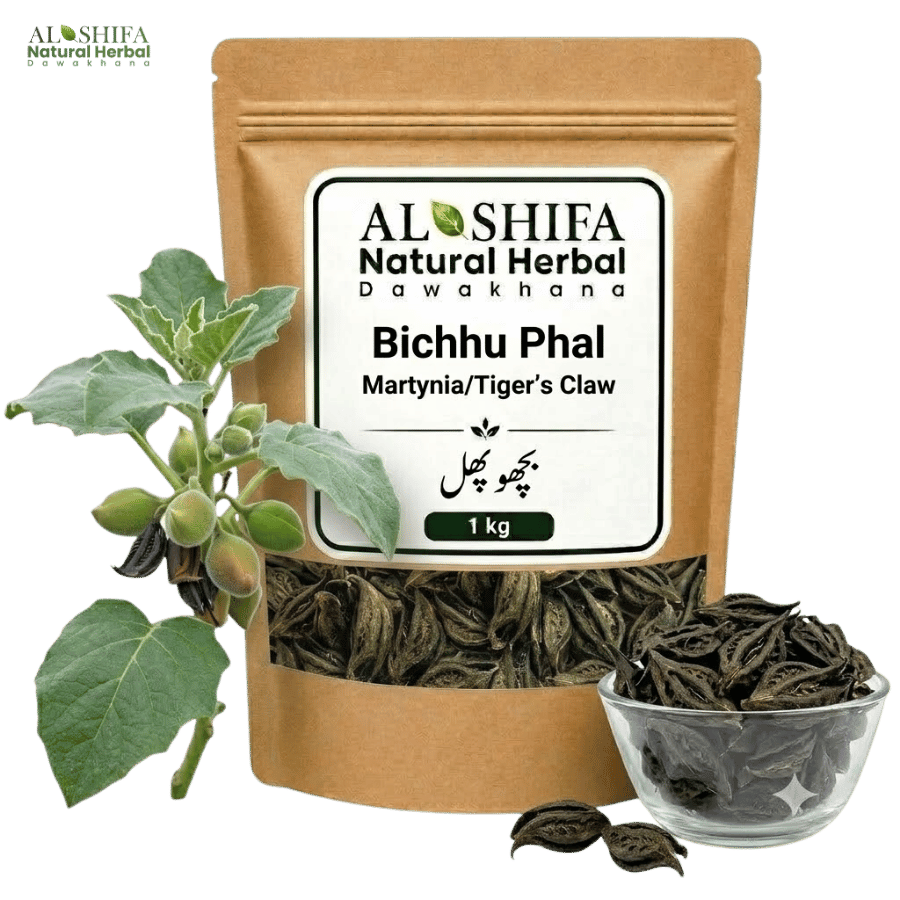
Bichhu Phal, commonly known as Tiger’s Claw or Martynia Fruit, is the distinctive dried fruit of Martynia annua, recognised by its characteristic curved, claw-like shape. It has traditionally been used in selected external, body-care and general herbal preparations.
Al Shifa Bichhu Phal is carefully selected with attention to its botanical identity, characteristic fruit shape, maturity, cleanliness, proper dryness and responsible storage.
Key Features:
Usage: Use whole or in suitable traditional herbal preparations according to the intended application and qualified professional guidance.
Important Note: Bichhu Phal is the fruit of Martynia annua and should not be confused with Harpagophytum procumbens, another plant commonly called Devil’s Claw. Whole fruit, seeds and concentrated extracts are different materials. Concentrated internal use requires appropriate professional guidance.
Bichhu Phal, commonly associated with Martynia and known as Tiger’s Claw, is the distinctive fruit of Martynia annua, a plant recognised for its unusual curved, claw-like fruit structure. The mature dried fruit develops prominent hooked projections, giving it a highly recognisable appearance and inspiring names associated with claws and hooks.
Martynia annua has a history of use in South Asian traditional herbal practice. Different parts of the plant, including the fruit, leaves, roots and seeds, have appeared in traditional preparations. However, these plant parts are not identical in composition and should not automatically be used interchangeably.
At Al Shifa Natural Herbal Dawakhana, Bichhu Phal is selected with attention to its botanical identity, characteristic claw-shaped fruit, maturity, cleanliness, proper dryness and responsible storage.
Bichhu Phal is the dried fruit of Martynia annua.
The fruit is especially easy to recognise after maturity because it develops long, curved projections that resemble:
This unusual shape is responsible for several of its traditional and common names.
English Name: Tiger’s Claw / Martynia Fruit
Urdu Name: بچھو پھل
Roman Name: Bichhu Phal
Scientific Name: Martynia annua L.
Plant Family: Martyniaceae
Plant Part: Fruit
Product Form: Whole Dried Fruit
Product Type: Traditional Botanical Raw Material
Martynia annua is a herbaceous flowering plant found in warm regions and is well known in parts of South Asia.
The plant produces:
Its unusual fruit shape makes mature specimens comparatively easy to recognise.
The mature Martynia fruit develops two long curved projections.
These structures resemble the claws or horns of an animal.
This appearance has contributed to common names involving:
However, common names can create confusion between completely different plants.
This is an important product-identification distinction.
Martynia annua may be called Tiger’s Claw or referred to by other claw-related common names.
Another internationally known medicinal plant called Devil’s Claw belongs to the genus Harpagophytum and originates from southern Africa.
Therefore:
Martynia annua ≠ Harpagophytum procumbens
These are different plants with different botanical identities and traditional uses.
Plants belonging to Proboscidea can also produce unusual hooked fruits and may carry similar common names.
They are botanically related to Martynia but should not automatically be treated as the same species.
Therefore:
Martynia annua ≠ Every Plant Called Devil’s Claw or Unicorn Plant
Scientific identification is more reliable than common names alone.
Martynia annua has been used in South Asian traditional herbal practices.
Different plant parts have historically appeared in preparations associated with:
Traditional use should not be interpreted as proof that Bichhu Phal treats specific diseases.
Martynia annua contains several plant parts used or studied separately.
These include:
Fruit: The characteristic claw-shaped structure.
Seeds: Found inside the mature fruit.
Leaves: Green aerial plant material.
Root: Underground plant part.
Therefore:
Martynia Fruit ≠ Martynia Seeds ≠ Martynia Leaves ≠ Martynia Root
Information about one plant part should not automatically be applied to another.
Martynia plant materials have a history of external use in selected traditional practices.
Such preparations may be associated with:
However:
Traditional External Use ≠ Proven Treatment for Skin Disease
Persistent wounds, infection, severe inflammation or unexplained skin changes require appropriate medical assessment.
Martynia materials have appeared in traditional preparations associated with joint and body comfort.
Experimental research has also investigated extracts from Martynia in relation to biological pathways involving inflammation.
However:
Martynia annua ≠ Arthritis Medicine
and
Bichhu Phal ≠ Guaranteed Painkiller
Traditional use and experimental findings should not be converted into guaranteed treatment claims.
Different Martynia annua extracts have been investigated experimentally for anti-inflammatory activity.
The results depend on:
Therefore:
Experimental Anti-Inflammatory Activity ≠ Proven Treatment for Human Inflammatory Disease
Martynia plant materials contain naturally occurring botanical compounds that have attracted research interest for antioxidant activity.
However:
Antioxidant Activity ≠ Guaranteed Disease Prevention
Laboratory antioxidant measurements should not be presented as proof that Bichhu Phal prevents specific diseases.
Extracts from Martynia plant materials have also been studied experimentally for antimicrobial activity.
However:
Laboratory Antimicrobial Activity ≠ Infection Treatment
Bichhu Phal should not replace appropriate treatment for bacterial, fungal or other infections.
Martynia annua contains a range of naturally occurring plant compounds.
Depending on the plant part and extraction method, research may identify compounds from groups such as:
The exact chemical profile of whole dried fruit should not be assumed to match a concentrated laboratory extract.
A whole dried Bichhu Phal contains the natural structural material of the fruit.
A concentrated extract selectively removes and concentrates certain soluble constituents.
Therefore:
Whole Bichhu Phal ≠ Martynia Extract
Research performed using concentrated extracts should not automatically be applied to ordinary whole fruit.
Grinding dried Bichhu Phal produces a different physical form.
Powder has:
Therefore:
Whole Bichhu Phal ≠ Bichhu Phal Powder
Whole fruit is generally easier to inspect visually for characteristic identity.
The mature fruit contains seeds, but the complete dried fruit and separated seeds are different raw materials.
Therefore:
Bichhu Phal ≠ Martynia Seeds
Seed oil or seed-specific research should not automatically be attributed to the complete fruit.
The distinctive curved fruit provides an important visual clue.
However:
Claw Shape Alone ≠ Complete Botanical Confirmation
Other plants can also produce hooked or claw-like fruits.
For reliable identification, shape should be considered together with botanical source and supplier information.
Dried botanical fruits naturally vary in colour according to:
A darker or lighter fruit should not automatically be considered stronger or weaker.
Historical herbal use does not provide one universal amount suitable for every Martynia product.
The appropriate use depends on:
Therefore, whole fruit should not be casually converted into a concentrated internal preparation.
Reliable modern human safety information for concentrated internal use of Martynia annua fruit is limited compared with widely consumed culinary herbs.
For this reason, Bichhu Phal should not be casually consumed in large amounts or used as a self-prepared concentrated remedy.
Professional guidance is appropriate for medicinal internal use.
Natural botanical material can still cause irritation or sensitivity.
Do not assume that “natural” means suitable for every skin type.
Avoid careless application to:
Stop use if significant irritation develops.
Reliable safety information for concentrated Martynia annua preparations during pregnancy and breastfeeding is limited.
For this reason, unsupervised medicinal internal use should be avoided during pregnancy and breastfeeding.
Bichhu Phal is not an ordinary children’s food or nutritional supplement.
Concentrated preparations should not be given casually to children.
People can develop sensitivity to botanical materials even when a plant has a history of traditional use.
External preparations should be used cautiously on sensitive skin.
Any significant allergic reaction requires appropriate medical attention.
People with chronic medical conditions or those taking regular medicines should seek professional guidance before concentrated internal use of Martynia preparations.
Limited interaction data means that absence of a known interaction should not automatically be interpreted as proof of safety.
At Al Shifa Natural Herbal Dawakhana, Bichhu Phal is selected with attention to:
Botanical Identity – Genuine Martynia annua fruit.
Characteristic Shape – Distinctive mature claw-like fruit structure.
Maturity – Properly developed fruit material.
Cleanliness – Selected to reduce unnecessary foreign matter.
Proper Dryness – Suitable dried condition for responsible storage.
Product Distinction – Clearly distinguished from unrelated Devil’s Claw species.
Responsible Information – Traditional use separated from guaranteed medical claims.
Proper Storage – Protected from moisture, excessive heat and contamination.
Al Shifa Natural Herbal Dawakhana, established in 1999, supplies herbs, fruits, seeds, roots, botanical extracts and specialised natural raw materials throughout Pakistan.
Our focus for Bichhu Phal includes:
The appropriate use of Bichhu Phal / Martynia Fruit depends on the intended preparation and product form.
Before use, distinguish between:
These materials should not automatically be used interchangeably.
For medicinal internal use, follow qualified professional guidance rather than preparing concentrated remedies without appropriate knowledge.
For external preparations, avoid the eyes, severely damaged skin and other sensitive tissues.
Bichhu Phal is the characteristic fruit of Martynia annua and should not be confused with unrelated products sold under similar “claw” common names.
Important distinctions include:
Store Bichhu Phal in a cool, clean and dry place.
For best quality:
Bichhu Phal / Martynia / Tiger’s Claw – بچھو پھل is a distinctive traditional botanical raw material obtained from Martynia annua. Its mature dried fruit is recognised by its characteristic curved, claw-like projections.
Martynia annua has a history of use in South Asian traditional herbal practice, particularly in selected external, body-care and general herbal preparations. Different plant parts, including the fruit, seeds, leaves and roots, should be treated as separate raw materials.
Bichhu Phal should also be distinguished from the southern African plant Harpagophytum procumbens, widely known internationally as Devil’s Claw. Similar common names do not mean these plants are botanically or medicinally identical.
Customers searching for Bichhu Phal, Martynia, Martynia annua, Tiger’s Claw, Martynia Fruit, Bichhu Phal Pakistan, Martynia Pakistan, Tiger’s Claw Pakistan, Bichhu Phal Lahore, Martynia Fruit Lahore, Bichhu Phal price in Pakistan, Martynia price in Pakistan, Tiger’s Claw price in Pakistan, buy Bichhu Phal Pakistan, buy Martynia Fruit Pakistan or Bichhu Phal online Pakistan can choose Al Shifa Natural Herbal Dawakhana for carefully selected botanical material.
Since 1999, Al Shifa Natural Herbal Dawakhana has focused on supplying herbs and specialised natural raw materials with attention to correct identity, quality selection, cleanliness, proper dryness, responsible information, careful packing and proper storage.
Product Name: Bichhu Phal
English Name: Tiger’s Claw / Martynia Fruit
Urdu Name: بچھو پھل
Roman Name: Bichhu Phal
Scientific Name: Martynia annua L.
Plant Family: Martyniaceae
Plant Part: Fruit
Product Form: Whole Dried Fruit
Product Type: Traditional Botanical Raw Material
Traditional Use: Selected external, body-care and general traditional herbal preparations
Important Note: Bichhu Phal is Martynia annua fruit and should not be confused with Harpagophytum procumbens or other plants sold under similar Devil’s Claw or claw-related common names. Whole fruit, seeds and concentrated extracts are different materials, and concentrated medicinal internal use requires appropriate professional guidance.
بچھو پھل ایک خاص جڑی بوٹی کا سخت اور کانٹے دار پھل ہے۔ اس پھل کی سب سے نمایاں پہچان اس کے سرے پر موجود دو لمبے، مڑے ہوئے پنجے ہیں۔ خشک ہونے پر یہ پنجے اور زیادہ سخت اور نمایاں ہو جاتے ہیں اور اسی خاص شکل کی وجہ سے اسے بچھو پھل، بچھوا اور باغ ناخن جیسے نام دیے جاتے ہیں۔
اس کا پودا شاخ دار، نرم بالوں والا اور تقریباً ڈیڑھ میٹر تک بلند ہو سکتا ہے۔ اس کے پتے چوڑے جبکہ پھول خوبصورت اور ہلکے جامنی، گلابی یا دوسرے ہلکے رنگوں کے ہوتے ہیں۔ پھولوں کے بعد سخت پھل بنتا ہے جس کے اندر بیج موجود ہوتے ہیں۔
پاکستان میں بھی یہ پودا پایا جاتا ہے، اگرچہ اسے عام پودا نہیں سمجھا جاتا۔ پاکستان کے نباتاتی ریکارڈ میں اس کے مقامی نام ہتھ جوڑی اور چوہا بھی درج ہیں۔
اردو: بچھو پھل، بچھوا، کالا بچھوا
پنجابی: ہتھ جوڑی، بچھوا
ہندی: بچھو، بچھوا، بچھو بوٹی، بچھو انکڑی، باغ ناخن، ہتھ جوڑی
سنسکرت: کاکاناسا، نرتیہ کنڈلا
فارسی: الگ اور مستند فارسی نام واضح طور پر دستیاب نہیں
عربی: الگ اور مستند عربی نام واضح طور پر دستیاب نہیں
انگریزی نام : ٹائیگرز کلا، ڈیولز کلا
سائنسی نام : مارٹینیا اینوا
خاندان: مارٹینی ایسی
بچھو پھل ایک سال میں اپنی زندگی مکمل کرنے والے پودے پر لگتا ہے۔
اس کا تنا شاخ دار اور نرم بالوں والا ہوتا ہے۔
پتے چوڑے اور قدرے دل نما ہوتے ہیں۔
پھول خوبصورت، بڑے اور ہلکے جامنی یا گلابی رنگت لیے ہوتے ہیں۔
پھل شروع میں نرم ہوتا ہے لیکن پکنے اور خشک ہونے کے بعد سخت ہو جاتا ہے۔
پھل کے سرے پر دو لمبے مڑے ہوئے کانٹے بنتے ہیں جو پنجوں جیسے دکھائی دیتے ہیں۔
پھل کے اندر کئی بیج موجود ہوتے ہیں۔
بچھو پھل پاکستانی حکمت کی معروف کتبِ مفردات میں گرم اور خشک۔
بچھو پھل کے پودے کے بیجوں سے حاصل ہونے والا روغن جلد کی دیکھ بھال میں استعمال کیا جاتا ہے۔
پاکستان میں ہونے والی مقامی جڑی بوٹیوں کی تحقیق میں اس کے بیجوں کے روغن کا استعمال خارش اور جلد کے امراض میں درج کیا گیا ہے۔
بیرونی استعمال کے لیے صاف اور درست شناخت والا روغن اہم ہے۔
بچھو پھل کے بیجوں سے حاصل ہونے والا روغن خارش کے لیے بیرونی طور پر استعمال کیا جاتا ہے۔
اسے جلد پر لگانے والی جڑی بوٹیوں کی ادویات میں شامل کیا جاتا ہے۔
حساس جلد پر پہلی بار استعمال سے پہلے تھوڑی مقدار جلد کے چھوٹے حصے پر آزمائیں۔
مقامی طبی استعمال میں بچھو پھل کے بیجوں کا روغن جلد کے امراض کے لیے استعمال کیا جاتا ہے۔
اس پودے کے پتوں کو بھی جلد کی دیکھ بھال اور زخموں پر بیرونی طور پر استعمال کیا جاتا ہے۔
جلد کے استعمال میں پودے کے حصے کی درست شناخت بہت اہم ہے۔
بچھو پھل کے پتے زخموں پر بیرونی طور پر استعمال کیے جاتے ہیں۔
اس کے پتوں پر زخم بھرنے کے حوالے سے تحقیقی مطالعے بھی کیے گئے ہیں۔
صاف پتوں سے تیار مناسب جڑی بوٹی کی دوا بیرونی استعمال میں رکھی جاتی ہے۔
بچھو پھل کو جلد کی سوجن کے لیے بیرونی طور پر استعمال کرنے کی پرانی شہرت حاصل ہے۔
پھل کے اجزا پر سوجن اور جسمانی بے آرامی کے حوالے سے تحقیقی کام بھی موجود ہے۔
جلد پر لگانے کے لیے صاف اور درست شناخت والا حصہ استعمال کیا جاتا ہے۔
بچھو پھل کے پودے کے پتوں کا استعمال گلے کی دیکھ بھال کے لیے بھی درج ہے۔
پتوں کے رس کو گلے کے لیے استعمال کرنے کی پرانی شہرت موجود ہے۔
گلے کے امراض میں استعمال کے لیے مقدار اور طریقہ معالج سے چیک کروائیں۔
بچھو پھل کے پودے کے مختلف حصے جسمانی درد، جوڑوں اور سوجن کے لیے مقامی طریقوں میں استعمال کیے جاتے ہیں۔
اس پودے کے اجزا پر درد اور سوجن کے حوالے سے تحقیقی مطالعے کیے گئے ہیں۔
جوڑوں کے امراض میں اسے اپنی طرف سے اندرونی دوا کے طور پر استعمال کرنے کے بجائے مقدار معالج سے چیک کروائیں۔
پاکستان میں کی گئی جڑی بوٹیوں کی تحقیق میں بچھو پھل کے پتے اور پھل مرگی کی بیماری کے لیے مقامی طور پر استعمال ہونے کی معلومات موجود ہیں۔
پتوں کا رس اور خشک پھل کا سفوف اس مقصد کے لیے درج کیا گیا ہے۔
مرگی کی بیماری میں اسے اپنی طرف سے دوا کے طور پر استعمال نہ کریں اور مقدار معالج سے چیک کروائیں۔
بچھو پھل کے اندر کئی بیج موجود ہوتے ہیں۔
ان بیجوں میں قدرتی روغنی اجزا پائے جاتے ہیں۔
بیجوں سے حاصل ہونے والا روغن جلد کی خارش اور جلد کے امراض میں بیرونی طور پر استعمال کیا جاتا ہے۔
بیج اور مکمل پھل کے استعمال کو ایک جیسا نہیں سمجھا جاتا۔
بچھو پھل کے پودے میں کئی قدرتی اجزا پائے جاتے ہیں۔
اس میں قدرتی شکر، لحمی اجزا، قدرتی روغنی اجزا، ٹینن، فینول اور فلیونوئڈز جیسے اجزا کی شناخت کی گئی ہے۔
اس کے پھل، پتے اور بیجوں میں موجود اجزا ایک جیسے نہیں ہوتے۔
بیجوں میں پامٹک، سٹیئرک اور اراکیڈک جیسے قدرتی روغنی تیزاب بھی پائے گئے ہیں۔
بچھو پھل کی سب سے آسان پہچان اس کا سخت پھل اور دو لمبے مڑے ہوئے پنجے ہیں۔
خشک پھل بھوری سے گہری بھوری رنگت اختیار کر لیتا ہے۔
پھل کا بیرونی حصہ سخت اور لکڑی جیسا محسوس ہوتا ہے۔
اس کے دونوں لمبے کانٹے باہر کی طرف مڑے ہوتے ہیں۔
پھل کے اندر بیج موجود ہوتے ہیں۔
یہ خاص ساخت اسے دوسری خشک جڑی بوٹیوں سے الگ پہچان دیتی ہے۔
اچھا بچھو پھل مکمل اور اپنی اصل شکل میں ہونا چاہیے۔
اس کے دونوں پنجے واضح اور مضبوط ہوں۔
پھل اچھی طرح خشک ہو۔
اس میں نمی اور پھپھوندی نہ ہو۔
اس میں کیڑا یا اندر سے سڑنے کی علامات نہ ہوں۔
اس کی قدرتی بھوری رنگت برقرار ہو۔
اس میں مٹی، گرد اور غیر ضروری اجزا کی ملاوٹ نہ ہو۔
بچھو پھل پودے کا سخت اور پنجے دار حصہ ہے۔
اس کے اندر بیج موجود ہوتے ہیں۔
پتے چوڑے، سبز اور نرم ہوتے ہیں۔
طبی استعمال میں پتے، پھل اور بیج الگ الگ مقاصد کے لیے استعمال کیے جاتے ہیں۔
اس لیے ایک حصے کے فوائد اور مقدار کو دوسرے حصے پر اسی طرح لاگو نہیں کیا جاتا۔
بچھو پھل کے بیجوں سے قدرتی روغن حاصل ہوتا ہے۔
اس روغن کا بیرونی استعمال خارش اور جلد کی دیکھ بھال میں کیا جاتا ہے۔
بیجوں کے روغن میں قدرتی روغنی تیزاب پائے جاتے ہیں۔
جلد پر استعمال کے لیے صاف اور اچھی طرح تیار شدہ روغن کو ترجیح دی جاتی ہے۔
بچھو پھل کے استعمال کا طریقہ اس بات پر منحصر ہے کہ پھل، بیج، بیجوں کا روغن یا پتے استعمال کیے جا رہے ہیں۔
جلد کے لیے بیجوں کا روغن بیرونی طور پر استعمال کیا جاتا ہے۔
پتے بھی بیرونی جڑی بوٹیوں کی ادویات میں استعمال کیے جاتے ہیں۔
اندرونی طبی استعمال کے لیے مقدار معالج سے چیک کروائیں۔
بچھو پھل کے اندرونی استعمال کے بارے میں انسانی تحقیق محدود ہے، اس لیے زیادہ مقدار اپنی طرف سے استعمال نہ کریں۔
اس کے سخت پھل کے نوکیلے پنجے ہاتھ اور جلد کو چبھ سکتے ہیں، اس لیے اسے سنبھالتے وقت احتیاط کریں۔
جلد پر لگانے سے حساسیت یا جلن محسوس ہو تو استعمال بند کر دیں۔
حمل کے دوران بچھو پھل، اس کے بیج یا جڑ کو اندرونی طبی مقدار میں اپنی طرف سے استعمال نہ کریں۔
اس پودے کے تولیدی نظام سے جڑے استعمال پر بھی تحقیقی مطالعے موجود ہیں، اس لیے حمل میں خاص احتیاط ضروری ہے۔
استعمال سے پہلے معالج سے چیک کروائیں۔
دودھ پلانے کے دوران بچھو پھل کے اندرونی استعمال کی مناسب مقدار کے بارے میں واضح معلومات موجود نہیں۔
اس لیے اندرونی طبی استعمال سے پہلے معالج سے چیک کروائیں۔
بچوں کو بچھو پھل کا سفوف یا بیج اپنی طرف سے نہ دیں۔
بچوں کے لیے مقدار عمر اور جسمانی حالت کے مطابق رکھی جاتی ہے۔
بچوں میں طبی استعمال معالج سے چیک کروائیں۔
بچھو پھل ایک خاص پنجے دار پھل ہے جو مارٹینیا اینوا نامی پودے پر لگتا ہے۔
اس پودے کے پھل، پتے، جڑ اور بیج الگ الگ استعمال کیے جاتے ہیں۔
پاکستان میں ہونے والی جڑی بوٹیوں کی تحقیق میں اس کے بیجوں کا روغن خارش اور جلد کے امراض جبکہ پتے زخموں کی دیکھ بھال کے لیے استعمال کیے جاتے ہیں۔
اس کے پتے اور پھل مرگی کی بیماری کے مقامی استعمال میں بھی درج ہیں، لیکن ایسے امراض میں اندرونی استعمال معالج سے چیک کروائیں۔
الشفاء نیچرل ہربل دواخانہ میں بچھو پھل کے لیے درج ذیل باتوں کو اہمیت دی جاتی ہے:
اچھا بچھو پھل: مکمل، مضبوط اور اچھی حالت والے پھل کو اہمیت دی جاتی ہے۔
درست شناخت: اصل مارٹینیا کے پنجے دار پھل کی درست شناخت کو خاص اہمیت دی جاتی ہے۔
مکمل پنجے: پھل کے دونوں قدرتی مڑے ہوئے پنجوں کو دیکھا جاتا ہے۔
قدرتی رنگت: صاف بھوری سے گہری بھوری قدرتی رنگت کو اہمیت دی جاتی ہے۔
مناسب خشکی: اچھی طرح خشک اور نمی سے پاک پھل کو اہمیت دی جاتی ہے۔
صاف حالت: گرد، مٹی اور غیر ضروری اجزا سے پاک پھل کو اہمیت دی جاتی ہے۔
تازگی: باسی، سڑی ہوئی یا پھپھوندی والی بو سے پاک ہونے کو اہمیت دی جاتی ہے۔
کیڑوں سے پاک: کیڑے لگے یا اندر سے خراب پھل سے بچا جاتا ہے۔
غیر ضروری ملاوٹ سے پاک: دوسری جڑی بوٹیوں، پھلوں اور غیر ضروری اجزا کی ملاوٹ سے پاک ہونے کو اہمیت دی جاتی ہے۔
الشفاء نیچرل ہربل دواخانہ سنہ ۱۹۹۹ سے قدرتی جڑی بوٹیوں، بیجوں، جڑوں اور پودوں کے مختلف حصوں کی سپلائی کر رہا ہے۔
ہم بچھو پھل میں درست شناخت، مکمل پنجے، قدرتی رنگت، مناسب خشکی، صاف حالت، تازگی اور غیر ضروری ملاوٹ سے پاک ہونے کو اہمیت دیتے ہیں۔
اچھے بچھو پھل کی پہچان اس کی خاص پنجے دار شکل، قدرتی بھوری رنگت، سخت ساخت، مناسب خشکی، صاف حالت اور اچھی پیکنگ سے کی جاتی ہے۔
بچھو پھل کو ٹھنڈی، خشک اور روشنی سے محفوظ جگہ پر کسی جار میں اچھی طرح پیک کر کے رکھیں۔
اسے نمی، پانی، تیز دھوپ اور زیادہ گرمی سے بچائیں۔
اس کے نوکیلے پنجوں کی وجہ سے اسے بچوں کی پہنچ سے دور رکھیں۔
بچھو پھل، اس کے پتے، بیج، جڑ اور بیجوں کا روغن الگ حصے ہیں اور ان کا استعمال بھی الگ رکھا جاتا ہے۔
اندرونی طبی استعمال کے لیے مقدار معالج سے چیک کروائیں۔
حمل اور دودھ پلانے کے دوران اندرونی طبی استعمال اپنی طرف سے نہ کریں۔
اس کے نوکیلے اور سخت پنجوں کو سنبھالتے وقت ہاتھوں کی حفاظت کریں۔
بچھو پھل مارٹینیا اینوا نامی جڑی بوٹی کا سخت اور خاص پنجے دار پھل ہے۔ پاکستان کے نباتاتی ریکارڈ میں یہ پودا مغربی پاکستان میں بھی درج ہے۔
اس کے پھل کے سرے پر دو لمبے مڑے ہوئے پنجے ہوتے ہیں جو اس کی سب سے نمایاں پہچان ہیں۔
پودے کے پھل، پتے اور بیج مختلف مقامی طبی طریقوں میں استعمال کیے جاتے ہیں۔ پاکستان میں اس کے بیجوں کا روغن جلد کی خارش اور جلد کے امراض جبکہ پتے زخموں کی دیکھ بھال میں استعمال کیے جاتے ہیں۔
اچھے بچھو پھل کی پہچان درست شناخت، مکمل پنجے، قدرتی بھوری رنگت، مناسب خشکی، صاف حالت، کیڑوں سے پاک ہونے اور غیر ضروری ملاوٹ سے پاک ہونے کی بنیاد پر کی جاتی ہے۔