رسوت انڈیا
Price range: ₨ 500 through ₨ 6,000
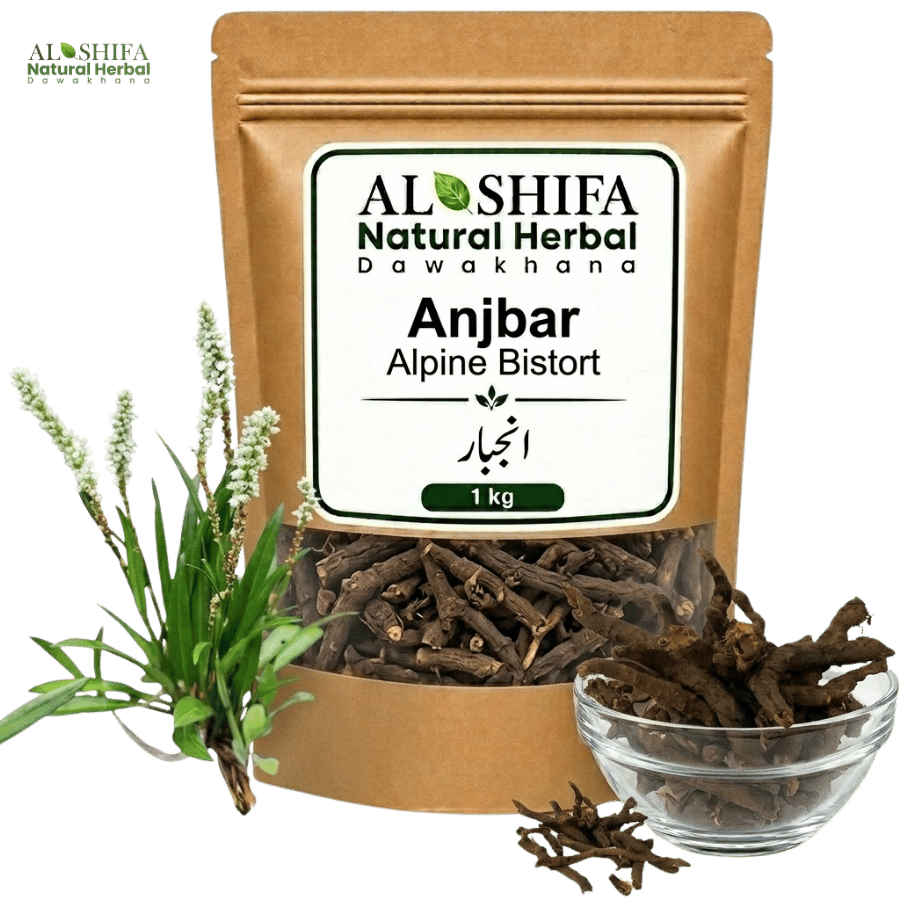
Anjbar, commonly known as Alpine Bistort, is a traditional herbal material associated with Persicaria vivipara. It is valued mainly for its natural astringent character and has traditionally been used in digestive, bowel-related, oral and gum-care, throat-care and selected Unani preparations.
Al Shifa Anjbar is carefully selected with attention to its traditional identity, characteristic appearance, cleanliness, proper dryness and responsible storage.
Key Features:
Important Note: Anjbar is associated with Persicaria vivipara (Alpine Bistort) and should not automatically be considered identical to every herb sold as Bistort. Its traditional astringent use does not establish treatment for diarrhoea, gum disease or other medical conditions.
Anjbar, commonly identified as Alpine Bistort, is a traditional herbal material associated with Persicaria vivipara (L.) Ronse Decr., a perennial flowering plant belonging to the Polygonaceae family. In Urdu and traditional herbal trade, it is known as انجبار.
The plant has a long history of traditional use in selected regional and herbal practices. Its underground parts are particularly valued for their naturally astringent character, which is associated with the presence of tannin-type plant compounds.
Anjbar has traditionally appeared in formulations associated with digestive comfort, bowel-related preparations, oral and gum care, throat-care preparations and selected external applications.
Because the name “Bistort” may be applied to more than one related plant in herbal trade, correct botanical identification is important. Alpine Bistort (Persicaria vivipara) should not automatically be treated as identical to every herb sold under the general name Bistort.
At Al Shifa Natural Herbal Dawakhana, Anjbar is carefully selected with attention to its traditional identity, characteristic underground plant material, cleanliness, proper dryness and responsible storage.
Anjbar is associated with the plant:
Persicaria vivipara (L.) Ronse Decr.
It is a small perennial herb that occurs naturally in cool, mountainous and alpine environments across parts of Europe, Asia and other northern regions.
The plant develops underground structures that are traditionally collected, dried and used as herbal raw material.
Its traditional importance is closely associated with its astringent botanical character.
Product Name: Anjbar
English Name: Alpine Bistort / Viviparous Bistort
Urdu Name: انجبار
Roman Name: Anjbar / Anjabar
Scientific Name: Persicaria vivipara (L.) Ronse Decr.
Botanical Synonym: Bistorta vivipara (L.) Delarbre
Plant Family: Polygonaceae
Plant Part: Underground Parts / Rhizome-Root Material
Common Form: Whole / Cut Dried Herbal Material
Product Type: Traditional Medicinal Herb / Astringent Botanical Raw Material
Commercial dried Anjbar may vary according to the plant part and degree of cutting or processing.
The underground material may generally appear:
Natural variation can occur according to:
Carefully selected Anjbar should generally have:
Correct identification is particularly important because different related plants may share similar trade names.
Anjbar is traditionally described as an astringent botanical material.
Astringency refers to the dry, tightening sensation produced by certain plant compounds, particularly tannins.
Tannin-rich plant materials can interact with proteins on the surface of tissues, producing a characteristic tightening sensation.
This traditional property explains why astringent herbs have historically appeared in preparations for:
However:
Astringency ≠ Treatment of Disease
The presence of tannins does not mean that the herb automatically treats every condition involving bleeding, diarrhoea, gums or skin.
Anjbar has traditionally appeared in preparations associated with:
These uses describe traditional herbal practice and should not be interpreted as guaranteed clinical treatment.
Anjbar’s astringent character explains its historical inclusion in selected digestive preparations.
It has traditionally been associated with formulations for:
However, persistent diarrhoea or significant bowel disturbance may have many causes.
These can include:
Severe or persistent symptoms require appropriate medical assessment.
Tannin-rich herbs have historically been used in preparations for loose stools because of their astringent character.
However:
Traditional Astringent Use ≠ Guaranteed Treatment for Diarrhoea
Diarrhoea can lead to significant dehydration, particularly in:
Appropriate fluid and electrolyte replacement remains important.
Blood in stool, high fever, severe abdominal pain, persistent vomiting or signs of dehydration require medical attention.
Astringent plant materials have traditionally been included in selected:
Anjbar’s tannin-rich character explains this traditional role.
However:
Gum Tightening Sensation ≠ Treatment of Gum Disease
Persistent gum bleeding, swelling, pain, loose teeth or mouth ulcers require appropriate dental or medical assessment.
Anjbar has also appeared in selected traditional formulations associated with throat comfort.
Its astringent character may explain its historical inclusion in such preparations.
This should not be interpreted as treatment for:
Persistent or severe throat symptoms require appropriate evaluation.
Anjbar and related astringent botanical materials have historically appeared in selected external preparations.
Astringent herbs may be incorporated into formulations intended for:
However, raw herbal material should not automatically be applied to:
Such conditions require appropriate care.
Anjbar and related Bistort materials contain naturally occurring botanical compounds that may include:
The exact composition varies according to:
The presence of these compounds should not be converted into guaranteed treatment claims.
Tannins contribute to the characteristic astringency of many herbs.
However, high or excessive intake of strongly tannin-rich materials may cause:
Therefore, more astringency does not automatically mean greater benefit.
Tannin-rich foods and herbs can potentially reduce the absorption of non-heme iron when taken together in significant amounts.
This may be particularly relevant for people with:
People taking iron supplements may wish to avoid taking strongly tannin-rich herbal preparations at exactly the same time unless advised otherwise.
The general name Bistort can refer to different related species.
Alpine Bistort / Viviparous Bistort:
Persicaria vivipara
Common Bistort:
Commonly associated with Bistorta officinalis / Persicaria bistorta in different botanical classifications.
These plants are related but should not automatically be considered identical.
Therefore:
Persicaria vivipara ≠ Every Plant Sold as Bistort
Correct species identification remains important.
Botanical names can change as plant classification is revised.
Alpine Bistort may therefore appear under names including:
Persicaria vivipara (L.) Ronse Decr.
and the botanical synonym:
Bistorta vivipara (L.) Delarbre
These names can refer to the same botanical species under different taxonomic treatments.
Different plant parts should not automatically be treated as interchangeable.
Underground Root/Rhizome Material:
Traditionally valued for its concentrated astringent character.
Aerial Parts:
Leaves, stems and reproductive structures with a different chemical profile.
Whole Plant:
Contains multiple plant parts together.
Therefore:
Root/Rhizome ≠ Aerial Parts ≠ Whole Plant
The plant part supplied should be clearly understood.
Anjbar may appear in different forms.
Whole/Cut Herbal Material:
Traditional dried raw plant material.
Powder:
Finely ground material with greater surface exposure.
Extract:
A concentrated preparation produced using a specific extraction process.
Therefore:
Whole Herb ≠ Powder ≠ Extract
Research involving concentrated extracts should not automatically be applied to ordinary dried Anjbar.
Tannin- and polyphenol-containing plants may demonstrate antioxidant or other biological activities in laboratory studies.
However:
Laboratory Activity ≠ Proven Clinical Treatment
Experimental findings involving extracts or isolated compounds should not be converted into claims that ordinary Anjbar cures human diseases.
Anjbar is a traditional medicinal herb rather than an ordinary everyday food ingredient.
When intended for medicinal internal use, the appropriate preparation and quantity depend on:
Unsupervised prolonged or excessive medicinal use should be avoided.
Reliable modern safety information for medicinal amounts of Anjbar during pregnancy and breastfeeding is limited.
Food-like exposure and concentrated medicinal use should not automatically be considered equivalent.
Professional guidance is appropriate before medicinal use during pregnancy or breastfeeding.
Children can become dehydrated rapidly during diarrhoeal illnesses.
An astringent herb should never replace appropriate hydration or medical assessment when a child has significant diarrhoea.
Medicinal herbal use in children should be age-appropriate and professionally guided where necessary.
Professional guidance may be appropriate for people with:
Strongly tannin-rich preparations may not be suitable for unrestricted long-term use.
At Al Shifa Natural Herbal Dawakhana, Anjbar is selected with attention to:
Traditional Identity – Material consistent with traditional Anjbar.
Botanical Association – Associated with Persicaria vivipara / Bistorta vivipara.
Characteristic Appearance – Recognizable dried underground herbal material.
Proper Dryness – Maintained in an appropriately dried condition.
Cleanliness – Selected to minimize dust and unnecessary foreign matter.
Natural Character – Characteristic colour and herbal structure maintained.
Responsible Handling – Carefully handled during sorting and packing.
Responsible Storage – Protected from moisture and unsuitable storage conditions.
Al Shifa Natural Herbal Dawakhana, established in 1999, supplies traditional herbs and natural raw materials throughout Pakistan.
Our focus for Anjbar includes:
Anjbar may be incorporated into:
The appropriate method depends on the plant part, intended preparation and individual circumstances.
For medicinal internal use, professional guidance is appropriate, particularly for prolonged use or in people taking medicines.
Anjbar is an astringent traditional herbal material associated with Persicaria vivipara and should not automatically be treated as identical to every plant sold under the general name Bistort.
Important distinctions include:
Store Anjbar in a cool, dry and clean place in a tightly closed container.
For responsible storage:
Do not use herbal material showing visible mould, excessive moisture, significant insect infestation or an abnormal spoiled smell.
Anjbar, commonly identified as Alpine Bistort, is a traditional astringent herbal material associated with Persicaria vivipara, also known botanically as Bistorta vivipara.
It has traditionally been used in digestive, bowel-related, oral and gum-care, throat-care and selected Unani herbal preparations.
Customers searching for Anjbar, Anjabar, Alpine Bistort, Viviparous Bistort, Persicaria Vivipara, Bistorta Vivipara, Anjbar benefits, Anjbar uses, Alpine Bistort benefits, Alpine Bistort uses, Anjbar traditional uses, Anjbar Unani, Anjbar root, Bistort root, pure Anjbar, original Anjbar, dried Anjbar, Anjbar Pakistan, Alpine Bistort Pakistan, Persicaria Vivipara Pakistan, Anjbar Lahore, Anjbar price in Pakistan, Alpine Bistort price in Pakistan, buy Anjbar Pakistan or Anjbar online Pakistan can choose Al Shifa Natural Herbal Dawakhana for carefully selected traditional herbal material.
Since 1999, Al Shifa Natural Herbal Dawakhana has focused on supplying herbs and natural raw materials with attention to botanical identity, characteristic appearance, cleanliness, proper drying, careful handling, responsible storage and clear product information.
Product Name: Anjbar
English Name: Alpine Bistort / Viviparous Bistort
Urdu Name: انجبار
Roman Name: Anjbar / Anjabar
Scientific Name: Persicaria vivipara (L.) Ronse Decr.
Botanical Synonym: Bistorta vivipara (L.) Delarbre
Plant Part: Underground Parts / Rhizome-Root Material
Product Type: Traditional Medicinal Herb / Astringent Botanical Raw Material
Traditional Use: Digestive comfort, bowel-related preparations, oral and gum care, throat care and selected Unani formulations
Important Note: Anjbar is an astringent traditional herb associated with Persicaria vivipara. It should not automatically be considered identical to every Bistort species, and traditional astringent use should not be interpreted as guaranteed treatment for diarrhoea, gum disease or other medical conditions.
انجبار ایک پہاڑی جڑی بوٹی ہے جس کی جڑ حکیمی استعمال میں زیادہ مشہور ہے۔ یہ سرد اور بلند پہاڑی علاقوں میں اگتی ہے۔ اس کی جڑ بھوری سے سرخی مائل بھوری، سخت اور ذائقے میں کسیلی ہوتی ہے۔ انجبار میں قدرتی طور پر قابض خاصیت رکھنے والے اجزاء پائے جاتے ہیں، اسی وجہ سے اسے طبِ یونانی میں خاص اہمیت دی جاتی ہے۔
طبِ یونانی میں انجبار کو خاص طور پر دست کی بیماری، پیچش کی بیماری، آنتوں کے امراض، بواسیر کی بیماری، منہ کے امراض، مسوڑھوں کے امراض اور زیادہ خون بہنے کی بیماری کے لیے استعمال ہونے والی حکیمی ادویات میں شامل کیا جاتا ہے۔
انجبار کی جڑ میں ٹینن، فینولک اجزاء، فلیوونائڈز اور قدرتی قابض اجزاء پائے جاتے ہیں۔ ٹینن کی موجودگی اس کے کسیلے ذائقے اور قابض خاصیت کی اہم وجہ ہے۔
الشفاء نیچرل ہربل دواخانہ میں انجبار منتخب کرتے وقت درست نباتاتی شناخت، جڑ کی قدرتی رنگت، کسیلا ذائقہ، مناسب خشک حالت، صفائی اور غیر ضروری ملاوٹ سے پاک ہونے کو اہمیت دی جاتی ہے۔
انجبار ایک چھوٹی پہاڑی جڑی بوٹی ہے جو ٹھنڈے اور بلند علاقوں میں پائی جاتی ہے۔
حکیمی استعمال میں اس کی جڑ زیادہ اہم سمجھی جاتی ہے۔
اس کی عام پہچان یہ ہے:
نام: انجبار
معروف نام: انجبار، جڑ انجبار
نباتاتی نام: پرسی کیریا ویوی پیرا
خاندان: پولی گونیسی خاندان
استعمال ہونے والا حصہ: جڑ اور زیر زمین حصہ
قسم: پہاڑی جڑی بوٹی
عام شکل: خشک سخت جڑ کے ٹکڑے
عام رنگت: بھوری سے سرخی مائل بھوری
ذائقہ: کسیلا
بو: ہلکی
خاص پہچان: سخت جڑ، کسیلا ذائقہ اور قابض خاصیت
انجبار کم قد پہاڑی پودا ہے۔
اس کی اہم نشانیاں یہ ہیں:
پاکستان میں رائج حکیمی اور مفردات کی کتابوں میں انجبار کا مزاج سرد و خشک بیان کیا جاتا ہے۔
اسے قابض خاصیت رکھنے والا مفرد سمجھا جاتا ہے۔
اسی وجہ سے انجبار کو خاص طور پر دست، پیچش اور ایسی کیفیتوں کے لیے استعمال ہونے والی حکیمی ادویات میں شامل کیا جاتا ہے جن میں جسم سے غیر ضروری رطوبت یا خون کا اخراج ہو۔
اچھی انجبار منتخب کرتے وقت درج ذیل باتیں دیکھی جاتی ہیں:
طبِ یونانی میں انجبار کو قابض خاصیت رکھنے والا مفرد سمجھا جاتا ہے۔
اسے درج ذیل حالتوں کے لیے استعمال ہونے والی حکیمی ادویات میں شامل کیا جاتا ہے:
انجبار کو دست کی بیماری کے لیے استعمال ہونے والی حکیمی ادویات میں شامل کیا جاتا ہے۔
اس میں موجود ٹینن اور قابض اجزاء آنتوں میں زیادہ رطوبت کے اخراج کو کم کرنے میں مدد دے سکتے ہیں۔
اگر دست کی بیماری بہت زیادہ ہو، کئی دن برقرار رہے، شدید کمزوری پیدا ہو یا پاخانے میں خون آئے تو معالج سے چیک کروائیں۔
انجبار کو پیچش کی بیماری کے لیے استعمال ہونے والی حکیمی ادویات میں شامل کیا جاتا ہے۔
اس کی قابض خاصیت کی وجہ سے اسے آنتوں سے بار بار پتلا پاخانہ آنے والی کیفیتوں میں اہم سمجھا جاتا ہے۔
اگر پیچش کی بیماری میں خون، تیز بخار، شدید پیٹ درد یا جسم میں پانی کی کمی ہو تو معالج سے چیک کروائیں۔
انجبار کو آنتوں کے امراض کے لیے استعمال ہونے والی حکیمی ادویات میں شامل کیا جاتا ہے، خاص طور پر ایسی کیفیتوں میں جہاں بار بار پتلا پاخانہ آتا ہو۔
اگر آنتوں کے امراض مسلسل موجود رہیں تو خود سے طویل عرصے تک انجبار استعمال نہ کریں اور معالج سے چیک کروائیں۔
انجبار میں پائے جانے والے قدرتی فینولک اور قابض اجزاء پر سوزش کے حوالے سے تحقیق کی گئی ہے۔
آنتوں کی سوزش کی بیماری میں انجبار خود سے مسلسل استعمال نہ کریں۔
اگر پیٹ میں شدید درد، بخار یا پاخانے میں خون ہو تو معالج سے چیک کروائیں۔
انجبار کی قابض خاصیت کی وجہ سے اسے بواسیر کی بیماری کے لیے استعمال ہونے والی حکیمی ادویات میں شامل کیا جاتا ہے۔
خاص طور پر خون آنے والی بواسیر کی بیماری میں حکیمی مرکبات میں قابض مفردات استعمال کیے جاتے ہیں۔
اگر بواسیر کی بیماری میں بار بار یا زیادہ خون آئے تو معالج سے چیک کروائیں۔
انجبار کو قابض خاصیت کی وجہ سے زیادہ خون بہنے کی بیماری کے لیے استعمال ہونے والی حکیمی ادویات میں شامل کیا جاتا ہے۔
کسی بھی جگہ سے غیر معمولی یا مسلسل خون بہنا معمولی مسئلہ نہیں سمجھنا چاہیے۔
اگر خون زیادہ مقدار میں آ رہا ہو یا بار بار آتا ہو تو معالج سے چیک کروائیں۔
انجبار کی قابض خاصیت اسے منہ کے امراض کے لیے استعمال ہونے والے حکیمی مرکبات میں شامل کرنے کی وجہ بنتی ہے۔
اسے منہ کی صفائی کے لیے استعمال ہونے والے مناسب حکیمی اجزاء کے ساتھ شامل کیا جا سکتا ہے۔
اگر منہ کے امراض مسلسل موجود رہیں تو معالج سے چیک کروائیں۔
انجبار کو منہ کے چھالوں کی بیماری کے لیے استعمال ہونے والے حکیمی مرکبات میں شامل کیا جاتا ہے۔
اس کی قابض خاصیت منہ کی نرم بافتوں پر سکڑاؤ کا احساس پیدا کر سکتی ہے۔
اگر منہ کے چھالوں کی بیماری بار بار ہو یا دو ہفتے سے زیادہ برقرار رہے تو معالج سے چیک کروائیں۔
انجبار کو مسوڑھوں کے امراض کے لیے استعمال ہونے والے حکیمی مرکبات میں شامل کیا جاتا ہے۔
اس کی کسیلی خاصیت مسوڑھوں کی بیرونی نگہداشت میں استعمال کی جا سکتی ہے۔
اگر مسوڑھوں کے امراض کے ساتھ مسلسل خون، پیپ، شدید درد یا دانت ہلنے کا مسئلہ ہو تو معالج سے چیک کروائیں۔
انجبار کی قابض خاصیت کی وجہ سے اسے مسوڑھوں سے خون آنے کی بیماری کے لیے استعمال ہونے والے حکیمی مرکبات میں شامل کیا جاتا ہے۔
مسوڑھوں سے بار بار خون آنا دانتوں اور مسوڑھوں کے امراض کی علامت ہو سکتا ہے، اس لیے مسلسل مسئلے میں معالج سے چیک کروائیں۔
انجبار کو گلے کے امراض کے لیے استعمال ہونے والے قابض حکیمی مرکبات میں شامل کیا جاتا ہے۔
اس کے کسیلے اجزاء گلے میں قابض احساس پیدا کر سکتے ہیں۔
اگر گلے کے امراض کے ساتھ شدید درد، تیز بخار یا نگلنے میں مشکل ہو تو معالج سے چیک کروائیں۔
طبِ یونانی میں انجبار کو قابض خاصیت کی وجہ سے زیادہ ماہواری کی بیماری کے لیے استعمال ہونے والی حکیمی ادویات میں شامل کیا جاتا ہے۔
زیادہ ماہواری کی بیماری میں خون کی کمی بھی پیدا ہو سکتی ہے۔
اگر ماہواری میں بہت زیادہ خون آئے، چکر آئیں یا شدید کمزوری محسوس ہو تو معالج سے چیک کروائیں۔
انجبار کو قابض خاصیت کی وجہ سے سفید پانی کی بیماری کے لیے استعمال ہونے والی حکیمی ادویات میں شامل کیا جاتا ہے۔
اگر سفید پانی کی بیماری کے ساتھ بدبو، خارش، جلن یا درد ہو تو معالج سے چیک کروائیں۔
انجبار کے قابض اجزاء کی وجہ سے اسے جلد کی بیرونی نگہداشت کے حکیمی مرکبات میں شامل کیا جاتا ہے۔
گہرے، گندے یا پیپ والے زخم پر خود سے سفوف نہ لگائیں۔
اگر زخم کے ساتھ جلد کے جراثیمی امراض پیدا ہوں، پیپ آئے یا سرخی پھیل رہی ہو تو معالج سے چیک کروائیں۔
انجبار کے قدرتی قابض اجزاء اسے جلد کے امراض کے لیے استعمال ہونے والے بیرونی حکیمی مرکبات میں شامل کرنے کی وجہ بنتے ہیں۔
حساس جلد پر پہلے چھوٹے حصے پر آزمائیں۔
اگر جلد کے امراض مسلسل موجود رہیں تو معالج سے چیک کروائیں۔
انجبار کی جڑ میں کئی قدرتی اجزاء پائے جاتے ہیں، جن میں اہم ہیں:
ان میں ٹینن انجبار کے کسیلے ذائقے اور قابض خاصیت میں اہم کردار ادا کرتے ہیں۔
ٹینن قدرتی نباتاتی اجزاء ہیں جو منہ میں کسیلا اور کھنچاؤ جیسا احساس پیدا کرتے ہیں۔
انجبار کی جڑ میں ٹینن کی موجودگی اس کے قابض اثر کی اہم وجہ سمجھی جاتی ہے۔
اسی خاصیت کی وجہ سے اسے دست کی بیماری، پیچش کی بیماری، مسوڑھوں کے امراض اور زیادہ خون بہنے کی بیماری کے لیے استعمال ہونے والی حکیمی ادویات میں شامل کیا جاتا ہے۔
انجبار میں قدرتی فینولک اجزاء بھی پائے جاتے ہیں۔
ان اجزاء پر جسم میں نقصان دہ کیمیائی عمل، سوزش اور جراثیم کے حوالے سے تحقیق کی گئی ہے۔
فلیوونائڈز پودوں میں پائے جانے والے قدرتی اجزاء ہیں۔
انجبار میں موجود فلیوونائڈز اس کی مجموعی نباتاتی خصوصیات میں حصہ ڈالتے ہیں۔
مکمل انجبار:
جڑ کے مکمل ٹکڑوں میں اس کی قدرتی رنگت، سختی، صفائی اور ظاہری شناخت دیکھنا آسان ہوتا ہے۔
انجبار کا سفوف:
خشک جڑ کو پیس کر سفوف بنایا جا سکتا ہے۔
سفوف میں ظاہری شناخت مشکل ہو جاتی ہے، اس لیے صاف اور درست شناخت والی انجبار اہم ہے۔
انجبار اور مازو دونوں میں قابض خاصیت پائی جاتی ہے، لیکن دونوں الگ نباتاتی مفرد ہیں۔
انجبار میں جڑ استعمال کی جاتی ہے جبکہ مازو درخت پر بننے والی خاص گانٹھ ہے۔
دونوں کو ایک ہی مفرد نہ سمجھیں۔
انجبار اور موچرس دونوں کو قابض خاصیت رکھنے والی حکیمی ادویات میں شامل کیا جاتا ہے۔
انجبار ایک پہاڑی پودے کی جڑ ہے جبکہ موچرس ایک الگ درخت سے حاصل ہونے والا خشک مادہ ہے۔
ان کا نباتاتی ذریعہ اور قدرتی ساخت ایک جیسی نہیں ہے۔
انجبار اور بیل گری دونوں کو دست کی بیماری اور آنتوں کے امراض کے لیے استعمال ہونے والی حکیمی ادویات میں شامل کیا جاتا ہے۔
انجبار جڑ ہے جبکہ بیل گری ایک پھل کا خشک گودا ہے۔
مناسب مفرد کا انتخاب بیماری اور جسمانی حالت کے مطابق کیا جاتا ہے۔
انجبار قابض خاصیت رکھتی ہے۔
اگر پہلے سے قبض کی بیماری موجود ہو تو زیادہ یا مسلسل استعمال قبض بڑھا سکتا ہے۔
قبض کی بیماری والے افراد انجبار کا اندرونی استعمال خود سے زیادہ مقدار میں نہ کریں۔
زیادہ قابض مفردات حساس افراد میں معدے میں بھاری پن یا بے آرامی پیدا کر سکتے ہیں۔
اگر معدے کے امراض پہلے سے موجود ہوں تو انجبار کی مقدار خود سے زیادہ نہ کریں۔
اگر جگر کی بیماری موجود ہو تو انجبار کا مسلسل طبی استعمال خود سے نہ کریں۔
جگر کی بیماری کی ادویات خود سے بند یا تبدیل نہ کریں۔
اگر گردوں کی بیماری موجود ہو تو انجبار کا مسلسل اندرونی استعمال خود سے نہ کریں۔
گردوں کی بیماری کی ادویات خود سے بند یا تبدیل نہ کریں۔
خواتین میں انجبار کو زیادہ ماہواری کی بیماری اور سفید پانی کی بیماری کے لیے استعمال ہونے والی حکیمی ادویات میں شامل کیا جاتا ہے۔
ان بیماریوں میں مسلسل یا شدید علامات ہوں تو معالج سے چیک کروائیں۔
حمل کے دوران انجبار کو طبی مقصد کے لیے مسلسل یا زیادہ مقدار میں خود سے استعمال نہ کریں۔
حمل میں دست کی بیماری، پیچش کی بیماری یا زیادہ خون بہنے کی بیماری موجود ہو تو معالج سے چیک کروائیں۔
دودھ پلانے والی خواتین انجبار کا مسلسل طبی استعمال خود سے نہ کریں۔
اگر دست کی بیماری یا آنتوں کے امراض کے لیے استعمال کی ضرورت ہو تو معالج سے مناسب طریقہ معلوم کریں۔
بچوں میں دست کی بیماری جلد جسم میں پانی کی کمی پیدا کر سکتی ہے۔
بچوں کو انجبار کی مقدار خود سے مقرر نہ کریں۔
اگر بچے کو دست کی بیماری، پیچش کی بیماری، تیز بخار یا جسم میں پانی کی کمی کی بیماری ہو تو معالج سے چیک کروائیں۔
بزرگ افراد میں انجبار استعمال کرتے وقت قبض اور پانی کی کمی کا خیال رکھنا ضروری ہے۔
اگر قبض کی بیماری، گردوں کی بیماری یا آنتوں کے امراض موجود ہوں تو مسلسل استعمال سے پہلے معالج سے مناسب طریقہ معلوم کریں۔
انجبار میں ٹینن کی مقدار نمایاں ہو سکتی ہے۔
ٹینن منہ سے لی جانے والی چند ادویات اور غذائی اجزاء کے جذب کو متاثر کر سکتے ہیں۔
اگر مستقل ادویات استعمال ہو رہی ہوں تو انجبار اور ادویات ایک ہی وقت پر لینے کے بجائے مناسب وقفہ رکھنے کے لیے معالج یا فارماسسٹ سے طریقہ معلوم کریں۔
ادویات خود سے بند یا تبدیل نہ کریں۔
ٹینن والی اشیا خوراک سے آئرن کے جذب کو کم کر سکتی ہیں۔
اگر خون کی کمی کی بیماری موجود ہو یا آئرن کی ادویات استعمال ہو رہی ہوں تو انجبار کو مسلسل بڑی مقدار میں خود سے استعمال نہ کریں۔
آئرن کی ادویات خود سے بند نہ کریں۔
انجبار سے حساس افراد میں الرجی کی بیماری پیدا ہو سکتی ہے۔
علامات میں شامل ہو سکتی ہیں:
ایسی علامات پیدا ہوں تو استعمال بند کریں اور معالج سے چیک کروائیں۔
انجبار کی زیادہ مقدار یا مسلسل استعمال سے:
پیدا ہو سکتی ہے۔
اسے ضرورت سے زیادہ استعمال نہ کریں۔
انجبار کو مسلسل لمبے عرصے تک خود سے استعمال نہ کریں۔
اگر اسے دست کی بیماری، پیچش کی بیماری، آنتوں کے امراض، بواسیر کی بیماری، مسوڑھوں کے امراض یا زیادہ خون بہنے کی بیماری کے لیے بار بار استعمال کرنا پڑ رہا ہو تو بیماری کی اصل وجہ سمجھنا ضروری ہے۔
مسلسل علامات میں معالج سے چیک کروائیں۔
انجبار قابض خاصیت رکھنے والا مفرد ہے۔
استعمال کے مقصد کے مطابق اس کے ساتھ مناسب مفردات شامل کیے جا سکتے ہیں۔
دست کی بیماری اور آنتوں کے امراض میں:
کا انتخاب ضرورت کے مطابق کیا جا سکتا ہے۔
منہ اور مسوڑھوں کے امراض میں مازو جیسے قابض مفردات بھی حکیمی ادویات میں شامل کیے جاتے ہیں۔
مناسب مصلح اور بدل مستند حکیم سے معلوم کریں۔
انجبار کی مقدار عمر، جسمانی حالت، بیماری، استعمال کے مقصد اور دوا کی شکل کے مطابق مقرر کی جاتی ہے۔
اسے حکیمی استعمال میں:
میں شامل کیا جاتا ہے۔
اندرونی مقدار خود سے زیادہ نہ کریں، خاص طور پر اگر قبض کی بیماری پہلے سے موجود ہو۔
انجبار ایک قابض خاصیت رکھنے والی پہاڑی جڑی بوٹی ہے جس کی جڑ حکیمی استعمال میں زیادہ مشہور ہے۔
اسے دست کی بیماری، پیچش کی بیماری، آنتوں کے امراض، بواسیر کی بیماری، منہ کے امراض، مسوڑھوں کے امراض، زیادہ خون بہنے کی بیماری اور زیادہ ماہواری کی بیماری کے لیے استعمال ہونے والی حکیمی ادویات میں شامل کیا جاتا ہے۔
اس میں ٹینن نمایاں مقدار میں ہو سکتے ہیں، اس لیے زیادہ یا مسلسل استعمال قبض اور غذائی اجزاء کے جذب میں کمی پیدا کر سکتا ہے۔
مسلسل خون بہنے، شدید دست، پیچش یا پاخانے میں خون آنے کی صورت میں معالج سے چیک کروائیں۔
الشفاء نیچرل ہربل دواخانہ میں انجبار منتخب کرتے وقت درج ذیل باتوں کا خیال رکھا جاتا ہے:
درست نباتاتی شناخت: اصل انجبار کی جڑ کو اہمیت دی جاتی ہے۔
قدرتی رنگت: بھوری سے سرخی مائل بھوری قدرتی رنگت دیکھی جاتی ہے۔
کسیلا ذائقہ: انجبار کی خاص کسیلی کیفیت کو شناخت میں اہم سمجھا جاتا ہے۔
صاف حالت: مٹی، گرد اور غیر ضروری اجزاء سے پاک جڑ کو اہمیت دی جاتی ہے۔
مناسب خشک حالت: غیر ضروری نمی سے پاک جڑ منتخب کی جاتی ہے۔
کیڑوں سے پاک: کیڑے لگے ہوئے ٹکڑے شامل نہیں کیے جاتے۔
پھپھوندی سے پاک: پھپھوندی یا خراب بو والی جڑ استعمال نہیں کی جاتی۔
غیر ضروری ملاوٹ سے پاک: غیر ضروری جڑوں اور اجزاء کی ملاوٹ سے پاک انجبار کو اہمیت دی جاتی ہے۔
الشفاء نیچرل ہربل دواخانہ سنہ ۱۹۹۹ سے قدرتی جڑی بوٹیوں، جڑوں، بیجوں، پھلوں، گوند اور حکیمی مفردات کی سپلائی کر رہا ہے۔
ہم انجبار کی درست نباتاتی شناخت، قدرتی رنگت، کسیلے ذائقے، صاف حالت، مناسب خشک حالت اور غیر ضروری ملاوٹ سے پاک ہونے کو اہمیت دیتے ہیں۔
انجبار جیسی خشک جڑ میں درست شناخت، قدرتی رنگت اور صفائی معیار کی اہم نشانیاں ہیں۔
انجبار کو ٹھنڈی، خشک اور صاف جگہ پر کسی جار میں اچھی طرح پیک کر کے رکھیں۔
انجبار پاکستان میں حکیمی مفرد کے طور پر جانی جانے والی قابض جڑی بوٹی ہے۔ حکیمی استعمال میں اس کی خشک جڑ زیادہ اہم سمجھی جاتی ہے۔
اسے دست کی بیماری، پیچش کی بیماری، آنتوں کے امراض، بواسیر کی بیماری، منہ کے امراض، مسوڑھوں کے امراض، زیادہ خون بہنے کی بیماری اور زیادہ ماہواری کی بیماری کے لیے استعمال ہونے والی حکیمی ادویات میں شامل کیا جاتا ہے۔
اگر آپ انجبار، خالص انجبار، اصل انجبار، انجبار کی جڑ، انجبار کے فوائد، انجبار کے استعمال، انجبار پاکستان، انجبار لاہور، انجبار کی قیمت، انجبار آن لائن یا انجبار خریدیں تلاش کر رہے ہیں تو الشفاء نیچرل ہربل دواخانہ درست نباتاتی شناخت، قدرتی رنگت، صاف حالت، مناسب خشک حالت اور غیر ضروری ملاوٹ سے پاک انجبار کو اہمیت دیتا ہے۔
نام: انجبار
معروف نام: انجبار، جڑ انجبار
نباتاتی نام: پرسی کیریا ویوی پیرا
خاندان: پولی گونیسی خاندان
استعمال ہونے والا حصہ: جڑ اور زیر زمین حصہ
قسم: پہاڑی جڑی بوٹی
مزاج: سرد و خشک
عام شکل: خشک سخت جڑ کے ٹکڑے
عام رنگت: بھوری سے سرخی مائل بھوری
ذائقہ: کسیلا
بو: ہلکی
اہم قدرتی اجزاء: ٹینن، فینولک اجزاء، فلیوونائڈز، قدرتی قابض اجزاء، نباتاتی ریشہ، نشاستہ اور معدنی اجزاء۔
اہم استعمال: دست کی بیماری، پیچش کی بیماری، آنتوں کے امراض، بواسیر کی بیماری، منہ کے امراض، مسوڑھوں کے امراض، زیادہ خون بہنے کی بیماری اور زیادہ ماہواری کی بیماری کے لیے استعمال ہونے والی حکیمی ادویات میں شامل کیا جاتا ہے۔
اہم احتیاط: انجبار قابض خاصیت رکھتی ہے۔ قبض کی بیماری میں زیادہ یا مسلسل استعمال سے احتیاط کریں۔ شدید دست، پیچش، مسلسل خون بہنے یا پاخانے میں خون آنے کی صورت میں معالج سے چیک کروائیں۔