پریمیم فل کریم ملک پاوڈر
Price range: ₨ 150 through ₨ 3,000
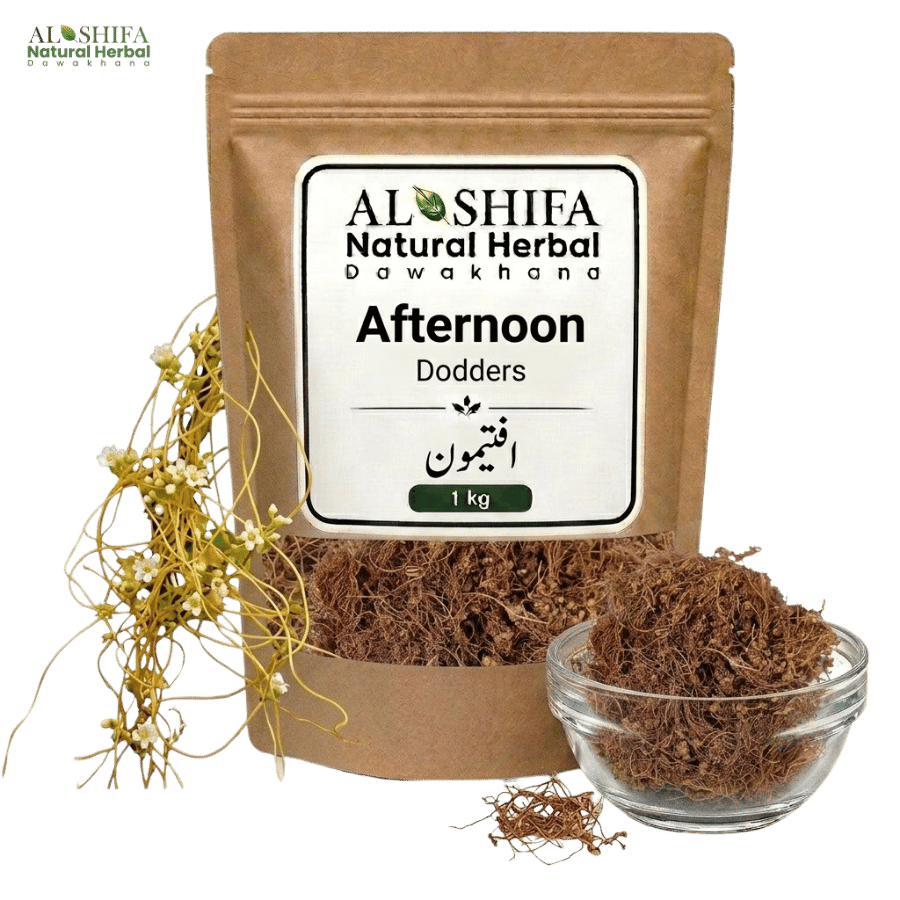
Aftimoon (Dodder), identified here as Cuscuta reflexa Roxb., is a traditional botanical ingredient used in selected Unani compound formulations. This parasitic vine is recognized for its slender, twining stems that grow around a host plant.
When selecting dried Aftimoon, confirmed botanical identity, cleanliness, appropriate drying, and sound material condition are important quality considerations. The supplied plant part should be clearly identified and distinguished from Dodder seeds.
Key Features:
Important Note: Different Dodder species are not automatically interchangeable. Traditional use and experimental research do not establish proven human benefits. Seek professional guidance before medicinal use, particularly during pregnancy, breastfeeding, for children, or when taking prescription medicines.
Aftimoon (Dodder) is a traditional botanical ingredient associated in South Asian herbal literature with Cuscuta reflexa Roxb. It is a parasitic, climbing plant recognized for its slender, twining stems that grow over a host plant.
Aftimoon has a longstanding place in Unani compound preparations. Its historical applications and scientific research should be distinguished from proven clinical benefits: ordinary dried Dodder should not be presented as a guaranteed treatment for a diagnosed disease.
This description concerns Cuscuta reflexa, as specified for this product. Traditional names and the general term “Dodder” may refer to different species, so the identity and supplied plant part should be confirmed.
Aftimoon is the familiar Roman spelling of افتیمون. “Afternoon” is an English word and should not be used as the herb’s name.
The product described here is dried herb material from Cuscuta reflexa, rather than a separately specified Dodder seed product.
Depending on harvesting and preparation, the material may include:
The exact contents should match the supplier’s product specification. Colour alone cannot establish botanical identity or quality.
English Name: Dodder
Urdu Name: افتیمون
Roman Name: Aftimoon
Scientific Name: Cuscuta reflexa Roxb.
Family: Convolvulaceae
Product Part: Dried aerial material; confirm the batch specification
Product Type: Traditional Botanical Raw Material
Some older references place Dodder in a separate family called Cuscutaceae. The plant is commonly discussed within Convolvulaceae in modern classifications.
Dodder is a general name for plants in the genus Cuscuta. It does not identify a single species.
Different Dodder species should not automatically share:
For example, Cuscuta reflexa and Cuscuta epithymum are separate species. Likewise, research or instructions concerning seeds of another Dodder species should not be applied to dried Cuscuta reflexa vine material.
Dodder grows in association with a host plant, attaching to it to obtain resources. This distinctive growth habit helps explain its intertwined appearance.
It also makes careful harvesting and identification important. Collected material may contain pieces of the host plant or other vegetation, which should be assessed during quality selection.
The host source and collection conditions are relevant purchasing details. Parasitic growth does not itself establish medicinal benefit or safety.
Aftimoon is recognized in Unani literature as an ingredient in selected compound preparations. Its historical reputation includes applications described through traditional concepts of temperament and humoral balance.
These concepts should be presented as part of traditional medical history, rather than translated into unsupported modern claims such as “detoxifies the blood” or “removes toxins from the brain.”
A compound formulation must be considered as a whole. Its historical use does not establish the effects of Aftimoon taken alone.
Published research describes historical use of Cuscuta reflexa in vomiting-related preparations and investigates its gastrointestinal effects experimentally.
Such research does not establish ordinary dried Aftimoon as a proven treatment for nausea, vomiting, or digestive disease in people. The tested preparation and experimental conditions matter. Primary research reference
Persistent vomiting, severe abdominal pain, dehydration, or blood in vomit requires appropriate medical assessment rather than herbal self-treatment.
Aftimoon may be discussed in traditional formulations associated with nervous-system complaints. However, traditional descriptions should not become promises that the raw herb treats anxiety, depression, epilepsy, or memory disorders.
These conditions require appropriate assessment and care.
Aftimoon should not replace prescribed psychiatric or neurological medicines, and customers should not stop or change treatment because of a herbal product description.
Researchers have investigated an ethanolic Cuscuta reflexa extract in a rat model of kidney-stone formation.
This is animal research involving an extract, not evidence that commercially supplied dried Dodder removes kidney stones or restores kidney function in people. Primary animal-study reference
Do not promote Aftimoon as a substitute for treatment of urinary obstruction, kidney disease, or urinary infections.
Dodder is sometimes encountered in traditional external or hair-care formulations. However, its use in such preparations does not establish proven hair-growth benefits.
The safety of an external product depends on its complete formulation, cleanliness, concentration, and application method.
Do not assume that raw dried material is suitable for direct application to the scalp, broken skin, or infected areas.
Laboratory research has examined Cuscuta reflexa stem extracts, including phenolic and flavonoid measurements and antimicrobial and antioxidant activity.
These findings concern specific extracts and laboratory methods. They do not establish clinical infection treatment or guaranteed antioxidant benefits from ordinary dried herb. Primary laboratory-study reference
Commercial raw material should not be described as standardized unless suitable analytical information supports that claim.
Dried Herb: Aerial vine material supplied whole or cut.
Seeds: A separate plant part requiring its own species identification and specification.
Powder: Ground material in which visual identification becomes more difficult.
Extract: A preparation obtained through extraction, potentially concentrating selected constituents.
These forms are not interchangeable. Instructions for Dodder seeds or a concentrated extract should not be transferred directly to dried vine material.
When selecting Aftimoon, useful checks include:
Correct Species — Confirmation that the material is Cuscuta reflexa.
Correct Plant Part — Clear identification of aerial material, seeds, or another specified form.
Host-Material Assessment — Attention to unwanted host-plant fragments.
Cleanliness — Minimal unnecessary soil, debris, and foreign matter.
Appropriate Dryness — No unusual dampness or excessive moisture.
Sound Condition — No visible mould, infestation, or significant deterioration.
Traceable Information — Reliable supplier details and relevant batch specifications.
Appearance alone cannot confirm purity, composition, or medicinal safety.
Aftimoon is a traditional botanical raw material. Medicinal use should follow guidance from a qualified healthcare professional or registered practitioner familiar with the correctly identified species and intended preparation.
There is no universal self-use quantity suitable for every product and person.
Professional guidance should account for:
Do not convert experimental animal quantities into household doses.
Reliable human information on safe dosing, long-term use, and medicine interactions is limited.
Obtain professional advice before medicinal use if you:
The absence of a documented interaction does not establish compatibility with every medicine.
Stop using a preparation if it causes an unexpected reaction. Seek urgent care for severe allergic symptoms, including swelling or breathing difficulty.
The safety of medicinal Cuscuta reflexa preparations during pregnancy and breastfeeding is not sufficiently established.
Avoid self-directed medicinal use during these periods. Aftimoon should not be promoted for inducing menstruation, stimulating labour, or managing pregnancy complications.
Store dried Aftimoon in a clean, cool, dry place in a tightly closed container.
For better preservation:
Follow any storage and expiry instructions supplied with the product.
Aftimoon is a traditional botanical ingredient for customers seeking correctly identified Dodder material for appropriate herbal formulations.
When buying Aftimoon in Pakistan, confirm the species, supplied plant part, available form, pack weight, and condition of the material.
For enquiries at Al Shifa Natural Herbal Dawakhana, request current availability, price, and product specifications before ordering.
English Name: Dodder
Urdu Name: افتیمون
Roman Name: Aftimoon
Scientific Name: Cuscuta reflexa Roxb.
Family: Convolvulaceae
Product Part: Dried aerial material; confirm the batch specification
Product Type: Traditional Botanical Raw Material
Important Note: Confirm the Dodder species and supplied plant part. Traditional use and experimental research do not establish guaranteed human benefits or replace professional diagnosis and treatment.
افتیمون ایک روایتی نباتاتی خام جزو ہے جس کی نسبت جنوبی ایشیا کے طبی لٹریچر میں کسکسٹا ریفلیکسا نامی طفیلی بیل سے بیان کی جاتی ہے۔ اس پودے کی پہچان باریک، بل کھاتی ڈنڈیوں سے ہوتی ہے جو دوسرے پودوں کے گرد پھیلتی ہیں۔
طبِ یونانی میں افتیمون کو منتخب مرکبات میں استعمال کیا جاتا رہا ہے۔ اس کی تاریخی اہمیت اور تجرباتی تحقیق کو انسانوں میں ثابت شدہ طبی فائدے سے الگ سمجھنا ضروری ہے۔ عام خشک افتیمون کو کسی تشخیص شدہ بیماری کا یقینی علاج قرار نہیں دینا چاہیے۔
یہ تفصیل آپ کے فراہم کردہ نباتاتی نام کسکسٹا ریفلیکسا کے مطابق ہے۔ افتیمون کے روایتی نام سے مختلف علاقوں میں دوسری نباتاتی انواع بھی منسوب ہو سکتی ہیں، اس لیے خام مال کی درست شناخت اور مستعمل حصے کی تصدیق ضروری ہے۔
افتیمون کے نام سے یہاں خشک بیل کے بالائی حصوں کی وضاحت کی جا رہی ہے، نہ کہ الگ سے فروخت ہونے والے بیجوں کی۔
برداشت اور تیاری کے طریقے کے مطابق خشک خام مال میں شامل ہو سکتے ہیں:
فراہم کردہ خام مال کی حالت متعلقہ وضاحت کے مطابق ہونی چاہیے۔ صرف رنگ سے نباتاتی شناخت یا معیار کی مکمل تصدیق نہیں ہوتی۔
اردو نام: افتیمون
معروف نباتاتی نسبت: کسکسٹا ریفلیکسا
پودے کی نوعیت: طفیلی بیل
نباتاتی خاندان: پیچک کا خاندان
فراہم کردہ حصہ: خشک بالائی حصے؛ متعلقہ کھیپ کی وضاحت کی تصدیق ضروری ہے
قسم: روایتی نباتاتی خام جزو
بعض پرانے حوالوں میں اس گروہ کو الگ نباتاتی خاندان میں رکھا گیا ہے، جبکہ جدید درجہ بندی میں اسے عموماً پیچک کے خاندان میں شامل کیا جاتا ہے۔
افتیمون اور طفیلی بیلوں کے عمومی نام کسی ایک نوع کی مکمل شناخت نہیں کرتے۔
مختلف انواع میں درج ذیل امور مختلف ہو سکتے ہیں:
کسکسٹا ریفلیکسا اور کسکسٹا ایپی تھائمم الگ نباتاتی انواع ہیں۔ اسی طرح کسی دوسری نوع کے بیجوں سے متعلق تحقیق یا ہدایات کو خشک بیل کے بالائی حصوں پر لاگو نہیں کرنا چاہیے۔
افتیمون سے منسوب یہ بیل میزبان پودے کے ساتھ جڑ کر اس سے وسائل حاصل کرتی ہے۔ اس کی ڈنڈیاں میزبان کے گرد لپٹ کر پھیلتی ہیں، جس سے الجھی ہوئی بیل جیسی شکل بنتی ہے۔
اس طرزِ نشوونما کی وجہ سے برداشت کے وقت میزبان پودے کے ٹکڑے یا دوسری نباتاتی آمیزش خام مال میں شامل ہو سکتی ہے۔
اسی لیے درج ذیل معلومات اہم ہیں:
طفیلی ہونا بذاتِ خود طبی فائدے یا حفاظت کا ثبوت نہیں ہے۔
افتیمون کو طبِ یونانی کے منتخب مرکبات میں پہچانا جاتا ہے۔ اس کے بعض تاریخی استعمال روایتی مزاج اور اخلاط کے تصورات کے تحت بیان کیے گئے ہیں۔
ان تصورات کو روایتی طبی تاریخ کے طور پر سمجھنا چاہیے۔ انہیں بلا ثبوت جدید دعووں، مثلاً خون سے زہریلے مادے نکالنے یا دماغ کی صفائی کرنے، کے برابر قرار دینا مناسب نہیں۔
کسی مرکب کا جائزہ اس کے تمام اجزاء، مقدار اور طریقۂ تیاری کے ساتھ لیا جاتا ہے۔ مرکب کی تاریخی شہرت، افتیمون اکیلی استعمال کرنے کے اثرات ثابت نہیں کرتی۔
کسکسٹا ریفلیکسا کا تاریخی ذکر بعض قے سے متعلق تیاریوں میں ملتا ہے، جبکہ اس کے معدے اور آنتوں پر اثرات کا تجرباتی مطالعہ بھی کیا گیا ہے۔
تاہم ایسی تحقیق عام خشک افتیمون کو انسانوں میں متلی، قے یا ہاضمے کی بیماری کا ثابت شدہ علاج نہیں بناتی۔ آزمائی گئی تیاری اور تجرباتی حالات اہم ہوتے ہیں۔
مسلسل قے، شدید پیٹ درد، پانی کی کمی یا قے میں خون کی صورت میں خود علاج کے بجائے طبی معائنہ ضروری ہے۔
افتیمون کا ذکر بعض روایتی مرکبات میں اعصابی شکایات کے حوالے سے کیا جا سکتا ہے۔ تاہم اس تاریخی نسبت سے یہ ثابت نہیں ہوتا کہ عام خشک خام مال:
ایسی کیفیات میں مناسب تشخیص اور مستند علاج ضروری ہیں۔
افتیمون کی وجہ سے تجویز کردہ نفسیاتی یا اعصابی دوا بند یا تبدیل نہیں کرنی چاہیے۔
کسکسٹا ریفلیکسا کے ایک عصارے کا گردے کی پتھری کے تجرباتی نمونے میں چوہوں پر مطالعہ کیا گیا ہے۔
یہ جانوروں پر عصارے کی تحقیق ہے۔ اس سے یہ ثابت نہیں ہوتا کہ عام خشک افتیمون انسانوں میں پتھری خارج کرتی ہے یا گردے کی کارکردگی بحال کرتی ہے۔
اسے:
کے ضروری علاج کا متبادل نہیں سمجھنا چاہیے۔
طفیلی بیلوں کا ذکر بعض روایتی بیرونی اور بالوں کی نگہداشت کی تیاریوں میں ملتا ہے۔ تاہم ایسی شمولیت بال اگانے کے ثابت شدہ فائدے کی ضمانت نہیں ہے۔
بیرونی تیاری کی موزونیت کا انحصار:
پر ہوتا ہے۔
خام خشک بیل کو براہِ راست سر کی جلد، زخمی جلد یا متاثرہ حصے پر لگانے کے لیے موزوں فرض نہیں کرنا چاہیے۔
کسکسٹا ریفلیکسا کی ڈنڈیوں کے عصاروں پر تجربہ گاہ میں تحقیق کی گئی ہے، جس میں بعض نباتاتی اجزاء، تکسیدی عمل کے خلاف سرگرمی اور جراثیم کے خلاف سرگرمی کا جائزہ شامل ہے۔
یہ نتائج مخصوص عصاروں اور تجرباتی طریقوں سے متعلق ہیں۔ ان سے عام خشک جڑی بوٹی کے ذریعے انسانوں میں جراثیمی بیماری کا علاج یا یقینی طبی فائدہ ثابت نہیں ہوتا۔
مناسب تجزیاتی معلومات کے بغیر کسی تجارتی افتیمون کو مقررہ ترکیب والا قرار نہیں دینا چاہیے۔
خشک بیل: بالائی نباتاتی حصے جو مکمل یا کٹے ہوئے فراہم کیے جائیں۔
بیج: الگ مستعمل حصہ، جس کے لیے نوع اور خام مال کی الگ وضاحت ضروری ہے۔
سفوف: پیسا ہوا مادہ، جس کی شناخت ظاہری شکل سے زیادہ مشکل ہوتی ہے۔
عصارہ: استخراج سے حاصل ہونے والی تیاری، جس میں منتخب اجزاء مرتکز ہو سکتے ہیں۔
ان شکلوں کی مقدار اور استعمال کی ہدایات ایک دوسرے پر خودبخود لاگو نہیں ہوتیں۔
خریداری کے وقت درج ذیل باتوں پر توجہ دیں:
درست نوع: مطلوبہ نباتاتی ماخذ کی تصدیق۔
صحیح مستعمل حصہ: خشک بالائی حصوں، بیجوں یا کسی دوسری شکل کی واضح شناخت۔
میزبان مواد کی چھانٹی: غیر مطلوبہ میزبان پودے کے ٹکڑوں پر توجہ۔
صفائی: غیر ضروری مٹی، گرد اور بیرونی مواد کم سے کم ہو۔
مناسب خشکی: غیر معمولی نمی یا گیلا پن موجود نہ ہو۔
درست حالت: پھپھوندی، کیڑوں یا نمایاں خرابی کے آثار نہ ہوں۔
معتبر معلومات: فراہم کنندہ اور متعلقہ کھیپ کی تفصیلات واضح ہوں۔
صرف ظاہری شکل سے خالص ہونے، ترکیب یا طبی حفاظت کی مکمل تصدیق نہیں ہوتی۔
افتیمون ایک روایتی نباتاتی خام جزو ہے۔ طبی استعمال ایسے مستند معالج یا رجسٹرڈ طبیب کی رہنمائی میں ہونا چاہیے جو درست شناخت شدہ نوع اور مطلوبہ تیاری سے واقف ہو۔
ہر شخص اور ہر شکل کے لیے کوئی ایک عمومی مقدار موزوں نہیں ہوتی۔
رہنمائی میں درج ذیل امور شامل ہونے چاہییں:
جانوروں پر آزمائی گئی مقدار کو گھریلو خوراک میں تبدیل کرکے استعمال نہ کریں۔
انسانوں میں محفوظ مقدار، طویل استعمال اور ادویات کے ساتھ باہمی اثرات کے بارے میں معتبر معلومات محدود ہیں۔
طبی استعمال سے پہلے مشورہ کریں، خصوصاً اگر:
کسی باہمی اثر کی اطلاع نہ ملنے کو ہر دوا کے ساتھ مطابقت کا ثبوت نہیں سمجھنا چاہیے۔
غیر متوقع تکلیف یا حساسیت ہو تو استعمال روک دیں۔ شدید سوجن یا سانس لینے میں دشواری کی صورت میں فوری طبی مدد حاصل کریں۔
حمل اور دودھ پلانے کے دوران کسکسٹا ریفلیکسا کی طبی تیاریوں کی حفاظت کافی حد تک ثابت نہیں ہے۔
ان ادوار میں خود سے طبی استعمال سے گریز کریں۔ افتیمون کو ماہواری شروع کرنے، دردِ زہ پیدا کرنے یا حمل کی پیچیدگیوں کے علاج کے لیے پیش نہیں کرنا چاہیے۔
خشک افتیمون کو صاف، ٹھنڈی اور خشک جگہ پر اچھی طرح بند برتن میں محفوظ رکھیں۔
بہتر حفاظت کے لیے:
پیکٹ پر محفوظ رکھنے اور مدتِ استعمال کی ہدایات موجود ہوں تو ان کی پابندی کریں۔
افتیمون مناسب روایتی نباتاتی مرکبات کے لیے طلب کیا جانے والا خام جزو ہے۔
پاکستان میں خریداری کے وقت نباتاتی نوع، مستعمل حصے، دستیاب شکل، پیکٹ کے وزن اور خام مال کی حالت کی تصدیق کریں۔
الشفاء نیچرل ہربل دواخانہ سے افتیمون کے متعلق معلومات حاصل کرتے وقت موجودہ دستیابی، قیمت اور خام مال کی تفصیلات معلوم کر لیں۔
اردو نام: افتیمون
معروف نباتاتی نسبت: کسکسٹا ریفلیکسا
پودے کی نوعیت: طفیلی بیل
نباتاتی خاندان: پیچک کا خاندان
فراہم کردہ حصہ: خشک بالائی حصے؛ متعلقہ کھیپ کی وضاحت کی تصدیق ضروری ہے
قسم: روایتی نباتاتی خام جزو
اہم وضاحت: افتیمون کی درست نوع اور مستعمل حصے کی تصدیق ضروری ہے۔ روایتی استعمال اور تجرباتی تحقیق، انسانوں میں یقینی فائدے یا مستند تشخیص و علاج کا متبادل نہیں۔