روغن خوبانی
₨ 600
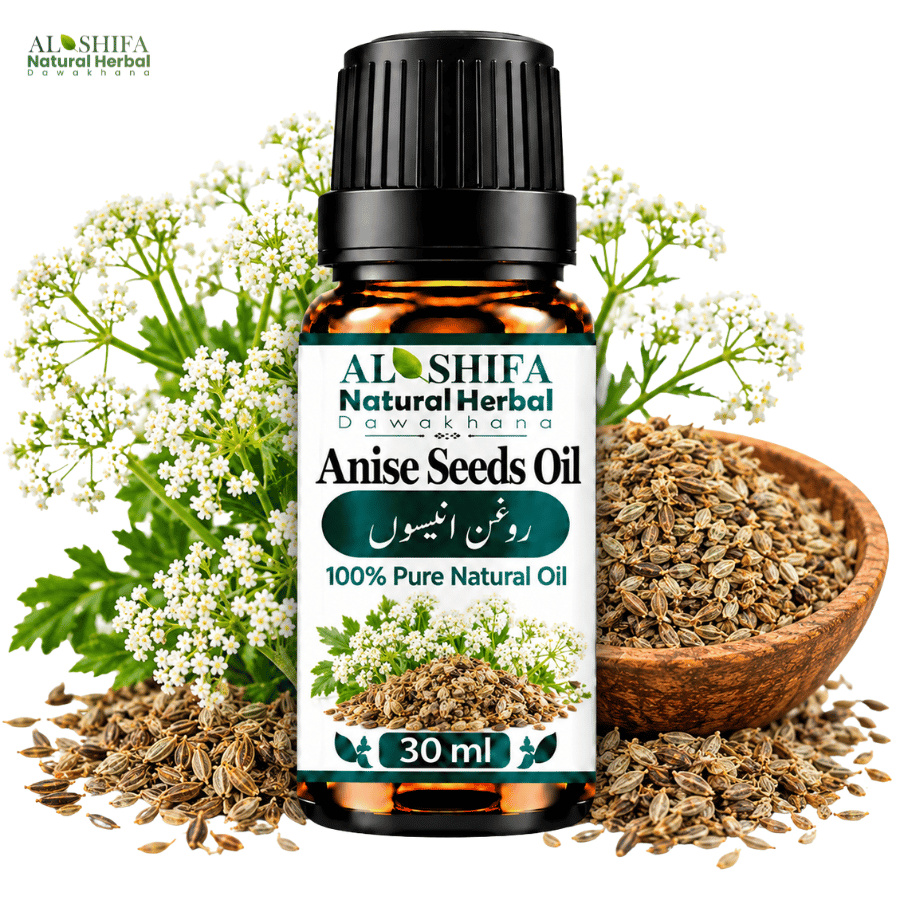
Aniseed Oil / Anise Essential Oil / Pimpinella anisum Oil is a concentrated aromatic essential oil distilled from the dried ripe fruits of Pimpinella anisum. Naturally characterized by its sweet, warm, spicy and liquorice-like aroma, it is typically rich in trans-anethole and is suitable for aromatic blends, perfumery, soaps, personal-care products and properly diluted external formulations.
Al Shifa Aniseed Oil is carefully selected for botanical identity, characteristic anethole-rich aroma, freshness, quality and clean handling.
Key Features:
Usage: Use in aromatic or fragrance formulations, or dilute appropriately in a suitable carrier oil before topical or massage use.
Important Note: Aniseed Oil is a concentrated essential oil, not a carrier oil. It is botanically different from Star Anise Oil and Fennel Oil and should not be used undiluted on the skin or casually taken internally.
Aniseed Oil, also known as Anise Oil / Pimpinella anisum Oil / Roghan Aneson / روغن انیسوں, is an aromatic oil obtained from the dried ripe fruits commonly called seeds of Pimpinella anisum L., a member of the Apiaceae family. Anise is recognized by its distinctly sweet, warm, spicy and liquorice-like aroma.
Unlike fixed carrier oils such as Almond or Pumpkin Seed Oil, genuine Aniseed Essential Oil is a volatile aromatic oil, generally produced by steam distillation or hydrodistillation of the dried fruits. Its characteristic aroma and chemical profile are largely associated with trans-anethole, which is typically the predominant constituent.
Aniseed Oil is used primarily in aromatic preparations, perfumery, soaps, personal-care formulations and carefully diluted massage or cosmetic blends. Because it is a concentrated essential oil, it should not be treated like a routine carrier oil.
Al Shifa Aniseed Oil is carefully selected for botanical identity, characteristic sweet-spicy aroma, freshness, quality and clean handling.
Aniseed Oil is the volatile essential oil distilled from the dried ripe fruits of Pimpinella anisum.
Although commonly called anise seeds, botanically the commercial material consists of small dried fruits.
Common names include:
For a genuine distilled product, the technically appropriate classification is Anise Essential Oil.
Product Name: Aniseed Oil / Anise Essential Oil
English Name: Anise / Aniseed
Urdu Name: روغن انیسوں / روغن انیسون
Roman Name: Roghan Aneson / Roghan Anisoon
Scientific Name: Pimpinella anisum L.
Plant Family: Apiaceae
Plant Part: Dried Ripe Fruits, commonly called Seeds
Oil Type: Essential Oil / Volatile Oil
Extraction Method: Steam Distillation / Hydrodistillation
Common Forms/Names: Aniseed Oil, Anise Oil, Anise Essential Oil, Pimpinella anisum Oil
Appearance: Clear, colorless to pale yellow liquid; may become cloudy or partially solidify at cooler temperatures
Aroma: Sweet, warm, spicy and strongly liquorice-like
Primary Applications: Aromatic Products, Perfumery, Soap, Personal Care, Fragrance Formulations & Diluted External Blends
Product Type: Natural Essential Oil
Pimpinella anisum is an annual aromatic herb belonging to the Apiaceae family.
The plant produces small aromatic fruits that are commonly referred to as anise seeds. These fruits contain the volatile aromatic fraction from which genuine Aniseed Essential Oil is distilled.
Anise has a long history of culinary and aromatic use, but concentrated essential oil is much stronger than the whole spice.
Dried Anise fruits possess their characteristic sweet fragrance because of their volatile constituents.
When subjected to steam or hydrodistillation, these volatile components separate to produce Aniseed Essential Oil.
Therefore:
Whole Aniseed ≠ Aniseed Essential Oil
The essential oil is a concentrated volatile fraction and should be used accordingly.
The chemical profile of Aniseed Essential Oil can include:
The precise composition varies with botanical material, geographical origin, harvest conditions and distillation.
trans-Anethole is typically the dominant aromatic constituent of genuine Pimpinella anisum essential oil.
It is responsible for much of the oil’s characteristic:
Anethole can also influence the oil’s physical behaviour at lower temperatures.
Aniseed Oil may become cloudy, thicker or partially crystallized when stored at cooler temperatures because of its high anethole content.
This physical change does not automatically mean the oil has spoiled.
Gentle warming to normal room temperature can return the oil toward a more fluid state. Excessive heating should be avoided.
The sweet, spicy character of Aniseed Oil makes it useful in aromatic compositions.
It may be incorporated into appropriately designed:
Because the aroma is powerful, only a small amount may be required in a formulation.
Aniseed Oil contributes a distinctive:
note to fragrance compositions.
It can be used as a specialty aromatic component rather than as a neutral carrier oil.
Appropriately formulated Aniseed Oil can be incorporated into:
The concentration should follow the safety requirements of the finished formulation.
Because Aniseed Oil is a concentrated essential oil, it should be properly diluted in a suitable carrier oil before routine skin or massage application.
Suitable carrier bases may include oils such as:
The appropriate concentration depends on the formulation and intended user.
Aniseed Essential Oil is not intended to function as a stand-alone facial or body carrier oil.
When included in skin-care formulations, it should be appropriately diluted and formulated.
Avoid undiluted application over large areas of skin.
This distinction is important.
Aniseed Essential Oil: Volatile aromatic fraction produced by distillation.
Anise Seed Fixed Oil: Non-volatile lipid fraction of the fruits/seeds obtained through a different extraction process.
Therefore:
Anise Essential Oil ≠ Anise Fixed Seed Oil
If the Al Shifa product is steam-distilled, it should be classified as an Essential Oil.
Anise and Star Anise have a similar liquorice-like aroma largely because both can contain substantial anethole, but they come from completely different plants.
Anise / Aniseed: Pimpinella anisum — Apiaceae
Star Anise: Illicium verum — Schisandraceae
Therefore:
Aniseed Oil ≠ Star Anise Essential Oil
The scientific name is essential for correct identification.
Anise should also not be confused with Fennel.
Anise: Pimpinella anisum
Fennel: Foeniculum vulgare
Both belong to the Apiaceae family and can have sweet anethole-rich aromatic profiles, but they are separate botanical species.
Therefore:
Aniseed Oil ≠ Fennel Essential Oil
Anise is also botanically distinct from Ajwain.
Anise: Pimpinella anisum
Ajwain: Trachyspermum ammi
Ajwain typically has a much more pungent, thymol-associated aroma, whereas Anise is characteristically sweet and liquorice-like.
A synthetic or formulated fragrance designed to smell like anise is not equivalent to genuine distilled Pimpinella anisum essential oil.
Therefore:
Natural Aniseed Essential Oil ≠ Anise Fragrance Oil
Botanical identity and extraction method should be confirmed for accurate product labelling.
Research concerning Pimpinella anisum can involve:
These materials are not chemically identical.
Results obtained with whole Anise, concentrated extracts or isolated anethole should not automatically be presented as proven effects of topical Aniseed Essential Oil.
For accurate Al Shifa product information:
Aniseed Essential Oil ≠ Star Anise Oil
Aniseed Essential Oil ≠ Fennel Oil
Aniseed Essential Oil ≠ Ajwain Oil
Aniseed Essential Oil ≠ Anise Fragrance Oil
Aniseed Essential Oil ≠ Anise Fixed Seed Oil
The scientific name Pimpinella anisum is the clearest way to identify genuine Anise.
Aniseed Essential Oil is concentrated and should be used conservatively.
For topical use:
Concentrated Aniseed Essential Oil should be used cautiously during pregnancy and breastfeeding.
Medicinal or concentrated use should be avoided unless specifically advised by an appropriately qualified healthcare professional familiar with the product and its concentration.
Concentrated essential oils require additional caution around young children.
Keep Aniseed Essential Oil securely out of reach and do not use concentrated or undiluted preparations on children without appropriate professional guidance.
Although Anise is widely used as a culinary spice, Aniseed Essential Oil is far more concentrated than whole Anise fruits.
A cosmetic or aromatic-grade Aniseed Essential Oil should not automatically be considered suitable for ingestion.
Internal use should only be considered when the specific product is manufactured and labelled for that purpose and used under appropriate professional guidance.
Al Shifa Natural Herbal selects Aniseed Oil with attention to:
For Aromatic Blends: Use a small amount in a suitable aromatic formulation according to intended concentration.
For Perfumery: Incorporate as a sweet, spicy and liquorice-like aromatic note.
For Massage: Dilute appropriately in a suitable carrier oil before topical application.
For Soap: Incorporate according to the formulation and applicable fragrance-safety limits.
For Personal Care: Use only at an appropriate concentration in a properly formulated finished product.
If the Al Shifa product is obtained by steam distillation or hydrodistillation of Pimpinella anisum fruits, the technically appropriate label classification is:
100% Pure Essential Oil
The label should clearly identify:
Botanical Name: Pimpinella anisum L.
This prevents confusion with Star Anise (Illicium verum), Fennel and other similarly scented botanical oils.
Because Aniseed Essential Oil is concentrated and typically rich in trans-anethole, it should be diluted appropriately for topical use and should not be casually recommended for internal self-medication.
Store Aniseed Oil in a tightly closed, preferably dark glass container in a cool, dry and dark place, protected from direct sunlight and excessive heat.
The oil may become cloudy or partially crystallize at cooler temperatures because of its anethole-rich composition. This physical change alone does not necessarily indicate deterioration.
Al Shifa Natural Herbal offers Aniseed Oil / Pimpinella anisum Oil / Roghan Aneson / روغن انیسوں for customers looking for a distinctive sweet and spicy essential oil for aromatic formulations, perfumery, soaps, personal-care products and properly diluted external blends.
Customers searching for Aniseed Oil in Pakistan, Anise Essential Oil, Pimpinella anisum Oil, Roghan Aneson, Roghan Anisoon, Anise Oil Pakistan, Aniseed Oil price in Pakistan, Roghan Aneson price in Pakistan, Anise Essential Oil in Lahore or buy Aniseed Oil online in Pakistan should verify the scientific name Pimpinella anisum to distinguish genuine Aniseed Oil from Star Anise and Fennel oils.
Product Name: Aniseed Oil / Anise Essential Oil
English Name: Aniseed Oil / Anise Oil
Urdu Name: روغن انیسوں / روغن انیسون
Roman Name: Roghan Aneson / Roghan Anisoon
Scientific Name: Pimpinella anisum L.
Plant Family: Apiaceae
Plant Part: Dried Ripe Fruits, commonly called Seeds
Extraction Method: Steam Distillation / Hydrodistillation
Oil Type: Essential Oil / Volatile Oil
Appearance: Clear, Colorless to P
Aniseed Oil, also known as Anise Oil / Pimpinella anisum Oil / Roghan Aneson / روغن انیسوں, is an aromatic oil obtained from the dried ripe fruits commonly called seeds of Pimpinella anisum L., a member of the Apiaceae family. Anise is recognized by its distinctly sweet, warm, spicy and liquorice-like aroma.
Unlike fixed carrier oils such as Almond or Pumpkin Seed Oil, genuine Aniseed Essential Oil is a volatile aromatic oil, generally produced by steam distillation or hydrodistillation of the dried fruits. Its characteristic aroma and chemical profile are largely associated with trans-anethole, which is typically the predominant constituent.
Aniseed Oil is used primarily in aromatic preparations, perfumery, soaps, personal-care formulations and carefully diluted massage or cosmetic blends. Because it is a concentrated essential oil, it should not be treated like a routine carrier oil.
Al Shifa Aniseed Oil is carefully selected for botanical identity, characteristic sweet-spicy aroma, freshness, quality and clean handling.
Aniseed Oil is the volatile essential oil distilled from the dried ripe fruits of Pimpinella anisum.
Although commonly called anise seeds, botanically the commercial material consists of small dried fruits.
Common names include:
For a genuine distilled product, the technically appropriate classification is Anise Essential Oil.
Product Name: Aniseed Oil / Anise Essential Oil
English Name: Anise / Aniseed
Urdu Name: روغن انیسوں / روغن انیسون
Roman Name: Roghan Aneson / Roghan Anisoon
Scientific Name: Pimpinella anisum L.
Plant Family: Apiaceae
Plant Part: Dried Ripe Fruits, commonly called Seeds
Oil Type: Essential Oil / Volatile Oil
Extraction Method: Steam Distillation / Hydrodistillation
Common Forms/Names: Aniseed Oil, Anise Oil, Anise Essential Oil, Pimpinella anisum Oil
Appearance: Clear, colorless to pale yellow liquid; may become cloudy or partially solidify at cooler temperatures
Aroma: Sweet, warm, spicy and strongly liquorice-like
Primary Applications: Aromatic Products, Perfumery, Soap, Personal Care, Fragrance Formulations & Diluted External Blends
Product Type: Natural Essential Oil
Pimpinella anisum is an annual aromatic herb belonging to the Apiaceae family.
The plant produces small aromatic fruits that are commonly referred to as anise seeds. These fruits contain the volatile aromatic fraction from which genuine Aniseed Essential Oil is distilled.
Anise has a long history of culinary and aromatic use, but concentrated essential oil is much stronger than the whole spice.
Dried Anise fruits possess their characteristic sweet fragrance because of their volatile constituents.
When subjected to steam or hydrodistillation, these volatile components separate to produce Aniseed Essential Oil.
Therefore:
Whole Aniseed ≠ Aniseed Essential Oil
The essential oil is a concentrated volatile fraction and should be used accordingly.
The chemical profile of Aniseed Essential Oil can include:
The precise composition varies with botanical material, geographical origin, harvest conditions and distillation.
trans-Anethole is typically the dominant aromatic constituent of genuine Pimpinella anisum essential oil.
It is responsible for much of the oil’s characteristic:
Anethole can also influence the oil’s physical behaviour at lower temperatures.
Aniseed Oil may become cloudy, thicker or partially crystallized when stored at cooler temperatures because of its high anethole content.
This physical change does not automatically mean the oil has spoiled.
Gentle warming to normal room temperature can return the oil toward a more fluid state. Excessive heating should be avoided.
The sweet, spicy character of Aniseed Oil makes it useful in aromatic compositions.
It may be incorporated into appropriately designed:
Because the aroma is powerful, only a small amount may be required in a formulation.
Aniseed Oil contributes a distinctive:
note to fragrance compositions.
It can be used as a specialty aromatic component rather than as a neutral carrier oil.
Appropriately formulated Aniseed Oil can be incorporated into:
The concentration should follow the safety requirements of the finished formulation.
Because Aniseed Oil is a concentrated essential oil, it should be properly diluted in a suitable carrier oil before routine skin or massage application.
Suitable carrier bases may include oils such as:
The appropriate concentration depends on the formulation and intended user.
Aniseed Essential Oil is not intended to function as a stand-alone facial or body carrier oil.
When included in skin-care formulations, it should be appropriately diluted and formulated.
Avoid undiluted application over large areas of skin.
This distinction is important.
Aniseed Essential Oil: Volatile aromatic fraction produced by distillation.
Anise Seed Fixed Oil: Non-volatile lipid fraction of the fruits/seeds obtained through a different extraction process.
Therefore:
Anise Essential Oil ≠ Anise Fixed Seed Oil
If the Al Shifa product is steam-distilled, it should be classified as an Essential Oil.
Anise and Star Anise have a similar liquorice-like aroma largely because both can contain substantial anethole, but they come from completely different plants.
Anise / Aniseed: Pimpinella anisum — Apiaceae
Star Anise: Illicium verum — Schisandraceae
Therefore:
Aniseed Oil ≠ Star Anise Essential Oil
The scientific name is essential for correct identification.
Anise should also not be confused with Fennel.
Anise: Pimpinella anisum
Fennel: Foeniculum vulgare
Both belong to the Apiaceae family and can have sweet anethole-rich aromatic profiles, but they are separate botanical species.
Therefore:
Aniseed Oil ≠ Fennel Essential Oil
Anise is also botanically distinct from Ajwain.
Anise: Pimpinella anisum
Ajwain: Trachyspermum ammi
Ajwain typically has a much more pungent, thymol-associated aroma, whereas Anise is characteristically sweet and liquorice-like.
A synthetic or formulated fragrance designed to smell like anise is not equivalent to genuine distilled Pimpinella anisum essential oil.
Therefore:
Natural Aniseed Essential Oil ≠ Anise Fragrance Oil
Botanical identity and extraction method should be confirmed for accurate product labelling.
Research concerning Pimpinella anisum can involve:
These materials are not chemically identical.
Results obtained with whole Anise, concentrated extracts or isolated anethole should not automatically be presented as proven effects of topical Aniseed Essential Oil.
For accurate Al Shifa product information:
Aniseed Essential Oil ≠ Star Anise Oil
Aniseed Essential Oil ≠ Fennel Oil
Aniseed Essential Oil ≠ Ajwain Oil
Aniseed Essential Oil ≠ Anise Fragrance Oil
Aniseed Essential Oil ≠ Anise Fixed Seed Oil
The scientific name Pimpinella anisum is the clearest way to identify genuine Anise.
Aniseed Essential Oil is concentrated and should be used conservatively.
For topical use:
Concentrated Aniseed Essential Oil should be used cautiously during pregnancy and breastfeeding.
Medicinal or concentrated use should be avoided unless specifically advised by an appropriately qualified healthcare professional familiar with the product and its concentration.
Concentrated essential oils require additional caution around young children.
Keep Aniseed Essential Oil securely out of reach and do not use concentrated or undiluted preparations on children without appropriate professional guidance.
Although Anise is widely used as a culinary spice, Aniseed Essential Oil is far more concentrated than whole Anise fruits.
A cosmetic or aromatic-grade Aniseed Essential Oil should not automatically be considered suitable for ingestion.
Internal use should only be considered when the specific product is manufactured and labelled for that purpose and used under appropriate professional guidance.
Al Shifa Natural Herbal selects Aniseed Oil with attention to:
For Aromatic Blends: Use a small amount in a suitable aromatic formulation according to intended concentration.
For Perfumery: Incorporate as a sweet, spicy and liquorice-like aromatic note.
For Massage: Dilute appropriately in a suitable carrier oil before topical application.
For Soap: Incorporate according to the formulation and applicable fragrance-safety limits.
For Personal Care: Use only at an appropriate concentration in a properly formulated finished product.
If the Al Shifa product is obtained by steam distillation or hydrodistillation of Pimpinella anisum fruits, the technically appropriate label classification is:
100% Pure Essential Oil
The label should clearly identify:
Botanical Name: Pimpinella anisum L.
This prevents confusion with Star Anise (Illicium verum), Fennel and other similarly scented botanical oils.
Because Aniseed Essential Oil is concentrated and typically rich in trans-anethole, it should be diluted appropriately for topical use and should not be casually recommended for internal self-medication.
Store Aniseed Oil in a tightly closed, preferably dark glass container in a cool, dry and dark place, protected from direct sunlight and excessive heat.
The oil may become cloudy or partially crystallize at cooler temperatures because of its anethole-rich composition. This physical change alone does not necessarily indicate deterioration.
Al Shifa Natural Herbal offers Aniseed Oil / Pimpinella anisum Oil / Roghan Aneson / روغن انیسوں for customers looking for a distinctive sweet and spicy essential oil for aromatic formulations, perfumery, soaps, personal-care products and properly diluted external blends.
Customers searching for Aniseed Oil in Pakistan, Anise Essential Oil, Pimpinella anisum Oil, Roghan Aneson, Roghan Anisoon, Anise Oil Pakistan, Aniseed Oil price in Pakistan, Roghan Aneson price in Pakistan, Anise Essential Oil in Lahore or buy Aniseed Oil online in Pakistan should verify the scientific name Pimpinella anisum to distinguish genuine Aniseed Oil from Star Anise and Fennel oils.
Product Name: Aniseed Oil / Anise Essential Oil
English Name: Aniseed Oil / Anise Oil
Urdu Name: روغن انیسوں / روغن انیسون
Roman Name: Roghan Aneson / Roghan Anisoon
Scientific Name: Pimpinella anisum L.
Plant Family: Apiaceae
Plant Part: Dried Ripe Fruits, commonly called Seeds
Extraction Method: Steam Distillation / Hydrodistillation
Oil Type: Essential Oil / Volatile Oil
Appearance: Clear, Colorless to Pale Yellow; may cloud or partially crystallize when cool
Aroma: Sweet, Warm, Spicy & Liquorice-Like
Major Volatile Constituent: trans-Anethole
Primary Applications: Aromatic Formulations, Perfumery, Soap, Personal Care & Properly Diluted External Blends
Important Note: Genuine Pimpinella anisum Aniseed Oil is a concentrated essential oil, not an ordinary carrier oil. It is botanically different from Star Anise (Illicium verum) and Fennel (Foeniculum vulgare).
ale Yellow; may cloud or partially crystallize when cool
Aroma: Sweet, Warm, Spicy & Liquorice-Like
Major Volatile Constituent: trans-Anethole
Primary Applications: Aromatic Formulations, Perfumery, Soap, Personal Care & Properly Diluted External Blends
Important Note: Genuine Pimpinella anisum Aniseed Oil is a concentrated essential oil, not an ordinary carrier oil. It is botanically different from Star Anise (Illicium verum) and Fennel (Foeniculum vulgare).
روغن انیسوں انیسوں کے خوشبودار بیج نما پھلوں سے حاصل ہونے والا مرتکز خوشبودار روغن ہے۔ انیسوں کا سائنسی نام پمپی نیلا اینیسم ہے اور اس کا تعلق ایپی ایسی خاندان سے ہے۔
پاکستان اور برصغیر میں انیسوں ایک معروف خوشبودار جڑی بوٹی ہے۔ اس کے خشک پھل مصالحہ، خوشبودار ادویات اور حکیمی نسخوں میں استعمال ہوتے ہیں۔
روغن انیسوں عام کیریئر آئل نہیں بلکہ انیسوں کے خوشبودار اجزا سے حاصل ہونے والا ایسینشل آئل ہے۔ اس کا نمایاں قدرتی خوشبودار جز ٹرانس اینیتھول ہے، جو اس کی مخصوص میٹھی اور سونف جیسی خوشبو کا بڑا سبب ہے۔
اردو نام: روغن انیسوں، انیسوں کا تیل، روغن انیسون
پنجابی نام: انیسوں دا تیل
ہندی نام: انیس تیل، انیسوں تیل
فارسی نام: روغن انیسون، روغن بادیان رومی
عربی نام: زیت الیانسون، زیت الانیسون
انگریزی نام: اینی سیڈ آئل، اینیس آئل، اینیس ایسینشل آئل
سائنسی نام: پمپی نیلا اینیسم
خاندان: ایپی ایسی
استعمال ہونے والا حصہ: خشک پکے ہوئے بیج نما پھل
روغن حاصل کرنے کا طریقہ: عموما بھاپ کے ذریعے کشید کر کے خوشبودار ایسینشل آئل حاصل کیا جاتا ہے
انیسوں ایک سالانہ خوشبودار جڑی بوٹی ہے۔
اس کی نمایاں پہچان میں:
شامل ہیں۔
انیسوں کے خشک پھل ہی عام طور پر بازار میں انیسوں یا اینی سیڈ کے نام سے فروخت ہوتے ہیں۔
خشک انیسوں عموما:
ہوتے ہیں۔
اس کی خوشبو سونف اور بادیان خطائی سے مشابہ محسوس ہو سکتی ہے، لیکن یہ الگ پودا ہے۔
روغن انیسوں کے لیے پکے ہوئے خشک بیج نما پھل استعمال کیے جاتے ہیں۔
انہیں پہلے:
اس کے بعد بھاپ کے ذریعے کشید کر کے ان میں موجود خوشبودار روغن حاصل کیا جاتا ہے۔
کشید کے بعد حاصل ہونے والا روغن عام سیڈ یا کیریئر آئل کے مقابلے میں بہت زیادہ فائدہ مند ہوتا ہے۔
خالص روغن انیسوں عموما:
ہو سکتا ہے۔
پرانا یا آکسیڈائز ہونے والا روغن وقت کے ساتھ رنگ اور خوشبو میں تبدیلی دکھا سکتا ہے۔
بہت گہرا مصنوعی رنگ خالص روغن انیسوں کی لازمی پہچان نہیں۔
روغن انیسوں کی خوشبو اس کی سب سے نمایاں پہچان ہے۔
اس کی خوشبو عموما:
ہوتی ہے۔
اس مخصوص خوشبو کا بڑا حصہ ٹرانس اینیتھول سے وابستہ ہے۔
پاکستان اور برصغیر میں رائج حکمت کی کتب مفردات میں انیسوں کو عموما گرم اور خشک مزاج سے منسوب کیا جاتا ہے۔
انیسوں اپنی خوشبودار اور گرم خصوصیات کی وجہ سے حکیمی ادویات میں معروف ہے۔
تاہم خشک انیسوں اور اس کے مرتکز ایسینشل آئل کی طاقت ایک جیسی نہیں ہوتی۔
روغن انیسوں زیادہ مرتکز ہوتا ہے، اس لیے اس کی مقدار بہت کم رکھی جاتی ہے۔
روغن انیسوں میں مختلف قدرتی خوشبودار اجزا پائے جاتے ہیں، جن میں نمایاں طور پر:
شامل ہو سکتے ہیں۔
ان اجزا کا تناسب فصل، علاقے، پودے، محفوظ رکھنے اور کشید کے طریقے کے مطابق مختلف رہتا ہے۔
ٹرانس اینیتھول روغن انیسوں کا سب سے نمایاں خوشبودار جز ہے۔
یہ روغن کو:
دیتا ہے۔
انیسوں، سونف اور بادیان خطائی کے روغنوں میں اینیتھول پایا جا سکتا ہے، اسی لیے ان کی خوشبو میں مشابہت محسوس ہوتی ہے۔
روغن انیسوں کو کم مقدار میں:
میں شامل کیا جاتا ہے۔
یہ مرتکز ایسینشل آئل ہے، اس لیے اسے جلد پر خالص حالت میں لگانے کے بجائے بنیادی روغن میں ملا کر استعمال کریں۔
روغن انیسوں کو کسی بنیادی روغن میں بہت کم مقدار میں شامل کر کے خوشبودار جسمانی مالش کے لیے استعمال کیا جا سکتا ہے۔
اسے:
میں ملا کر استعمال کیا جا سکتا ہے۔
پاکستان اور برصغیر میں انیسوں کو ہاضمے سے وابستہ حکیمی ادویات میں معروف مقام حاصل ہے۔
اس کے روغن کو بیرونی مالش کے آمیزوں میں کم مقدار میں شامل کیا جا سکتا ہے۔
پیٹ پر استعمال کے لیے اسے بنیادی روغن میں اچھی طرح ملا کر نرم ہاتھ سے مالش کریں۔
مسلسل پیٹ درد یا کسی مرض کے لیے معالج سے چیک کروائیں۔
روغن انیسوں کی خوشبودار خصوصیت کی وجہ سے اسے بعض ہربل سینہ مالش روغنوں اور بام میں شامل کیا جاتا ہے۔
اسے خالص حالت میں سینے پر نہ لگائیں۔
بنیادی روغن میں کم مقدار شامل کر کے استعمال کریں اور ناک، منہ اور آنکھوں کے قریب لگانے سے گریز کریں۔
روغن انیسوں کی میٹھی، گرم اور مصالحہ دار خوشبو کی وجہ سے اسے خوشبودار آمیزوں میں استعمال کیا جاتا ہے۔
اس کی خوشبو کافی طاقتور ہوتی ہے، اس لیے تھوڑی مقدار بھی نمایاں محسوس ہوتی ہے۔
روغن انیسوں کو خوشبو کے لیے صابن اور دوسرے کاسمیٹک فارمولوں میں کم مقدار میں شامل کیا جا سکتا ہے۔
استعمال کی مقدار مکمل فارمولے، جلد پر رہنے یا دھل جانے والی پروڈکٹ اور روغن کی طاقت کے مطابق رکھی جاتی ہے۔
روغن انیسوں کو بیرونی استعمال کے لیے:
کے ساتھ ملا کر استعمال کیا جا سکتا ہے۔
انیسوں اور سونف خوشبو میں مشابہ ہیں لیکن دونوں الگ پودے ہیں۔
انیسوں: پمپی نیلا اینیسم
سونف: فونی کیولم ولگیر
دونوں کا تعلق ایپی ایسی خاندان سے ہے اور دونوں میں اینیتھول پایا جا سکتا ہے، لیکن دونوں کو ایک ہی جڑی بوٹی نہ سمجھیں۔
انیسوں کے دانے عموما سونف کے مقابلے میں چھوٹے ہوتے ہیں۔
انیسوں اور بادیان خطائی بھی الگ پودے ہیں۔
انیسوں: پمپی نیلا اینیسم
بادیان خطائی: الیسیئم ویرم
انیسوں ایک چھوٹی سالانہ جڑی بوٹی ہے جبکہ بادیان خطائی ایک درخت کا ستارہ نما پھل ہے۔
دونوں میں اینیتھول کی موجودگی کی وجہ سے خوشبو مشابہ محسوس ہو سکتی ہے۔
روغن انیسوں پمپی نیلا اینیسم سے حاصل ہوتا ہے۔
روغن بادیان خطائی الیسیئم ویرم سے حاصل ہوتا ہے۔
دونوں کی خوشبو میٹھی اور اینیتھول سے بھرپور ہو سکتی ہے، لیکن پودا، استعمال ہونے والا حصہ اور قدرتی کیمیائی تناسب ایک جیسا نہیں۔
اسی لیے دونوں روغنوں کے لیبل پر سائنسی نام دیکھنا ضروری ہے۔
بادیان خطائی کے حوالے سے ایک الگ پودا جاپانی بادیان بھی پایا جاتا ہے جو خوراکی استعمال کے لیے محفوظ نہیں سمجھا جاتا۔
یہ فرق خاص طور پر بادیان خطائی کی پہچان میں اہم ہے۔
انیسوں یعنی پمپی نیلا اینیسم اس سے الگ جڑی بوٹی ہے۔
روغن انیسوں بادام، جوجوبا یا زیتون جیسے عام کیریئر آئل نہیں ہے۔
یہ مرتکز خوشبودار ایسینشل آئل ہے۔
اسی لیے:
اچھے روغن انیسوں کی پہچان کے لیے:
اہم ہیں۔
صرف میٹھی خوشبو کو اصلی ہونے کی مکمل پہچان نہ سمجھیں، کیونکہ مصنوعی اینیتھول یا خوشبو بھی استعمال کی جا سکتی ہے۔
روغن انیسوں کو جلد پر خالص حالت میں لگانے کے بجائے بنیادی روغن میں ملا کر استعمال کریں۔
بنیادی روغن کے طور پر جوجوبا، بادام، ناریل، زیتون یا تل کا روغن استعمال کیا جا سکتا ہے۔
پہلی بار استعمال سے پہلے جلد کے چھوٹے حصے پر تھوڑی مقدار آزمائیں۔
آنکھوں، منہ، ناک کے اندر اور کھلے زخموں سے دور رکھیں۔
حساس جلد والے افراد روغن انیسوں کے استعمال میں خاص احتیاط کریں۔
ہمیشہ اچھی طرح ملا ہوا روغن استعمال کریں۔
اگر:
پیدا ہوں تو استعمال بند کریں۔
روغن انیسوں کا اندرونی استعمال خود سے نہ کریں۔
انیسوں بطور مصالحہ یا جڑی بوٹی استعمال ہونا اور اس کا مرتکز ایسینشل آئل پینا ایک جیسی چیزیں نہیں ہیں۔
ایسینشل آئل میں خوشبودار اجزا بہت زیادہ مرتکز ہوتے ہیں۔
کسی مرض کے لیے اندرونی استعمال معالج سے پوچھ کر کریں۔
حمل اور دودھ پلانے کے دوران روغن انیسوں کے طبی یا اندرونی استعمال میں خاص احتیاط ضروری ہے۔
مرتکز روغن کا اندرونی استعمال خود سے نہ کریں۔
بیرونی طبی استعمال بھی معالج سے پوچھ کر کریں۔
دودھ پلانے کے دوران چھاتی یا ایسی جگہ روغن نہ لگائیں جہاں سے یہ بچے کے منہ تک پہنچے۔
بچوں پر مرتکز روغن انیسوں خود سے استعمال نہ کریں۔
خاص طور پر شیر خوار اور کم عمر بچوں کے چہرے، ناک اور منہ کے قریب مرتکز خوشبودار روغن استعمال کرنے سے گریز کریں۔
بچوں کے کسی مرض کے لیے استعمال معالج سے پوچھ کر کریں۔
اگر کوئی شخص مستقل ادویات استعمال کر رہا ہو، کسی ہارمون سے وابستہ مرض کا علاج چل رہا ہو یا دوسری اہم طبی حالت موجود ہو تو روغن انیسوں کا اندرونی یا طبی استعمال معالج سے پوچھ کر کریں۔
مرتکز ایسینشل آئل کو گھریلو خوراکی انیسوں کے برابر نہ سمجھیں۔
روغن انیسوں پمپی نیلا اینیسم کے خشک پکے ہوئے بیج نما پھلوں سے عموما بھاپ کے ذریعے حاصل ہونے والا مرتکز خوشبودار ایسینشل آئل ہے۔
اس کا نمایاں قدرتی جز ٹرانس اینیتھول ہے، جبکہ ایسٹراگول، اینیس الڈیہائیڈ اور دوسرے خوشبودار اجزا بھی پائے جا سکتے ہیں۔
اس کا بیرونی استعمال خوشبودار جسمانی روغن، مالش کے آمیزوں، بام، صابن اور دوسرے کاسمیٹک فارمولوں میں معروف ہے۔
یہ عام کیریئر آئل نہیں ہے، اس لیے جلد پر استعمال سے پہلے بنیادی روغن میں ملائیں۔
اندرونی طبی استعمال خود سے نہ کریں۔
الشفاء نیچرل ہربل دواخانہ میں روغن انیسوں کے لیے درج ذیل باتوں کو اہمیت دی جاتی ہے:
صحیح جڑی بوٹی: پمپی نیلا اینیسم کی درست پہچان کو اہمیت دی جاتی ہے۔
اچھے انیسوں: صاف، خشک، پکے ہوئے اور خوشبودار بیج نما پھل اہم ہیں۔
صحیح حصہ: روغن کے لیے استعمال ہونے والے پکے ہوئے پھلوں کی واضح پہچان اہم ہے۔
صحیح طریقہ حصول: بھاپ کے ذریعے حاصل کیے جانے والے قدرتی خوشبودار روغن کو اہمیت دی جاتی ہے۔
قدرتی خوشبو: میٹھی، گرم اور مخصوص انیسوں جیسی خوشبو کو اہمیت دی جاتی ہے۔
قدرتی رنگت: بے رنگ سے ہلکی زرد قدرتی رنگت کو دیکھا جاتا ہے۔
صاف روغن: پانی، گرد اور غیر ضروری ذرات سے پاک روغن کو اہمیت دی جاتی ہے۔
تازگی: خراب یا باسی خوشبو والے روغن سے بچا جاتا ہے۔
غیر ضروری ملاوٹ سے پاک: مصنوعی خوشبو، غیر ضروری رنگ اور دوسرے کم معیار کے روغنوں کی ملاوٹ سے پاک ہونے کو اہمیت دی جاتی ہے۔
الشفاء نیچرل ہربل دواخانہ سنہ ۱۹۹۹ سے قدرتی جڑی بوٹیوں، بیجوں اور ان سے حاصل ہونے والے روغنوں کی سپلائی کر رہا ہے۔
ہم روغن انیسوں میں صحیح پمپی نیلا اینیسم، صاف اور خوشبودار انیسوں، استعمال ہونے والے حصے کی واضح پہچان، صحیح طریقہ حصول، قدرتی رنگت، مخصوص میٹھی خوشبو، صاف حالت، تازگی اور غیر ضروری ملاوٹ سے پاک ہونے کو اہمیت دیتے ہیں۔
اچھے روغن انیسوں کی پہچان صرف تیز میٹھی خوشبو سے نہیں بلکہ صحیح پودے، سائنسی نام، استعمال ہونے والے حصے، کشید کے طریقے، قدرتی خوشبو اور صاف حالت سے کی جاتی ہے۔
روغن انیسوں کو ٹھنڈی، خشک اور روشنی سے محفوظ جگہ پر کسی جار میں اچھی طرح پیک کر کے رکھیں۔
تیز دھوپ اور زیادہ گرمی سے دور رکھیں۔
استعمال کے بعد ڈھکن اچھی طرح بند کریں۔
ہوا اور نمی سے محفوظ رکھیں۔
بچوں کی پہنچ سے دور رکھیں۔
روغن انیسوں ایک مرتکز ایسینشل آئل ہے، عام کیریئر آئل نہیں۔
پروڈکٹ پر پمپی نیلا اینیسم کا سائنسی نام دیکھیں۔
انیسوں، سونف اور بادیان خطائی کو ایک ہی پودا نہ سمجھیں۔
جلد پر خالص حالت میں لگانے کے بجائے بنیادی روغن میں ملا کر استعمال کریں۔
پہلی بار استعمال سے پہلے چھوٹے حصے پر آزمائیں۔
آنکھوں، منہ، ناک کے اندر اور کھلے زخموں میں استعمال نہ کریں۔
اندرونی استعمال خود سے نہ کریں۔
حمل، دودھ پلانے، بچوں، مستقل ادویات اور کسی مرض کے لیے طبی استعمال معالج سے پوچھ کر کریں۔
روغن انیسوں پمپی نیلا اینیسم سے حاصل ہونے والا خوشبودار ایسینشل آئل ہے۔
اسے روغن انیسوں، اینی سیڈ آئل، اینیس آئل اور اینیس ایسینشل آئل کے نام سے جانا جاتا ہے۔
اس کا نمایاں خوشبودار جز ٹرانس اینیتھول ہے، جو اس کی میٹھی، گرم اور سونف جیسی مخصوص خوشبو کا بڑا سبب ہے۔
انیسوں، سونف اور بادیان خطائی الگ پودے ہیں، اگرچہ ان کی خوشبو میں مشابہت پائی جاتی ہے۔
روغن انیسوں عام کیریئر آئل نہیں بلکہ مرتکز خوشبودار روغن ہے۔
اسے خوشبودار جسمانی روغن، مالش کے آمیزوں، بام، صابن اور دوسرے کاسمیٹک فارمولوں میں کم مقدار میں استعمال کیا جاتا ہے۔
اچھے روغن انیسوں کی پہچان کے لیے صحیح پمپی نیلا اینیسم، پکے ہوئے خوشبودار پھل، واضح طریقہ حصول، قدرتی ہلکی رنگت، مخصوص میٹھی خوشبو، صاف حالت، تازگی اور غیر ضروری ملاوٹ سے پاک ہونا اہم ہے۔