روغن چنبیلی
Original price was: ₨ 2,200.₨ 1,800Current price is: ₨ 1,800.
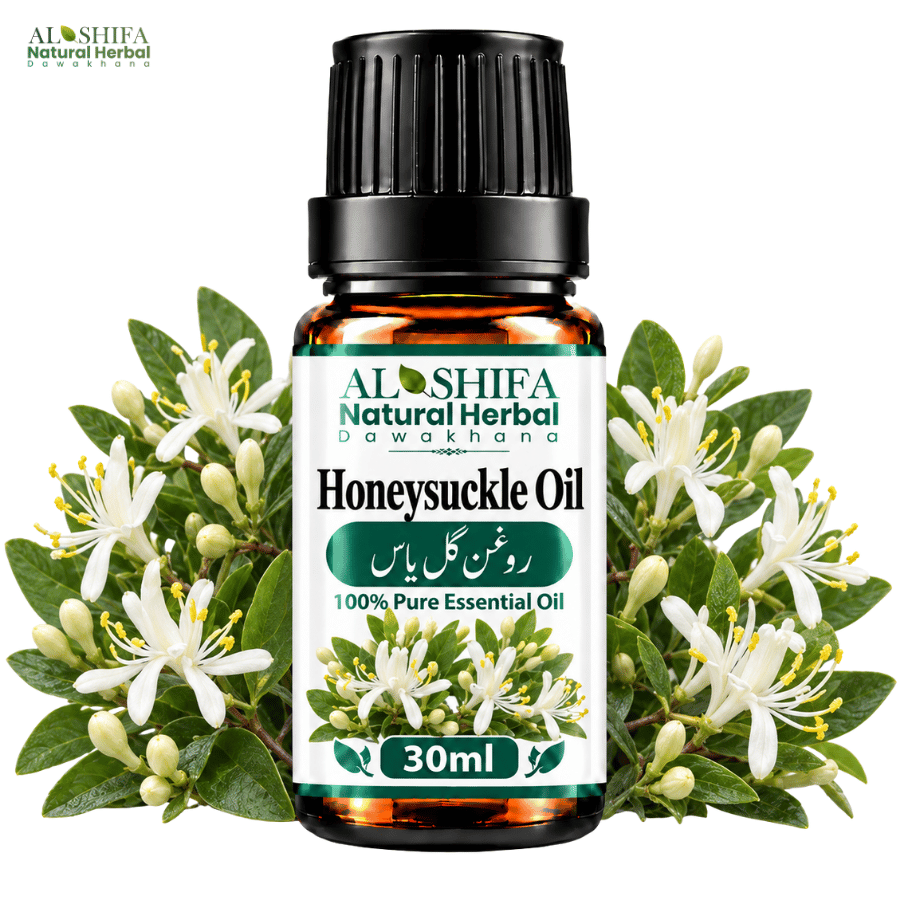
Honeysuckle Essential Oil / Roghan Honeysuckle / Honeysuckle Oil is a concentrated floral aromatic oil associated with the fragrant flowers of Lonicera japonica. Its sweet, nectar-like, floral, fresh, green and softly jasmine-like aroma makes it ideal for perfumery, attars, aromatic blends, body care, hair products, soaps and cosmetics.
Al Shifa Honeysuckle Oil is carefully selected for botanical identity, characteristic floral aroma, freshness, quality and clean handling.
Key Features:
Usage: Use at a suitable concentration in perfumes, attars and compatible cosmetic formulations. Dilute appropriately with a suitable carrier oil before topical use.
Important Note: Honeysuckle Oil should not be confused with Jasmine Oil, Honeysuckle Absolute, Honeysuckle Fragrance Oil or Honeysuckle-infused carrier oil.
Honeysuckle Essential Oil / Roghan Honeysuckle / Honeysuckle Oil – ہنئ سکل آئل / روغن گل یاس is a highly fragrant floral aromatic oil associated with the flowers of Lonicera japonica Thunb., commonly known as Japanese Honeysuckle. The plant belongs to the Caprifoliaceae family and is valued for its intensely sweet and distinctive flowers.
Honeysuckle flowers have a beautiful sweet, nectar-like, floral, fresh, green and softly jasmine-like aroma. Their rich fragrance makes Honeysuckle aromatic oil particularly attractive for fine perfumery, attars, floral fragrance blends, body-care products, hair products, soaps and cosmetics.
Scientific studies have successfully obtained and analysed volatile essential-oil fractions from both fresh and dried Lonicera japonica flowers, including studies using steam distillation and hydrodistillation. However, commercial products sold as “Honeysuckle Oil” can also include Honeysuckle Absolute, flower extract, infused oil or fragrance oil, so the exact extraction method of an individual commercial product should always be identified before classifying it.
At Al Shifa Natural Herbal Dawakhana, Honeysuckle Oil is selected with attention to its characteristic floral aroma, quality, freshness, clean handling and suitability for compatible aromatic and cosmetic applications.
Honeysuckle Essential Oil is a concentrated aromatic oil associated with the fragrant flowers of Lonicera japonica.
Published research confirms that volatile oil fractions can be obtained from Lonicera japonica flowers and analysed by GC-MS. The exact chemical profile can differ according to the plant material, geographical origin, harvest time and extraction method.
It is commonly known as:
Product Name: Honeysuckle Essential Oil / Roghan Honeysuckle / Honeysuckle Oil – ہنئ سکل آئل / روغن گل یاس
English Name: Honeysuckle Essential Oil / Honeysuckle Oil / Japanese Honeysuckle Oil
Urdu Name: ہنئ سکل آئل / روغن گل یاس
Roman Name: Roghan Honeysuckle / Honeysuckle Oil
Scientific Name: Lonicera japonica Thunb.
Plant Family: Caprifoliaceae
Plant Part: Fragrant Flowers
Plant Type: Fragrant Flowering Vine
Oil Type: Concentrated Floral Aromatic Oil / Volatile Flower Oil
Common Names: Honeysuckle / Japanese Honeysuckle / Golden-and-Silver Honeysuckle
Aroma: Sweet, Nectar-Like, Floral, Fresh, Green & Softly Jasmine-Like
Primary Applications: Perfumery, Attars, Aromatic Blends, Body Care, Hair Products, Soaps & Cosmetics
Product Type: Concentrated Botanical Aromatic Oil
Lonicera japonica is a vigorous flowering vine known particularly for its highly fragrant flowers.
The plant produces flowers that commonly change from white to cream or yellow as they mature. Their powerful sweet fragrance is one of the plant’s most distinctive characteristics.
The plant is recognised for:
Honeysuckle flowers are the primary aromatic part associated with Honeysuckle floral oil.
Their fragrance can be described as:
Research into living Lonicera japonica flowers found that their scent changes during the day and that the strongest odour emission occurred around the middle of the night.
The fragrance of Honeysuckle is chemically complex.
A detailed analysis of Honeysuckle flower concrete identified approximately 150 volatile compounds, including hydrocarbons, alcohols, aldehydes, ketones and esters. Important fragrance contributors included linalool, jasmone, jasmine lactone and methyl jasmonate-related compounds.
This complex composition helps explain the flower’s distinctive combination of sweet, green, floral and jasmine-like aromatic notes.
Published scientific research has described volatile oil obtained from Lonicera japonica flowers.
One study analysed essential oil from Honeysuckle flowers by GC-MS and identified dozens of constituents. Another study specifically extracted essential oils from ten batches of Lonicera japonica flowers through steam distillation for chromatographic comparison.
Hydrodistillation has also been used scientifically to obtain essential oils from the flowers, leaves and stems of Lonicera japonica.
However, commercial Honeysuckle fragrance materials are also frequently produced through other extraction methods.
Therefore, commercially available products may include:
These materials should not automatically be treated as chemically identical.
Honeysuckle Absolute is a concentrated aromatic material generally produced through solvent extraction of the fragrant flowers.
It is particularly valued in perfumery because solvent extraction can capture many delicate floral aroma compounds.
Therefore:
Honeysuckle Absolute ≠ Steam-Distilled Honeysuckle Oil
Their production methods and chemical profiles can differ.
Research has identified numerous volatile compounds in Lonicera japonica flower oil and floral extracts.
Reported constituents include:
One hydrodistillation study found (Z,Z)-farnesol and linalool among the main constituents of its flower-oil fraction.
The exact chemical composition varies substantially according to plant origin, flower condition, harvest stage and extraction method.
Linalool is one of the important naturally occurring floral compounds repeatedly reported in Lonicera japonica flowers and essential-oil fractions.
It contributes:
However:
Linalool ≠ Honeysuckle Essential Oil
The complete aroma results from many compounds acting together.
Honeysuckle’s aroma can sometimes resemble Jasmine.
Research has identified jasmone, jasmine lactone and methyl jasmonate-related compounds among important contributors to the volatile profile of Honeysuckle flowers.
This helps explain its rich and softly jasmine-like floral character.
However:
Honeysuckle ≠ Jasmine
The two plants are botanically different.
Honeysuckle’s rich floral aroma makes it especially suitable for fragrance compositions.
It can contribute:
Potential applications include:
Roghan Honeysuckle can be incorporated into compatible traditional and modern aromatic compositions.
Its fragrance can complement:
The correct concentration depends on the strength and exact type of Honeysuckle aromatic material.
Honeysuckle’s sweet floral aroma makes it attractive for compatible aromatic applications.
Potential uses include:
Its pleasant fragrance should not be interpreted as evidence of medical treatment.
When the individual product is approved for topical cosmetic use and appropriately diluted, Honeysuckle Oil may be incorporated into aromatic massage formulations.
Suitable carrier oils can include:
Appropriate dilution depends on the concentration and composition of the individual product.
When appropriately formulated, cosmetic-grade Honeysuckle Oil may be incorporated into:
Its primary role in these products is generally aromatic and cosmetic.
It should not be promoted as a proven treatment for acne, eczema, pigmentation, infections or other skin diseases.
Honeysuckle aromatic oil may be incorporated into compatible hair-care formulations for its floral fragrance.
Potential applications include:
It should not be presented as a proven treatment for hair loss or scalp diseases.
When appropriately diluted and suitable for topical use, Honeysuckle Oil may be incorporated into compatible scalp formulations.
For scalp use:
The sweet floral fragrance of Honeysuckle makes it attractive for fragranced soaps.
Potential applications include:
The concentration should be selected according to the complete formulation and applicable fragrance-safety requirements.
Depending on its exact specification, Honeysuckle aromatic oil may be incorporated into compatible:
Honeysuckle and Jasmine may share some aromatic similarities, but they are botanically different.
Honeysuckle: Lonicera japonica – Family Caprifoliaceae
True Jasmine: Jasminum species – Family Oleaceae
Therefore:
Honeysuckle Oil ≠ Jasmine Oil
This distinction is particularly important because the Urdu trade name روغن گل یاس may also be interpreted as referring to Jasmine in some markets.
For precise botanical identification, Lonicera japonica should therefore appear on the product specification when the product is intended to represent Honeysuckle.
Honeysuckle Oil is a broad commercial term that may refer to different aromatic preparations.
Honeysuckle Absolute specifically refers to concentrated solvent-extracted floral material.
Therefore:
Honeysuckle Oil ≠ Automatically Honeysuckle Absolute
The supplier specification should identify the exact material.
Honeysuckle Fragrance Oil may be formulated to imitate the fragrance of natural Honeysuckle flowers.
It can contain:
Therefore:
Honeysuckle Botanical Oil ≠ Honeysuckle Fragrance Oil
A fragrance oil should not be represented as pure botanical Honeysuckle oil.
Honeysuckle-infused oil is generally produced by combining botanical material with a fixed carrier oil.
It is fundamentally different from a concentrated volatile flower oil or absolute.
Therefore:
Honeysuckle Volatile Oil ≠ Honeysuckle-Infused Carrier Oil
Lonicera japonica has been extensively studied scientifically.
Research includes:
A comprehensive review confirms that essential-oil composition differs according to habitat, harvest time, plant part, processing and extraction method.
Research involving Honeysuckle requires careful interpretation.
Flower Extract Research ≠ Evidence for the Same Effect from Essential Oil
Leaf Extract Research ≠ Evidence for the Same Effect from Flower Oil
Individual Compound Research ≠ Evidence for the Same Effect from the Complete Oil
Laboratory Research ≠ Proven Clinical Treatment
Traditional Plant Use ≠ Proven Medical Effect of Honeysuckle Essential Oil
Correct identification is especially important for Honeysuckle aromatic products.
Concentrated Honeysuckle aromatic oil should be used carefully.
For topical applications:
Possible sensitivity can include:
Reliable clinical safety information for concentrated Honeysuckle flower aromatic preparations during pregnancy and breastfeeding is limited.
During pregnancy and breastfeeding:
Concentrated aromatic oils require additional caution around children.
Honeysuckle Essential Oil should not automatically be considered suitable for oral consumption.
Unless the individual product is specifically manufactured, tested and labelled for appropriate food use:
Cosmetic Grade ≠ Food Grade
At Al Shifa Natural Herbal Dawakhana, Honeysuckle Oil is selected with attention to:
Botanical Identity – Lonicera japonica.
Floral Source – Associated with fragrant Honeysuckle flowers.
Characteristic Aroma – Sweet, nectar-like, floral and fresh.
Perfumery Applications – Suitable for compatible floral fragrance compositions.
Attar Applications – Suitable for compatible aromatic blends.
Body-Care Applications – Suitable when appropriately formulated.
Hair Applications – Suitable for compatible fragranced hair products.
Soap & Cosmetic Applications – Suitable for compatible formulations.
Responsible Information – Extract research is not presented as proof of essential-oil treatment.
Clean Handling – Carefully handled during packing.
Protective Packaging – Helps preserve the aromatic character from unnecessary heat, light and air exposure.
Al Shifa Natural Herbal Dawakhana, established in 1999, supplies carefully selected essential oils, herbal oils and botanical aromatic products throughout Pakistan.
Our focus for Honeysuckle Oil includes:
For Perfumery: Use at a suitable concentration in compatible floral, sweet and botanical fragrance compositions.
For Attars: Blend carefully with compatible floral, woody and complementary aromatic materials.
For Aromatic Blends: Use according to the desired fragrance strength and complete formulation.
For Massage: If suitable for topical use, dilute appropriately in a carrier oil before application.
For Skin & Body Care: Incorporate at an appropriate concentration into compatible cosmetic formulations.
For Hair Care: Use at a suitable concentration in compatible hair oils, serums and fragranced hair products.
For Soap & Cosmetics: Use according to the complete formulation and applicable fragrance-safety guidance.
Honeysuckle Essential Oil / Roghan Honeysuckle / Honeysuckle Oil – ہنئ سکل آئل / روغن گل یاس is a concentrated floral aromatic product associated with Lonicera japonica flowers.
Scientific literature documents volatile oils obtained from Lonicera japonica flowers, including steam-distilled and hydrodistilled samples. However, the commercial name Honeysuckle Oil is not sufficiently specific by itself because products may also be absolutes, extracts, infusions or fragrance oils. The individual supplier specification should therefore be checked when an exact extraction claim is required.
It should not be confused with Jasmine Oil, Honeysuckle Absolute, Honeysuckle Fragrance Oil or Honeysuckle-infused carrier oil.
For best quality:
Honeysuckle Essential Oil / Roghan Honeysuckle / Honeysuckle Oil – ہنئ سکل آئل / روغن گل یاس is a distinctive floral aromatic oil associated with the fragrant flowers of Lonicera japonica. Its sweet, nectar-like, floral, fresh, green and softly jasmine-like aroma makes it particularly suitable for perfumery, attars, aromatic blends, body care, hair products, soaps and cosmetics.
Customers searching for Honeysuckle Essential Oil, Honeysuckle Oil, Japanese Honeysuckle Oil, Honeysuckle Flower Oil, Lonicera japonica Oil, Roghan Honeysuckle, Honeysuckle Oil for Perfume, Honeysuckle Oil for Attar, Honeysuckle Oil for Aromatherapy, Honeysuckle Oil for Massage, Honeysuckle Oil for Skin, Honeysuckle Oil for Hair, Honeysuckle Oil for Soap, Honeysuckle Oil for Cosmetics, Honeysuckle Essential Oil Pakistan, Honeysuckle Oil Pakistan, Honeysuckle Oil Lahore, Honeysuckle Oil price in Pakistan or buy Honeysuckle Oil online Pakistan can choose Al Shifa Natural Herbal Dawakhana for carefully selected quality.
Since 1999, Al Shifa Natural Herbal Dawakhana has focused on supplying herbal and aromatic oils with attention to botanical identity, quality, freshness, clean handling, responsible product information, protective packaging and proper storage.
Product Name: Honeysuckle Essential Oil / Roghan Honeysuckle / Honeysuckle Oil – ہنئ سکل آئل / روغن گل یاس
English Name: Honeysuckle Essential Oil / Honeysuckle Oil / Japanese Honeysuckle Oil
Urdu Name: ہنئ سکل آئل / روغن گل یاس
Roman Name: Roghan Honeysuckle / Honeysuckle Oil
Scientific Name: Lonicera japonica Thunb.
Plant Family: Caprifoliaceae
Plant Part: Fragrant Flowers
Oil Type: Concentrated Floral Aromatic Oil / Volatile Flower Oil
Common Names: Honeysuckle / Japanese Honeysuckle / Golden-and-Silver Honeysuckle
Aroma: Sweet, Nectar-Like, Floral, Fresh, Green & Softly Jasmine-Like
Primary Applications: Perfumery, Attars, Aromatic Blends, Body Care, Hair Products, Soaps & Cosmetics
Product Type: Concentrated Botanical Aromatic Oil
Important Note: Lonicera japonica flower volatile oils have been produced and analysed in scientific research, but commercial “Honeysuckle Oil” can refer to several different preparations. Confirm the supplier’s extraction method and specification before describing an individual product specifically as steam-distilled essential oil, absolute, infused oil or fragrance oil.
روغن گل یاس ایک خوشبودار روغن ہے جو ہنی سکل کے نہایت خوشبودار پھولوں سے تیار کیا جاتا ہے۔ ہنی سکل ایک بیل یا جھاڑی نما پودا ہے جس کے پھول سفید، کریمی، زرد، گلابی یا سرخی مائل رنگوں میں پائے جاتے ہیں۔ اس کے پھول اپنی میٹھی، نرم اور شہد جیسی خوشبو کی وجہ سے بہت مشہور ہیں۔
ہنی سکل کی بہت سی قسمیں پائی جاتی ہیں۔ خوشبو اور روغن کے لیے استعمال ہونے والی قسم کا سائنسی نام دیکھنا ضروری ہے۔ خوشبودار ہنی سکل میں لونیسیرا جاپونیکا اور دوسری لونیسیرا اقسام شامل ہیں۔
ہنی سکل کے پھولوں سے خالص بھاپ والا روغن عام روغنوں کی طرح بڑی مقدار میں حاصل نہیں ہوتا۔ بازار میں ہنی سکل آئل کے نام سے پھولوں کا خوشبودار جوہر، بنیادی روغن میں پھولوں سے تیار روغن اور مصنوعی خوشبو والا تیل بھی ملتا ہے۔ اسی لیے خریدتے وقت روغن کی اصل قسم دیکھنا ضروری ہے۔
اردو: ہنی سکل، روغن ہنی سکل، روغن گل یاس
پاکستان میں عام نام: ہنی سکل، روغن ہنی سکل، گل یاس
پنجابی: ہنی سکل، گل یاس
ہندی: ہنی سکل، مدھومالتی
فارسی: پیچ امین الدولہ
عربی: زهر العسل
انگریزی نام: ہنی سکل، ہنی سکل آئل
سائنسی نام: لونیسیرا جاپونیکا
خاندان: کیپری فولی ایسی
خوشبودار روغن کے لیے اہم حصہ: پھول
پودے کی قسم: خوشبودار بیل یا جھاڑی
ہنی سکل لونیسیرا نسل سے تعلق رکھنے والا خوشبودار پودا ہے۔
اس کی بہت سی اقسام بیل کی صورت میں بڑھتی ہیں جبکہ کچھ اقسام جھاڑی نما ہوتی ہیں۔
اس کے پتے سبز اور عموما ایک دوسرے کے سامنے نکلتے ہیں۔
پھول نلی نما ہوتے ہیں اور ان کی شکل لمبی اور خوبصورت ہوتی ہے۔
پھول سفید، کریمی، زرد، گلابی یا سرخی مائل رنگت رکھتے ہیں۔
لونیسیرا جاپونیکا کے پھول شروع میں سفید ہوتے ہیں اور بعد میں زرد مائل ہو جاتے ہیں۔
اس پودے کی سب سے نمایاں خوبی اس کے پھولوں کی میٹھی اور شہد جیسی خوشبو ہے۔
ہنی سکل کی اہم پہچان:
ہے۔
پودے کی درست قسم جاننے کے لیے پھول، پتے اور سائنسی نام دیکھنا اہم ہے۔
اچھے ہنی سکل کے پھول:
تازہ اور خوشبودار پھول خوشبو حاصل کرنے کے لیے زیادہ اہم ہوتے ہیں۔
خوشبودار روغن اور پھولوں کے جوہر کے لیے ہنی سکل کے پھول اہم حصہ ہیں۔
لونیسیرا جاپونیکا کے پھول اور کلیاں مشرقی جڑی بوٹیوں کے استعمال میں بھی اپنی جگہ رکھتے ہیں۔
پھولوں کے طبی استعمال اور خوشبو کے لیے تیار روغن کو ایک ہی شکل نہیں سمجھا جاتا۔
ہنی سکل کے پھول نازک ہوتے ہیں اور ان کی قدرتی خوشبو کو محفوظ رکھنا آسان نہیں ہوتا۔
پھولوں سے خوشبودار جوہر حاصل کیا جاتا ہے یا پھولوں کو بنیادی روغن میں رکھ کر خوشبودار روغن تیار کیا جاتا ہے۔
خوشبو سازی میں ہنی سکل کی خوشبو سے تیار تیل بھی استعمال کیا جاتا ہے۔
ہر ہنی سکل آئل کو بھاپ سے حاصل خالص خوشبودار روغن نہیں سمجھا جاتا۔
خریدتے وقت یہ دیکھیں کہ روغن پھولوں کا قدرتی جوہر ہے، پھولوں سے بنیادی روغن میں تیار کیا گیا ہے یا خوشبو والا تیل ہے۔
ہنی سکل کے پھولوں کی خوشبو اس کی سب سے نمایاں پہچان ہے۔
اس کی مہک:
ہوتی ہے۔
اس کی میٹھی پھولوں جیسی خوشبو عطر اور خوشبو سازی میں خاص طور پر پسند کی جاتی ہے۔
قدرتی پھولوں کے جوہر کی رنگت بنانے کے طریقے کے مطابق ہلکی زرد سے سنہری یا قدرے گہری رہتی ہے۔
اگر ہنی سکل کے پھول کسی بنیادی روغن میں رکھ کر روغن تیار کیا گیا ہو تو اس کی رنگت بنیادی روغن کے مطابق بھی رہتی ہے۔
بہت شوخ مصنوعی رنگ اصل پھولوں کے روغن کی قدرتی پہچان نہیں ہے۔
ہنی سکل کی لونیسیرا اقسام پاکستان اور برصغیر کی قدیم معروف حکیمی جڑی بوٹیوں میں عام طور پر شامل نہیں رہیں۔
پاکستانی اور برصغیر کی معروف حکیمی کتب مفردات میں لونیسیرا جاپونیکا کے پھولوں یا اس کے جدید خوشبودار روغن کا الگ مستند حکیمی مزاج اور درجہ واضح طور پر مقرر نہیں ہے۔
اس لیے روغن گل یاس کے لیے خود سے گرم، سرد، تر یا خشک مزاج اور اس کا درجہ مقرر نہیں کیا جاتا۔
کسی بیماری کے لیے اندرونی طبی استعمال معالج سے پوچھ کر کریں۔
ہنی سکل کے خوشبودار پھول خوشبو سازی میں خاص اہمیت رکھتے ہیں۔
لونیسیرا جاپونیکا کے پھول اور کلیاں مشرقی جڑی بوٹیوں کے استعمال میں بھی استعمال کیے جاتے ہیں۔
خوشبودار روغن کو زیادہ تر:
کے لیے استعمال کیا جاتا ہے۔
ہنی سکل کے پھولوں میں کئی قدرتی اجزا پائے جاتے ہیں۔
ان میں:
شامل ہیں۔
پھولوں میں پائے جانے والے تمام اجزا خوشبودار روغن یا جوہر میں ایک جیسی مقدار میں موجود نہیں ہوتے۔
اسی لیے پھولوں اور خوشبودار روغن کا استعمال الگ رکھا جاتا ہے۔
روغن گل یاس کو جلد کے خوشبودار روغنی آمیزوں میں استعمال کیا جاتا ہے۔
اگر یہ خالص پھولوں کا خوشبودار جوہر ہو تو اسے روغن جوجوبا، روغن بادام یا دوسرے بنیادی روغن کے ساتھ کم مقدار میں ملایا جاتا ہے۔
پہلی بار استعمال سے پہلے جلد کے چھوٹے حصے پر تھوڑی مقدار آزمائیں۔
خشک جلد کے روغنی آمیزوں میں روغن گل یاس کو بنیادی روغن کے ساتھ شامل کیا جاتا ہے۔
اسے روغن بادام، روغن جوجوبا، روغن ناریل یا روغن زیتون کے ساتھ ملایا جاتا ہے۔
اس کی پھولوں اور شہد جیسی خوشبو جسمانی روغن کو خوشبودار بناتی ہے۔
روغن گل یاس کو خوشبودار جسمانی مالش کے روغنوں میں استعمال کیا جاتا ہے۔
اسے روغن بادام، روغن جوجوبا، روغن تل یا روغن ناریل کے ساتھ ملایا جاتا ہے۔
تیار روغن سے کندھوں، بازوؤں، ہاتھوں، ٹانگوں اور پاؤں کی نرم مالش کی جاتی ہے۔
جسمانی تھکن کے بعد خوشبودار مالش کے لیے روغن گل یاس کو بنیادی روغن کے ساتھ استعمال کیا جاتا ہے۔
اس کی میٹھی اور پھولوں جیسی مہک مالش کے روغن کو خوشگوار خوشبو دیتی ہے۔
جسمانی کھنچاؤ والی جگہ کی نرم مالش کے لیے روغن گل یاس کو بنیادی روغن کے ساتھ ملایا جاتا ہے۔
کندھوں، بازوؤں، کمر، ٹانگوں اور پاؤں کی نرم مالش کی جاتی ہے۔
پٹھوں یا جوڑوں کے امراض میں طبی استعمال معالج سے پوچھ کر کریں۔
روغن گل یاس کو روغن بادام یا روغن جوجوبا کے ساتھ ملا کر ہاتھوں کی مالش میں استعمال کیا جاتا ہے۔
اس کی میٹھی پھولوں جیسی خوشبو ہاتھوں کے روغن کو خاص مہک دیتی ہے۔
روغن گل یاس کو روغن بادام، روغن تل یا روغن ناریل کے ساتھ ملا کر پاؤں کی مالش میں استعمال کیا جاتا ہے۔
روغن گل یاس کو بالوں کے خوشبودار روغنوں میں شامل کیا جاتا ہے۔
اسے روغن ناریل، روغن بادام یا روغن جوجوبا کے ساتھ ملایا جاتا ہے۔
اس کی میٹھی اور نرم خوشبو بالوں کے روغن کو خوشبودار بناتی ہے۔
روغن گل یاس کو بنیادی روغن میں ملا کر سر کی جلد کی روغنی دیکھ بھال میں استعمال کیا جاتا ہے۔
خالص خوشبودار جوہر کو براہ راست زیادہ مقدار میں سر کی جلد پر نہ لگائیں۔
سر کی جلد کے امراض میں طبی استعمال معالج سے پوچھ کر کریں۔
روغن گل یاس کو داڑھی کے خوشبودار روغنوں میں کم مقدار میں شامل کیا جاتا ہے۔
اسے روغن جوجوبا یا روغن آرگن کے ساتھ ملایا جاتا ہے۔
اس کی نرم اور میٹھی خوشبو داڑھی کے روغن کو پھولوں جیسی مہک دیتی ہے۔
ہنی سکل کی سب سے نمایاں خوبی اس کے پھولوں کی میٹھی اور شہد جیسی خوشبو ہے۔
اسی وجہ سے اس کی خوشبو عطر، جسمانی خوشبو اور دوسرے خوشبودار آمیزوں میں استعمال کی جاتی ہے۔
اسے پھولوں، لکڑی اور ترش پھلوں جیسی خوشبو رکھنے والے دوسرے روغنوں کے ساتھ ملایا جاتا ہے۔
روغن گل یاس کو:
کے ساتھ خوشبودار آمیزوں میں ملایا جاتا ہے۔
خوشبو پھیلانے کے لیے تیار ہنی سکل آئل کو خوشبو والے آلے میں استعمال کیا جاتا ہے۔
اس کی میٹھی، شہد اور پھولوں جیسی مہک ماحول کو خوشگوار خوشبو دیتی ہے۔
صرف وہ روغن خوشبو والے آلے میں استعمال کریں جس پر اس استعمال کی واضح ہدایت موجود ہو۔
ہنی سکل کے خوشبودار جوہر کو پہلے بنیادی روغن یا غسل کے لیے تیار بغیر خوشبو والے آمیزے میں کم مقدار میں ملایا جاتا ہے۔
اس کے بعد اسے غسل میں شامل کیا جاتا ہے۔
خالص خوشبودار جوہر کو براہ راست زیادہ مقدار میں پانی یا جلد پر نہ ڈالیں۔
ہنی سکل اور چنبیلی دونوں خوشبودار پھولوں والے پودے ہیں لیکن دونوں ایک نہیں ہیں۔
ہنی سکل لونیسیرا نسل سے تعلق رکھتا ہے۔
چنبیلی جیسمینم نسل سے تعلق رکھتی ہے۔
ہنی سکل کے پھول زیادہ تر لمبے اور نلی نما ہوتے ہیں جبکہ چنبیلی کے پھولوں کی ساخت الگ ہوتی ہے۔
دونوں کی خوشبو بھی اپنی الگ پہچان رکھتی ہے۔
بازار میں ہنی سکل کے لیے روغن گل یاس کا نام بھی استعمال کیا جاتا ہے، لیکن گل یاس کا نام مختلف خوشبودار پھولوں کے لیے بھی استعمال ہو سکتا ہے۔
اس لیے صرف روغن گل یاس نام دیکھ کر پودے کی قسم طے نہ کریں۔
اگر مطلوبہ روغن ہنی سکل کا ہے تو پودے کا نام لونیسیرا اور سائنسی نام بھی دیکھیں۔
ہنی سکل کے لیے مدھومالتی نام بھی استعمال کیا جاتا ہے، لیکن برصغیر میں مدھومالتی نام دوسری خوشبودار بیلوں کے لیے بھی بولا جاتا ہے۔
اسی لیے صرف مدھومالتی نام کی بنیاد پر پودے کی قسم طے نہ کریں۔
اصل ہنی سکل کی پہچان کے لیے لونیسیرا کا نام دیکھیں۔
ہنی سکل کے اصل پھول پودے کا حصہ ہیں۔
پھولوں سے حاصل خوشبودار جوہر الگ شکل ہے۔
پھولوں کو بنیادی روغن میں رکھ کر تیار کیا گیا روغن بھی الگ شکل ہے۔
ان تینوں کی مقدار اور استعمال ایک جیسا نہیں رکھا جاتا۔
اگر روغن گل یاس خالص پھولوں کا خوشبودار جوہر ہے تو یہ بنیادی روغن نہیں ہے۔
روغن بادام، روغن جوجوبا، روغن ناریل، روغن تل اور روغن زیتون بنیادی روغن ہیں۔
جلد اور جسمانی مالش کے لیے خالص خوشبودار جوہر کو بنیادی روغن میں کم مقدار میں شامل کیا جاتا ہے۔
قدرتی ہنی سکل کی خوشبو اصل پھولوں سے حاصل کی جاتی ہے۔
بازار میں ہنی سکل جیسی خوشبو رکھنے والا مصنوعی خوشبودار تیل بھی ملتا ہے۔
صرف ہنی سکل جیسی میٹھی خوشبو رکھنے والا تیل اصل پھولوں کا جوہر نہیں ہوتا۔
خریدتے وقت پودے کا نام، استعمال ہونے والا حصہ اور روغن تیار کرنے کا طریقہ دیکھیں۔
اگر روغن گل یاس پہلے سے بنیادی روغن میں تیار ہو تو دی گئی ہدایت کے مطابق استعمال کریں۔
اگر خالص خوشبودار جوہر ہو تو اسے بنیادی روغن میں کم مقدار میں ملائیں۔
تیار آمیزہ جلد پر تھوڑی مقدار میں لگائیں۔
پہلی بار استعمال سے پہلے جلد کے چھوٹے حصے پر آزمائیں۔
خارش، سرخی، سوجن یا جلن پیدا ہو تو استعمال بند کریں۔
روغن بادام، روغن جوجوبا، روغن ناریل یا روغن تل میں ہنی سکل کے خوشبودار جوہر کی کم مقدار شامل کریں۔
تیار روغن سے کندھوں، بازوؤں، ہاتھوں، کمر، ٹانگوں اور پاؤں کی نرم مالش کریں۔
حساس جلد پر خالص روغن گل یاس براہ راست نہ لگائیں۔
اسے بنیادی روغن میں کم مقدار میں ملا کر پہلے جلد کے چھوٹے حصے پر آزمائیں۔
خارش، سرخی، سوجن یا جلن پیدا ہو تو استعمال بند کریں۔
جلدی امراض میں طبی استعمال معالج سے پوچھ کر کریں۔
روغن گل یاس کو آنکھوں، ہونٹوں، منہ، ناک کے اندرونی حصے اور جسم کے حساس حصوں پر نہ لگائیں۔
کھلے زخم، کٹی یا جلی ہوئی جلد پر استعمال نہ کریں۔
استعمال کے بعد ہاتھ اچھی طرح دھوئیں۔
ہنی سکل کی مختلف اقسام میں پھل اور بیج بھی بنتے ہیں۔
تمام اقسام کے پھل کھانے کے قابل نہیں ہوتے۔
کچھ ہنی سکل اقسام کے پھل انسان کے لیے نقصان دہ ثابت ہوتے ہیں۔
اس لیے نامعلوم ہنی سکل کے پھل یا بیج خود سے نہ کھائیں۔
خوشبو، جلد یا جسمانی مالش کے لیے فروخت ہونے والا روغن گل یاس خود سے نہ پئیں۔
ہنی سکل کی مختلف اقسام کی اندرونی خصوصیات ایک جیسی نہیں ہوتیں۔
کسی بیماری کے لیے اندرونی طبی استعمال معالج سے پوچھ کر کریں۔
حمل کے دوران روغن گل یاس کا اندرونی استعمال خود سے نہ کریں۔
بیرونی استعمال میں خالص خوشبودار جوہر کو بنیادی روغن کے ساتھ کم مقدار میں استعمال کریں۔
کسی بیماری کے لیے طبی استعمال معالج سے پوچھ کر کریں۔
دودھ پلانے کے دوران روغن گل یاس کو چھاتی یا ایسی جگہ نہ لگائیں جہاں سے بچے کے منہ تک پہنچے۔
اندرونی طبی استعمال معالج سے پوچھ کر کریں۔
بچوں کو بیرونی استعمال والا روغن گل یاس خود سے نہ پلائیں۔
خالص خوشبودار جوہر بچوں کی جلد پر براہ راست استعمال نہ کریں۔
آنکھوں، منہ اور ناک کے قریب نہ لگائیں۔
روغن بچوں کی پہنچ سے دور رکھیں۔
اصل ہنی سکل: لونیسیرا نسل کے اصل خوشبودار پھولوں سے تیار کیا گیا ہو۔
اچھے پھول: صاف، تازہ اور اپنی قدرتی خوشبو رکھنے والے پھول استعمال کیے گئے ہوں۔
قدرتی خوشبو: میٹھی، شہد، نرم اور پھولوں جیسی مہک رکھتا ہو۔
قدرتی رنگت: روغن یا جوہر بنانے کے طریقے کے مطابق قدرتی ہلکی زرد سے سنہری رنگت رکھتا ہو۔
صاف روغن: پانی، گرد اور غیر ضروری ذرات سے پاک ہو۔
تازگی: باسی یا خراب بو نہ رکھتا ہو۔
واضح پہچان: لونیسیرا کی قسم اور روغن بنانے کے طریقے کی معلومات واضح ہوں۔
غیر ضروری ملاوٹ سے پاک: غیر ضروری رنگ اور کم معیار کے دوسرے روغن کی ملاوٹ سے پاک ہو۔
روغن گل یاس ہنی سکل یعنی لونیسیرا کے خوشبودار پھولوں سے منسوب خوشبودار روغن ہے۔
ہنی سکل کی بہت سی اقسام ہیں، اس لیے اصل پودے کی درست پہچان کے لیے سائنسی نام دیکھنا اہم ہے۔
قدرتی ہنی سکل آئل زیادہ تر پھولوں کے خوشبودار جوہر یا بنیادی روغن میں پھولوں سے تیار شکل میں ملتا ہے۔ ہر ہنی سکل آئل بھاپ سے حاصل خالص روغن نہیں ہوتا۔
اسے جلد کی روغنی دیکھ بھال، جسمانی مالش، بالوں، سر کی جلد، داڑھی، عطر، خوشبو سازی، غسل اور ماحول کو خوشبودار بنانے کے لیے استعمال کیا جاتا ہے۔
ہنی سکل کی تمام اقسام کے پھل کھانے کے قابل نہیں ہوتے، اس لیے نامعلوم پھل اور بیج خود سے نہ کھائیں۔
بیرونی استعمال کے لیے فروخت ہونے والا روغن خود سے نہ پئیں۔
الشفاء نیچرل ہربل دواخانہ میں روغن گل یاس کے لیے درج ذیل باتوں کو اہمیت دی جاتی ہے:
اصل ہنی سکل: لونیسیرا نسل کے اصل خوشبودار پھولوں کو اہمیت دی جاتی ہے۔
اچھے پھول: صاف، تازہ اور اچھی حالت والے خوشبودار پھولوں کو اہمیت دی جاتی ہے۔
قدرتی خوشبو: ہنی سکل کی اپنی میٹھی، شہد اور پھولوں جیسی مہک کو اہمیت دی جاتی ہے۔
قدرتی رنگت: روغن کی اپنی قدرتی رنگت کو دیکھا جاتا ہے۔
صاف روغن: پانی، گرد اور غیر ضروری ذرات سے پاک روغن کو اہمیت دی جاتی ہے۔
تازگی: باسی یا خراب بو والے روغن سے بچا جاتا ہے۔
واضح پہچان: ہنی سکل کی اصل قسم اور روغن بنانے کے طریقے کی واضح معلومات کو اہمیت دی جاتی ہے۔
غیر ضروری ملاوٹ سے پاک: غیر ضروری رنگ اور کم معیار کے دوسرے روغن کی ملاوٹ سے پاک ہونے کو اہمیت دی جاتی ہے۔
الشفاء نیچرل ہربل دواخانہ سنہ ۱۹۹۹ سے قدرتی جڑی بوٹیوں، پھولوں، پتوں، جڑوں، بیجوں اور ان سے حاصل ہونے والے روغنوں کی سپلائی کر رہا ہے۔
ہم روغن گل یاس میں اصل ہنی سکل کے پھول، صاف حالت، قدرتی خوشبو، قدرتی رنگت، تازگی اور غیر ضروری ملاوٹ سے پاک ہونے کو اہمیت دیتے ہیں۔
اچھے روغن گل یاس کی پہچان اس کی میٹھی، شہد اور پھولوں جیسی مہک، صاف حالت، قدرتی رنگت، تازگی اور اصل پودے کی واضح پہچان سے کی جاتی ہے۔
روغن گل یاس کو ٹھنڈی، خشک اور روشنی سے محفوظ جگہ پر کسی جار میں اچھی طرح پیک کر کے رکھیں۔
تیز دھوپ اور زیادہ گرمی سے بچائیں۔
استعمال کے بعد ڈھکن اچھی طرح بند کریں۔
پانی سے محفوظ رکھیں۔
باسی یا خراب بو پیدا ہونے پر استعمال نہ کریں۔
بچوں کی پہنچ سے دور رکھیں۔
روغن گل یاس خریدتے وقت لونیسیرا کی قسم، استعمال ہونے والا حصہ اور روغن بنانے کا طریقہ دیکھیں۔
صرف گل یاس نام کی بنیاد پر اسے چنبیلی کا روغن نہ سمجھیں۔
پہلی بار بیرونی استعمال سے پہلے جلد کے چھوٹے حصے پر تھوڑی مقدار آزمائیں۔
خارش، سرخی، سوجن یا جلن پیدا ہو تو استعمال بند کریں۔
آنکھوں، ہونٹوں، منہ، ناک کے اندرونی حصے اور کھلے زخموں پر نہ لگائیں۔
خالص خوشبودار جوہر جلد پر زیادہ مقدار میں استعمال نہ کریں۔
بیرونی استعمال کے لیے فروخت ہونے والا روغن خود سے نہ پئیں۔
کسی بیماری کے لیے اندرونی طبی استعمال معالج سے پوچھ کر کریں۔
روغن گل یاس ہنی سکل کے خوشبودار پھولوں سے منسوب خوشبودار روغن ہے۔ ہنی سکل لونیسیرا نسل سے تعلق رکھتا ہے اور اس کی بہت سی اقسام دنیا کے مختلف علاقوں میں پائی جاتی ہیں۔
اس کی نمایاں پہچان میٹھی، شہد جیسی، نرم اور پھولوں والی خوشبو ہے۔
ہنی سکل اور اصل چنبیلی الگ پودے ہیں۔ اگر روغن ہنی سکل کا ہو تو لونیسیرا کا نام دیکھنا اس کی درست پہچان کے لیے اہم ہے۔
پاکستانی اور برصغیر کی معروف حکیمی کتب مفردات میں لونیسیرا جاپونیکا یا اس کے جدید خوشبودار روغن کا الگ مستند حکیمی مزاج اور درجہ واضح طور پر مقرر نہیں ہے، اس لیے اس کے لیے خود سے مزاج مقرر نہیں کیا جاتا۔
روغن گل یاس کو جلد کی روغنی دیکھ بھال، جسمانی مالش، بالوں، سر کی جلد، داڑھی، عطر، خوشبو سازی، غسل اور ماحول کو خوشبودار بنانے کے لیے استعمال کیا جاتا ہے۔
اچھے روغن گل یاس کی پہچان اصل ہنی سکل کے پھول، قدرتی میٹھی خوشبو، صاف حالت، تازگی اور روغن کی واضح قسم سے کی جاتی ہے۔