
Kaju, Cashew Nut
Contact for Price
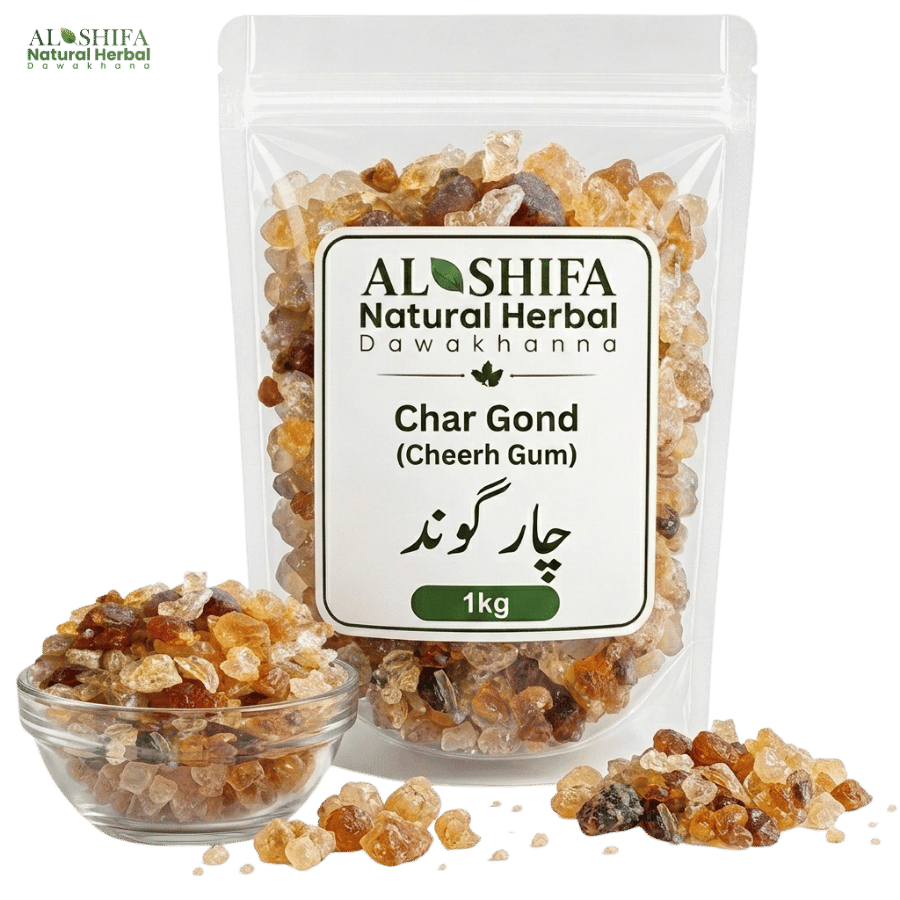
Char Gond, also known as Cheerh Gum or Chir Pine Gum, is a traditional natural resinous material associated with the Chir Pine (Pinus roxburghii). It has traditionally been used in selected external herbal preparations, resinous plasters, adhesive formulations, polishing, coatings and craft applications.
Al Shifa Char Gond is carefully selected with attention to its characteristic resinous appearance, cleanliness, natural quality and responsible storage.
Key Features:
Important Note: Char Gond is a pine-associated resinous material, not an ordinary edible gum. Its suitability depends on its identity, processing and grade. Pine-derived resins may also cause skin irritation or contact allergy in sensitive individuals.
Char Gond, also known in herbal trade as Cheerh Gum or Pine Gum, is a traditional natural resinous material associated with the Chir Pine tree. It is commonly known in Urdu herbal markets as چار گوند and has historically been used as a raw material in selected traditional preparations.
Chir Pine is botanically known as Pinus roxburghii, a pine species native to the Himalayan region. Resinous exudates obtained from pine trees have a long history of traditional and practical use, although their composition and suitability can vary considerably according to collection, processing and grade.
Char Gond should not automatically be treated as an ordinary edible plant gum. Pine-derived gums and resins differ from familiar edible gums such as Gond Katira and may be intended for different applications.
At Al Shifa Natural Herbal Dawakhana, Char Gond is carefully selected with attention to its traditional identity, characteristic resinous appearance, cleanliness, proper dryness and responsible storage.
Char Gond is a traditional resinous material associated with the Chir Pine tree.
Pine trees naturally produce sticky resinous secretions, particularly when the bark is damaged or tapped. After collection, these materials may harden or undergo different degrees of traditional processing before entering herbal or commercial trade.
Depending on source and processing, Char Gond may occur as:
Natural variation in colour, hardness, transparency and texture can occur.
English Name: Cheerh Gum / Chir Pine Gum
Urdu Name: چار گوند
Roman Name: Char Gond / Cheerh Gond / Chir Gond
Botanical Source: Pinus roxburghii Sarg.
Plant Family: Pinaceae
Source Material: Pine Resinous Exudate
Common Form: Dried Resinous Pieces / Fragments
Product Type: Traditional Natural Resinous Raw Material
The name Char Gond is primarily a traditional or commercial herbal-market name.
Natural gums and resins sold under regional names can sometimes vary according to supplier, locality and traditional practice.
For this reason, botanical source and material identity are more informative than the trade name alone.
When Char Gond is supplied as Chir Pine material, its botanical source is associated with Pinus roxburghii.
The word “Gond” is used for many natural plant exudates in South Asian markets, but these materials are not all the same.
Char Gond should be distinguished from:
These products come from different botanical sources and have different physical properties and traditional applications.
A product called “gond” should therefore not automatically be assumed to be suitable for eating.
Pine-derived materials can occur in several forms.
Natural Pine Oleoresin:
A fresh or semi-solid resinous secretion obtained from the tree.
Hardened Resinous Material:
Naturally dried or traditionally processed pine-derived material.
Turpentine:
A volatile fraction separated from pine oleoresin.
Rosin / Colophony:
The solid resinous material remaining after much of the volatile turpentine fraction has been removed.
These terms should not automatically be treated as interchangeable.
The exact nature of a Char Gond product depends on its source and processing.
Good-quality Char Gond should show the natural characteristics expected from properly collected and stored resinous material.
Common quality features may include:
Natural pieces may differ considerably in size, shape, colour and transparency.
Char Gond may naturally occur in different shades depending on source and processing.
Pieces may appear:
Some pieces may be more transparent, while others may appear cloudy or opaque.
Natural variation alone does not necessarily indicate poor quality.
Pine-derived resinous materials have historically been used in selected traditional preparations.
Traditional applications may include:
The exact application depends strongly on the grade, purity and processing of the material.
Char Gond has traditionally been valued primarily as a resinous raw material in selected external preparations.
Its sticky and resinous character can make it useful as a structural or binding ingredient in certain traditional formulations.
Historical external applications should not be interpreted as proof that Char Gond treats wounds, infections, joint disease or skin disorders.
Natural resins have historically been incorporated into traditional plasters and other external compound preparations.
Their physical properties can help provide:
These physical properties are different from proving a medical therapeutic effect.
Pine-derived resinous materials can irritate or sensitise the skin in some people.
Possible reactions may include:
A small-area patch test may be appropriate before using a suitable external-grade preparation more widely.
Stop use if significant irritation develops.
Pine-derived rosin, also known as colophony, is a recognized contact allergen.
Depending on the composition and processing of Char Gond, resin-related sensitivity may therefore be relevant.
People with a known allergy to:
should be particularly cautious.
Raw or unverified Char Gond should not be placed directly on:
Serious wounds, burns and infections require appropriate medical care.
Pine-derived resinous materials can soften, melt or produce fumes when heated.
Avoid:
Heating resin can produce irritating smoke and airborne substances.
Adequate ventilation is important when resinous materials are used for legitimate technical purposes involving heat.
Grinding or crushing dried resin can produce fine particles.
Avoid deliberately inhaling resin dust.
When handling larger quantities of finely powdered material, appropriate dust control and ventilation are sensible precautions.
Char Gond should not automatically be treated as an edible gum or everyday food ingredient.
Suitability for internal use depends on:
Industrial, craft or unknown-grade pine resin should not be consumed.
Medicinal internal use should only be considered when the identity and grade are appropriate and qualified professional guidance is available.
Natural pine-derived materials may be sold for very different purposes.
Possible grades can include:
A material suitable for one purpose is not automatically suitable for another.
In particular, technical or industrial material should never automatically be assumed suitable for medicinal, cosmetic or internal use.
Reliable safety information for medicinal internal use of Char Gond during pregnancy and breastfeeding is limited.
Pregnant and breastfeeding women should avoid self-prescribing pine-derived resinous materials internally.
External use should also be approached carefully if the individual has sensitive skin or a history of resin allergy.
Char Gond should not be routinely given internally to children without qualified professional guidance.
Resinous pieces should also be kept away from young children because they are not ordinary food and may present an accidental ingestion or choking risk.
Stop use and seek appropriate medical advice if exposure is followed by significant:
People with known resin or colophony allergy should avoid unnecessary exposure.
These herbal-market materials should not be confused.
Char Gond / Cheerh Gum:
A traditional pine-associated resinous material, commonly linked with Chir Pine.
Gond Katira:
A plant gum obtained from certain Astragalus species. It behaves differently in water and is used for different purposes.
Baroza / Gum Rosin:
A pine-derived solid rosin or colophony material, generally associated with the non-volatile resin fraction obtained after processing pine oleoresin.
Although Char Gond and Baroza may both be pine-derived, their trade identity and degree of processing should be confirmed rather than assumed to be identical.
Processing changes the physical characteristics of resinous materials.
Raw or Traditional Resinous Material:
May retain a broader range of naturally occurring pine-resin components.
Processed Rosin:
Usually represents a more specifically processed solid resin fraction.
Powdered Material:
Has greater surface area and may produce more airborne dust during handling.
Modified Industrial Rosins:
May undergo additional chemical or technical processing and should not be confused with traditional raw herbal material.
At Al Shifa Natural Herbal Dawakhana, Char Gond is selected with attention to:
Traditional Identity – Material consistent with its traditional pine-resinous character.
Natural Appearance – Characteristic resinous pieces and natural colour.
Cleanliness – Selected to reduce unnecessary foreign matter.
Proper Condition – Appropriately hardened or dried for storage.
No Visible Mould – Checked for obvious deterioration.
Responsible Storage – Protected from excessive heat, moisture and contamination.
Al Shifa Natural Herbal Dawakhana, established in 1999, supplies carefully selected traditional herbs, gums, resins and natural raw materials throughout Pakistan.
Our focus includes:
Char Gond has traditionally been used as a raw material in selected compound preparations and practical applications.
Depending on its grade and intended purpose, it may be used in:
The intended use should always match the identity, purity and grade of the material.
For medicinal use, professional guidance is recommended.
Char Gond is a pine-associated natural resinous raw material, not an ordinary edible gum.
Its traditional use should not be interpreted as proof that it can treat or cure:
Pine-derived resins can also cause skin irritation or contact allergy in sensitive individuals.
Correct identification and grade are particularly important because herbal, external-use, craft and industrial resinous materials are not automatically interchangeable.
Store Char Gond in a cool, dry and clean place in a tightly closed container.
For better storage:
Do not use material showing visible mould, unusual contamination or an abnormal spoiled smell.
Char Gond, also known as Cheerh Gum or Chir Pine Gum, is a traditional natural resinous material associated with the Chir Pine (Pinus roxburghii). It has historically been used in selected external herbal preparations, resinous plasters, adhesives, polishing, coatings and traditional craft applications.
Char Gond should be distinguished from ordinary edible gums, Gond Katira and processed Gum Rosin. Its suitability depends on its exact identity, processing and grade.
Customers searching for Char Gond Pakistan, Cheerh Gum Pakistan, Chir Pine Gum Pakistan, Pine Gum Pakistan, pure Char Gond, original Char Gond, Char Gond uses, Char Gond benefits, Char Gond Lahore, Char Gond price in Pakistan, Cheerh Gum price in Pakistan, buy Char Gond Pakistan or Char Gond online Pakistan can choose Al Shifa Natural Herbal Dawakhana for carefully selected traditional resinous material.
Since 1999, Al Shifa Natural Herbal Dawakhana has focused on supplying traditional herbs and natural raw materials with attention to identity, cleanliness, natural quality, proper storage and clear product information.
Product Name: Char Gond
English Name: Cheerh Gum / Chir Pine Gum
Urdu Name: چار گوند
Roman Name: Char Gond / Cheerh Gond / Chir Gond
Botanical Source: Pinus roxburghii Sarg.
Plant Family: Pinaceae
Source Material: Pine Resinous Exudate
Common Form: Dried Resinous Pieces / Fragments
Product Type: Traditional Natural Resinous Raw Material
Traditional Use: Selected external preparations, resinous plasters, adhesives, polishing, coatings and traditional craft applications
Important Note: Char Gond is a pine-associated resinous material rather than an ordinary edible gum. Botanical identity, processing and grade should be confirmed before use, and pine-derived resins may cause contact allergy in sensitive individuals.
چار گوند ایک قدرتی رال دار مادہ ہے جو چیڑ کے درخت سے حاصل ہوتا ہے۔ چیڑ ایک لمبا، سدا بہار صنوبر نما درخت ہے جو خصوصاً ہمالیائی علاقوں میں پایا جاتا ہے۔ اس کے تنے یا چھال سے نکلنے والا قدرتی رال دار مادہ جمع ہو کر گاڑھا اور بعد میں سخت ہو سکتا ہے۔
چار گوند کی خاص پہچان اس کی قدرتی زردی مائل، سنہری، بھوری سے گہری بھوری رنگت، رال دار ساخت اور چھوٹے بڑے سخت یا نیم سخت ٹکڑوں جیسی ظاہری حالت ہے۔ اس کی رنگت اور سختی خام رال، درخت، موسم، جمع کرنے کے وقت اور تیاری کے طریقے کے مطابق مختلف ہو سکتی ہے۔
چیڑ کے درخت کی رال کا استعمال طب یونانی، آیوروید اور مختلف روایتی طریقوں میں قدیم زمانے سے ہوتا آ رہا ہے۔ روایتی طور پر اسے خصوصاً بعض بیرونی استعمال کی تیاریوں، مرہموں، جلد سے متعلق بعض نسخوں اور دوسرے روایتی مرکبات میں شامل کیا جاتا رہا ہے۔
الشفاء نیچرل ہربل دواخانہ میں چار گوند منتخب کرتے وقت اس کی درست پہچان، قدرتی رنگت، رال دار ساخت، صفائی اور مناسب خشک حالت کو دیکھا جاتا ہے۔
چار گوند چیڑ کے درخت سے خارج ہونے والا قدرتی رال دار مادہ ہے۔
چیڑ کے درخت کے تنے یا چھال سے ایک گاڑھی اور چپچپی قدرتی رال نکل سکتی ہے۔ تازہ حالت میں اس رال میں روغنی اور اڑنے والے اجزاء بھی موجود ہوتے ہیں، جبکہ وقت گزرنے یا مختلف طریقوں سے تیار کیے جانے کے بعد یہ گاڑھی، نیم سخت یا سخت شکل اختیار کر سکتی ہے۔
چیڑ کی قدرتی رال میں بنیادی طور پر دو طرح کے حصے پائے جا سکتے ہیں:
اسی بنیادی رال سے مختلف طریقوں سے روغنِ تارپین اور روزن جیسے مواد بھی حاصل کیے جاتے ہیں۔
چار گوند کی رنگت مختلف ہو سکتی ہے، مثلاً:
اس کی رنگت، سختی اور ظاہری حالت درخت کی عمر، رال جمع کرنے کے وقت، موسم، خام مال اور تیاری کے طریقے کے مطابق مختلف ہو سکتی ہے۔
نام: چار گوند
دوسرا معروف نام: چیڑ گوند
ایک اور معروف نام: چیڑ کی گوند
عام نام: چیڑ کے درخت کی قدرتی رال
ماخذ: چیڑ کا درخت
خاندان: صنوبر خاندان
حاصل ہونے والا حصہ: تنے یا چھال سے خارج ہونے والی قدرتی رال
عام شکل: سخت یا نیم سخت رال دار چھوٹے بڑے ٹکڑے
عام رنگت: زردی مائل، سنہری، بھوری سے گہری بھوری
قسم: طب یونانی اور روایتی تیاریوں میں استعمال ہونے والا قدرتی رال دار مادہ
چار گوند کی درست پہچان ضروری ہے کیونکہ بازار میں مختلف درختوں سے حاصل ہونے والی گوند اور رال دستیاب ہوتی ہیں۔ ہر گوند کو چار گوند یا چیڑ گوند نہیں سمجھنا چاہیے۔
اچھی چار گوند میں اس کی قدرتی رنگت، رال دار ساخت اور صاف ظاہری حالت موجود رہتی ہے۔
اچھی چار گوند کی عام نشانیاں یہ ہو سکتی ہیں:
قدرتی رال ہونے کی وجہ سے مختلف کھیپوں کی رنگت اور سختی میں معمولی فرق ہو سکتا ہے۔
اگر چار گوند میں بہت زیادہ نمی، پھپھوندی، غیر معمولی گندگی یا خراب بو محسوس ہو تو اسے استعمال نہ کریں۔
تمام قدرتی گوند ایک جیسی نہیں ہوتیں۔
چار گوند:
یہ چیڑ کے درخت سے حاصل ہونے والا قدرتی رال دار مادہ ہے۔
عام نباتاتی گوند:
مختلف درختوں سے نکلنے والی پانی میں حل یا پھولنے والی گوندیں اپنی ساخت میں چیڑ کی رال سے مختلف ہو سکتی ہیں۔
اسی لیے چار گوند کو ہر قسم کی کھانے والی گوند کا متبادل نہیں سمجھنا چاہیے۔
چار گوند اور خشک بروزہ کا بنیادی ماخذ صنوبر یا چیڑ کی رال سے متعلق ہو سکتا ہے، لیکن ان کی تیاری اور حالت میں فرق ہو سکتا ہے۔
چار گوند / چیڑ کی رال:
درخت سے حاصل ہونے والا قدرتی رال دار مادہ ہے جس میں مختلف روغنی اور رال دار اجزاء موجود ہو سکتے ہیں۔
خشک بروزہ / روزن:
صنوبر یا چیڑ کی رال سے روغنِ تارپین اور دوسرے اڑنے والے اجزاء الگ کرنے کے بعد باقی رہنے والا زیادہ سخت اور غیر اڑنے والا رال دار حصہ ہوتا ہے۔
اس لیے خام چیڑ رال اور مکمل طور پر تیار شدہ خشک روزن کو بالکل ایک ہی چیز سمجھنا درست نہیں۔
چیڑ کے درخت اور اس سے حاصل ہونے والی رال کا ذکر طب یونانی، آیوروید اور مختلف روایتی طبی طریقوں میں ملتا ہے۔
روایتی طور پر چیڑ کی رال کو خصوصاً:
میں استعمال کیا جاتا رہا ہے۔ چیڑ کی رال کے جلد اور بیرونی استعمال سے متعلق روایتی استعمال طبی لٹریچر میں بھی درج ہیں۔
یہ استعمال طب یونانی اور دوسری روایتی طبی معلومات پر مبنی ہیں۔ انہیں کسی بیماری کا یقینی یا ثابت شدہ علاج نہیں سمجھنا چاہیے۔
چیڑ کی رال کا ذکر جلد سے متعلق بعض روایتی تیاریوں میں ملتا ہے۔
روایتی طور پر اسے بعض مرہموں اور بیرونی مرکبات میں شامل کیا جاتا رہا ہے۔
لیکن جلد کی ہر بیماری ایک جیسی نہیں ہوتی۔ خارش، سرخی، زخم، انفیکشن، پھپھوندی اور الرجی کی مختلف وجوہات ہو سکتی ہیں۔
اس لیے جلد کی مسلسل یا شدید بیماری میں صرف چار گوند پر انحصار نہیں کرنا چاہیے۔
چیڑ کی رال کو بعض علاقوں میں پھٹی ہوئی جلد، خصوصاً ایڑیوں سے متعلق بیرونی روایتی تیاریوں میں استعمال کیا جاتا رہا ہے۔ اس طرح کے استعمال کا ذکر چیڑ کی رال کے روایتی طبی استعمال سے متعلق تحقیقات میں بھی موجود ہے۔
لیکن اگر ایڑی یا جلد پر:
موجود ہو تو پہلے مناسب طبی معائنہ کروانا ضروری ہے۔
چار گوند بنیادی طور پر ایک قدرتی رال دار مادہ ہے۔
اس کی ساخت میں مختلف قدرتی رال دار اجزاء موجود ہوتے ہیں۔
عام درجہ حرارت اور خشک حالت میں یہ:
حالت میں ہو سکتی ہے۔
گرمی ملنے پر بعض رال دار حصے نرم یا زیادہ چپچپے ہو سکتے ہیں۔
اسی خاصیت کی وجہ سے چیڑ کی رال کو مختلف روایتی بیرونی تیاریوں میں استعمال کیا جاتا رہا ہے۔
چیڑ کی رال میں مختلف قدرتی نباتاتی اجزاء پائے جاتے ہیں۔
تحقیقی معلومات کے مطابق چیڑ اور اس کی رال میں مختلف مقدار میں:
موجود ہو سکتے ہیں۔ چیڑ کے مختلف حصوں میں الفا پائینین، ابیٹک ایسڈ اور دوسرے نباتاتی اجزاء کی موجودگی رپورٹ ہوئی ہے۔
قدرتی چیڑ رال میں روغنی حصہ عموماً مختلف مونوٹرپین اور دوسرے اڑنے والے اجزاء پر مشتمل ہو سکتا ہے، جبکہ سخت رال دار حصے میں ابیٹک اور پائمارک قسم کے رال دار تیزابی اجزاء نمایاں ہو سکتے ہیں۔
ان اجزاء کی مقدار پر کئی چیزیں اثر انداز ہوتی ہیں، مثلاً:
اسی لیے مختلف جگہوں سے حاصل ہونے والی چار گوند کی رنگت، ساخت اور قدرتی اجزاء بالکل ایک جیسے ہونا ضروری نہیں۔
چار گوند مکمل رال دار ٹکڑوں یا سفوف کی شکل میں دستیاب ہو سکتی ہے۔
مکمل چار گوند:
اس میں قدرتی رنگت، رال دار ساخت، صفائی اور ظاہری معیار کو دیکھنا نسبتاً آسان ہوتا ہے۔
چار گوند کا سفوف:
سفوف کو مختلف تیاریوں میں شامل کرنا آسان ہو سکتا ہے، لیکن پیسنے کے بعد اصل رال کی ظاہری شناخت اور صفائی جانچنا نسبتاً مشکل ہو جاتا ہے۔
دونوں صورتوں میں اہم باتیں یہ ہیں:
قدرتی رال ہونے کے باوجود چار گوند ہر شخص کی جلد کے لیے یکساں طور پر مناسب نہیں ہوتی۔
رال دار اجزاء بعض حساس افراد میں:
پیدا کر سکتے ہیں۔
اگر جلد پر استعمال کے بعد ایسی علامات پیدا ہوں تو استعمال بند کر دیں۔
گہرے، کھلے یا متاثرہ زخم پر خود سے چار گوند نہ لگائیں۔
چار گوند ایک رال دار مادہ ہے اور زیادہ گرمی دینے سے نرم، پگھلی ہوئی یا دھواں پیدا کرنے والی حالت اختیار کر سکتی ہے۔
اسے گرم کرتے وقت:
گرم رال جلد پر گرنے سے جلنے کا خطرہ ہو سکتا ہے۔
چار گوند کو ہر عام کھانے والی گوند کے برابر نہیں سمجھنا چاہیے۔
چیڑ کی رال اور عام غذائی گوندوں کی قدرتی ساخت ایک جیسی نہیں ہوتی۔
اس لیے بازار سے حاصل ہونے والی چار گوند کو صرف گوند نام ہونے کی وجہ سے خود سے:
میں شامل نہ کریں، جب تک اس کی درست شناخت، معیار اور خوراک کے لیے موزوں ہونے کی تصدیق نہ ہو۔
روایتی استعمال موجود ہونے کا مطلب یہ نہیں کہ ہر قسم کی چیڑ رال عام غذائی استعمال کے لیے محفوظ ہے۔
خواتین کو چار گوند خود سے کسی اندرونی بیماری کے علاج کے لیے استعمال نہیں کرنا چاہیے۔
خصوصاً زچگی کے بعد طاقت، جوڑوں، کمر یا دوسری شکایات کے لیے اسے عام کھانے والی گوند سمجھ کر استعمال کرنے سے پہلے اس کی درست شناخت ضروری ہے۔
زچگی کے بعد مسلسل کمزوری، شدید کمر درد، خون کی کمی یا دوسری علامات کی صورت میں اصل وجہ معلوم کرنا ضروری ہے۔
حمل کے دوران چار گوند کو دوا یا غذائی چیز کے طور پر خود سے استعمال نہ کریں۔
حاملہ خواتین میں چیڑ کی رال کے اندرونی طبی استعمال کی حفاظت سے متعلق قابل اعتماد جدید انسانی معلومات کافی نہیں ہیں۔
صرف روایتی استعمال کو حمل کے دوران محفوظ ہونے کا ثبوت نہیں سمجھنا چاہیے۔
اگر کسی روایتی نسخے میں اس کا استعمال مقصود ہو تو پہلے مستند معالج سے مشورہ کریں۔
دودھ پلانے والی خواتین کو چار گوند کا اندرونی طبی استعمال خود سے شروع نہیں کرنا چاہیے۔
اس دوران چیڑ کی رال کے محفوظ اندرونی استعمال سے متعلق انسانی معلومات محدود ہیں۔
اگر بیرونی تیاری میں استعمال کیا جائے تو ایسی جگہ نہ لگائیں جہاں شیر خوار بچے کی جلد یا منہ کا براہ راست رابطہ ہو سکتا ہو۔
شیر خوار اور چھوٹے بچوں کو چار گوند خود سے کھانے یا دوا کے طور پر نہ دیں۔
بچوں میں اس کے محفوظ اندرونی استعمال اور مناسب مقدار کے بارے میں قابل اعتماد انسانی معلومات محدود ہیں۔
اگر بچے کے لیے کسی روایتی مرکب میں چار گوند کا استعمال مقصود ہو تو پہلے مستند معالج سے رہنمائی حاصل کریں۔
چار گوند کے اندرونی استعمال اور دوسری ادویات کے ساتھ ممکنہ اثرات کے بارے میں مکمل جدید انسانی معلومات موجود نہیں ہیں۔
اگر کوئی شخص پہلے سے مستقل دوا استعمال کر رہا ہو تو چار گوند کو دوا کے طور پر اندرونی استعمال کرنے سے پہلے مستند معالج سے مشورہ کرنا بہتر ہے۔
چار گوند کی محفوظ اندرونی طبی مقدار کے بارے میں جدید انسانی معلومات محدود ہیں۔
صرف یہ سمجھ کر کہ یہ قدرتی رال ہے، اسے زیادہ مقدار یا طویل عرصے تک خود سے استعمال نہیں کرنا چاہیے۔
اگر استعمال کے بعد:
محسوس ہو تو استعمال بند کر دیں اور ضرورت کے مطابق مستند معالج سے مشورہ کریں۔
چار گوند چیڑ کے درخت سے حاصل ہونے والا قدرتی رال دار مادہ ہے۔ قدرتی ہونے کا مطلب یہ نہیں کہ اسے ہر شخص، ہر بیماری یا ہر مقدار میں محفوظ سمجھا جائے۔
اسے خود سے درج ذیل مسائل کا ثابت شدہ علاج نہ سمجھیں:
چیڑ کے مختلف حصوں اور رال کے متعدد روایتی استعمال موجود ہیں، لیکن ان میں سے بہت سے استعمال کے لیے جدید انسانی طبی ثبوت محدود ہیں۔
اگر علامات شدید ہوں، بار بار ہوں یا مسلسل برقرار رہیں تو مستند معالج سے معائنہ کروائیں۔
الشفاء نیچرل ہربل دواخانہ میں چار گوند منتخب کرتے وقت درج ذیل باتوں کا خیال رکھا جاتا ہے:
درست پہچان: اصل چیڑ کے درخت سے حاصل ہونے والا قدرتی رال دار مادہ ہو۔
قدرتی رنگت: چار گوند میں اس کی قدرتی زردی مائل، سنہری سے بھوری رنگت موجود ہو۔
قدرتی ساخت: اس کی اصل رال دار ساخت برقرار ہو۔
مناسب خشک حالت: غیر ضروری نمی موجود نہ ہو۔
صاف ستھری: مٹی، گرد، ریت، کنکر، چھال اور دوسری غیر ضروری چیزوں سے پاک صاف ہو۔
ظاہری پھپھوندی سے پاک: خراب ہونے یا آلودگی کی واضح نشانیاں موجود نہ ہوں۔
صحیح طریقے سے محفوظ: نمی، بہت زیادہ گرمی اور آلودگی سے محفوظ رکھی گئی ہو۔
الشفاء نیچرل ہربل دواخانہ سنہ ۱۹۹۹ سے قدرتی جڑی بوٹیوں اور روایتی قدرتی اشیاء کی سپلائی کر رہا ہے۔
ہماری توجہ درج ذیل باتوں پر رہتی ہے:
چار گوند یا چیڑ کی رال کو مختلف روایتی تیاریوں میں استعمال کیا جاتا رہا ہے، خصوصاً:
میں اس کا ذکر ملتا ہے۔
لیکن چار گوند کی مناسب مقدار اور طریقہ استعمال اس کی اصل قسم، صفائی، تیاری اور استعمال کے مقصد کے مطابق مختلف ہو سکتا ہے۔
اسی لیے یہاں خود سے کھانے، پینے یا جلد پر لگانے کی کوئی مخصوص مقدار تجویز نہیں کی جا رہی۔
اگر اسے طبی مقصد کے لیے استعمال کرنا ہو تو پہلے مستند معالج سے اس کی درست قسم، مناسب مقدار، مدت اور طریقہ استعمال معلوم کریں۔
چار گوند کو ٹھنڈی، خشک اور صاف ستھری جگہ پر اچھی طرح کسی جار میں پیک کر کے رکھیں۔
بہتر معیار برقرار رکھنے کے لیے:
اگر چار گوند میں غیر معمولی نمی، پھپھوندی، گندگی یا خراب بو محسوس ہو تو اسے استعمال نہ کریں۔
چار گوند چیڑ کے درخت سے حاصل ہونے والا قدرتی رال دار مادہ ہے۔ چیڑ کی رال کو طب یونانی اور مختلف روایتی طریقوں میں خصوصاً بعض مرہموں، جلد پر لگانے والی تیاریوں اور دوسرے بیرونی مرکبات میں استعمال کیا جاتا رہا ہے۔
اگر آپ چار گوند، چیڑ گوند، چیڑ کی گوند، چیڑ کی رال، خالص چار گوند، اصل چار گوند، چار گوند کے فوائد، چار گوند کے استعمال، چار گوند پاکستان، چار گوند لاہور، چار گوند کی قیمت، چار گوند کی قیمت پاکستان، چار گوند آن لائن یا چار گوند خریدیں تلاش کر رہے ہیں تو الشفاء نیچرل ہربل دواخانہ احتیاط سے منتخب، صاف ستھری اور صحیح طریقے سے محفوظ کی گئی چار گوند فراہم کرتا ہے۔
سنہ ۱۹۹۹ سے الشفاء نیچرل ہربل دواخانہ قدرتی جڑی بوٹیوں اور روایتی قدرتی اشیاء کی سپلائی میں درست پہچان، صفائی، قدرتی معیار، مناسب خشک حالت، صحیح طریقے سے محفوظ رکھنے اور آسان و ذمہ دارانہ معلومات کو اہمیت دیتا آ رہا ہے۔
نام: چار گوند
دوسرا معروف نام: چیڑ گوند
ایک اور معروف نام: چیڑ کی گوند
عام نام: چیڑ کے درخت کی قدرتی رال
ماخذ: چیڑ کا درخت
خاندان: صنوبر خاندان
حاصل ہونے والا حصہ: تنے یا چھال سے خارج ہونے والی قدرتی رال
عام شکل: سخت یا نیم سخت رال دار چھوٹے بڑے ٹکڑے
عام رنگت: زردی مائل، سنہری، بھوری سے گہری بھوری
عام دیسی طبی استعمال: بعض بیرونی مرہموں، جلد سے متعلق روایتی تیاریوں اور دوسرے رال دار مرکبات میں استعمال
اہم نوٹ: چار گوند چیڑ کے درخت سے حاصل ہونے والی قدرتی رال ہے۔ اسے ہر قسم کی عام کھانے والی گوند کے برابر نہیں سمجھنا چاہیے۔ اس کے بہت سے استعمال روایتی طبی معلومات پر مبنی ہیں اور محفوظ اندرونی مقدار سے متعلق جدید انسانی معلومات محدود ہیں۔ حمل، دودھ پلانے کے دوران اور بچوں میں اسے خود سے دوا یا غذائی چیز کے طور پر استعمال نہ کریں۔ اندرونی طبی استعمال سے پہلے مستند معالج سے مناسب رہنمائی حاصل کریں۔