
Gul Dhawa, Axle Wood Flower
Contact for Price
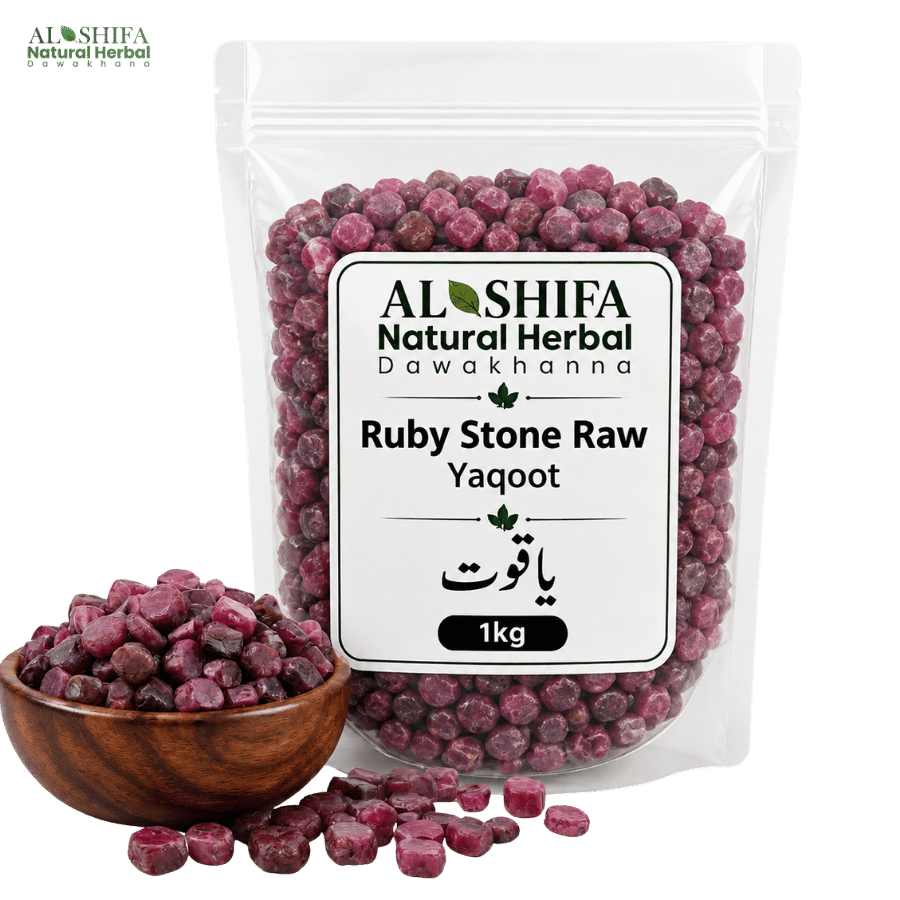
Ruby Stone (Yaqoot) is a precious red gemstone from the Corundum mineral family, admired for its rich color, natural brilliance, exceptional hardness, and centuries of cultural significance.
How to Use: Suitable for rings, pendants, jewelry, gemstone collections, and traditional cultural purposes.
Important Note: Natural origin, treatment status, and authenticity should be verified where applicable. Traditional spiritual or astrological associations are cultural beliefs and are not scientifically established medical benefits.
Ruby Stone, traditionally known as Yaqoot (یاقوت), is one of the world’s best-known precious gemstones, admired for its distinctive red color, natural brilliance, exceptional hardness, and centuries of cultural importance. Mineralogically, ruby is the red gemstone variety of corundum, a crystalline mineral composed primarily of aluminium oxide. Its characteristic red coloration is mainly associated with trace amounts of chromium within the crystal structure.
Yaqoot has been valued across South Asia, the Middle East, Central Asia, and many other regions for jewelry, ornamental pieces, gemstone collections, and traditional cultural purposes.
Ruby is a mineral gemstone, not a herb, food, or nutritional supplement. Historical, Unani, spiritual, and astrological references associated with Yaqoot should therefore be clearly distinguished from scientifically established medical evidence.
A quality Ruby Stone is valued according to a combination of its color, transparency, inclusions, cut, carat weight, treatment status, natural or laboratory-grown origin, and overall appearance.
English Name: Ruby
Urdu Name: یاقوت
Roman Name: Yaqoot / Yakoot
Mineral Species: Corundum
Chemical Composition: Aluminium Oxide
Chemical Formula: Al₂O₃
Mineral Class: Oxide Mineral
Crystal System: Trigonal
Typical Color: Pinkish-red to deep red
Primary Coloring Element: Chromium
Mohs Hardness: Approximately 9
Product Type: Precious Gemstone / Mineral Material
Ruby is the red gemstone variety of corundum.
Corundum is naturally composed primarily of aluminium oxide. When suitable trace elements become incorporated into its crystal structure during natural formation, different colors can develop.
In ruby, chromium is particularly important because it contributes to the characteristic red coloration.
Corundum gemstones of other colors are generally classified as sapphires rather than rubies. Therefore, ruby is not simply a trade name for any red-colored stone; genuine ruby has specific mineralogical characteristics.
The beautiful red color of Yaqoot is primarily associated with small amounts of chromium present within the corundum crystal structure.
Depending on the stone, its composition, lighting, transparency, inclusions, and treatment, ruby may display shades such as:
Color is one of the most important characteristics affecting the appearance and commercial value of a ruby.
A deeper color does not automatically mean a better ruby. The attractiveness, saturation, tone, transparency, and overall balance of color must be considered together.
Ruby has a hardness of approximately 9 on the Mohs scale, making corundum one of the hardest naturally occurring minerals.
This high hardness makes ruby suitable for many types of jewelry, including:
Despite its hardness, ruby is not completely indestructible.
A strong impact can still chip or fracture a stone, particularly where natural fractures or inclusions are present.
A natural ruby forms through geological processes within the Earth over extremely long periods.
Natural stones may contain characteristics such as:
Such features are not automatically defects. In many cases, they can provide useful information about the natural origin and formation history of a gemstone.
Natural and laboratory-grown rubies should be clearly distinguished.
Natural ruby forms within the Earth through geological processes and is subsequently mined.
Laboratory-grown ruby is produced under controlled manufacturing conditions. It can have essentially the same fundamental chemical composition and crystal structure as natural ruby.
A laboratory-grown ruby is therefore different from simple red glass or another imitation material, but it should still be disclosed accurately as laboratory-grown or synthetic ruby, rather than being sold as a naturally mined gemstone.
Several red-colored materials may resemble ruby without actually being ruby.
Possible look-alike materials include:
Visual appearance alone cannot reliably establish authenticity.
For valuable stones, professional gemological examination is considerably more reliable than home tests.
Natural rubies frequently contain internal characteristics known as inclusions.
These may include:
The type, amount, position, and visibility of inclusions can influence both appearance and value.
A completely flawless-looking stone should not automatically be assumed superior or natural. Some laboratory-grown and imitation stones can appear exceptionally clean.
Professional microscopic examination can provide valuable information regarding authenticity and treatment.
Many rubies available in the gemstone market have undergone some form of treatment to improve their appearance.
Treatments may include:
Treatment does not necessarily mean a gemstone is artificial. A naturally formed ruby can still be a natural ruby after heat treatment.
However, treatment status can significantly affect value and care requirements and should therefore be disclosed accurately whenever known.
Heat treatment is widely encountered in the ruby trade.
Controlled heating may improve aspects of a ruby’s color or clarity.
A naturally mined ruby that has undergone heat treatment remains naturally formed, but it should not be described as unheated or untreated.
High-quality natural rubies confirmed as unheated can command a premium, particularly when accompanied by documentation from a reputable gemological laboratory.
Some lower-quality ruby material contains fractures that have been filled with glass or related substances to improve apparent transparency.
Such material can look attractive but may have very different value and durability characteristics compared with untreated or conventionally heat-treated ruby.
Glass-filled stones can also require extra care around:
Treatment disclosure is therefore particularly important.
Some natural rubies display a beautiful optical effect known as asterism.
When appropriately oriented inclusions are present and the stone is cut into a rounded form, light may create a star-like pattern across the surface.
Such stones are known as Star Rubies.
The appearance of the star depends on the stone’s internal structure, orientation, cut, and lighting.
A well-defined natural star can make a ruby particularly interesting to gemstone collectors.
Yaqoot has been admired for centuries and has occupied an important place in traditional gemstone culture.
Across different historical traditions, red gemstones have symbolically been associated with ideas such as:
These are historical and cultural associations, not scientifically proven physiological effects.
Yaqoot and other gemstones appear in various historical writings and traditional systems.
Some older traditions associated Yaqoot with concepts relating to:
These references are valuable for understanding the historical significance of Yaqoot, but they should not be interpreted as modern medical evidence.
Ruby has not been established as a treatment for heart disease, blood disorders, anxiety, depression, weakness, infertility, or other diagnosed conditions.
Different cultures have attributed symbolic or spiritual meanings to ruby.
Traditional beliefs may associate Yaqoot with:
Such associations belong to cultural, spiritual, and traditional belief systems.
They should not be presented as scientifically proven physical or medical effects.
Ruby is also important in some astrological traditions.
Depending on the astrological system, Yaqoot may be selected according to a person’s birth information or other traditional considerations.
These practices belong to astrology rather than established medical science.
There is no reliable scientific evidence that wearing Ruby Stone can guarantee:
People may still wear Yaqoot for cultural, spiritual, symbolic, aesthetic, or personal reasons.
Ruby is described scientifically as a mineral, but this geological use of the word “mineral” should not be confused with nutritional minerals.
Ruby is not a dietary supplement and should not be treated as a nutritional source of aluminium, chromium, or any other element.
Ordinary Ruby Stone should not be:
Its primary uses are gemstone, jewelry, ornamental, collectible, and cultural.
Some historical medical traditions describe specially processed gemstone or mineral preparations.
These should not be confused with simply grinding an ordinary gemstone into powder.
Traditional mineral preparations may historically involve specialized purification and processing methods.
Raw gemstone powder can potentially contain:
Therefore, ordinary Yaqoot should not be ground and consumed at home.
Ruby quality is determined through several characteristics rather than one feature alone.
Color is among the most important factors.
Gemstone professionals consider:
Most natural rubies contain some inclusions.
The amount, type, location, and visibility of these inclusions can affect appearance, durability, and value.
A good cut can enhance:
An inappropriate cut may make even attractive rough material appear too dark, too shallow, or visually unbalanced.
Larger fine-quality natural rubies are comparatively rare.
As size increases, value can rise substantially when color, clarity, treatment status, and other characteristics are also desirable.
Untreated, heat-treated, glass-filled, and otherwise enhanced stones can have very different market values.
Geographic origin may influence desirability for certain collectors, but origin should not be guessed from appearance.
Ruby deposits occur in several parts of the world.
Important ruby-producing regions have included areas of:
Stones from different deposits may display different combinations of color, inclusions, and other characteristics.
However, geographic origin cannot reliably be established from color alone.
Claims regarding a specific origin should be supported by appropriate documentation or qualified gemological examination.
Every natural Yaqoot may differ in:
Such variation is normal for natural gemstones.
When selling individual stones online, displaying photographs of the actual stone being sold is particularly helpful because each specimen can look different.
Professional gemological examination is the preferred method for determining whether a valuable red gemstone is ruby and assessing whether it is natural, laboratory-grown, treated, or an imitation.
Gemological testing may examine:
For higher-value stones, a report from a reputable independent gemological laboratory can provide useful confidence.
Simple scratch, heat, flame, or destructive home tests should be avoided because they may damage the gemstone and are not reliable substitutes for professional identification.
Before purchasing a Ruby Stone, consider:
A natural ruby does not have to be completely inclusion-free to be attractive or valuable.
Ruby is durable, but proper care helps maintain its beauty.
For routine cleaning:
If treatment status is unknown, gentle cleaning is the safest approach.
Heavily fractured or glass-filled stones may require additional precautions.
For proper storage:
Because ruby is very hard, it can scratch softer gemstones if they are stored loosely together.
The following descriptions should only be used when supported by appropriate evidence:
Importantly:
Natural does not automatically mean untreated.
A ruby may have formed naturally within the Earth and later undergone heat treatment or another enhancement.
Product Name: Ruby Stone / Yaqoot
English Name: Ruby
Urdu Name: یاقوت
Roman Name: Yaqoot / Yakoot
Mineral Species: Corundum
Chemical Composition: Aluminium Oxide
Chemical Formula: Al₂O₃
Mineral Class: Oxide Mineral
Crystal System: Trigonal
Typical Color: Pinkish-red to deep red
Primary Coloring Element: Chromium
Mohs Hardness: Approximately 9
Product Type: Precious Gemstone / Mineral Material
Common Uses: Jewelry, gemstone collecting, ornamental and traditional cultural purposes
Ordinary Edible Use: Not suitable
Storage: Clean, dry and protected storage
Ruby is a valuable gemstone, and the market can contain:
Therefore, a stone should not be described as natural, untreated, unheated, certified, or from a particular geographic origin unless the relevant claim can be supported.
For valuable Yaqoot stones, independent gemological testing is one of the most reliable ways to establish important characteristics.
Ruby Stone / Yaqoot (یاقوت) is a gemstone and mineral material. Historical, Unani, spiritual, cultural, and astrological descriptions associated with Yaqoot represent traditional beliefs and historical practices rather than scientifically established medical benefits.
Wearing, carrying, or possessing Yaqoot should not be presented as a treatment for heart disease, blood disorders, anxiety, depression, infertility, weakness, neurological disorders, or any other medical condition.
Ordinary Ruby Stone is not intended for ingestion. Historical references to specially processed mineral preparations should not be interpreted as permission to grind or consume raw gemstone material.
Claims regarding natural origin, treatment status, purity, certification, or geographic origin should only be made when supported by appropriate gemological evidence.
یاقوت دنیا کے معروف اور قیمتی قدرتی جواہرات میں شمار ہوتا ہے۔ یہ اپنی دلکش سرخ رنگت، قدرتی چمک، غیر معمولی سختی اور تاریخی اہمیت کی وجہ سے صدیوں سے پسند کیا جاتا رہا ہے۔ معدنی اعتبار سے یاقوت کورَنڈم نامی معدنی مادے کی سرخ قسم ہے، جو بنیادی طور پر ایلومینیم آکسائیڈ سے تشکیل پاتی ہے۔ اس کی مخصوص سرخ رنگت عموماً اس کی بلوری ساخت میں موجود کرومیم کی معمولی مقدار سے پیدا ہوتی ہے۔
یاقوت کو برصغیر، مشرقِ وسطیٰ، وسطی ایشیا اور دنیا کے مختلف علاقوں میں زیورات، آرائشی اشیاء، قیمتی پتھروں کے مجموعوں اور مختلف ثقافتی و روایتی مقاصد کے لیے اہمیت حاصل رہی ہے۔
یہ بات واضح رہنی چاہیے کہ یاقوت کوئی جڑی بوٹی، غذا یا غذائی ضمیمہ نہیں بلکہ ایک معدنی جواہر ہے۔ اس سے منسوب قدیم طبی، روحانی، ثقافتی یا نجومی تصورات کو جدید سائنسی طور پر ثابت شدہ طبی فوائد نہیں سمجھنا چاہیے۔
مصنوعات کا نام: یاقوت
معروف نام: سرخ یاقوت
معدنی نوع: کورَنڈم
بنیادی کیمیائی ترکیب: ایلومینیم آکسائیڈ
معدنی درجہ: آکسائیڈ معدنیات
بلوری نظام: ٹرائی گونل
عام رنگ: گلابی مائل سرخ سے گہرا سرخ
رنگ پیدا کرنے والا اہم عنصر: کرومیم
سختی: موہس پیمانے پر تقریباً نو
مصنوعات کی نوعیت: قیمتی معدنی جواہر
عام استعمال: زیورات، آرائش، مجموعہ اور روایتی ثقافتی مقاصد
یاقوت کورَنڈم نامی معدنی مادے کی سرخ جواہراتی قسم ہے۔
خالص کورَنڈم بنیادی طور پر ایلومینیم آکسائیڈ پر مشتمل ہوتا ہے۔ قدرتی تشکیل کے دوران جب اس کی بلوری ساخت میں بعض عناصر معمولی مقدار میں شامل ہوتے ہیں تو مختلف رنگ پیدا ہو سکتے ہیں۔
یاقوت میں خصوصاً کرومیم اس کی سرخ رنگت پیدا کرنے میں اہم کردار ادا کرتا ہے۔
کورَنڈم کی دوسری رنگوں والی جواہراتی اقسام عموماً نیلم کی مختلف اقسام میں شمار کی جاتی ہیں۔ اسی لیے صرف کسی پتھر کا سرخ ہونا اسے حقیقی یاقوت ثابت نہیں کرتا۔ اصل یاقوت کے لیے اس کی معدنی شناخت کورَنڈم کے طور پر ہونا ضروری ہے۔
یاقوت کی نمایاں سرخ رنگت بنیادی طور پر اس کی بلوری ساخت میں موجود کرومیم کی معمولی مقدار سے وابستہ ہوتی ہے۔
مختلف قدرتی عوامل کے مطابق یاقوت میں درج ذیل رنگ دیکھے جا سکتے ہیں:
پتھر کا رنگ روشنی، شفافیت، اندرونی قدرتی نشانات، تراش اور کسی ممکنہ مصنوعی عمل کی وجہ سے مختلف دکھائی دے سکتا ہے۔
صرف بہت گہرا رنگ ہونا اعلیٰ معیار کی ضمانت نہیں۔ رنگ کی خوبصورتی، یکسانیت، چمک اور مجموعی ظاہری توازن کو ایک ساتھ دیکھا جاتا ہے۔
یاقوت کی سختی موہس پیمانے پر تقریباً نو ہوتی ہے۔
یہ خصوصیت کورَنڈم کو قدرتی طور پر پائے جانے والے انتہائی سخت معدنی مادوں میں شامل کرتی ہے۔
اسی وجہ سے یاقوت مختلف قسم کے زیورات کے لیے موزوں سمجھا جاتا ہے، مثلاً:
تاہم زیادہ سخت ہونے کا مطلب یہ نہیں کہ یاقوت کبھی ٹوٹ یا خراب نہیں سکتا۔
شدید ضرب، قدرتی دراڑ یا کمزور اندرونی حصے کی وجہ سے پتھر کو نقصان پہنچ سکتا ہے۔
قدرتی یاقوت زمین کے اندر طویل عرصے تک جاری رہنے والے ارضیاتی عمل کے نتیجے میں بنتا ہے۔
قدرتی پتھر میں مختلف اندرونی خصوصیات موجود ہو سکتی ہیں، مثلاً:
یہ تمام خصوصیات لازماً خرابی نہیں ہوتیں۔
بعض اندرونی نشانات ماہرین کو یہ جاننے میں بھی مدد دیتے ہیں کہ پتھر قدرتی ہے، تجربہ گاہ میں تیار کیا گیا ہے یا اس پر کسی قسم کا عمل کیا گیا ہے۔
قدرتی یاقوت اور تجربہ گاہ میں تیار کردہ یاقوت کے درمیان فرق واضح رکھنا ضروری ہے۔
قدرتی یاقوت زمین کے اندر قدرتی ارضیاتی عمل سے بنتا ہے اور بعد میں کانوں یا دوسرے قدرتی ذخائر سے حاصل کیا جاتا ہے۔
تجربہ گاہ میں تیار کردہ یاقوت مخصوص قابو شدہ حالات میں مصنوعی طریقے سے بنایا جاتا ہے۔
اس کی بنیادی کیمیائی ترکیب اور بلوری ساخت قدرتی یاقوت سے بہت مشابہ ہو سکتی ہے۔
اس لیے تجربہ گاہ میں تیار کردہ یاقوت کو محض شیشہ کہنا درست نہیں، لیکن اسے قدرتی کان سے حاصل شدہ یاقوت کے طور پر فروخت کرنا بھی درست نہیں۔
مصنوعات کی نوعیت واضح طور پر بیان کی جانی چاہیے۔
کئی سرخ رنگ کے قدرتی یا مصنوعی مادے دیکھنے میں یاقوت سے مشابہ ہو سکتے ہیں۔
ان میں شامل ہو سکتے ہیں:
صرف سرخ رنگ یا ظاہری چمک کی بنیاد پر کسی پتھر کو حقیقی یاقوت قرار نہیں دینا چاہیے۔
قیمتی پتھر کی صورت میں ماہر جواہراتی جانچ زیادہ قابل اعتماد طریقہ ہے۔
قدرتی یاقوت میں مختلف قسم کے اندرونی نشانات عام ہو سکتے ہیں۔
ان میں شامل ہیں:
ان نشانات کی قسم، مقدار، مقام اور نمایاں ہونے کی سطح یاقوت کی خوبصورتی اور قیمت کو متاثر کر سکتی ہے۔
بہت زیادہ صاف دکھائی دینے والا پتھر لازماً قدرتی یا زیادہ قیمتی نہیں ہوتا، کیونکہ تجربہ گاہ میں تیار کردہ بعض پتھر بھی غیر معمولی طور پر صاف دکھائی دے سکتے ہیں۔
بازار میں دستیاب بہت سے قدرتی یاقوتوں کی ظاہری خوبصورتی بہتر بنانے کے لیے مختلف عمل کیے جا سکتے ہیں۔
ان میں شامل ہو سکتے ہیں:
قدرتی پتھر پر عمل کیے جانے کا مطلب یہ نہیں کہ وہ لازماً مصنوعی ہے۔
قدرتی طور پر زمین میں بننے والا یاقوت بعد میں حرارت سے گزارا جا سکتا ہے اور پھر بھی اس کی بنیادی اصل قدرتی رہتی ہے۔
تاہم اس پر کیے گئے عمل کو درست طور پر ظاہر کرنا ضروری ہے کیونکہ یہ قیمت، پائیداری اور دیکھ بھال پر اثر انداز ہو سکتا ہے۔
یاقوت کی تجارت میں حرارت کا استعمال ایک معروف طریقہ ہے۔
مناسب حرارت کے ذریعے بعض قدرتی یاقوتوں کی رنگت یا شفافیت میں بہتری لائی جا سکتی ہے۔
ایسا پتھر قدرتی طور پر زمین میں تشکیل پایا ہوتا ہے، لیکن اسے بغیر حرارت والا یا بغیر کسی عمل والا یاقوت نہیں کہنا چاہیے۔
اگر کسی یاقوت کے بارے میں یہ دعویٰ کیا جائے کہ اسے حرارت نہیں دی گئی تو بہتر ہے کہ یہ دعویٰ کسی معتبر جواہراتی جانچ سے ثابت ہو۔
بعض نسبتاً کم معیار کے یاقوت میں موجود دراڑوں کو شیشے یا اس سے ملتے جلتے مادے سے بھرا جا سکتا ہے تاکہ پتھر زیادہ صاف اور شفاف دکھائی دے۔
اس قسم کے یاقوت کی قیمت اور پائیداری عام قدرتی یا روایتی حرارت سے بہتر کیے گئے یاقوت سے مختلف ہو سکتی ہے۔
ایسے پتھر کو خصوصاً درج ذیل چیزوں سے نقصان پہنچنے کا امکان زیادہ ہو سکتا ہے:
اس لیے ایسے عمل کی درست وضاحت خریدار کے لیے اہم ہے۔
بعض یاقوتوں میں روشنی پڑنے پر ستارے جیسی خوبصورت شکل ظاہر ہوتی ہے۔
یہ قدرتی بصری کیفیت پتھر کے اندر موجود مخصوص سمت میں ترتیب پانے والے باریک اجزاء اور مناسب تراش کے نتیجے میں نمایاں ہو سکتی ہے۔
اس قسم کے یاقوت کو ستارہ یاقوت کہا جاتا ہے۔
ستارے کی وضاحت، مرکز، حرکت اور خوبصورتی پتھر کی اندرونی ساخت، تراش اور روشنی پر منحصر ہوتی ہے۔
یاقوت صدیوں سے مختلف تہذیبوں میں اہم مقام رکھتا آیا ہے۔
اس کی سرخ رنگت اور خوبصورتی کی وجہ سے مختلف روایات میں اسے علامتی طور پر درج ذیل تصورات سے منسوب کیا گیا:
یہ تمام ثقافتی اور روایتی تصورات ہیں۔ انہیں انسانی جسم پر سائنسی طور پر ثابت شدہ اثرات نہیں سمجھنا چاہیے۔
یاقوت اور دوسرے قیمتی پتھروں کا ذکر مختلف قدیم روایتی تحریروں میں بھی ملتا ہے۔
بعض تاریخی حوالوں میں یاقوت کو روایتی طور پر درج ذیل تصورات سے منسوب کیا گیا:
یہ حوالے یاقوت کی تاریخی اہمیت کو ظاہر کرتے ہیں، لیکن جدید طبی علاج کا ثبوت نہیں۔
یاقوت پہننے یا اپنے پاس رکھنے کو دل کی بیماری، خون کی بیماری، ذہنی اضطراب، افسردگی، جسمانی کمزوری، بانجھ پن یا کسی دوسری بیماری کا علاج نہیں سمجھنا چاہیے۔
مختلف ثقافتوں میں یاقوت کے ساتھ روحانی اور علامتی تصورات بھی وابستہ رہے ہیں۔
بعض روایات میں اسے درج ذیل چیزوں سے منسوب کیا جاتا ہے:
یہ تصورات ثقافتی اور روحانی عقائد کا حصہ ہیں اور انہیں سائنسی طور پر ثابت شدہ جسمانی اثرات کے طور پر بیان نہیں کرنا چاہیے۔
بعض نجومی روایات میں یاقوت کو مخصوص فلکی علامتوں سے منسوب کیا جاتا ہے اور پیدائش یا دوسرے روایتی حساب کے مطابق پہننے کی تجویز دی جاتی ہے۔
یہ طریقے علم نجوم اور ثقافتی روایات سے تعلق رکھتے ہیں۔
اس بات کا قابل اعتماد سائنسی ثبوت موجود نہیں کہ یاقوت پہننے سے لازماً:
کوئی شخص یاقوت کو اس کی خوبصورتی، ثقافتی اہمیت، روحانی عقیدے یا ذاتی پسند کی وجہ سے پہن سکتا ہے، لیکن روایتی عقیدے اور سائنسی حقیقت میں فرق برقرار رکھنا ضروری ہے۔
ارضیات میں یاقوت کو معدنی مادہ کہا جاتا ہے، لیکن اس کا مطلب یہ نہیں کہ یہ انسانی غذا کے لیے معدنی غذائیت فراہم کرتا ہے۔
یاقوت کو:
اس کا بنیادی جدید استعمال جواہر، زیور، آرائش اور مجموعہ ہے۔
بعض قدیم طبی نظاموں میں مخصوص طریقوں سے تیار کیے گئے معدنی یا جواہراتی مواد کا ذکر ملتا ہے۔
ایسی مخصوص روایتی تیاریوں کو عام یاقوت پیس کر کھانے کے برابر نہیں سمجھنا چاہیے۔
خام یا عام جواہر کے سفوف میں ممکنہ طور پر:
موجود ہو سکتے ہیں۔
اسی لیے عام یاقوت کو گھر میں پیس کر کھانے یا دوا کے طور پر استعمال نہیں کرنا چاہیے۔
یاقوت کے معیار کا تعین صرف اس کے سرخ رنگ سے نہیں ہوتا بلکہ کئی عوامل کو ایک ساتھ دیکھا جاتا ہے۔
رنگ یاقوت کے سب سے اہم معیاری عوامل میں شمار ہوتا ہے۔
اس میں دیکھا جاتا ہے:
قدرتی یاقوت میں اندرونی نشانات عام ہیں۔
ان کی مقدار، نوعیت اور مقام پتھر کی شفافیت، خوبصورتی اور قیمت پر اثر انداز ہو سکتا ہے۔
اچھی تراش یاقوت کی:
کو نمایاں کر سکتی ہے۔
بڑے اور اعلیٰ معیار کے قدرتی یاقوت نسبتاً نایاب ہو سکتے ہیں۔
اسی وجہ سے اچھے رنگ، مناسب شفافیت اور کم عمل والے بڑے یاقوت کی قیمت وزن کے ساتھ نمایاں طور پر بڑھ سکتی ہے۔
قدرتی، حرارت سے بہتر کیے گئے، دراڑ بھرے ہوئے اور دوسرے طریقوں سے بہتر کیے گئے یاقوت کی قیمت میں نمایاں فرق ہو سکتا ہے۔
بعض مخصوص علاقوں کے یاقوت بازار میں زیادہ اہمیت رکھتے ہیں، لیکن کسی پتھر کا ماخذ صرف اس کے رنگ یا شکل سے طے نہیں کیا جا سکتا۔
دنیا کے مختلف علاقوں میں یاقوت کے ذخائر پائے گئے ہیں، جن میں شامل ہیں:
مختلف علاقوں سے حاصل ہونے والے یاقوت کی رنگت، شفافیت اور اندرونی ساخت میں فرق ہو سکتا ہے۔
کسی مخصوص ملک یا علاقے سے تعلق کا دعویٰ مناسب ثبوت کے بغیر نہیں کرنا چاہیے۔
قدرتی یاقوت کے دو پتھر لازماً ایک جیسے نہیں ہوتے۔
ان میں قدرتی طور پر فرق ہو سکتا ہے:
یہ فرق قدرتی جواہرات کی عام خصوصیت ہے۔
آن لائن فروخت میں جہاں ممکن ہو، خریدار کو اسی اصل پتھر کی تصاویر دکھانا زیادہ بہتر ہوتا ہے جو اسے فروخت کیا جا رہا ہو۔
قیمتی یاقوت کی اصل شناخت کے لیے مستند جواہراتی جانچ سب سے قابل اعتماد طریقوں میں شمار ہوتی ہے۔
ماہرین مختلف خصوصیات کا جائزہ لے سکتے ہیں، مثلاً:
زیادہ قیمت والے یاقوت کے لیے کسی معتبر جواہراتی تجربہ گاہ کی رپورٹ خریدار کو اضافی اعتماد فراہم کر سکتی ہے۔
گھر میں خراش، آگ، شدید حرارت یا دوسرے نقصان دہ طریقوں سے اصلیت جانچنے کی کوشش مناسب نہیں۔
یاقوت منتخب کرتے وقت درج ذیل معلومات پر توجہ دیں:
قدرتی یاقوت کا مکمل طور پر بے داغ ہونا ضروری نہیں۔ قدرتی اندرونی نشانات عام ہو سکتے ہیں۔
یاقوت ایک سخت جواہر ہے، لیکن مناسب دیکھ بھال اس کی خوبصورتی برقرار رکھنے میں مدد دیتی ہے۔
عام صفائی کے لیے:
اگر پتھر پر کیے گئے مصنوعی عمل کی نوعیت معلوم نہ ہو تو نرم اور سادہ صفائی زیادہ محفوظ طریقہ ہے۔
یاقوت کو محفوظ رکھنے کے لیے:
یاقوت کی سختی زیادہ ہونے کی وجہ سے یہ ساتھ رکھے گئے نسبتاً نرم جواہرات کی سطح پر خراش ڈال سکتا ہے۔
درج ذیل دعوے صرف مناسب ثبوت کی موجودگی میں کیے جانے چاہئیں:
خصوصاً یہ بات یاد رکھیں:
قدرتی ہونے کا مطلب لازماً بغیر کسی عمل کے ہونا نہیں۔
پتھر زمین کے اندر قدرتی طور پر بننے کے بعد بھی حرارت یا کسی دوسرے بہتری کے عمل سے گزارا جا سکتا ہے۔
مصنوعات کا نام: یاقوت
معروف نام: سرخ یاقوت
معدنی نوع: کورَنڈم
بنیادی کیمیائی ترکیب: ایلومینیم آکسائیڈ
معدنی درجہ: آکسائیڈ معدنیات
بلوری نظام: ٹرائی گونل
عام رنگ: گلابی مائل سرخ سے گہرا سرخ
رنگ سے وابستہ اہم عنصر: کرومیم
سختی: موہس پیمانے پر تقریباً نو
مصنوعات کی نوعیت: قیمتی معدنی جواہر
عام استعمال: زیورات، آرائش، جواہراتی مجموعہ اور روایتی ثقافتی مقاصد
غذائی حیثیت: عام خوردنی استعمال کے لیے نہیں
ذخیرہ: صاف، خشک اور محفوظ جگہ
یاقوت ایک قیمتی جواہر ہے اور بازار میں اس نام سے مختلف قسم کا مواد دستیاب ہو سکتا ہے، مثلاً:
اس لیے صرف سرخ رنگ اور ظاہری چمک کی بنیاد پر کسی پتھر کو قدرتی اور اصلی یاقوت قرار دینا مناسب نہیں۔
قیمتی یاقوت کی صورت میں مستند جواہراتی جانچ سے پتھر کی نوعیت، قدرتی یا مصنوعی ماخذ اور بعض اہم مصنوعی عمل کے بارے میں زیادہ قابل اعتماد معلومات حاصل کی جا سکتی ہیں۔
یاقوت ایک قیمتی معدنی جواہر ہے۔ اس سے متعلق قدیم طبی، یونانی، روحانی، ثقافتی اور نجومی تصورات تاریخی عقائد اور روایتی استعمال کی نمائندگی کرتے ہیں، انہیں سائنسی طور پر ثابت شدہ طبی فوائد نہیں سمجھنا چاہیے۔
یاقوت پہننے، اپنے پاس رکھنے یا زیور میں استعمال کرنے کو دل کی بیماری، خون کی خرابی، ذہنی اضطراب، افسردگی، بانجھ پن، جسمانی کمزوری، اعصابی بیماری یا کسی دوسری طبی کیفیت کا علاج نہیں سمجھنا چاہیے۔
عام یاقوت کھانے یا نگلنے کے لیے نہیں ہے۔ قدیم لٹریچر میں مخصوص طریقوں سے تیار کردہ معدنی تیاریوں کے ذکر کو خام یاقوت پیس کر استعمال کرنے کی اجازت نہیں سمجھنا چاہیے۔
قدرتی، اصلی، بغیر حرارت، بغیر مصنوعی عمل، کسی مخصوص جغرافیائی ماخذ سے تعلق یا تصدیق شدہ ہونے جیسے دعوے صرف مناسب جواہراتی ثبوت کی موجودگی میں کیے جانے چاہئیں۔