
Aqarqarah, Anacyclus Pyrethrum
Contact for Price
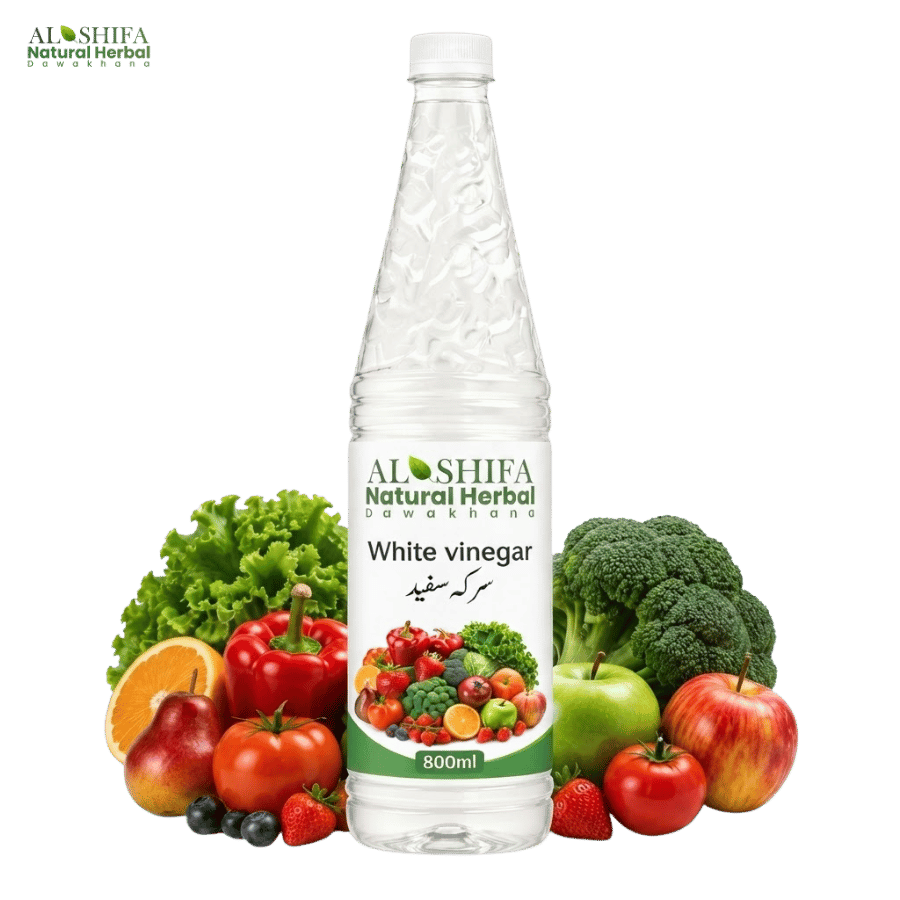
White Vinegar / Safed Sirka – سرکہ سفید is a clear, food-grade vinegar with a clean, sharp and tangy taste, suitable for a wide range of everyday culinary preparations.
How to Use: Use according to taste in salads, dressings, chutneys, sauces, marinades, and suitable pickling recipes.
Storage: Keep tightly closed in a cool, dry place away from direct sunlight and excessive heat.
Important Note: Use only food-grade White Vinegar for consumption. Avoid drinking large quantities undiluted and do not use cleaning or industrial vinegar in food.
White Vinegar – سرکہ سفید is a clear, acidic vinegar primarily composed of water and food-grade acetic acid. Depending on the manufacturing method, food-grade white vinegar may be produced through fermentation of alcohol derived from suitable agricultural sources, followed by conversion of the alcohol into acetic acid by acetic acid bacteria. Some vinegar products may also be formulated differently according to applicable food standards, so the actual label and manufacturing method should always be considered.
White Vinegar is widely used as a culinary condiment, acidic seasoning, pickling ingredient, and food preparation ingredient. Its clean, sharp acidity and relatively neutral flavor make it particularly useful where acidity is required without adding a strong fruit-derived taste.
Food-grade White Vinegar should be distinguished from stronger cleaning vinegar, industrial acetic acid solutions, and other non-food products. Only vinegar specifically manufactured and labeled for food use should be consumed or used in food preparation.
Quality White Vinegar provides consistent acidity and a clean, sharp taste suitable for a wide variety of culinary preparations.
Product Name: White Vinegar
Urdu Name: سرکہ سفید
Roman Name: Safed Sirka
Alternative Names: Distilled White Vinegar / White Distilled Vinegar / Spirit Vinegar
Product Type: Food-Grade Vinegar
Product Category: Vinegar / Culinary Condiment / Acidic Food Ingredient
Form: Clear Liquid
Taste: Sharp, Sour & Acidic
Aroma: Characteristic Vinegar Aroma
Color: Clear to Nearly Colorless
Primary Acid: Acetic Acid
Scientific Name: Not applicable as a single botanical species
White Vinegar is an acidic liquid in which acetic acid is the primary acid responsible for the characteristic sour taste and sharp aroma.
In traditionally fermented production, a suitable fermentable agricultural material can first be converted into alcohol. Acetic acid bacteria then convert the alcohol into acetic acid.
The finished product is generally diluted or standardized to an appropriate food-grade acidity before packaging.
Because the raw material can differ between manufacturers, White Vinegar should not automatically be assigned the botanical name of a particular plant unless its actual source is known.
Acetic acid is the defining acid in vinegar.
It is responsible for:
The actual percentage of acidity should be determined from the product label or verified specification rather than estimated from taste.
White Vinegar differs from fruit-based vinegars such as apple, Jamun, grape, or mixed-fruit vinegar.
Fruit vinegars may retain distinctive:
White Vinegar generally has a cleaner and more neutral acidic profile.
This makes it particularly useful in recipes where strong fruit flavor is not desired.
Neither type should automatically be considered medically superior to the other.
Sugarcane Vinegar is specifically associated with fermentation of sugarcane-derived material.
White Vinegar, on the other hand, describes the finished clear vinegar style and does not necessarily identify a single agricultural source.
Therefore, unless the manufacturing source is confirmed:
White Vinegar should not automatically be described as Sugarcane Vinegar.
This distinction is extremely important.
Food-grade White Vinegar is manufactured and labeled for culinary use.
Some products sold specifically as cleaning vinegar can have a different or higher acidity and are not intended for consumption.
Similarly, industrial acetic acid solutions are not interchangeable with culinary vinegar.
Always select a product specifically labeled as:
Never consume a product intended only for household, industrial, laboratory, or cleaning purposes.
White Vinegar is one of the most versatile acidic ingredients used in the kitchen.
Common applications include:
Its relatively neutral flavor allows it to provide acidity without strongly changing the original flavor profile of a recipe.
White Vinegar may be combined with:
to prepare simple acidic dressings.
The quantity can be adjusted according to the desired level of sourness.
White Vinegar can add acidity and flavor balance to various:
Its clean acidity makes it particularly versatile.
White Vinegar can be used as an acidic ingredient in marinades.
Depending on the recipe, it may be combined with:
Acidic marinades can influence surface texture and flavor. Excessive acidity or very long marination may negatively affect the texture of some foods.
White Vinegar is commonly used for pickling because its acidity can often be standardized and clearly labeled.
However, food preservation requires careful attention to acidity.
For shelf-stable home canning and long-term preservation:
Taste alone cannot determine whether vinegar is sufficiently acidic for safe shelf-stable preservation.
White Vinegar may also be used in certain baking and food-preparation applications.
When combined with appropriate alkaline ingredients, its acidity can participate in reactions that release gas and influence the texture of baked products.
It may also be used in recipes where a controlled amount of acidity is required for flavor or preparation.
The quantity should always follow the recipe.
Some White Vinegar is produced through biological fermentation, while manufacturing and labeling practices can vary by product and region.
Therefore, terms such as:
should only be used if they accurately describe the actual product.
In particular, ordinary clear White Vinegar should not automatically be marketed as “raw” or “with mother.”
White Vinegar is primarily valued for its acidity and culinary function rather than as a significant source of vitamins, protein, dietary fiber, or other major nutrients.
Its composition differs considerably from whole fruits, vegetables, or other nutrient-dense foods.
It should therefore not be promoted as a substitute for a balanced diet.
Vinegar and acetic acid have been investigated in research related to appetite, metabolic responses, and body weight.
However, ordinary White Vinegar is not a proven weight-loss treatment.
It should not be claimed to:
Long-term weight management depends on overall calorie intake, diet quality, physical activity, sleep, medical factors, and sustainable habits.
Vinegar has been investigated for possible effects on post-meal glucose responses in certain contexts.
This does not make White Vinegar a diabetes treatment.
It should not be claimed to:
People with diabetes should continue their prescribed treatment, appropriate nutrition, and glucose monitoring.
Ordinary White Vinegar should not be marketed as a treatment for cardiovascular conditions.
It should not be claimed to:
Normal culinary use can simply be part of an overall balanced dietary pattern.
White Vinegar should not be promoted as a cure for digestive disorders.
Because it is acidic, excessive intake can actually worsen symptoms in some people with:
People who experience discomfort after acidic foods should use vinegar according to their individual tolerance.
White Vinegar should not be claimed to:
The human body already has physiological systems responsible for processing and eliminating various substances.
White Vinegar is a culinary ingredient, not a universal detoxification product.
Some people consume food-grade vinegar diluted in water.
If the product is specifically suitable for dietary use, follow its label directions.
Do not drink concentrated White Vinegar in large quantities.
Using small amounts in food is substantially different from consuming large medicinal-style doses.
Repeated exposure of teeth to acidic liquids can contribute to dental enamel erosion.
If food-grade vinegar is consumed in diluted form:
Do not apply concentrated vinegar directly to teeth.
Undiluted or excessive vinegar can irritate sensitive tissues.
Possible effects include:
Large quantities should therefore be avoided.
Normal culinary use is different from taking vinegar in large amounts as a health remedy.
People taking regular medicines, particularly medicines affecting blood glucose, potassium balance, or other metabolic factors, should be cautious about unusually high vinegar intake.
White Vinegar should never replace prescribed treatment.
Food-grade White Vinegar used in normal culinary quantities is different from excessive medicinal-style consumption.
During pregnancy and breastfeeding:
White Vinegar may be used as an ingredient in suitable foods prepared for children.
However, concentrated vinegar should not be given directly to children as a health remedy.
Keep the bottle securely stored away from young children.
A quality food-grade White Vinegar should ideally have:
The actual acidity should be stated or verified when required for preservation applications.
White Vinegar is also commonly used for certain household cleaning purposes because of its acidity.
However, culinary and cleaning applications should be kept conceptually separate.
Never mix vinegar with household chemicals without checking compatibility.
Do not mix vinegar with chlorine-containing bleach or similar chlorine-based cleaning products. Acidifying such products can release dangerous chlorine gas.
For product pages intended primarily for food sales, culinary use should remain the main focus.
White Vinegar is generally more standardized in appearance than fruit vinegars, but some variation may still occur depending on:
Always rely on the actual product label for acidity, ingredients, and intended uses.
Use according to taste, recipe requirements, and product directions.
For shelf-stable preservation, always follow a tested recipe and use vinegar with the required verified acidity.
For best quality:
White Vinegar – سرکہ سفید provides clean, sharp acidity and excellent versatility for everyday culinary preparations.
Product Name: White Vinegar
Urdu Name: سرکہ سفید
Roman Name: Safed Sirka
Alternative Names: Distilled White Vinegar / White Distilled Vinegar / Spirit Vinegar
Product Type: Food-Grade Vinegar
Category: Vinegar / Culinary Condiment / Acidic Food Ingredient
Form: Clear Liquid
Primary Acid: Acetic Acid
Botanical Source: Depends on the fermentable raw material used by the manufacturer
Scientific Name: Not Applicable as a Single Botanical Species
Taste: Sharp, sour, and acidic
Color: Clear to nearly colorless
Common Uses: Salad dressings, chutneys, sauces, marinades, appropriate pickling recipes, baking applications, and general culinary seasoning
Storage: Keep securely closed in a cool, dry place protected from direct sunlight, excessive heat, and contamination.
White Vinegar – سرکہ سفید is best understood as a versatile food-grade acidic culinary product whose defining component is acetic acid. Its clean flavor and relatively neutral profile make it suitable for numerous food preparations where controlled acidity and sourness are desired.
Unlike a specific fruit vinegar, White Vinegar should not automatically be assigned a particular botanical source unless the raw material used in its production is confirmed. Likewise, terms such as naturally fermented, distilled, raw, unfiltered, or with mother should only be used when they accurately describe the actual product.
Important Safety Note: White Vinegar intended for culinary use must be food-grade. Do not consume cleaning vinegar, industrial acetic acid solutions, or products not labeled for food use. White Vinegar is not intended to diagnose, treat, cure, or prevent diabetes, obesity, high cholesterol, high blood pressure, digestive disease, or other medical conditions. Avoid consuming large quantities undiluted, and for shelf-stable food preservation always use vinegar of the verified acidity required by a tested recipe.
سرکہ سفید ایک صاف، شفاف اور تیزابی غذائی سرکہ ہے جس کے بنیادی اجزاء پانی اور غذائی معیار کا ایسیٹک تیزاب ہوتے ہیں۔ غذائی استعمال کے لیے تیار کیے جانے والے سفید سرکے کی تیاری کا طریقہ مختلف ہو سکتا ہے۔ قدرتی خمیری طریقے میں مناسب زرعی ماخذ سے حاصل قابلِ خمیر مواد کو پہلے الکحل میں تبدیل کیا جاتا ہے اور بعد میں مخصوص سرکہ ساز جراثیم اس الکحل کو ایسیٹک تیزاب میں تبدیل کرتے ہیں۔
سرکہ سفید اپنی صاف، تیز اور نسبتاً غیر جانب دار ترشی کی وجہ سے روزمرہ کھانوں، سلاد، چٹنیوں، ساس، مصالحہ دار آمیزوں، اچار اور مختلف غذائی تیاریوں میں استعمال کیا جاتا ہے۔
یہ بات خاص طور پر اہم ہے کہ غذائی سرکہ سفید اور صفائی یا صنعتی مقاصد کے لیے تیار کردہ زیادہ تیزابی محلول ایک جیسی مصنوعات نہیں ہیں۔ کھانے پینے میں صرف وہی سرکہ استعمال کرنا چاہیے جو واضح طور پر غذائی استعمال کے لیے تیار کیا گیا ہو۔
نام: سرکہ سفید
متبادل نام: سفید سرکہ، شفاف غذائی سرکہ
قسم: غذائی سرکہ
درجہ بندی: غذائی سرکہ، پکوانی جزو، تیزابی غذائی مصنوعات
شکل: صاف اور شفاف مائع
رنگت: بے رنگ یا تقریباً بے رنگ
ذائقہ: تیز، ترش اور تیزابی
خوشبو: سرکے کی مخصوص تیز خوشبو
بنیادی تیزاب: ایسیٹک تیزاب
نباتاتی ماخذ: اصل تیاری میں استعمال ہونے والے قابلِ خمیر خام مواد پر منحصر
سائنسی شناخت: کسی ایک نباتاتی نوع پر لاگو نہیں ہوتی
سرکہ سفید بنیادی طور پر ایک تیزابی مائع ہے جس میں ایسیٹک تیزاب سرکے کی مخصوص ترشی اور خوشبو پیدا کرنے والا اہم جزو ہوتا ہے۔
خمیر کے ذریعے تیار کیے جانے والے سرکے میں پہلے کسی مناسب قابلِ خمیر خام مواد سے الکحل تیار ہوتی ہے۔ اس کے بعد مخصوص سرکہ ساز جراثیم الکحل کو ایسیٹک تیزاب میں تبدیل کرتے ہیں۔
تیار سرکے کو مطلوبہ غذائی معیار اور تیزابیت کے مطابق مناسب مقدار میں پانی کے ساتھ معیاری کیا جا سکتا ہے۔
چونکہ مختلف تیار کنندگان سفید سرکہ بنانے کے لیے مختلف خام مواد استعمال کر سکتے ہیں، اس لیے خام ماخذ کی تصدیق کے بغیر سرکہ سفید کو کسی ایک مخصوص پودے سے منسوب کرنا درست نہیں۔
سرکے کی بنیادی خصوصیت اس کی تیزابیت ہے اور اس تیزابیت کا اہم سبب ایسیٹک تیزاب ہے۔
یہ سرکہ سفید کو:
فراہم کرتا ہے۔
سرکے میں تیزابیت کی حقیقی مقدار صرف ذائقے سے معلوم نہیں کی جا سکتی۔ جہاں تیزابیت کی مخصوص مقدار ضروری ہو وہاں مصنوعات پر درج معلومات یا تصدیق شدہ مقدار کو بنیاد بنانا چاہیے۔
سرکہ سفید کی تیاری مختلف طریقوں سے ہو سکتی ہے۔
قدرتی خمیری طریقے میں عموماً دو بنیادی مراحل شامل ہوتے ہیں۔
مناسب زرعی ماخذ میں موجود قابلِ خمیر اجزاء کو خمیر کی مدد سے الکحل میں تبدیل کیا جاتا ہے۔
اس کے بعد مخصوص سرکہ ساز جراثیم الکحل کو ایسیٹک تیزاب میں تبدیل کرتے ہیں۔
یہی مرحلہ تیار مائع کو سرکے کی مخصوص ترشی اور تیزابیت فراہم کرتا ہے۔
تیار سرکے کو مطلوبہ تیزابیت کے مطابق معیاری، چھانا اور غذائی استعمال کے لیے مناسب بوتلوں میں محفوظ کیا جا سکتا ہے۔
اصل طریقۂ تیاری تیار کنندہ اور مصنوعات کی نوعیت کے مطابق مختلف ہو سکتا ہے۔
پھلوں کے مخصوص سرکے کے برعکس سرکہ سفید کا نام کسی ایک پھل یا پودے کی شناخت ظاہر نہیں کرتا۔
اس کی تیاری کے لیے استعمال ہونے والا قابلِ خمیر خام مواد مختلف زرعی ذرائع سے حاصل کیا جا سکتا ہے۔
اسی لیے جب تک اصل ماخذ کی تصدیق موجود نہ ہو، سرکہ سفید کے لیے کسی ایک پودے کا نباتاتی نام دینا مناسب نہیں۔
اگر کوئی مخصوص سرکہ گنے، انگور، سیب یا کسی دوسرے معلوم ماخذ سے تیار کیا گیا ہو تو اس ماخذ کو الگ سے واضح کیا جا سکتا ہے۔
سرکہ سفید اور مختلف پھلوں سے تیار سرکے اپنی خوشبو، ذائقے، رنگت اور قدرتی اجزاء کے اعتبار سے مختلف ہو سکتے ہیں۔
پھلوں کے سرکے میں اصل پھل سے متعلق:
موجود رہ سکتے ہیں۔
اس کے مقابلے میں سرکہ سفید عموماً زیادہ صاف، شفاف اور نسبتاً غیر جانب دار تیزابی ذائقہ رکھتا ہے۔
اسی وجہ سے یہ ان کھانوں میں مفید ہوتا ہے جہاں ترشی مطلوب ہو لیکن کسی مخصوص پھل کا نمایاں ذائقہ شامل نہ کرنا ہو۔
سرکہ گنا خاص طور پر گنے سے حاصل قابلِ خمیر مواد سے تیار کیا جاتا ہے۔
اس کے برعکس سرکہ سفید تیار سرکے کی ایک عمومی قسم کو ظاہر کرتا ہے اور ضروری نہیں کہ ہر سفید سرکہ گنے ہی سے تیار کیا گیا ہو۔
اسی لیے اصل خام مواد کی تصدیق کے بغیر سرکہ سفید کو سرکہ گنا قرار نہیں دینا چاہیے۔
یہ فرق بہت اہم ہے۔
غذائی سرکہ سفید کھانے پینے اور پکوانی استعمال کے لیے مناسب معیار کے مطابق تیار کیا جاتا ہے۔
اس کے مقابلے میں بعض سرکے یا تیزابی محلول صرف:
کے لیے تیار کیے جاتے ہیں۔
ان کی تیزابیت اور معیار غذائی استعمال کے لیے موزوں ہونا ضروری نہیں۔
کھانے پینے کے لیے ہمیشہ ایسی مصنوعات استعمال کریں جس پر واضح طور پر غذائی استعمال کے لیے موزوں ہونے کی معلومات درج ہوں۔
صفائی، صنعتی یا تجربہ گاہی استعمال کے لیے تیار کردہ تیزابی محلول کو کھانے پینے میں استعمال نہ کریں۔
سرکہ سفید اپنی صاف اور تیز ترشی کی وجہ سے باورچی خانے میں متعدد مقاصد کے لیے استعمال کیا جا سکتا ہے۔
عام استعمال میں شامل ہیں:
اس کی مقدار ہمیشہ پکوان اور مطلوبہ ذائقے کے مطابق رکھنی چاہیے۔
سرکہ سفید کو مختلف اجزاء کے ساتھ ملا کر سلاد کے لیے ترش آمیزہ تیار کیا جا سکتا ہے۔
مثلاً:
اس کی صاف ترشی مختلف اجزاء کے ذائقوں میں توازن پیدا کرنے میں مدد دیتی ہے۔
سرکہ سفید مختلف چٹنیوں اور ساس میں ترشی پیدا کرنے کے لیے موزوں ہے۔
اسے حسبِ ترکیب درج ذیل تیاریوں میں شامل کیا جا سکتا ہے:
اس کی مقدار مطلوبہ ذائقے اور ترکیب کے مطابق رکھی جا سکتی ہے۔
سرکہ سفید گوشت، سبزیوں اور دیگر مناسب غذاؤں کے مصالحہ دار آمیزوں میں بطور ترش جزو استعمال کیا جا سکتا ہے۔
اسے حسبِ ضرورت درج ذیل اجزاء کے ساتھ ملایا جا سکتا ہے:
تیزابیت غذا کی سطحی ساخت اور ذائقے پر اثر انداز ہو سکتی ہے۔ بہت زیادہ سرکہ یا ضرورت سے زیادہ دیر تک تیزابی آمیزے میں رکھنے سے بعض غذاؤں کی ساخت غیر مطلوبہ طور پر تبدیل ہو سکتی ہے۔
سرکہ سفید اچار بنانے کے لیے عام طور پر استعمال ہونے والے سرکوں میں شامل ہے۔
اس کی ایک اہم وجہ یہ ہے کہ معیاری غذائی سرکے کی تیزابیت واضح اور قابلِ پیمائش ہو سکتی ہے۔
تاہم طویل عرصے تک محفوظ کیے جانے والے اچار میں غذائی حفاظت کے لیے صرف سرکہ شامل کرنا کافی نہیں۔
ضروری ہے کہ:
صرف کھٹا ذائقہ محفوظ اچار کے لیے کافی تیزابیت کی ضمانت نہیں۔
سرکہ سفید بعض بیکری کی ترکیبوں میں بھی استعمال کیا جاتا ہے۔
مناسب قلوی اجزاء کے ساتھ ملنے پر اس کی تیزابیت کیمیائی عمل میں حصہ لے سکتی ہے، جس کے نتیجے میں گیس پیدا ہو سکتی ہے اور بعض تیار شدہ غذاؤں کی ساخت متاثر ہو سکتی ہے۔
اسی طرح اسے ایسی غذائی تیاریوں میں بھی استعمال کیا جا سکتا ہے جہاں ذائقے یا تیاری کے عمل کے لیے محدود مقدار میں تیزابیت مطلوب ہو۔
ایسی صورت میں ترکیب میں درج مقدار پر عمل کرنا بہتر ہے۔
مختلف سرکہ مصنوعات کی تیاری کے طریقے مختلف ہو سکتے ہیں۔
بعض سفید سرکے حیاتیاتی خمیر کے ذریعے تیار کیے جاتے ہیں، جبکہ مختلف علاقوں اور تیار کنندگان میں طریقۂ تیاری اور مصنوعات کی درجہ بندی مختلف ہو سکتی ہے۔
اسی لیے درج ذیل دعوے صرف تصدیق کی صورت میں استعمال کیے جانے چاہئیں:
عام صاف اور شفاف سفید سرکے کو خود بخود خام یا قدرتی خمیری تہہ والا نہیں سمجھنا چاہیے۔
سرکہ سفید بنیادی طور پر اپنی تیزابیت اور پکوانی استعمال کی وجہ سے اہم ہے۔
یہ عام طور پر:
کا بڑا ذریعہ نہیں سمجھا جاتا۔
اسے پھلوں، سبزیوں، دالوں، اناج یا دوسری غذائیت سے بھرپور خوراک کا متبادل نہیں سمجھنا چاہیے۔
سرکے اور ایسیٹک تیزاب پر جسمانی وزن، بھوک اور بعض تحولی عوامل کے حوالے سے تحقیق کی گئی ہے۔
تاہم عام سرکہ سفید کو وزن کم کرنے کی یقینی مصنوعات قرار دینا درست نہیں۔
اسے یہ دعویٰ نہیں کرنا چاہیے کہ یہ:
صحت مند وزن کا پائیدار انتظام مجموعی غذا، حراروں کے توازن، جسمانی سرگرمی، نیند، صحت کی کیفیت اور طویل مدتی عادات سے متعلق ہوتا ہے۔
سرکے پر کھانے کے بعد خون میں شکر کی تبدیلیوں کے حوالے سے بعض تحقیقات موجود ہیں۔
تاہم اس بنیاد پر سرکہ سفید کو ذیابیطس کی دوا نہیں کہا جا سکتا۔
اسے یہ دعویٰ نہیں کرنا چاہیے کہ یہ:
ذیابیطس کے مریضوں کو اپنی تجویز کردہ ادویات، مناسب غذا اور طبی نگرانی جاری رکھنی چاہیے۔
عام سرکہ سفید کو قلبی بیماریوں کی دوا کے طور پر پیش نہیں کرنا چاہیے۔
اسے یہ دعویٰ نہیں کرنا چاہیے کہ یہ:
اسے متوازن غذا کے اندر ایک عام پکوانی جزو کے طور پر استعمال کیا جا سکتا ہے۔
سرکہ سفید تیزابی ہوتا ہے اور ہر شخص کی برداشت یکساں نہیں ہوتی۔
زیادہ مقدار بعض حساس افراد میں:
پیدا یا بڑھا سکتی ہے۔
اس لیے اسے معدے کی سوزش، دائمی بدہضمی، تیزابیت، معدے کے زخم یا آنتوں کی بیماریوں کا علاج قرار نہیں دینا چاہیے۔
سرکہ سفید کو ایسی مصنوعات کے طور پر پیش نہیں کرنا چاہیے جو:
انسانی جسم میں مختلف مادوں کو سنبھالنے اور خارج کرنے کے لیے قدرتی جسمانی نظام موجود ہیں۔
سرکہ سفید ایک غذائی جزو ہے، جسم کی مکمل صفائی کی دوا نہیں۔
بعض افراد غذائی سرکے کو پانی میں ملا کر استعمال کرتے ہیں۔
اگر سرکہ سفید واضح طور پر غذائی استعمال کے لیے تیار کیا گیا ہو تو اسے مصنوعات پر درج ہدایات کے مطابق مناسب مقدار میں پانی کے ساتھ استعمال کیا جا سکتا ہے۔
زیادہ مقدار میں خالص سرکہ براہِ راست پینا مناسب نہیں۔
کھانے میں معمولی مقدار استعمال کرنا اور روزانہ بڑی مقدار بطور صحت نسخہ استعمال کرنا مختلف صورتیں ہیں۔
سرکہ سفید تیزابی ہوتا ہے اور تیزابی مائع سے دانتوں کا بار بار رابطہ دانتوں کی بیرونی حفاظتی تہہ کو متاثر کر سکتا ہے۔
اگر اسے پانی میں ملا کر استعمال کیا جائے تو:
خالص سرکہ دانتوں پر براہِ راست نہ لگائیں۔
بہت زیادہ مقدار میں خالص سرکہ حساس بافتوں میں جلن پیدا کر سکتا ہے۔
ممکنہ مسائل میں شامل ہیں:
خالص سرکے کو بہت زیادہ مقدار میں استعمال کرنے سے اجتناب کرنا چاہیے۔
کھانے میں معمولی مقدار میں سرکہ استعمال کرنا اور اسے روزانہ زیادہ مقدار میں علاج کے انداز میں استعمال کرنا ایک جیسی بات نہیں۔
خصوصاً خون میں شکر، جسمانی نمکیات یا دیگر تحولی عوامل کو متاثر کرنے والی ادویات استعمال کرنے والے افراد کو غیر معمولی طور پر زیادہ مقدار میں سرکہ استعمال کرنے سے پہلے مناسب طبی رہنمائی حاصل کرنی چاہیے۔
سرکہ تجویز کردہ ادویات کا متبادل نہیں ہے۔
حمل اور دودھ پلانے کے دوران صرف غذائی معیار کا سرکہ استعمال کرنا چاہیے۔
معمول کی پکوانی مقدار اور بہت زیادہ علاجی مقدار میں نمایاں فرق ہے۔
اس دوران:
سرکہ سفید بچوں کے لیے تیار مناسب کھانوں میں بطور غذائی جزو استعمال کیا جا سکتا ہے۔
تاہم خالص یا مرتکز سرکہ بچوں کو صحت کے نسخے کے طور پر براہِ راست نہیں پلانا چاہیے۔
بوتل کو چھوٹے بچوں کی پہنچ سے دور رکھیں۔
سرکہ سفید بعض گھریلو صفائی کے کاموں میں بھی استعمال کیا جاتا ہے، لیکن غذائی اور صفائی کے استعمال کو الگ سمجھنا ضروری ہے۔
سرکے کو گھریلو صفائی کے مختلف کیمیائی مادوں کے ساتھ اپنی طرف سے نہیں ملانا چاہیے۔
خصوصاً سرکہ کو کلورین والے بلیچ یا اسی نوعیت کے کلورین پر مشتمل صفائی کے محلول کے ساتھ ہرگز نہ ملائیں۔
تیزاب اور کلورین والے محلول کے ملاپ سے خطرناک گیس پیدا ہو سکتی ہے جو آنکھوں، پھیپھڑوں اور سانس کے نظام کے لیے شدید نقصان دہ ہو سکتی ہے۔
اچھے غذائی معیار کے سرکہ سفید میں عموماً درج ذیل خصوصیات ہونی چاہئیں:
اگر اسے اچار یا طویل مدتی محفوظ غذاؤں میں استعمال کرنا ہو تو مطلوبہ تیزابیت کی تصدیق خاص طور پر اہم ہے۔
سرکہ سفید کو ذائقے، ترکیب اور مصنوعات پر درج ہدایات کے مطابق استعمال کیا جا سکتا ہے۔
طویل عرصے تک محفوظ کیے جانے والے اچار کے لیے آزمودہ ترکیب اور مطلوبہ تصدیق شدہ تیزابیت والا سرکہ استعمال کریں۔
سرکہ سفید کے معیار کو برقرار رکھنے کے لیے:
سرکہ سفید روزمرہ باورچی خانے میں استعمال ہونے والا ایک ہمہ جہت غذائی سرکہ ہے جس کی صاف اور تیز ترشی اسے مختلف کھانوں کے لیے موزوں بناتی ہے۔
نام: سرکہ سفید
متبادل نام: سفید سرکہ، شفاف غذائی سرکہ
قسم: غذائی سرکہ
درجہ بندی: غذائی سرکہ، پکوانی جزو، تیزابی غذائی مصنوعات
شکل: صاف اور شفاف مائع
رنگت: بے رنگ یا تقریباً بے رنگ
ذائقہ: تیز، ترش اور تیزابی
بنیادی تیزاب: ایسیٹک تیزاب
نباتاتی ماخذ: اصل تیاری میں استعمال ہونے والے خام مواد پر منحصر
سائنسی شناخت: کسی ایک نباتاتی نوع پر لاگو نہیں ہوتی
عام استعمال: سلاد، چٹنیاں، ساس، مصالحہ دار آمیزے، مناسب اچار کی ترکیبیں، بعض بیکری تیاریاں اور عمومی پکوانی استعمال
ذخیرہ: بوتل اچھی طرح بند کرکے ٹھنڈی اور خشک جگہ پر رکھیں اور براہِ راست دھوپ، شدید گرمی اور آلودگی سے محفوظ رکھیں۔
سرکہ سفید بنیادی طور پر ایک غذائی اور پکوانی تیزابی مصنوعات ہے جس کی نمایاں خصوصیت ایسیٹک تیزاب سے حاصل ہونے والی صاف اور تیز ترشی ہے۔ نسبتاً غیر جانب دار ذائقے کی وجہ سے اسے ایسے متعدد کھانوں میں استعمال کیا جا سکتا ہے جہاں کسی مخصوص پھل کا ذائقہ شامل کیے بغیر ترشی مطلوب ہو۔
سرکہ سفید کو کسی ایک مخصوص پودے سے منسوب نہیں کرنا چاہیے جب تک اس کی تیاری میں استعمال ہونے والے اصل خام مواد کی تصدیق نہ ہو۔ اسی طرح قدرتی طور پر خمیر شدہ، خام، بغیر چھنا ہوا یا قدرتی خمیری تہہ والا جیسے دعوے صرف اسی وقت کیے جانے چاہئیں جب وہ واقعی اصل مصنوعات پر لاگو ہوتے ہوں۔
اہم حفاظتی نوٹ: کھانے پینے میں صرف غذائی معیار کا سرکہ سفید استعمال کریں۔ صفائی، صنعتی یا تجربہ گاہی مقاصد کے لیے تیار کردہ تیزابی محلول کو کھانے میں استعمال نہ کریں۔ سرکہ سفید ذیابیطس، موٹاپے، بلند کولیسٹرول، بلند فشارِ خون، نظامِ ہاضمہ کی بیماری یا کسی دوسری بیماری کا علاج نہیں۔ زیادہ مقدار میں خالص سرکہ پینے سے اجتناب کریں۔ محفوظ اچار اور طویل مدتی غذائی ذخیرے کے لیے آزمودہ ترکیب اور مطلوبہ تصدیق شدہ تیزابیت والا سرکہ استعمال کریں۔