
Oud Hindi,Aquilaria agallocha
Contact for Price
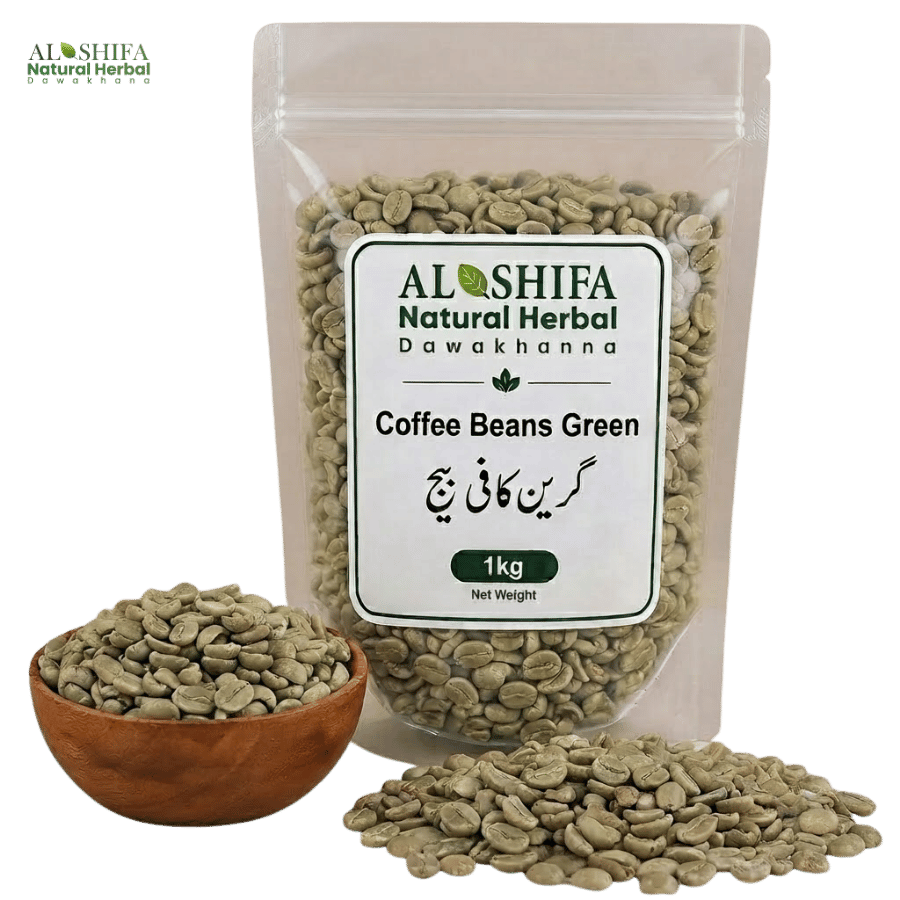
Green Coffee Beans – گرین کافی بیج are natural unroasted coffee seeds obtained from the coffee plant, retaining their characteristic natural compounds before the roasting process.
How to Use: Roast as desired for conventional coffee, or appropriately grind/crush for green coffee beverage preparations.
Storage: Keep tightly sealed in a cool, dry place away from sunlight, moisture, heat, and strong odors.
Important Note: Naturally contains caffeine. Avoid excessive intake, particularly if sensitive to caffeine.
Green Coffee Beans / Coffee Beans Green – گرین کافی بیج are the raw, unroasted seeds of the coffee plant, obtained from mature coffee fruits before the roasting process. Unlike the familiar dark brown roasted coffee beans used to prepare conventional coffee, green coffee beans retain their natural pale green, yellowish-green, or light beige appearance and have a distinctly different aroma, flavor, and chemical profile.
Coffee belongs to the botanical genus Coffea in the Rubiaceae family. Two of the most commercially important coffee species are Coffea arabica L. and Coffea canephora Pierre ex A.Froehner, commonly associated with Arabica and Robusta coffee respectively.
Green coffee beans naturally contain caffeine, chlorogenic acids, carbohydrates, proteins, lipids, minerals, trigonelline, and various other naturally occurring plant compounds. Their composition changes significantly during roasting, particularly because heat transforms or reduces some naturally occurring compounds while creating the characteristic aroma and flavor associated with roasted coffee.
Quality Green Coffee Beans should be properly identified, mature, adequately dried, clean, and protected from excessive moisture, insects, mold, foreign matter, and contamination.
Product Name: Green Coffee Beans
Urdu Name: گرین کافی بیج
Roman Name: Green Coffee Beej / Sabz Coffee Beej
English Names: Green Coffee Beans / Unroasted Coffee Beans / Raw Coffee Beans
Botanical Source: Coffee Plant
Common Botanical Species: Coffea arabica L. / Coffea canephora Pierre ex A.Froehner
Family: Rubiaceae
Genus: Coffea
Plant Part Used: Seeds
Product Form: Whole Dried Unroasted Seeds
Product Category: Botanical Beverage Ingredient / Unroasted Coffee Seeds
Naturally Contains: Caffeine, chlorogenic acids, trigonelline, carbohydrates, proteins, natural oils, minerals, and other phytochemicals
Coffee beans are actually the seeds found inside the fruits of the coffee plant.
After mature coffee fruits are harvested, the outer fruit material is removed through appropriate processing. The seeds are then dried and prepared for storage.
Before roasting, these seeds are commonly referred to as Green Coffee Beans.
They may appear:
depending on coffee species, origin, processing method, moisture content, and storage.
The word “green” therefore refers primarily to the unroasted state of the coffee bean, not necessarily to a bright green color.
Coffee plants belong to the genus Coffea and the botanical family Rubiaceae.
There are numerous Coffea species, but two are particularly important commercially.
Coffea arabica L. is one of the world’s most widely cultivated coffee species.
Arabica beans are generally valued for their distinctive aroma and flavor characteristics after roasting.
Coffea canephora is commonly known commercially as Robusta.
Its beans generally contain more caffeine than Arabica, although actual caffeine content varies according to variety, growing conditions, processing, and analytical method.
The botanical species of a specific Green Coffee Bean product should be identified according to its actual source whenever possible.
Green and roasted coffee beans originate from the same type of coffee seed, but roasting produces major physical and chemical changes.
Green beans are:
During roasting:
Therefore, Green Coffee Beans and roasted coffee should not be treated as chemically identical products.
Green Coffee Beans are particularly known for naturally occurring chlorogenic acids.
Chlorogenic acids are a group of phenolic compounds rather than one single chemical substance.
Important members and related compounds may include different forms of:
The exact composition depends on coffee species, cultivar, geographic origin, maturity, processing, storage, and analytical method.
Green coffee generally retains more of certain chlorogenic acids than heavily roasted coffee because roasting can cause substantial chemical transformation.
A common misunderstanding is to treat chlorogenic acid and caffeine as the same compound.
They are different.
Caffeine is a naturally occurring stimulant compound.
Chlorogenic acids are naturally occurring phenolic compounds found in coffee and various other plants.
Both can occur naturally in Green Coffee Beans, but they have different chemical structures and biological properties.
Green Coffee Beans naturally contain caffeine.
The amount can vary according to:
Robusta coffee generally contains more caffeine than Arabica coffee, but the exact amount in a particular batch should only be stated when supported by appropriate analysis.
Because Green Coffee Beans naturally contain caffeine, they should not be described as caffeine-free.
Green Coffee Beans may naturally contain:
Their exact composition varies naturally between species, origins, harvests, and processing methods.
Trigonelline is another naturally occurring compound found in coffee beans.
During roasting, trigonelline undergoes chemical changes and contributes indirectly to the complex chemistry associated with roasted coffee.
Green Coffee Beans therefore differ chemically from roasted coffee not only in chlorogenic acids but in several other naturally occurring constituents as well.
Green Coffee Beans contain natural lipids.
Depending on the species and processing, their lipid fraction may include various fatty acids and other oil-soluble compounds.
The lipid content and composition differ between coffee species and individual batches.
These natural oils also undergo changes during roasting and storage.
Raw Green Coffee Beans do not smell or taste like conventional roasted coffee.
Their natural sensory profile may be described as:
The familiar chocolate-like, caramelized, nutty, smoky, or deeply roasted notes associated with coffee develop largely during roasting.
Therefore, a beverage made directly from unroasted Green Coffee Beans will have a substantially different sensory profile from conventional roasted coffee.
Green Coffee Beans may be processed for use in green coffee beverages.
Because whole beans are very hard, preparation may involve appropriate cleaning and grinding or crushing using suitable equipment.
The resulting material can then be used according to the intended beverage preparation method.
The final caffeine and chlorogenic-acid content of a drink depends on factors such as:
For this reason, the strength of homemade preparations can vary considerably.
One of the primary uses of Green Coffee Beans is roasting.
During controlled roasting, the beans undergo extensive changes in:
The beans progressively change from pale green to yellow, light brown, medium brown, or dark brown depending on the roast level.
Proper coffee roasting requires appropriate control of heat and time to avoid under-roasting, scorching, or burning.
Green Coffee Beans are considerably harder and denser than roasted coffee beans.
Ordinary household coffee grinders may not always be suitable for grinding whole raw green beans and may potentially be damaged.
Where grinding is required, equipment suitable for hard raw coffee beans should be used.
Appropriate processing also helps produce a more consistent preparation.
Green Coffee Beans and their chlorogenic acids have been extensively studied in laboratory and nutritional research.
Certain coffee phenolic compounds can demonstrate antioxidant activity in experimental systems.
However, laboratory antioxidant activity does not mean that Green Coffee Beans can prevent or cure diseases in humans.
The biological effects of food compounds depend on:
Therefore, antioxidant terminology should be used carefully and should not be converted into unsupported medical claims.
Green coffee is widely marketed online for weight loss, fat burning, and metabolism.
These claims require considerable caution.
Research has investigated green coffee extracts, particularly preparations standardized for chlorogenic acids, in relation to body weight and metabolic measures. However, results have varied, and the quality and consistency of evidence are not sufficient to treat ordinary Green Coffee Beans as a proven weight-loss medicine.
An especially important distinction is:
Whole Green Coffee Beans are not the same as standardized Green Coffee Extract.
The amount and concentration of compounds delivered by an extract can differ substantially from a homemade beverage made from whole beans.
Green Coffee Beans should therefore not be marketed as:
This distinction is important when discussing scientific research.
These are raw, unroasted coffee seeds containing their naturally occurring mixture of caffeine, chlorogenic acids, proteins, carbohydrates, oils, and other compounds.
An extract is a processed preparation in which particular soluble constituents may be concentrated.
Some extracts are standardized to provide specified amounts of chlorogenic acids.
Therefore, research involving a standardized extract should not automatically be presented as evidence for the same effect from ordinary whole Green Coffee Beans.
Chlorogenic acids and coffee-derived preparations have been studied in relation to glucose metabolism.
However, Green Coffee Beans should not be claimed to:
People taking medicines for diabetes or experiencing abnormal blood glucose should follow appropriate medical advice.
Because Green Coffee Beans contain caffeine, their use requires particular caution in people who are sensitive to caffeine.
Caffeine can temporarily influence heart rate or blood pressure in some individuals.
Green Coffee Beans should not be marketed as a treatment for high blood pressure.
Individuals with cardiovascular conditions or significant caffeine sensitivity should seek appropriate professional guidance regarding caffeinated products.
Coffee and its natural compounds have been studied extensively in nutritional research.
However, ordinary Green Coffee Beans should not be presented as a medicine to:
Dietary patterns and cardiovascular health involve many factors and cannot be reduced to one botanical ingredient.
Because Green Coffee Beans naturally contain caffeine, beverages prepared from them may contribute to increased alertness in caffeine-responsive individuals.
The degree of effect depends on caffeine dose and individual sensitivity.
Caffeine should not be relied upon to replace adequate:
Excessive caffeine can produce unpleasant effects rather than additional useful alertness.
Some people are much more sensitive to caffeine than others.
Possible effects of excessive caffeine intake can include:
If these symptoms occur, caffeine intake should be reduced or stopped as appropriate.
Caffeine can remain active in the body for several hours.
Consuming caffeinated Green Coffee preparations late in the day may interfere with sleep in sensitive individuals.
People who experience sleep disturbance from caffeine may prefer to avoid Green Coffee Beans later in the afternoon or evening.
Coffee preparations may cause digestive discomfort in some individuals.
Depending on preparation, quantity, and personal sensitivity, some people may experience:
Large or highly concentrated homemade preparations should be avoided.
Green Coffee Beans naturally contain caffeine.
During pregnancy and breastfeeding, total caffeine intake from all sources should be considered, including:
Pregnant or breastfeeding individuals should follow appropriate professional recommendations regarding total daily caffeine intake rather than assuming that “green” coffee is caffeine-free or automatically safer than roasted coffee.
Caffeinated Green Coffee preparations are not ordinary children’s beverages.
Children and adolescents can be more sensitive to caffeine relative to body size.
Green Coffee Beans and concentrated preparations should therefore be kept away from young children, and caffeine exposure in younger age groups should be approached cautiously.
People taking regular medication or living with medical conditions should be cautious with concentrated caffeinated botanical preparations.
Particular consideration may be appropriate for individuals with:
Green Coffee should not be used as a replacement for prescribed treatment.
Green Coffee Beans are an agricultural product and natural variation is expected.
Beans may differ in:
These differences can be influenced by:
Some variation between batches is therefore normal.
Good-quality Green Coffee Beans should generally be:
Quality assessment for specialty roasting may involve additional grading standards beyond these basic characteristics.
Proper drying and moisture protection are particularly important for Green Coffee Beans.
Excessive moisture during storage can encourage:
Beans showing visible mold, significant moisture damage, or a strong musty odor should not be used.
Because Green Coffee Beans are a food and beverage raw material, appropriate hygiene should be maintained.
Recommended practices include:
To maintain Green Coffee Bean quality:
Green Coffee Beans can absorb environmental moisture and odors, making proper storage particularly important.
Do not use beans showing clear signs of deterioration such as:
When food safety is uncertain, the material should be discarded rather than consumed.
Green Coffee Beans are best understood as a natural unroasted coffee ingredient, not as a treatment for disease.
They should not be promoted as a cure for:
Research on isolated compounds or standardized Green Coffee Extracts does not automatically establish the same effects for ordinary whole Green Coffee Beans.
Quality Green Coffee Beans – گرین کافی بیج provide coffee in its natural unroasted form, retaining a chemical and sensory profile that differs substantially from roasted coffee.
Product Name: Green Coffee Beans
Urdu Name: گرین کافی بیج
Roman Name: Green Coffee Beej
Alternative English Names: Unroasted Coffee Beans / Raw Coffee Beans
Botanical Source: Coffee Plant
Common Botanical Species: Coffea arabica L. / Coffea canephora Pierre ex A.Froehner
Family: Rubiaceae
Genus: Coffea
Plant Part: Seeds
Product Form: Whole Dried Unroasted Coffee Beans
Product Category: Botanical Beverage Ingredient / Unroasted Coffee Seeds
Naturally Occurring Constituents: Caffeine, chlorogenic acids, trigonelline, carbohydrates, plant proteins, natural lipids, phenolic compounds, minerals, and other naturally occurring phytochemicals
Common Uses: Coffee roasting, grinding, green coffee beverage preparations, and suitable food or botanical beverage applications
Storage: Store tightly closed in a cool, dry place protected from sunlight, excessive heat, moisture, insects, contamination, and strong odors.
Green Coffee Beans / Coffee Beans Green – گرین کافی بیج are the natural unroasted seeds of the coffee plant. They differ significantly from conventional roasted coffee in color, aroma, texture, flavor, and chemical composition.
Green Coffee Beans naturally contain caffeine, chlorogenic acids, trigonelline, natural lipids, proteins, carbohydrates, minerals, and other botanical compounds. Their chlorogenic-acid profile is one of the characteristics that distinguishes green coffee from heavily roasted coffee, although exact composition varies naturally.
They can be appropriately processed for green coffee beverages or roasted to develop the familiar aroma and flavor of conventional coffee.
Important Safety Note: Green Coffee Beans naturally contain caffeine and should not be considered caffeine-free. Avoid excessive or highly concentrated intake. People who are pregnant or breastfeeding, highly sensitive to caffeine, taking regular medication, or living with relevant cardiovascular or other medical conditions should seek appropriate professional guidance regarding caffeine intake. Green Coffee Beans are a food and beverage ingredient, not a proven weight-loss, diabetes, cholesterol, blood-pressure, or disease-treatment product.
گرین کافی بیج کافی کے پودے کے پھل سے حاصل ہونے والے قدرتی، خام اور بغیر بھنے ہوئے بیج ہیں۔ عام طور پر استعمال ہونے والی بھنی ہوئی کافی کے گہرے بھورے بیج دراصل انہی خام بیجوں کو مناسب حرارت پر بھوننے کے بعد تیار ہوتے ہیں۔ بھوننے سے پہلے کافی کے بیج عموماً ہلکے سبز، زردی مائل سبز، سرمئی سبز یا ہلکے خاکی رنگ کے ہو سکتے ہیں۔
کافی کا پودا کوفیا جنس اور روبیاسی نباتاتی خاندان سے تعلق رکھتا ہے۔ تجارتی طور پر استعمال ہونے والی اہم اقسام میں کوفیا عربیکا اور کوفیا کینیفورا نمایاں ہیں۔ کوفیا کینیفورا کو عام طور پر روبسٹا کافی کے نام سے بھی جانا جاتا ہے۔
گرین کافی بیجوں میں قدرتی طور پر کیفین، کلوروجینک تیزاب، ٹرائیگونیلین، کاربوہائیڈریٹس، نباتاتی لحمیات، قدرتی روغنی اجزاء، معدنیات اور مختلف نباتاتی مرکبات موجود ہو سکتے ہیں۔
نام: گرین کافی بیج
متبادل نام: خام کافی بیج، بغیر بھنے کافی کے بیج، سبز کافی بیج
نباتاتی ماخذ: کافی کا پودا
اہم نباتاتی اقسام: کوفیا عربیکا، کوفیا کینیفورا
نباتاتی خاندان: روبیاسی
جنس: کوفیا
استعمال ہونے والا حصہ: بیج
شکل: مکمل خشک بغیر بھنے ہوئے بیج
قسم: قدرتی نباتاتی مشروب کا خام جزو
قدرتی اجزاء: کیفین، کلوروجینک تیزاب، ٹرائیگونیلین، کاربوہائیڈریٹس، نباتاتی لحمیات، قدرتی روغن، معدنیات اور دیگر نباتاتی مرکبات
کافی کے پودے پر پھل لگتے ہیں جن کے اندر کافی کے بیج موجود ہوتے ہیں۔
مناسب طور پر پختہ کافی کے پھلوں کو برداشت کرنے کے بعد ان کا بیرونی پھلی مادہ مختلف طریقوں سے الگ کیا جاتا ہے۔ حاصل ہونے والے بیجوں کو مناسب طریقے سے خشک کیا جاتا ہے۔
بھوننے سے پہلے یہی خشک بیج گرین کافی بیج کہلاتے ہیں۔
ان کی رنگت مختلف ہو سکتی ہے، مثلاً:
اس لیے لفظ گرین کا مطلب یہ ضروری نہیں کہ ہر بیج چمکدار سبز رنگ کا ہو۔ اس اصطلاح کا بنیادی مطلب کافی کے بیج کا بغیر بھنا ہوا ہونا ہے۔
کافی کے پودے کو نباتاتی طور پر کوفیا جنس میں شامل کیا جاتا ہے، جو روبیاسی خاندان سے تعلق رکھتی ہے۔
کافی کی بہت سی نباتاتی اقسام موجود ہیں، تاہم تجارتی استعمال میں دو اقسام خاص طور پر نمایاں ہیں۔
کوفیا عربیکا دنیا میں وسیع پیمانے پر کاشت کی جانے والی کافی کی اہم اقسام میں شامل ہے۔
اس کے بیج بھوننے کے بعد اپنی مخصوص خوشبو اور ذائقے کی وجہ سے بہت مقبول ہیں۔
کوفیا کینیفورا کو عام طور پر روبسٹا کافی کے نام سے جانا جاتا ہے۔
روبسٹا میں عموماً عربیکا کے مقابلے میں کیفین زیادہ ہو سکتی ہے، تاہم درست مقدار فصل، قسم، کاشت، تیاری اور تجربہ گاہی جانچ کے مطابق مختلف ہو سکتی ہے۔
کسی مخصوص مصنوعات کی درست نباتاتی قسم اس کے اصل خام مال کے مطابق درج ہونی چاہیے۔
گرین کافی اور بھنی ہوئی کافی بنیادی طور پر ایک ہی نباتاتی بیج کی مختلف حالتیں ہیں، لیکن بھوننے کے عمل سے ان کی ساخت میں نمایاں تبدیلیاں آتی ہیں۔
بغیر بھنے ہوئے بیج عموماً:
بھوننے کے دوران:
اسی لیے گرین کافی اور بھنی ہوئی کافی کو کیمیائی اور حسی اعتبار سے بالکل یکساں نہیں سمجھنا چاہیے۔
گرین کافی بیج اپنی قدرتی کلوروجینک تیزابوں کی موجودگی کی وجہ سے خاص طور پر معروف ہیں۔
کلوروجینک تیزاب کسی ایک واحد مرکب کا نام نہیں بلکہ قدرتی فینولک مرکبات کے ایک مجموعے کے لیے استعمال ہونے والی اصطلاح ہے۔
ان میں مختلف اقسام شامل ہو سکتی ہیں، مثلاً:
ان کی درست مقدار کافی کی قسم، علاقے، فصل، پختگی، تیاری، ذخیرہ اور جانچ کے طریقے کے مطابق مختلف ہو سکتی ہے۔
بھوننے کے دوران ان مرکبات میں مختلف کیمیائی تبدیلیاں آتی ہیں، اسی لیے بغیر بھنی کافی میں بعض کلوروجینک تیزاب نسبتاً زیادہ برقرار رہ سکتے ہیں۔
کلوروجینک تیزاب اور کیفین کو ایک ہی چیز نہیں سمجھنا چاہیے۔
کیفین قدرتی طور پر پایا جانے والا ایک محرک مرکب ہے۔
کلوروجینک تیزاب قدرتی فینولک مرکبات کا ایک مجموعہ ہے۔
دونوں گرین کافی بیجوں میں موجود ہو سکتے ہیں لیکن ان کی کیمیائی ساخت اور خصوصیات مختلف ہیں۔
گرین کافی بیج قدرتی طور پر کیفین رکھتے ہیں۔
کیفین کی مقدار مختلف عوامل سے متاثر ہو سکتی ہے:
روبسٹا کافی میں عموماً عربیکا کے مقابلے میں زیادہ کیفین پائی جا سکتی ہے۔
تاہم کسی مخصوص کھیپ میں کیفین کی درست مقدار صرف مناسب تجربہ گاہی جانچ کے ذریعے معلوم کی جا سکتی ہے۔
گرین کافی کو کیفین سے پاک مصنوعات نہیں سمجھنا چاہیے۔
گرین کافی بیجوں میں مختلف قدرتی نباتاتی اجزاء پائے جا سکتے ہیں۔
ان میں شامل ہیں:
ان کی مقدار مختلف اقسام اور کھیپوں میں قدرتی طور پر مختلف ہو سکتی ہے۔
ٹرائیگونیلین کافی کے بیجوں میں پایا جانے والا ایک قدرتی مرکب ہے۔
بھوننے کے دوران اس میں مختلف کیمیائی تبدیلیاں واقع ہوتی ہیں اور یہ بھنی ہوئی کافی کی پیچیدہ کیمیائی اور حسی خصوصیات سے متعلق مختلف تبدیلیوں میں حصہ لیتا ہے۔
یہ بھی ایک وجہ ہے کہ خام گرین کافی اور بھنی ہوئی کافی کی کیمیائی ساخت ایک جیسی نہیں ہوتی۔
گرین کافی بیجوں میں قدرتی روغنی اجزاء بھی پائے جاتے ہیں۔
ان میں مختلف چربیلے تیزاب اور دوسرے روغن میں حل ہونے والے نباتاتی مرکبات شامل ہو سکتے ہیں۔
ان کی مقدار کافی کی قسم، فصل اور تیاری کے طریقے کے مطابق مختلف ہو سکتی ہے۔
بھوننے اور طویل ذخیرہ کے دوران ان روغنی اجزاء کی خصوصیات میں بھی تبدیلی آ سکتی ہے۔
خام گرین کافی بیج عام بھنی ہوئی کافی جیسی خوشبو یا ذائقہ نہیں رکھتے۔
ان کی قدرتی حسی کیفیت کو عموماً:
محسوس کیا جا سکتا ہے۔
عام کافی سے وابستہ گہری، بھنی ہوئی، گری دار، کیرامل جیسی یا دھوئیں جیسی خوشبو بنیادی طور پر بھوننے کے عمل کے دوران پیدا ہوتی ہے۔
گرین کافی بیجوں کو مناسب طریقے سے تیار کرکے مشروب میں استعمال کیا جا سکتا ہے۔
چونکہ خام بیج کافی سخت ہوتے ہیں، اس لیے انہیں استعمال سے پہلے مناسب طریقے سے صاف اور مطلوبہ تیاری کے مطابق پیسا یا کچلا جا سکتا ہے۔
تیار مشروب کی طاقت اور قدرتی مرکبات کی مقدار کئی عوامل سے متاثر ہوتی ہے:
اسی لیے گھر میں تیار کیے گئے مختلف مشروبات میں کیفین اور دیگر اجزاء کی مقدار یکساں ہونا ضروری نہیں۔
گرین کافی بیجوں کا بنیادی استعمال انہیں بھون کر عام کافی تیار کرنا ہے۔
مناسب حرارت کے دوران بیجوں میں نمایاں تبدیلیاں پیدا ہوتی ہیں۔
ان میں شامل ہیں:
بھوننے کی شدت کے مطابق بیج ہلکے بھورے سے گہرے بھورے رنگ تک پہنچ سکتے ہیں۔
بہتر نتائج کے لیے حرارت اور وقت کا مناسب کنٹرول ضروری ہے تاکہ بیج جلنے سے محفوظ رہیں۔
گرین کافی بیج بھنی ہوئی کافی کے مقابلے میں زیادہ سخت اور گھنے ہوتے ہیں۔
ہر عام گھریلو کافی پیسنے والی مشین خام گرین کافی بیجوں کے لیے موزوں نہیں ہوتی۔
بہت سخت بیج نامناسب مشین کو نقصان پہنچا سکتے ہیں۔
اگر خام بیج پیسنے ہوں تو ایسے آلات کا استعمال بہتر ہے جو سخت بیجوں کے لیے موزوں ہوں۔
گرین کافی بیجوں اور ان میں موجود کلوروجینک تیزابوں پر مختلف تجربہ گاہی اور غذائی تحقیقات کی گئی ہیں۔
بعض فینولک مرکبات تجربہ گاہی حالات میں ضدِ تکسیدی سرگرمی دکھا سکتے ہیں۔
تاہم تجربہ گاہ میں دکھائی دینے والی ضدِ تکسیدی سرگرمی کا یہ مطلب نہیں کہ گرین کافی انسانی جسم میں کسی بیماری کو روکنے یا علاج کرنے کی صلاحیت رکھتی ہے۔
انسانی جسم میں کسی بھی غذائی مرکب کے اثرات کئی عوامل پر منحصر ہوتے ہیں، مثلاً:
اس لیے تحقیقی نتائج کو طبی دعووں میں تبدیل نہیں کرنا چاہیے۔
گرین کافی کو اکثر وزن کم کرنے، چربی گھلانے اور جسمانی تحول بڑھانے کے حوالے سے فروخت کیا جاتا ہے۔
ایسے دعووں میں احتیاط ضروری ہے۔
بعض تحقیقات میں گرین کافی کے مرتکز عصاروں کا مطالعہ کیا گیا ہے، خصوصاً ایسی تیاریوں کا جن میں کلوروجینک تیزاب کی مقدار مخصوص کی گئی ہو۔
لیکن عام مکمل گرین کافی بیج اور مرتکز عصارہ ایک جیسی چیزیں نہیں ہیں۔
گرین کافی بیجوں کو:
قرار دینا مناسب نہیں۔
متوازن غذا، مناسب جسمانی سرگرمی، نیند اور مجموعی طرزِ زندگی وزن کے انتظام میں زیادہ بنیادی عوامل ہیں۔
سائنسی تحقیق سمجھنے کے لیے یہ فرق بہت اہم ہے۔
ان میں قدرتی طور پر کیفین، کلوروجینک تیزاب، کاربوہائیڈریٹس، لحمیات، روغنی اجزاء اور دوسرے نباتاتی مرکبات موجود ہوتے ہیں۔
یہ ایک الگ تیار شدہ مصنوعات ہوتی ہے جس میں بعض حل ہونے والے اجزاء کو مرتکز کیا جا سکتا ہے۔
کچھ عصاروں میں کلوروجینک تیزاب کی مخصوص مقدار مقرر کی جاتی ہے۔
اسی لیے مرتکز عصارے پر ہونے والی تحقیق کو عام مکمل گرین کافی بیجوں کے استعمال پر براہِ راست لاگو نہیں کرنا چاہیے۔
کلوروجینک تیزابوں اور کافی کی مختلف تیاریوں پر جسم میں شکر کے استعمال کے حوالے سے تحقیق ہوئی ہے۔
تاہم گرین کافی بیجوں کو:
قرار نہیں دینا چاہیے۔
جو افراد ذیابیطس کی ادویات استعمال کرتے ہیں انہیں گرین کافی کی مرتکز تیاریوں کے استعمال میں مناسب طبی رہنمائی حاصل کرنی چاہیے۔
گرین کافی میں قدرتی کیفین موجود ہوتی ہے۔
کیفین بعض حساس افراد میں عارضی طور پر دل کی دھڑکن یا فشارِ خون کو متاثر کر سکتی ہے۔
اسی لیے گرین کافی کو بلند فشارِ خون کے علاج کے طور پر پیش نہیں کرنا چاہیے۔
ایسے افراد جنہیں دل، فشارِ خون یا کیفین سے حساسیت کا مسئلہ ہو، انہیں کیفین والی مصنوعات کے استعمال میں مناسب احتیاط کرنی چاہیے۔
کافی اور اس کے قدرتی مرکبات پر غذائی تحقیق موجود ہے، لیکن عام گرین کافی بیجوں کو:
قرار دینا درست نہیں۔
دل کی صحت متعدد غذائی، جسمانی، موروثی اور طرزِ زندگی کے عوامل سے متاثر ہوتی ہے۔
گرین کافی بیج قدرتی کیفین رکھتے ہیں۔
کیفین کے لیے حساس افراد میں مناسب مقدار میں کیفین عارضی طور پر چستی اور بیداری کے احساس میں اضافہ کر سکتی ہے۔
تاہم کیفین کو مناسب:
کا متبادل نہیں سمجھنا چاہیے۔
ضرورت سے زیادہ کیفین فائدے کی بجائے بے آرامی پیدا کر سکتی ہے۔
ہر شخص کیفین کے لیے یکساں حساس نہیں ہوتا۔
زیادہ مقدار یا حساسیت کی صورت میں درج ذیل علامات پیدا ہو سکتی ہیں:
ایسی علامات ظاہر ہونے پر کیفین کی مقدار کم کرنا یا استعمال روکنا مناسب ہو سکتا ہے۔
کیفین جسم میں کئی گھنٹے تک اثر انداز رہ سکتی ہے۔
کیفین کے لیے حساس افراد اگر دن کے آخری حصے یا رات کے قریب گرین کافی کا مشروب استعمال کریں تو نیند متاثر ہو سکتی ہے۔
جن افراد کو کیفین سے نیند کا مسئلہ ہوتا ہو انہیں شام اور رات میں اس کے استعمال سے گریز کرنا بہتر ہے۔
کافی کی مختلف تیاریاں بعض افراد کے معدے کے لیے موزوں نہیں ہوتیں۔
مقدار، تیاری اور انفرادی حساسیت کے مطابق بعض افراد میں:
جیسی علامات پیدا ہو سکتی ہیں۔
بہت زیادہ یا غیر معمولی طور پر مرتکز گھریلو تیاریوں سے گریز کرنا بہتر ہے۔
گرین کافی بیجوں میں قدرتی کیفین موجود ہوتی ہے۔
حمل اور دودھ پلانے کے دوران صرف گرین کافی نہیں بلکہ دن بھر میں استعمال ہونے والی تمام کیفین کو مدنظر رکھنا ضروری ہے۔
کیفین کے ذرائع میں شامل ہو سکتے ہیں:
حاملہ یا دودھ پلانے والی خواتین کو اپنی مجموعی روزانہ کیفین کی مقدار کے بارے میں مناسب طبی رہنمائی پر عمل کرنا چاہیے۔
گرین کافی کو صرف اس وجہ سے کیفین سے پاک یا لازماً زیادہ محفوظ نہیں سمجھنا چاہیے کہ یہ بغیر بھنی ہوئی کافی ہے۔
کیفین والی گرین کافی کی تیاریاں بچوں کے لیے عام مشروب نہیں ہیں۔
جسمانی وزن کے اعتبار سے بچے اور کم عمر افراد کیفین کے لیے زیادہ حساس ہو سکتے ہیں۔
گرین کافی بیج اور اس کی مرتکز تیاریاں چھوٹے بچوں کی پہنچ سے دور رکھنی چاہئیں۔
باقاعدہ ادویات استعمال کرنے والے یا مخصوص جسمانی مسائل رکھنے والے افراد کو مرتکز کیفین والی نباتاتی تیاریوں میں احتیاط کرنی چاہیے۔
خصوصاً ایسے افراد جنہیں:
ہوں، انہیں مناسب پیشہ ورانہ رہنمائی حاصل کرنا بہتر ہے۔
گرین کافی کو تجویز کردہ دوا کے متبادل کے طور پر استعمال نہیں کرنا چاہیے۔
گرین کافی ایک قدرتی زرعی مصنوعات ہے، اس لیے مختلف کھیپوں میں فرق ہو سکتا ہے۔
بیجوں میں درج ذیل خصوصیات مختلف ہو سکتی ہیں:
یہ فرق کئی عوامل کی وجہ سے پیدا ہو سکتا ہے:
اس لیے مناسب حد تک قدرتی فرق معمول کی بات ہے۔
اچھے معیار کے گرین کافی بیج عموماً:
خاص معیار کی کافی کے لیے مزید درجہ بندی اور جانچ کے اصول بھی استعمال کیے جا سکتے ہیں۔
گرین کافی بیجوں کے لیے مناسب خشک ہونا اور نمی سے تحفظ بہت اہم ہے۔
ذخیرہ کے دوران زیادہ نمی:
کا باعث بن سکتی ہے۔
ایسے بیج جن پر واضح پھپھوندی، شدید نمی یا غیر معمولی باسی بو موجود ہو انہیں استعمال نہیں کرنا چاہیے۔
گرین کافی ایک غذائی اور مشروب سازی کا خام جزو ہے، اس لیے اس کے استعمال میں صفائی ضروری ہے۔
گرین کافی بیجوں کا معیار برقرار رکھنے کے لیے:
کافی کے خام بیج ماحول کی نمی اور بعض بوؤں کو جذب کر سکتے ہیں، اس لیے مناسب ذخیرہ خاص اہمیت رکھتا ہے۔
درج ذیل علامات موجود ہوں تو بیجوں کو استعمال نہیں کرنا چاہیے:
غذائی حفاظت کے بارے میں شبہ ہونے کی صورت میں مشکوک مواد استعمال کرنے کی بجائے ضائع کرنا بہتر ہے۔
گرین کافی بیج بنیادی طور پر بغیر بھنے ہوئے قدرتی کافی کے بیج ہیں، کسی بیماری کی دوا نہیں۔
انہیں:
قرار نہیں دینا چاہیے۔
کسی الگ مرکب یا مرتکز عصارے پر ہونے والی تحقیق کو عام مکمل گرین کافی بیجوں کے طبی فائدے کے طور پر پیش کرنا درست نہیں۔
گرین کافی بیج کافی کے قدرتی خام اور بغیر بھنے ہوئے بیج ہیں جن کی ساخت اور حسی خصوصیات بھنی ہوئی کافی سے نمایاں طور پر مختلف ہوتی ہیں۔
نام: گرین کافی بیج
متبادل نام: خام کافی بیج، بغیر بھنے کافی کے بیج، سبز کافی بیج
نباتاتی ماخذ: کافی کا پودا
اہم نباتاتی اقسام: کوفیا عربیکا، کوفیا کینیفورا
نباتاتی خاندان: روبیاسی
جنس: کوفیا
استعمال ہونے والا حصہ: بیج
شکل: مکمل خشک بغیر بھنے ہوئے کافی کے بیج
قسم: قدرتی نباتاتی مشروب کا خام جزو
قدرتی اجزاء: کیفین، کلوروجینک تیزاب، ٹرائیگونیلین، کاربوہائیڈریٹس، نباتاتی لحمیات، قدرتی روغنی اجزاء، فینولک مرکبات، معدنیات اور دیگر نباتاتی اجزاء
عام استعمال: کافی بھوننے، مناسب طریقے سے پیسنے، گرین کافی مشروب کی تیاری اور دیگر موزوں غذائی و مشروب سازی کے استعمالات
ذخیرہ: اچھی طرح بند پیکنگ میں ٹھنڈی اور خشک جگہ پر رکھیں اور دھوپ، شدید گرمی، نمی، کیڑوں، آلودگی اور تیز بو والی اشیاء سے محفوظ رکھیں۔
گرین کافی بیج کافی کے پودے سے حاصل ہونے والے قدرتی خام بیج ہیں جو ابھی بھوننے کے مرحلے سے نہیں گزرے ہوتے۔ ان میں قدرتی طور پر کیفین، کلوروجینک تیزاب، ٹرائیگونیلین، نباتاتی لحمیات، کاربوہائیڈریٹس، قدرتی روغنی اجزاء، معدنیات اور دیگر نباتاتی مرکبات موجود ہو سکتے ہیں۔
بھوننے کے عمل سے کافی کی رنگت، مہک، ذائقہ، ساخت اور مختلف قدرتی مرکبات میں نمایاں تبدیلیاں آتی ہیں۔ اسی لیے گرین کافی کی قدرتی ساخت اور ذائقہ عام بھنی ہوئی کافی سے مختلف ہوتا ہے۔
گرین کافی بیجوں کو مناسب طریقے سے تیار کرکے مشروب میں استعمال کیا جا سکتا ہے یا انہیں بھون کر روایتی کافی تیار کی جا سکتی ہے۔
اہم حفاظتی نوٹ: گرین کافی بیج قدرتی طور پر کیفین رکھتے ہیں اور انہیں کیفین سے پاک مصنوعات نہیں سمجھنا چاہیے۔ ضرورت سے زیادہ یا بہت مرتکز استعمال سے گریز کریں۔ کیفین سے حساس افراد، حاملہ یا دودھ پلانے والی خواتین، باقاعدہ ادویات استعمال کرنے والے افراد اور دل یا فشارِ خون سے متعلق مسائل رکھنے والے افراد مناسب رہنمائی کے مطابق کیفین استعمال کریں۔ گرین کافی کو وزن کم کرنے، ذیابیطس، کولیسٹرول، فشارِ خون یا کسی دوسری بیماری کے ثابت شدہ علاج کے طور پر استعمال نہیں کرنا چاہیے۔00000000000000000000