دیودارآئل
Original price was: ₨ 1,500.₨ 1,200Current price is: ₨ 1,200.
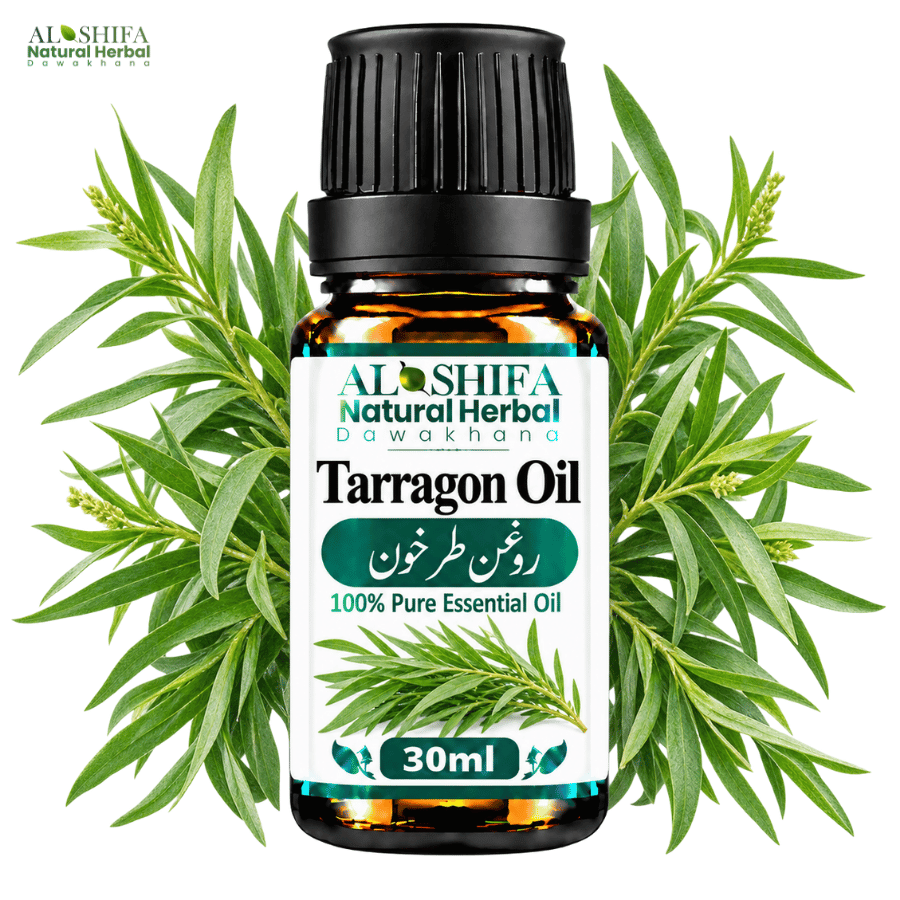
Tarragon Essential Oil / Roghan Tarkhoon / Roghan Tarkhun is a natural essential oil obtained from the leaves and flowering aerial parts of Artemisia dracunculus through steam distillation. It has a fresh, sweet, green, herbaceous, warm and distinctly anise-like aroma, with estragole (methyl chavicol) typically being an important characteristic constituent. It is valued for aromatherapy, perfumery, attars, soaps and botanical body-care formulations.
Al Shifa Tarragon Essential Oil is carefully selected for botanical identity, characteristic sweet-herbaceous aroma, freshness, quality and clean handling.
Key Features:
Usage: For topical applications, dilute appropriately in a suitable carrier oil; for aromatic use, use conservatively in a compatible diffuser or fragrance blend.
Important Note: Tarragon Essential Oil can be rich in estragole (methyl chavicol), so concentrated or prolonged use should be conservative. It should not be casually consumed and should be distinguished from Tarragon infused oil or fragrance oil.
Tarragon Essential Oil is a strongly aromatic essential oil obtained mainly from the leaves and flowering aerial parts of Artemisia dracunculus L., an aromatic perennial herb belonging to the Asteraceae family. Tarragon is widely known as a culinary and aromatic herb and is recognized in South Asian herbal terminology as Tarkhoon / Tarkhun / طرخون.
The essential oil has a distinctive sweet, fresh, green, herbaceous, warm, spicy and anise-like aroma. Its characteristic fragrance is largely associated with estragole (methyl chavicol), which can occur as a major constituent in many Tarragon oil chemotypes. Because estragole has important safety considerations at concentrated exposure, Tarragon Essential Oil should be used conservatively and appropriately diluted.
Al Shifa Tarragon Essential Oil is carefully selected for its botanical identity, characteristic sweet-herbaceous aroma, freshness, quality and clean handling.
Tarragon Essential Oil is the concentrated volatile aromatic oil obtained from Artemisia dracunculus, principally from its leaves and flowering aerial portions, through steam distillation or hydrodistillation.
Common names include:
The scientific name Artemisia dracunculus is important because Tarragon belongs to the large Artemisia genus, which contains numerous aromatic species with substantially different chemical profiles.
Product Name: Tarragon Essential Oil
English Name: Tarragon Essential Oil / Tarragon Oil
Urdu Name: روغن طرخون
Roman Name: Roghan Tarkhoon / Roghan Tarkhun
Scientific Name: Artemisia dracunculus L.
Plant Family: Asteraceae
Plant Part: Leaves & Flowering Aerial Parts
Oil Type: Volatile Botanical Essential Oil
Extraction Method: Steam Distillation / Hydrodistillation
Common Forms/Names: Tarragon Oil, Estragon Oil, French Tarragon Oil, Dragon Herb Oil
Appearance: Clear, Colourless to Pale Yellow; natural variation may occur
Aroma: Sweet, Green, Herbaceous, Warm, Spicy and Anise-Like
Primary Applications: Aromatherapy, Perfumery, Fragrance Blends, Massage Formulations, Soaps and Personal Care
Product Type: Natural Essential Oil
Artemisia dracunculus is an aromatic perennial herb with slender green leaves and a characteristic sweet-spicy fragrance.
It belongs to the same botanical genus as several other well-known Artemisia plants, but Tarragon has its own distinct botanical and chemical identity.
Its leaves are particularly valued for their characteristic aroma and are also known internationally as a culinary herb.
Tarkhoon / Tarkhun / طرخون is a commonly recognized regional name for Tarragon.
For accurate identification:
Tarragon = Tarkhoon = Artemisia dracunculus
However, the scientific name should remain on the product label because the genus Artemisia includes many different species that should not be used interchangeably.
The aromatic leaves and flowering aerial parts are subjected to steam distillation or hydrodistillation.
During distillation, steam releases the volatile aromatic compounds present in the plant material. After condensation, the concentrated essential oil separates from the aromatic water.
The resulting oil possesses Tarragon’s distinctive sweet, herbaceous and anise-like fragrance.
Tarragon Essential Oil typically has an aromatic profile described as:
The sweet anise-like aspect can make Tarragon reminiscent of Anise or Fennel, but these plants and their essential oils are botanically different.
The composition of Tarragon Essential Oil varies according to geographic origin, plant variety, growing conditions, harvest stage and distillation.
Its volatile profile can include:
The proportions can differ substantially between samples and chemotypes.
A batch-specific GC-MS analysis is therefore particularly valuable for Tarragon Essential Oil.
Estragole, also known as methyl chavicol, is one of the most important constituents associated with many Tarragon Essential Oils.
It contributes significantly to Tarragon’s characteristic:
However, estragole is also the reason Tarragon Essential Oil requires a more conservative safety approach than many mild aromatic oils.
High estragole content should not automatically be interpreted as meaning that an oil is safer or higher quality.
Not every Artemisia dracunculus plant produces an identical essential oil.
Chemical composition can vary considerably according to plant genetics and geographic origin. Different Tarragon materials can therefore contain different proportions of estragole and other volatile constituents.
This makes three pieces of information especially valuable:
For a commercial Tarragon Essential Oil, these provide more useful identification than aroma alone.
Tarragon has a powerful sweet-green herbal aroma and can be incorporated in small amounts into aromatic blends.
It combines aromatically with oils such as:
Because of its strong aroma and estragole content, conservative amounts are preferable.
Tarragon Essential Oil can contribute an unusual green, sweet, spicy and anise-like herbal note to fragrance formulations.
It can be explored in:
A small quantity can noticeably influence the overall fragrance profile.
Tarragon Essential Oil may be incorporated into properly formulated and appropriately diluted aromatic massage blends.
Suitable carrier oils include:
Because Tarragon is a concentrated estragole-containing essential oil, it should not be treated like a mild everyday carrier oil.
Where suitable formulation limits are followed, Tarragon Essential Oil can be incorporated into products such as:
The amount used should remain appropriately controlled according to the finished formulation and current ingredient safety guidance.
Fresh or dried Tarragon used as a culinary herb is fundamentally different from its concentrated essential oil.
Tarragon Herb: Whole leaves and aerial plant material.
Tarragon Essential Oil: Highly concentrated volatile fraction obtained through distillation.
The fact that Tarragon is used as a culinary herb does not mean its concentrated essential oil can be consumed casually.
The sweet anise-like fragrance can cause confusion between these oils.
Tarragon: Artemisia dracunculus — Asteraceae
Anise / Aniseed: Pimpinella anisum — Apiaceae
They are completely different botanical species.
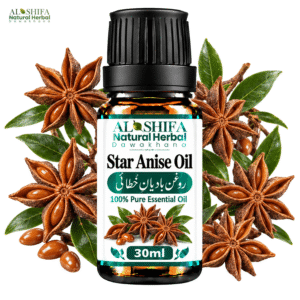
Tarragon should also not be confused with Star Anise.
Tarragon: Artemisia dracunculus
Star Anise: Illicium verum
Both can present sweet anise-like aromatic characteristics, but their botanical sources and essential-oil profiles are different.
Tarragon: Artemisia dracunculus
Fennel: Foeniculum vulgare
Fennel is another aromatic plant with a sweet anise-like fragrance, but it belongs to a different botanical family and produces a different essential oil.
Tarragon belongs to the genus Artemisia, but it should not be confused with:
Wormwood: Artemisia absinthium
Mugwort: Artemisia vulgaris
Sweet Wormwood: Artemisia annua
These species have different chemical compositions and safety considerations.
Therefore:
Tarragon Essential Oil ≠ Wormwood Essential Oil ≠ Mugwort Essential Oil
Research involving Artemisia dracunculus may examine:
These materials have different compositions and concentrations.
Research involving whole Tarragon herb, extracts or isolated compounds should therefore not automatically be presented as evidence for the complete essential oil.
Tarragon Essential Oil deserves particular attention because many chemotypes can contain substantial amounts of estragole (methyl chavicol).
Concentrated exposure to estragole raises toxicological concerns, particularly with unnecessary or prolonged high exposure.
For this reason:
Tarragon Essential Oil: Distilled volatile oil from Artemisia dracunculus.
Tarragon Herb: Fresh or dried leaves/aerial plant material.
Tarragon Extract: Produced using a different extraction process and chemically different from distilled essential oil.
Tarragon Infused Oil: Tarragon botanical material infused into a fixed carrier oil.
Tarragon Fragrance Oil: A formulated aromatic product that may not contain genuine Artemisia dracunculus essential oil.
Tarragon Essential Oil is concentrated and should be appropriately diluted.
Because of Tarragon Essential Oil’s chemical profile, particularly its potential estragole content, avoiding unsupervised use during pregnancy and breastfeeding is the more conservative approach.
Seek appropriately qualified professional guidance where use is being considered.
Tarragon Essential Oil should not be treated as a routine children’s essential oil.
Avoid casual use with babies and young children. Any specialized use for children should be based on age-appropriate professional guidance and suitable formulation limits.
Tarragon Essential Oil should not be casually consumed.
The culinary use of Tarragon leaves does not establish that concentrated essential oil is suitable for oral use.
A product supplied for aromatherapy, cosmetic or fragrance purposes should not automatically be considered food-grade.
Al Shifa Natural Herbal selects Tarragon Essential Oil with attention to:
For Aromatherapy: Use a small amount in a compatible aromatic blend or diffuser according to appropriate essential-oil usage guidance.
For Perfumery & Attars: Incorporate in controlled amounts into herbal, green, spicy or aromatic fragrance compositions.
For Massage: Use only after appropriate dilution in Jojoba, Sweet Almond, Grapeseed or another suitable carrier oil.
For Body Care: Incorporate at a suitable low concentration into properly formulated body oils, creams, lotions or balms.
For Soap & Cosmetics: Follow the formulation requirements and appropriate safety limits for the finished product.
Tarragon Essential Oil refers specifically to the concentrated volatile oil of Artemisia dracunculus. It should not be confused with Tarragon infused oil, Tarragon extract, Anise, Star Anise, Fennel, Wormwood or Mugwort Essential Oil.
Because many Tarragon oils can be rich in estragole (methyl chavicol), conservative use and accurate product identification are particularly important. Culinary use of Tarragon leaves should not be used as justification for casual internal use of its concentrated essential oil.
Store Tarragon Essential Oil in a tightly closed dark glass bottle in a cool, dry place away from direct sunlight and excessive heat.
Keep the bottle properly closed after use to minimize exposure to air and preserve its characteristic aromatic profile.
Al Shifa Natural Herbal offers Tarragon Essential Oil / Roghan Tarkhoon / Roghan Tarkhun / روغن طرخون for customers seeking genuine Artemisia dracunculus botanical essential oil for aromatherapy, perfumery, attars, carefully formulated massage blends, soaps and personal-care applications.
Customers searching for Tarragon Essential Oil in Pakistan, Roghan Tarkhoon, Roghan Tarkhun, Artemisia dracunculus Oil, Tarragon Oil price in Pakistan, Tarragon Essential Oil in Lahore or buy Tarragon Essential Oil online in Pakistan should check the botanical name and product type to distinguish genuine distilled Tarragon Essential Oil from infused oils, extracts and fragrance oils.
Product Name: Tarragon Essential Oil
English Name: Tarragon Essential Oil / Tarragon Oil
Urdu Name: روغن طرخون
Roman Name: Roghan Tarkhoon / Roghan Tarkhun
Scientific Name: Artemisia dracunculus L.
Plant Family: Asteraceae
Plant Part: Leaves & Flowering Aerial Parts
Extraction Method: Steam Distillation / Hydrodistillation
Oil Type: Volatile Botanical Essential Oil
Appearance: Clear, Colourless to Pale Yellow
Aroma: Sweet, Green, Herbaceous, Warm, Spicy and Anise-Like
Primary Applications: Aromatherapy, Perfumery, Attars, Carefully Diluted Massage Blends, Soaps & Personal Care
Important Note: Tarragon Essential Oil can contain substantial estragole (methyl chavicol) and should be used conservatively. It is botanically Artemisia dracunculus and should not be confused with Anise, Star Anise, Fennel, Wormwood or Mugwort oils.
روغن طرخون طرخون کی خوشبودار پتیوں اور نرم پھول دار شاخوں سے حاصل ہونے والا طاقتور خوشبودار روغن ہے۔ طرخون ایک معروف خوشبودار جڑی بوٹی ہے جس کا سائنسی نام آرٹیمیسیا ڈریکونکولس ہے اور اس کا تعلق ایسٹریسی خاندان سے ہے۔
طرخون کی پتیاں باریک، لمبی اور خوشبودار ہوتی ہیں۔ انہیں مسلنے پر میٹھی، سبز، مصالحہ دار اور سونف جیسی مخصوص مہک نکلتی ہے۔ اس کے پتوں اور نرم بالائی حصوں سے بھاپ کے ذریعے روغن حاصل کیا جاتا ہے۔
روغن طرخون خوشبودار جسمانی مالش، پیٹ کی مالش کے روغنی آمیزوں، پٹھوں کی مالش، عطر، صابن اور ماحول کو خوشبودار بنانے کے لیے استعمال ہوتا ہے۔
اردو نام: روغن طرخون، طرخون کا روغن
پنجابی نام: طرخون دا تیل
ہندی نام: طرخون تیل، ترخون تیل
فارسی نام: روغن ترخون
عربی نام: زیت الطرخون، دهن الطرخون
انگریزی نام: ٹیراگون ایسینشل آئل، ٹیراگون آئل
سائنسی نام: آرٹیمیسیا ڈریکونکولس
خاندان: ایسٹریسی
استعمال ہونے والا حصہ: پتے، نرم شاخیں اور پھول دار بالائی حصہ
روغن حاصل کرنے کا طریقہ: بھاپ کے ذریعے کشید
طرخون ایک باریک پتوں والی خوشبودار جڑی بوٹی ہے۔
اس کی شاخیں باریک اور سیدھی ہوتی ہیں جبکہ پتے لمبے، پتلے اور ہموار ہوتے ہیں۔
پتیاں سبز رنگ کی ہوتی ہیں اور مسلنے پر ان سے مخصوص میٹھی اور مصالحہ دار خوشبو نکلتی ہے۔
طرخون کی مختلف اقسام پائی جاتی ہیں، اس لیے روغن کے لیے صحیح سائنسی نام دیکھنا ضروری ہے۔
طرخون کی اہم پہچان:
ہے۔
صحیح جڑی بوٹی کی پہچان کے لیے آرٹیمیسیا ڈریکونکولس کا سائنسی نام اہم ہے۔
طرخون کی خوشبودار پتیاں، نرم شاخیں اور پھول دار بالائی حصے کشید کے لیے استعمال کیے جاتے ہیں۔
انہیں صاف کرنے کے بعد بھاپ کے ذریعے کشید کیا جاتا ہے۔
بھاپ جڑی بوٹی میں موجود اڑنے والے خوشبودار اجزا کو اپنے ساتھ لے جاتی ہے۔
ٹھنڈا ہونے کے بعد خوشبودار روغن پانی سے الگ ہو جاتا ہے۔
حاصل ہونے والے روغن کو صاف کر کے روشنی سے محفوظ بوتل میں بھرا جاتا ہے۔
روغن طرخون کی رنگت:
ہو سکتی ہے۔
اس کی قدرتی رنگت پودے کی قسم، فصل، موسم اور کشید کے طریقے کے مطابق الگ رہتی ہے۔
روغن طرخون کی خوشبو:
ہوتی ہے۔
اس کی مخصوص میٹھی خوشبو میں ایسٹراگول کا اہم حصہ ہوتا ہے۔
پاکستان اور برصغیر میں رائج حکمت میں طرخون ایک معروف خوشبودار جڑی بوٹی ہے۔
اسے گرم اور خشک مزاج والی جڑی بوٹیوں میں شمار کیا جاتا ہے۔
حکیمی استعمال میں طرخون کو خاص طور پر معدہ، ہاضمہ، بھوک اور پیٹ میں گیس سے وابستہ ادویات میں شامل کیا جاتا ہے۔
خالص روغن طرخون جڑی بوٹی کے مقابلے میں بہت زیادہ طاقتور خوشبودار شکل ہے، اس لیے دونوں کو ایک جیسی مقدار میں استعمال نہیں کیا جاتا۔
پاکستان اور برصغیر میں رائج حکمت میں طرخون کو خوشبودار مفرد دوا کے طور پر استعمال کیا جاتا ہے۔
اسے حکیمی ادویات میں:
کے لیے شامل کیا جاتا ہے۔
یہ فائدے طرخون کی جڑی بوٹی کے حکیمی استعمال سے وابستہ ہیں۔ خالص کشید شدہ روغن زیادہ طاقتور ہوتا ہے، اس لیے اس کا استعمال الگ احتیاط کے ساتھ کیا جاتا ہے۔
روغن طرخون میں مختلف قدرتی خوشبودار اجزا پائے جاتے ہیں جن میں:
شامل ہو سکتے ہیں۔
ان اجزا کا تناسب طرخون کی قسم، علاقے، موسم، فصل اور کشید کے طریقے کے مطابق الگ رہتا ہے۔
ایسٹراگول روغن طرخون کے اہم خوشبودار اجزا میں شمار ہوتا ہے۔
یہ روغن کو مخصوص میٹھی، مصالحہ دار اور سونف جیسی خوشبو دیتا ہے۔
طرخون کے روغن میں ایسٹراگول کی مقدار نمایاں ہو سکتی ہے، اسی لیے خالص روغن کو زیادہ مقدار میں یا طویل عرصے تک خود سے استعمال نہیں کرنا چاہیے۔
لیمونین روغن طرخون کی خوشبو میں ہلکی تازگی شامل کرتا ہے۔
یہ میٹھی اور مصالحہ دار خوشبو کے ساتھ مل کر روغن کی مجموعی مہک کو تازہ بناتا ہے۔
روغن طرخون خاص طور پر:
کے لیے استعمال ہوتا ہے۔
روغن طرخون کو پیٹ کی مالش کے خوشبودار روغنی آمیزوں میں کم مقدار میں شامل کیا جاتا ہے۔
اسے روغن بادام، جوجوبا یا تل جیسے بنیادی روغن میں اچھی طرح ملا کر پیٹ پر نرم ہاتھ سے مالش کی جاتی ہے۔
بدہضمی، گیس، اپھارہ یا معدے کے کسی مرض کے طبی استعمال کے لیے معالج سے پوچھ کر استعمال کریں۔
روغن طرخون جسمانی مالش کے خوشبودار آمیزوں میں کم مقدار میں استعمال ہوتا ہے۔
اسے روغن بادام، جوجوبا، ناریل یا تل میں ملا کر جسم پر نرم ہاتھ سے مالش کی جاتی ہے۔
اس کی میٹھی اور مصالحہ دار خوشبو مالش کے روغن کو نمایاں مہک دیتی ہے۔
جسمانی مشقت یا ورزش کے بعد استعمال ہونے والے مالش کے آمیزوں میں روغن طرخون کم مقدار میں شامل کیا جاتا ہے۔
اسے بنیادی روغن میں ملا کر بازوؤں، ٹانگوں، کندھوں اور کمر پر نرم ہاتھ سے مالش کی جاتی ہے۔
روغن طرخون کو پٹھوں کی مالش کے روغنی آمیزوں میں استعمال کیا جاتا ہے۔
اسے بنیادی روغن میں کم مقدار میں ملا کر مطلوبہ حصے پر نرم ہاتھ سے مالش کریں۔
مسلسل درد یا پٹھوں کے کسی مرض میں طبی استعمال معالج سے پوچھ کر کریں۔
گردن اور کندھوں کی جسمانی تھکن اور کھنچاؤ کے لیے تیار روغنی آمیزوں میں روغن طرخون کم مقدار میں شامل کیا جاتا ہے۔
اسے بنیادی روغن میں اچھی طرح ملا کر گردن کے پچھلے حصے اور کندھوں پر نرم ہاتھ سے مالش کی جاتی ہے۔
روغن طرخون اپنی میٹھی، سبز، سونف جیسی اور مصالحہ دار خوشبو کی وجہ سے خوشبودار جسمانی روغنوں میں استعمال ہوتا ہے۔
اس کی خوشبو طاقتور ہوتی ہے، اس لیے آمیزے میں بہت کم مقدار کافی رہتی ہے۔
روغن طرخون خوشبو کے آمیزوں میں سبز، میٹھی اور مصالحہ دار مہک کے لیے استعمال ہوتا ہے۔
اسے ترش پھلوں، جڑی بوٹیوں اور لکڑی کی خوشبو والے روغنوں کے ساتھ کم مقدار میں ملایا جاتا ہے۔
روغن طرخون صابن میں سبز، میٹھی اور مصالحہ دار خوشبو کے لیے استعمال ہوتا ہے۔
اس کی مہک نمایاں ہوتی ہے، اس لیے صابن کے خوشبودار آمیزوں میں مقدار کم رکھی جاتی ہے۔
روغن طرخون کو خوشبو پھیلانے والے آلے میں بہت کم مقدار میں استعمال کیا جاتا ہے۔
اس کی میٹھی، سبز اور مصالحہ دار مہک ماحول میں نمایاں خوشبو پیدا کرتی ہے۔
روغن طرخون کو:
کے ساتھ خوشبودار اور جسمانی مالش کے آمیزوں میں ملایا جاتا ہے۔
طرخون کی مختلف اقسام پائی جاتی ہیں اور ان کی خوشبو اور قدرتی اجزا ایک جیسے نہیں ہوتے۔
خوشبودار روغن کے لیے آرٹیمیسیا ڈریکونکولس کا سائنسی نام دیکھنا ضروری ہے۔
فرانسیسی طرخون اپنی میٹھی اور سونف جیسی خوشبو کے لیے مشہور ہے۔
دوسری اقسام میں خوشبو کی شدت اور ایسٹراگول سمیت قدرتی اجزا کا تناسب مختلف رہتا ہے۔
طرخون کا تعلق آرٹیمیسیا نسل سے ہے، لیکن آرٹیمیسیا نسل کی تمام جڑی بوٹیاں طرخون نہیں ہیں۔
طرخون کا سائنسی نام آرٹیمیسیا ڈریکونکولس ہے۔
افسنطین، ناگ دونا اور دوسری آرٹیمیسیا اقسام الگ جڑی بوٹیاں ہیں۔
ان کی خوشبو، قدرتی اجزا اور استعمال الگ ہوتے ہیں۔
اسی لیے صرف آرٹیمیسیا نام دیکھ کر مختلف جڑی بوٹیوں کو ایک نہ سمجھیں۔
اچھے روغن طرخون کی پہچان کے لیے:
اہم ہیں۔
روغن طرخون طاقتور خوشبودار روغن ہے، اس لیے اسے جلد پر خالص حالت میں زیادہ مقدار میں استعمال نہ کریں۔
اسے روغن بادام، جوجوبا، ناریل یا تل جیسے بنیادی روغن میں بہت کم مقدار میں ملا کر استعمال کریں۔
پہلی بار استعمال سے پہلے جلد کے چھوٹے حصے پر تھوڑی مقدار آزمائیں۔
حساس جلد والے افراد روغن طرخون کو بہت کم مقدار میں بنیادی روغن کے ساتھ استعمال کریں۔
پہلی بار جلد کے چھوٹے حصے پر آزمائیں۔
سرخی، جلن، خارش یا سوجن ہونے پر استعمال بند کریں۔
جلد کے کسی مرض میں طبی استعمال معالج سے پوچھ کر کریں۔
طرخون کی جڑی بوٹی خوراک اور حکیمی ادویات میں استعمال ہوتی ہے، لیکن خالص کشید شدہ روغن اس جڑی بوٹی کے برابر نہیں ہے۔
روغن طرخون میں ایسٹراگول نمایاں مقدار میں موجود ہو سکتا ہے۔
بیرونی اور خوشبودار استعمال کے لیے تیار خالص روغن خود سے نہ پئیں۔
کسی مرض کے لیے اندرونی استعمال معالج سے پوچھ کر کریں۔
حمل کے دوران خالص روغن طرخون کا طبی استعمال خود سے نہ کریں۔
دودھ پلانے کے دوران بھی طبی استعمال معالج سے پوچھ کر کریں۔
جلد پر استعمال کے لیے اسے بنیادی روغن میں بہت کم مقدار میں ملائیں۔
دودھ پلانے کے دوران ایسی جگہ نہ لگائیں جہاں سے روغن بچے کے منہ تک پہنچے۔
بچوں پر خالص روغن طرخون براہ راست استعمال نہ کریں۔
اس کے قدرتی اجزا اور طاقتور خوشبو کی وجہ سے بچوں کے لیے طبی استعمال معالج سے پوچھ کر کریں۔
آنکھوں، ناک، منہ اور چہرے کے بہت قریب خالص روغن استعمال نہ کریں۔
روغن طرخون آرٹیمیسیا ڈریکونکولس کی خوشبودار پتیوں، نرم شاخوں اور پھول دار بالائی حصوں سے بھاپ کے ذریعے حاصل ہونے والا طاقتور روغن ہے۔
اس میں ایسٹراگول نمایاں خوشبودار جز ہو سکتا ہے، جبکہ اوسی مین، لیمونین، پنین، میرسین اور دوسرے خوشبودار اجزا بھی پائے جاتے ہیں۔
پاکستان اور برصغیر کی حکمت میں طرخون کی جڑی بوٹی معدہ، بھوک، بدہضمی، گیس اور اپھارے سے وابستہ حکیمی ادویات میں استعمال ہوتی ہے۔
خالص کشید شدہ روغن طرخون جڑی بوٹی سے زیادہ طاقتور ہوتا ہے، اس لیے اسے خاص طور پر اندرونی استعمال کے لیے خود سے استعمال نہ کریں۔
الشفاء نیچرل ہربل دواخانہ میں روغن طرخون کے لیے درج ذیل باتوں کو اہمیت دی جاتی ہے:
صحیح طرخون: آرٹیمیسیا ڈریکونکولس کی درست پہچان کو اہمیت دی جاتی ہے۔
اچھی پتیاں: صاف، تازہ، خوشبودار اور اچھی حالت والی پتیوں اور نرم بالائی شاخوں کو اہمیت دی جاتی ہے۔
قدرتی خوشبو: میٹھی، سبز، مصالحہ دار اور سونف جیسی قدرتی خوشبو کو دیکھا جاتا ہے۔
صحیح حصہ: خوشبودار پتے، نرم شاخیں اور پھول دار بالائی حصہ اہم ہیں۔
صحیح کشید: بھاپ کے ذریعے حاصل ہونے والے روغن کو اہمیت دی جاتی ہے۔
قدرتی اجزا: ایسٹراگول اور دوسرے قدرتی خوشبودار اجزا کو اہمیت دی جاتی ہے۔
صاف روغن: پانی، گرد اور غیر ضروری ذرات سے پاک روغن کو اہمیت دی جاتی ہے۔
تازگی: باسی یا خراب بو والے روغن سے بچا جاتا ہے۔
غیر ضروری ملاوٹ سے پاک: مصنوعی خوشبو، غیر ضروری رنگ اور کم معیار کے دوسرے روغنوں کی ملاوٹ سے پاک ہونے کو اہمیت دی جاتی ہے۔
الشفاء نیچرل ہربل دواخانہ سنہ ۱۹۹۹ سے قدرتی جڑی بوٹیوں، پتوں، بیجوں اور ان سے حاصل ہونے والے روغنوں کی سپلائی کر رہا ہے۔
ہم روغن طرخون میں صحیح آرٹیمیسیا ڈریکونکولس، اچھی خوشبودار پتیاں، قدرتی میٹھی اور مصالحہ دار خوشبو، صاف حالت، تازگی اور غیر ضروری ملاوٹ سے پاک ہونے کو اہمیت دیتے ہیں۔
اچھے روغن طرخون کی پہچان صحیح سائنسی نام، اصل استعمال ہونے والے حصے، میٹھی سونف جیسی خوشبو، صاف حالت اور بھاپ کے ذریعے کشید سے کی جاتی ہے۔
روغن طرخون کو ٹھنڈی، خشک اور روشنی سے محفوظ جگہ پر کسی جار میں اچھی طرح پیک کر کے رکھیں۔
تیز دھوپ اور زیادہ گرمی سے دور رکھیں۔
استعمال کے بعد ڈھکن اچھی طرح بند کریں۔
پانی اور نمی سے محفوظ رکھیں۔
بچوں کی پہنچ سے دور رکھیں۔
روغن طرخون طاقتور خوشبودار روغن ہے اور اس میں ایسٹراگول نمایاں مقدار میں موجود ہو سکتا ہے۔
اسے جلد پر خالص حالت میں زیادہ مقدار میں استعمال نہ کریں۔
بنیادی روغن میں بہت کم مقدار میں ملا کر استعمال کریں۔
پہلی بار استعمال سے پہلے جلد کے چھوٹے حصے پر آزمائیں۔
آنکھوں، ہونٹوں، منہ، ناک کے اندرونی حصے اور کھلے زخموں سے دور رکھیں۔
خالص روغن خود سے نہ پئیں۔
حمل کے دوران طبی استعمال خود سے نہ کریں۔
دودھ پلانے اور بچوں میں طبی استعمال معالج سے پوچھ کر کریں۔
روغن طرخون آرٹیمیسیا ڈریکونکولس کی خوشبودار پتیوں، نرم شاخوں اور پھول دار بالائی حصوں سے بھاپ کے ذریعے حاصل کیا جاتا ہے۔
اسے روغن طرخون اور ٹیراگون آئل کے نام سے جانا جاتا ہے۔
اس کی خاص پہچان میٹھی، سبز، مصالحہ دار اور سونف جیسی تیز خوشبو ہے۔
پاکستان اور برصغیر کی حکمت میں طرخون کو معدہ، بھوک، بدہضمی، گیس اور اپھارے سے وابستہ حکیمی ادویات میں شامل کیا جاتا ہے۔
اس کے خالص روغن میں ایسٹراگول نمایاں مقدار میں موجود ہو سکتا ہے، اس لیے خالص روغن اور عام طرخون کی جڑی بوٹی کو ایک جیسی مقدار میں استعمال نہیں کیا جاتا۔
روغن طرخون جسمانی مالش، پیٹ کی خوشبودار مالش، پٹھوں کی مالش، عطر، صابن اور ماحول کو خوشبودار بنانے کے لیے استعمال ہوتا ہے۔
خالص روغن طرخون کی پہچان کے لیے آرٹیمیسیا ڈریکونکولس کا صحیح سائنسی نام، خوشبودار پتے اور نرم شاخیں، بھاپ کے ذریعے کشید، قدرتی میٹھی مصالحہ دار خوشبو، صاف حالت، تازگی اور غیر ضروری ملاوٹ سے پاک ہونا اہم ہے۔