روغن دار چینی
₨ 650

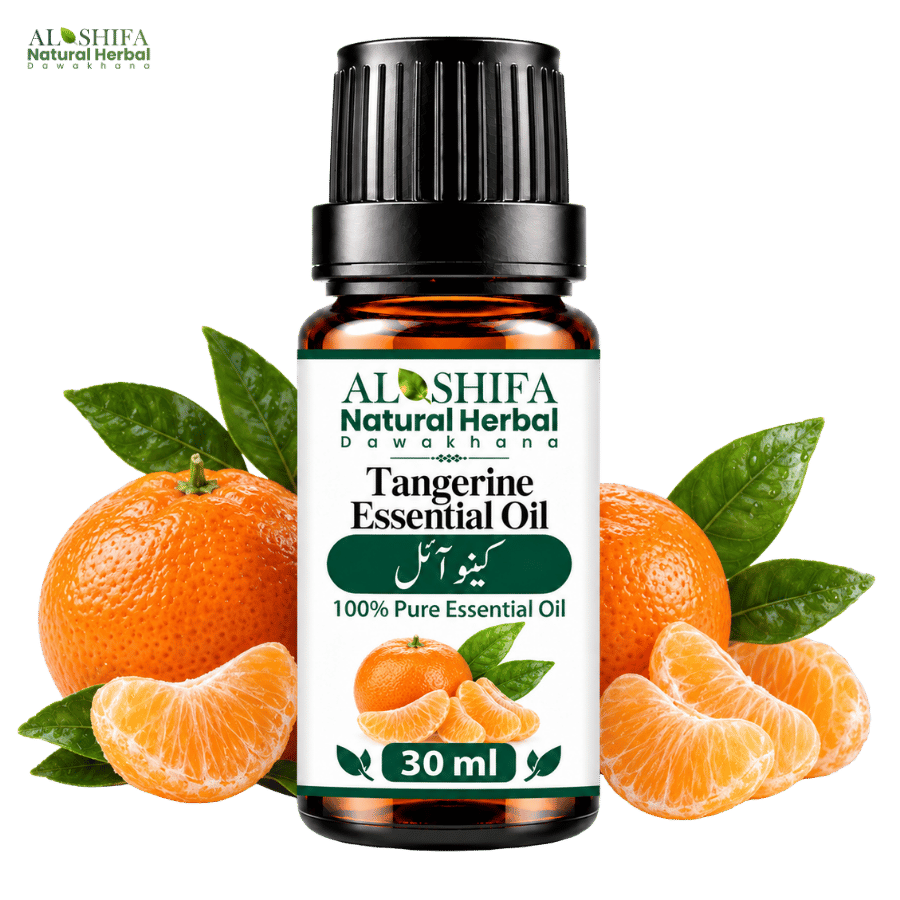
Tangerine Essential Oil is a fresh citrus peel essential oil commonly associated with Citrus reticulata. Known for its sweet, juicy, fruity, fresh and softly tangy citrus aroma, it is widely valued for perfumes, diffusers, aromatic blends, soaps, body-care formulations and diluted massage oils.
Al Shifa Tangerine Essential Oil is carefully selected with attention to its citrus identity, characteristic fresh aroma, essential-oil quality, clean handling, protective packaging and proper storage.
Key Features:
Usage: Use in perfumes, diffusers or aromatic blends as required. For massage or body-care formulations, dilute appropriately in a suitable carrier oil before application.
Important Note: Tangerine Essential Oil is a concentrated citrus peel oil and should not be confused with Tangerine juice, Sweet Orange Oil or fragrance oil. Tangerine, Mandarin and Kinnow are closely related citrus types but should not automatically be considered identical products.
Tangerine Essential Oil is a fresh, sweet and fruity citrus essential oil obtained primarily from the outer peel of tangerine fruit, commonly associated with Citrus reticulata. It is valued for its characteristic sweet, juicy, bright, fresh and softly tangy citrus aroma and is widely used in perfumery, diffusers, aromatic blends, soaps, body-care formulations and properly diluted massage oils.
Tangerine belongs to the broad mandarin citrus group. Because citrus naming and commercial classifications can overlap, Tangerine Oil and Mandarin Oil may be closely related, but commercial products should not automatically be assumed to have exactly the same botanical source, maturity or aromatic profile.
Al Shifa Tangerine Essential Oil is carefully selected with attention to its citrus identity, characteristic fresh aroma, essential-oil quality, clean handling, protective packaging and proper storage.
Tangerine Essential Oil is a concentrated volatile aromatic oil obtained mainly from the coloured outer peel of tangerine fruit.
The botanical source is commonly associated with:
Citrus reticulata
The plant belongs to the Rutaceae family.
Like many citrus peel oils, Tangerine Essential Oil is commonly produced through mechanical expression or cold pressing of the peel rather than conventional steam distillation.
English Name: Tangerine Essential Oil
Roman Name: Tangerine Oil / Kinnow Oil
Scientific Name: Citrus reticulata Blanco
Plant Family: Rutaceae
Plant Part: Fruit Peel
Oil Type: Essential Oil / Volatile Citrus Peel Oil
Common Production Method: Cold Pressed / Expressed
Fragrance Character: Sweet, Fresh, Juicy, Fruity & Citrusy
Primary Applications: Perfume, Diffuser, Aromatic, Soap, Body-Care & Diluted Massage Blends
Product Type: Natural Citrus Peel Essential Oil
Tangerine Essential Oil is commonly obtained from the coloured outer portion of the fruit peel.
Mechanical expression releases the aromatic oil naturally present in small glands within the peel.
The collected oil contains the concentrated volatile fragrance of the citrus peel.
This means:
Tangerine Peel ≠ Tangerine Essential Oil
The peel contains many plant components that are not present in the same form or concentration in the expressed essential oil.
Tangerine Essential Oil commonly has an aroma described as:
Compared with sharper citrus oils, Tangerine Oil is often appreciated for its softer and sweeter fragrance profile.
Tangerine Essential Oil is valued as a bright citrus fragrance material.
It may be incorporated into:
Its bright aroma is particularly useful as a fresh top note.
Tangerine Essential Oil is generally used as a top-note fragrance material.
Top notes provide the first aromatic impression of a perfume but usually evaporate faster than deeper woody or resinous base notes.
Tangerine can contribute:
It can balance heavier floral, woody and resinous fragrance materials.
Tangerine Essential Oil can blend well with:
The final aroma depends on the complete formulation.
Tangerine Essential Oil may be used in compatible aromatic diffusers.
Its sweet citrus fragrance can create an atmosphere that feels:
These descriptions refer to the aromatic experience rather than medical effects.
Tangerine Essential Oil may be incorporated into properly diluted massage oils primarily for its pleasant citrus fragrance.
Suitable carrier oils can include:
Appropriate dilution is important before wider skin application.
When properly formulated, Tangerine Essential Oil may be incorporated into:
Its main role is aromatic and cosmetic.
Tangerine Essential Oil contains a mixture of naturally occurring volatile citrus compounds.
These may include:
The exact composition can vary according to cultivar, fruit maturity, growing region, processing and production method.
Limonene is commonly a major component of Tangerine Essential Oil.
However:
Tangerine Essential Oil ≠ Pure Limonene
The natural oil contains a complex mixture of volatile compounds that collectively create its fragrance.
Tangerine and Mandarin belong to a closely related citrus group.
Commercial terminology can overlap considerably.
Both are commonly associated with Citrus reticulata and closely related cultivated forms.
However, oils sold as Tangerine and Mandarin may differ according to:
Therefore:
Tangerine Oil ≠ Automatically Identical to Every Mandarin Oil
Botanical and supplier information should be checked when exact identity matters.
Kinnow is a cultivated mandarin hybrid widely grown in Pakistan and other parts of South Asia.
Its botanical background is within the mandarin citrus group, but Kinnow is a specific hybrid cultivar.
Therefore:
Tangerine ≠ Automatically Kinnow
A product should only be identified specifically as Kinnow Oil when the source fruit is actually Kinnow.
Sweet Orange is generally identified as:
Citrus sinensis
Tangerine is commonly associated with:
Citrus reticulata
Their aromas can be similar because both are sweet citrus oils, but their botanical identities and fragrance profiles are not identical.
Therefore:
Tangerine Essential Oil ≠ Sweet Orange Essential Oil
Bergamot Essential Oil is obtained from Citrus bergamia.
It has a distinctive citrus-floral fragrance that differs from Tangerine.
Therefore:
Tangerine Essential Oil ≠ Bergamot Essential Oil
This distinction is also important when considering skin and sunlight precautions.
Lemon Essential Oil is generally obtained from Citrus limon.
Tangerine Oil is sweeter, softer and more fruity in fragrance.
Therefore:
Tangerine Essential Oil ≠ Lemon Essential Oil
Tangerine juice is primarily a water-based food product obtained from the inner fruit.
Tangerine Essential Oil is concentrated aromatic oil obtained mainly from the peel.
Therefore:
Tangerine Essential Oil ≠ Tangerine Juice
A peel extract can contain a different range of compounds depending on the extraction process.
Cold-pressed Tangerine Essential Oil primarily represents the volatile aromatic oil fraction of the peel.
Therefore:
Tangerine Essential Oil ≠ Tangerine Peel Extract
Tangerine fragrance oil may be a manufactured aromatic composition designed to reproduce a tangerine-like scent.
Natural Tangerine Essential Oil is obtained from actual citrus peel.
Therefore:
Tangerine Essential Oil ≠ Tangerine Fragrance Oil
Tangerine Essential Oil is a concentrated volatile aromatic oil.
Carrier oils are fixed fatty oils used as the main base in massage and body formulations.
Therefore:
Tangerine Essential Oil ≠ Carrier Oil
Appropriate dilution is important before wider skin application.
Citrus oils can be produced through different methods.
Cold pressing or expression obtains aromatic oil directly from the peel.
Steam distillation can produce a different chemical profile because less volatile and non-volatile peel compounds behave differently during processing.
Therefore:
Cold-Pressed Tangerine Oil ≠ Automatically Identical to Distilled Tangerine Oil
The production method matters when evaluating fragrance and skin-use considerations.
Citrus essential oils are often grouped together when discussing sunlight sensitivity, but they are not all equally phototoxic.
Tangerine Essential Oil is generally not considered to have the same major phototoxicity concern associated with expressed Bergamot Oil.
However, this does not mean concentrated Tangerine Oil should be applied carelessly.
For leave-on skin formulations:
Therefore:
Citrus Oil ≠ Automatically Phototoxic
and
Non-Phototoxic Classification ≠ Undiluted Skin Use
Citrus essential oils contain volatile compounds that can oxidise during prolonged exposure to:
Oxidised citrus oil may have a changed aroma and can present a greater skin-sensitivity concern.
Therefore, proper storage is especially important.
A strong sweet citrus fragrance alone cannot confirm:
Therefore:
Strong Tangerine Aroma ≠ Proof of Purity
Natural Tangerine Essential Oil may vary in colour according to fruit source, maturity, production and storage.
Colour alone cannot confirm purity or quality.
Therefore:
Colour ≠ Proof of Authenticity
Sweet citrus aromas are frequently used in relaxing or uplifting aromatic environments.
However:
Pleasant Citrus Aroma ≠ Treatment for Anxiety, Depression or Insomnia
Aromatic enjoyment should remain separate from medical treatment claims.
Tangerine-derived oils and individual citrus constituents have been investigated experimentally for antimicrobial activity.
However:
Laboratory Antimicrobial Activity ≠ Treatment for Human Infection
Tangerine Essential Oil should not replace appropriate medical care.
Citrus materials and individual constituents may demonstrate antioxidant activity in experimental settings.
However:
Antioxidant Activity ≠ Proven Prevention or Treatment of Disease
Research findings should not be converted into exaggerated health claims.
Citrus essential oils are sometimes promoted online for weight loss or detoxification.
These claims should be treated cautiously.
Therefore:
Tangerine Essential Oil ≠ Weight-Loss Treatment
and
Tangerine Essential Oil ≠ Medical Detox Treatment
Tangerine Essential Oil is concentrated.
For massage, body or wider skin application, it should be appropriately diluted in a suitable carrier oil or professionally formulated cosmetic base.
Therefore:
Higher Concentration ≠ Better Effect
Excessive concentration can increase irritation or sensitivity.
Adding Tangerine Essential Oil directly to plain water does not create a properly diluted preparation.
Essential oils naturally separate from water.
Therefore:
Essential Oil + Water ≠ Proper Dilution
Appropriate formulation methods are required for water-based products.
Before wider skin application of a properly diluted Tangerine formulation, apply a small amount to a limited area.
Observe for:
Stop use if significant irritation develops.
Natural citrus oils contain concentrated aromatic compounds.
Sensitive individuals can experience irritation or allergic reactions.
Therefore:
Natural ≠ Allergy-Free
Do not place Tangerine Essential Oil directly into the eyes.
Avoid concentrated application around:
Tangerine fruit is commonly consumed as food, but concentrated peel essential oil is a different product.
Therefore:
Eating Tangerine Fruit ≠ Ingesting Tangerine Essential Oil
and
Natural Essential Oil ≠ Automatically Food Grade
Do not ingest a product intended for external, aromatic or perfumery use.
Concentrated essential oils should be used thoughtfully during pregnancy and breastfeeding.
For extensive skin application or concentrated aromatic formulations, appropriate professional guidance is sensible.
Use concentrated Tangerine Essential Oil cautiously around infants and young children.
Avoid:
Keep the bottle securely out of children’s reach.
At Al Shifa Natural Herbal Dawakhana, Tangerine Essential Oil is selected with attention to:
Citrus Identity – Associated with Citrus reticulata and the mandarin citrus group.
Characteristic Aroma – Sweet, fresh, juicy, fruity and citrusy.
Peel-Derived Essential Oil – Obtained from aromatic citrus peel.
Clean Handling – Carefully handled during packing.
Protective Packaging – Helps protect volatile citrus compounds from environmental exposure.
Clear Product Identity – Distinguished from Sweet Orange, Bergamot, Lemon, fragrance oil and carrier oil.
Responsible Information – Aromatic and cosmetic applications separated from exaggerated medical claims.
Proper Storage – Protected from excessive heat, light, air and contamination.
Al Shifa Natural Herbal Dawakhana, established in 1999, supplies essential oils, carrier oils, herbs and specialised aromatic materials throughout Pakistan.
Our focus for Tangerine Essential Oil includes:
For Perfume Blends: Use according to the requirements of the fragrance formulation to provide a sweet, fresh and fruity citrus top note.
For Diffusers: Add an appropriate amount according to the instructions of the specific diffuser.
For Aromatic Blends: Combine with compatible citrus, floral, woody, resinous or spice essential oils.
For Massage Oils: Dilute appropriately in a suitable carrier oil before skin application.
For Body-Care Formulations: Use at an appropriate concentration in a properly formulated cosmetic product.
For sensitive skin, perform a patch test before wider application.
Tangerine Essential Oil is a concentrated citrus peel oil commonly associated with Citrus reticulata and should not be confused with Tangerine juice, Sweet Orange Oil, Bergamot Oil, Lemon Oil, fragrance oil or carrier oil.
Important distinctions include:
Store Tangerine Essential Oil in a cool, clean and dry place.
For best quality:
Tangerine Essential Oil is a fresh citrus peel essential oil commonly associated with Citrus reticulata. It is valued for its characteristic sweet, juicy, fruity, fresh and softly tangy citrus fragrance.
It is especially suitable for perfumes, diffusers, aromatic blends, soaps, body-care formulations and properly diluted massage oils.
Correct product identity is important because Tangerine Essential Oil, Mandarin Oil, Kinnow Oil, Sweet Orange Oil, Bergamot Oil, citrus fragrance oils and carrier oils are not automatically identical products.
Customers searching for Tangerine Essential Oil, Tangerine Oil, Citrus reticulata Oil, Kinnow Oil, Pure Tangerine Essential Oil, Natural Tangerine Oil, Tangerine Peel Oil, Tangerine Perfume Oil, Tangerine Diffuser Oil, Tangerine Aromatherapy Oil, Tangerine Massage Oil, Tangerine Essential Oil Pakistan, Tangerine Oil Pakistan, Kinnow Oil Pakistan, Tangerine Oil Lahore, Tangerine Essential Oil price in Pakistan, Kinnow Oil price in Pakistan, buy Tangerine Oil Pakistan or Tangerine Essential Oil online Pakistan can choose Al Shifa Natural Herbal Dawakhana for carefully selected citrus aromatic oil.
Since 1999, Al Shifa Natural Herbal Dawakhana has focused on supplying essential oils and natural aromatic materials with attention to product identity, quality selection, clean handling, responsible information, protective packaging and proper storage.
Product Name: Tangerine Essential Oil
English Name: Tangerine Essential Oil
Roman Name: Tangerine Oil / Kinnow Oil
Scientific Name: Citrus reticulata Blanco
Plant Family: Rutaceae
Plant Part: Fruit Peel
Oil Type: Essential Oil / Volatile Citrus Peel Oil
Common Production Method: Cold Pressed / Expressed
Fragrance Character: Sweet, Fresh, Juicy, Fruity & Citrusy
Primary Applications: Perfume, Diffuser, Aromatic, Soap, Body-Care & Diluted Massage Blends
Product Type: Natural Citrus Peel Essential Oil
Important Note: Tangerine Essential Oil is a concentrated citrus peel oil. Tangerine, Mandarin and Kinnow belong to a closely related citrus group, but these commercial names should not automatically be treated as identical botanical products. Appropriate dilution and proper storage are important.
کینو آئل کینو کے تازہ چھلکے سے حاصل ہونے والا خوشبودار روغن ہے۔ اس کی خوشبو میٹھی، تازہ، رسیلے ترش پھل جیسی اور خوشگوار ہوتی ہے۔ کینو کے چھلکے میں موجود قدرتی خوشبودار اجزا اس روغن کو اس کی خاص مہک دیتے ہیں۔
کینو آئل کو عطر، جسمانی خوشبو، جلد کی دیکھ بھال، جسمانی مالش، بالوں کے خوشبودار روغن، صابن، خوشبودار موم اور کمرے میں خوشبو پھیلانے کے لیے استعمال کیا جاتا ہے۔
اس روغن میں لیمونین سب سے نمایاں قدرتی خوشبودار جز ہے۔ اس کے ساتھ گاما ٹرپینین، مائرسین، الفا پائینین اور دوسرے قدرتی خوشبودار اجزا بھی پائے جاتے ہیں۔
اردو: کینو آئل، روغن کینو، کینو کے چھلکے کا روغن
پنجابی: کینو دا تیل، کینو دے چھلکے دا تیل
ہندی: کینو تیل، کینو چھلکا تیل
فارسی: روغن نارنگی، روغن پوست نارنگی
عربی: زیت قشر الیوسفندی، زیت الیوسفندی
انگریزی نام: ٹینجرین ایسینشل آئل، ٹینجرین آئل
سائنسی نام: سٹرس ریٹیکیولاٹا
خاندان: سٹرس خاندان
کینو ایک مشہور ترش پھل ہے جو پاکستان میں خاص طور پر سردیوں کے موسم میں بہت پسند کیا جاتا ہے۔
اس کا چھلکا نارنجی رنگ کا اور خوشبودار ہوتا ہے۔ چھلکے کے بیرونی حصے میں چھوٹے غدود موجود ہوتے ہیں جن میں قدرتی خوشبودار روغن پایا جاتا ہے۔
چھلکے کو دبانے پر نکلنے والی تیز اور تازہ خوشبو اسی روغن کی وجہ سے محسوس ہوتی ہے۔
کینو کے چھلکے سے حاصل ہونے والا روغن پھل کے رس سے مختلف ہوتا ہے۔ خوشبودار روغن زیادہ تر چھلکے کے بیرونی حصے سے حاصل کیا جاتا ہے۔
کینو آئل زیادہ تر تازہ کینو کے چھلکے کو دبا کر حاصل کیا جاتا ہے۔
اس طریقے میں چھلکے کے بیرونی حصے میں موجود خوشبودار روغن نکالا جاتا ہے، پھر اسے پانی اور چھلکے کے دوسرے حصوں سے الگ کر کے صاف کیا جاتا ہے۔
اچھے کینو آئل میں تازہ کینو کے چھلکے جیسی میٹھی، رسیلی اور ترش خوشبو صاف محسوس ہوتی ہے۔
پاکستانی حکیمی کتبِ مفردات میں کینو کے موجودہ نام سے ایک الگ مفرد دوا کے طور پر واضح اور یکساں مزاج عام طور پر بیان نہیں کیا جاتا۔
کینو کا تعلق ترش پھلوں کے خاندان سے ہے، لیکن صرف اسی بنیاد پر اس کے خوشبودار روغن کا مزاج اپنی طرف سے مقرر کرنا درست نہیں۔
اسی لیے کینو آئل کے لیے کوئی غیر مستند مزاج لکھنے کے بجائے اس کی اصل پہچان، چھلکے سے حاصل ہونے کا طریقہ، قدرتی اجزا اور درست استعمال کو اہمیت دی جاتی ہے۔
کینو آئل کی سب سے نمایاں خوبی اس کی تازہ، میٹھی اور رسیلے پھل جیسی خوشبو ہے۔
اسے گھر، دفتر اور دوسرے کمروں میں خوشگوار مہک کے لیے استعمال کیا جاتا ہے۔
اس کی خوشبو خاص طور پر ان لوگوں کو پسند آتی ہے جو نرم اور میٹھی ترش خوشبو پسند کرتے ہیں۔
کینو آئل کی تازہ خوشبو ذہنی تھکن کے وقت خوشگوار محسوس ہوتی ہے۔
اسے کمرے میں خوشبو پھیلانے والے آلے میں استعمال کیا جاتا ہے۔
لیموں، برگاموٹ، لیونڈر اور لوبان کے ساتھ اس کی خوشبو اچھی رہتی ہے۔
کینو آئل کی نرم، میٹھی اور پھل جیسی مہک آرام کے وقت خوشگوار ماحول بناتی ہے۔
اسے لیونڈر، صندل یا لوبان کے ساتھ کمرے میں خوشبو پھیلانے کے لیے استعمال کیا جاتا ہے۔
کینو آئل کو بادام، جوجوبا، ناریل یا دوسرے مناسب ہلکے روغن میں ملا کر جسمانی مالش میں استعمال کیا جاتا ہے۔
اس کی میٹھی اور تازہ خوشبو مالش کے روغن کو خوشگوار مہک دیتی ہے۔
خالص کینو آئل کو زیادہ مقدار میں براہ راست جلد پر نہ لگائیں۔
دن بھر کی جسمانی تھکن کے بعد کینو آئل کو مناسب مالش والے روغن میں ملا کر ہلکی جسمانی مالش کی جاتی ہے۔
اس کی تازہ خوشبو مالش کے وقت خوشگوار محسوس ہوتی ہے۔
کینو آئل کو مناسب ہلکے روغن میں ملا کر گردن اور کندھوں کی مالش میں استعمال کیا جاتا ہے۔
یہ خاص طور پر دوسرے نرم خوشبودار روغنوں کے ساتھ اچھا امتزاج بناتا ہے۔
گردن یا کندھوں کے مسلسل درد اور پٹھوں کے امراض میں اصل وجہ معالج سے چیک کروائیں۔
کینو آئل کو بادام یا دوسرے مناسب روغن میں ملا کر ہاتھوں اور پاؤں کی خوشبودار مالش میں استعمال کیا جاتا ہے۔
اس کی تازہ خوشبو ہاتھوں اور پاؤں کے روغن کو خوشگوار مہک دیتی ہے۔
کینو آئل کو جلد کے لیے موزوں ہلکے روغن میں بہت کم مقدار میں شامل کیا جاتا ہے۔
اس کی تازہ ترش خوشبو جسمانی روغن کو خوشگوار مہک دیتی ہے۔
جلد پر پہلی بار استعمال سے پہلے چھوٹے حصے پر تھوڑی مقدار آزمائیں۔
کینو آئل جلد کی صفائی کے لیے بنائے جانے والے خوشبودار صابن اور جلد کی دیکھ بھال والی ادویات میں کم مقدار میں شامل کیا جاتا ہے۔
چہرے پر استعمال کے لیے ہمیشہ مناسب مقدار اور جلد کے لیے موزوں شکل کا انتخاب کریں۔
حساس جلد پر پہلے تھوڑی مقدار آزمائیں۔
کینو آئل جسمانی روغن اور مالش والے مرکبات میں تازہ خوشبو کے لیے شامل کیا جاتا ہے۔
اسے بادام، جوجوبا یا ناریل کے روغن میں ملا کر استعمال کریں۔
آنکھوں، ہونٹوں اور کھلے زخموں سے دور رکھیں۔
کینو آئل بالوں کے روغن میں تازہ اور میٹھی خوشبو کے لیے استعمال کیا جاتا ہے۔
اس کے چند قطرے ناریل، بادام یا جوجوبا کے روغن میں شامل کیے جاتے ہیں۔
یہ بالوں کے روغن میں تازہ ترش پھل جیسی خوشبو پیدا کرتا ہے۔
کینو آئل کو مناسب بالوں کے روغن میں اچھی طرح ملا کر سر کی جلد کی ہلکی مالش میں استعمال کیا جاتا ہے۔
اسے خالص حالت میں براہ راست سر کی جلد پر زیادہ مقدار میں نہ لگائیں۔
سر کی جلد کے امراض میں طبی استعمال معالج سے پوچھ کر کریں۔
کینو آئل عطر میں تازہ، میٹھی اور ترش پھل جیسی خوشبو کے لیے استعمال کیا جاتا ہے۔
اس کی مہک خوشبو کے شروع میں جلد نمایاں ہوتی ہے اور عطر کو تازہ انداز دیتی ہے۔
اسے پھولوں، لکڑی، مصالحوں اور دوسرے ترش پھلوں کے خوشبودار روغنوں کے ساتھ ملایا جاتا ہے۔
کینو آئل اور لیونڈر کی خوشبو نرم، تازہ اور خوشگوار امتزاج بناتی ہے۔
یہ امتزاج کمرے کی خوشبو، جسمانی روغن، صابن اور خوشبودار موم میں پسند کیا جاتا ہے۔
برگاموٹ کی تازہ ترش مہک کینو کی میٹھی پھل جیسی خوشبو کے ساتھ اچھی طرح ملتی ہے۔
یہ امتزاج تازہ عطر اور کمرے کی خوشبو میں استعمال کیا جاتا ہے۔
صندل کی نرم لکڑی جیسی مہک کینو آئل کی میٹھی اور تازہ خوشبو کو گہرائی دیتی ہے۔
یہ امتزاج جسمانی خوشبو اور عطر میں پسند کیا جاتا ہے۔
لوبان کی گہری رال اور لکڑی جیسی خوشبو کینو کی میٹھی ترش مہک کے ساتھ خوب ملتی ہے۔
یہ امتزاج خاص طور پر کمرے کی خوشبو اور گہرے عطر میں پسند کیا جاتا ہے۔
پچولی کی مٹی اور لکڑی جیسی گہری مہک کینو آئل کی تازہ مٹھاس کے ساتھ اچھا امتزاج بناتی ہے۔
اس امتزاج کو عطر اور جسمانی خوشبو میں استعمال کیا جاتا ہے۔
کینو آئل کو دیودار، صندل، پچولی، کالی مرچ اور لوبان کے ساتھ ملا کر مردانہ خوشبو میں استعمال کیا جاتا ہے۔
کینو کی تازگی گہری لکڑی اور مصالحہ دار خوشبوؤں کو نرم انداز دیتی ہے۔
کینو آئل گلاب، یلنگ یلنگ، لیونڈر اور دوسری پھولوں جیسی خوشبوؤں کے ساتھ خوب ملتا ہے۔
اس کی میٹھی ترش مہک زنانہ عطر میں تازگی پیدا کرتی ہے۔
کینو آئل خوشبو پھیلانے والے آلے میں استعمال کیا جاتا ہے۔
اسے اکیلا یا لیونڈر، لوبان، لیموں، برگاموٹ، صندل اور دوسرے مناسب خوشبودار روغنوں کے ساتھ استعمال کیا جاتا ہے۔
اس کی میٹھی اور تازہ خوشبو گھر میں خوشگوار ماحول پیدا کرتی ہے۔
کینو آئل خوشبودار صابن میں تازہ ترش پھل جیسی مہک کے لیے استعمال کیا جاتا ہے۔
اسے لیموں، لیونڈر، صندل اور دوسری مناسب خوشبوؤں کے ساتھ ملایا جاتا ہے۔
کینو آئل خوشبودار موم اور موم بتیوں میں تازہ، میٹھی اور پھل جیسی مہک کے لیے استعمال کیا جاتا ہے۔
دار چینی، لونگ اور لکڑی جیسی خوشبوؤں کے ساتھ کینو کی مہک سرد موسم کے لیے گرم اور خوشگوار امتزاج بناتی ہے۔
کینو آئل میں لیمونین، گاما ٹرپینین، مائرسین، الفا پائینین اور دوسرے قدرتی خوشبودار اجزا پائے جاتے ہیں۔
ان میں لیمونین کی مقدار نمایاں رہتی ہے۔
یہ اجزا مل کر کینو آئل کی میٹھی، تازہ اور ترش پھل جیسی خاص خوشبو بناتے ہیں۔
لیمونین کینو کے چھلکے اور اس کے روغن کا نمایاں قدرتی خوشبودار جز ہے۔
اس کی مہک تازہ، میٹھی اور ترش پھل جیسی ہوتی ہے۔
کینو آئل کی پہچانی جانے والی تازہ خوشبو میں اس کا بڑا حصہ ہے۔
گاما ٹرپینین کینو آئل میں پائے جانے والے قدرتی خوشبودار اجزا میں شامل ہے۔
یہ کینو کی تازہ اور ہلکی مصالحہ دار ترش مہک کے مجموعے میں حصہ لیتا ہے۔
مائرسین کینو کے چھلکے کے روغن میں پایا جانے والا قدرتی خوشبودار جز ہے۔
یہ پھل جیسی خوشبو میں نرم اور ہلکا گہرا انداز پیدا کرتا ہے۔
الفا پائینین تازہ خوشبو رکھنے والا قدرتی جز ہے۔
یہ کینو آئل کی تازہ اور صاف مہک کے مجموعے میں شامل رہتا ہے۔
اچھے کینو آئل کی خوشبو تازہ کینو کے چھلکے جیسی میٹھی، رسیلی اور ترش ہوتی ہے۔
اس کی رنگت ہلکی زرد سے نارنجی رہتی ہے۔
روغن صاف اور غیر ضروری ذرات سے پاک ہونا چاہیے۔
باسی، سڑی ہوئی یا بہت تیز مصنوعی خوشبو اچھے کینو آئل کی پہچان نہیں ہے۔
تازہ کینو کے چھلکے جیسی قدرتی مہک اس کی اہم پہچان ہے۔
اچھے کینو: تازہ، خوشبودار اور اچھی حالت والے کینو کے چھلکوں کو اہمیت دی جاتی ہے۔
درست شناخت: سٹرس ریٹیکیولاٹا کی درست شناخت کو اہمیت دی جاتی ہے۔
قدرتی خوشبو: تازہ کینو کے چھلکے جیسی میٹھی اور ترش خوشبو ہونی چاہیے۔
قدرتی رنگت: ہلکی زرد سے نارنجی قدرتی رنگت کو دیکھا جاتا ہے۔
صاف روغن: پانی، گرد اور غیر ضروری ذرات سے پاک ہونا چاہیے۔
تازگی: باسی یا خراب بو نہیں ہونی چاہیے۔
واضح مہک: تھوڑی مقدار میں بھی تازہ کینو کی خوشبو صاف محسوس ہونی چاہیے۔
غیر ضروری ملاوٹ سے پاک: مصنوعی رنگ، مصنوعی خوشبو اور کم معیار کے روغن کی ملاوٹ نہیں ہونی چاہیے۔
کینو کا رس پھل کے اندرونی گودے سے حاصل کیا جاتا ہے۔
کینو آئل زیادہ تر پھل کے بیرونی چھلکے سے حاصل کیا جاتا ہے۔
دونوں کی ساخت، مقدار اور استعمال الگ ہیں۔
کینو آئل کو کینو کے رس کی طرح پینا درست نہیں ہے۔
کینو اور میٹھا نارنج ایک ہی سٹرس خاندان سے تعلق رکھتے ہیں، مگر تجارتی اور پودے کی شناخت میں انہیں الگ ناموں سے پیش کیا جاتا ہے۔
کینو آئل میں نرم، میٹھی اور رسیلے پھل جیسی مہک نمایاں رہتی ہے۔
میٹھے نارنج کے روغن کی خوشبو بھی میٹھی اور ترش ہوتی ہے، مگر دونوں کی درست شناخت بوتل پر واضح ہونی چاہیے۔
کینو، ٹینجرین اور مینڈارن کے نام دنیا کے مختلف علاقوں میں ایک دوسرے کے قریب پھلوں کے لیے استعمال کیے جاتے ہیں۔
ان سب کا تعلق سٹرس ریٹیکیولاٹا کے گروہ سے ہے۔
اسی وجہ سے روغن خریدتے وقت صرف عام نام کے بجائے پھل کی درست شناخت اور سائنسی نام دیکھنا ضروری ہے۔
کینو آئل کو بادام، جوجوبا، ناریل یا دوسرے مناسب ہلکے روغن میں ملا کر استعمال کریں۔
پہلی بار استعمال سے پہلے جلد کے چھوٹے حصے پر تھوڑی مقدار آزمائیں۔
آنکھوں، ہونٹوں، ناک کے اندرونی حصے اور کھلے زخموں سے دور رکھیں۔
خالص روغن زیادہ مقدار میں براہ راست جلد پر نہ لگائیں۔
ترش پھلوں کے چھلکوں سے حاصل ہونے والے روغن جلد پر استعمال کرتے وقت دھوپ کے معاملے میں احتیاط رکھنا بہتر ہے۔
کینو آئل جلد پر لگانے کے بعد تیز دھوپ میں نکلنے سے پہلے اس کی بوتل پر دی گئی ہدایات دیکھیں۔
اگر روغن کی تیاری کا طریقہ واضح نہ ہو تو اسے رات کے وقت یا دھوپ سے محفوظ جلد پر استعمال کریں۔
کینو کا پھل کھانے کے لیے استعمال کیا جاتا ہے، لیکن کینو کے چھلکے سے حاصل ہونے والا خوشبودار روغن بہت زیادہ گاڑھا ہوتا ہے۔
عام خوشبودار کینو آئل کو اپنی طرف سے خوراک میں شامل نہ کریں۔
اندرونی استعمال معالج سے پوچھ کر کریں۔
خوراک کے لیے صرف وہ روغن استعمال کریں جس پر واضح طور پر کھانے کے قابل ہونے کی ہدایت موجود ہو۔
کینو آئل کو جلد پر ہمیشہ مناسب ہلکے روغن میں ملا کر استعمال کریں۔
حساس جلد پر پہلی بار استعمال سے پہلے تھوڑی مقدار آزمائیں۔
آنکھوں، ہونٹوں اور کھلے زخموں سے دور رکھیں۔
پرانا یا خراب بو والا کینو آئل جلد پر استعمال نہ کریں۔
حمل کے دوران کینو آئل کا زیادہ یا طبی استعمال اپنی طرف سے نہ کریں۔
جلد یا جسمانی مالش کے لیے استعمال معالج سے پوچھ کر کریں۔
اسے مناسب ہلکے روغن میں کم مقدار میں ملا کر استعمال کریں۔
دودھ پلانے کے دوران کینو آئل کو چھاتی اور بچے کے منہ کے قریب نہ لگائیں۔
طبی استعمال معالج سے پوچھ کر کریں۔
بچوں کی جلد پر خالص کینو آئل براہ راست استعمال نہ کریں۔
بچوں کے لیے طبی استعمال معالج سے پوچھ کر کریں۔
کینو آئل کی بوتل بچوں کی پہنچ سے دور رکھیں۔
کینو آئل کینو کے تازہ چھلکے سے حاصل ہونے والا خوشبودار روغن ہے۔
اس میں لیمونین نمایاں قدرتی خوشبودار جز ہے۔ اس کے ساتھ گاما ٹرپینین، مائرسین، الفا پائینین اور دوسرے قدرتی خوشبودار اجزا پائے جاتے ہیں۔
اس کا بیرونی استعمال جسمانی مالش، جلد کی دیکھ بھال، بالوں کے خوشبودار روغن، عطر، صابن، خوشبودار موم اور کمرے میں خوشبو پھیلانے کے لیے کیا جاتا ہے۔
پاکستانی حکیمی کتبِ مفردات میں کینو کے موجودہ نام سے الگ اور واضح مزاج عام طور پر مقرر نہیں کیا گیا، اس لیے کینو آئل کے لیے اپنی طرف سے مزاج مقرر نہیں کیا جاتا۔
کینو کا پھل اور کینو کے چھلکے سے حاصل ہونے والا خوشبودار روغن مقدار اور استعمال کے لحاظ سے ایک چیز نہیں ہیں۔
اندرونی استعمال معالج سے پوچھ کر کریں۔
الشفاء نیچرل ہربل دواخانہ میں کینو آئل کے لیے درج ذیل باتوں کو اہمیت دی جاتی ہے:
اچھے کینو: تازہ، خوشبودار اور اچھی حالت والے کینو کے چھلکوں کو اہمیت دی جاتی ہے۔
درست شناخت: سٹرس ریٹیکیولاٹا کی درست شناخت کو اہمیت دی جاتی ہے۔
قدرتی خوشبو: تازہ کینو کے چھلکے جیسی میٹھی، رسیلی اور ترش خوشبو کو اہمیت دی جاتی ہے۔
قدرتی رنگت: ہلکی زرد سے نارنجی قدرتی رنگت کو دیکھا جاتا ہے۔
صاف روغن: پانی، گرد اور غیر ضروری ذرات سے پاک روغن کو اہمیت دی جاتی ہے۔
واضح مہک: تھوڑی مقدار میں بھی تازہ کینو کی صاف خوشبو کو اہمیت دی جاتی ہے۔
تازگی: باسی، سڑی ہوئی یا خراب بو والے روغن سے بچا جاتا ہے۔
غیر ضروری ملاوٹ سے پاک: مصنوعی رنگ، مصنوعی خوشبو اور کم معیار کے روغن کی ملاوٹ سے پاک ہونے کو اہمیت دی جاتی ہے۔
الشفاء نیچرل ہربل دواخانہ سنہ ۱۹۹۹ سے قدرتی جڑی بوٹیوں، بیجوں، پھلوں کے چھلکوں اور ان سے حاصل ہونے والے روغنوں کی سپلائی کر رہا ہے۔
ہم کینو آئل میں اچھے کینو کے چھلکے، درست شناخت، صاف حالت، قدرتی رنگت، تازہ ترش خوشبو، تازگی اور غیر ضروری ملاوٹ سے پاک ہونے کو اہمیت دیتے ہیں۔
اچھے کینو آئل کی پہچان اس کی تازہ کینو جیسی مہک، قدرتی رنگت، صاف حالت اور مناسب پیکنگ سے کی جاتی ہے۔
کینو آئل کو ٹھنڈی، خشک اور روشنی سے محفوظ جگہ پر کسی جار میں اچھی طرح پیک کر کے رکھیں۔
اسے تیز دھوپ، پانی اور زیادہ گرمی سے بچائیں۔
استعمال کے بعد ڈھکن اچھی طرح بند کریں۔
اسے بچوں کی پہنچ سے دور رکھیں۔
کینو آئل کو جلد پر استعمال کرنے سے پہلے مناسب ہلکے روغن میں ملائیں۔
پہلی بار استعمال سے پہلے جلد کے چھوٹے حصے پر تھوڑی مقدار آزمائیں۔
آنکھوں، ہونٹوں، کھلے زخموں اور جسم کے حساس حصوں سے دور رکھیں۔
پرانا، باسی یا خراب بو والا روغن استعمال نہ کریں۔
حمل، دودھ پلانے اور بچوں میں طبی استعمال معالج سے پوچھ کر کریں۔
اندرونی استعمال معالج سے پوچھ کر کریں۔
کینو آئل کینو کے خوشبودار چھلکے سے حاصل کیا جاتا ہے اور اس کی خاص پہچان تازہ، میٹھی، رسیلی اور ترش پھل جیسی مہک ہے۔
اس کا سائنسی نام سٹرس ریٹیکیولاٹا ہے۔
لیمونین اس روغن کے نمایاں قدرتی خوشبودار اجزا میں شامل ہے۔
کینو آئل کو جسمانی مالش، جلد کی دیکھ بھال، بالوں کے خوشبودار روغن، عطر، صابن، خوشبودار موم اور کمرے کی خوشبو کے لیے استعمال کیا جاتا ہے۔
اچھے کینو آئل کی پہچان تازہ کینو کے چھلکے جیسی قدرتی خوشبو، صاف حالت، قدرتی رنگت اور غیر ضروری ملاوٹ سے پاک ہونے سے کی جاتی ہے۔