روغن گھیکوار / کوار گندل
Original price was: ₨ 800.₨ 495Current price is: ₨ 495.

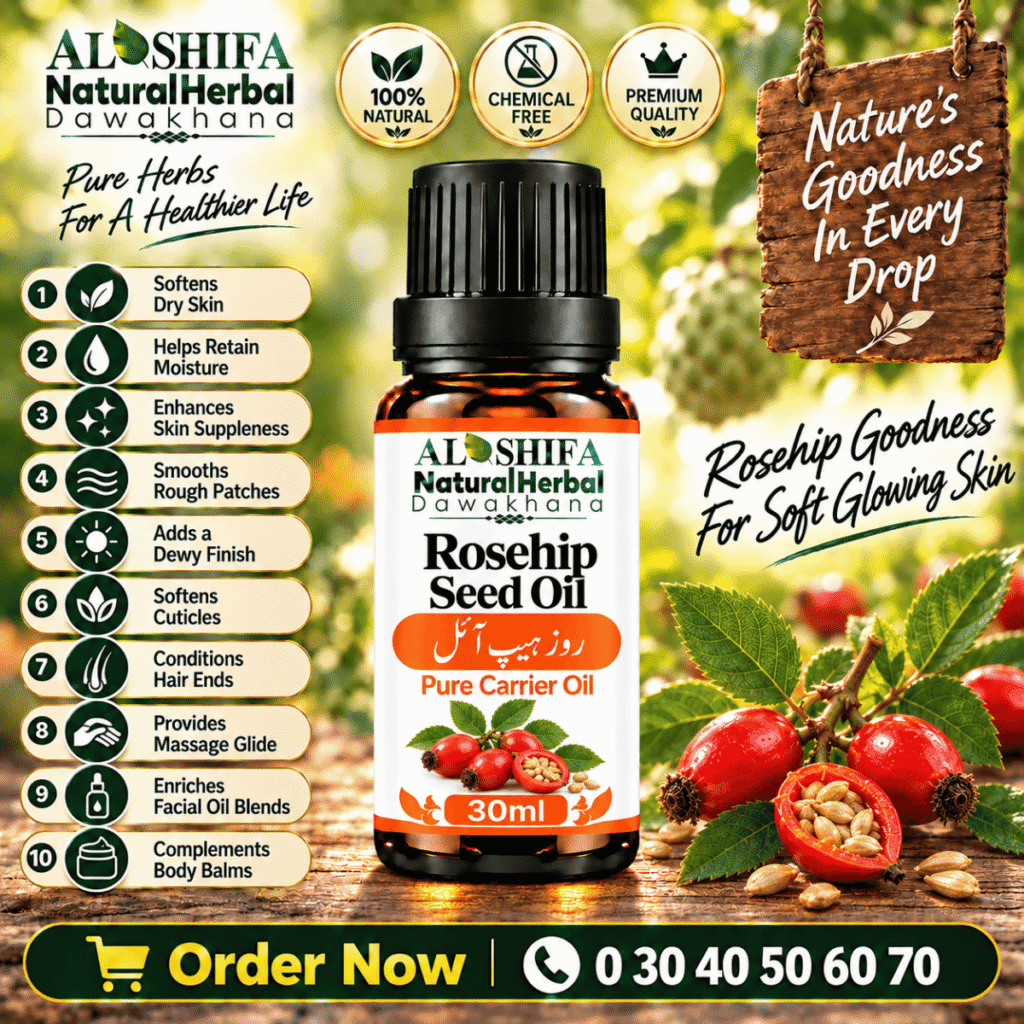
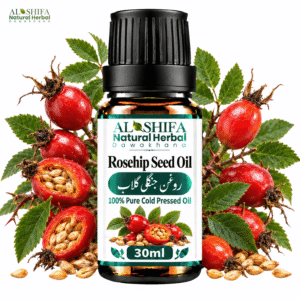
Rosehip Seed Carrier Oil / Rose Hip Oil is a natural botanical carrier oil obtained from Rosehip Seeds, valued for its lightweight texture and naturally occurring unsaturated fatty acids.
How to Use: Apply a small amount to clean skin or blend with other suitable carrier oils for cosmetic use.
Storage: Keep tightly closed in a cool, dry place away from direct sunlight and heat.
Important Note: For external use unless specifically labeled otherwise. Patch test before use, especially on sensitive skin.
Rosehip Seed Carrier Oil / Rose Hip Oil / روز ہیپ آئل is a nutrient-rich botanical carrier oil obtained from the fruits and, depending on production method, particularly the seeds of selected Rose (Rosa) species. It is valued in modern skin and hair-care formulations for its naturally occurring unsaturated fatty acids, carotenoids, tocopherols, phytosterols, and other lipid-soluble botanical compounds.
Unlike Rose Essential Oil / Roghan Gulab, which is a highly concentrated aromatic oil obtained primarily from fragrant rose flowers, Rosehip Oil is a fixed botanical oil. It is generally obtained by pressing rosehip seeds or seed-rich fruit material and is used more like a cosmetic carrier oil than an essential oil.
Rosehip oils may be produced from several Rosa species. Common botanical sources include Rosa canina L. and Rosa rubiginosa L. The exact botanical species should therefore correspond to the actual raw material used for a specific product.
Quality Rosehip Oil should retain the characteristic properties of properly processed rosehip seed oil while being protected from excessive heat, light, oxygen, moisture, and contamination.
Product Name: Rosehip Seed Carrier Oil / Rose Hip Oil
Urdu Name: روز ہیپ آئل
Roman Name: Rosehip Seed Carrier Oil / Rose Hip Oil
Botanical Source: Rosehip
Common Botanical Sources: Rosa canina L. / Rosa rubiginosa L.
Family: Rosaceae
Genus: Rosa
Plant Part Commonly Used: Seeds / Seed-Rich Rosehip Fruit Material
Oil Type: Fixed Botanical Oil / Carrier Oil
Common Extraction Method: Cold Pressing / Mechanical Pressing
Product Category: Botanical Carrier Oil / Cosmetic Oil
Common Applications: Facial care, body care, cosmetic formulations, massage blends, hair care, and scalp-care preparations
Rosehips are the fruits that develop on rose plants after flowering.
Inside the fruit are numerous seeds containing natural lipids. When these seeds, or suitable seed-rich rosehip material, are mechanically pressed, a fixed botanical oil can be obtained.
Unlike essential oils, fixed oils do not evaporate rapidly and primarily contain triglycerides and fatty acids rather than highly volatile fragrance compounds.
This makes Rosehip Oil particularly suitable as a carrier and cosmetic oil.
This distinction is extremely important.
Rosehip Oil is primarily a fixed oil obtained from rosehip seeds or seed-rich fruit material.
It naturally contains fatty acids and other lipid-soluble botanical constituents.
Rosehip Seed Carrier Oil is a concentrated volatile aromatic oil obtained from fragrant rose flowers, commonly through distillation.
It is used primarily for fragrance and aromatic applications and normally requires significant dilution before skin application.
Therefore:
Rosehip Oil and Rose Essential Oil are not interchangeable products.
Their plant parts, extraction methods, chemistry, aroma, concentration, and common applications are substantially different.
Rosehip Seed Carrier Oil should also not be confused with Rose Water.
Rose Water is an aromatic water associated with distillation of rose flowers.
Rosehip Oil is a lipid-based botanical oil obtained primarily from the seeds of rosehip fruits.
Rose Water is water-based, whereas Rosehip Oil is oil-based.
They therefore behave very differently in cosmetic formulations.
Rosehip is not a single botanical species. It is the fruit produced by plants belonging to the genus Rosa.
Several rose species may be used commercially for Rosehip Seed Carrier Oil production.
Common sources include:
Commonly known as Dog Rose and widely associated with rosehip fruits.
Another rose species used for production of seed oil in some regions.
Other Rosa species may also be used depending on geographic origin and supplier.
For accurate botanical labeling, the actual species used in a particular product should be identified whenever possible.
One of the most important characteristics of Rosehip Seed Carrier Oil is its fatty-acid profile.
Depending on botanical source, climate, extraction, and processing, the oil may naturally contain:
Linoleic acid and alpha-linolenic acid are commonly prominent components of many Rosehip Seed Oils.
The exact fatty-acid percentages can vary, so precise values should only be provided when supported by analysis of the specific product batch.
In addition to fatty acids, Rosehip Oil may naturally contain smaller amounts of various lipid-soluble compounds.
Depending on species and processing, these may include:
These naturally occurring constituents contribute to the overall chemical and cosmetic characteristics of the oil.
Rosehips themselves are well known as a natural source of vitamin C, particularly in their fruit tissues.
However, an important distinction is necessary:
Vitamin C is water-soluble and should not automatically be described as a major component of cold-pressed Rosehip Seed Oil.
Many cosmetic descriptions incorrectly state that Rosehip Oil is exceptionally rich in vitamin C simply because whole rosehips contain vitamin C.
The nutrient profile of the whole fruit and the lipid profile of the pressed seed oil are different.
For Rosehip Oil, its fatty acids, tocopherols, carotenoids, phytosterols, and other oil-soluble constituents are more relevant characteristics.
A specific vitamin C claim should only be made when supported by appropriate analysis of the actual product.
Depending on the source and processing method, Rosehip Oil may contain naturally occurring carotenoid pigments.
These compounds can contribute to the oil’s characteristic:
The intensity of the color can vary considerably between products.
A stronger color does not automatically prove that an oil is higher quality, because botanical species, processing, refining, and storage all influence appearance.
Rosehip Oil is widely used in cosmetic formulations as a skin-conditioning botanical oil.
Its fatty-acid composition makes it suitable for products intended to support the skin’s normal softness and comfortable feel.
When used appropriately, Rosehip Oil can help:
These are cosmetic conditioning effects and should not be confused with treatment of skin diseases.
Rosehip Oil is particularly popular in facial oil formulations.
Depending on individual skin tolerance and formulation, it may be used alone in a small amount or blended with other suitable cosmetic oils.
Common cosmetic applications include:
A small amount is generally sufficient because oils spread easily over the skin.
Rosehip Oil can function as an emollient in cosmetic preparations.
An emollient helps soften and smooth the skin surface and may reduce the sensation of roughness or dryness.
However, oils primarily help with the skin’s lipid environment and reducing moisture loss. They do not themselves supply water to dehydrated skin in the same way that water-based moisturizing formulations do.
For this reason, Rosehip Oil can be incorporated into a broader skin-care routine rather than being considered a complete replacement for all moisturizers.
Rosehip Oil is commonly incorporated into cosmetic products designed for mature-looking skin because of its fatty-acid and botanical lipid profile.
It may help improve the appearance and feel of dryness, softness, and skin conditioning when used as part of a suitable cosmetic routine.
However, it should not be described as permanently reversing biological aging or eliminating wrinkles.
Natural oils can support cosmetic skin conditioning but cannot stop the normal aging process.
Properly moisturized and conditioned skin may temporarily appear smoother, which can make superficial fine lines associated with dryness look less noticeable.
Rosehip Oil may contribute to this cosmetic effect through its emollient properties.
This should be distinguished from claims that the oil permanently removes wrinkles or medically reverses skin aging.
Rosehip Oil is frequently marketed for scars.
Some cosmetic and clinical research has investigated rosehip-containing preparations in relation to the appearance of certain scars and skin recovery.
However, the evidence depends on the specific preparation, formulation, type of scar, study design, and duration of use.
Rosehip Oil should therefore not be described as a guaranteed scar remover.
It may be used as part of a cosmetic skin-conditioning routine for fully healed, intact skin, but:
Rosehip Oil is also commonly included in products marketed for the cosmetic care of skin with stretch marks.
Its emollient properties can help keep skin feeling soft and conditioned.
However, it should not be claimed to completely remove existing stretch marks.
Stretch marks involve structural changes within the skin and their appearance is influenced by multiple factors.
The natural carotenoids and lipid components of Rosehip Oil make it popular in cosmetic routines intended for healthy-looking skin.
However, Rosehip Oil should not be marketed as a treatment for:
Persistent or changing pigmentation should be assessed appropriately.
Rosehip Oil is sometimes incorporated into products intended for acne-prone skin because of its relatively lightweight fatty-acid profile.
However, individual skin responses to oils vary considerably.
Rosehip Oil should not be promoted as a cure or medical treatment for acne.
People with acne-prone skin may wish to:
Persistent or severe acne may require professional treatment.
Even natural carrier oils can cause irritation or allergic reactions in some individuals.
Before extensive facial or body use, a small patch test is advisable.
Discontinue use if you experience:
People with highly reactive skin should introduce new cosmetic oils carefully.
Rosehip Oil can also be used in selected hair and scalp-care formulations.
It may be incorporated into:
Its natural lipids can contribute to the cosmetic feel of hair and scalp formulations.
However, Rosehip Oil should not be claimed to:
Hair loss can have many causes and persistent or significant hair loss should be appropriately assessed.
As a fixed botanical oil, Rosehip Oil can be incorporated into massage and body-care blends.
It may be combined with other carrier oils to modify:
Because Rosehip Oil can be relatively valuable and oxidation-sensitive, it is often used as part of a carrier-oil blend rather than necessarily forming the entire massage base.
Rosehip Oil may be used as part of a carrier base for appropriately diluted essential oils.
However, the concentration of any essential oil added to it should be determined according to the intended use and appropriate cosmetic safety guidance.
The fact that Rosehip Oil is a carrier oil does not make excessive quantities of essential oils safe.
Cold pressing is commonly preferred when producing minimally processed Rosehip Oil.
This method mechanically extracts oil while avoiding unnecessarily high processing temperatures.
Cold-pressed oil may retain more of its characteristic:
However, the term “cold pressed” alone does not prove purity, freshness, or overall quality.
Correct botanical identification, processing hygiene, packaging, and storage remain equally important.
Rosehip Oil may be available in refined or less-refined forms.
May retain more characteristic color and natural aroma.
May have a lighter color, milder aroma, and different sensory properties depending on the refining process.
Neither appearance nor smell alone is sufficient to determine authenticity.
Product specifications and appropriate testing provide better evidence of quality.
Rosehip Oil is sometimes described online as “natural retinol” or as containing large amounts of tretinoin-like compounds.
Such claims should be treated cautiously.
Rosehip Oil is not equivalent to prescription tretinoin, and its cosmetic effects should not be described as though it were a pharmaceutical retinoid treatment.
Research involving particular rosehip preparations does not justify presenting ordinary Rosehip Oil as a replacement for medically prescribed retinoids.
Rosehip Oil should not be used as a substitute for tested sunscreen.
Even though it contains various natural botanical compounds, this does not establish a reliable sun protection factor.
For meaningful protection from ultraviolet radiation, use an appropriately tested broad-spectrum sunscreen according to its directions.
Rosehip Oil can be part of a skin-care routine, but it should not replace sun protection.
Rosehip Oil is primarily used as a cosmetic botanical oil.
Depending on the product’s manufacturing standards and labeling, it may be suitable for:
Always follow the intended use stated for the specific product.
Rosehip Oil intended for cosmetic use should not automatically be considered suitable for consumption.
A cosmetic-grade oil and a food-grade oil may differ in:
Unless the product is specifically manufactured and labeled for food use, it should not be swallowed or added to food and beverages.
Ordinary external cosmetic use of a properly formulated carrier oil differs from medicinal or internal use.
Pregnant or breastfeeding individuals with sensitive skin or specific concerns should seek appropriate professional advice before introducing concentrated or specialized botanical formulations.
Products containing Rosehip Oil together with other active ingredients or essential oils require consideration of those additional ingredients as well.
Keep the bottle securely out of reach of young children.
For children’s skin:
Individual skin sensitivity can vary considerably.
Rosehip Oil should generally be kept away from:
Products formulated specifically for areas near the eyes should follow appropriate cosmetic formulation standards.
Rosehip Oil contains substantial amounts of unsaturated fatty acids.
While these fatty acids are important to its cosmetic properties, they also make the oil relatively susceptible to oxidation.
Exposure to:
can accelerate deterioration.
For this reason, freshness and storage are particularly important for Rosehip Oil.
Possible signs that Rosehip Oil has deteriorated may include:
A clearly rancid oil should not be used on the skin.
To preserve Rosehip Oil:
Light-protective packaging can help reduce unnecessary exposure to light.
Depending on processing and manufacturer recommendations, cooler storage may help maintain freshness after opening.
Good-quality Rosehip Oil should begin with properly identified botanical material and hygienic processing.
Important quality considerations include:
For confirmation of fatty-acid composition, oxidation status, or authenticity, suitable laboratory testing is more reliable than color or smell alone.
Rosehip Oil is a natural botanical product, so some variation between batches is expected.
Differences may arise from:
Natural differences in color and aroma therefore do not necessarily indicate poor quality.
Quality Rosehip Oil / Rose Hip Oil – روز ہیپ آئل provides a naturally occurring combination of unsaturated fatty acids and other lipid-soluble botanical compounds in a versatile carrier-oil form.
Product Name: Rosehip Oil / Rose Hip Oil
Urdu Name: روز ہیپ آئل
Roman Name: Rosehip Oil
Botanical Source: Rosehip
Common Botanical Sources: Rosa canina L. / Rosa rubiginosa L.
Family: Rosaceae
Genus: Rosa
Plant Part Commonly Used: Seeds / Seed-Rich Rosehip Fruit Material
Oil Type: Fixed Botanical Oil / Carrier Oil
Common Extraction Method: Cold Pressing / Mechanical Pressing
Naturally Occurring Fatty Acids: Commonly includes linoleic acid, alpha-linolenic acid, oleic acid, palmitic acid, stearic acid, and other fatty acids
Other Natural Constituents: May include tocopherols, carotenoid compounds, phytosterols, natural pigments, and other minor lipid-soluble botanical constituents
Common Applications: Facial oils, body oils, cosmetic formulations, massage blends, hair oils, scalp-care products, and carrier-oil blends
Storage: Keep tightly closed in a cool, dry place protected from direct sunlight, excessive heat, moisture, air exposure, and contamination.
Rosehip Oil / Rose Hip Oil – روز ہیپ آئل is a versatile fixed botanical oil valued particularly for its naturally occurring linoleic acid, alpha-linolenic acid, other unsaturated fatty acids, tocopherols, carotenoid compounds, and phytosterols.
Its lightweight emollient character makes it particularly suitable for facial oils, body-care products, cosmetic formulations, hair-care preparations, and carrier-oil blends.
An important distinction should always be maintained between Rosehip Oil, Rose Essential Oil, Rose Water, Rose Absolute, and Rose-Infused Oil. They are produced from different plant materials or extraction processes and have substantially different compositions and uses.
Important Safety Note: Rosehip Oil is primarily a cosmetic carrier oil and should be used according to the product label. Perform a patch test before extensive skin use, particularly on sensitive skin. Avoid the eyes, mucous membranes, open wounds, and infected skin. Do not use a cosmetic-grade product internally unless it is specifically manufactured and labeled for food use. Protect the oil from heat, sunlight, air, and contamination because its unsaturated fatty acids make it susceptible to oxidation.
روز ہیپ آئل گلاب کی بعض اقسام کے پھلوں، خصوصاً ان کے بیجوں یا بیجوں سے بھرپور پھلی مادے سے حاصل ہونے والا ایک قدرتی نباتاتی روغن ہے۔ یہ عام خوشبودار روغنوں کے برعکس ایک ثابت نباتاتی روغن ہے اور جلد، بالوں اور جسمانی نگہداشت کی مختلف مصنوعات میں بنیادی روغن کے طور پر استعمال کیا جاتا ہے۔
روز ہیپ کے روغن میں قدرتی طور پر مختلف غیر سیر شدہ چربیلے تیزاب، ٹوکوفیرولز، کیروٹینائڈز، فائٹوسٹیرولز اور دیگر روغنی نباتاتی اجزاء پائے جا سکتے ہیں۔ اس کی یہی قدرتی ساخت اسے چہرے، جسم، بالوں اور مختلف زیبائشی روغنی آمیزوں کے لیے موزوں بناتی ہے۔
روز ہیپ آئل کو روغن گلاب نہیں سمجھنا چاہیے۔ روغن گلاب عموماً خوشبودار گلاب کے پھولوں سے حاصل ہونے والا انتہائی مرتکز خوشبودار روغن ہوتا ہے، جبکہ روز ہیپ آئل بنیادی طور پر گلاب کے پھل کے بیجوں سے حاصل ہونے والا چربیلے تیزابوں سے بھرپور بنیادی روغن ہے۔
نام: روز ہیپ آئل
نباتاتی ماخذ: گلاب کے پھل کے بیج
عام نباتاتی اقسام: روزا کینینا، روزا روبیگینوسا
نباتاتی خاندان: روزاسی
جنس: روزا
استعمال ہونے والا حصہ: بیج یا بیجوں سے بھرپور پھلی مادہ
قسم: ثابت نباتاتی روغن اور بنیادی روغن
عام طریقۂ حصول: سرد دباؤ یا میکانیکی دباؤ
عام استعمال: چہرے، جسم، بالوں، سر کی جلد، مالش اور مختلف زیبائشی تیاریوں میں
گلاب کے پھول ختم ہونے کے بعد بعض اقسام کے گلاب پر چھوٹے پھل بنتے ہیں جنہیں روز ہیپ کہا جاتا ہے۔
ان پھلوں کے اندر متعدد بیج موجود ہوتے ہیں۔ ان بیجوں میں قدرتی روغنی اجزاء پائے جاتے ہیں جنہیں مناسب طریقے سے دبانے کے بعد نباتاتی روغن حاصل کیا جا سکتا ہے۔
یہ روغن گلاب کے پھولوں کی خوشبو حاصل کرنے کے لیے نہیں بلکہ بنیادی طور پر بیجوں میں موجود قدرتی چربیلے اجزاء کی وجہ سے اہمیت رکھتا ہے۔
روز ہیپ آئل ایک ایسا نباتاتی روغن ہے جو عموماً گلاب کے پھل کے بیجوں کو صاف کرنے، خشک کرنے اور مناسب طریقے سے دبانے کے بعد حاصل کیا جاتا ہے۔
یہ اڑ جانے والا خوشبودار روغن نہیں بلکہ ایک ثابت روغن ہے۔
اس کا مطلب یہ ہے کہ اس کی بنیادی ساخت میں مختلف چربیلے تیزاب اور روغن میں حل ہونے والے نباتاتی اجزاء شامل ہوتے ہیں۔
اسی وجہ سے یہ جلد اور بالوں کی مختلف زیبائشی تیاریوں میں بنیادی یا معاون روغن کے طور پر استعمال کیا جاتا ہے۔
روز ہیپ کسی ایک مخصوص نباتاتی قسم کا نام نہیں بلکہ روزا جنس کے مختلف گلابوں پر پیدا ہونے والے پھلوں کے لیے استعمال ہونے والی اصطلاح ہے۔
روز ہیپ آئل کی تیاری کے لیے استعمال ہونے والی معروف اقسام میں شامل ہیں:
یہ گلاب کی ایک معروف قسم ہے جس کے پھل اور بیج روز ہیپ کی مصنوعات میں استعمال کیے جاتے ہیں۔
یہ بھی گلاب کی ایک معروف قسم ہے جس کے بیجوں سے بعض علاقوں میں روز ہیپ آئل تیار کیا جاتا ہے۔
دیگر گلابی اقسام بھی استعمال ہو سکتی ہیں، اس لیے کسی مخصوص مصنوعات کی درست نباتاتی شناخت اس میں استعمال کیے گئے اصل خام مال کے مطابق ہونی چاہیے۔
یہ فرق بہت اہم ہے کیونکہ دونوں کو اکثر ایک ہی مصنوعات سمجھ لیا جاتا ہے۔
یہ بنیادی طور پر گلاب کے پھل کے بیجوں یا بیجوں سے بھرپور مادے سے حاصل کیا جانے والا ثابت روغن ہے۔
اس میں قدرتی طور پر چربیلے تیزاب، ٹوکوفیرولز، کیروٹینائڈز، فائٹوسٹیرولز اور دوسرے روغنی اجزاء پائے جا سکتے ہیں۔
یہ خوشبودار گلاب کے پھولوں سے حاصل ہونے والا انتہائی مرتکز خوشبودار روغن ہے۔
اس کا بنیادی استعمال خوشبو، عطر سازی اور مناسب طور پر پتلے کیے گئے خوشبودار آمیزوں میں ہوتا ہے۔
روز ہیپ آئل اور روغن گلاب ایک دوسرے کا متبادل نہیں ہیں۔
دونوں کے نباتاتی حصے، طریقۂ حصول، قدرتی ساخت، خوشبو اور استعمال مختلف ہیں۔
عرق گلاب بھی روز ہیپ آئل سے بالکل مختلف مصنوعات ہے۔
عرق گلاب گلاب کے پھولوں سے وابستہ خوشبودار پانی ہے۔
روز ہیپ آئل گلاب کے پھل کے بیجوں سے حاصل ہونے والا روغنی مادہ ہے۔
عرق گلاب پانی پر مبنی ہوتا ہے جبکہ روز ہیپ آئل چربیلے اجزاء پر مشتمل ہوتا ہے۔
اسی لیے دونوں کا جلدی تیاریوں میں کردار اور استعمال بھی مختلف ہوتا ہے۔
روز ہیپ آئل کی اہم خصوصیات میں اس کا قدرتی چربیلے تیزابوں کا مجموعہ شامل ہے۔
نباتاتی ماخذ اور تیاری کے مطابق اس میں درج ذیل چربیلے تیزاب پائے جا سکتے ہیں:
لینولیک اور الفا لینولینک تیزاب بہت سے روز ہیپ بیجوں کے روغن میں نمایاں مقدار میں پائے جانے والے اجزاء میں شامل ہو سکتے ہیں۔
ان کی درست مقدار ہر کھیپ میں مختلف ہو سکتی ہے، اس لیے مخصوص تناسب صرف باقاعدہ تجربہ گاہی جانچ کی بنیاد پر بیان کیا جانا چاہیے۔
چربیلے تیزابوں کے علاوہ روز ہیپ آئل میں مختلف روغن میں حل ہونے والے قدرتی نباتاتی اجزاء بھی پائے جا سکتے ہیں۔
ان میں شامل ہو سکتے ہیں:
ان اجزاء کی مقدار گلاب کی قسم، خام مال، طریقۂ استخراج، صفائی اور ذخیرہ کے حالات کے مطابق مختلف ہو سکتی ہے۔
گلاب کے مکمل پھل اپنی قدرتی حالت میں حیاتین ج کے معروف نباتاتی ذرائع میں شمار ہوتے ہیں۔
تاہم روز ہیپ آئل کے بارے میں ایک اہم فرق سمجھنا ضروری ہے۔
حیاتین ج بنیادی طور پر پانی میں حل ہونے والا جزو ہے، جبکہ بیجوں کو دبا کر حاصل کیا جانے والا روز ہیپ آئل چربیلے اجزاء پر مشتمل ہوتا ہے۔
اس لیے صرف یہ دیکھتے ہوئے کہ مکمل روز ہیپ پھل میں حیاتین ج موجود ہے، یہ کہنا درست نہیں کہ ہر روز ہیپ بیج کا روغن بھی حیاتین ج سے بھرپور ہے۔
روز ہیپ آئل کے حوالے سے اس کے:
زیادہ متعلقہ خصوصیات ہیں۔
کسی مخصوص حیاتین کی مقدار کا دعویٰ صرف مصنوعات کی باقاعدہ جانچ کی بنیاد پر کیا جانا چاہیے۔
روز ہیپ آئل میں نباتاتی ماخذ اور تیاری کے طریقے کے مطابق قدرتی کیروٹینائڈز موجود ہو سکتے ہیں۔
یہ قدرتی رنگ دار اجزاء روغن کو:
رنگ دے سکتے ہیں۔
رنگت کی شدت مختلف مصنوعات میں مختلف ہو سکتی ہے۔
صرف گہری رنگت کو خالص پن یا اعلیٰ معیار کا قطعی ثبوت نہیں سمجھنا چاہیے، کیونکہ نباتاتی قسم، تیاری، صفائی اور ذخیرہ سب رنگت پر اثر انداز ہو سکتے ہیں۔
روز ہیپ آئل جلد کی نگہداشت کی مختلف زیبائشی مصنوعات میں استعمال ہونے والا معروف نباتاتی روغن ہے۔
اس میں موجود قدرتی چربیلے اجزاء جلد کو نرم اور ملائم محسوس کرانے میں معاون ہو سکتے ہیں۔
مناسب استعمال کے ساتھ یہ:
میں معاون ہو سکتا ہے۔
یہ تمام خصوصیات زیبائشی نگہداشت سے متعلق ہیں اور انہیں جلدی بیماریوں کے علاج کے طور پر پیش نہیں کرنا چاہیے۔
روز ہیپ آئل چہرے کے مختلف روغنی آمیزوں میں مقبول ہے۔
جلد کی نوعیت اور برداشت کے مطابق اس کی معمولی مقدار کو اکیلے یا دوسرے مناسب بنیادی روغنوں کے ساتھ ملا کر استعمال کیا جا سکتا ہے۔
اسے درج ذیل تیاریوں میں شامل کیا جا سکتا ہے:
چہرے کے لیے عموماً تھوڑی مقدار کافی ہوتی ہے کیونکہ روغن جلد پر آسانی سے پھیل جاتا ہے۔
روز ہیپ آئل جلد کو نرم رکھنے والے نباتاتی روغن کے طور پر استعمال کیا جا سکتا ہے۔
یہ جلد کی سطح پر موجود روغنی تہہ کو سہارا دے کر خشکی، کھردرے پن اور کھنچاؤ کے احساس کو کم کرنے میں معاون ہو سکتا ہے۔
تاہم یہ بات سمجھنا ضروری ہے کہ روغن بنیادی طور پر جلد کی روغنی کیفیت کو بہتر بنانے اور نمی کے غیر ضروری اخراج کو کم کرنے میں معاون ہوتے ہیں۔
اس لیے روز ہیپ آئل کو مکمل جلدی نگہداشت کے معمول کا حصہ سمجھنا زیادہ مناسب ہے۔
روز ہیپ آئل کو عمر کے ساتھ تبدیل ہوتی جلد کے لیے تیار کردہ مختلف زیبائشی مصنوعات میں بھی شامل کیا جاتا ہے۔
اس میں موجود قدرتی چربیلے اجزاء جلد کی نرمی اور ملائمت برقرار رکھنے میں معاون ہو سکتے ہیں۔
مناسب استعمال سے خشک جلد نسبتاً نرم اور ہموار محسوس ہو سکتی ہے۔
تاہم روز ہیپ آئل کو:
قرار دینا درست نہیں۔
عمر بڑھنا جسم کا قدرتی حیاتیاتی عمل ہے۔
خشکی کی وجہ سے جلد کی سطح پر بعض باریک لکیریں زیادہ نمایاں محسوس ہو سکتی ہیں۔
جلد کو مناسب طور پر نرم اور روغنی رکھنے سے ایسی سطحی لکیروں کی ظاہری کیفیت عارضی طور پر نرم محسوس ہو سکتی ہے۔
روز ہیپ آئل اپنی ملائم کرنے والی خصوصیات کی وجہ سے اس قسم کی زیبائشی نگہداشت میں شامل کیا جا سکتا ہے۔
اسے مستقل طور پر جھریاں ختم کرنے والی دوا نہیں سمجھنا چاہیے۔
روز ہیپ آئل کو جلد کے پرانے نشانات کی زیبائشی نگہداشت کے حوالے سے خاصی مقبولیت حاصل ہے۔
روز ہیپ پر مشتمل بعض تیاریوں پر جلد کے نشانات کی ظاہری کیفیت کے حوالے سے تحقیق بھی کی گئی ہے۔
تاہم نتائج مصنوعات کی ساخت، نشان کی نوعیت، استعمال کی مدت اور دیگر عوامل کے مطابق مختلف ہو سکتے ہیں۔
اس لیے روز ہیپ آئل کو یقینی طور پر داغ ختم کرنے والی دوا قرار دینا مناسب نہیں۔
مکمل طور پر بھر چکی اور صحیح جلد پر اسے عمومی جلدی نگہداشت کے حصے کے طور پر استعمال کیا جا سکتا ہے۔
اسے:
پر خود سے استعمال نہیں کرنا چاہیے۔
روز ہیپ آئل کو بعض ایسی زیبائشی مصنوعات میں شامل کیا جاتا ہے جو جلد پر کھنچاؤ سے بننے والی لکیروں کی نگہداشت کے لیے تیار کی جاتی ہیں۔
اس کے ملائم کرنے والے اجزاء جلد کو نرم اور آرام دہ محسوس کرانے میں معاون ہو سکتے ہیں۔
تاہم یہ دعویٰ درست نہیں کہ روز ہیپ آئل پہلے سے موجود تمام کھنچاؤ کی لکیروں کو مکمل طور پر ختم کر دیتا ہے۔
ان لکیروں کی تشکیل جلد کی اندرونی ساخت میں تبدیلی سے متعلق ہوتی ہے اور ان کی ظاہری کیفیت پر کئی عوامل اثر انداز ہوتے ہیں۔
روز ہیپ آئل میں موجود قدرتی روغنی اجزاء اور کیروٹینائڈز کی وجہ سے اسے صحت مند نظر آنے والی جلد کے لیے تیار کردہ مختلف مصنوعات میں شامل کیا جاتا ہے۔
تاہم اسے:
قرار دینا درست نہیں۔
مسلسل، بڑھتی ہوئی یا غیر معمولی جلدی رنگت کی تبدیلی کے لیے مناسب طبی رہنمائی حاصل کرنی چاہیے۔
روز ہیپ آئل نسبتاً ہلکی روغنی ساخت کی وجہ سے بعض ایسی زیبائشی مصنوعات میں شامل کیا جاتا ہے جو دانوں کی طرف مائل جلد کے لیے بنائی جاتی ہیں۔
تاہم ہر شخص کی جلد روغنوں کے لیے ایک جیسا ردِعمل نہیں دیتی۔
اس لیے:
روز ہیپ آئل کو مہاسوں کی دوا یا یقینی علاج قرار نہیں دینا چاہیے۔
قدرتی بنیادی روغن بھی بعض افراد میں حساسیت پیدا کر سکتے ہیں۔
پہلی مرتبہ زیادہ مقدار میں استعمال کرنے سے پہلے جلد کے چھوٹے حصے پر معمولی مقدار آزمانا بہتر ہے۔
اگر:
پیدا ہو تو استعمال روک دیں۔
بہت حساس جلد والے افراد نئی مصنوعات کو آہستہ آہستہ اپنے معمول میں شامل کریں۔
روز ہیپ آئل کو بالوں کی منتخب تیاریوں میں بھی شامل کیا جا سکتا ہے۔
مثلاً:
اس کے قدرتی روغنی اجزاء بالوں کو نرم اور ملائم محسوس کرانے میں معاون ہو سکتے ہیں۔
روز ہیپ آئل کو مناسب مقدار میں سر کی جلد کے بعض روغنی آمیزوں میں بھی شامل کیا جا سکتا ہے۔
اس کا استعمال سر کی جلد کو روغنی نرمی فراہم کرنے اور خشک محسوس ہونے والی جلد کی عمومی نگہداشت میں معاون ہو سکتا ہے۔
تاہم اسے:
قرار نہیں دینا چاہیے۔
مسلسل یا غیر معمولی بال گرنے کی صورت میں مناسب طبی جانچ ضروری ہو سکتی ہے۔
روز ہیپ آئل کو جسمانی نگہداشت اور مالش کے روغنی آمیزوں میں بھی شامل کیا جا سکتا ہے۔
اسے دوسرے بنیادی روغنوں کے ساتھ ملا کر:
کو بہتر بنانے کے لیے استعمال کیا جا سکتا ہے۔
روز ہیپ آئل نسبتاً قیمتی اور ہوا کے اثر سے جلد متاثر ہونے والا روغن ہو سکتا ہے، اس لیے اسے بعض اوقات دوسرے بنیادی روغنوں کے ساتھ ملا کر استعمال کیا جاتا ہے۔
روز ہیپ آئل کو مناسب خوشبودار روغنوں کو پتلا کرنے والے بنیادی آمیزے کے ایک حصے کے طور پر استعمال کیا جا سکتا ہے۔
تاہم یہ بات اہم ہے کہ بنیادی روغن میں ملانے سے خوشبودار روغن کی ہر مقدار محفوظ نہیں ہو جاتی۔
خوشبودار روغن کی مقدار اس کے استعمال، جلد کے حصے اور مناسب حفاظتی رہنمائی کے مطابق ہونی چاہیے۔
سرد دباؤ ایک معروف طریقہ ہے جس میں بیجوں سے روغن نکالتے وقت غیر ضروری زیادہ حرارت سے گریز کیا جاتا ہے۔
اس طریقے سے حاصل ہونے والا روغن اپنی قدرتی:
کو نسبتاً بہتر طور پر برقرار رکھ سکتا ہے۔
تاہم صرف سرد دباؤ کا لفظ کسی مصنوعات کے خالص یا اعلیٰ معیار ہونے کا مکمل ثبوت نہیں۔
درست نباتاتی شناخت، خام مال، صفائی، پیکنگ اور ذخیرہ بھی اتنے ہی اہم ہیں۔
روز ہیپ آئل مختلف درجۂ صفائی کے ساتھ دستیاب ہو سکتا ہے۔
اس میں قدرتی رنگت اور نباتاتی مہک نسبتاً زیادہ نمایاں ہو سکتی ہے۔
اس کی رنگت ہلکی اور مہک کم ہو سکتی ہے۔
صرف رنگ یا خوشبو کی بنیاد پر خالص پن کا فیصلہ نہیں کیا جا سکتا۔
مصنوعات کی اصل معلومات اور مناسب تجربہ گاہی جانچ زیادہ قابلِ اعتماد ذریعہ ہیں۔
روز ہیپ آئل کو بعض اوقات غلط طور پر قدرتی ریٹینول یا نسخے والی جلدی ادویات کے برابر قرار دیا جاتا ہے۔
یہ درست موازنہ نہیں۔
روز ہیپ آئل کو طبی ریٹینوئڈ ادویات کے برابر نہیں سمجھنا چاہیے اور نہ ہی اسے ایسی دوا کا متبادل قرار دینا چاہیے۔
اس کے استعمال کو اس کی حقیقی نباتاتی اور زیبائشی خصوصیات تک محدود رکھنا زیادہ درست ہے۔
روز ہیپ آئل دھوپ سے حفاظت کرنے والی باقاعدہ آزمودہ مصنوعات کا متبادل نہیں ہے۔
قدرتی روغن میں مختلف نباتاتی اجزاء کی موجودگی اس بات کا ثبوت نہیں کہ وہ بالائے بنفشی شعاعوں سے قابلِ اعتماد تحفظ فراہم کرتا ہے۔
دھوپ سے مناسب حفاظت کے لیے باقاعدہ آزمودہ وسیع حفاظتی دائرے والی مصنوعات استعمال کرنی چاہیے۔
روز ہیپ آئل کو جلدی نگہداشت کے معمول کا حصہ بنایا جا سکتا ہے، مگر اسے دھوپ سے حفاظت کی واحد مصنوعات نہیں سمجھنا چاہیے۔
روز ہیپ آئل بنیادی طور پر جلد اور بالوں کی زیبائشی نگہداشت کے لیے استعمال ہونے والا نباتاتی روغن ہے۔
مصنوعات کی تیاری اور درج ہدایات کے مطابق اسے:
میں استعمال کیا جا سکتا ہے۔
ہمیشہ مخصوص مصنوعات پر درج استعمال کی ہدایات کو ترجیح دینی چاہیے۔
بیرونی زیبائشی استعمال کے لیے تیار کردہ روز ہیپ آئل کو خود بخود غذائی استعمال کے لیے موزوں نہیں سمجھنا چاہیے۔
بیرونی اور غذائی استعمال کے لیے تیار مصنوعات میں:
مختلف ہو سکتا ہے۔
اگر مصنوعات واضح طور پر غذائی استعمال کے لیے تیار اور درج نہ ہو تو اسے نگلنے یا کھانے پینے کی اشیاء میں شامل کرنے سے گریز کرنا چاہیے۔
مناسب طور پر تیار شدہ بنیادی روغن کا عام بیرونی زیبائشی استعمال مرتکز یا اندرونی استعمال سے مختلف ہوتا ہے۔
حاملہ یا دودھ پلانے والی خواتین اگر بہت حساس جلد رکھتی ہوں یا کسی خصوصی نباتاتی تیاری کا استعمال کرنا چاہتی ہوں تو مناسب پیشہ ورانہ رہنمائی حاصل کرنا بہتر ہے۔
اگر کسی مصنوعات میں روز ہیپ آئل کے ساتھ دوسرے فعال یا مرتکز خوشبودار اجزاء بھی موجود ہوں تو ان اجزاء کی حفاظت کو بھی الگ سے مدنظر رکھنا ضروری ہے۔
روز ہیپ آئل کی بوتل چھوٹے بچوں کی پہنچ سے دور رکھیں۔
بچوں کی جلد پر استعمال کرتے وقت:
ہر بچے کی جلدی حساسیت مختلف ہو سکتی ہے۔
روز ہیپ آئل کو عام طور پر درج ذیل حصوں سے دور رکھنا چاہیے:
آنکھوں کے اردگرد استعمال کے لیے خاص طور پر تیار مصنوعات کو ان کی مخصوص ہدایات کے مطابق استعمال کرنا چاہیے۔
روز ہیپ آئل میں غیر سیر شدہ چربیلے تیزاب نمایاں مقدار میں موجود ہو سکتے ہیں۔
یہ اجزاء اس روغن کی اہم خصوصیات میں شامل ہیں، لیکن یہی ساخت اسے ہوا، گرمی اور روشنی کے اثر سے نسبتاً جلد متاثر بھی کر سکتی ہے۔
درج ذیل عوامل معیار میں خرابی کا عمل تیز کر سکتے ہیں:
اسی لیے روز ہیپ آئل کی تازگی برقرار رکھنے کے لیے مناسب ذخیرہ بہت اہم ہے۔
روغن کے معیار میں خرابی کی ممکنہ علامات میں شامل ہیں:
واضح طور پر باسی یا خراب روغن کو جلد پر استعمال نہیں کرنا چاہیے۔
روز ہیپ آئل کے معیار کو بہتر طور پر برقرار رکھنے کے لیے:
مصنوعات تیار کرنے والے کی ہدایات کے مطابق بعض صورتوں میں کھولنے کے بعد نسبتاً ٹھنڈی جگہ پر ذخیرہ کرنا تازگی برقرار رکھنے میں معاون ہو سکتا ہے۔
معیاری روز ہیپ آئل کے لیے درست نباتاتی خام مال اور صاف تیاری بنیادی اہمیت رکھتے ہیں۔
اہم معیار میں شامل ہیں:
چربیلے تیزابوں کی درست ساخت، خالص پن اور معیار کی تصدیق کے لیے مناسب تجربہ گاہی جانچ ظاہری رنگ یا خوشبو سے زیادہ قابلِ اعتماد ہوتی ہے۔
روز ہیپ آئل ایک قدرتی نباتاتی مصنوعات ہے، اس لیے مختلف کھیپوں میں معمولی فرق معمول کی بات ہے۔
فرق پیدا کرنے والے عوامل میں شامل ہیں:
اس لیے رنگت اور ہلکی نباتاتی مہک میں قدرتی فرق لازماً ناقص معیار کی علامت نہیں ہوتا۔
روز ہیپ آئل قدرتی چربیلے تیزابوں اور دیگر روغن میں حل ہونے والے نباتاتی اجزاء پر مشتمل ایک مفید بنیادی روغن ہے۔
نام: روز ہیپ آئل
نباتاتی ماخذ: گلاب کے پھل کے بیج
عام نباتاتی اقسام: روزا کینینا، روزا روبیگینوسا
نباتاتی خاندان: روزاسی
جنس: روزا
استعمال ہونے والا حصہ: بیج یا بیجوں سے بھرپور پھلی مادہ
قسم: ثابت نباتاتی روغن اور بنیادی روغن
عام طریقۂ حصول: سرد دباؤ یا میکانیکی دباؤ
قدرتی چربیلے اجزاء: لینولیک تیزاب، الفا لینولینک تیزاب، اولیک تیزاب، پالمیٹک تیزاب، سٹیئرک تیزاب اور دیگر قدرتی چربیلے تیزاب
دیگر قدرتی اجزاء: ٹوکوفیرولز، کیروٹینائڈز، فائٹوسٹیرولز، قدرتی نباتاتی رنگ دار اجزاء اور دیگر روغن میں حل ہونے والے مرکبات
عام استعمال: چہرے کے روغنی آمیزے، جسمانی روغن، جلدی نگہداشت کی تیاریاں، مالشی آمیزے، بالوں کے روغن، سر کی جلد کی نگہداشت اور بنیادی روغنی آمیزے
ذخیرہ: اچھی طرح بند بوتل میں ٹھنڈی، خشک اور تاریک جگہ پر رکھیں اور دھوپ، شدید گرمی، ہوا، نمی اور آلودگی سے محفوظ رکھیں۔
روز ہیپ آئل گلاب کے پھل کے بیجوں سے حاصل ہونے والا ایک قدرتی ثابت روغن ہے جو اپنی منفرد چربیلے تیزابوں کی ساخت کی وجہ سے جلد اور بالوں کی نگہداشت میں اہمیت رکھتا ہے۔ اس میں قدرتی طور پر لینولیک تیزاب، الفا لینولینک تیزاب، دیگر غیر سیر شدہ چربیلے تیزاب، ٹوکوفیرولز، کیروٹینائڈز اور فائٹوسٹیرولز موجود ہو سکتے ہیں۔
اس کی نسبتاً ہلکی روغنی ساخت اسے چہرے، جسم، بالوں، سر کی جلد اور مختلف زیبائشی روغنی آمیزوں کے لیے موزوں بناتی ہے۔
یہ بات ہمیشہ ذہن میں رکھنی چاہیے کہ روز ہیپ آئل، روغن گلاب، عرق گلاب، گلاب کا مرتکز خوشبودار عصارہ اور گلاب ملا بنیادی روغن الگ الگ مصنوعات ہیں۔ ان کے نباتاتی حصے، تیاری، ساخت اور استعمال میں نمایاں فرق موجود ہے۔
اہم حفاظتی نوٹ: روز ہیپ آئل بنیادی طور پر بیرونی زیبائشی استعمال کے لیے استعمال ہونے والا نباتاتی روغن ہے۔ حساس جلد پر وسیع استعمال سے پہلے جلد کے چھوٹے حصے پر آزمائیں۔ آنکھوں، اندرونی جھلیوں، کھلے زخموں اور متاثرہ جلد سے دور رکھیں۔ اگر مصنوعات صرف بیرونی استعمال کے لیے تیار کی گئی ہو تو اسے کھانے یا پینے کے لیے استعمال نہ کریں۔ اس میں موجود غیر سیر شدہ چربیلے تیزاب ہوا، گرمی اور روشنی سے متاثر ہو سکتے ہیں، اس لیے بوتل اچھی طرح بند کرکے ٹھنڈی، خشک اور تاریک جگہ پر محفوظ رکھیں۔