روغن لونگ
₨ 650
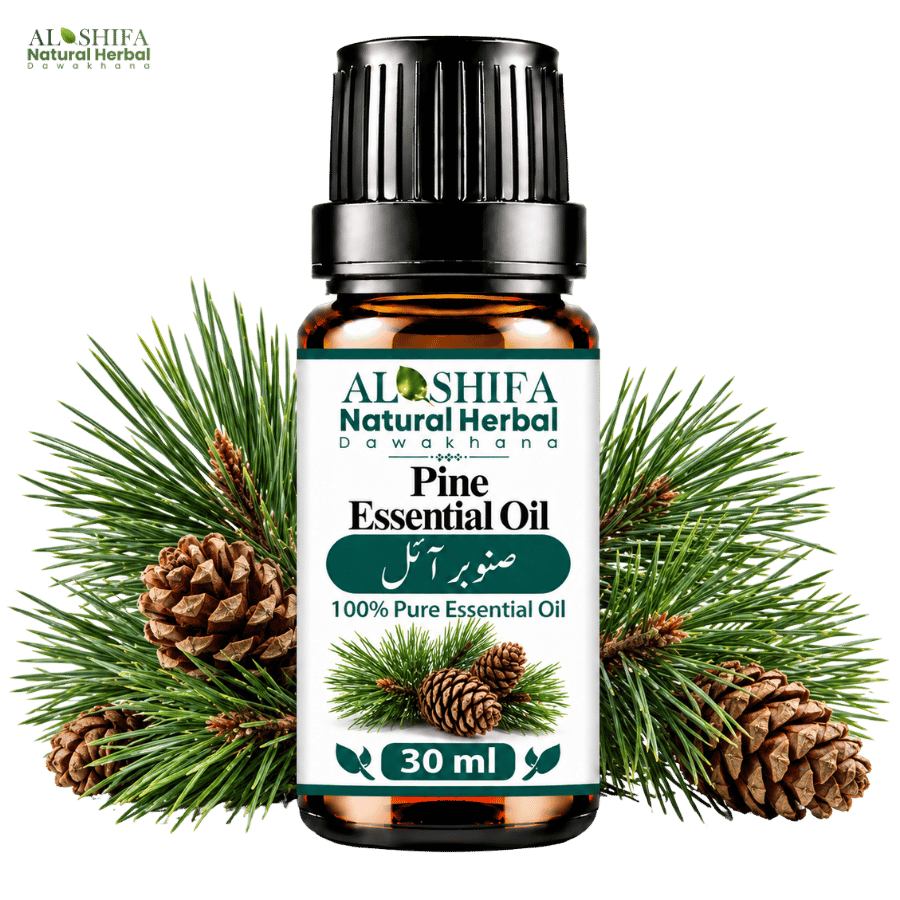
Pine Essential Oil is a fresh, woody and forest-like aromatic oil commonly obtained from the needles, twigs and young branches of Pinus sylvestris through steam distillation. Known for its fresh, crisp, pine-like, green, resinous and mildly balsamic aroma, it is widely used in perfumes, diffusers, aromatic blends, soaps, household fragrance products, massage and personal-care formulations.
Al Shifa Pine Essential Oil is carefully selected with attention to its botanical identity, characteristic fresh-forest aroma, essential-oil quality, clean handling, protective packaging and proper storage.
Key Features:
Usage: Use in perfumes, diffusers, soaps and aromatic formulations as required. For massage, body-care or wider skin application, dilute appropriately in a suitable carrier oil or cosmetic base.
Important Note: Pine Essential Oil is different from Cypress, Cedarwood, Fir and Juniper Essential Oils and should not be confused with Turpentine or manufactured Pine fragrance oil. Dilute appropriately before wider skin application, avoid contact with eyes and sensitive areas, and do not swallow when supplied for external or aromatic use.
Pine Essential Oil is a fresh, woody and forest-like aromatic oil obtained from the needles, twigs and young branches of Pine trees through steam distillation. A commonly recognised botanical source is Pinus sylvestris L., known as Scots Pine. The oil is valued for its characteristic fresh, crisp, pine-like, woody, green, resinous and mildly balsamic aroma and is widely used in perfumery, diffusers, aromatic blends, soaps, household fragrance products, massage and personal-care formulations.
Pine Essential Oil is especially appreciated for creating a clean evergreen and woodland fragrance. Its concentrated aromatic character is distinctly different from Pine resin, Pine needle extracts, manufactured Pine fragrances and other conifer essential oils.
At Al Shifa Natural Herbal Dawakhana, Pine Essential Oil is selected with attention to its botanical identity, characteristic fresh-forest aroma, essential-oil quality, clean handling, protective packaging and proper storage.
Pine Essential Oil is a concentrated volatile aromatic oil obtained from suitable aromatic parts of Pine trees.
A widely recognised source is:
Pinus sylvestris L.
The plant belongs to the Pinaceae family.
Its needles, twigs and young branches contain volatile aromatic compounds responsible for the distinctive fresh, woody and resinous fragrance associated with Pine.
Product Name: Pine Oil / Pine Essential Oil – صنوبر ایسینشل آئل
English Name: Pine Essential Oil
Urdu Name: صنوبر ایسینشل آئل / صنوبر کا تیل
Roman Name: Pine Oil / Sanobar Oil
Scientific Name: Pinus sylvestris L.
Plant Family: Pinaceae
Plant Part: Needles, Twigs & Young Branches
Oil Type: Essential Oil / Volatile Aromatic Oil
Common Production Method: Steam Distillation
Fragrance Character: Fresh, Crisp, Pine-Like, Woody, Green, Resinous & Mildly Balsamic
Primary Applications: Perfume, Diffuser, Aromatic Blends, Soap, Household Fragrance, Massage & Personal-Care Products
Product Type: Natural Conifer Essential Oil
Pine Essential Oil is commonly produced through steam distillation of aromatic Pine needles and suitable young plant material.
During distillation:
The resulting oil contains the volatile aromatic fraction of the Pine plant.
Therefore:
Pine Needles ≠ Pine Essential Oil
Pine Essential Oil commonly has an aroma described as:
Its recognisable evergreen fragrance makes it particularly useful in woodland, fresh, woody and outdoor-inspired aromatic compositions.
Pine trees have a long history of practical, aromatic and cultural use across different regions.
Pine needles, wood and resinous materials have been used for different purposes, while Pine-derived aromas became strongly associated with freshness and woodland environments.
Today, Pine Essential Oil is commonly incorporated into:
Pine Essential Oil can provide a distinctive evergreen and forest-like character to fragrance compositions.
It may be incorporated into:
Its crisp character can combine well with citrus, herbal, woody and resinous notes.
Pine Essential Oil may be used in compatible aromatic diffusers.
Its fragrance can create an atmosphere that feels:
These descriptions refer to aromatic experience and do not establish treatment for medical or psychological conditions.
Pine Essential Oil can blend well with aromatic materials such as:
Its evergreen character can provide freshness and woody depth to complex aromatic blends.
Pine Essential Oil is particularly suitable for soaps and cleansing products where a fresh, forest-like fragrance is desired.
It can contribute:
Its concentration should be appropriate for the complete formulation.
Pine fragrance is strongly associated with fresh and clean environments.
Pine Essential Oil may therefore be incorporated into appropriately formulated:
However:
Fresh Aroma ≠ Disinfection
A pleasant Pine fragrance should not automatically be interpreted as proof that a product disinfects surfaces or eliminates disease-causing microorganisms.
When appropriately diluted, Pine Essential Oil may be incorporated into aromatic massage formulations.
Suitable carrier oils can include:
Its fresh woody aroma makes it useful in refreshing massage products.
However:
Massage Use ≠ Treatment for Muscular or Joint Diseases
When properly formulated, Pine Essential Oil may be incorporated into:
Its primary role in these products is generally aromatic and cosmetic.
Pine Essential Oil may be incorporated at an appropriate concentration into selected:
Its fresh forest-like aroma can add fragrance to hair-care formulations.
However:
Pine Essential Oil ≠ Proven Hair-Regrowth Treatment
Pine Essential Oil contains a complex mixture of naturally occurring volatile aromatic compounds.
Depending on the botanical species and oil composition, constituents can include:
The exact chemical profile can vary according to Pine species, geographical origin, plant material, harvest, distillation and storage.
Alpha-pinene is an important naturally occurring aromatic compound commonly associated with many Pine oils.
It contributes to the fresh, resinous and pine-like fragrance.
However:
Pine Essential Oil ≠ Pure Alpha-Pinene
Natural Pine Essential Oil contains numerous volatile aromatic compounds rather than a single isolated constituent.
The name “Pine Essential Oil” can refer to oils obtained from different Pinus species.
Their fragrance and chemical composition can differ.
Examples of Pine species encountered in aromatic products can include different members of the Pinus genus.
For this reason:
Pine Essential Oils from Different Species ≠ Automatically Identical
The botanical name is important when identifying a Pine oil.
Pinus sylvestris is one of the best-known botanical sources for Pine needle essential oil.
It is commonly known as:
Scots Pine
Oil from this species is recognised for its fresh, woody, green and resinous aromatic character.
Where botanical identity is important, the scientific name should be checked rather than relying only on the general term “Pine Oil.”
Whole Pine needles contain plant fibre, water, non-volatile compounds and volatile aromatic compounds.
Pine Essential Oil contains primarily the concentrated volatile aromatic fraction.
Therefore:
Pine Needles ≠ Pine Essential Oil
Pine needle extracts can be produced using different extraction methods and may contain different groups of plant compounds.
Therefore:
Pine Needle Extract ≠ Pine Essential Oil
Research involving Pine extracts should not automatically be applied to steam-distilled essential oil.
Pine trees also produce resinous materials.
These are chemically and physically different from steam-distilled Pine needle essential oil.
Therefore:
Pine Resin ≠ Pine Needle Essential Oil
This is an important identity distinction.
Turpentine is traditionally obtained from Pine resin and contains volatile terpene compounds.
Pine needle essential oil is obtained from aromatic needles and aerial plant material.
Therefore:
Pine Needle Essential Oil ≠ Turpentine
They should not be treated as interchangeable products.
Manufactured Pine fragrance oils may be designed to imitate the smell of Pine forests or Pine needles.
Natural Pine Essential Oil is obtained from botanical plant material through distillation.
Therefore:
Pine Essential Oil ≠ Pine Fragrance Oil
Pine Essential Oil is a concentrated volatile aromatic oil.
Carrier oils are fixed fatty oils used as bases in cosmetic and massage formulations.
Therefore:
Pine Essential Oil ≠ Carrier Oil
It should not be used in the same quantity as Almond, Jojoba or other carrier oils.
Pine and Cypress oils can both have fresh, woody and forest-like aromas.
However, they come from different botanical sources.
Pine Essential Oil is associated with Pinus species.
Cypress Essential Oil is commonly associated with Cupressus sempervirens.
Therefore:
Pine Essential Oil ≠ Cypress Essential Oil
Both Pine and Cedarwood can contribute woody notes to fragrance compositions.
However:
Pine Essential Oil ≠ Cedarwood Essential Oil
Their botanical sources, chemical compositions and fragrance profiles differ.
Pine and Fir are both coniferous trees and their essential oils can share fresh evergreen characteristics.
However, Fir oils are commonly obtained from Abies species, while Pine oils come from Pinus species.
Therefore:
Pine Essential Oil ≠ Fir Essential Oil
Pine and Juniper can both provide green and woody aromatic notes.
However:
Pine Essential Oil ≠ Juniper Essential Oil
Their botanical identity and complete aromatic composition differ.
Pine Essential Oil is frequently associated with fresh, penetrating and forest-like aromatic blends.
However:
Fresh Pine Aroma ≠ Treatment for Respiratory Disease
Pine Essential Oil should not be presented as treatment for:
Serious or persistent respiratory symptoms require appropriate medical attention.
Pine aroma may be used in seasonal aromatic blends.
However:
Aromatic Use ≠ Treatment for Cold or Influenza
Pine Essential Oil should not replace appropriate medical care.
Pine Essential Oil may be incorporated into diluted massage blends.
However:
Pine Massage Oil ≠ Treatment for Arthritis, Chronic Pain or Joint Disease
Massage products can provide an aromatic and sensory experience without establishing disease-treatment effects.
Pine Essential Oil and individual Pine-derived compounds have been investigated experimentally against selected microorganisms.
However:
Laboratory Antimicrobial Activity ≠ Treatment for Human Infection
Laboratory findings should not be converted into claims that Pine Essential Oil treats bacterial, fungal or viral diseases.
Pine-derived materials and individual compounds have been investigated for antioxidant activity.
However:
Antioxidant Activity ≠ Proven Prevention or Treatment of Disease
Research involving extracts or isolated compounds should not automatically be applied to ordinary essential-oil use.
Pine fragrance is commonly associated with household cleaning products.
However, fragrance and antimicrobial performance are different characteristics.
Therefore:
Pine Aroma ≠ Proven Disinfectant Action
A product should only be described as a disinfectant when its complete formulation and intended use support that claim.
A strong forest-like fragrance alone cannot confirm:
Therefore:
Strong Pine Aroma ≠ Proof of Purity
Natural Pine Essential Oil can show variation in colour.
Colour alone cannot establish:
Therefore:
Colour ≠ Proof of Authenticity
Pine Essential Oil contains volatile terpene compounds that can gradually oxidise when exposed repeatedly to:
Oxidation can alter the fragrance and may increase skin-sensitivity concerns.
Keep the container tightly closed after use.
Pine Essential Oil is concentrated.
For massage, body-care or wider skin application, it should be appropriately diluted in a suitable carrier oil or incorporated into a properly formulated cosmetic product.
Therefore:
Higher Concentration ≠ Better Effect
Excessive concentration can increase irritation or sensitivity.
Adding Pine Essential Oil directly to plain water does not create a proper dilution.
Essential oils naturally separate from water.
Therefore:
Pine Essential Oil + Water ≠ Proper Dilution
Water-based sprays and personal-care formulations require appropriate formulation.
Before wider skin application of a properly diluted Pine formulation, apply a small amount to a limited area.
Observe for:
Stop use if significant irritation develops.
Pine Essential Oil contains concentrated naturally occurring aromatic compounds that can cause irritation or sensitivity in susceptible individuals.
Therefore:
Natural Essential Oil ≠ Allergy-Free
Appropriate dilution remains important.
Do not place Pine Essential Oil directly into the eyes.
Avoid concentrated application around:
Pine Essential Oil is a concentrated aromatic material.
A product supplied for aromatic, cosmetic, massage or external use should not be swallowed.
Therefore:
Natural Pine Material ≠ Safe Internal Use of Concentrated Essential Oil
During pregnancy and breastfeeding, concentrated essential oils should be used cautiously.
Avoid unnecessary extensive topical use or internal use without appropriate professional guidance.
Pine Essential Oil should be used cautiously around infants and young children.
Avoid:
Keep the bottle securely out of reach of children.
People with chronic medical conditions, respiratory sensitivity, fragrance sensitivity, sensitive skin or those taking regular medicines should use concentrated essential oils responsibly.
Pine Essential Oil should not replace prescribed medicines or professional medical treatment.
At Al Shifa Natural Herbal Dawakhana, Pine Essential Oil is selected with attention to:
Botanical Identity – Suitable Pinus botanical source, commonly associated with Pinus sylvestris.
Plant Part Identity – Aromatic needles, twigs and young branches.
Characteristic Aroma – Fresh, crisp, woody, green and resinous.
Essential-Oil Quality – Concentrated volatile aromatic material.
Clean Handling – Carefully handled during packing.
Protective Packaging – Helps protect volatile aromatic compounds.
Product Distinction – Clearly distinguished from Cypress, Cedarwood, Fir, Juniper, Turpentine and manufactured Pine fragrance oils.
Responsible Information – Aromatic, massage and cleaning traditions are separated from unsupported medical claims.
Proper Storage – Protected from unnecessary heat, light, air and contamination.
Al Shifa Natural Herbal Dawakhana, established in 1999, supplies essential oils, carrier oils, herbs and specialised aromatic materials throughout Pakistan.
Our focus for Pine Essential Oil includes:
For Perfumes: Incorporate at an appropriate concentration to add a fresh, crisp, woody and forest-like fragrance.
For Diffusers: Use an appropriate amount according to the instructions of the specific diffuser.
For Aromatic Blends: Combine with compatible citrus, herbal, woody or resinous essential oils.
For Massage: Dilute appropriately in a suitable carrier oil before wider skin application.
For Soaps & Body Products: Incorporate according to the requirements of the complete formulation.
For Household Fragrance: Use in appropriately formulated room or household fragrance products.
For Hair & Scalp Products: Incorporate at an appropriate concentration into a properly formulated hair-care base.
For sensitive skin, perform a patch test before wider topical application.
Pine Essential Oil is a concentrated aromatic oil obtained from suitable Pinus species, with Pinus sylvestris being a widely recognised source. It should not be confused with Cypress, Cedarwood, Fir, Juniper, Turpentine or manufactured Pine fragrance oils.
Important distinctions include:
Store Pine Essential Oil in a cool, clean and dry place.
For best quality:
Pine Oil / Pine Essential Oil – صنوبر ایسینشل آئل is a concentrated evergreen essential oil commonly obtained from aromatic Pine needles, twigs and young branches, with Pinus sylvestris being one of the widely recognised botanical sources.
It is valued for its characteristic fresh, crisp, pine-like, woody, green, resinous and mildly balsamic aroma and is widely used in perfumes, diffusers, aromatic blends, soaps, household fragrance products, massage and personal-care formulations.
Correct botanical identification is important because the general name Pine Oil can be used for materials associated with different Pine species. Pine Essential Oil should also not be confused with Cypress, Cedarwood, Fir or Juniper Essential Oils, Pine resin, Turpentine or manufactured Pine fragrance oil.
Customers searching for Pine Essential Oil, Pine Oil, Pinus sylvestris Oil, Scots Pine Essential Oil, Pine Needle Oil, Sanobar Oil, Pure Pine Essential Oil, Natural Pine Oil, Pine Aromatherapy Oil, Pine Perfume Oil, Pine Diffuser Oil, Pine Massage Oil, Pine Essential Oil Pakistan, Pine Oil Pakistan, Pine Oil Lahore, Pine Essential Oil price in Pakistan, Pine Oil price in Pakistan, buy Pine Oil Pakistan or Pine Essential Oil online Pakistan can choose Al Shifa Natural Herbal Dawakhana for carefully selected aromatic oil.
Since 1999, Al Shifa Natural Herbal Dawakhana has focused on supplying essential oils and natural aromatic materials with attention to botanical identity, quality selection, clean handling, responsible information, protective packaging and proper storage.
Product Name: Pine Oil / Pine Essential Oil – صنوبر ایسینشل آئل
English Name: Pine Essential Oil
Urdu Name: صنوبر ایسینشل آئل / صنوبر کا تیل
Roman Name: Pine Oil / Sanobar Oil
Scientific Name: Pinus sylvestris L.
Plant Family: Pinaceae
Plant Part: Needles, Twigs & Young Branches
Oil Type: Essential Oil / Volatile Aromatic Oil
Common Production Method: Steam Distillation
Fragrance Character: Fresh, Crisp, Pine-Like, Woody, Green, Resinous & Mildly Balsamic
Primary Applications: Perfume, Diffuser, Aromatic Blends, Soap, Household Fragrance, Massage & Personal-Care Products
Product Type: Natural Conifer Essential Oil
Important Note: Pine Essential Oil is a concentrated aromatic oil obtained from suitable Pinus species and should not be confused with Cypress, Cedarwood, Fir, Juniper, Turpentine or manufactured Pine fragrance oils. Different Pine species can produce oils with different aromatic and chemical profiles. Dilute appropriately before wider skin application and do not swallow when supplied for external or aromatic use.
صنوبر آئل صنوبر کے سدا بہار درخت کی خوشبودار سوئی نما پتیوں اور نرم شاخوں سے حاصل ہونے والا قدرتی روغن ہے۔ اس کی خوشبو تازہ، سبز، لکڑی جیسی، رال جیسی اور جنگل کے درختوں جیسی محسوس ہوتی ہے۔
اسے جسمانی مالش، بالوں اور جلد کی دیکھ بھال، عطر، داڑھی کے روغن، خوشبودار صابن، کمرے کی خوشبو اور مختلف بیرونی استعمال والی ادویات میں شامل کیا جاتا ہے۔
صنوبر آئل میں الفا پائینین، بیٹا پائینین، لیمونین، کیمفین، بورنائل ایسیٹیٹ اور دوسرے قدرتی خوشبودار اجزا پائے جاتے ہیں۔ ان اجزا کی مقدار صنوبر کی قسم اور استعمال ہونے والے حصے کے مطابق الگ رہتی ہے۔
اردو: صنوبر آئل، روغن صنوبر، صنوبر کا تیل، پائن آئل
پنجابی: صنوبر دا تیل، پائن دا تیل
ہندی: صنوبر تیل، چیڑ تیل، پائن تیل
فارسی: روغن صنوبر
عربی: زیت الصنوبر
انگریزی نام: پائن ایسینشل آئل، پائن نیڈل آئل
سائنسی نام: پائنس کی مختلف اقسام
خاندان: پائنیسی
صنوبر سدا بہار مخروطی درختوں کے بڑے خاندان سے تعلق رکھتا ہے۔
اس کے پتے عام چوڑے پتوں جیسے نہیں ہوتے بلکہ لمبے، باریک اور سوئی نما ہوتے ہیں۔
صنوبر کے درخت پر مخروطی پھل لگتے ہیں جنہیں عام طور پر پائن کون کہا جاتا ہے۔
اس کے پتوں، نرم شاخوں اور رال میں خاص تیز اور تازہ خوشبو پائی جاتی ہے۔
اچھے صنوبر کی پہچان صحت مند سبز سوئی نما پتیوں، صاف شاخوں اور اپنی خاص جنگل جیسی قدرتی خوشبو سے کی جاتی ہے۔
صنوبر آئل عموماً درخت کی خوشبودار سوئی نما پتیوں اور نرم شاخوں کو بھاپ کے ذریعے کشید کر کے حاصل کیا جاتا ہے۔
بھاپ صنوبر کے خوشبودار اجزا کو اپنے ساتھ لے جاتی ہے۔ ٹھنڈا ہونے کے بعد خوشبودار روغن پانی سے الگ کر لیا جاتا ہے۔
اچھے صنوبر آئل میں تازہ سبز پتوں، لکڑی اور رال جیسی صاف قدرتی خوشبو محسوس ہوتی ہے۔
صنوبر کسی ایک درخت کا نام نہیں بلکہ پائنس نسل میں بہت سی اقسام شامل ہیں۔
مختلف علاقوں میں پائن آئل الگ صنوبر درختوں سے تیار کیا جاتا ہے۔
اسی لیے صرف پائن آئل یا صنوبر آئل لکھنا مکمل شناخت نہیں ہے۔
اچھے روغن کی خریداری میں بوتل پر استعمال ہونے والے صنوبر درخت کا مکمل سائنسی نام دیکھنا اہم ہے۔
پاکستانی اور برصغیر کی حکیمی کتبِ مفردات میں صنوبر کو گرم اور خشک مزاج کے ساتھ بیان کیا جاتا ہے۔
حکمت میں صنوبر کے مختلف حصے الگ مقاصد کے لیے استعمال کیے جاتے ہیں، اس لیے بیج، رال، چھال، پتے اور خالص خوشبودار روغن کی مقدار ایک جیسی نہیں رکھی جاتی۔
خالص صنوبر آئل بہت تیز خوشبودار روغن ہے، اس لیے اسے کم مقدار میں استعمال کیا جاتا ہے۔
صنوبر کے مختلف حصے حکمت میں بیرونی استعمال والی ادویات اور جسمانی مالش کے نسخوں میں استعمال کیے جاتے ہیں۔
صنوبر کی خوشبودار پتیوں اور رال جیسی مہک کی وجہ سے اسے جسمانی روغن اور خوشبودار مرکبات میں خاص اہمیت حاصل ہے۔
خالص صنوبر آئل کو مناسب ہلکے روغن میں ملا کر بیرونی استعمال کیا جاتا ہے۔
صنوبر آئل کو بادام، جوجوبا، ناریل، تل یا دوسرے مناسب مالش والے روغن میں ملا کر جسمانی مالش میں استعمال کیا جاتا ہے۔
اس کی تازہ، سبز اور جنگل جیسی خوشبو جسمانی مالش والے روغن میں بہت پسند کی جاتی ہے۔
دن بھر کی جسمانی تھکن کے بعد صنوبر آئل کو مناسب روغن میں ملا کر گردن، کندھوں، بازوؤں، کمر، ٹانگوں، ہاتھوں اور پاؤں کی ہلکی مالش کی جاتی ہے۔
اسے روزمیری، لیونڈر، سرو، دیودار اور یوکلپٹس کے ساتھ بھی ملایا جاتا ہے۔
صنوبر آئل کو مناسب مالش والے روغن میں ملا کر پٹھوں کے کھنچاؤ والی جگہ کی ہلکی مالش کی جاتی ہے۔
خالص صنوبر آئل کو زیادہ مقدار میں براہ راست جلد پر نہ لگائیں۔
پٹھوں کے امراض یا مسلسل درد میں معالج سے چیک کروائیں۔
صنوبر آئل کو بادام، جوجوبا یا دوسرے مناسب روغن میں ملا کر گردن اور کندھوں کی ہلکی مالش میں استعمال کیا جاتا ہے۔
اس کی تازہ جنگل جیسی خوشبو جسمانی تھکن کے بعد مالش میں خوشگوار محسوس ہوتی ہے۔
صنوبر آئل کو مناسب ہلکے روغن میں ملا کر کمر کی خوشبودار مالش میں استعمال کیا جاتا ہے۔
اسے سرو، دیودار، روزمیری اور لیونڈر کے ساتھ بھی ملایا جاتا ہے۔
کمر کے مسلسل درد، چوٹ یا ہڈیوں اور پٹھوں کے امراض میں معالج سے چیک کروائیں۔
صنوبر آئل ٹانگوں کے لیے بنائے جانے والے خوشبودار مالش والے روغن میں استعمال کیا جاتا ہے۔
اسے مناسب ہلکے روغن میں ملا کر ٹانگوں، پنڈلیوں اور پاؤں کی ہلکی مالش کی جاتی ہے۔
صنوبر آئل کو بادام، جوجوبا یا دوسرے مناسب روغن میں ملا کر ہاتھوں اور پاؤں کی خوشبودار مالش میں استعمال کیا جاتا ہے۔
اس کی تازہ سبز مہک جسمانی مالش والے روغن میں اچھی رہتی ہے۔
صنوبر آئل جسمانی جلد کی روزمرہ دیکھ بھال کے لیے بنائے جانے والے خوشبودار روغن اور صابن میں استعمال کیا جاتا ہے۔
اسے جوجوبا، بادام یا دوسرے مناسب ہلکے روغن میں ملا کر استعمال کریں۔
خالص روغن کو زیادہ مقدار میں براہ راست جلد پر نہ لگائیں۔
صنوبر آئل چکنی جلد کی صفائی کے لیے بنائے جانے والے خوشبودار صابن اور بیرونی استعمال والی ادویات میں شامل کیا جاتا ہے۔
چہرے پر استعمال کرتے وقت اسے مناسب ہلکے روغن میں اچھی طرح ملائیں۔
جلد کے امراض میں طبی استعمال معالج سے پوچھ کر کریں۔
صنوبر آئل اپنی تازہ اور صاف خوشبو کی وجہ سے جسمانی صفائی کے لیے بنائے جانے والے خوشبودار صابن میں استعمال کیا جاتا ہے۔
اسے لیموں، سرو، روزمیری اور یوکلپٹس کے ساتھ بھی ملایا جاتا ہے۔
صنوبر آئل بالوں کے خوشبودار روغن میں استعمال کیا جاتا ہے۔
اسے ناریل، بادام یا جوجوبا کے روغن میں کم مقدار میں شامل کیا جاتا ہے۔
روزمیری، دیودار، سرو اور لیونڈر کے ساتھ اس کی خوشبو اچھی رہتی ہے۔
صنوبر آئل کو مناسب بالوں کے روغن میں ملا کر سر کی جلد کی ہلکی مالش میں استعمال کیا جاتا ہے۔
اس کی تازہ جنگل جیسی خوشبو بالوں کے روغن میں خاص مہک دیتی ہے۔
خالص روغن کو زیادہ مقدار میں براہ راست سر کی جلد پر نہ لگائیں۔
سر کی جلد کے امراض میں طبی استعمال معالج سے پوچھ کر کریں۔
صنوبر آئل داڑھی کے روغن میں تازہ، سبز اور لکڑی جیسی خوشبو کے لیے استعمال کیا جاتا ہے۔
اسے جوجوبا، بادام یا دوسرے مناسب روغن میں کم مقدار میں شامل کیا جاتا ہے۔
دیودار، سرو، صندل، خس، برگاموٹ اور کالی مرچ کے ساتھ اس کی خوشبو اچھی رہتی ہے۔
صنوبر آئل عطر سازی میں تازہ، سبز، جنگل، رال اور لکڑی جیسی خوشبو کے لیے استعمال کیا جاتا ہے۔
اس کی خوشبو خاص طور پر مردانہ، لکڑی اور جنگل جیسی مہک والے عطروں میں پسند کی جاتی ہے۔
اسے ترش پھلوں، لکڑی، جڑی بوٹیوں اور مصالحوں جیسی خوشبوؤں کے ساتھ ملایا جاتا ہے۔
صنوبر آئل مردانہ عطر میں سرو، دیودار، صندل، خس، پچولی، برگاموٹ اور کالی مرچ کے ساتھ استعمال کیا جاتا ہے۔
اس کی سبز اور لکڑی جیسی مہک مردانہ عطر کو تازہ اور گہرا انداز دیتی ہے۔
صنوبر آئل زنانہ عطر میں برگاموٹ، لیموں، لیونڈر، جیرینئم اور صندل کے ساتھ کم مقدار میں استعمال کیا جاتا ہے۔
اس کی تازہ سبز مہک پھولوں والی خوشبو میں جنگل جیسی تازگی شامل کرتی ہے۔
سرو آئل کی تازہ اور خشک لکڑی جیسی مہک صنوبر آئل کی سبز جنگل جیسی خوشبو کے ساتھ بہت اچھی رہتی ہے۔
یہ امتزاج مردانہ عطر، جسمانی روغن اور صابن میں پسند کیا جاتا ہے۔
دیودار کی گہری لکڑی جیسی مہک صنوبر آئل کی تازہ سبز خوشبو کے ساتھ اچھی رہتی ہے۔
یہ امتزاج عطر، داڑھی کے روغن اور خوشبودار صابن میں استعمال کیا جاتا ہے۔
صندل کی نرم لکڑی جیسی مہک صنوبر آئل کی تیز سبز خوشبو کو نرم گہرائی دیتی ہے۔
یہ امتزاج مردانہ اور زنانہ دونوں قسم کے عطروں میں استعمال کیا جاتا ہے۔
خس کی مٹی اور جڑوں جیسی گہری مہک صنوبر آئل کی تازہ جنگل جیسی خوشبو کے ساتھ اچھی رہتی ہے۔
یہ امتزاج گہرے مردانہ عطروں میں پسند کیا جاتا ہے۔
برگاموٹ کی تازہ ترش مہک صنوبر آئل کی سبز اور لکڑی جیسی خوشبو کے ساتھ بہت اچھی رہتی ہے۔
یہ امتزاج عطر اور کمرے کی خوشبو میں تازہ انداز دیتا ہے۔
لیموں کی تیز ترش خوشبو صنوبر آئل کی سبز مہک کو مزید تازہ انداز دیتی ہے۔
یہ امتزاج صابن، جسمانی خوشبو اور کمرے کی خوشبو میں پسند کیا جاتا ہے۔
روزمیری کی تیز جڑی بوٹیوں جیسی مہک صنوبر آئل کی جنگل جیسی خوشبو کے ساتھ خوب ملتی ہے۔
یہ امتزاج جسمانی مالش، بالوں کے روغن اور کمرے کی خوشبو میں استعمال کیا جاتا ہے۔
لیونڈر کی نرم پھولوں جیسی مہک صنوبر آئل کی تازہ لکڑی جیسی خوشبو کو متوازن انداز دیتی ہے۔
یہ امتزاج جسمانی روغن، صابن اور کمرے کی خوشبو میں پسند کیا جاتا ہے۔
یوکلپٹس کی تیز اور صاف خوشبو صنوبر آئل کی تازہ سبز مہک کے ساتھ اچھی رہتی ہے۔
یہ امتزاج خاص طور پر کمرے میں تازہ جنگل جیسی خوشبو پھیلانے کے لیے پسند کیا جاتا ہے۔
صنوبر آئل کو خوشبو پھیلانے والے آلے میں مناسب مقدار میں استعمال کیا جاتا ہے۔
اسے لیموں، برگاموٹ، سرو، روزمیری، لیونڈر، دیودار یا یوکلپٹس کے ساتھ ملایا جاتا ہے۔
اس کی سبز، لکڑی اور جنگل جیسی مہک کمرے میں تازہ خوشبو دیتی ہے۔
صنوبر آئل کی تازہ سبز مہک صبح کے وقت استعمال ہونے والی خوشبوؤں میں پسند کی جاتی ہے۔
اسے لیموں، برگاموٹ یا روزمیری کے ساتھ خوشبو پھیلانے والے آلے میں استعمال کیا جاتا ہے۔
صنوبر آئل کی تازہ جنگل جیسی مہک کام کی جگہ پر استعمال ہونے والی خوشبوؤں میں اچھی رہتی ہے۔
اسے لیموں، سرو یا روزمیری کے ساتھ کمرے میں خوشبو پھیلانے کے لیے استعمال کیا جاتا ہے۔
صنوبر آئل خوشبودار صابن میں تازہ، سبز، رال اور لکڑی جیسی مہک کے لیے استعمال کیا جاتا ہے۔
اسے سرو، دیودار، لیموں، روزمیری اور یوکلپٹس کے ساتھ ملایا جاتا ہے۔
صنوبر آئل خوشبودار موم اور موم بتیوں میں جنگل، سبز پتوں اور لکڑی جیسی مہک کے لیے استعمال کیا جاتا ہے۔
دیودار، سرو، صندل، لیموں اور برگاموٹ کے ساتھ اس کا امتزاج اچھا رہتا ہے۔
صنوبر آئل میں الفا پائینین، بیٹا پائینین، لیمونین، کیمفین، بورنائل ایسیٹیٹ اور دوسرے قدرتی خوشبودار اجزا پائے جاتے ہیں۔
صنوبر کی قسم کے مطابق ان اجزا کی مقدار الگ رہتی ہے۔
یہ اجزا صنوبر آئل کو تازہ، سبز، رال، لکڑی اور جنگل جیسی مخصوص خوشبو دیتے ہیں۔
الفا پائینین صنوبر کی بہت سی اقسام کے روغن میں نمایاں قدرتی خوشبودار جز ہے۔
اس کی مہک تازہ، سبز، رال اور پائن کے درخت جیسی محسوس ہوتی ہے۔
یہ صنوبر آئل کی خاص جنگل جیسی خوشبو کا اہم حصہ ہے۔
بیٹا پائینین تازہ، سبز اور لکڑی جیسی مہک رکھنے والا قدرتی جز ہے۔
یہ صنوبر آئل کی خوشبو میں سبز پتوں اور رال جیسا انداز شامل کرتا ہے۔
لیمونین تازہ اور ہلکی ترش خوشبو رکھنے والا قدرتی جز ہے۔
یہ صنوبر آئل کی سبز اور لکڑی جیسی مہک میں ہلکی پھلوں والی تازگی شامل کرتا ہے۔
کیمفین تیز، تازہ اور جنگل جیسی مہک رکھنے والا قدرتی جز ہے۔
یہ صنوبر آئل کی مجموعی خوشبو کو زیادہ گہرا انداز دیتا ہے۔
بورنائل ایسیٹیٹ نرم، تازہ اور صنوبر جیسے درختوں کی خوشبو رکھنے والا قدرتی جز ہے۔
یہ صنوبر آئل کی خوشبو میں ہلکی میٹھی اور لکڑی جیسی نرمی شامل کرتا ہے۔
اچھے صنوبر آئل کی خوشبو تازہ، سبز، رال جیسی، لکڑی جیسی اور جنگل جیسی ہوتی ہے۔
اس کی رنگت عموماً بے رنگ سے ہلکی زرد رہتی ہے۔
روغن صاف اور غیر ضروری ذرات سے پاک ہونا چاہیے۔
تھوڑی مقدار میں بھی تازہ صنوبر کی سوئی نما پتیوں جیسی مہک واضح محسوس ہونی چاہیے۔
باسی، خراب یا بہت زیادہ مصنوعی خوشبو اچھے صنوبر آئل کی پہچان نہیں ہے۔
اچھا صنوبر: صحت مند، صاف اور خوشبودار سوئی نما پتیوں اور نرم شاخوں سے حاصل روغن کو اہمیت دی جاتی ہے۔
درخت کی درست شناخت: استعمال ہونے والی پائنس قسم کا مکمل سائنسی نام واضح ہونا چاہیے۔
قدرتی خوشبو: تازہ، سبز، رال، لکڑی اور جنگل جیسی مہک ہونی چاہیے۔
قدرتی رنگت: بے رنگ سے ہلکی زرد رنگت کو دیکھا جاتا ہے۔
صاف روغن: پانی، گرد اور غیر ضروری ذرات سے پاک ہونا چاہیے۔
قدرتی اجزا: الفا پائینین، بیٹا پائینین اور دوسرے اصل خوشبودار اجزا کو اہمیت دی جاتی ہے۔
تازگی: باسی یا خراب بو نہیں ہونی چاہیے۔
غیر ضروری ملاوٹ سے پاک: مصنوعی رنگ، مصنوعی خوشبو اور کم معیار کے روغن کی ملاوٹ نہیں ہونی چاہیے۔
صنوبر اور سرو دونوں سدا بہار مخروطی درخت ہیں لیکن دونوں ایک درخت نہیں ہیں۔
صنوبر پائنس نسل سے تعلق رکھتا ہے جبکہ سرو کیوپریسس نسل سے تعلق رکھتا ہے۔
دونوں کے روغن تازہ اور لکڑی جیسی خوشبو رکھتے ہیں لیکن ان کے درخت، پتے اور قدرتی خوشبودار اجزا الگ ہوتے ہیں۔
صنوبر اور دیودار بھی الگ درخت ہیں۔
صنوبر کی سوئی نما پتیوں سے حاصل روغن زیادہ تازہ، سبز اور رال جیسی خوشبو رکھتا ہے۔
دیودار کا روغن زیادہ گہری، خشک اور لکڑی جیسی خوشبو رکھتا ہے۔
دونوں کو ایک ہی روغن نہ سمجھیں۔
صنوبر کی سوئی نما پتیوں سے حاصل خوشبودار روغن اور درخت سے نکلنے والی رال ایک چیز نہیں ہیں۔
رال زیادہ گاڑھی اور چپکنے والی ہوتی ہے جبکہ پتیوں سے حاصل خوشبودار روغن ہلکا اور تیز مہک والا ہوتا ہے۔
دونوں کی ساخت اور استعمال الگ ہیں۔
صنوبر آئل اور تارپین ایک ہی چیز نہیں ہیں۔
صنوبر آئل عموماً خوشبودار سوئی نما پتیوں اور نرم شاخوں سے حاصل کیا جاتا ہے۔
تارپین صنوبر کی رال سے حاصل ہونے والا الگ مادہ ہے۔
جلد اور خوشبو کے استعمال کے لیے دونوں کو ایک دوسرے کی جگہ استعمال نہ کریں۔
اصل صنوبر آئل صنوبر کی خوشبودار سوئی نما پتیوں اور نرم شاخوں سے حاصل کیا جاتا ہے۔
صرف پائن یا جنگل جیسی خوشبو رکھنے والا مصنوعی روغن اصل صنوبر آئل نہیں ہوتا۔
خریدتے وقت درخت کا مکمل سائنسی نام، استعمال ہونے والا حصہ اور روغن حاصل کرنے کا طریقہ دیکھنا اہم ہے۔
صنوبر آئل کو بادام، جوجوبا، ناریل یا دوسرے مناسب ہلکے روغن میں ملا کر استعمال کریں۔
پہلی بار استعمال سے پہلے جلد کے چھوٹے حصے پر تھوڑی مقدار آزمائیں۔
آنکھوں، ہونٹوں، ناک کے اندرونی حصے اور کھلے زخموں سے دور رکھیں۔
خالص صنوبر آئل کو زیادہ مقدار میں براہ راست جلد پر نہ لگائیں۔
صنوبر آئل کے چند قطرے مناسب مقدار میں بادام، جوجوبا، ناریل، تل یا دوسرے مالش والے روغن میں اچھی طرح ملائیں۔
اسے گردن، کندھوں، کمر، بازوؤں، ٹانگوں، ہاتھوں اور پاؤں کی ہلکی جسمانی مالش میں استعمال کیا جاتا ہے۔
صنوبر آئل کے چند قطرے ناریل، بادام یا جوجوبا کے روغن میں اچھی طرح ملائیں۔
اس روغن سے سر کی جلد کی ہلکی مالش کریں۔
جلن یا سرخی محسوس ہو تو استعمال بند کریں۔
صنوبر آئل خالص اور تیز خوشبودار روغن ہے۔
عام خوشبودار صنوبر آئل کو اپنی طرف سے پینا، کھانے یا مشروبات میں شامل نہ کریں۔
اندرونی استعمال معالج سے پوچھ کر کریں۔
خوراک کے لیے صرف وہ روغن استعمال کریں جس پر واضح طور پر کھانے کے قابل ہونے کی ہدایت موجود ہو۔
حساس جلد پر صنوبر آئل کو ہمیشہ مناسب ہلکے روغن میں ملا کر استعمال کریں۔
پہلی بار استعمال سے پہلے جلد کے چھوٹے حصے پر تھوڑی مقدار آزمائیں۔
جلن، خارش یا سرخی محسوس ہو تو استعمال بند کریں۔
حمل کے دوران صنوبر آئل کا طبی یا زیادہ استعمال اپنی طرف سے نہ کریں۔
جسمانی مالش یا دوسرے طبی استعمال معالج سے پوچھ کر کریں۔
دودھ پلانے کے دوران صنوبر آئل کو چھاتی اور بچے کے منہ کے قریب نہ لگائیں۔
طبی استعمال معالج سے پوچھ کر کریں۔
بچوں کی جلد پر خالص صنوبر آئل براہ راست استعمال نہ کریں۔
بچوں کے لیے طبی استعمال معالج سے پوچھ کر کریں۔
بوتل بچوں کی پہنچ سے دور رکھیں۔
صنوبر آئل صنوبر کے سدا بہار درخت کی خوشبودار سوئی نما پتیوں اور نرم شاخوں سے حاصل ہونے والا قدرتی روغن ہے۔
صنوبر کی کئی اقسام پائی جاتی ہیں، اس لیے خریدتے وقت استعمال ہونے والے درخت کا مکمل سائنسی نام دیکھنا اہم ہے۔
اس میں الفا پائینین، بیٹا پائینین، لیمونین، کیمفین، بورنائل ایسیٹیٹ اور دوسرے قدرتی خوشبودار اجزا پائے جاتے ہیں۔
اس کی خاص پہچان تازہ، سبز، رال، لکڑی اور جنگل جیسی خوشبو ہے۔
پاکستانی اور برصغیر کی حکیمی کتبِ مفردات میں صنوبر کو گرم اور خشک مزاج کے ساتھ بیان کیا جاتا ہے۔
صنوبر آئل کا بیرونی استعمال جسمانی مالش، جلد اور بالوں کی دیکھ بھال، عطر، داڑھی کے روغن، صابن، خوشبودار موم اور کمرے میں خوشبو پھیلانے کے لیے کیا جاتا ہے۔
صنوبر آئل، صنوبر کی رال اور تارپین الگ چیزیں ہیں، اس لیے انہیں ایک دوسرے کی جگہ استعمال نہ کریں۔
خالص روغن کو جلد پر زیادہ مقدار میں براہ راست استعمال نہ کریں۔
اندرونی استعمال معالج سے پوچھ کر کریں۔
الشفاء نیچرل ہربل دواخانہ میں صنوبر آئل کے لیے درج ذیل باتوں کو اہمیت دی جاتی ہے:
اچھا صنوبر: صاف، صحت مند اور خوشبودار سوئی نما پتیوں اور نرم شاخوں سے حاصل روغن کو اہمیت دی جاتی ہے۔
درست شناخت: استعمال ہونے والے صنوبر درخت کی پائنس قسم کی واضح شناخت کو اہمیت دی جاتی ہے۔
قدرتی خوشبو: تازہ، سبز، رال، لکڑی اور جنگل جیسی قدرتی مہک کو اہمیت دی جاتی ہے۔
قدرتی رنگت: بے رنگ سے ہلکی زرد قدرتی رنگت کو دیکھا جاتا ہے۔
صاف روغن: پانی، گرد اور غیر ضروری ذرات سے پاک روغن کو اہمیت دی جاتی ہے۔
قدرتی اجزا: الفا پائینین، بیٹا پائینین اور دوسرے اصل خوشبودار اجزا کو اہمیت دی جاتی ہے۔
تازگی: باسی یا خراب بو والے روغن سے بچا جاتا ہے۔
غیر ضروری ملاوٹ سے پاک: مصنوعی رنگ، مصنوعی خوشبو اور کم معیار کے روغن کی ملاوٹ سے پاک ہونے کو اہمیت دی جاتی ہے۔
الشفاء نیچرل ہربل دواخانہ سنہ ۱۹۹۹ سے قدرتی جڑی بوٹیوں، پھولوں، پتوں، بیجوں، درختوں کے حصوں اور ان سے حاصل ہونے والے روغنوں کی سپلائی کر رہا ہے۔
ہم صنوبر آئل میں درست درخت کی شناخت، صاف اور اچھی حالت والی سوئی نما پتیاں، قدرتی رنگت، مخصوص سبز اور جنگل جیسی خوشبو، تازگی اور غیر ضروری ملاوٹ سے پاک ہونے کو اہمیت دیتے ہیں۔
اچھے صنوبر آئل کی پہچان درست صنوبر درخت، تازہ سبز قدرتی خوشبو، صاف حالت، قدرتی رنگت اور مناسب پیکنگ سے کی جاتی ہے۔
صنوبر آئل کو ٹھنڈی، خشک اور روشنی سے محفوظ جگہ پر کسی جار میں اچھی طرح پیک کر کے رکھیں۔
اسے تیز دھوپ، پانی اور زیادہ گرمی سے بچائیں۔
استعمال کے بعد ڈھکن اچھی طرح بند کریں۔
پرانا، باسی یا بدلی ہوئی بو والا روغن جلد پر استعمال نہ کریں۔
اسے بچوں کی پہنچ سے دور رکھیں۔
صنوبر آئل خالص اور تیز خوشبودار روغن ہے۔
جلد پر استعمال سے پہلے اسے بادام، جوجوبا، ناریل، تل یا دوسرے مناسب ہلکے روغن میں ملائیں۔
خالص روغن کو زیادہ مقدار میں براہ راست جلد پر نہ لگائیں۔
آنکھوں، ہونٹوں، ناک کے اندرونی حصے، کھلے زخموں اور جسم کے حساس حصوں سے دور رکھیں۔
پہلی بار استعمال سے پہلے جلد کے چھوٹے حصے پر تھوڑی مقدار آزمائیں۔
حمل، دودھ پلانے اور بچوں میں طبی استعمال معالج سے پوچھ کر کریں۔
اندرونی استعمال معالج سے پوچھ کر کریں۔
صنوبر آئل صنوبر کے سدا بہار درخت کی خوشبودار سوئی نما پتیوں اور نرم شاخوں سے حاصل کیا جاتا ہے۔
اس کی خاص پہچان تازہ، سبز، رال، لکڑی اور جنگل جیسی خوشبو ہے۔
الفا پائینین اور بیٹا پائینین صنوبر کی بہت سی اقسام کے روغن میں نمایاں قدرتی خوشبودار اجزا ہیں۔
پاکستانی اور برصغیر کی حکیمی کتبِ مفردات میں صنوبر کو گرم اور خشک مزاج کے ساتھ بیان کیا جاتا ہے۔
صنوبر کی کئی اقسام ہیں، اس لیے اچھے صنوبر آئل کے لیے درخت کا مکمل سائنسی نام معلوم ہونا اہم ہے۔
صنوبر آئل، سرو آئل، دیودار آئل، صنوبر کی رال اور تارپین ایک ہی چیزیں نہیں ہیں۔
اسے جسمانی مالش، جلد اور بالوں کی دیکھ بھال، عطر، مردانہ اور زنانہ خوشبو، داڑھی کے روغن، صابن، خوشبودار موم اور کمرے میں خوشبو پھیلانے کے لیے استعمال کیا جاتا ہے۔
اچھے صنوبر آئل کی پہچان درست صنوبر درخت، تازہ سبز اور جنگل جیسی قدرتی خوشبو، صاف حالت، قدرتی رنگت اور غیر ضروری ملاوٹ سے پاک ہونے سے کی جاتی ہے۔