روغن سونف
₨ 580
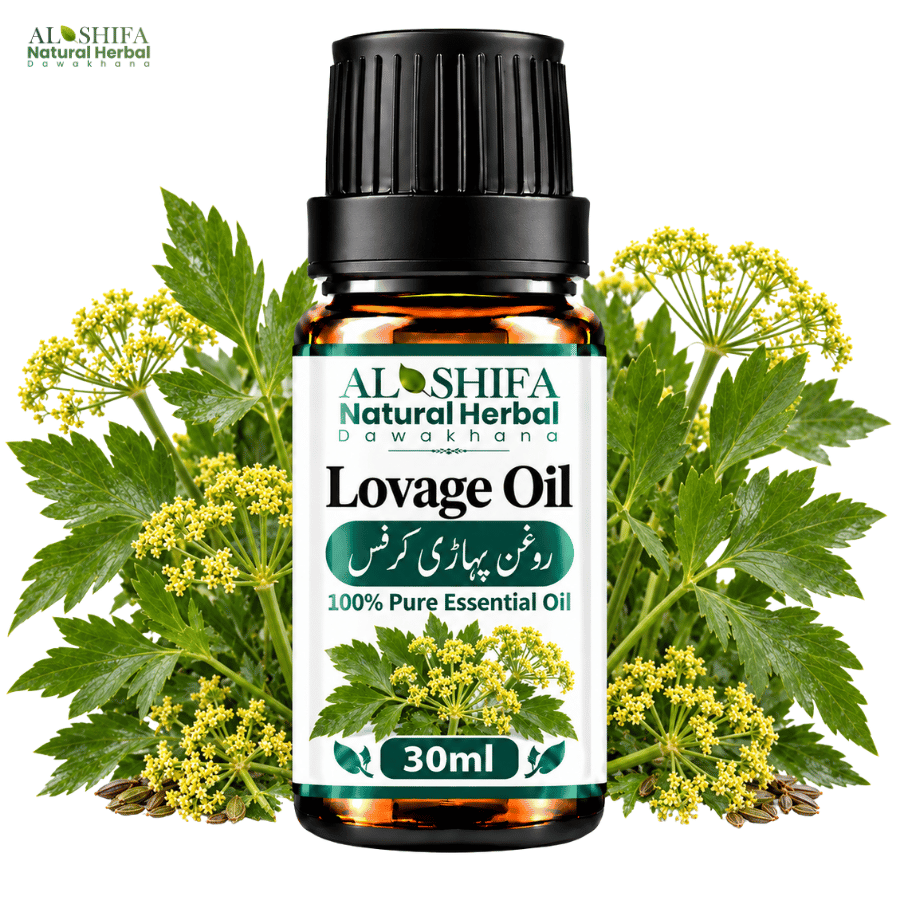
Lovage Essential Oil / Roghan Pahari Ajmood / Roghan Pahari Karafs is a steam-distilled essential oil obtained primarily from the roots of Levisticum officinale. Its warm, herbaceous, spicy, earthy, green and celery-like aroma makes it ideal for perfumery, attars, herbal fragrance blends, body-care formulations, soaps and cosmetics.
Al Shifa Lovage Essential Oil is carefully selected for botanical identity, characteristic herbal-spicy aroma, freshness, quality and clean handling.
Key Features:
Usage: Dilute appropriately in a suitable carrier oil for topical use, or use sparingly in compatible perfume, attar, soap and cosmetic formulations.
Important Note: Lovage oils can be obtained from different plant parts and may vary in composition. Confirm the exact plant part before labelling; root-derived Lovage Oil also requires appropriate topical safety and phototoxicity precautions.
Lovage Essential Oil / Roghan Pahari Ajmood – روغن پہاڑی اجمود / روغن پہاڑی کرفس is a distinctive herbal and spicy essential oil obtained from Levisticum officinale W.D.J.Koch, an aromatic perennial plant belonging to the Apiaceae family. Lovage has a strong fragrance often described as warm, herbaceous, spicy, earthy, celery-like and slightly green.
Different parts of the Lovage plant can yield aromatic oils, including the roots, leaves, stems and seeds/fruits, but their fragrance and chemical profiles are not identical. Commercial Lovage Essential Oil is particularly associated with root-derived oil, so the exact plant part should be stated according to the supplier specification.
Lovage Essential Oil has a powerful aromatic character and is valued primarily in perfumery, herbal fragrance compositions, aromatic blends, soaps, body-care products and specialised cosmetic formulations. Its deep herbaceous character makes it particularly useful when a formulation requires a distinctive green, spicy or earthy note.
At Al Shifa Natural Herbal Dawakhana, Lovage Essential Oil is carefully selected for its botanical identity, characteristic herbal-spicy aroma, freshness, quality and clean handling.
Lovage Essential Oil is the concentrated volatile aromatic oil obtained through distillation of Levisticum officinale.
Lovage is an aromatic herb historically cultivated in Europe and other temperate regions. The entire plant is strongly aromatic, but its different parts can produce oils with noticeably different profiles.
Common names include:
For accurate essential-oil identification, both the botanical name and plant part should be considered.
Product Name: Lovage Essential Oil / Roghan Pahari Ajmood – روغن پہاڑی اجمود / روغن پہاڑی کرفس
English Name: Lovage Essential Oil / Lovage Root Oil
Urdu Name: روغن پہاڑی اجمود / روغن پہاڑی کرفس
Roman Name: Roghan Pahari Ajmood / Roghan Pahari Karafs
Scientific Name: Levisticum officinale W.D.J.Koch
Plant Family: Apiaceae
Plant Part: Primarily Roots; other plant parts can also yield essential oil
Plant Type: Aromatic Perennial Herb
Oil Type: Volatile Botanical Essential Oil
Extraction Method: Steam Distillation / Hydrodistillation
Common Names: Lovage / Garden Lovage / Lovage Root / Levisticum
Appearance: Usually pale yellow to yellow or amber-toned liquid; may vary according to plant part and distillation
Aroma: Warm, Herbaceous, Spicy, Earthy, Green & Celery-Like
Primary Applications: Perfumery, Aromatic Blends, Herbal Fragrances, Soaps, Body Care & Cosmetics
Product Type: Natural Distilled Essential Oil
Levisticum officinale is a tall perennial aromatic herb belonging to the Apiaceae family.
The same botanical family also includes familiar aromatic plants such as:
Lovage develops strong underground roots, upright hollow stems, divided green leaves and small yellowish flowers arranged in characteristic umbrella-like clusters.
Its strong aroma is one of the plant’s most recognisable features.
The root is particularly important in commercial Lovage Essential Oil production.
After harvesting and suitable preparation, the root can be subjected to steam distillation or hydrodistillation to obtain its concentrated volatile aromatic fraction.
Lovage Root Essential Oil generally has a deeper aroma than the fresh leaves, with characteristics described as:
The strong character makes it particularly interesting for specialised fragrance compositions.
Lovage leaves are also highly aromatic.
Their fragrance can resemble a strong combination of:
Essential oils derived from leaves or aerial parts should not automatically be considered chemically identical to root-derived Lovage Oil.
Therefore:
Lovage Root Oil ≠ Lovage Leaf Oil
Both can originate from the same species while differing in aroma and composition.
Lovage Essential Oil can be obtained through steam distillation or hydrodistillation of aromatic plant material.
For root-derived oil, cleaned and prepared roots are distilled so that their volatile compounds evaporate with steam and are subsequently condensed and separated.
The resulting product is a concentrated volatile oil rather than a fixed carrier oil.
Therefore:
Lovage Essential Oil ≠ Lovage Infused Oil
Lovage has a distinctive fragrance that differs significantly from sweet floral oils.
Its aromatic profile can be described as:
Because of its intensity, relatively small amounts can noticeably influence an aromatic formulation.
The chemical profile of Lovage Essential Oil varies considerably according to the plant part, geographic origin, harvest conditions and distillation method.
Root-derived Lovage Oil can contain naturally occurring volatile compounds including various:
Characteristic phthalide-related constituents are particularly important contributors to the distinctive celery-like and root-like aroma associated with Lovage.
The exact chemical profile should ideally be established through supplier documentation or analytical testing for a specific batch.
Lovage is an unusual but valuable botanical material in specialised perfumery.
Its aroma can contribute:
It can be particularly useful in:
Because of its strong character, careful formulation is important.
Lovage Essential Oil may be incorporated into specialised attar compositions where a strong herbal, spicy or earthy character is desired.
It can complement compatible:
It is generally better suited to complex fragrance compositions than to simple sweet floral blends.
Lovage can provide depth and herbal character to aromatic blends.
Potential applications include:
Because the aroma is powerful, it should normally be introduced gradually during formulation.
When appropriately diluted and supported by the specification of the particular oil, Lovage Essential Oil may be incorporated into compatible massage formulations.
Suitable carrier oils can include:
Lovage Essential Oil is concentrated and should not be treated as an ordinary fixed massage oil.
At an appropriate cosmetic concentration, Lovage Essential Oil may be incorporated primarily for aromatic purposes into compatible:
Because Lovage oils from different plant parts can differ chemically, topical concentration should be based on the specification of the actual oil supplied.
Lovage Essential Oil can provide an unusual herbal-spicy fragrance to:
Its powerful aroma can complement woody, herbal and spicy fragrance profiles.
Properly formulated Lovage Essential Oil may be incorporated into compatible:
The appropriate concentration depends on the exact plant part, chemical composition and intended application.
Lovage is often compared with Celery because the plants are related and their aromas share certain characteristics.
However, they are different botanical species.
Lovage: Levisticum officinale.
Celery: Apium graveolens.
Both belong to the Apiaceae family, but their essential oils should not be interchanged.
Therefore:
Lovage Essential Oil ≠ Celery Essential Oil
The Urdu name پہاڑی کرفس may suggest a relationship with Celery, but the botanical identity should remain clearly stated as Levisticum officinale.
The name Pahari Ajmood can also create confusion because common names such as Ajmod, Ajwain and Celery may be applied differently across South Asian herbal markets.
For accurate identification:
Roghan Pahari Ajmood in this product = Levisticum officinale Essential Oil
The scientific name should therefore remain on the product specification and website listing.
Lovage can produce aromatic material from more than one plant part.
Root Oil: Distilled from the roots and generally has a deep earthy, spicy and root-like aroma.
Seed/Fruit Oil: Obtained from the fruits commonly called seeds and can have a different aromatic and chemical profile.
Therefore:
Lovage Root Essential Oil ≠ Lovage Seed/Fruit Essential Oil
The exact plant part should be confirmed when purchasing or labelling the oil.
These are fundamentally different products.
Lovage Essential Oil: Concentrated volatile aromatic material obtained by distillation.
Lovage Infused Oil: Produced by infusing Lovage botanical material into a fixed carrier oil.
Therefore:
Lovage Essential Oil ≠ Lovage Infused Oil
An infused product should not be marketed as a pure essential oil.
Research involving Levisticum officinale may examine:
These materials can have substantially different compositions.
Therefore:
Lovage Extract ≠ Lovage Essential Oil
Lovage Root Oil ≠ Lovage Leaf Oil
Isolated Constituent Research ≠ Proven Effect of Complete Lovage Oil
Laboratory Findings ≠ Proven Human Treatment
Research findings should not be converted into unsupported claims that Lovage Essential Oil treats particular diseases.
Lovage Essential Oil is concentrated and should be used conservatively in topical formulations.
For topical use:
The exact topical limit should correspond to the chemical profile and safety documentation of the specific oil.
Lovage root essential oil can contain constituents that make phototoxicity an important consideration for leave-on skin applications.
For this reason, concentrated Lovage Root Oil should not be casually applied to exposed skin before strong sunlight or ultraviolet exposure.
For cosmetic formulation, follow the safety specification and applicable usage limits of the particular Lovage oil being used.
During pregnancy or breastfeeding:
Concentrated Lovage Essential Oil should be kept securely away from children.
For child-specific formulations:
Lovage is known as an aromatic herb, but this does not mean that a concentrated essential oil sold for perfumery or cosmetic use is automatically suitable for consumption.
Unless specifically manufactured and labelled for food use:
Herb or Culinary Plant ≠ Automatically Edible Essential Oil
Cosmetic Grade ≠ Food Grade
At Al Shifa Natural Herbal Dawakhana, Lovage Essential Oil is selected with attention to:
Botanical Identity – Levisticum officinale.
Plant Part – Root or other clearly specified distilled plant part.
Extraction – Steam-distilled or hydrodistilled volatile essential oil.
Characteristic Aroma – Warm, herbaceous, spicy, earthy and celery-like.
Perfumery Applications – Suitable for specialised fragrance compositions.
Aromatic Applications – Suitable for compatible herbal and green aromatic blends.
Body-Care Applications – Suitable when correctly diluted and formulated.
Soap Applications – Suitable for compatible herbal fragrance formulations.
Responsible Information – Different Lovage plant parts and extracts are clearly distinguished.
Clean Handling – Carefully handled during packing.
Protective Packaging – Helps protect volatile aromatic compounds from unnecessary exposure to light, heat and air.
Al Shifa Natural Herbal Dawakhana, established in 1999, supplies carefully selected herbal oils and essential oils throughout Pakistan.
Our focus for Lovage Essential Oil includes:
For Perfumery: Use sparingly in green, herbal, earthy, spicy and woody fragrance compositions.
For Attars: Add at an appropriate concentration to compatible herbal, woody or spicy perfume-oil blends.
For Aromatic Blends: Use a small amount because of its powerful herbal character.
For Massage & Body Care: Dilute appropriately in a suitable carrier oil and follow the safety specification of the exact Lovage oil.
For Soap & Cosmetics: Use according to the complete formulation and applicable ingredient limits.
Lovage Essential Oil / Roghan Pahari Ajmood – روغن پہاڑی اجمود / روغن پہاڑی کرفس should be botanically identified as Levisticum officinale W.D.J.Koch.
Because Lovage essential oils can be produced from the root, leaves, aerial parts or fruits, the exact plant part should be confirmed from the supplier. Root oil should not automatically be represented as leaf or seed oil.
Lovage Essential Oil is a concentrated volatile oil, not an ordinary carrier oil. Appropriate dilution and topical safety limits are particularly important, and phototoxicity should be considered with Lovage Root Essential Oil in leave-on skin applications.
For best quality:
Lovage Essential Oil / Roghan Pahari Ajmood – روغن پہاڑی اجمود / روغن پہاڑی کرفس is a distinctive botanical essential oil from Levisticum officinale, valued for its warm, herbaceous, spicy, earthy, green and celery-like fragrance. Its complex aromatic profile makes it suitable for perfumery, attars, herbal fragrance blends, properly diluted body-care formulations, soaps and cosmetics.
Customers searching for Lovage Essential Oil, Lovage Root Oil, Levisticum officinale Oil, Garden Lovage Oil, Roghan Pahari Ajmood, Roghan Pahari Karafs, Pure Lovage Oil, Natural Lovage Essential Oil, Lovage Oil for Perfume, Lovage Oil for Attar, Lovage Oil for Soap, Lovage Essential Oil Pakistan, Roghan Pahari Ajmood Pakistan, Lovage Oil Lahore, Lovage Oil price in Pakistan or buy Lovage Essential Oil online Pakistan can choose Al Shifa Natural Herbal Dawakhana for carefully selected quality and clear botanical identification.
Since 1999, Al Shifa Natural Herbal Dawakhana has focused on supplying botanical oils and essential oils with attention to identity, quality, freshness, clean handling, responsible information, protective packaging and proper storage.
Product Name: Lovage Essential Oil / Roghan Pahari Ajmood – روغن پہاڑی اجمود / روغن پہاڑی کرفس
English Name: Lovage Essential Oil / Lovage Root Oil
Urdu Name: روغن پہاڑی اجمود / روغن پہاڑی کرفس
Roman Name: Roghan Pahari Ajmood / Roghan Pahari Karafs
Scientific Name: Levisticum officinale W.D.J.Koch
Plant Family: Apiaceae
Plant Part: Primarily Roots; exact plant part should be confirmed from supplier
Oil Type: Volatile Botanical Essential Oil
Extraction Method: Steam Distillation / Hydrodistillation
Common Names: Lovage / Garden Lovage / Lovage Root / Levisticum
Appearance: Usually Pale Yellow to Yellow or Amber-Toned
Aroma: Warm, Herbaceous, Spicy, Earthy, Green & Celery-Like
Primary Applications: Perfumery, Attars, Aromatic Blends, Properly Diluted Body Care, Soaps & Cosmetics
Product Type: Natural Distilled Essential Oil
Important Note: Lovage Root, Leaf and Fruit essential oils can differ in composition. Confirm the plant part and supplier specification for your Al Shifa product before finalising the label; if it is root-derived, Lovage Root Essential Oil is the most precise classification.
روغن پہاڑی اجمود ایک تیز، گرم، سبز، جڑی بوٹی جیسی اور مصالحہ دار خوشبو رکھنے والا قدرتی خوشبودار روغن ہے۔ یہ پہاڑی اجمود کے پودے سے حاصل کیا جاتا ہے، جسے لوویج اور پہاڑی کرفس کے نام سے بھی جانا جاتا ہے۔
پہاڑی اجمود ایک خوشبودار جڑی بوٹی ہے جس کے پتے کرفس سے ملتے جلتے، تنا مضبوط اور جڑ موٹی اور خوشبودار ہوتی ہے۔ خوشبودار روغن خاص طور پر اس کی جڑ سے بھاپ کے ذریعے حاصل کیا جاتا ہے، جبکہ پتے اور بیج بھی خوشبودار ہوتے ہیں۔
روغن پہاڑی اجمود کو خوشبو سازی، جسمانی مالش، خوشبودار جسمانی روغن، صابن اور خوشبو والے آمیزوں میں استعمال کیا جاتا ہے۔
اردو نام: پہاڑی اجمود، پہاڑی کرفس، روغن پہاڑی اجمود، روغن پہاڑی کرفس
پنجابی نام: پہاڑی اجمود، پہاڑی کرفس
ہندی نام: لوویج، پہاڑی اجمود، پہاڑی سیلری
فارسی نام: کرفس کوہی، لوویج
عربی نام: کرفس جبلی، لوویج
انگریزی نام: لوویج، گارڈن لوویج، لوویج آئل، لوویج روٹ آئل
سائنسی نام: لیوسٹیکم آفسینالے
خاندان: ایپی ایسی
استعمال ہونے والا حصہ: زیادہ تر جڑ، جبکہ پتے اور بیج بھی خوشبودار ہوتے ہیں
روغن کا نام: روغن پہاڑی اجمود، لوویج روٹ آئل
روغن کی قسم: بھاپ سے حاصل ہونے والا قدرتی خوشبودار روغن
پہاڑی اجمود ایک خوشبودار اور کئی سال زندہ رہنے والی جڑی بوٹی ہے۔
اس کا پودا اچھی زمین میں خاصا اونچا ہو جاتا ہے۔
اس کے تنے سیدھے، مضبوط اور شاخ دار ہوتے ہیں۔
پتے گہرے سبز، چمکدار اور کرفس کے پتوں سے ملتے جلتے ہیں۔
اس کے چھوٹے زردی مائل پھول گچھوں میں کھلتے ہیں۔
پودے کی جڑ موٹی، خوشبودار اور اہم حصہ ہے۔
پتے، جڑ اور بیج تینوں میں خاص خوشبو پائی جاتی ہے۔
اس کی خوشبو کرفس، جڑی بوٹی، مصالحے اور ہلکی مٹی جیسی مہک کا ملاپ محسوس ہوتی ہے۔
پہاڑی اجمود کی اہم پہچان:
ہے۔
صحیح پودے کی پہچان کے لیے اس کا سائنسی نام لیوسٹیکم آفسینالے دیکھنا ضروری ہے۔
پہاڑی اجمود کی جڑ اس پودے کا اہم خوشبودار حصہ ہے۔
جڑ موٹی اور مضبوط ہوتی ہے۔
اسے زمین سے نکال کر اچھی طرح صاف کیا جاتا ہے۔
جڑ میں خاص تیز، گرم، جڑی بوٹی اور کرفس جیسی خوشبو پائی جاتی ہے۔
خوشبودار روغن زیادہ تر اسی جڑ سے حاصل کیا جاتا ہے۔
خشک جڑ جڑی بوٹی کے طور پر الگ استعمال رکھتی ہے، جبکہ اس سے حاصل خوشبودار روغن زیادہ گاڑھی خوشبو رکھتا ہے۔
اچھی پہاڑی اجمود کی جڑ:
خوشبودار روغن حاصل کرنے کے لیے صاف اور اچھی حالت والی جڑ کو اہمیت دی جاتی ہے۔
پہاڑی اجمود کی صاف جڑ کو بھاپ کے ذریعے کشید کیا جاتا ہے۔
بھاپ جڑ میں موجود خوشبودار روغنی اجزا کو اپنے ساتھ لے جاتی ہے۔
ٹھنڈا ہونے کے بعد خوشبودار روغن پانی سے الگ ہو جاتا ہے۔
اس طرح حاصل روغن میں جڑ کی تیز، گرم، جڑی بوٹی، مصالحہ دار اور کرفس جیسی خاص خوشبو نمایاں رہتی ہے۔
پتے اور دوسرے حصوں سے بھی خوشبودار روغن حاصل کیا جاتا ہے، لیکن جڑ سے حاصل روغن خوشبو سازی میں خاص اہمیت رکھتا ہے۔
روغن پہاڑی اجمود کی خوشبو:
ہوتی ہے۔
اس کی خوشبو بہت نمایاں ہوتی ہے، اس لیے خوشبو کے آمیزوں میں اسے کم مقدار میں شامل کیا جاتا ہے۔
جڑ سے حاصل روغن پہاڑی اجمود کی رنگت زرد سے سنہری یا بھوری زرد رہ سکتی ہے۔
اس کی رنگت کے ساتھ اس کی خاص تیز اور جڑی بوٹی جیسی خوشبو بھی پہچان میں اہم ہے۔
غیر ضروری شوخ رنگ خالص روغن کی پہچان نہیں ہے۔
پاکستانی اور برصغیر کی معروف حکیمی کتب مفردات میں اجمود اور کرفس کو گرم اور خشک مزاج جڑی بوٹیوں میں شمار کیا جاتا ہے۔
لیکن لیوسٹیکم آفسینالے یعنی اصل لوویج یا پہاڑی اجمود، عام اجمود اور کرفس سے الگ پودا ہے۔
پاکستانی مفردات میں لیوسٹیکم آفسینالے کے جدید خوشبودار روغن کا الگ مستند حکیمی درجہ واضح طور پر مقرر نہیں ہے۔
اسی لیے عام اجمود یا کرفس کا حکیمی درجہ جوں کا توں روغن پہاڑی اجمود کے لیے مقرر نہیں کیا جاتا۔
پہاڑی اجمود کی جڑ جڑی بوٹی کے طور پر ہاضمے اور پیشاب کے نظام کے استعمال کے لیے مشہور ہے۔
جڑی بوٹی کو مختلف طریقوں سے:
کے لیے حکیمی اور جڑی بوٹیوں کی ادویات میں شامل کیا جاتا ہے۔
خشک جڑ، جڑی بوٹی کی دوا اور خالص خوشبودار روغن کی مقدار ایک جیسی نہیں ہوتی۔
کسی بیماری کے لیے اندرونی طبی استعمال معالج سے پوچھ کر کریں۔
روغن پہاڑی اجمود میں کئی قدرتی خوشبودار اجزا پائے جاتے ہیں، جن میں:
شامل ہیں۔
جڑ سے حاصل روغن میں فیتھالائیڈ قسم کے خوشبودار اجزا اس کی گہری، جڑی بوٹی اور کرفس جیسی خاص مہک میں اہم ہیں۔
روغن کے اجزا پودے کے حصے اور کشید کے طریقے کے مطابق مختلف مقدار میں رہتے ہیں۔
روغن پہاڑی اجمود کو بیرونی طور پر:
میں استعمال کیا جاتا ہے۔
روغن پہاڑی اجمود کو بنیادی روغن میں کم مقدار میں ملا کر جسمانی مالش میں استعمال کیا جاتا ہے۔
اسے روغن بادام، روغن تل، روغن جوجوبا یا روغن زیتون کے ساتھ ملایا جاتا ہے۔
اس کی تیز، گرم اور جڑی بوٹی جیسی خوشبو جسمانی مالش کے روغنوں کو خاص مہک دیتی ہے۔
خالص روغن کو براہ راست زیادہ مقدار میں جلد پر نہ لگائیں۔
زیادہ چلنے، سفر، ورزش یا جسمانی مشقت کے بعد روغن پہاڑی اجمود کو خوشبودار جسمانی مالش میں استعمال کیا جاتا ہے۔
اسے بنیادی روغن میں ملا کر بازوؤں، کندھوں، کمر، ٹانگوں اور پاؤں پر نرم ہاتھ سے مالش کی جاتی ہے۔
اس کی تیز جڑی بوٹی جیسی مہک مالش کے آمیزوں میں خاص طور پر پسند کی جاتی ہے۔
روغن پہاڑی اجمود کو جسمانی کھنچاؤ والی جگہ کی مالش کے لیے بنیادی روغن میں شامل کیا جاتا ہے۔
اسے گردن، کندھوں، کمر، بازوؤں اور ٹانگوں کی مالش میں استعمال کیا جاتا ہے۔
پٹھوں یا جوڑوں کے امراض میں طبی استعمال معالج سے پوچھ کر کریں۔
روغن پہاڑی اجمود کو گردن اور کندھوں کے خوشبودار مالش والے روغنوں میں کم مقدار میں شامل کیا جاتا ہے۔
اسے بنیادی روغن میں ملا کر نرم ہاتھ سے مالش کی جاتی ہے۔
اس کی گرم اور جڑی بوٹی جیسی خوشبو جسمانی مالش کے لیے تیار آمیزوں میں اچھی طرح شامل ہوتی ہے۔
روغن پہاڑی اجمود کو ٹانگوں اور پاؤں کے مالش والے روغن میں استعمال کیا جاتا ہے۔
اسے بنیادی روغن کے ساتھ ملا کر تھکی ہوئی ٹانگوں، پنڈلیوں اور پاؤں پر نرم ہاتھ سے مالش کی جاتی ہے۔
اس کی تیز سبز اور جڑی بوٹی جیسی خوشبو پاؤں کے خوشبودار روغنوں میں بھی پسند کی جاتی ہے۔
روغن پہاڑی اجمود ایک طاقتور خوشبودار روغن ہے، اس لیے اسے جلد کے لیے کم مقدار میں بنیادی روغن کے ساتھ استعمال کیا جاتا ہے۔
خالص روغن کو براہ راست زیادہ مقدار میں جلد پر نہ لگائیں۔
پہلی بار استعمال سے پہلے جلد کے چھوٹے حصے پر تھوڑی مقدار آزمائیں۔
جلدی امراض میں طبی استعمال معالج سے پوچھ کر کریں۔
روغن پہاڑی اجمود کو خالص حالت میں چہرے پر استعمال نہ کریں۔
چہرے کے لیے صرف ایسا کم مقدار والا آمیزہ استعمال کریں جو خاص طور پر چہرے کی جلد کے لیے تیار کیا گیا ہو۔
آنکھوں، پلکوں، ہونٹوں اور ناک کے اندرونی حصے سے دور رکھیں۔
حساس جلد پر پہلے چھوٹے حصے پر آزمائیں۔
روغن پہاڑی اجمود کو خوشبودار بالوں کے روغن میں بہت کم مقدار میں شامل کیا جاتا ہے۔
اسے روغن ناریل، روغن جوجوبا، روغن بادام یا دوسرے بنیادی روغن کے ساتھ ملایا جاتا ہے۔
اس کی تیز جڑی بوٹی جیسی خوشبو کی وجہ سے اسے کم مقدار میں رکھنا بہتر ہے۔
روغن پہاڑی اجمود کو بنیادی روغن میں کم مقدار میں ملا کر سر کی جلد کی مالش میں استعمال کیا جاتا ہے۔
خالص روغن کو براہ راست سر کی جلد پر زیادہ مقدار میں نہ لگائیں۔
سر کی جلد کے امراض میں طبی استعمال معالج سے پوچھ کر کریں۔
روغن پہاڑی اجمود کو خوشبودار غسل میں کم مقدار میں استعمال کیا جاتا ہے۔
اسے پہلے بنیادی روغن یا غسل کے لیے تیار بغیر خوشبو والے آمیزے میں ملایا جاتا ہے۔
اس کے بعد غسل کے پانی میں شامل کیا جاتا ہے۔
خالص روغن براہ راست زیادہ مقدار میں پانی یا جلد پر نہ ڈالیں۔
روغن پہاڑی اجمود خوشبو سازی میں اپنی گہری، سبز، جڑی بوٹی، مصالحہ دار اور مٹی جیسی خوشبو کی وجہ سے خاص اہمیت رکھتا ہے۔
اسے خوشبو کے آمیزوں میں کم مقدار میں شامل کیا جاتا ہے کیونکہ اس کی مہک بہت نمایاں ہوتی ہے۔
یہ سبز، جڑی بوٹی، لکڑی اور مصالحہ دار خوشبوؤں کے ساتھ اچھی طرح ملتا ہے۔
روغن پہاڑی اجمود کو:
کے ساتھ خوشبودار آمیزوں میں ملایا جاتا ہے۔
خوشبو پھیلانے کے لیے تیار روغن پہاڑی اجمود کو کم مقدار میں استعمال کیا جاتا ہے۔
اس کی خوشبو تیز، سبز، جڑی بوٹی اور مصالحہ دار ہوتی ہے۔
اسے دوسرے تازہ اور لکڑی جیسے روغنوں کے ساتھ ملا کر کمرے کی خوشبو میں استعمال کیا جاتا ہے۔
پہاڑی اجمود اور عام اجمود کو ایک ہی پودا نہیں سمجھنا چاہیے۔
پہاڑی اجمود کا سائنسی نام لیوسٹیکم آفسینالے ہے۔
عام اجمود یا سیلری کا سائنسی نام ایپیم گریویولینس ہے۔
دونوں ایک ہی بڑے پودوں کے خاندان سے تعلق رکھتے ہیں اور ان کی خوشبو میں مماثلت پائی جاتی ہے، مگر دونوں الگ پودے ہیں۔
اسی لیے روغن خریدتے وقت سائنسی نام دیکھنا اہم ہے۔
پہاڑی اجمود کو پہاڑی کرفس بھی کہا جاتا ہے، مگر یہ عام کرفس کی صرف پہاڑی شکل نہیں ہے۔
یہ لیوسٹیکم آفسینالے نامی الگ پودا ہے۔
اس کے پتے کرفس جیسے نظر آتے ہیں اور خوشبو بھی کرفس سے ملتی جلتی ہے، اسی وجہ سے پہاڑی کرفس کا نام استعمال کیا جاتا ہے۔
خالص لوویج روغن کے لیے سائنسی نام دیکھنا ضروری ہے۔
پہاڑی اجمود کے مختلف حصوں سے خوشبودار روغن حاصل کیا جاتا ہے۔
جڑ سے حاصل روغن گہری، گرم، مٹی اور کرفس جیسی خوشبو رکھتا ہے۔
پتوں اور نرم سبز حصوں سے حاصل روغن میں سبز اور تازہ جڑی بوٹی جیسی مہک زیادہ نمایاں رہتی ہے۔
اس لیے بوتل پر استعمال ہونے والا حصہ دیکھنا اہم ہے۔
اصل روغن پہاڑی اجمود کے لیے سائنسی نام لیوسٹیکم آفسینالے دیکھیں۔
اگر روغن جڑ سے حاصل ہے تو بوتل پر جڑ کا استعمال واضح ہونا چاہیے۔
اس کی خوشبو تیز، گرم، جڑی بوٹی، کرفس، مصالحے اور ہلکی مٹی جیسی ہوتی ہے۔
رنگت زرد سے سنہری یا بھوری زرد رہ سکتی ہے۔
تیز مصنوعی عطر جیسی بو خالص جڑ کے روغن کی اچھی پہچان نہیں ہے۔
روغن پہاڑی اجمود کو بنیادی روغن میں بہت کم مقدار میں ملائیں۔
تیار آمیزے کی تھوڑی مقدار جلد پر لگائیں۔
پہلی بار استعمال سے پہلے جلد کے چھوٹے حصے پر آزمائیں۔
خارش، سرخی، سوجن یا جلن پیدا ہو تو استعمال بند کریں۔
روغن بادام، روغن جوجوبا، روغن ناریل، روغن زیتون یا روغن تل میں روغن پہاڑی اجمود کی کم مقدار شامل کریں۔
تیار روغن سے مطلوبہ جسمانی حصے پر نرم ہاتھ سے مالش کریں۔
خالص روغن براہ راست زیادہ مقدار میں جسم پر نہ لگائیں۔
حساس جلد پر روغن پہاڑی اجمود بہت کم مقدار میں استعمال کریں۔
اسے بنیادی روغن میں اچھی طرح ملا کر لگائیں۔
پہلی بار استعمال سے پہلے جلد کے چھوٹے حصے پر آزمائیں۔
خارش، سرخی، سوجن یا جلن پیدا ہو تو استعمال بند کریں۔
جڑ سے حاصل روغن پہاڑی اجمود میں ایسے قدرتی اجزا موجود رہ سکتے ہیں جن کی وجہ سے جلد دھوپ کے لیے زیادہ حساس ہو سکتی ہے۔
جلد پر روغن لگانے کے فوراً بعد تیز دھوپ میں جانے سے بچیں۔
دن کے وقت جلد پر استعمال کے لیے کم مقدار والا تیار آمیزہ استعمال کریں۔
روغن پہاڑی اجمود کو آنکھوں، پلکوں، ہونٹوں، منہ، ناک کے اندرونی حصے اور جسم کے حساس حصوں پر نہ لگائیں۔
کھلے زخم یا جلی ہوئی جلد پر خالص روغن نہ لگائیں۔
استعمال کے بعد ہاتھ اچھی طرح دھوئیں۔
خوشبو، جلد اور جسمانی مالش کے لیے فروخت ہونے والا روغن پہاڑی اجمود خود سے نہ پئیں۔
پہاڑی اجمود کی خشک جڑ، جڑی بوٹی کی ادویات اور خالص خوشبودار روغن کی مقدار ایک جیسی نہیں ہوتی۔
کسی بیماری کے لیے اندرونی طبی استعمال معالج سے پوچھ کر کریں۔
حمل کے دوران روغن پہاڑی اجمود کا اندرونی استعمال خود سے نہ کریں۔
طبی استعمال معالج سے پوچھ کر کریں۔
بیرونی استعمال بھی کم مقدار میں کریں اور پہلی بار جلد کے چھوٹے حصے پر آزمائیں۔
دودھ پلانے کے دوران روغن پہاڑی اجمود کا اندرونی استعمال خود سے نہ کریں۔
اسے چھاتی یا ایسی جگہ نہ لگائیں جہاں سے بچے کے منہ تک پہنچے۔
طبی استعمال معالج سے پوچھ کر کریں۔
بچوں کو روغن پہاڑی اجمود خود سے نہ پلائیں۔
خالص خوشبودار روغن بچوں کے چہرے، آنکھوں، منہ اور ناک کے قریب استعمال نہ کریں۔
بچوں کے لیے طبی استعمال معالج سے پوچھ کر کریں۔
روغن بچوں کی پہنچ سے دور رکھیں۔
اصل پودا: لیوسٹیکم آفسینالے کی صحیح پہچان کو اہمیت دی جائے۔
اچھی جڑ: صاف، خوشبودار اور اچھی حالت والی جڑ استعمال کی گئی ہو۔
قدرتی خوشبو: تیز، گرم، جڑی بوٹی، کرفس اور مصالحے جیسی قدرتی مہک رکھتا ہو۔
قدرتی رنگت: زرد سے سنہری یا بھوری زرد قدرتی رنگت رکھتا ہو۔
صاف روغن: پانی، گرد اور غیر ضروری ذرات سے پاک ہو۔
تازگی: باسی یا خراب بو نہ رکھتا ہو۔
استعمال ہونے والا حصہ: جڑ، پتے یا دوسرے حصے کی معلومات واضح ہوں۔
غیر ضروری ملاوٹ سے پاک: غیر ضروری رنگ، مصنوعی خوشبو اور کم معیار کے دوسرے روغن کی ملاوٹ سے پاک ہو۔
روغن پہاڑی اجمود لیوسٹیکم آفسینالے نامی خوشبودار جڑی بوٹی سے حاصل کیا جاتا ہے۔
خوشبو سازی میں جڑ سے حاصل روغن خاص اہمیت رکھتا ہے۔
اس میں لیگسٹی لائیڈ، بیوٹائل فیتھالائیڈ، سیڈانولائیڈ، الفا پنین، بیٹا پنین، لیمونین اور دوسرے قدرتی خوشبودار اجزا پائے جاتے ہیں۔
اسے جسمانی مالش، خوشبودار جسمانی روغن، بالوں کے آمیزوں، خوشبودار غسل، صابن اور خوشبو سازی میں استعمال کیا جاتا ہے۔
پہاڑی اجمود عام اجمود یا عام کرفس سے الگ پودا ہے، اس لیے سائنسی نام دیکھنا ضروری ہے۔
خالص روغن کو جلد پر براہ راست زیادہ مقدار میں استعمال نہ کریں۔
بیرونی استعمال کے لیے فروخت ہونے والا روغن خود سے نہ پئیں۔
الشفاء نیچرل ہربل دواخانہ میں روغن پہاڑی اجمود کے لیے درج ذیل باتوں کو اہمیت دی جاتی ہے:
اصل پہاڑی اجمود: لیوسٹیکم آفسینالے کی صحیح پہچان کو اہمیت دی جاتی ہے۔
اچھی جڑ: صاف، خشک، خوشبودار اور اچھی حالت والی جڑ کو اہمیت دی جاتی ہے۔
قدرتی خوشبو: پہاڑی اجمود کی اپنی تیز، گرم، جڑی بوٹی اور کرفس جیسی خوشبو کو اہمیت دی جاتی ہے۔
قدرتی رنگت: زرد سے سنہری یا بھوری زرد قدرتی رنگت کو دیکھا جاتا ہے۔
صاف روغن: پانی، گرد اور غیر ضروری ذرات سے پاک روغن کو اہمیت دی جاتی ہے۔
تازگی: باسی یا خراب بو والے روغن سے بچا جاتا ہے۔
صحیح پہچان: سائنسی نام اور استعمال ہونے والے حصے کی واضح معلومات کو اہمیت دی جاتی ہے۔
غیر ضروری ملاوٹ سے پاک: غیر ضروری رنگ، مصنوعی خوشبو اور کم معیار کے دوسرے روغن کی ملاوٹ سے پاک ہونے کو اہمیت دی جاتی ہے۔
الشفاء نیچرل ہربل دواخانہ سنہ ۱۹۹۹ سے قدرتی جڑی بوٹیوں، پھولوں، پتوں، جڑوں، بیجوں اور ان سے حاصل ہونے والے روغنوں کی سپلائی کر رہا ہے۔
ہم روغن پہاڑی اجمود میں صحیح لیوسٹیکم آفسینالے کی پہچان، اچھی خوشبودار جڑ، صاف حالت، قدرتی رنگت، مخصوص خوشبو، تازگی اور غیر ضروری ملاوٹ سے پاک ہونے کو اہمیت دیتے ہیں۔
اچھے روغن پہاڑی اجمود کی پہچان اس کی اصل جڑ، تیز جڑی بوٹی جیسی قدرتی خوشبو، صاف حالت، قدرتی رنگت اور تازگی سے کی جاتی ہے۔
روغن پہاڑی اجمود کو ٹھنڈی، خشک اور روشنی سے محفوظ جگہ پر کسی جار میں اچھی طرح پیک کر کے رکھیں۔
تیز دھوپ اور زیادہ گرمی سے بچائیں۔
استعمال کے بعد ڈھکن اچھی طرح بند کریں۔
پانی سے محفوظ رکھیں۔
باسی یا خراب بو پیدا ہونے پر استعمال نہ کریں۔
بچوں کی پہنچ سے دور رکھیں۔
روغن پہاڑی اجمود خریدتے وقت سائنسی نام لیوسٹیکم آفسینالے دیکھیں۔
اسے عام اجمود یا عام کرفس کا روغن نہ سمجھیں۔
جڑ، پتے یا دوسرے حصے میں سے کس حصے سے روغن حاصل ہوا ہے، یہ بھی دیکھیں۔
خالص روغن کو براہ راست زیادہ مقدار میں جلد پر نہ لگائیں۔
جلد پر استعمال کے بعد تیز دھوپ سے احتیاط کریں۔
پہلی بار استعمال سے پہلے جلد کے چھوٹے حصے پر تھوڑی مقدار آزمائیں۔
خارش، سرخی، سوجن یا جلن پیدا ہو تو استعمال بند کریں۔
آنکھوں، ہونٹوں، منہ، ناک کے اندرونی حصے اور کھلے زخموں پر نہ لگائیں۔
بیرونی استعمال کے لیے فروخت ہونے والا روغن خود سے نہ پئیں۔
کسی بیماری کے لیے اندرونی طبی استعمال معالج سے پوچھ کر کریں۔
روغن پہاڑی اجمود لیوسٹیکم آفسینالے نامی خوشبودار جڑی بوٹی سے حاصل کیا جاتا ہے۔
اس کی جڑ سے حاصل روغن اپنی تیز، گرم، سبز، کرفس، مصالحے اور مٹی جیسی خوشبو کے لیے خاص اہمیت رکھتا ہے۔
پہاڑی اجمود عام اجمود اور کرفس سے الگ پودا ہے، اگرچہ اس کے پتے اور خوشبو کرفس سے ملتے جلتے ہیں۔
پاکستانی اور برصغیر کی معروف حکیمی کتب مفردات میں اجمود اور کرفس کو گرم اور خشک مزاج جڑی بوٹیوں میں شمار کیا جاتا ہے، لیکن لیوسٹیکم آفسینالے کے جدید خوشبودار روغن کا الگ مستند حکیمی درجہ واضح طور پر مقرر نہیں ہے۔
روغن پہاڑی اجمود کو جسمانی مالش، جسمانی کھنچاؤ کے مالش والے روغن، خوشبودار غسل، بالوں کے روغن، صابن اور خوشبو سازی میں استعمال کیا جاتا ہے۔
اچھے روغن پہاڑی اجمود کی پہچان صحیح لیوسٹیکم آفسینالے، اچھی خوشبودار جڑ، تیز قدرتی مہک، صاف حالت، قدرتی رنگت، تازگی اور غیر ضروری ملاوٹ سے پاک ہونے سے کی جاتی ہے۔