Nature's Healing, Trusted Since 1999
Al Shifa Natural Herbal Product

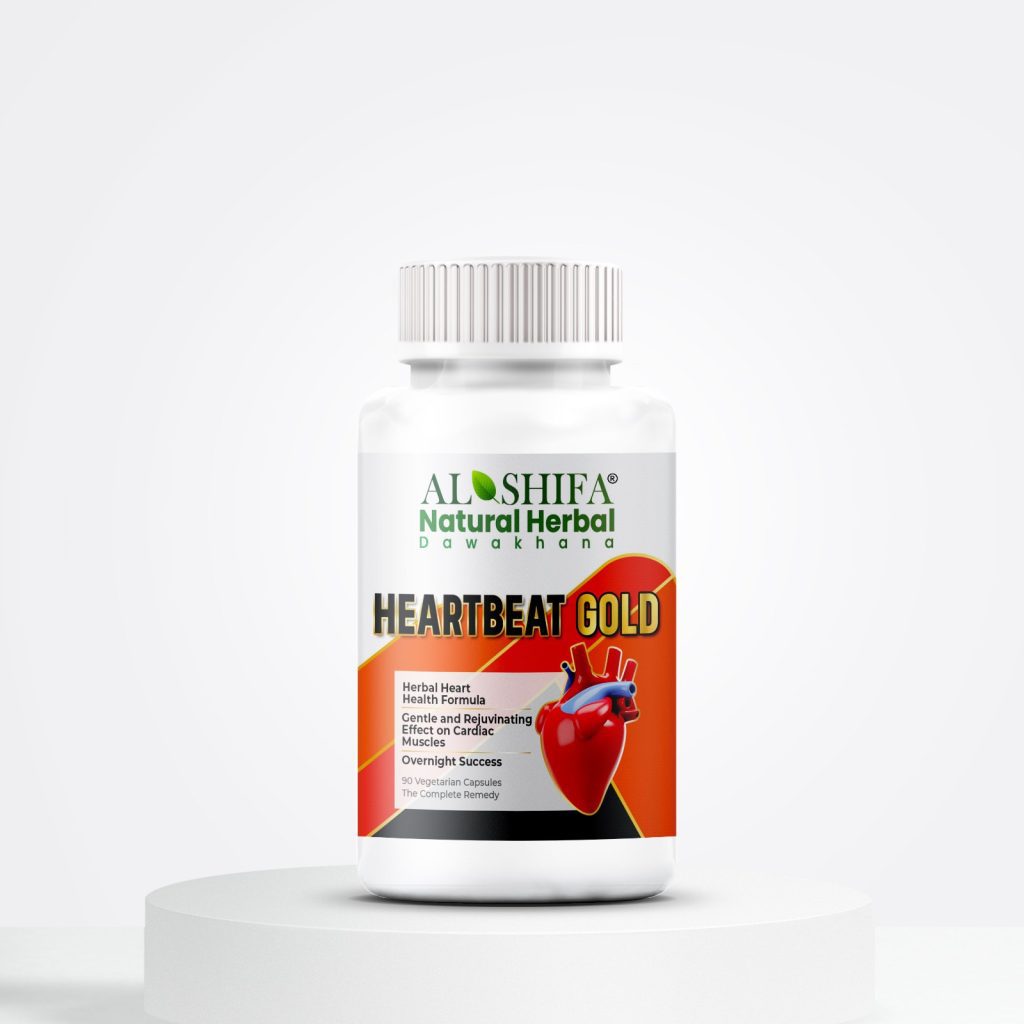
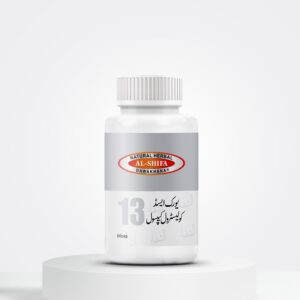
الشفاء، ہارٹ بیٹ گولڈ کیپسول۔

Natural Herbal Product

الشفاء، ہارٹ بیٹ گولڈ کیپسول۔

★★★★★ Trusted Herbal Product
 35,000

Al Shifa, Heartbeat Gold Capsules.

دل کی شریانیں سکڑجانا، یا دل کے وال بند کھولنے کےلیے
کو لیسٹرول، بلڈ پریشر اور دل کے مریضوں کے لیے مفید دواء۔

All herbs are available in Whole as well as Powder form at the same rates.
تمام جڑی بوٹیاں ثابت اور پاؤڈر دونوں شکلوں میں ایک ہی قیمت پر دستیاب ہیں۔
Quantity
Important Notice: Due to frequent market price fluctuations in Pakistan, product prices may change without prior notice. Please confirm the latest price via WhatsApp before placing your order.
اہم نوٹ: پاکستان میں مارکیٹ ریٹ میں بار بار تبدیلی کی وجہ سے مصنوعات کی قیمتیں بغیر پیشگی اطلاع کے تبدیل ہو سکتی ہیں۔ آرڈر کرنے سے پہلے تازہ قیمت واٹس ایپ پر ضرور کنفرم کر لیں۔
Share:
100% Herbal
Fast Delivery
Trusted Since 1999

Description

Al Shifa Heartbeat Gold Capsules

A Beneficial Herbal Remedy for Narrowed or Blocked Heart Arteries

Al Shifa Heartbeat Gold Capsules are a premium herbal formulation for heart-related health concerns. Many patients suffering from high blood pressure and heart conditions have benefited from its use.

After extensive research, practical experience, and observation, Al Shifa Natural Herbal Dawakhana has, by the grace of Allah, developed Heartbeat Gold Capsules, a herbal formulation designed to support healthy blood pressure levels and assist in maintaining healthy blood circulation through the heart’s arteries.

Packaging

  • One Month Supply

Home Delivery

  • Available Across Pakistan

Dosage

Take:

  • One capsule in the morning
  • One capsule in the afternoon
  • One capsule at night

Use one hour after meals with water.


Foods to Avoid

Avoid the following foods and beverages during treatment:

  • Potatoes
  • Cauliflower
  • Cabbage
  • Capsicum
  • Taro root
  • Okra
  • Ridge gourd
  • Radish pods
  • Peas
  • Beef
  • Trotters
  • Liver
  • Chickpea lentils
  • Black gram lentils
  • Pigeon peas
  • Soft drinks and carbonated beverages
  • Cold water
  • Ice
  • Cold milk
  • Apples
  • Bananas
  • Oranges
  • Kinnow
  • Fried foods
  • Rice
  • Cheese
  • Bakery products
  • White chickpeas
  • Naan
  • Fermented bread
  • Tea
  • Green tea
  • Sour and spicy foods
  • Hydrogenated vegetable ghee
  • Corn oil
  • Cottonseed oil
  • Soybean oil
  • Peanuts
  • Falsa
  • Jamun
  • Beetroot
  • White and red beans
  • Tamarind
  • Dried plums
  • Watermelon
  • Kanji
  • Dahi Bhallay
  • Potato and chickpea snacks
  • Sour loquat
  • Samosas
  • Pakoras
  • Rusks
  • Baqar Khani
  • Chinese foods
  • Noodles
  • Pasta
  • Burgers
  • Shawarma

Recommended Foods

The following foods are considered beneficial:

  • Whole wheat bread
  • Omelet
  • Boiled eggs
  • Sweet egg preparations
  • Half-fried eggs
  • Mustard greens
  • Spinach
  • Mint chutney
  • Onion
  • Fenugreek
  • Bitter gourd
  • White and yellow turnips
  • Carrot curry
  • Black chickpeas in gravy
  • Goat meat broth
  • Desi chicken
  • Farm chicken
  • Partridge
  • Quail
  • Fish
  • Bottle gourd
  • Mutton pulao

Additional beneficial foods:

  • Lukewarm milk
  • Goat milk
  • Camel milk
  • Round gourd
  • Pumpkin
  • Pumpkin dishes
  • Sponge gourd
  • Tomato and onion curry
  • Chicken broth
  • Pure honey
  • Cucumber
  • Radish
  • Carrot
  • Yogurt
  • Fresh butter

Dry Fruits

  • Sweet almonds
  • Walnuts (not more than two)
  • White sesame seeds
  • Raisins
  • Pine nuts
  • Dried coconut
  • Cashews
  • Figs

Preserves (Murabba)

  • Amla Murabba
  • Harar Murabba
  • Gulkand
  • Carrot Murabba
  • Ginger Murabba

Fruits

  • Sweet mangoes
  • Peaches
  • Sweet grapes
  • Papaya
  • Mulberries
  • Sugarcane
  • Melons
  • Pineapple
  • Musk melon
  • Apricots
  • Sweet loquat
  • Seedless guava
  • Pears
  • Jujube
  • Dates

Herbal Teas (Qahwa)

  • Mint Tea
  • Ginger Tea
  • Cinnamon Tea
  • Black Cumin Tea
  • Carom Seed (Ajwain) Tea

Sweet Foods

  • Semolina pudding prepared with pure desi ghee
  • Carrot pudding
  • Rice pudding
  • Kheer
  • Firni
  • Sweet rice made with jaggery
  • Wheat porridge prepared with milk
  • Vermicelli

Oils and Healthy Fats

  • Almond oil
  • Mustard oil
  • Sesame oil
  • Olive oil
  • Black seed oil
  • Pure desi ghee

Consultation

Hakeem Muhammad Irfan
Fazil Tib-o-Jarahat (Registered Herbal Practitioner)

For consultation, please contact:

Helpline & WhatsApp

03040506070


Heart Attack Symptoms

What Is Heart Disease?

Heart disease usually begins when cholesterol, fat, and calcium start accumulating inside the blood vessels (arteries). This process is known as Atherosclerosis.

As these substances continue to build up, the arteries that supply blood to the heart gradually become narrowed. This restricts blood flow and reduces the oxygen supply reaching the heart muscle.

A lack of oxygen causes chest pain, commonly known as Angina.

When the blood supply to the heart becomes significantly blocked, it may result in a Heart Attack.

In medical terminology, a heart attack is called Myocardial Infarction (MI).

Sudden irregular heart rhythms or sudden cardiac arrest may also occur as a consequence of severe heart disease.


Relationship Between Heart Disease and Heart Attack

When cholesterol, fat, and calcium continue to accumulate within the arteries supplying blood to the heart, the blockage may eventually become severe enough to damage the artery walls.

This damage can lead to the formation of blood clots inside the arteries. These clots can completely obstruct blood flow to the heart muscle.

When the heart muscle is deprived of blood and oxygen, a Heart Attack (Myocardial Infarction) occurs.

One of the most dangerous consequences of heart disease is the sudden cessation of the heartbeat, which may result in death.

The primary purpose of diagnosing Angina is to identify any obstruction in the blood supply to the heart and restore normal circulation before a heart attack occurs or before permanent damage develops in the heart muscle.

To reduce the risk of heart attack, it is important to control:

  • High blood pressure
  • High cholesterol
  • Diabetes
  • Smoking habits

In addition, physicians may prescribe medications such as:

  • Beta-blockers to regulate heart rhythm
  • Nitroglycerin to widen blood vessels
  • Aspirin to reduce blood clot formation

Severe Heart Attack (Myocardial Infarction)

A severe heart attack is a complete medical emergency.

When blood flow to the heart is completely blocked, part of the heart muscle may die. This can leave permanent scarring and damage within the heart.

As a result, the heart’s pumping ability becomes weaker, and it may no longer supply sufficient blood to the body.

Damaged heart muscle can also create disturbances in the heart’s electrical system.

This may result in a dangerous condition known as Ventricular Fibrillation, where the heart begins to quiver instead of pumping effectively.

In this condition, the heartbeat becomes chaotic and irregular, making it one of the leading causes of sudden cardiac death.

One of the most common causes of a severe heart attack is blockage caused by fatty deposits within the coronary arteries. Such blockages significantly increase the risk of blood clot formation.


Early Signs of a Heart Attack

Contrary to common belief, the heart is not located entirely on the left side of the chest. It is situated near the center of the chest.

One of the earliest signs of a heart attack is unusual pain or discomfort in the center of the chest, often beneath the area where a necktie would rest.

Patients commonly describe this sensation as:

  • Pressure on the chest
  • A heavy weight on the chest
  • Tightness within the chest
  • A squeezing sensation
  • A feeling similar to wringing a wet cloth

This pain occurs because the heart muscle is not receiving enough oxygen.

The severity may vary from:

  • Mild
  • Moderate
  • Severe

The pain may remain limited to the center of the chest or spread throughout the chest area.

Symptoms may last for minutes or hours, disappear temporarily, and then return after several days.

Therefore, temporary relief should never be considered a sign that the problem has resolved.


Understanding Blood Pressure

Blood pressure is the force exerted by blood against the inner walls of the arteries.

It is measured in millimeters of mercury (mmHg) and recorded using two numbers:

Systolic Pressure

The pressure when the heart contracts and pumps blood.

Diastolic Pressure

The pressure when the heart relaxes between beats.

Both values are important indicators of cardiovascular health.

A healthy blood pressure reading is generally considered to be below:

120/80 mmHg

For example:

110/70 mmHg is also considered normal.


Low Blood Pressure (Hypotension)

If blood pressure repeatedly measures around:

80/50 mmHg or lower

it may be considered lower than normal.

Low Blood Pressure, medically known as Hypotension, is a condition in which blood pressure becomes low enough to cause symptoms or affect the body’s normal functioning.

The condition may reduce blood flow to vital organs such as:

  • The heart
  • The brain
  • The kidneys

When these organs do not receive adequate blood supply, negative health effects may occur.

However, many people live with low blood pressure without experiencing any symptoms or complications.

Even so, persistent hypotension should not be ignored because it may indicate an underlying medical problem.

If left undiagnosed or untreated for a prolonged period, complications may develop.

Reduced blood pressure causes blood to circulate more slowly throughout the body, potentially decreasing oxygen and nutrient delivery to vital organs.

Although physicians can often identify the cause, there are cases in which the underlying reason remains unknown.


Causes of Low Blood Pressure

1. Medications

Certain medications can lower blood pressure, including:

  • Drugs used before surgical procedures
  • Anti-depressant medications
  • Sedatives and anti-anxiety medicines
  • Heart medications
  • Medications used to treat coronary artery disease
  • High blood pressure medicines
  • Pain-relieving drugs

2. Alcohol Consumption

Alcohol can significantly lower blood pressure.


3. General Health Conditions and Diseases

Several chronic illnesses can contribute to low blood pressure.

People who follow a healthy lifestyle, maintain a balanced diet, and exercise regularly generally have a lower risk of developing abnormal blood pressure problems.


4. Stroke (Brain Hemorrhage)

Blood pressure may drop significantly during the early stages of a stroke.

Individuals suffering from chronic diseases such as:

  • Diabetes
  • Heart disease

may also experience low blood pressure.

Inflammation affecting the:

  • Pancreas
  • Liver
  • Heart

can contribute to hypotension.


5. Nervous System Disorders

Certain nervous system conditions, including Vasovagal Attacks, can lead to low blood pressure.

These episodes may occur due to:

  • Fear
  • Emotional stress
  • Sudden shock
  • Injury

6. Dehydration

One of the most common causes of low blood pressure is dehydration.

Causes of dehydration include:

  • Excessive sweating
  • Inadequate water intake
  • Persistent diarrhea
  • Frequent vomiting
  • Skipping meals

7. Poor Nutrition

Eating less than the body’s nutritional requirements or following an irregular eating schedule may reduce blood pressure.

Insufficient calorie intake can slow blood circulation and negatively affect organ performance.


8. Heart Disease

Heart attacks, poor cardiac function, and abnormal heart rhythms can reduce blood pressure and lead to hypotension.


Shock

Severe conditions such as:

  • Brain hemorrhage (stroke)
  • Heart attack
  • Severe infections
  • Excessive blood loss due to accidents or injuries
  • Severe dehydration

can cause blood pressure to fall to dangerously low levels.

In such situations, the patient may become unconscious and require immediate hospitalization.

Emergency treatment may include:

  • Blood transfusion
  • Intravenous glucose
  • Intravenous saline solutions

This life-threatening condition is medically referred to as Shock.

If hypotension associated with shock is not treated promptly and appropriately, it can seriously affect vital organs such as:

  • The heart
  • The brain
  • The kidneys

Without timely treatment, the condition may become fatal.


Postural Hypotension

Some individuals experience a sudden drop in blood pressure immediately after standing up.

This may cause:

  • Dizziness
  • Lightheadedness
  • Headache
  • Temporary weakness

These symptoms often resolve on their own after a few minutes.

Similarly, some people may experience hypotension:

  • After prolonged bed rest
  • After eating meals
  • After consuming very large meals

Certain young men and women may develop hypotension when forced to stand for long periods of time.

In some cases, they may faint and experience stomach discomfort or nausea.


Symptoms of Low Blood Pressure

A person suffering from low blood pressure may experience one or more of the following symptoms:

  • Headache
  • Darkening of vision
  • Feeling lightheaded
  • Anxiety
  • Ringing or noise in the ears
  • Extreme weakness
  • Excessive sleepiness
  • Dry mouth
  • Irregular heartbeat
  • Difficulty making decisions
  • Poor concentration

A sudden drop in blood pressure may cause loss of consciousness, which can result in falls and serious injuries.


Diagnosis

Your physician may ask the following questions:

  • What is your blood pressure reading?
  • What medications are you currently taking?
  • Are you eating and drinking properly?
  • Have you been ill recently?
  • What symptoms are you experiencing?
  • Do you often feel tired or sluggish?
  • Have you ever fainted?
  • Do you experience darkening of vision?
  • Do you feel dizzy after standing?
  • Do you experience headaches after meals?
  • Do you feel excessive weakness?
  • Do you have difficulty sleeping?

Recommended Medical Tests

1. Complete Blood Count (CBC)

A complete blood examination to evaluate overall health and detect various disorders.

2. Blood Culture

Used to identify infections in the bloodstream.

3. Chest and Abdominal X-Ray

To evaluate internal organs and identify possible abnormalities.

4. CT Scan

Provides detailed imaging of internal structures.

5. Additional Blood Tests

Further laboratory investigations as required.

6. Blood Sugar, LFT & KFT

  • Blood Sugar Test
  • Liver Function Test (LFT)
  • Kidney Function Test (KFT)

7. Urine Examination

Basic urine testing for diagnostic evaluation.

8. Urine Analysis

Detailed laboratory analysis of urine.

9. ECG (Electrocardiogram)

To assess heart rhythm and electrical activity.


Treatment

Many individuals with low blood pressure do not require specific treatment and continue to live normal, healthy lives.

If your blood pressure remains low but you do not experience symptoms, there may be no immediate cause for concern.

However, if any of the following symptoms occur, you should consult a qualified healthcare professional immediately:

  • Darkening of vision
  • Ringing in the ears
  • Episodes of fainting
  • Black-colored stool
  • Chest pain, especially in the center of the chest
  • Shortness of breath
  • Irregular heartbeat
  • Fever above 101°F
  • Severe cough with sputum
  • Diarrhea and vomiting
  • Frequent urination
  • Burning sensation during urination

Preventive Measures

Follow these recommendations to help maintain healthy blood pressure:

  • Monitor your blood pressure regularly.
  • Drink at least eight glasses of water daily.
  • Rise slowly after sitting or lying down for long periods.
  • Avoid standing in one position for extended periods.
  • Completely avoid alcohol consumption.
  • Pay close attention to your diet.
  • Develop the habit of eating smaller meals several times a day.

Understanding Chest Pain

After chest pain begins, it may spread into one or both arms.

For this reason, many people mistakenly assume the pain is related to muscles or joints.

A simple observation may help distinguish the difference:

If raising both arms above the head significantly reduces the pain, the discomfort may be muscular or joint-related.

However, pain caused by heart disease generally remains unchanged.


Pain in the Neck and Jaw

Heart-related pain may also spread to:

  • The neck
  • The jaw
  • The teeth

As a result, many patients mistakenly believe they are suffering from dental or neck problems.

Moving the neck or changing head position may worsen pain related to muscles and joints.

Heart-related pain generally does not change significantly with neck movement.

Because distinguishing these causes can sometimes be difficult, consultation with a qualified physician is essential.


Upper Abdominal Pain and Heart Disease

Pressure, discomfort, heaviness, anxiety, or squeezing sensations may sometimes occur in the upper abdomen.

Many patients mistakenly interpret these symptoms as indigestion.

This confusion becomes even more common when symptoms are accompanied by:

  • Nausea
  • Vomiting

As a result, some individuals begin self-treatment with antacids while delaying appropriate medical evaluation for a possible heart attack.

Such delays can be dangerous.


Back Pain and Heart Attack

In some cases, back pain may be the only symptom of a heart attack.

This pain often develops between the shoulder blades and may resemble pain caused by physical exertion or poor posture.

Sometimes heart attack pain begins in:

  • The arms
  • The neck
  • The jaw

rather than the center of the chest.

In certain patients, back pain may be more severe than chest pain.


Additional Warning Signs of a Heart Attack

As symptoms progress, a patient may experience:

  • Shortness of breath
  • Increasing anxiety
  • Nausea
  • Vomiting

The body may feel cold and become covered with sweat.

Unexplained sweating should always be considered a possible warning sign of a heart attack.


Pain on the Left Side of the Chest

Pain located beneath the left breast is not always a sign of a heart attack.

Such discomfort may result from:

  • Emotional stress
  • Anxiety
  • Gastric problems
  • Excessive worry

The pain may persist for minutes, hours, or even longer periods.

However, persistent or recurring chest pain should never be ignored and should always be evaluated by a healthcare professional.


What Should You Do If a Heart Attack Begins?

If there is reason to believe that chest pain may be related to a heart attack, immediate attention is required.

According to the original recommendation of this article, Heartbeat Gold Capsules may be used to support heart health and help maintain healthy circulation within the heart’s arteries.

If immediate medical consultation is not available, treatment should not be unnecessarily delayed.

Nevertheless, prompt professional medical evaluation remains extremely important whenever heart attack symptoms are suspected.


Prevention Is Better Than Treatment

Regular health checkups are essential.

Many people do not seek medical evaluation until they develop complications related to conditions such as:

  • High blood pressure
  • Diabetes
  • Heart disease
  • Obesity
  • High cholesterol

Annual medical examinations can help identify potential health concerns before serious complications develop.

Early detection can significantly reduce the risk of life-threatening conditions, including heart attacks.

Every individual should possess basic knowledge regarding heart health and cardiovascular disease.


Important Health Recommendations

Regular Urine Testing

It is recommended to have a urine analysis performed every two months to determine whether diabetes may be developing at an early stage.


Monitor Your Blood Pressure

Have your blood pressure checked regularly by a healthcare professional.

Keeping blood pressure under control significantly reduces the likelihood of developing heart disease and its complications.


Cholesterol and Triglyceride Testing

Have your blood tested periodically to determine whether cholesterol and triglyceride levels are elevated.

Maintaining healthy cholesterol levels can help reduce the risk of heart attack and cardiovascular disease.


Women’s Health Screening

Women over the age of twenty-five are advised to consult a qualified gynecologist and undergo a Pap Smear Test to help detect cervical abnormalities and cervical cancer at an early stage.

Women should also regularly examine their breasts and seek medical advice if they notice:

  • Swelling
  • Lumps
  • Unusual discharge
  • Any abnormal changes

Eye Health Screening

Individuals over forty years of age should undergo regular eye examinations to help detect Glaucoma and other eye diseases at an early stage.

Regular screening is particularly important for individuals with a family history of glaucoma.


Chest X-Ray Examination

A simple chest X-ray may help evaluate:

  • Heart size
  • Lung health
  • Tuberculosis (TB)
  • Certain cancers and other chest diseases

Early diagnosis can lead to more effective treatment.


Maintain a Healthy Weight

Excess body weight increases the risk of cardiovascular disease.

If you are overweight, every effort should be made to achieve and maintain a healthy body weight.

Weight control can significantly lower the chances of developing heart disease and heart attacks.


Follow a Healthy Diet

Pay close attention to your daily nutrition.

Consume:

  • Fresh vegetables
  • Fresh fruits
  • Balanced meals

Avoid excessive consumption of:

  • Oily foods
  • Fatty foods
  • Highly processed foods

A healthy diet plays a vital role in maintaining heart health.


Exercise Regularly

Regular physical activity is one of the most effective ways to support cardiovascular health.

It is recommended to walk for at least:

20 minutes every day

Regular exercise helps improve circulation, maintain healthy body weight, and support overall wellness.


Adopt a Healthy Lifestyle

A well-organized and disciplined lifestyle contributes significantly to long-term health.

Healthy habits include:

  • Adequate sleep
  • Balanced nutrition
  • Stress management
  • Regular exercise
  • Routine health checkups

Mental and Spiritual Well-Being

Living according to positive moral and spiritual principles can promote peace of mind.

Mental relaxation and emotional stability may contribute to better heart health and overall well-being.


Environmental Pollution and Heart Disease

Healthy blood should circulate freely throughout the body.

Modern medical research suggests that environmental pollution may contribute to blood thickening and increase cardiovascular risks.

According to health experts, extremely fine airborne pollutants can enter the body through the respiratory system and affect blood circulation.

These pollutants may contribute to the formation of blood clots, which are considered important risk factors for:

  • Heart attacks
  • Stroke
  • Cardiovascular disease

Research Findings

Researchers from public health institutions have reported a direct relationship between environmental pollution and cardiovascular disease.

Studies suggest that polluted air may promote inflammation within the body.

Inflammation can interfere with the body’s normal blood-cleansing processes and may contribute to clot formation.

Animal studies conducted in polluted environments demonstrated that harmful pollutants can trigger inflammatory responses in the lungs.

Further investigations involving individuals living in highly polluted areas revealed a greater tendency toward blood clot formation.

These findings support the theory that environmental pollution may increase the risk of cardiovascular complications.


Heart Attack (Myocardial Infarction)

A heart attack, medically known as Myocardial Infarction (MI), occurs when one of the blood vessels supplying the heart muscle becomes blocked.

As a result, blood flow to a portion of the heart is interrupted.

If treatment is not provided immediately, the affected heart muscle may become permanently damaged.

Scar tissue may develop within the affected area of the heart.


Causes of Arterial Blockage

Heart arteries may become blocked due to:

Fatty Deposits

Accumulation of fatty substances, commonly referred to as plaque or cholesterol deposits.

Blood Clot Formation

Various factors can contribute to clot formation within the arteries.

Blood Clots (Thrombus)

A clot can suddenly obstruct blood flow through a coronary artery, resulting in a heart attack.


Symptoms of a Heart Attack

Common symptoms include:

  • Pain or pressure in the center of the chest
  • Pain spreading to the arms
  • Pain in the jaw
  • Pain in the shoulders
  • Pain in the throat or neck
  • Upper abdominal discomfort

The discomfort may move from one area of the body to another.

Patients often describe the sensation as:

  • Tightness
  • Crushing pain
  • Pressure
  • Burning
  • Suffocation
  • Severe discomfort

These symptoms may occur during:

  • Physical activity
  • Rest
  • Sleep

The discomfort often lasts for more than ten minutes.

Additional symptoms may include:

  • Excessive sweating
  • Shortness of breath
  • Nausea
  • Vomiting
  • Fear or anxiety
  • Dizziness

Blocked Heart Arteries and Blood Pressure

The symptoms described throughout this article are associated with reduced blood flow to the heart and cardiovascular dysfunction.

According to the original formulation and recommendations presented in this article, Heartbeat Gold Capsules are intended to support heart health and healthy circulation.


Conclusion

Heart disease and heart attacks are serious medical conditions that can often be prevented through:

  • Regular health screenings
  • Blood pressure control
  • Cholesterol management
  • Healthy nutrition
  • Physical activity
  • Weight management
  • Avoidance of harmful habits
  • Early medical consultation when symptoms appear

Understanding the warning signs of heart disease and taking timely action can play an important role in protecting cardiovascular health and overall well-being.


Hakeem Muhammad Irfan
Fazil Tib-o-Jarahat (Registered)

Helpline & WhatsApp

03040506070

Al Shifa Natural Herbal Dawakhana

الشفاء ہارٹ بیٹ گولڈ کیپسول

Al Shifa Heartbeat Gold Capsules

دل کی شریانیں سکڑ جانا یا بند وال کھولنے کی شافی دواء

ہارٹ بیٹ گولڈ کیپسول دل کی بیماریوں کے لیے بہترین دواء ہے۔ اس کے استعمال سے بلڈ پریشر اور دل کی بیماریوں کے بے شمار مریض مکمل طور پر صحت یاب ہو چکے ہیں۔

الشفاء نیچرل ہربل دواخانہ کی ریسرچ، تجربات اور مشاہدات کے بعد اللہ کے فضل سے ہارٹ بیٹ گولڈ کیپسول کے نام سے ایک ایسی دواء تیار کی گئی ہے جس سے بلڈ پریشر اور دل کی بند شریانیں اور وال کھل جاتے ہیں۔

پیکنگ

  • ایک ماہ کی دوا

ہوم ڈلیوری

  • آل پاکستان

مقدار خوراک

ایک کیپسول صبح، ایک کیپسول دوپہر اور ایک کیپسول رات کھانے کے ایک گھنٹہ بعد پانی کے ساتھ استعمال کریں۔


پرہیز

آلو، گوبھی، بند گوبھی، شملہ مرچ، اروی، بھنڈی، توری، مونگرے، مٹر، بڑا گوشت، سری پائے، کلیجی، دال چنا، دال ماش، ارہر کی دال، تمام مشروبات، کولڈ ڈرنکس، ٹھنڈا پانی، برف، ٹھنڈا دودھ، سیب، کیلا، مالٹا، کینو، ہر طرح کی تلی ہوئی اور فرائی چیزیں، چاول، پنیر، چیز، تمام بیکری آئٹمز، سفید چنے، نان، خمیری روٹی، چائے، گرین ٹی، کھٹی اور چٹپٹی چیزیں، بناسپتی گھی، کارن آئل، بنولہ آئل، سویا بین آئل، مونگ پھلی، ملوک، فالسہ، جامن، چقندر، لوبیا سفید و سرخ، تمام کھٹے میٹھے پھل، املی، آلو بخارا، تربوز، کانجی، دہی بھلے، آلو چنے، کھٹی لوکاٹ، سموسے، پکوڑے، چائے رس، باقر خانی، چائنیز کھانے، نوڈلز، پاستہ، برگر اور شوارما وغیرہ۔


مفید اشیاء

دیسی آٹے کی روٹی، انڈہ آملیٹ، اُبلا ہوا انڈہ، میٹھا انڈہ، ہاف فرائی انڈہ، سرسوں کا ساگ، پالک، پودینے کی چٹنی، پیاز، میتھی، کریلے، شلجم سفید و پیلے، گاجر کا سالن، کالے چنے شوربہ والے، بکرے کا گوشت شوربے والا، دیسی مرغی کا گوشت، فارمی مرغی کا گوشت، تیتر، بٹیر، مچھلی، لوکی، بکرے کے گوشت والا پلاؤ۔

نیم گرم دودھ، بکری کا دودھ، اونٹنی کا دودھ، ٹینڈے، گھیا کدو، حلوہ کدو، گھیا توری، ٹماٹر پیاز کا سالن، دیسی مرغی شوربے والی، شہد خالص، کھیرا، مولی، گاجر، دہی اور تازہ مکھن۔


خشک میوہ جات

  • میٹھا بادام
  • اخروٹ (دو سے زیادہ نہیں)
  • تل سفید
  • کشمش
  • چلغوزے
  • ناریل خشک
  • کاجو
  • انجیر

مربہ جات

  • آملے کا مربہ
  • ہڑہڑ کا مربہ
  • گلکند
  • گاجر کا مربہ
  • ادرک کا مربہ

پھل

  • میٹھا آم
  • آڑو
  • میٹھا انگور
  • پپیتہ
  • شہتوت
  • گنا
  • خربوزہ
  • انناس
  • گرما
  • سردا
  • خوبانی
  • میٹھی لوکاٹ
  • امرود بغیر بیج
  • ناشپاتی
  • عناب
  • کھجور

قہوہ جات

  • پودینے کا قہوہ
  • ادرک کا قہوہ
  • دارچینی کا قہوہ
  • کالے زیرہ کا قہوہ
  • اجوائن کا قہوہ

میٹھی چیزیں

  • سوجی کا حلوہ (دیسی گھی میں تیار شدہ)
  • گاجر کا حلوہ
  • گاجر کی کھیر
  • چاول کی کھیر
  • فرنی
  • گڑ والے چاول زردہ
  • گندم کا دلیہ دودھ میں تیار شدہ
  • سویاں

آئل وغیرہ روغنیات

  • روغن بادام
  • روغن سرسوں
  • روغن تل
  • روغن زیتون
  • روغن کلونجی
  • دیسی گھی

مشورہ

حکیم محمد عرفان
فاضل طب والجراحت، رجسٹرڈ

مشورہ کے لیے رابطہ کر سکتے ہیں۔

Helpline & WhatsApp Number
03040506070


ہارٹ اٹیک کی علامات

دل کی بیماری کیا ہے؟

دل کی بیماریاں اس وقت شروع ہوتی ہیں جب کولیسٹرول، چربی اور چونا (کیلشیم) خون کی نالیوں (شریانوں) میں جمنا شروع ہو جاتا ہے۔ کولیسٹرول، چربی اور کیلشیم کے جمنے کے اس عمل کو آتھیروس کلیروسس (Atherosclerosis) کہتے ہیں۔

جیسا کہ اوپر لکھا گیا ہے، دل کی بیماریاں اس وقت شروع ہوتی ہیں جب کولیسٹرول، چربی اور کیلشیم خون کی شریانوں میں جمع ہونا شروع ہو جاتے ہیں۔ اس کے نتیجے میں دل کو خون فراہم کرنے والی شریانوں میں خون کے گزرنے کا راستہ تنگ ہو جاتا ہے۔

دل کو مناسب مقدار میں آکسیجن نہیں مل پاتی، جس کی وجہ سے سینے میں درد پیدا ہوتا ہے جسے انجائنا (Angina) کہا جاتا ہے۔

دل کو خون فراہم کرنے والی شریانوں میں رکاوٹ دراصل ہارٹ اٹیک کا سبب بنتی ہے۔

اس کو میڈیکل زبان میں مائیوکارڈیل انفارکشن (Myocardial Infarction) کہا جاتا ہے۔


دل کی بیماریوں اور ہارٹ اٹیک کا باہمی تعلق

دل کو خون فراہم کرنے والی شریانوں میں جب کولیسٹرول، چربی اور کیلشیم اس حد تک جمع ہو جائیں کہ شریانوں میں ٹوٹ پھوٹ پیدا ہونے لگے تو خون کے خلیے وہاں جمنا شروع ہو جاتے ہیں۔

یہ منجمد ذرات دل کے پٹھوں کو خون کی فراہمی روک دیتے ہیں اور یہی کیفیت ہارٹ اٹیک کا سبب بنتی ہے۔

اس کا سب سے خطرناک پہلو اچانک دل کی دھڑکن کا رک جانا ہے جو موت کا سبب بن سکتا ہے۔


لو بلڈ پریشر (Hypotension)

بلڈ پریشر شریانوں کی اندرونی تہوں میں خون کے دباؤ کو کہتے ہیں۔ یہ ملی میٹر مرکری میں ناپا جاتا ہے اور دو نمبروں میں ریکارڈ کیا جاتا ہے:

  • سیسٹولک پریشر
  • ڈایسٹولک پریشر

ایک صحت مند انسان کا نارمل بلڈ پریشر 120/80 سے کم ہونا چاہیے۔

اگر بلڈ پریشر بار بار 80/50 یا اس سے کم ریکارڈ ہو تو اسے لو بلڈ پریشر کہا جاتا ہے۔


لو بلڈ پریشر کی وجوہات

نمبر 1: ادویات

  • جراحی سے پہلے استعمال ہونے والی ادویات
  • ضد ڈپریشن ادویات
  • دل کی بیماریوں کی ادویات
  • ہائی بلڈ پریشر کی ادویات
  • ضد درد ادویات

نمبر 2: شراب نوشی

شراب نوشی خون کا دباؤ کم کر دیتی ہے۔

نمبر 3: جنرل ہیلتھ اور بیماریاں

نمبر 4: بدن میں پانی کی کمی

نمبر 5: غذا

نمبر 6: دل کی بیماری

نمبر 7: شاک


لو بلڈ پریشر کی علامات

  • سردرد
  • آنکھوں کے سامنے اندھیرا چھا جانا
  • اضطراب
  • کانوں میں شور
  • شدید کمزوری
  • نیند کا غلبہ
  • منہ خشک ہونا
  • دل کی دھڑکنوں میں بے اعتدالی
  • فیصلہ کرنے میں دشواری
  • بے ہوشی

تشخیص

معالج درج ذیل سوالات پوچھ سکتا ہے:

  • آپ کا بلڈ پریشر کتنا ہے؟
  • آپ کون سی دوائیاں لے رہے ہیں؟
  • کیا آپ اچھی طرح کھاتے پیتے ہیں؟
  • کیا آپ کئی دنوں سے بیمار ہیں؟
  • کیا آپ بے ہوش ہو جاتے ہیں؟
  • کیا آنکھوں کے سامنے اندھیرا آتا ہے؟
  • کیا کھڑے ہونے کے بعد چکر محسوس ہوتے ہیں؟

ضروری ٹیسٹ

  1. CBC (خون کی مکمل جانچ)
  2. Blood Culture
  3. ایکسرے
  4. CT Scan
  5. خون کے دیگر ٹیسٹ
  6. Blood Sugar, LFT, KFT
  7. Urine Analysis
  8. ECG

علاج

بعض افراد کو لو بلڈ پریشر کے لیے کسی علاج کی ضرورت نہیں ہوتی اور وہ نارمل زندگی گزارتے ہیں۔

اگر درج ذیل علامات ظاہر ہوں تو فوراً کسی ماہر معالج سے رجوع کریں:

  • آنکھوں کے سامنے اندھیرا
  • کانوں میں شور
  • بے ہوشی
  • سینے میں درد
  • سانس پھولنا
  • دل کی دھڑکن میں بے ترتیبی
  • 101 ڈگری سے زائد بخار
  • شدید کھانسی
  • دست و قے
  • بار بار پیشاب آنا
  • پیشاب میں جلن

احتیاطی تدابیر

  • اپنا بلڈ پریشر باقاعدگی سے چیک کروائیں۔
  • روزانہ کم از کم آٹھ گلاس پانی پئیں۔
  • آہستہ آہستہ کھڑے ہوں۔
  • ایک ہی پوزیشن میں زیادہ دیر نہ رہیں۔
  • شراب نوشی سے مکمل پرہیز کریں۔
  • متوازن غذا استعمال کریں۔
  • دن میں کم مقدار میں کئی مرتبہ غذا کھائیں۔

ہارٹ اٹیک شروع ہو تو کیا کرنا چاہیے؟

اگر یہ شک ہو کہ سینے کا درد ہارٹ اٹیک کی علامت ہے تو فوری ہارٹ بیٹ گولڈ کیپسول کی ضرورت ہے۔ اس کا استعمال دل کی شریانوں کو بند ہونے یا سکڑنے سے بچاتا ہے۔

اگر ڈاکٹر سے فوری رابطہ ممکن نہ ہو تو ایسی صورت میں ازخود دوائی لینا غلطی نہیں ہے۔


بیماری سے پہلے چیک اپ کروانا ضروری ہے

سالانہ طبی معائنہ ہر فرد کے لیے ضروری ہے تاکہ بیماریوں کی بروقت تشخیص ہو سکے اور ہارٹ اٹیک جیسے جان لیوا امراض سے بچا جا سکے۔


کچھ اہم باتیں

  • ہر دو ماہ بعد پیشاب کا تجزیہ کروائیں۔
  • ماہانہ بلڈ پریشر چیک کروائیں۔
  • کولیسٹرول اور ٹرائی گلیسرائیڈ ٹیسٹ کروائیں۔
  • وزن قابو میں رکھیں۔
  • باقاعدہ ورزش کریں۔
  • روزانہ کم از کم 20 منٹ پیدل چلیں۔
  • تازہ سبزیاں اور پھل استعمال کریں۔
  • مرغن غذاؤں سے پرہیز کریں۔
  • منظم طرزِ زندگی اپنائیں۔
  • ذہنی سکون اور دینی اصولوں پر عمل کریں۔

ماحولیاتی آلودگی اور دل کے امراض

جدید طبی تحقیق کے مطابق ماحولیاتی آلودگی خون کو گاڑھا کرنے میں اہم کردار ادا کرتی ہے۔

ہوا میں موجود باریک آلودہ ذرات سانس کے ذریعے جسم میں داخل ہو کر خون میں لوتھڑے پیدا کرنے کا سبب بن سکتے ہیں، جو دل کے دورے اور دماغی شریان پھٹنے کی اہم وجوہات میں شمار ہوتے ہیں۔


قلبی دورہ (ہارٹ اٹیک)

قلبی دورہ (Myocardial Infarction) اس وقت ہوتا ہے جب دل کے پٹھوں کو خون پہنچانے والی شریان بند ہو جائے۔

اگر فوری علاج نہ کیا جائے تو دل کے متاثرہ حصے کو مستقل نقصان پہنچ سکتا ہے۔

رکاوٹ کی وجوہات

  • چکنائی کا جماؤ
  • خون جمنے کی وجوہات
  • خون کا لوتھڑا (Blood Clot)

قلبی دورے کی علامات

  • سینے کے درمیان درد یا دباؤ
  • بازو، جبڑے، کندھے یا گلے میں درد
  • سانس پھولنا
  • پسینہ آنا
  • متلی یا الٹی
  • چکر آنا
  • شدید بے چینی

دل کی شریانوں کا بند ہونا اور بلڈ پریشر

ان تمام علامات میں ہارٹ بیٹ گولڈ کیپسول کا استعمال ایک مکمل علاج ہے۔