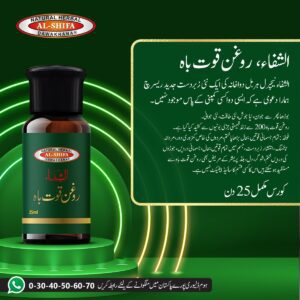
الشفاء روغن قوت باہ۔
₨ 12,500
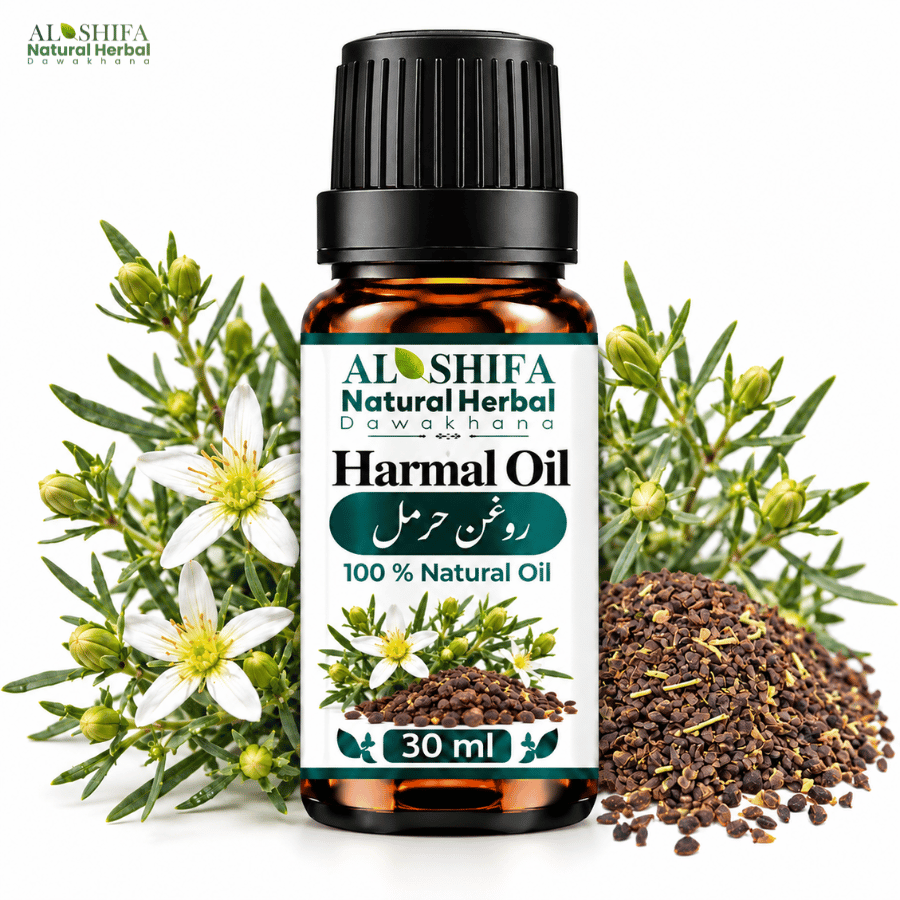
Harmal Oil / Roghan Harmal / Roghan Aspand is a botanical oil preparation associated with the seeds of Peganum harmala (Syrian Rue). Known for its strong, earthy and herbaceous character, it is traditionally incorporated into external herbal preparations, massage formulations and hair and scalp oil blends.
Al Shifa Harmal Oil is carefully selected for botanical identity, characteristic botanical profile, freshness, quality and clean handling.
Key Features:
Usage: Use a small amount in appropriately formulated external massage, hair or scalp oil blends. Patch test before broader topical use and avoid application to broken or irritated skin.
Important Note: Harmal contains pharmacologically active harmala alkaloids, including harmine and harmaline. The oil should not be used internally for self-medication and is best labelled For External Use Only. Its classification as seed oil or infused oil should follow the actual extraction method.
Harmal Oil, commonly known as Roghan Harmal / Roghan Aspand / روغن ہرمل / روغن اسپند, is a botanical oil preparation associated with Peganum harmala L., a strongly aromatic and pharmacologically active plant belonging to the Nitrariaceae family. It is widely known across Pakistan, South Asia, Iran, Afghanistan and surrounding regions by names such as Harmal, Isband, Aspand and Esfand.
Harmal requires considerably more care than ordinary cosmetic carrier oils. Its seeds contain pharmacologically active β-carboline alkaloids, particularly harmine and harmaline, along with related compounds. For this reason, Harmal products should not be treated like routine edible seed oils or casually recommended for internal use.
The commercial name “Harmal Oil” can also represent different preparations. It may refer to seed-derived fixed oil or to a traditional oil preparation in which Harmal material has been processed or infused into another fixed oil. The exact extraction method and carrier base should therefore be confirmed before describing a particular product as 100% pure seed oil.
Al Shifa Harmal Oil is selected with attention to botanical identity, characteristic botanical profile, quality, freshness and clean handling.
Harmal Oil is an oil-based preparation derived from or prepared with Peganum harmala, particularly its seeds.
Common names include:
The exact oil type depends on how the product has been manufactured.
Product Name: Harmal Oil / Peganum Harmala Oil
English Name: Harmal Oil / Syrian Rue Oil / Peganum Harmala Oil
Urdu Name: روغن ہرمل / روغن اسپند
Roman Name: Roghan Harmal / Roghan Aspand
Scientific Name: Peganum harmala L.
Plant Family: Nitrariaceae
Plant Part: Primarily Seeds for seed-based oil preparations
Oil Type: Seed-Derived Fixed Oil or Herbal Infused Oil, depending on manufacturing method
Extraction Method: Mechanical/solvent extraction for seed lipid or maceration/infusion for infused preparations; supplier method should be confirmed
Common Forms/Names: Harmal Oil, Syrian Rue Oil, Harmala Oil, Aspand Oil
Appearance: Yellowish to golden, brownish or darker depending on extraction, concentration and carrier base
Aroma: Characteristic, strong, earthy, herbaceous and somewhat bitter
Primary Applications: Traditional External Herbal Preparations, Massage Formulations, Hair & Scalp Preparations and Specialized Botanical Products
Product Type: Botanical Oil Preparation
Peganum harmala is a perennial plant adapted to dry and semi-arid regions.
Its seeds are among its most recognizable parts and have a long history of use across regional herbal traditions.
The plant should be identified botanically because common names such as Harmal, Aspand, Isband and Esfand can appear in different spellings across Urdu, Persian and Romanized product listings.
Harmal seeds contain several chemically important groups of compounds.
They are particularly recognized for β-carboline alkaloids, including:
The quantities and distribution of these compounds vary with plant material and extraction method.
Their presence is also the principal reason Harmal requires greater safety caution than ordinary cosmetic seed oils.
In addition to alkaloids, Harmal seeds contain a fixed lipid fraction.
The fatty-acid composition reported for the seed lipid can include:
Exact percentages should only be stated when supported by analytical data for the specific oil.
Harmine is one of the characteristic β-carboline alkaloids associated with Peganum harmala.
It is pharmacologically active and should not be presented as an ordinary cosmetic nutrient.
The amount of harmine present in a finished oil preparation depends greatly on the extraction method. Its presence or concentration in a specific oil cannot be assumed solely from the plant name.
Harmaline is another important β-carboline alkaloid associated with Harmal seeds.
Like harmine, it has significant biological activity.
This is especially important when considering ingestion, concentrated preparations, medicines or interactions with other substances.
Harmal-based oils have been incorporated into external herbal preparations in regional practices.
Depending on formulation, they may be used in:
These uses should be described as external botanical applications rather than as proven treatment for specific diseases.
Roghan Harmal may be incorporated into traditional massage formulations.
Because Harmal is pharmacologically more complex than ordinary carrier oils, a formulated or appropriately diluted preparation is preferable to indiscriminate application of concentrated material.
Avoid use on damaged or highly irritated skin.
Harmal Oil can appear in traditional hair and scalp oil formulations.
It may be incorporated into:
Claims that it definitively cures hair loss, scalp infections or other medical conditions should not be made without appropriate evidence for the specific preparation.
This distinction is particularly important.
Harmal Seed Oil: Primarily refers to the lipid/oil fraction derived from seeds.
Harmal Seed Extract: May concentrate alkaloids and other compounds depending on the extraction solvent and process.
Therefore:
Harmal Seed Oil ≠ Concentrated Harmal Alkaloid Extract
Safety information from one preparation cannot automatically be transferred to another without considering concentration and extraction method.
A traditional Harmal infused oil can be prepared by processing or macerating Harmal botanical material in another carrier oil.
In that case, the finished product contains a separate carrier base.
Therefore:
Harmal Seed-Derived Oil ≠ Harmal Infused Oil
If Al Shifa’s product is infused, the carrier oil should ideally be identified.
Harmal Oil should not automatically be marketed as Harmal Essential Oil.
A seed-derived fixed oil and a traditional infused preparation are chemically different from a volatile essential oil.
Unless the product is specifically produced and verified as a distilled volatile oil, the label should avoid:
100% Pure Essential Oil
Instead, the description should follow the actual extraction method.
Syrian Rue is the common English name for Peganum harmala.
Therefore:
Harmal = Aspand = Syrian Rue = Peganum harmala
However, despite the English name “Rue,” it is not the same botanical plant as common Rue.
Harmal should not be confused with Ruta graveolens.
Harmal / Syrian Rue: Peganum harmala — Nitrariaceae
Common Rue / Sadab: Ruta graveolens — Rutaceae
They are completely different plants with different chemical profiles.
Therefore:
Roghan Harmal ≠ Roghan Sadab
The Urdu word Harmal refers to Peganum harmala and should not be confused with Bhang/Hemp (Cannabis sativa).
They are unrelated plants and their oils have completely different botanical and chemical identities.
Regional names can appear as:
These commonly refer to Peganum harmala in Persian, Urdu and neighboring regional usage.
For an Al Shifa product, including the scientific name Peganum harmala provides the clearest botanical identification.
Research involving Peganum harmala can examine:
These preparations are chemically different.
Findings from concentrated alkaloid extracts, isolated harmine/harmaline or whole-seed preparations should not automatically be presented as effects of a topical Harmal Oil product.
Harmal is not an ordinary culinary herb.
Its β-carboline alkaloids have monoamine oxidase-A (MAO-A) inhibitory activity and can interact with medicines and other biologically active substances.
This makes casual oral use particularly inappropriate.
Potentially important interactions can involve certain:
A Harmal oil product should therefore never be casually promoted for internal self-medication.
Harmal preparations should be avoided during pregnancy unless specifically directed by an appropriately qualified medical professional.
The plant has a history of toxicity concerns and pharmacologically active constituents, making medicinal self-use during pregnancy inappropriate.
Breastfeeding use also warrants professional medical guidance because safety depends on preparation, concentration and route of exposure.
Harmal preparations should be kept away from children.
Do not use concentrated Harmal products internally in children, and avoid casual topical application without appropriate professional guidance.
For external use:
Do not recommend Harmal Oil for casual internal use.
Peganum harmala contains pharmacologically active β-carboline alkaloids and excessive exposure can be toxic.
A cosmetic or externally marketed Harmal Oil should therefore be clearly labelled:
For External Use Only
unless it is a specifically regulated medicinal preparation being used under appropriate professional supervision.
Al Shifa Natural Herbal selects Harmal Oil with attention to:
For Massage: Use a small amount in an appropriately formulated external massage blend.
For Hair: Incorporate into suitable pre-wash botanical hair-oil formulations.
For Scalp: Use only in an appropriately diluted external scalp formulation and discontinue if irritation develops.
For Herbal Formulations: Incorporate according to the intended external-use formula and the actual strength of the Harmal preparation.
Before finalizing the Al Shifa label, confirm how this particular Harmal Oil is manufactured.
If the product is prepared by macerating Peganum harmala seeds in another fixed oil, the technically appropriate classification is:
Harmal Infused Oil
If it is genuinely obtained as the seed’s fixed lipid fraction, it may be classified as:
Harmal Seed Oil
Do not label it 100% Pure Essential Oil unless it is genuinely a verified volatile distilled product.
Because Peganum harmala contains pharmacologically active harmala alkaloids, a conservative retail product label should include:
For External Use Only
Store Harmal Oil in a tightly closed container in a cool, dry and dark place, protected from direct sunlight and excessive heat.
Keep securely out of reach of children and away from accidental ingestion.
Al Shifa Natural Herbal offers Harmal Oil / Roghan Aspand / Peganum Harmala Oil / روغن ہرمل / روغن اسپند for customers seeking a botanical oil preparation for traditional external applications, massage formulations and hair and scalp oil blends.
Customers searching for Harmal Oil in Pakistan, Roghan Harmal, Roghan Aspand, Aspand Oil, Syrian Rue Oil, Peganum Harmala Oil, Harmal Oil price in Pakistan, Roghan Harmal price in Pakistan, Harmal Oil in Lahore or buy Harmal Oil online in Pakistan should ensure that the botanical identity is Peganum harmala and that the product’s extraction method and intended route of use are clearly identified.
Product Name: Harmal Oil / Peganum Harmala Oil
English Name: Harmal Oil / Syrian Rue Oil / Peganum Harmala Oil
Urdu Name: روغن ہرمل / روغن اسپند
Roman Name: Roghan Harmal / Roghan Aspand
Scientific Name: Peganum harmala L.
Plant Family: Nitrariaceae
Plant Part: Primarily Seeds
Extraction Method: Depends on product — Seed Lipid Extraction or Herbal Infusion/Maceration
Oil Type: Seed-Derived Fixed Oil or Herbal Infused Oil, depending on preparation
Appearance: Yellowish, Golden to Brownish, depending on preparation
Aroma: Strong, Characteristic, Earthy & Herbaceous
Notable Plant Constituents: Harmine, Harmaline and related β-carboline alkaloids in the botanical material; their concentration in an oil depends on extraction method
Primary Applications: Traditional External Herbal Preparations, Massage Formulations & Hair/Scalp Oil Blends
Important Note: Peganum harmala is pharmacologically active and should not be treated like an ordinary edible carrier oil. Confirm the extraction method before classifying the product, avoid casual internal use, and use For External Use Only for an externally marketed Harmal Oil.
روغن حرمل حرمل یا اسپند کے پودے سے منسوب قدرتی ہربل روغن ہے۔ اس پودے کا سائنسی نام پیگانم ہارمالا ہے اور اس کا تعلق نائٹریریسی خاندان سے ہے۔
پاکستان، ایران، افغانستان اور برصغیر کے کئی علاقوں میں حرمل ایک معروف جڑی بوٹی ہے۔ اس کے بیج خاص طور پر پہچانے جاتے ہیں اور حکمت میں انہیں مختلف ادویات میں استعمال کیا جاتا ہے۔
بازار میں حرمل آئل یا روغن حرمل کے نام سے فروخت ہونے والے روغن کی نوعیت ایک جیسی نہیں ہوتی۔ یہ بیجوں سے حاصل ہونے والا روغن، کسی بنیادی روغن میں حرمل کے بیجوں کا انفیوژڈ روغن یا مخصوص طریقے سے تیار ہربل آئل ہو سکتا ہے۔ اس لیے پروڈکٹ پر طریقہ حصول واضح ہونا ضروری ہے۔
حرمل میں ہارمین اور ہارمالین جیسے طاقتور قدرتی الکلائیڈ پائے جاتے ہیں، اس لیے روغن حرمل کو عام نرم کیریئر آئل سمجھ کر اندرونی استعمال نہیں کرنا چاہیے۔
اردو نام: روغن حرمل، حرمل کا تیل، روغن اسپند
پنجابی نام: حرمل دا تیل، اسپند دا تیل
ہندی نام: حرمل تیل، اسپند تیل
فارسی نام: روغن اسپند، روغن اسفند، روغن حرمل
عربی نام: زیت الحرمل، زیت بذور الحرمل
انگریزی نام: ہارمل آئل، پیگانم ہارمالا آئل، سیریئن رو آئل
سائنسی نام: پیگانم ہارمالا
خاندان: نائٹریریسی
استعمال ہونے والا حصہ: زیادہ تر بیج؛ پروڈکٹ کی قسم کے مطابق دوسرے حصے بھی استعمال ہو سکتے ہیں
روغن حاصل کرنے کا طریقہ: بیجوں سے حاصل شدہ روغن یا کسی بنیادی روغن میں حرمل کے بیجوں اور جڑی بوٹی کے اجزا کو شامل کر کے تیار کیا جانے والا ہربل انفیوژڈ روغن؛ اصل طریقہ پروڈکٹ کے مطابق واضح ہونا چاہیے
حرمل ایک مضبوط اور سخت ماحول برداشت کرنے والی جڑی بوٹی ہے جو پاکستان سمیت خشک اور نیم خشک علاقوں میں پائی جاتی ہے۔
اس کی نمایاں پہچان میں:
شامل ہیں۔
پاکستان میں اس کے بیج عام طور پر حرمل کے نام سے مشہور ہیں۔
ایران اور فارسی بولنے والے علاقوں میں اسپند / اسفند کا نام بھی بہت معروف ہے۔
حرمل کے بیج عموما:
ہوتے ہیں۔
صحیح جڑی بوٹی کی پہچان کے لیے پیگانم ہارمالا کا سائنسی نام دیکھنا اہم ہے۔
روغن حرمل کی تیاری اس کی تجارتی قسم کے مطابق مختلف ہو سکتی ہے۔
اگر بیجوں کو استعمال کیا جائے تو پہلے انہیں:
اس کے بعد پروڈکٹ کے مطلوبہ طریقے کے مطابق روغن تیار کیا جاتا ہے۔
انفیوژڈ روغن بنانے میں حرمل کے صاف اور خشک اجزا کو کسی بنیادی روغن میں شامل کر کے ان کے روغن میں منتقل ہونے والے اجزا حاصل کیے جاتے ہیں۔
اس لیے روغن حرمل خریدتے وقت یہ جاننا اہم ہے کہ پروڈکٹ بیج سے حاصل شدہ روغن ہے یا انفیوژڈ ہربل آئل۔
روغن حرمل کی رنگت طریقہ حصول اور استعمال ہونے والے بنیادی روغن کے مطابق مختلف ہو سکتی ہے۔
یہ عموما:
نظر آ سکتا ہے۔
انفیوژڈ روغن کی رنگت استعمال ہونے والے بنیادی روغن اور حرمل کی مقدار سے بھی متاثر ہوتی ہے۔
صرف رنگت کو خالص ہونے کی واحد پہچان نہ سمجھیں۔
روغن حرمل کی خوشبو اس کی تیاری کے مطابق:
ہو سکتی ہے۔
اگر یہ انفیوژڈ روغن ہو تو بنیادی روغن کی اپنی خوشبو بھی محسوس ہو سکتی ہے۔
بہت تیز پرفیوم جیسی خوشبو قدرتی روغن حرمل کی لازمی پہچان نہیں۔
پاکستان اور برصغیر میں رائج حکمت کی کتب مفردات میں حرمل معروف جڑی بوٹی ہے اور اسے عموما گرم اور خشک مزاج سے منسوب کیا جاتا ہے۔
حرمل کے بیج طاقتور اجزا رکھتے ہیں، اس لیے حکیمی استعمال میں بھی اس کی مقدار اور طریقہ استعمال کو اہم سمجھا جاتا ہے۔
یہاں یہ فرق بھی ضروری ہے کہ پوری جڑی بوٹی یا بیج کے لیے بیان کیے جانے والے تمام اثرات کسی انفیوژڈ روغن میں اسی طاقت اور مقدار میں موجود ہونا ضروری نہیں۔
روغن کی اصل خصوصیات اس بات پر منحصر ہوتی ہیں کہ اسے کس حصے سے اور کس طریقے سے تیار کیا گیا ہے۔
حرمل کے پودے، خاص طور پر اس کے بیجوں میں قدرتی الکلائیڈ پائے جاتے ہیں، جن میں:
شامل ہو سکتے ہیں۔
ان اجزا کی مقدار پودے کے حصے، بیج، علاقے، فصل اور تیاری کے طریقے کے مطابق مختلف رہتی ہے۔
یہ طاقتور حیاتیاتی اجزا ہیں، اسی لیے حرمل کے اندرونی استعمال میں خاص احتیاط ضروری ہے۔
ہارمین اور ہارمالین حرمل کے نمایاں قدرتی الکلائیڈ ہیں۔
یہ عام روغنی تیزاب نہیں بلکہ طاقتور بیٹا کاربولین مرکبات ہیں۔
اسی وجہ سے حرمل کو بادام، جوجوبا، خوبانی یا دوسرے عام کیریئر آئل کی طرح اندرونی استعمال کے لیے محفوظ سمجھنا درست نہیں۔
ان الکلائیڈز کی موجودگی حرمل کے طبی استعمال، ادویات کے ساتھ تعامل اور زیادہ مقدار میں زہریلے اثرات کے حوالے سے اہم ہے۔
پاکستان اور برصغیر میں حرمل اور اس سے تیار روغن کو بیرونی طور پر خاص طور پر:
میں استعمال کیا جاتا ہے۔
یہ استعمال حرمل کے معروف حکیمی استعمال سے وابستہ ہیں، لیکن جلد پر استعمال کے لیے روغن کی اصل طاقت اور تیاری جاننا ضروری ہے۔
روغن حرمل کو حکیمی روغنی آمیزوں میں جوڑوں کی مالش کے لیے استعمال کیا جاتا ہے۔
گھٹنوں، کہنیوں، کندھوں اور دوسرے جوڑوں کے اردگرد تھوڑی مقدار لگا کر نرم ہاتھ سے مالش کی جا سکتی ہے۔
اگر روغن زیادہ طاقتور یا مرتکز ہو تو اسے کسی نرم بنیادی روغن کے ساتھ ملا کر استعمال کریں۔
جلد کے کسی مرض یا مسلسل شدید درد کے لیے معالج سے پوچھ کر استعمال کریں۔
روغن حرمل کو کمر کی مالش کے لیے تیار ہربل روغنوں میں شامل کیا جاتا ہے۔
اسے روغن زیتون، بادام یا تل کے ساتھ ملا کر بھی استعمال کیا جا سکتا ہے۔
جلد پر بہت زیادہ مقدار لگانے سے گریز کریں اور پہلی بار استعمال سے پہلے تھوڑی مقدار آزمائیں۔
جسمانی تھکن اور پٹھوں کے کھنچاؤ کے لیے تیار حکیمی مالش کے روغنوں میں حرمل شامل کیا جاتا ہے۔
روغن حرمل کو اکیلا استعمال کرنے کے بجائے اس کی طاقت اور تیاری کے مطابق بنیادی روغن میں ملا کر استعمال کرنا بہتر رہتا ہے۔
روغن حرمل کو جسمانی مالش کے ہربل آمیزوں میں شامل کیا جا سکتا ہے۔
اسے:
کے ساتھ ملا کر جسمانی مالش کے لیے استعمال کیا جا سکتا ہے۔
حرمل کو بالوں کے لیے تیار بعض ہربل روغنی آمیزوں میں بھی شامل کیا جاتا ہے۔
روغن حرمل کو کسی نرم بنیادی روغن کے ساتھ ملا کر بالوں اور سر کی جلد پر کم مقدار میں استعمال کیا جا سکتا ہے۔
اسے عام روزانہ استعمال ہونے والے ہلکے ہیئر آئل کی طرح بہت زیادہ مقدار میں استعمال نہ کریں۔
روغن حرمل کو سر کی جلد کے لیے استعمال کرتے وقت کم مقدار رکھیں۔
اسے:
کے ساتھ ملا کر استعمال کیا جا سکتا ہے۔
پہلی بار استعمال سے پہلے سر کی جلد کے چھوٹے حصے پر آزمائیں۔
بیرونی استعمال کے لیے روغن حرمل کو:
کے ساتھ مختلف مالش اور بالوں کے روغنی آمیزوں میں ملایا جا سکتا ہے۔
حرمل کی مقدار پروڈکٹ کی طاقت اور طریقہ تیاری کے مطابق رکھی جائے۔
تخم حرمل اصل خشک بیج ہیں۔
روغن حرمل ان بیجوں یا جڑی بوٹی سے تیار ہونے والی روغنی شکل ہے۔
بیجوں میں موجود تمام اجزا لازمی طور پر کسی انفیوژڈ روغن میں اسی مقدار میں منتقل نہیں ہوتے۔
اسی لیے تخم حرمل اور روغن حرمل کی مقدار، طاقت اور استعمال ایک جیسے نہیں سمجھے جانے چاہئیں۔
بازار میں روغن حرمل کا نام انفیوژڈ آئل کے لیے بھی استعمال ہوتا ہے۔
اگر حرمل کے بیج یا دوسرے حصے:
جیسے بنیادی روغن میں شامل کر کے تیار کیے گئے ہوں تو یہ ہربل انفیوژڈ روغن حرمل ہوگا۔
ایسی صورت میں تیار روغن کی بڑی مقدار بنیادی روغن پر مشتمل ہوتی ہے۔
اس لیے لیبل پر طریقہ تیاری اور بنیادی روغن کی وضاحت اہم ہے۔
روغن حرمل کے نام سے فروخت ہونے والی ہر پروڈکٹ کو ایسینشل آئل نہیں سمجھنا چاہیے۔
بیج سے حاصل ہونے والی چکنائی، ہربل انفیوژڈ آئل اور خوشبودار اجزا سے حاصل ہونے والی مرتکز شکلیں ایک دوسرے سے مختلف ہوتی ہیں۔
اس لیے بوتل پر:
دیکھنا ضروری ہے۔
سیریئن رو حرمل کا انگریزی نام ہے۔
اس نام میں لفظ رو آنے کے باوجود پیگانم ہارمالا اصل رو یعنی روٹا گریویولینس نہیں ہے۔
دونوں الگ پودے ہیں۔
حرمل کا سائنسی نام: پیگانم ہارمالا
اصل رو / سداب کا سائنسی نام: روٹا گریویولینس
اس لیے روغن حرمل اور روغن سداب کو ایک ہی روغن نہ سمجھیں۔
اچھے روغن حرمل کی پہچان کے لیے:
اہم ہیں۔
روغن حرمل طاقتور جڑی بوٹی سے تیار ہوتا ہے، اس لیے پہلی بار زیادہ مقدار استعمال نہ کریں۔
جلد کے چھوٹے حصے پر تھوڑی مقدار آزمائیں۔
اگر روغن مرتکز ہو تو اسے کسی نرم بنیادی روغن میں ملا کر استعمال کریں۔
آنکھوں، ہونٹوں، منہ، ناک کے اندر اور کھلے زخموں پر نہ لگائیں۔
حساس جلد والے افراد روغن حرمل استعمال کرنے سے پہلے چھوٹے حصے پر تھوڑی مقدار آزمائیں۔
اگر:
پیدا ہوں تو استعمال بند کریں۔
جلد کے کسی مرض کے لیے طبی استعمال معالج سے پوچھ کر کریں۔
روغن حرمل خود سے نہ پئیں۔
حرمل میں ہارمین اور ہارمالین جیسے طاقتور بیٹا کاربولین الکلائیڈ پائے جاتے ہیں۔
زیادہ مقدار یا غلط اندرونی استعمال سے سنگین نقصان ہو سکتا ہے۔
حرمل کے اجزا جسم میں بعض خامروں پر اثر ڈالتے ہیں اور کئی ادویات کے ساتھ خطرناک تعامل پیدا کر سکتے ہیں۔
اس لیے روغن حرمل، تخم حرمل یا حرمل سے تیار کسی مرتکز شکل کا اندرونی طبی استعمال خود سے نہ کریں۔
کسی مرض کے لیے اندرونی استعمال معالج سے پوچھ کر کریں۔
حرمل کے ہارمین اور ہارمالین جیسے اجزا جسم کے مونوامین آکسیڈیز نظام پر اثر رکھتے ہیں۔
اس وجہ سے حرمل کا اندرونی استعمال مختلف ادویات کے ساتھ مسئلہ پیدا کر سکتا ہے، خاص طور پر دماغ اور اعصابی نظام پر اثر رکھنے والی بعض ادویات کے ساتھ۔
اگر کوئی شخص مستقل دوا استعمال کرتا ہے تو حرمل کا اندرونی استعمال معالج سے پوچھ کر کریں۔
حمل کے دوران حرمل یا روغن حرمل کا اندرونی استعمال نہ کریں۔
حرمل کے طاقتور الکلائیڈ اور اس کے جسمانی اثرات حمل کے دوران خاص احتیاط کا تقاضا کرتے ہیں۔
دودھ پلانے کے دوران بھی اندرونی استعمال خود سے نہ کریں۔
بیرونی طبی استعمال بھی معالج سے پوچھ کر کریں۔
دودھ پلانے کے دوران ایسی جگہ روغن نہ لگائیں جہاں سے یہ بچے کے منہ تک پہنچے۔
بچوں کو روغن حرمل یا حرمل کی دوسری مرتکز شکلیں خود سے نہ پلائیں۔
بچوں کی جلد زیادہ حساس ہو سکتی ہے، اس لیے بیرونی استعمال بھی احتیاط سے کریں۔
بچوں کے کسی مرض کے لیے استعمال معالج سے پوچھ کر کریں۔
روغن حرمل پیگانم ہارمالا سے تیار ہونے والا ہربل روغن ہے اور اس کی اصل نوعیت طریقہ تیاری کے مطابق مختلف ہو سکتی ہے۔
حرمل کے بیجوں میں ہارمین، ہارمالین اور دوسرے بیٹا کاربولین الکلائیڈ پائے جاتے ہیں۔
پاکستان اور برصغیر میں حرمل سے تیار روغن جسمانی، جوڑوں، کمر اور پٹھوں کی مالش کے ہربل آمیزوں میں معروف ہے۔
اسے عام نرم کیریئر آئل کی طرح اندرونی استعمال کے لیے محفوظ نہ سمجھیں۔
حمل، دودھ پلانے، بچوں، مستقل ادویات کے استعمال اور کسی مرض کے لیے اندرونی استعمال معالج سے پوچھ کر کریں۔
الشفاء نیچرل ہربل دواخانہ میں روغن حرمل کے لیے درج ذیل باتوں کو اہمیت دی جاتی ہے:
صحیح جڑی بوٹی: پیگانم ہارمالا کی درست پہچان کو اہمیت دی جاتی ہے۔
اچھے بیج: اگر بیج استعمال کیے جائیں تو صاف، خشک، پکے ہوئے اور اچھی حالت والے تخم حرمل اہم ہیں۔
صحیح حصہ: روغن تیار کرنے میں استعمال ہونے والے پودے کے حصے کی واضح پہچان کو اہمیت دی جاتی ہے۔
صحیح طریقہ حصول: بیج سے حاصل شدہ یا انفیوژڈ روغن ہونے کی واضح معلومات اہم ہیں۔
قدرتی رنگت: روغن کی تیاری کے مطابق قدرتی رنگت کو دیکھا جاتا ہے۔
قدرتی خوشبو: حرمل کی مخصوص ہربل اور بیجوں جیسی خوشبو کو اہمیت دی جاتی ہے۔
صاف روغن: پانی، گرد اور غیر ضروری ذرات سے پاک روغن کو اہمیت دی جاتی ہے۔
تازگی: باسی یا خراب بو والے روغن سے بچا جاتا ہے۔
غیر ضروری ملاوٹ سے پاک: مصنوعی خوشبو، غیر ضروری رنگ اور کم معیار کے روغنوں کی غیر ضروری ملاوٹ سے پاک ہونے کو اہمیت دی جاتی ہے۔
الشفاء نیچرل ہربل دواخانہ سنہ ۱۹۹۹ سے قدرتی جڑی بوٹیوں، بیجوں اور ان سے تیار ہونے والے روغنوں کی سپلائی کر رہا ہے۔
ہم روغن حرمل میں صحیح پیگانم ہارمالا، اچھے اور صاف تخم حرمل، استعمال ہونے والے حصے کی واضح پہچان، طریقہ حصول، قدرتی رنگت، مخصوص خوشبو، صاف حالت، تازگی اور غیر ضروری ملاوٹ سے پاک ہونے کو اہمیت دیتے ہیں۔
اچھے روغن حرمل کی پہچان صرف گہرے رنگ یا تیز خوشبو سے نہیں بلکہ صحیح جڑی بوٹی، استعمال ہونے والے حصے، تیاری کے طریقے، صاف حالت اور تازگی سے کی جاتی ہے۔
روغن حرمل کو ٹھنڈی، خشک اور روشنی سے محفوظ جگہ پر کسی جار میں اچھی طرح پیک کر کے رکھیں۔
تیز دھوپ اور زیادہ گرمی سے دور رکھیں۔
استعمال کے بعد ڈھکن اچھی طرح بند کریں۔
پانی اور نمی سے محفوظ رکھیں۔
بچوں کی پہنچ سے دور رکھیں۔
حرمل طاقتور جڑی بوٹی ہے اور اسے عام خوراکی سیڈ آئل نہ سمجھیں۔
روغن پر پیگانم ہارمالا، استعمال ہونے والے حصے اور طریقہ تیاری کی وضاحت دیکھیں۔
روغن حرمل اور روغن سداب کو ایک ہی روغن نہ سمجھیں۔
پہلی بار جلد پر استعمال سے پہلے چھوٹے حصے پر آزمائیں۔
آنکھوں، منہ اور کھلے زخموں میں استعمال نہ کریں۔
خود سے اندرونی استعمال نہ کریں۔
حمل کے دوران اندرونی استعمال نہ کریں۔
دودھ پلانے، بچوں، مستقل ادویات کے استعمال اور کسی مرض کے لیے طبی استعمال معالج سے پوچھ کر کریں۔
روغن حرمل پیگانم ہارمالا سے تیار ہونے والا قدرتی ہربل روغن ہے۔
اسے روغن حرمل، روغن اسپند، ہارمل آئل اور پیگانم ہارمالا آئل کے نام سے جانا جاتا ہے۔
بازار میں روغن حرمل بیج سے حاصل شدہ یا کسی بنیادی روغن میں تیار کردہ انفیوژڈ ہربل آئل کی شکل میں مل سکتا ہے، اس لیے طریقہ حصول دیکھنا ضروری ہے۔
حرمل کے بیجوں میں ہارمین، ہارمالین اور دوسرے طاقتور بیٹا کاربولین الکلائیڈ پائے جاتے ہیں۔
پاکستان اور برصغیر میں اس سے تیار روغن جسمانی مالش، جوڑوں، کمر، پٹھوں، بالوں اور سر کی جلد کے مختلف ہربل روغنی آمیزوں میں استعمال ہوتا ہے۔
اسے عام کیریئر آئل کی طرح خود سے پینا درست نہیں۔
اچھے روغن حرمل کی پہچان کے لیے صحیح پیگانم ہارمالا، استعمال ہونے والے حصے کی واضح معلومات، طریقہ حصول، قدرتی رنگت، مخصوص خوشبو، صاف حالت، تازگی اور غیر ضروری ملاوٹ سے پاک ہونا اہم ہے۔