
Brahmi Buti, Bacopa monniera
Contact for Price
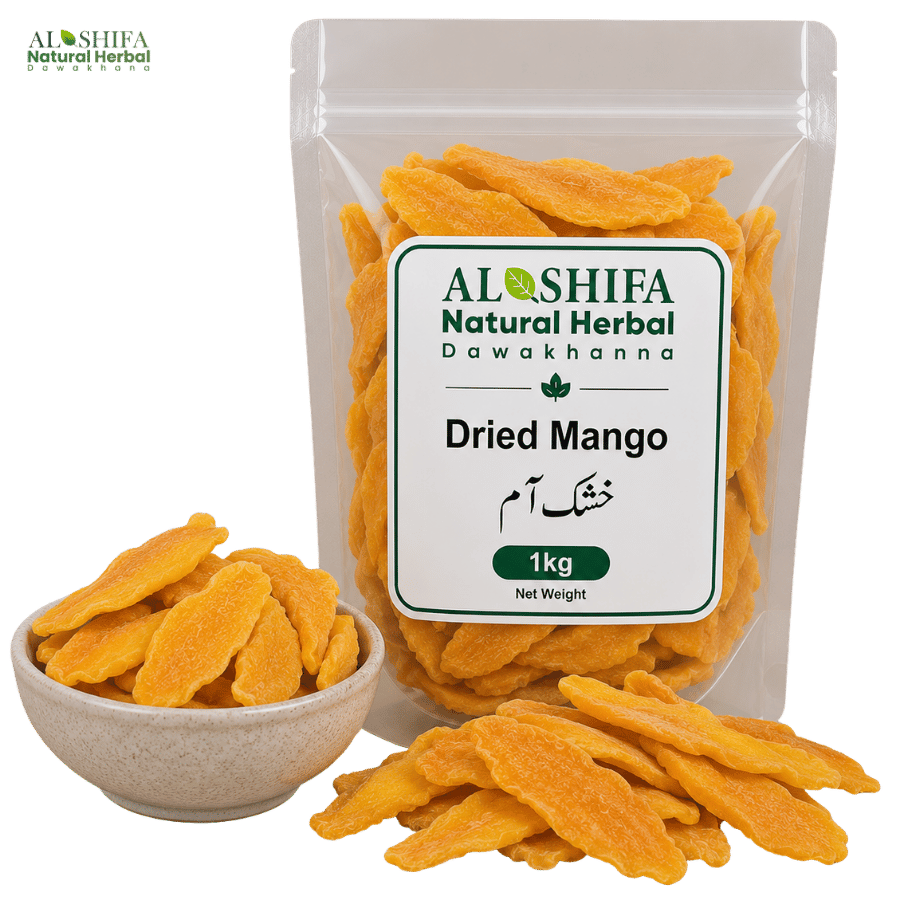
Dried Mango – خشک آم is a delicious tropical dried fruit with a rich, naturally sweet, fruity taste and pleasant mango aroma. Its soft and chewy texture makes it a convenient ready-to-eat snack and a flavorful addition to breakfast, oatmeal, cereals, yogurt, nuts, trail mixes, baking, cakes, and desserts.
Serving Suggestion: Enjoy directly from the pack in a suitable portion or add to yogurt, oatmeal, cereals, nuts, dried-fruit mixes, cakes, and desserts.
Storage: Store in a cool, dry place away from direct sunlight, heat, and moisture. Keep the packaging tightly sealed after opening.
Important Note: Dried mango naturally contains fruit sugars, and some varieties may contain added sugar or syrup. People monitoring sugar, carbohydrate, calorie intake, or blood glucose should check the product ingredients and consume an appropriate portion.
Dried Mango is a delicious tropical dried fruit prepared from fresh, ripe mangoes by removing a significant portion of their natural moisture. The drying process concentrates mango’s characteristic sweet, rich, fruity, and aromatic flavor while creating a soft and pleasantly chewy texture.
Convenient and ready to eat, Dried Mango can be enjoyed directly as an everyday snack or added to breakfast cereals, oatmeal, yogurt, fruit and nut mixes, trail mixes, baking, cakes, desserts, and a variety of recipes.
Mango naturally contains carbohydrates, dietary fiber, potassium, carotenoids, and various naturally occurring plant compounds. Fresh mango also contains vitamins such as vitamin C and folate; however, drying, heating, processing, and storage can affect the amounts present in the finished dried fruit.
The exact nutritional composition of Dried Mango depends on the mango variety, ripeness, drying method, moisture content, processing conditions, serving size, and whether sugar, syrup, preservatives, or other ingredients have been added.
Product Name: Dried Mango
Urdu Name: خشک آم
Common Name: Dried Mango Fruit
Fruit: Mango
Scientific Name: Mangifera indica L.
Plant Family: Anacardiaceae
Product Category: Dried Fruit
Product Form: Dried / Dehydrated Fruit
Taste: Sweet, Rich, Fruity & Tropical
Texture: Soft & Chewy
Serving Style: Ready to Eat
Dried Mango is prepared by removing much of the natural water content from fresh mango.
Fresh mango contains a considerable amount of moisture. During drying or dehydration, this moisture is reduced, resulting in a smaller and more concentrated fruit product with a distinctive chewy texture.
Depending on the processing and cutting method, Dried Mango may be available as:
It may also be prepared as either sweetened or unsweetened dried fruit.
Mango is prized for its distinctive sweet taste and rich fruity aroma.
When mango is dried, much of its water is removed, making the natural mango flavor more concentrated.
Good-quality Dried Mango generally offers:
The exact sweetness, aroma, color, and texture can vary depending on the mango variety and ripeness.
Commercial Dried Mango may be available with or without added sugar.
Some products may contain added sugar or sugar syrup to increase sweetness, modify texture, or achieve particular product characteristics.
Unsweetened Dried Mango contains no added sweetener and obtains its sweetness primarily from the naturally occurring sugars present in mango.
However, unsweetened Dried Mango is not sugar-free, because mango naturally contains fruit sugars.
Claims such as “No Added Sugar,” “Unsweetened,” or “Sugar-Free” should only be used when appropriate for the actual product.
Mango naturally contains carbohydrates, including naturally occurring fruit sugars.
During drying, much of the fruit’s water is removed. As a result, sugars and calories become more concentrated by weight compared with fresh mango.
If additional sugar or syrup is used during processing, the finished product can contain an even greater amount of total sugar and calories.
For this reason, Dried Mango is best enjoyed in an appropriate portion.
Mango naturally provides dietary fiber, and Dried Mango can retain some of this fiber after processing.
Dietary fiber is an important component of a balanced diet and contributes to normal digestive function.
The actual amount of dietary fiber in Dried Mango depends on:
Specific claims such as “High in Fiber” should only be made when supported by nutritional analysis of the finished product.
Mango naturally contains potassium.
Potassium is an essential mineral involved in several normal physiological functions within the body.
The amount present in a serving of Dried Mango varies according to the mango variety, drying process, moisture content, and serving size.
Any specific nutritional claim regarding potassium should be supported by analysis of the finished product.
Mango naturally contains various carotenoid pigments, particularly in yellow and orange-fleshed varieties.
These naturally occurring compounds can include:
Carotenoids contribute to the characteristic yellow, golden, and orange shades of many mango varieties.
Their actual levels in Dried Mango can vary depending on the variety, ripeness, drying method, temperature, and storage conditions.
Some carotenoids naturally present in mango, particularly beta-carotene, can act as precursors to vitamin A in the body.
However, the amount available in a finished Dried Mango product depends on its actual carotenoid content and serving size.
Therefore, claims such as “High in Vitamin A” should only be used if the finished product meets the relevant nutritional requirements.
Fresh mango naturally contains vitamin C.
However, vitamin C is sensitive to:
Its amount may therefore decrease during the production and storage of dried mango.
For this reason, Dried Mango should not automatically be described as “High in Vitamin C” or “Rich in Vitamin C” unless the finished product has been nutritionally tested.
Fresh mango naturally contains folate.
Folate is a B-group vitamin involved in several normal biological functions.
However, processing and storage can affect vitamin levels, so the amount in Dried Mango may differ from that in fresh mango.
Any specific folate claim should be based on the nutritional composition of the finished product.
Mango contains various naturally occurring plant compounds.
These may include:
Their concentrations vary according to the mango variety, fruit part, ripeness, processing, drying, and storage.
The presence of these compounds does not mean that Dried Mango can prevent, cure, or treat a particular disease.
Dried Mango is best considered a flavorful dried fruit that can be enjoyed as part of a balanced diet.
Mango contains naturally occurring compounds that have been studied for their antioxidant properties.
However, antioxidant activity measured in foods or laboratory research should not be interpreted as evidence that ordinary Dried Mango treats or prevents disease.
The composition and concentration of these compounds can also change during drying and storage.
One of the major advantages of Dried Mango is convenience.
Unlike fresh mango, it generally requires no:
Simply open the pack and enjoy an appropriate portion.
Its compact dried form makes it suitable for:
Dried Mango can be enjoyed directly from the pack as a convenient fruity snack.
Its concentrated mango flavor and chewy texture make it suitable for people who enjoy naturally fruity foods.
A smaller portion can also be combined with nuts and seeds to provide additional variety in taste and texture.
Chopped Dried Mango can add natural mango flavor and sweetness to breakfast foods.
Try adding it to:
If the product contains added sugar, consider its sweetness before adding additional sugar, honey, or syrup to the meal.
Dried Mango pairs particularly well with plain or unsweetened yogurt.
A simple combination may include:
Allowing Dried Mango to sit in yogurt for a short time can also help soften firmer pieces.
The rich sweetness of mango complements many nuts and seeds.
Dried Mango can be combined with:
This combination can be used to prepare homemade fruit-and-nut snack mixes.
Dried Mango can add tropical sweetness, color, and chewy texture to trail mixes.
It can be combined with:
When combining several sweetened dried fruits, remember that the total added sugar content of the mixture can increase considerably.
Dried Mango can be incorporated into a variety of baked foods.
Common uses include:
Larger mango slices or strips can be chopped into smaller pieces before being added to recipes.
If the fruit is particularly firm, soaking it briefly in water may help soften it before baking.
The rich tropical flavor of mango makes Dried Mango a versatile ingredient for desserts.
It can be used in:
Its golden-yellow to orange color can also add visual appeal to mixed dried-fruit presentations.
Dried Mango pairs well with many other dried fruits.
It can be combined with:
Combining different dried fruits provides variety in flavor, texture, appearance, and naturally occurring nutrients.
Dried Mango can be an attractive addition to dried-fruit and nut platters.
It pairs particularly well with:
Such combinations can be served for everyday snacking, family gatherings, or guests.
Like other dried fruits, Dried Mango contains considerably less water than fresh mango.
As a result, by weight it can provide a more concentrated amount of:
Sweetened Dried Mango can provide additional carbohydrates and calories from added sugar or syrup.
This makes portion awareness particularly useful.
Dried Mango is compact, sweet, and easy to eat, which can make it easy to consume a relatively large amount.
A suitable serving depends on factors such as:
Serving a smaller portion separately rather than eating directly from a large packet can make intake easier to manage.
Dried Mango can be included as part of a varied and balanced diet.
An overall balanced dietary pattern should generally include:
Dried fruit can complement fresh fruit but does not need to replace it entirely.
Fresh mango contains considerably more water and provides greater food volume, while Dried Mango is more concentrated.
Mango naturally contains dietary fiber, which contributes to normal digestive function as part of a balanced diet.
However, ordinary Dried Mango should not be marketed as a treatment for:
Adequate water intake is also important when consuming fiber-containing foods.
Dried Mango naturally contains fruit sugars, and many commercially prepared varieties may also contain added sugar or syrup.
People with:
should pay particular attention to:
Even unsweetened Dried Mango naturally contains mango sugars.
People following an individualized medical diet should follow the recommendations of their healthcare professional or dietitian.
Dried Mango can be included in a weight-management diet, but portion size is important because dried fruit is more calorie-dense than fresh fruit by weight.
Instead of consuming a large amount alone, a smaller portion can be paired with:
This can provide greater variety while making the quantity of dried fruit easier to manage.
Dried Mango may have a soft, chewy, and somewhat sticky texture.
Natural fruit sugars, along with any added sugars, may remain in contact with the teeth after eating.
Good oral hygiene is therefore important.
After consuming Dried Mango:
People with braces or certain dental restorations may need additional care when eating chewy dried fruits.
Commercial Dried Mango products can vary considerably in their ingredients.
Depending on the manufacturer and processing method, a product may contain:
Therefore, claims such as:
should only be used when verified for the actual product.
Some commercially prepared dried fruits may be treated with sulfites to help maintain their appearance, color, and storage quality.
People who are sensitive to sulfites should review the ingredient and allergen information provided with the product.
A “Sulfite-Free” claim should only be made when confirmed for the specific Dried Mango product.
Mango allergy can occur in some individuals.
People with a known mango allergy should avoid Dried Mango.
Mango belongs to the same botanical family as cashew and pistachio, although this does not mean that everyone allergic to one will necessarily react to the others.
Individuals with known food allergies should review the product ingredients and follow the advice of their healthcare professional where appropriate.
The size, firmness, and chewy texture of Dried Mango should be considered when serving it to young children.
Parents and caregivers should consider:
Larger or firmer mango strips can be cut into appropriately sized pieces for younger children and served under adult supervision.
The exact production process varies, but Dried Mango may generally be prepared through the following steps:
Appropriate food hygiene, quality control, and food-safety procedures are important throughout production.
Good-quality Dried Mango should generally have:
Because mango is a natural agricultural product, some variation in color, size, shape, sweetness, aroma, and texture is normal.
Different mango varieties naturally vary in color.
Dried Mango may range from:
Color can also be affected by ripeness, drying temperature, processing method, and storage.
Natural variation in color does not necessarily indicate a difference in quality.
Proper storage helps maintain the flavor, texture, aroma, and overall quality of Dried Mango.
For best results:
In particularly hot or humid conditions, follow any additional storage instructions stated on the product package.
Do not consume Dried Mango if there are clear signs of spoilage or contamination, including:
Always follow the storage and best-before instructions provided with the product.
Our Dried Mango – خشک آم brings the distinctive sweet and aromatic taste of mango into a convenient dried form suitable for everyday snacking and numerous recipes.
Claims such as “No Added Sugar,” “Unsweetened,” “Preservative-Free,” “No Artificial Colors,” “Sulfite-Free,” “Organic,” or “100% Natural” should only be added when confirmed for the actual product.
Product Name: Dried Mango
Urdu Name: خشک آم
Fruit: Mango
Scientific Name: Mangifera indica L.
Plant Family: Anacardiaceae
Product Category: Dried Fruit
Product Form: Dried / Dehydrated Fruit
Taste: Sweet, Rich, Fruity & Tropical
Texture: Soft & Chewy
Serving: Ready to Eat
Common Uses: Snacking, Breakfast, Oatmeal, Cereals, Yogurt, Fruit & Nut Mixes, Trail Mix, Baking, Cakes & Desserts
Storage: Store in a cool, dry place away from direct sunlight, excessive heat, humidity, and moisture. Keep the packaging securely closed after opening.
Dried Mango – خشک آم delivers the distinctive sweet, rich, and aromatic flavor of mango in a convenient dried form. Its soft and chewy texture makes it an excellent choice for everyday snacking, breakfast, oatmeal, cereals, yogurt, fruit-and-nut mixes, trail mixes, baking, cakes, and desserts.
Mango naturally provides dietary fiber, potassium, carotenoids, and various naturally occurring plant compounds, although their amounts in the finished dried fruit can vary according to mango variety, ripeness, and processing.
Enjoy Dried Mango in an appropriate portion as part of a varied and balanced diet.
Important Note: Dried Mango naturally contains fruit sugars, and some commercially prepared varieties may also contain added sugar or syrup. People monitoring sugar, carbohydrate, calorie intake, or blood glucose should check the actual product ingredients and nutritional information and consider portion size.
خشک آم تازہ اور پکے ہوئے آم سے تیار کیا جانے والا ایک خوش ذائقہ خشک پھل ہے۔ آم میں موجود قدرتی نمی کا بڑا حصہ خشک کرنے کے عمل کے ذریعے کم کر دیا جاتا ہے، جس کے نتیجے میں آم کا مخصوص میٹھا، خوشبودار اور بھرپور پھل دار ذائقہ زیادہ نمایاں ہو جاتا ہے اور اس کی ساخت نرم اور چبانے کے قابل بن جاتی ہے۔
خشک آم کو براہِ راست ناشتے کے طور پر کھایا جا سکتا ہے یا اسے دلیے، دہی، خشک میوہ جات، گری دار میووں، کیک، بسکٹ، مٹھائیوں اور مختلف پکوانوں میں شامل کیا جا سکتا ہے۔
آم میں قدرتی طور پر غذائی ریشہ، پوٹاشیم، کیروٹینائیڈز اور مختلف نباتاتی مرکبات پائے جاتے ہیں۔ تازہ آم میں حیاتین ج اور فولیٹ بھی موجود ہوتے ہیں، تاہم خشک کرنے، حرارت دینے اور ذخیرہ کرنے کے دوران بعض حیاتین کی مقدار میں کمی آ سکتی ہے۔
خشک آم کی اصل غذائی ترکیب آم کی قسم، پکنے کی حالت، خشک کرنے کے طریقے، نمی کی مقدار، کھائی جانے والی مقدار اور تیاری کے دوران شامل کیے گئے اجزاء کے مطابق مختلف ہو سکتی ہے۔
پروڈکٹ کا نام: خشک آم
پھل: آم
نباتاتی نام: مینگیفیرا انڈیکا
نباتاتی خاندان: ایناکارڈیسی
پروڈکٹ کی قسم: خشک پھل
شکل: خشک شدہ پھل
ذائقہ: میٹھا، بھرپور اور پھل دار
ساخت: نرم اور چبانے کے قابل
استعمال: براہِ راست کھانے کے لیے تیار
خشک آم تازہ اور پکے ہوئے آم میں موجود پانی کی بڑی مقدار کم کرکے تیار کیا جاتا ہے۔
تازہ آم میں قدرتی طور پر کافی مقدار میں نمی ہوتی ہے۔ خشک کرنے کے دوران اس نمی کا بڑا حصہ کم ہو جاتا ہے، جس سے آم کا حجم کم جبکہ اس کا ذائقہ نسبتاً زیادہ مرتکز ہو جاتا ہے۔
تیاری اور کاٹنے کے طریقے کے مطابق خشک آم مختلف شکلوں میں دستیاب ہو سکتا ہے:
خشک آم کی اصل شکل، رنگ اور ساخت تیاری کے طریقے اور استعمال ہونے والی آم کی قسم کے مطابق مختلف ہو سکتی ہے۔
آم اپنے مخصوص میٹھے ذائقے اور خوشبو کی وجہ سے دنیا بھر میں پسند کیا جاتا ہے۔
خشک کرنے سے اس میں موجود پانی کم ہو جاتا ہے جس کی وجہ سے آم کا قدرتی ذائقہ زیادہ نمایاں محسوس ہو سکتا ہے۔
اچھے خشک آم میں عمومی طور پر درج ذیل خصوصیات پائی جاتی ہیں:
ذائقہ، مٹھاس، خوشبو اور رنگ آم کی قسم اور پکنے کی حالت کے مطابق مختلف ہو سکتے ہیں۔
بازار میں خشک آم مختلف طریقوں سے تیار کیا جا سکتا ہے۔
بعض اقسام میں ذائقہ، مٹھاس یا مطلوبہ ساخت حاصل کرنے کے لیے اضافی چینی یا میٹھا محلول استعمال کیا جا سکتا ہے۔
ایسی صورت میں تیار شدہ خشک آم میں مجموعی شکر اور غذائی توانائی کی مقدار زیادہ ہو سکتی ہے۔
اس قسم میں اضافی میٹھا جزو شامل نہیں کیا جاتا اور اس کی مٹھاس بنیادی طور پر خود آم میں موجود قدرتی پھلوں کی شکر سے حاصل ہوتی ہے۔
بغیر اضافی چینی والا خشک آم بھی شکر سے مکمل طور پر پاک نہیں ہوتا کیونکہ آم میں قدرتی طور پر شکر موجود ہوتی ہے۔
آم میں قدرتی طور پر نشاستہ دار اجزاء اور پھلوں کی شکر موجود ہوتی ہے۔
خشک کرنے کے دوران آم سے پانی کی بڑی مقدار نکل جانے کی وجہ سے وزن کے اعتبار سے اس میں موجود قدرتی شکر اور غذائی توانائی زیادہ مرتکز ہو سکتی ہے۔
اگر تیاری کے دوران اضافی چینی یا میٹھا محلول بھی شامل کیا گیا ہو تو تیار شدہ خشک آم میں مجموعی شکر مزید بڑھ سکتی ہے۔
اسی لیے خشک آم کو مناسب مقدار میں استعمال کرنا بہتر ہے۔
آم قدرتی طور پر غذائی ریشہ فراہم کرتا ہے اور خشک کرنے کے بعد بھی اس کا کچھ حصہ موجود رہ سکتا ہے۔
غذائی ریشہ متوازن خوراک کا اہم حصہ ہے اور نظامِ ہاضمہ کے معمول کے افعال میں کردار ادا کرتا ہے۔
خشک آم میں غذائی ریشے کی مقدار درج ذیل عوامل کے مطابق مختلف ہو سکتی ہے:
کسی مخصوص غذائی مقدار کا دعویٰ تیار شدہ پروڈکٹ کے غذائی تجزیے کے بعد ہی کیا جانا چاہیے۔
آم میں قدرتی طور پر پوٹاشیم پایا جاتا ہے۔
پوٹاشیم ایک ضروری معدنی جزو ہے جو جسم کے متعدد معمول کے افعال میں کردار ادا کرتا ہے۔
خشک آم میں پوٹاشیم کی اصل مقدار پھل کی قسم، خشک کرنے کے طریقے، نمی اور کھائی جانے والی مقدار کے مطابق مختلف ہو سکتی ہے۔
زرد اور نارنجی رنگ کے آموں میں قدرتی طور پر مختلف رنگ دار نباتاتی مرکبات پائے جاتے ہیں جنہیں کیروٹینائیڈز کہا جاتا ہے۔
ان میں شامل ہو سکتے ہیں:
یہ مرکبات آم کی بہت سی اقسام کو ان کا مخصوص زرد، سنہری یا نارنجی رنگ فراہم کرنے میں کردار ادا کرتے ہیں۔
ان کی مقدار آم کی قسم، پکنے کی حالت، خشک کرنے کے طریقے، حرارت اور ذخیرہ کرنے کے حالات کے مطابق مختلف ہو سکتی ہے۔
آم میں موجود بعض کیروٹینائیڈز، خصوصاً بیٹا کیروٹین، جسم میں حیاتین الف بنانے کے عمل میں حصہ لے سکتے ہیں۔
تاہم خشک آم میں ان اجزاء کی اصل مقدار مختلف ہو سکتی ہے۔
اسی لیے خشک آم کو حیاتین الف سے بھرپور قرار دینے سے پہلے تیار شدہ پروڈکٹ کی غذائی جانچ ضروری ہے۔
تازہ آم میں قدرتی طور پر حیاتین ج موجود ہوتی ہے۔
تاہم حیاتین ج درج ذیل عوامل سے متاثر ہو سکتی ہے:
اسی وجہ سے خشک آم میں حیاتین ج کی مقدار تازہ آم سے مختلف ہو سکتی ہے۔
خشک آم کو حیاتین ج سے بھرپور قرار دینے سے پہلے تیار شدہ پروڈکٹ کی باقاعدہ غذائی جانچ ہونی چاہیے۔
تازہ آم میں قدرتی طور پر فولیٹ بھی پایا جاتا ہے۔
فولیٹ جسم کے متعدد معمول کے حیاتیاتی افعال میں کردار ادا کرنے والی حیاتین میں شامل ہے۔
تاہم خشک کرنے اور ذخیرہ کرنے کے دوران اس کی مقدار میں تبدیلی آ سکتی ہے۔
اس لیے خشک آم میں فولیٹ کی موجودگی سے متعلق مخصوص غذائی دعویٰ اصل تیار شدہ پروڈکٹ کی غذائی ترکیب کی بنیاد پر کیا جانا چاہیے۔
آم میں مختلف قدرتی نباتاتی مرکبات پائے جاتے ہیں۔
ان میں شامل ہو سکتے ہیں:
ان مرکبات کی مقدار آم کی قسم، پھل کے حصے، پکنے کی حالت، خشک کرنے اور ذخیرہ کرنے کے طریقے کے مطابق مختلف ہو سکتی ہے۔
ان قدرتی مرکبات کی موجودگی کا مطلب یہ نہیں کہ خشک آم کسی بیماری کا علاج، روک تھام یا مکمل تحفظ فراہم کرتا ہے۔
خشک آم کو ایک خوش ذائقہ خشک پھل اور متوازن خوراک کے حصے کے طور پر استعمال کرنا بہتر ہے۔
آم میں موجود مختلف قدرتی نباتاتی اجزاء پر ضدِ تکسیدی خصوصیات کے حوالے سے تحقیق کی گئی ہے۔
تاہم کسی غذا میں ایسے مرکبات کی موجودگی کو بیماری کے علاج یا روک تھام کا ثبوت نہیں سمجھنا چاہیے۔
خشک کرنے اور ذخیرہ کرنے کے دوران ان مرکبات کی مقدار اور خصوصیات میں بھی تبدیلی آ سکتی ہے۔
خشک آم کی ایک بڑی خوبی اس کا آسان استعمال ہے۔
تازہ آم کی طرح اسے چھیلنے، گٹھلی الگ کرنے یا کاٹنے کی ضرورت نہیں ہوتی۔
پیکنگ کھولیں، مناسب مقدار نکالیں اور استعمال کریں۔
اسے مختلف مواقع پر استعمال کیا جا سکتا ہے:
خشک آم کو براہِ راست ایک خوش ذائقہ پھل دار ناشتے کے طور پر کھایا جا سکتا ہے۔
اس کا بھرپور آم کا ذائقہ اور نرم چبانے والی ساخت اسے روزمرہ استعمال کے لیے آسان بناتی ہے۔
اسے تھوڑی مقدار میں بادام، اخروٹ، پستہ، کاجو یا مختلف بیجوں کے ساتھ بھی استعمال کیا جا سکتا ہے۔
خشک آم صبح کے مختلف ناشتے میں پھل دار ذائقہ اور مٹھاس شامل کر سکتا ہے۔
اسے شامل کیا جا سکتا ہے:
اگر خشک آم میں پہلے سے اضافی چینی شامل ہو تو مزید میٹھا جزو شامل کرتے وقت اس بات کو مدنظر رکھنا بہتر ہے۔
خشک آم کو چھوٹے ٹکڑوں میں کاٹ کر دہی میں شامل کیا جا سکتا ہے۔
ایک سادہ اور خوش ذائقہ امتزاج کے لیے شامل کریں:
خشک آم کو کچھ دیر دہی میں رکھنے سے نسبتاً سخت ٹکڑے مزید نرم ہو سکتے ہیں۔
آم کی بھرپور مٹھاس مختلف گری دار میووں اور بیجوں کے ساتھ خوشگوار امتزاج بناتی ہے۔
خشک آم کو درج ذیل کے ساتھ استعمال کیا جا سکتا ہے:
اس طرح گھر میں پھلوں، گری دار میووں اور بیجوں کا خوش ذائقہ آمیزہ تیار کیا جا سکتا ہے۔
خشک آم کو دوسرے خشک پھلوں کے ساتھ ملا کر بھی استعمال کیا جا سکتا ہے۔
مثلاً:
مختلف خشک پھلوں کا امتزاج ذائقے، ساخت اور قدرتی رنگوں میں تنوع پیدا کرتا ہے۔
خشک آم مختلف خشک پھلوں اور گری دار میووں کی پلیٹ میں خوبصورت اور خوش ذائقہ اضافہ ہو سکتا ہے۔
اسے درج ذیل کے ساتھ پیش کیا جا سکتا ہے:
یہ امتزاج روزمرہ استعمال، خاندانی محفلوں اور مہمانوں کی تواضع کے لیے موزوں ہے۔
خشک آم مختلف پکائی جانے والی میٹھی اشیاء میں استعمال کیا جا سکتا ہے۔
اسے شامل کیا جا سکتا ہے:
بڑے قتلے یا ٹکڑے ضرورت کے مطابق چھوٹے کاٹ کر استعمال کیے جا سکتے ہیں۔
اگر خشک آم زیادہ سخت ہو تو اسے استعمال سے پہلے تھوڑی دیر پانی میں بھگو کر نرم کیا جا سکتا ہے۔
خشک آم کا بھرپور میٹھا اور پھل دار ذائقہ اسے مختلف مٹھائیوں میں استعمال کے لیے موزوں بناتا ہے۔
اسے استعمال کیا جا سکتا ہے:
اس کا سنہری زرد یا نارنجی رنگ مٹھائیوں اور خشک پھلوں کی پلیٹ کو خوبصورت ظاہری شکل بھی فراہم کرتا ہے۔
دوسرے خشک پھلوں کی طرح خشک آم میں بھی تازہ آم کی نسبت پانی کی مقدار کم ہوتی ہے۔
پانی کم ہونے کی وجہ سے وزن کے اعتبار سے اس میں درج ذیل اجزاء زیادہ مرتکز ہو سکتے ہیں:
اگر تیاری کے دوران اضافی چینی یا میٹھا محلول شامل کیا گیا ہو تو مجموعی شکر اور غذائی توانائی مزید بڑھ سکتی ہے۔
خشک آم چھوٹے حجم، بھرپور مٹھاس اور آسان استعمال کی وجہ سے زیادہ مقدار میں کھانا آسان ہوتا ہے۔
اس لیے مناسب مقدار کا خیال رکھنا بہتر ہے۔
خصوصاً ایسے افراد کو مقدار پر توجہ دینی چاہیے جو:
بڑے پیکٹ سے براہِ راست کھانے کے بجائے مناسب مقدار الگ نکال کر استعمال کرنا بہتر طریقہ ہے۔
خشک آم کو متنوع اور متوازن خوراک میں شامل کیا جا سکتا ہے۔
روزمرہ متوازن غذا میں بنیادی طور پر شامل ہونا چاہیے:
خشک پھل تازہ پھلوں کے ساتھ استعمال کیے جا سکتے ہیں، لیکن انہیں تازہ پھلوں کا مکمل متبادل سمجھنا ضروری نہیں۔
تازہ آم میں پانی کی مقدار زیادہ ہوتی ہے جبکہ خشک آم نسبتاً زیادہ مرتکز ہوتا ہے۔
آم میں قدرتی طور پر غذائی ریشہ پایا جاتا ہے جو متوازن خوراک کے حصے کے طور پر نظامِ ہاضمہ کے معمول کے افعال میں کردار ادا کرتا ہے۔
تاہم عام خشک آم کو:
کے علاج کے طور پر استعمال نہیں کرنا چاہیے۔
غذائی ریشے والی اشیاء کے ساتھ مناسب مقدار میں پانی پینا بھی ضروری ہے۔
خشک آم میں قدرتی طور پر پھلوں کی شکر موجود ہوتی ہے جبکہ بعض تجارتی اقسام میں اضافی چینی یا میٹھا محلول بھی شامل ہو سکتا ہے۔
ذیابیطس، ابتدائی ذیابیطس یا خون میں شکر کے مسائل رکھنے والے افراد کو درج ذیل باتوں پر توجہ دینی چاہیے:
بغیر اضافی چینی والے خشک آم میں بھی آم کی قدرتی شکر موجود ہوتی ہے۔
کسی مخصوص غذائی منصوبے پر عمل کرنے والے افراد اپنے معالج یا ماہرِ غذائیت کی ہدایات کے مطابق استعمال کریں۔
خشک آم میں تازہ آم کی نسبت غذائی توانائی وزن کے اعتبار سے زیادہ مرتکز ہو سکتی ہے۔
وزن کا خیال رکھنے والے افراد خشک آم استعمال کر سکتے ہیں، لیکن مناسب مقدار کا خیال رکھنا ضروری ہے۔
تھوڑی مقدار میں خشک آم کو درج ذیل کے ساتھ استعمال کیا جا سکتا ہے:
خشک آم کی ساخت نرم، چبانے کے قابل اور بعض اوقات قدرے چپچپی ہو سکتی ہے۔
اس میں موجود قدرتی شکر اور ممکنہ اضافی چینی دانتوں کے ساتھ کچھ دیر تک لگی رہ سکتی ہے۔
خشک آم استعمال کرنے کے بعد:
دانتوں پر تار یا دوسری دانتوں کی ساخت رکھنے والے افراد کو چپچپے خشک پھل استعمال کرتے وقت اضافی احتیاط کرنی چاہیے۔
تجارتی طور پر تیار ہونے والے خشک آم کی مختلف اقسام میں اجزاء مختلف ہو سکتے ہیں۔
تیاری کے طریقے کے مطابق بعض مصنوعات میں شامل ہو سکتے ہیں:
اسی لیے بغیر اضافی چینی، بغیر حفاظتی اجزاء، بغیر مصنوعی رنگ، مکمل قدرتی یا نامیاتی جیسے دعوے صرف اصل پروڈکٹ کی تصدیق کے بعد ہی کیے جانے چاہئیں۔
بعض خشک پھلوں میں رنگ، ظاہری شکل اور ذخیرہ کرنے کی صلاحیت برقرار رکھنے کے لیے اجازت یافتہ حفاظتی اجزاء استعمال کیے جا سکتے ہیں۔
ایسے اجزاء سے حساس افراد کو پیکنگ پر درج مکمل اجزاء ضرور دیکھنے چاہئیں۔
کسی مخصوص حفاظتی جزو سے پاک ہونے کا دعویٰ صرف اصل پروڈکٹ کی تصدیق کے بعد کیا جانا چاہیے۔
بعض افراد کو آم سے الرجی ہو سکتی ہے۔
آم سے معلوم الرجی رکھنے والے افراد کو خشک آم استعمال نہیں کرنا چاہیے۔
آم، کاجو اور پستہ ایک ہی نباتاتی خاندان سے تعلق رکھتے ہیں، تاہم اس کا مطلب یہ نہیں کہ ان میں سے کسی ایک سے الرجی رکھنے والے ہر فرد کو باقی تمام سے بھی لازماً الرجی ہوگی۔
غذائی الرجی رکھنے والے افراد پروڈکٹ کے اجزاء کا جائزہ لیں اور ضرورت کے مطابق طبی مشورہ حاصل کریں۔
خشک آم کے ٹکڑوں کی نرم اور چبانے والی ساخت کو چھوٹے بچوں کے لیے استعمال کرتے وقت مدنظر رکھنا چاہیے۔
والدین یا نگہداشت کرنے والے درج ذیل باتوں کا خیال رکھیں:
بڑے یا نسبتاً سخت ٹکڑوں کو چھوٹے بچوں کے لیے مناسب حجم میں کاٹ کر کسی بڑے فرد کی نگرانی میں دینا بہتر ہے۔
اصل تیاری کا طریقہ مختلف ہو سکتا ہے، تاہم عمومی طور پر خشک آم کی تیاری میں درج ذیل مراحل شامل ہو سکتے ہیں:
تیاری کے تمام مراحل میں حفظانِ صحت، غذائی حفاظت اور معیار کے مناسب اصولوں پر عمل کرنا ضروری ہے۔
آم کی مختلف اقسام کا رنگ قدرتی طور پر مختلف ہوتا ہے۔
خشک آم کا رنگ ہو سکتا ہے:
رنگ آم کی قسم، پکنے کی حالت، خشک کرنے کے درجہ حرارت، تیاری اور ذخیرہ کرنے کے حالات کے مطابق مختلف ہو سکتا ہے۔
رنگ میں معمولی قدرتی فرق لازماً معیار میں کمی کی علامت نہیں ہوتا۔
اچھے معیار کے خشک آم میں عمومی طور پر درج ذیل خصوصیات ہونی چاہئیں:
چونکہ آم ایک قدرتی زرعی پیداوار ہے، اس لیے مختلف ٹکڑوں کے رنگ، حجم، شکل، مٹھاس، خوشبو اور ساخت میں معمولی قدرتی فرق ہو سکتا ہے۔
خشک آم کا ذائقہ، خوشبو، ساخت اور تازگی برقرار رکھنے کے لیے مناسب ذخیرہ ضروری ہے۔
بہتر معیار برقرار رکھنے کے لیے:
گرم اور مرطوب موسم میں پیکنگ پر درج اضافی ذخیرہ کرنے کی ہدایات پر عمل کرنا بہتر ہے۔
اگر خشک آم میں درج ذیل علامات نظر آئیں تو اسے استعمال نہ کریں:
ہمیشہ پیکنگ پر درج ذخیرہ کرنے اور مدتِ استعمال کی ہدایات پر عمل کریں۔
ہماری خشک آم آم کے مخصوص میٹھے، خوشبودار اور بھرپور پھل دار ذائقے کو ایک آسان اور خوش ذائقہ خشک شکل میں پیش کرتی ہے۔
پروڈکٹ کا نام: خشک آم
پھل: آم
پروڈکٹ کی قسم: خشک پھل
شکل: خشک شدہ پھل
ذائقہ: میٹھا، بھرپور اور پھل دار
ساخت: نرم اور چبانے کے قابل
استعمال: براہِ راست کھانے کے لیے تیار
عام استعمال: روزمرہ ناشتہ، دلیہ، دہی، خشک میوہ جات، گری دار میوے، کیک، بسکٹ، مٹھائیاں اور مختلف پکوان
محفوظ رکھنے کا طریقہ: ٹھنڈی اور خشک جگہ پر رکھیں۔ براہِ راست دھوپ، زیادہ گرمی اور نمی سے محفوظ رکھیں۔ پیکنگ کھولنے کے بعد اچھی طرح بند رکھیں۔
خشک آم تازہ آم کے مخصوص میٹھے، خوشبودار اور بھرپور پھل دار ذائقے کو ایک آسان اور دیر تک محفوظ رہنے والی خشک شکل میں پیش کرتا ہے۔ اس کی نرم اور چبانے کے قابل ساخت اسے روزمرہ ناشتے، دلیے، دہی، خشک میوہ جات، گری دار میووں، کیک، بسکٹ اور مختلف مٹھائیوں میں استعمال کے لیے موزوں بناتی ہے۔
آم میں قدرتی طور پر غذائی ریشہ، پوٹاشیم، کیروٹینائیڈز اور مختلف نباتاتی مرکبات پائے جاتے ہیں، تاہم خشک کرنے اور تیاری کے عمل کے مطابق ان کی مقدار مختلف ہو سکتی ہے۔
خشک آم کو متوازن اور متنوع غذا کے ساتھ مناسب مقدار میں استعمال کریں اور آم کے بھرپور میٹھے ذائقے سے لطف اندوز ہوں۔
اہم نوٹ: خشک آم میں قدرتی طور پر پھلوں کی شکر موجود ہوتی ہے جبکہ بعض تجارتی اقسام میں اضافی چینی یا میٹھا محلول بھی شامل ہو سکتا ہے۔ خون میں شکر، وزن یا روزمرہ شکر کی مقدار کا خیال رکھنے والے افراد اصل پروڈکٹ کے اجزاء اور غذائی معلومات دیکھ کر مناسب مقدار میں استعمال کریں۔