لیموں آئل
Original price was: ₨ 1,500.₨ 1,150Current price is: ₨ 1,150.
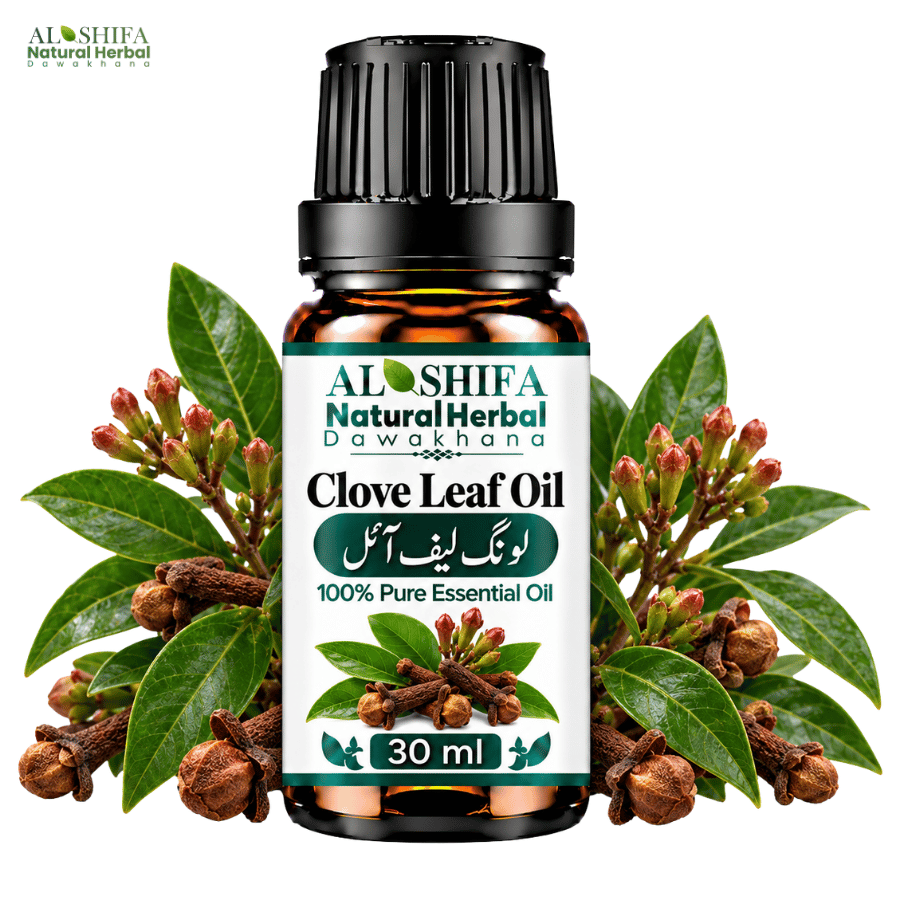
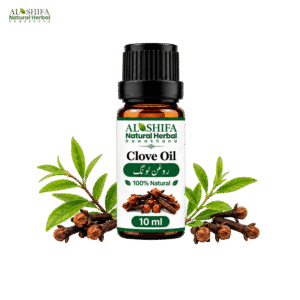
Clove Leaf Essential Oil / Roghan Laung ke Paton ka Tel is a concentrated aromatic oil steam-distilled from the leaves of Syzygium aromaticum. It has a distinctive warm, spicy, woody, dry and strongly clove-like aroma and is commonly characterized by its naturally eugenol-rich profile. It is suitable for aromatherapy, perfumery, fragrance blends, carefully diluted massage products, hair and scalp formulations, soaps and cosmetics.
Al Shifa Clove Leaf Essential Oil is carefully selected with attention to its botanical identity, genuine leaf source, characteristic aroma, essential-oil quality, freshness, clean handling and protective packaging.
Key Features:
Usage: Use a small amount in diffusers and fragrance blends. For massage, hair, scalp or other topical applications, dilute appropriately in a compatible carrier oil before use.
Important Note: Clove Leaf Essential Oil is different from Clove Bud Essential Oil and pure eugenol. It is distilled specifically from Clove leaves and can irritate or sensitize the skin when used at inappropriate concentrations, so avoid undiluted topical application.
Clove Leaf Essential Oil / Roghan Laung ke Paton ka – لونگ لیف آئل is a strong, warm and spicy aromatic essential oil obtained primarily by steam distillation of the leaves of the Clove tree, Syzygium aromaticum (L.) Merr. & L.M.Perry. It belongs to the Myrtaceae family and is closely associated with the naturally occurring aromatic compound eugenol.
Clove Leaf Essential Oil has a characteristic warm, spicy, woody, dry and distinctly clove-like aroma. Because of its powerful fragrance and eugenol-rich composition, it is widely used in perfumery, aromatherapy, fragrance blends, soaps, carefully diluted massage products, hair and scalp formulations and cosmetic products.
An important distinction is that Clove Leaf Essential Oil and Clove Bud Essential Oil are not identical products. They come from different parts of the same plant and can differ in their proportions of eugenol, eugenyl acetate and other aromatic constituents.
At Al Shifa Natural Herbal Dawakhana, Clove Leaf Essential Oil is selected with attention to its botanical identity, genuine leaf source, characteristic aroma, essential-oil quality, freshness, clean handling and protective packaging.
Clove Leaf Essential Oil is the volatile aromatic oil distilled from the leaves of the Clove tree.
The leaves naturally contain strongly aromatic compounds that are released during steam distillation.
Its fragrance is commonly described as:
Clove Leaf Oil is highly concentrated and should be appropriately diluted for topical applications.
Product Name: Clove Leaf Essential Oil / Roghan Laung ke Paton ka – لونگ لیف آئل
English Name: Clove Leaf Essential Oil / Clove Leaf Oil
Urdu Name: لونگ لیف آئل / لونگ کے پتوں کا تیل
Roman Name: Clove Leaf Essential Oil / Roghan Laung ke Paton ka Tel
Scientific Name: Syzygium aromaticum (L.) Merr. & L.M.Perry
Plant Family: Myrtaceae
Plant Part: Leaves
Oil Type: Volatile Essential Oil
Common Forms: Steam-Distilled Clove Leaf Essential Oil / Clove Leaf Oil
Appearance: Pale Yellow to Yellowish-Brown or Brownish Liquid depending on source, age and processing
Aroma: Warm, Spicy, Woody, Dry, Penetrating & Clove-Like
Primary Applications: Aromatherapy, Perfumery, Fragrance Blends, Diluted Massage Products, Hair & Scalp Formulations, Soaps & Cosmetics
Product Type: Concentrated Botanical Essential Oil
Syzygium aromaticum is an evergreen aromatic tree belonging to the Myrtaceae family.
Different parts of the tree are aromatic, particularly:
The familiar culinary Clove is the dried unopened flower bud.
Clove Leaf Essential Oil, however, is produced from the leaves rather than the flower buds.
This plant-part distinction is important because oils obtained from different parts of the same tree can have different chemical profiles and fragrance characteristics.
Clove Leaf Essential Oil is commonly obtained through steam distillation of Clove leaves.
Production generally involves:
The resulting product is a concentrated volatile essential oil.
Clove Leaf Essential Oil has an intense spicy fragrance.
Its aromatic profile may include:
Its powerful aroma means relatively small amounts can significantly influence a fragrance formulation.
The composition of Clove Leaf Essential Oil can vary according to geographic origin, harvest conditions, leaf maturity, distillation and storage.
Important naturally occurring constituents commonly include:
Clove Leaf Oil is particularly known for being eugenol-rich.
Eugenol is a naturally occurring aromatic phenolic compound responsible for much of the characteristic warm and spicy fragrance associated with Clove.
It occurs naturally in several aromatic plants, including:
In Clove Leaf Essential Oil, eugenol commonly represents a major part of the aromatic profile.
However, concentrated eugenol can irritate or sensitize skin.
Therefore:
High Eugenol Content ≠ Safe Undiluted Skin Application
Beta-caryophyllene is a naturally occurring sesquiterpene found in Clove and several other aromatic plants.
It contributes to the overall spicy and woody character of the oil.
The presence of beta-caryophyllene does not mean that Clove Leaf Oil is equivalent to isolated beta-caryophyllene.
A natural essential oil contains a mixture of volatile compounds.
Clove Leaf Essential Oil can add a strong warm and spicy character to aromatic blends.
It may combine well with oils such as:
Because the fragrance is powerful, small amounts are generally sufficient in aromatic compositions.
The intense warm and spicy fragrance of Clove Leaf Essential Oil can influence the sensory character of an aromatic environment.
However, aromatic use should not be presented as proven treatment for:
Aromatic Experience ≠ Medical Treatment
Clove Leaf Essential Oil can provide a powerful spicy note in fragrance compositions.
It may contribute:
It can be incorporated into:
Because of its intensity and eugenol content, controlled formulation is important.
Clove Leaf Essential Oil should not be applied undiluted for routine massage.
When appropriately diluted, it can be incorporated into compatible carrier oils such as:
The concentration should remain conservative because eugenol-rich essential oils can irritate sensitive skin.
Clove Leaf Essential Oil may be incorporated into carefully formulated body-care products primarily for its aromatic character.
Possible applications include:
Strong warming, burning or stinging should not be interpreted as evidence that the oil is working better.
Clove Leaf Essential Oil may be incorporated at an appropriate low concentration into cosmetic hair-care formulations.
Possible applications include:
Its inclusion in hair products does not establish a proven hair-growth effect.
The scalp can be sensitive to concentrated eugenol-rich oils.
For scalp formulations:
Clove Leaf Essential Oil is sometimes promoted in hair-care blends, but it should not be described as a proven treatment for hair loss.
It is not established as a treatment for:
Clove Leaf Essential Oil ≠ Proven Hair-Growth Medication
Clove Leaf Essential Oil can provide a strong warm and spicy fragrance to suitable soap formulations.
It may combine particularly well with:
Because of its eugenol content, appropriate fragrance and formulation limits should be observed.
Depending on product grade and formulation requirements, Clove Leaf Essential Oil may be incorporated into:
The concentration should always be appropriate for the intended application.
Clove essential oils and eugenol have been extensively investigated for antimicrobial activity in laboratory studies.
Such research can involve activity against selected microorganisms under controlled experimental conditions.
However:
Laboratory Antimicrobial Activity ≠ Proven Treatment for Human Infection
Clove Leaf Essential Oil should not replace appropriate treatment for bacterial, fungal or other infections.
Clove-derived materials and eugenol have also been investigated for antioxidant properties.
Research findings depend on:
Laboratory antioxidant activity should not be converted into claims that Clove Leaf Essential Oil prevents or treats disease.
Clove and eugenol have a long association with dental applications, and eugenol-containing materials have been used professionally in dentistry.
However, this does not mean concentrated Clove Leaf Essential Oil should be applied directly to teeth, gums or the inside of the mouth.
Undiluted oil can irritate or damage sensitive oral tissues.
Therefore:
Clove Leaf Essential Oil ≠ Home Dental Treatment
Persistent toothache, swelling, bleeding or dental infection requires appropriate dental evaluation.
Correct identification is important because several Clove-derived products are commercially available.
Clove essential oils can be distilled from different plant parts.
Clove Leaf Oil is distilled from the leaves and is commonly strongly eugenol-rich.
Clove Bud Oil is obtained from the aromatic flower buds and generally has a somewhat different balance of eugenol, eugenyl acetate and other constituents.
Clove Stem Oil is produced from stems and can also be strongly eugenol-rich.
These oils may share a recognizable Clove aroma, but they should not automatically be treated as identical ingredients.
Clove Leaf Essential Oil and Cinnamon Leaf Essential Oil can both contain substantial amounts of eugenol and therefore may share warm, spicy fragrance characteristics.
However:
Clove Leaf Essential Oil = Syzygium aromaticum
Cinnamon Leaf Essential Oil = Cinnamomum verum
They come from different botanical families and have different complete chemical profiles.
Natural Clove Leaf Essential Oil contains eugenol together with other naturally occurring volatile compounds.
Pure or isolated eugenol is a single concentrated chemical substance.
Therefore:
Clove Leaf Essential Oil ≠ Pure Eugenol
Their concentration, formulation behaviour and safety considerations are not identical.
Clove Leaf Essential Oil is concentrated and can cause irritation or sensitization when used incorrectly.
Possible reactions include:
For topical use:
Eugenol is a recognized fragrance allergen and can cause sensitization in susceptible individuals.
Because Clove Leaf Essential Oil is commonly eugenol-rich, people with known sensitivity to Clove, eugenol or strongly aromatic fragrance materials should use additional caution.
Keep concentrated Clove Leaf Essential Oil away from:
Wash hands after handling concentrated oil.
Do not apply concentrated Clove Leaf Essential Oil to:
During pregnancy and breastfeeding, concentrated Clove Leaf Essential Oil should be used conservatively.
A cautious approach includes:
Clove Leaf Essential Oil is highly concentrated and requires careful handling around children.
Eugenol has biological activity relevant to platelet function in experimental settings.
People using anticoagulant or antiplatelet medicines, those with bleeding disorders, or those preparing for surgery should avoid unsupervised medicinal or internal use of concentrated Clove products.
Normal fragrance use in appropriately formulated cosmetic products is different from consuming concentrated Clove Essential Oil.
Clove Leaf Essential Oil should not automatically be considered suitable for consumption.
Culinary Cloves and concentrated Clove Essential Oil are not equivalent.
Therefore:
Whole Culinary Clove ≠ Clove Leaf Essential Oil
and
Essential-Oil Grade ≠ Automatically Food-Grade
Avoid unsupervised internal use.
At Al Shifa Natural Herbal Dawakhana, Clove Leaf Essential Oil is selected with attention to:
Botanical Identity – Syzygium aromaticum.
Plant Part – Clove leaves.
Oil Identity – Volatile essential oil.
Extraction – Commonly obtained through steam distillation.
Aromatic Character – Warm, spicy, woody, dry and strongly Clove-like.
Natural Constituents – Commonly characterized by an eugenol-rich aromatic profile.
Aromatherapy Applications – Suitable for carefully formulated aromatic blends.
Perfumery Applications – Suitable for spicy, woody and oriental-style fragrance compositions.
Massage Applications – Suitable only when appropriately diluted.
Hair Applications – Suitable for carefully formulated hair products.
Scalp Applications – Suitable at conservative concentrations in appropriate formulations.
Soap Applications – Suitable for scented soap formulations.
Cosmetic Applications – Suitable according to product grade and concentration.
Freshness – Attention to characteristic aroma and oil condition.
Clean Handling – Carefully handled during packing.
Protective Packaging – Helps protect the essential oil from unnecessary heat, light and air exposure.
Al Shifa Natural Herbal Dawakhana, established in 1999, supplies carefully selected herbal oils, essential oils and botanical materials throughout Pakistan.
Our focus for Clove Leaf Essential Oil includes:
For Aromatherapy: Add a small amount to a suitable diffuser or aromatic blend according to equipment instructions and desired fragrance intensity.
For Perfumery: Incorporate in controlled amounts into compatible spicy, woody, citrus or oriental-style fragrance compositions.
For Massage: Dilute appropriately in a compatible carrier oil before topical application.
For Body Care: Use only at an appropriate low concentration in properly formulated body-care products.
For Hair: Incorporate at a suitable diluted concentration into compatible hair oils, shampoos or conditioning products.
For Scalp: Use conservatively in an appropriately diluted formulation and avoid irritated or damaged scalp.
For Soap Making: Use according to suitable formulation levels and fragrance-safety requirements.
For Cosmetic Formulations: Follow appropriate concentration and safety requirements for the intended product.
Clove Leaf Essential Oil / Roghan Laung ke Paton ka – لونگ لیف آئل is a concentrated volatile essential oil obtained from the leaves of Syzygium aromaticum and is commonly characterized by a naturally eugenol-rich aromatic profile.
It should be distinguished from Clove Bud Essential Oil, Clove Stem Oil and pure eugenol. Although these materials can share similar aromatic compounds, their complete composition and formulation characteristics differ.
Because Clove Leaf Essential Oil can irritate or sensitize skin, it should be appropriately diluted for topical applications and kept away from the eyes, mucous membranes, damaged skin and sensitive oral tissues.
For best quality:
Clove Leaf Essential Oil / Roghan Laung ke Paton ka – لونگ لیف آئل is a concentrated aromatic essential oil obtained from the leaves of Syzygium aromaticum. Its naturally warm, spicy, woody, dry and distinctly Clove-like aroma, together with its commonly eugenol-rich profile, makes it suitable for aromatherapy, natural perfumery, fragrance blends, carefully diluted massage products, hair and scalp formulations, soaps and cosmetics.
Customers searching for Clove Leaf Essential Oil, Clove Leaf Oil, Roghan Laung ke Paton ka Tel, Syzygium aromaticum Leaf Oil, Pure Clove Leaf Oil, Natural Clove Leaf Essential Oil, Steam Distilled Clove Leaf Oil, Eugenol Rich Clove Oil, Clove Leaf Oil for Aromatherapy, Clove Leaf Oil for Diffuser, Clove Leaf Oil for Perfume, Clove Leaf Oil for Fragrance, Clove Leaf Oil for Massage, Clove Leaf Oil for Hair, Clove Leaf Oil for Scalp, Clove Leaf Oil for Soap, Clove Leaf Oil for Cosmetics, Clove Leaf Essential Oil Pakistan, Clove Leaf Oil Pakistan, Clove Leaf Oil Lahore, Clove Leaf Oil price in Pakistan, Roghan Laung price in Pakistan, buy Clove Leaf Essential Oil Pakistan or Clove Leaf Oil online Pakistan can choose Al Shifa Natural Herbal Dawakhana for carefully selected quality.
Since 1999, Al Shifa Natural Herbal Dawakhana has focused on supplying natural essential oils with attention to correct botanical identity, correct plant-part identification, characteristic aroma, quality selection, freshness, clean handling, responsible product information, protective packaging and proper storage.
Product Name: Clove Leaf Essential Oil / Roghan Laung ke Paton ka – لونگ لیف آئل
English Name: Clove Leaf Essential Oil / Clove Leaf Oil
Urdu Name: لونگ لیف آئل / لونگ کے پتوں کا تیل
Roman Name: Clove Leaf Essential Oil / Roghan Laung ke Paton ka Tel
Scientific Name: Syzygium aromaticum (L.) Merr. & L.M.Perry
Plant Family: Myrtaceae
Plant Part: Leaves
Oil Type: Volatile Essential Oil
Common Forms: Steam-Distilled Clove Leaf Essential Oil / Clove Leaf Oil
Appearance: Pale Yellow to Yellowish-Brown or Brownish Liquid
Aroma: Warm, Spicy, Woody, Dry, Penetrating & Clove-Like
Primary Applications: Aromatherapy, Perfumery, Fragrance Blends, Diluted Massage Products, Hair & Scalp Formulations, Soaps & Cosmetics
Product Type: Concentrated Botanical Essential Oil
Important Note: Clove Leaf Essential Oil is not the same as Clove Bud Essential Oil or pure eugenol. It is distilled specifically from the leaves of Syzygium aromaticum and commonly has an eugenol-rich profile. Appropriate dilution is important because concentrated Clove Leaf Oil can cause skin irritation or sensitization.
لونگ کے پتوں کا روغن لونگ کے درخت کے خوشبودار پتوں سے بھاپ کے ذریعے حاصل ہونے والا تیز خوشبودار روغن ہے۔ لونگ کے درخت کا سائنسی نام سیزیجیم ایرومیٹیکم ہے۔
لونگ ایک سدا بہار خوشبودار درخت ہے۔ اس کی خشک پھولوں کی کلیاں مصالحے کے طور پر مشہور ہیں، جبکہ اس کے پتے بھی خوشبودار ہوتے ہیں اور ان سے الگ روغن حاصل کیا جاتا ہے۔
لونگ کے پتوں کے روغن کی خوشبو گرم، تیز، مصالحہ دار اور لونگ جیسی ہوتی ہے۔ اس میں یوجینول نمایاں قدرتی جز ہے۔
یہ عام چکنائی والا بنیادی روغن نہیں ہے۔ جلد، جسمانی مالش اور بالوں کے روغنی آمیزوں میں اسے روغن بادام، روغن تل، روغن ناریل یا روغن جوجوبا جیسے بنیادی روغن میں بہت کم مقدار میں ملا کر استعمال کیا جاتا ہے۔
اردو: لونگ، لونگ کے پتے، روغن لونگ پتے، لونگ لیف آئل
پنجابی: لونگ، لونگ دے پتے، لونگ دے پتیاں دا تیل
ہندی: لونگ، لونگ کے پتے، لونگ پتوں کا تیل
فارسی: میخک، برگ میخک، روغن برگ میخک
عربی: قرنفل، ورق القرنفل، زيت ورق القرنفل
انگریزی نام: کلوو، کلوو لیف، کلوو لیف آئل
سائنسی نام: سیزیجیم ایرومیٹیکم
خاندان: میرٹیسی
استعمال ہونے والا اہم حصہ: خوشبودار پتے
روغن کی قسم: تیز خوشبودار روغن
لونگ ایک سدا بہار خوشبودار درخت ہے۔
اس کے پتے سبز، چمکدار اور خوشبودار ہوتے ہیں۔
نئے پتے ہلکی سرخی مائل رنگت رکھتے ہیں۔
پتے لمبوترے اور مضبوط ہوتے ہیں۔
پتے مسلنے پر تیز لونگ جیسی خوشبو دیتے ہیں۔
لونگ کے درخت پر چھوٹی پھولوں کی کلیاں بنتی ہیں۔
یہی خشک کلیاں عام لونگ کے طور پر استعمال کی جاتی ہیں۔
پتوں سے الگ خوشبودار روغن حاصل کیا جاتا ہے۔
اچھے لونگ کے پتے:
روغن کے لیے صاف، صحت مند اور اچھی خوشبو رکھنے والے پتوں کو اہمیت دی جاتی ہے۔
لونگ کے درخت کے خوشبودار پتے جمع کیے جاتے ہیں۔
پتوں کو صاف کیا جاتا ہے۔
اس کے بعد بھاپ کے ذریعے ان سے خوشبودار روغن حاصل کیا جاتا ہے۔
گرم بھاپ پتوں میں موجود اڑنے والے خوشبودار اجزا کو اپنے ساتھ لے جاتی ہے۔
بھاپ ٹھنڈی ہونے کے بعد پانی اور روغن الگ ہو جاتے ہیں۔
روغن کو پانی سے الگ کر کے صاف کیا جاتا ہے۔
حاصل ہونے والا روغن تیز، گرم، مصالحہ دار اور خاص لونگ جیسی خوشبو رکھتا ہے۔
پاکستان اور برصغیر میں استعمال ہونے والی معروف حکیمی کتب مفردات میں لونگ کو گرم اور خشک مزاج کے ساتھ بیان کیا جاتا ہے۔
حکمت میں لونگ کو معدہ اور آنتوں کے امراض، دانت اور مسوڑھوں کی ادویات اور جسمانی مالش کے نسخوں میں استعمال کیا جاتا ہے۔
لونگ کی خشک کلی، پتے اور پتوں سے حاصل خوشبودار روغن الگ شکلیں ہیں۔
خالص لونگ پتوں کے روغن کے لیے الگ مستند حکیمی درجہ واضح نہیں ہے، اس لیے خشک لونگ کے لیے بیان کیے گئے درجے کو خود سے پتوں کے روغن کا الگ درجہ مقرر نہیں کیا جاتا۔
کسی بیماری کے لیے اندرونی طبی استعمال معالج سے پوچھ کر کریں۔
لونگ حکمت میں معروف خوشبودار مصالحہ اور جڑی بوٹی ہے۔
اسے:
میں استعمال کیا جاتا ہے۔
لونگ کی خشک کلی، سفوف، جوہر اور پتوں کے خوشبودار روغن کی مقدار ایک جیسی نہیں رکھی جاتی۔
لونگ پتوں کے روغن کی نمایاں پہچان اس کی تیز، گرم اور مصالحہ دار لونگ جیسی خوشبو ہے۔
اس میں یوجینول نمایاں مقدار میں پایا جاتا ہے۔
یہ خوشبودار روغن جلد پر تیز محسوس ہو سکتا ہے۔
اسی لیے بیرونی استعمال میں اسے بنیادی روغن کے ساتھ کم مقدار میں ملایا جاتا ہے۔
لونگ پتوں کے روغن میں کئی قدرتی خوشبودار اجزا پائے جاتے ہیں، جن میں نمایاں یہ ہیں:
ان اجزا کی مقدار لونگ کے درخت کی قسم، علاقے، موسم، پتوں کی حالت اور روغن حاصل کرنے کے طریقے کے مطابق بدلتی رہتی ہے۔
یوجینول لونگ پتوں کے روغن کا سب سے نمایاں قدرتی خوشبودار جز ہے۔
یہ روغن کی گرم، تیز اور مصالحہ دار خوشبو میں اہم جگہ رکھتا ہے۔
لونگ کی کلی اور پتوں دونوں کے روغن میں یوجینول پایا جاتا ہے۔
اسی وجہ سے دونوں روغنوں کی خوشبو میں لونگ کی نمایاں مہک موجود رہتی ہے۔
بیٹا کیریوفائلین کئی خوشبودار جڑی بوٹیوں اور مصالحوں میں پایا جاتا ہے۔
یہ لونگ پتوں کے روغن کی گرم، مصالحہ دار اور گہری خوشبو میں حصہ رکھتا ہے۔
یوجینائل ایسیٹیٹ لونگ کے قدرتی خوشبودار اجزا میں شامل ہے۔
یہ لونگ کی گرم اور قدرے میٹھی مصالحہ دار خوشبو کا حصہ ہے۔
لونگ کی کلی کے روغن میں اس کی مقدار پتوں کے روغن کے مقابلے میں زیادہ ہو سکتی ہے۔
لونگ پتوں کا روغن تیز خوشبودار روغن ہے۔
اسے خالص حالت میں جسمانی مالش کے لیے استعمال نہ کریں۔
اس کی بہت کم مقدار روغن تل، روغن بادام، روغن ناریل یا روغن جوجوبا میں شامل کی جاتی ہے۔
تیار آمیزے سے کندھوں، بازوؤں، ٹانگوں اور پاؤں کی نرم مالش کی جاتی ہے۔
جسمانی تھکن کے بعد استعمال ہونے والے مالش کے روغنوں میں لونگ پتوں کا روغن کم مقدار میں شامل کیا جاتا ہے۔
اس کی گرم اور مصالحہ دار خوشبو مالش کے روغن میں نمایاں رہتی ہے۔
اسے بنیادی روغن کے ساتھ ملا کر بازوؤں، ٹانگوں اور پاؤں کی نرم مالش میں استعمال کیا جاتا ہے۔
پٹھوں کے کھنچاؤ والی جگہ کے مالش والے روغنوں میں لونگ پتوں کا روغن کم مقدار میں شامل کیا جاتا ہے۔
اسے روغن تل یا روغن بادام کے ساتھ ملا کر نرم ہاتھ سے مالش کی جاتی ہے۔
پٹھوں کے امراض یا مسلسل درد میں طبی استعمال معالج سے پوچھ کر کریں۔
کمر اور کندھوں کی مالش کے روغن میں لونگ پتوں کے روغن کی بہت کم مقدار شامل کی جاتی ہے۔
اسے خالص حالت میں جلد پر نہ لگائیں۔
بنیادی روغن کے ساتھ ملا کر نرم ہاتھ سے مالش کریں۔
لونگ پتوں کے روغن کو بنیادی روغن کے ساتھ ملا کر بازوؤں اور ٹانگوں کی جسمانی مالش میں استعمال کیا جاتا ہے۔
اس کی کم مقدار کافی رہتی ہے کیونکہ اس کی خوشبو تیز ہوتی ہے۔
لونگ پتوں کے روغن کو روغن تل، روغن ناریل یا روغن بادام کے ساتھ ملا کر پاؤں کی مالش میں استعمال کیا جاتا ہے۔
پھٹی ہوئی، کٹی یا زخمی جلد پر نہ لگائیں۔
لونگ پتوں کا روغن تیز ہوتا ہے۔
اسے خالص حالت میں جلد پر استعمال نہ کریں۔
بنیادی روغن میں بہت کم مقدار میں ملا کر استعمال کریں۔
پہلی بار استعمال سے پہلے جلد کے چھوٹے حصے پر آزمائیں۔
جلن، سرخی یا خارش پیدا ہو تو استعمال بند کریں۔
لونگ پتوں کے روغن کو خوشبودار بالوں کے روغنوں میں کم مقدار میں شامل کیا جاتا ہے۔
اسے روغن ناریل، روغن بادام، روغن جوجوبا یا روغن تل کے ساتھ ملایا جاتا ہے۔
اس کی تیزی کی وجہ سے مقدار کم رکھی جاتی ہے۔
لونگ پتوں کا روغن سر کی جلد پر خالص حالت میں نہ لگائیں۔
اسے بنیادی روغن میں بہت کم مقدار میں ملا کر پہلے جلد کے چھوٹے حصے پر آزمائیں۔
جلن، سرخی یا خارش محسوس ہو تو استعمال بند کریں۔
سر کی جلد کے امراض میں طبی استعمال معالج سے پوچھ کر کریں۔
لونگ اپنی خاص خوشبو اور یوجینول کی وجہ سے دانتوں اور منہ کی کئی ادویات میں معروف ہے۔
لیکن لونگ پتوں کا خالص روغن بہت تیز ہوتا ہے۔
اسے خود سے دانت، مسوڑھوں یا منہ کے اندر خالص حالت میں نہ لگائیں۔
دانتوں یا مسوڑھوں کی بیماری میں طبی استعمال معالج سے پوچھ کر کریں۔
لونگ پتوں کا روغن گرم، تیز اور مصالحہ دار خوشبو رکھتا ہے۔
اسے خوشبودار آمیزوں میں کم مقدار میں شامل کیا جاتا ہے۔
یہ دارچینی، نارنجی، لیموں، صندل، پچولی اور دوسرے گرم خوشبودار روغنوں کے ساتھ ملایا جاتا ہے۔
اس کی کم مقدار بھی خوشبو میں نمایاں رہتی ہے۔
لونگ پتوں کے روغن کو خوشبو پھیلانے والے آلے میں کم مقدار میں استعمال کیا جاتا ہے۔
اس سے ماحول میں گرم، تیز اور مصالحہ دار لونگ جیسی خوشبو پھیلتی ہے۔
اس کی خوشبو تیز ہوتی ہے، اس لیے کم مقدار کافی رہتی ہے۔
لونگ کے پتے اور لونگ کی خشک کلی ایک ہی درخت کے مختلف حصے ہیں۔
پتے سبز اور خوشبودار ہوتے ہیں۔
لونگ کی کلی پھول کھلنے سے پہلے جمع کی جاتی ہے اور خشک ہونے کے بعد مصالحے کے طور پر استعمال کی جاتی ہے۔
دونوں حصوں سے الگ خوشبودار روغن حاصل کیا جاتا ہے۔
لونگ پتوں کا روغن پتوں سے حاصل کیا جاتا ہے۔
لونگ کلی کا روغن خشک پھولوں کی کلیوں سے حاصل کیا جاتا ہے۔
دونوں میں یوجینول نمایاں ہوتا ہے، لیکن قدرتی اجزا کی مقدار ایک جیسی نہیں ہوتی۔
لونگ پتوں کے روغن میں یوجینول بہت نمایاں ہوتا ہے جبکہ کلی کے روغن میں یوجینائل ایسیٹیٹ بھی زیادہ نمایاں ہو سکتا ہے۔
اسی لیے دونوں کی خوشبو اور استعمال کی مقدار میں الگ پہچان رکھی جاتی ہے۔
لونگ کے درخت کے پتوں کے ساتھ چھوٹی شاخوں اور تنوں سے بھی خوشبودار روغن حاصل کیا جاتا ہے۔
پتوں، کلیوں اور تنوں سے حاصل روغن الگ قسمیں ہیں۔
بوتل پر درج استعمال شدہ حصہ دیکھ کر اصل قسم کی پہچان کریں۔
لونگ پتوں اور دارچینی پتوں کے روغن دونوں میں یوجینول نمایاں ہو سکتا ہے۔
اسی وجہ سے دونوں میں گرم اور مصالحہ دار خوشبو محسوس ہوتی ہے۔
لیکن دونوں الگ درختوں سے حاصل کیے جاتے ہیں۔
لونگ کا سائنسی نام سیزیجیم ایرومیٹیکم ہے۔
دارچینی کا سائنسی نام سنمومم ویرم ہے۔
روغن بادام، روغن ناریل، روغن تل، روغن جوجوبا اور روغن زیتون بنیادی روغن ہیں۔
انہیں جلد اور جسمانی مالش میں زیادہ مقدار میں استعمال کیا جاتا ہے۔
لونگ پتوں کا روغن تیز خوشبودار روغن ہے۔
اسے بنیادی روغن میں بہت کم مقدار میں ملا کر استعمال کیا جاتا ہے۔
لونگ پتوں کے روغن کی رنگت ہلکی زرد، سنہری یا بھوری مائل ہو سکتی ہے۔
وقت کے ساتھ اس کی رنگت گہری بھی ہو سکتی ہے۔
صرف رنگت سے روغن کی خالص ہونے کی پہچان نہیں کی جاتی۔
اس روغن کی خوشبو تیز، گرم، مصالحہ دار اور خاص لونگ جیسی ہوتی ہے۔
اچھی قسم کے روغن کی خوشبو صاف اور قدرتی محسوس ہوتی ہے۔
باسی، سڑی یا غیر قدرتی خوشبو اچھے روغن کی پہچان نہیں ہے۔
لونگ پتوں کے روغن کو خالص حالت میں جلد پر نہ لگائیں۔
اس کی بہت کم مقدار بنیادی روغن میں شامل کریں۔
اچھی طرح ملانے کے بعد جلد کے چھوٹے حصے پر آزمائیں۔
جلن، سرخی، خارش یا سوجن پیدا ہو تو استعمال بند کریں۔
روغن تل، روغن بادام، روغن ناریل یا روغن جوجوبا میں لونگ پتوں کے روغن کی بہت کم مقدار شامل کریں۔
تیار آمیزے کو مطلوبہ حصے پر نرم ہاتھ سے لگائیں۔
تیز رگڑ سے بچیں۔
مالش کے بعد ہاتھ اچھی طرح دھوئیں۔
لونگ پتوں کے روغن کو:
جیسے بنیادی روغنوں کے ساتھ ملا کر بیرونی استعمال کیا جاتا ہے۔
اس کی تیزی کی وجہ سے مقدار بہت کم رکھی جاتی ہے۔
حساس جلد پر لونگ پتوں کا روغن خالص حالت میں استعمال نہ کریں۔
بنیادی روغن میں بہت کم مقدار ملا کر پہلے جلد کے چھوٹے حصے پر آزمائیں۔
جلن، سرخی، خارش یا سوجن پیدا ہو تو استعمال بند کریں۔
جلدی امراض میں طبی استعمال معالج سے پوچھ کر کریں۔
لونگ پتوں کا روغن آنکھوں، ہونٹوں، منہ، ناک کے اندرونی حصے اور جسم کے حساس حصوں پر نہ لگائیں۔
کٹے، جلے یا کھلے زخم پر استعمال نہ کریں۔
استعمال کے بعد ہاتھ اچھی طرح دھوئیں۔
لونگ پتوں کا روغن بہت تیز خوشبودار روغن ہے۔
اسے خود سے نہ پئیں۔
بیرونی استعمال یا خوشبو کے لیے فروخت ہونے والا روغن خوراک میں شامل نہ کریں۔
کسی بیماری کے لیے اندرونی طبی استعمال معالج سے پوچھ کر کریں۔
حمل کے دوران لونگ پتوں کے روغن کا اندرونی استعمال خود سے نہ کریں۔
بیرونی استعمال میں بھی بنیادی روغن کے ساتھ بہت کم مقدار رکھیں۔
کسی بیماری کے لیے طبی استعمال معالج سے پوچھ کر کریں۔
دودھ پلانے کے دوران لونگ پتوں کا روغن چھاتی یا ایسی جگہ نہ لگائیں جہاں سے بچے کے منہ تک روغن پہنچے۔
اندرونی طبی استعمال معالج سے پوچھ کر کریں۔
استعمال کے بعد ہاتھ اچھی طرح دھوئیں۔
بچوں پر خالص لونگ پتوں کا روغن خود سے استعمال نہ کریں۔
اسے بچوں کے چہرے، آنکھوں، ناک اور منہ سے دور رکھیں۔
بچوں کی پہنچ سے دور رکھیں۔
کسی بیماری کے لیے طبی استعمال معالج سے پوچھ کر کریں۔
اصل لونگ: روغن اصل سیزیجیم ایرومیٹیکم کے پتوں سے حاصل کیا گیا ہو۔
اچھے پتے: صاف، اچھی حالت اور قدرتی خوشبو رکھنے والے پتے استعمال کیے گئے ہوں۔
قدرتی خوشبو: تیز، گرم، مصالحہ دار اور خاص لونگ جیسی خوشبو رکھتا ہو۔
یوجینول: پتوں کے روغن میں یوجینول نمایاں ہو۔
قدرتی رنگت: ہلکی زرد سے سنہری یا بھوری مائل قدرتی رنگت رکھتا ہو۔
صاف روغن: پانی، گرد اور غیر ضروری ذرات سے پاک ہو۔
تازگی: باسی یا خراب بو نہ رکھتا ہو۔
غیر ضروری ملاوٹ سے پاک: مصنوعی رنگ، غیر ضروری مصنوعی خوشبو اور کم معیار کے دوسرے روغن کی ملاوٹ سے پاک ہو۔
لونگ پتوں کا روغن سیزیجیم ایرومیٹیکم کے خوشبودار پتوں سے بھاپ کے ذریعے حاصل ہونے والا تیز خوشبودار روغن ہے۔
اس میں یوجینول، بیٹا کیریوفائلین، یوجینائل ایسیٹیٹ، الفا ہیومولین اور دوسرے قدرتی خوشبودار اجزا پائے جاتے ہیں۔
اس کا بیرونی استعمال جسمانی مالش کے روغنوں، جسمانی تھکن کے بعد مالش، پٹھوں کے کھنچاؤ والی جگہ، کمر، کندھوں، بازوؤں، ٹانگوں، پاؤں اور خوشبودار آمیزوں میں کیا جاتا ہے۔
لونگ پتوں کا روغن اور لونگ کی کلی کا روغن الگ قسمیں ہیں۔ دونوں میں یوجینول نمایاں ہوتا ہے، لیکن دوسرے قدرتی اجزا کی مقدار ایک جیسی نہیں ہوتی۔
یہ تیز روغن ہے، اس لیے اسے خالص حالت میں جلد، منہ یا مسوڑھوں پر نہ لگائیں اور خود سے نہ پئیں۔
الشفاء نیچرل ہربل دواخانہ میں لونگ پتوں کے روغن کے لیے درج ذیل باتوں کو اہمیت دی جاتی ہے:
اصل لونگ: سیزیجیم ایرومیٹیکم کے پتوں سے حاصل روغن کو اہمیت دی جاتی ہے۔
اچھے خوشبودار پتے: صاف، اچھی حالت اور قدرتی خوشبو رکھنے والے پتوں کو اہمیت دی جاتی ہے۔
قدرتی خوشبو: تیز، گرم، مصالحہ دار اور خاص لونگ جیسی قدرتی خوشبو کو اہمیت دی جاتی ہے۔
قدرتی رنگت: ہلکی زرد سے سنہری یا بھوری مائل قدرتی رنگت کو دیکھا جاتا ہے۔
صاف روغن: پانی، گرد اور غیر ضروری ذرات سے پاک روغن کو اہمیت دی جاتی ہے۔
تازگی: باسی یا خراب بو والے روغن سے بچا جاتا ہے۔
اصل حصہ: کلی یا تنے کے بجائے پتوں سے حاصل روغن کی واضح پہچان کو اہمیت دی جاتی ہے۔
غیر ضروری ملاوٹ سے پاک: مصنوعی رنگ، غیر ضروری مصنوعی خوشبو اور کم معیار کے دوسرے روغن کی ملاوٹ سے پاک ہونے کو اہمیت دی جاتی ہے۔
الشفاء نیچرل ہربل دواخانہ سنہ ۱۹۹۹ سے قدرتی جڑی بوٹیوں، پتوں، جڑوں، پھولوں، پھلوں، بیجوں اور ان سے حاصل ہونے والے روغنوں کی سپلائی کر رہا ہے۔
ہم لونگ پتوں کے روغن میں اصل سیزیجیم ایرومیٹیکم، صاف اور خوشبودار پتے، قدرتی رنگت، تیز اور مصالحہ دار خوشبو، صاف حالت، تازگی اور غیر ضروری ملاوٹ سے پاک ہونے کو اہمیت دیتے ہیں۔
اچھے لونگ پتوں کے روغن کی پہچان اصل سیزیجیم ایرومیٹیکم، قدرتی رنگت، گرم اور لونگ جیسی خوشبو، صاف حالت اور تازگی سے کی جاتی ہے۔
لونگ پتوں کے روغن کو ٹھنڈی، خشک اور روشنی سے محفوظ جگہ پر کسی جار میں اچھی طرح پیک کر کے رکھیں۔
تیز دھوپ اور زیادہ گرمی سے بچائیں۔
استعمال کے بعد ڈھکن اچھی طرح بند کریں۔
پانی سے محفوظ رکھیں۔
باسی یا خراب بو پیدا ہونے پر استعمال نہ کریں۔
اسے بچوں کی پہنچ سے دور رکھیں۔
لونگ پتوں کا روغن تیز خوشبودار روغن ہے اور اس میں یوجینول نمایاں مقدار میں پایا جاتا ہے۔
اسے خالص حالت میں جلد پر استعمال نہ کریں۔
بیرونی استعمال سے پہلے بنیادی روغن میں بہت کم مقدار میں ملائیں۔
پہلی بار استعمال سے پہلے جلد کے چھوٹے حصے پر آزمائیں۔
جلن، سرخی، خارش یا سوجن پیدا ہو تو استعمال بند کریں۔
آنکھوں، ہونٹوں، منہ، ناک کے اندرونی حصے، کھلے زخم اور حساس حصوں پر نہ لگائیں۔
استعمال کے بعد ہاتھ اچھی طرح دھوئیں۔
اسے خود سے نہ پئیں۔
کسی بیماری کے لیے اندرونی طبی استعمال معالج سے پوچھ کر کریں۔
لونگ پتوں کا روغن سیزیجیم ایرومیٹیکم کے پتوں سے بھاپ کے ذریعے حاصل ہونے والا تیز خوشبودار روغن ہے۔
اس کی نمایاں پہچان تیز، گرم، مصالحہ دار اور خاص لونگ جیسی خوشبو ہے۔ اس میں یوجینول، بیٹا کیریوفائلین، یوجینائل ایسیٹیٹ، الفا ہیومولین اور دوسرے قدرتی خوشبودار اجزا پائے جاتے ہیں۔
پاکستان اور برصغیر میں استعمال ہونے والی معروف حکیمی کتب مفردات میں لونگ کو گرم اور خشک مزاج کے ساتھ بیان کیا جاتا ہے۔ خالص پتوں کے روغن کے لیے الگ مستند حکیمی درجہ واضح نہیں ہے۔
اسے جسمانی مالش کے روغنوں، جسمانی تھکن کے بعد مالش، پٹھوں کے کھنچاؤ والی جگہ، کمر، کندھوں، بازوؤں، ٹانگوں، پاؤں اور خوشبودار آمیزوں میں استعمال کیا جاتا ہے۔
لونگ پتوں کا روغن، لونگ کلی کا روغن اور لونگ کے تنے سے حاصل روغن الگ قسمیں ہیں۔ اصل قسم جاننے کے لیے استعمال ہونے والا حصہ اور سیزیجیم ایرومیٹیکم کا نام دیکھنا ضروری ہے۔
اچھے لونگ پتوں کے روغن کی پہچان اصل سیزیجیم ایرومیٹیکم، صاف خوشبودار پتے، قدرتی رنگت، گرم اور مصالحہ دار خوشبو، صاف حالت، تازگی اور غیر ضروری ملاوٹ سے پاک ہونے سے کی جاتی ہے۔