روغن اسطوخودوس
Original price was: ₨ 4,500.₨ 3,800Current price is: ₨ 3,800.
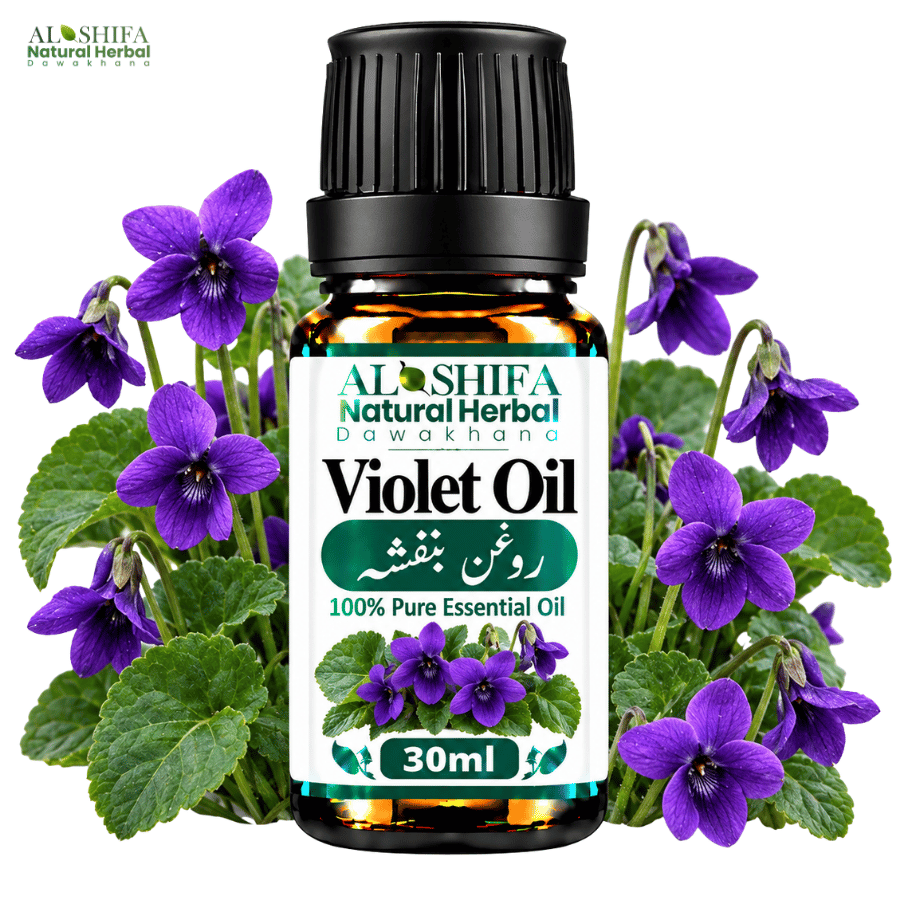
Violet Essential Oil / Roghan Banafsha / Roghan-e-Banafshah is an aromatic botanical product associated with Viola odorata, commonly known as Sweet Violet. Depending on the extraction method and plant part, natural Violet material has a soft floral, green, leafy, earthy and delicately sweet aroma and is valued in perfumery, attars, botanical fragrance blends and personal-care formulations.
Al Shifa Violet Oil is carefully selected for botanical identity, characteristic Violet aroma, freshness, quality and clean handling.
Key Features:
Usage: Use at an appropriate concentration according to the specific product type and supplier specifications when adding to perfumes, attars, cosmetics, hair or body-care formulations.
Important Note: Natural Violet material is commonly available as Violet Leaf Absolute, botanical extract or infused oil rather than a conventional steam-distilled essential oil. Confirm the extraction method before classifying the product as 100% Pure Violet Essential Oil.
Violet Essential Oil / Roghan Banafsha is a name used commercially for aromatic oil associated with the violet plant, particularly Viola odorata L., a fragrant flowering plant belonging to the Violaceae family. Sweet Violet is known for its delicate flowers, green leaves and distinctive soft floral character.
An important product distinction is necessary with Violet: genuine Viola odorata is not commonly available as a conventional steam-distilled essential oil. Natural violet aromatic materials are more commonly produced as Violet Leaf Absolute, extracts or other specialty aromatic preparations, while traditional Roghan Banafsha may refer to violet material infused into a fixed carrier oil. Products sold simply as “Violet Essential Oil” therefore require confirmation of the plant part and extraction method.
The aroma associated with Violet is valued in fine fragrance, attars, botanical perfumes and personal-care formulations. Al Shifa Violet Oil should be identified according to its actual extraction method so customers can clearly distinguish genuine botanical material from infused or formulated fragrance oils.
Violet oil refers to aromatic preparations derived from or associated with Viola odorata, commonly known as Sweet Violet or English Violet.
Common names include:
However, these names should not automatically be treated as the same product because their plant parts and extraction methods can differ significantly.
Product Name: Violet Essential Oil / Violet Aromatic Oil
English Name: Violet Oil / Sweet Violet Oil
Urdu Name: روغن بنفشہ
Roman Name: Roghan Banafsha / Roghan-e-Banafshah
Scientific Name: Viola odorata L.
Plant Family: Violaceae
Plant Part: Leaves and/or Flowers, depending on product
Oil Type: Botanical Aromatic Material — Exact Type Depends on Extraction
Extraction Method: Must Be Confirmed from Supplier; natural Violet Leaf material is commonly solvent-extracted rather than conventionally steam-distilled
Common Forms/Names: Violet Leaf Absolute, Violet Absolute, Violet Extract, Roghan Banafsha, Violet Infused Oil
Appearance: Varies according to extraction method
Aroma: Green, Leafy, Floral, Soft, Earthy and Delicately Sweet; profile varies greatly by plant part and extraction
Primary Applications: Perfumery, Attars, Aromatic Blends, Skin & Body Formulations, Soaps and Cosmetics
Product Type: Botanical Aromatic Oil / Extract — Classification depends on actual manufacturing method
Viola odorata is a small perennial flowering plant recognized for its fragrant violet-coloured flowers and heart-shaped green leaves.
The plant is commonly associated with:
Both its flowers and leaves have aromatic importance, but they do not produce identical fragrance profiles.
Banafsha / بنفشہ is a well-established South Asian herbal name associated with violet, particularly Viola odorata.
Therefore:
Banafsha = Sweet Violet = Viola odorata
For commercial products, however, the botanical name should still be stated because common names alone do not identify the extraction method or plant part used.
This is the most important distinction for this product.
Unlike Lavender, Peppermint or Tea Tree, Violet is not a common commercial source of conventionally steam-distilled essential oil.
Natural violet fragrance materials are more commonly encountered as:
Therefore, if a supplier sells a product as “100% Pure Violet Essential Oil,” the extraction method and botanical source should be confirmed before describing it as a steam-distilled essential oil.
One of the best-known natural violet materials in perfumery is Violet Leaf Absolute.
It is produced from the leaves rather than being a conventional steam-distilled flower essential oil.
Its aroma is characteristically:
This profile can be very different from the sweet, powdery “violet flower” scent people commonly associate with violet perfumes.
The familiar fragrance of violet flowers is associated with aromatic compounds known as ionones, particularly compounds contributing to the characteristic sweet violet impression.
However, reproducing the natural aroma of delicate violet flowers as a conventional essential oil is technically difficult.
For this reason, many commercial products labelled “Violet Oil” may actually be:
The product label should accurately reflect which material is being sold.
The chemical composition depends heavily on whether the material comes from leaves, flowers, an extract, an absolute or an infusion.
Natural violet aromatic materials can contain or be associated with compounds such as:
A fixed constituent list should not be applied to every product marketed as Violet Oil.
For professional product identification, supplier specifications and analytical documentation are preferable.
Depending on the material, Violet can present different aromatic profiles.
Violet Flower Character:
Violet Leaf Character:
This distinction is especially important when selecting Violet material for perfumery.
Violet has an important place in fine fragrance.
Depending on the material used, it can contribute:
It can be explored in:
Violet-style aromatic material can be incorporated into attar compositions where a delicate floral or green botanical note is desired.
It pairs aromatically with materials such as:
The final fragrance depends greatly on whether the Violet material is flower-oriented, leaf-derived or a formulated violet accord.
Where the specific Violet material is approved for cosmetic use, it can be incorporated at an appropriate concentration into:
Usage concentration should be based on the actual product type and supplier documentation.
Suitable cosmetic-grade Violet aromatic material may be incorporated into:
If the product is an absolute or fragrance material, its usage level should follow the specifications applicable to that particular ingredient.
The name Roghan Banafsha has an additional meaning in South Asian herbal practice.
Traditional Roghan Banafsha can refer to a preparation in which Banafsha botanical material is processed or infused into a fixed oil base.
Such a product is chemically and physically different from a concentrated volatile aromatic extract.
Therefore:
Traditional Roghan Banafsha ≠ Violet Leaf Absolute ≠ Violet Fragrance Oil ≠ Conventional Essential Oil
This distinction should be preserved on an Al Shifa product page.
Violet Essential Oil: A commercial term that requires verification of extraction method.
Violet Leaf Absolute: A concentrated aromatic material obtained from violet leaves through extraction and widely recognized in natural perfumery.
The terms should not automatically be used interchangeably.
Violet Infused Oil: Violet botanical material is infused or processed into a fixed carrier oil.
It behaves like an oil-based herbal preparation and is substantially less concentrated aromatically than an absolute.
Violet Aromatic Extract/Absolute: A concentrated perfumery material produced using specialized extraction.
These are fundamentally different product categories.
A Violet Fragrance Oil is a formulated fragrance designed to reproduce a violet-like aroma.
It may contain synthetic aromatic materials and does not necessarily contain Viola odorata.
Therefore:
Violet Fragrance Oil ≠ Natural Violet Botanical Extract
If the Al Shifa product is fragrance oil, it should be labelled as such rather than as 100% pure essential oil.
Research involving Viola odorata may examine:
These materials are chemically different from concentrated aromatic products.
Research involving Viola odorata extracts or whole Banafsha should therefore not automatically be presented as evidence for a product marketed as Violet Essential Oil.
Violet Leaf Absolute: Concentrated natural aromatic extract primarily derived from leaves.
Violet Flower Extract: Aromatic material obtained from flower material using a specific extraction process.
Roghan Banafsha: May refer to a traditional oil-based preparation or infusion.
Violet Fragrance Oil: Formulated fragrance and not necessarily a natural botanical extract.
Violet Essential Oil: Commercial terminology that should only be used after confirming the actual extraction method.
Because “Violet Oil” can represent several different product types, topical concentration cannot safely be determined from the name alone.
During pregnancy and breastfeeding, concentrated botanical extracts and aromatic materials should be used conservatively.
The exact product type and supplier safety specifications should be reviewed before regular topical or aromatic use.
Use only appropriately formulated and age-suitable products for children.
Keep concentrated aromatic materials securely out of children’s reach.
A Violet aromatic product sold for perfumery, cosmetic or aromatherapy applications should not automatically be considered suitable for internal use.
Traditional use of Banafsha herb does not establish that a concentrated Violet aromatic extract is suitable for consumption.
Al Shifa Natural Herbal selects Violet botanical material with attention to:
For this particular botanical, clearly stating whether the material is an absolute, extract, infused oil or fragrance preparation is an important part of quality identification.
For Perfumery & Attars: Use at an appropriate concentration according to the exact Violet material supplied.
For Aromatic Blends: Combine with compatible floral, woody, citrus or herbal aromatic materials.
For Skin & Body Care: Incorporate only at a concentration appropriate for the specific extract, absolute or oil type.
For Hair Care: Add at a suitable concentration to compatible hair-care formulations.
For Soap & Cosmetics: Follow formulation requirements and supplier usage limits for the exact Violet material.
Violet / Banafsha is botanically associated with Viola odorata, but “Violet Essential Oil” is not a straightforward product category.
Genuine natural Violet material is commonly available as Violet Leaf Absolute or another botanical extract, while Roghan Banafsha can refer to an infused herbal oil. Commercial Violet Fragrance Oil is another completely separate product.
Before labelling this product as 100% Pure Essential Oil, the supplier’s plant part and extraction method should be confirmed.
Store Violet aromatic material in a tightly closed dark glass container in a cool, dry place away from direct sunlight and excessive heat.
Keep the container properly closed after each use to protect the aroma and reduce deterioration from prolonged exposure to air.
Al Shifa Natural Herbal offers Violet Oil / Roghan Banafsha / Roghan-e-Banafshah / روغن بنفشہ for customers seeking Viola odorata botanical aromatic material for perfumery, attars, cosmetics, hair care, body care and botanical fragrance formulations.
Customers searching for Violet Essential Oil in Pakistan, Roghan Banafsha, Viola odorata Oil, Banafsha Oil, Violet Leaf Oil, Violet Absolute, Roghan Banafsha price in Pakistan, Violet Oil in Lahore or buy Violet Oil online in Pakistan should check the exact extraction method and product type rather than relying only on the name “Violet Essential Oil.”
Product Name: Violet Oil / Violet Aromatic Oil
English Name: Violet Oil / Sweet Violet Oil
Urdu Name: روغن بنفشہ
Roman Name: Roghan Banafsha / Roghan-e-Banafshah
Scientific Name: Viola odorata L.
Plant Family: Violaceae
Plant Part: Leaves and/or Flowers, depending on product
Extraction Method: Must be confirmed from the supplier
Oil Type: Botanical Aromatic Material; exact classification depends on extraction
Aroma: Floral, Green, Leafy, Soft, Earthy and Delicately Sweet, depending on material
Primary Applications: Perfumery, Attars, Botanical Fragrance, Cosmetics, Hair & Body Care
Important Note: Natural Viola odorata material is more commonly encountered as an absolute, extract or infused preparation rather than a conventional steam-distilled essential oil. Confirm the supplier’s extraction method before using the label “100% Pure Violet Essential Oil.”
روغن بنفشہ بنفشہ کے خوشبودار پھولوں اور پتوں سے وابستہ روغنی ادویات کے لیے معروف نام ہے۔ بنفشہ ایک چھوٹی، خوبصورت اور خوشبودار جڑی بوٹی ہے جس کا سائنسی نام وائولا اوڈوراٹا ہے اور اس کا تعلق وائولیسی خاندان سے ہے۔
پاکستان اور برصغیر کی حکمت میں بنفشہ ایک معروف مفرد دوا ہے۔ اس کے پھول خاص طور پر استعمال کیے جاتے ہیں اور بنفشہ کا شربت، جوشاندہ اور روغنی ادویات بھی مشہور ہیں۔
ایک اہم فرق سمجھنا ضروری ہے: بازار میں روغن بنفشہ کے نام سے دو الگ قسم کی چیزیں مل سکتی ہیں۔ ایک بنفشہ کے پھولوں کو کسی بنیادی روغن میں ڈال کر تیار کیا جانے والا روغن بنفشہ ہے، جبکہ خوشبو سازی میں بنفشہ کے پتوں سے حاصل ہونے والا گاڑھا خوشبودار جوہر بھی ملتا ہے۔ اس لیے پروڈکٹ کی اصل قسم اور حاصل کرنے کا طریقہ واضح ہونا ضروری ہے۔
اردو نام: روغن بنفشہ، بنفشہ کا تیل
پنجابی نام: بنفشہ دا تیل
ہندی نام: بنفشہ تیل، بنفشا تیل
فارسی نام: روغن بنفشه
عربی نام: دهن البنفسج، زیت البنفسج
انگریزی نام: وائلٹ آئل، وائلٹ لیف آئل، سویٹ وائلٹ آئل
سائنسی نام: وائولا اوڈوراٹا
خاندان: وائولیسی
استعمال ہونے والا حصہ: پھول اور پتے، روغن کی قسم کے مطابق
روغن حاصل کرنے کا طریقہ: پھولوں کو بنیادی روغن میں شامل کر کے روغنی کشید یا خیساندہ تیار کیا جاتا ہے، جبکہ خوشبو سازی کے لیے پتوں سے خوشبودار جوہر الگ طریقے سے حاصل کیا جاتا ہے
بنفشہ ایک چھوٹی، نرم اور خوشبودار جڑی بوٹی ہے۔
اس کے پتے عموما دل نما، نرم اور سبز ہوتے ہیں۔
پھول چھوٹے اور نہایت خوبصورت ہوتے ہیں اور زیادہ تر بنفشی یا جامنی رنگ کے نظر آتے ہیں۔ سفید یا ہلکے رنگ کے پھول والی اقسام بھی پائی جاتی ہیں۔
خوشبودار بنفشہ اپنے پھولوں کی نرم، میٹھی اور مخصوص مہک کی وجہ سے مشہور ہے۔
حکمت میں اس کے پھول سب سے زیادہ معروف ہیں۔
اصل بنفشہ کی اہم پہچان:
ہے۔
روغن یا جڑی بوٹی خریدتے وقت وائولا اوڈوراٹا کی درست پہچان اہم ہے کیونکہ وائولا نسل میں بہت سی دوسری اقسام بھی پائی جاتی ہیں۔
پاکستان اور برصغیر میں معروف حکیمی روغن بنفشہ عموما بنفشہ کے پھولوں کو کسی بنیادی روغن میں شامل کر کے تیار کیا جاتا ہے۔
پھولوں کے قدرتی اجزا بنیادی روغن میں منتقل کیے جاتے ہیں اور پھر روغن کو چھان کر محفوظ کیا جاتا ہے۔
خوشبو سازی میں بنفشہ کے پتوں سے حاصل ہونے والا خوشبودار جوہر الگ چیز ہے۔ پتوں سے حاصل ہونے والی خوشبو پھولوں کے حکیمی روغن سے مختلف ہوتی ہے۔
اسی لیے کسی پروڈکٹ پر صرف وائلٹ آئل لکھا ہونا اس بات کی ضمانت نہیں کہ وہ خالص بھاپ سے کشید شدہ ایسینشل آئل ہے۔
بنفشہ کے بارے میں یہ فرق بہت اہم ہے۔
بنفشہ کے پھولوں سے عام خوشبودار پودوں کی طرح بھاپ کے ذریعے خالص ایسینشل آئل تجارتی سطح پر عام طور پر حاصل نہیں کیا جاتا۔
خوشبو سازی میں زیادہ معروف چیز بنفشہ کے پتوں سے حاصل ہونے والا وائلٹ لیف جوہر ہے۔
دوسری طرف پاکستانی حکمت میں معروف روغن بنفشہ پھولوں کو کسی بنیادی روغن میں شامل کر کے تیار کیا جا سکتا ہے۔
اس لیے اگر کسی پروڈکٹ کو روغن بنفشہ کہا جائے تو یہ واضح ہونا چاہیے کہ وہ:
یہ فرق پروڈکٹ کی صحیح پہچان کے لیے بہت ضروری ہے۔
روغن بنفشہ کی رنگت اسے حاصل کرنے کے طریقے کے مطابق مختلف ہوتی ہے۔
پھولوں سے بنیادی روغن میں تیار روغن:
ہو سکتا ہے۔
پتوں سے حاصل ہونے والا خوشبودار جوہر عموما زیادہ گہرا اور سبز رنگ رکھتا ہے۔
صرف جامنی رنگ دیکھ کر روغن بنفشہ کی اصلیت کا فیصلہ نہیں کرنا چاہیے۔
روغن بنفشہ کی خوشبو اس کی قسم کے مطابق الگ ہوتی ہے۔
پھولوں سے وابستہ خوشبو:
ہوتی ہے۔
پتوں سے حاصل ہونے والے خوشبودار جوہر کی مہک:
ہوتی ہے۔
پاکستان اور برصغیر میں رائج حکمت کی کتب مفردات میں بنفشہ ایک معروف مفرد دوا ہے۔
بنفشہ کو سرد اور تر مزاج والی جڑی بوٹیوں میں شمار کیا جاتا ہے۔
اس کے پھول خاص طور پر گرمی، خشکی اور ایسی کیفیتوں کے لیے حکیمی ادویات میں شامل کیے جاتے ہیں جن میں ٹھنڈک اور نرمی مطلوب ہو۔
روغن بنفشہ بھی حکیمی روغنی ادویات میں سر، جلد اور جسم پر بیرونی استعمال کے لیے معروف ہے۔
پاکستان اور برصغیر کی حکمت میں بنفشہ کے پھول اور ان سے تیار ادویات خاص طور پر:
کے لیے استعمال کیے جاتے ہیں۔
بنفشہ کا شربت اور جوشاندہ الگ حکیمی ادویات ہیں، جبکہ روغن بنفشہ کا استعمال زیادہ تر بیرونی طور پر کیا جاتا ہے۔
بنفشہ کے پھولوں اور پتوں میں مختلف قدرتی اجزا پائے جاتے ہیں۔
پتوں سے حاصل ہونے والے خوشبودار جوہر میں سبز پتوں جیسی خوشبو پیدا کرنے والے قدرتی اجزا خاص اہمیت رکھتے ہیں۔
بنفشہ کے پودے میں خوشبودار اجزا کے ساتھ:
پائے جاتے ہیں۔
ان کی مقدار پودے کے حصے اور روغن حاصل کرنے کے طریقے کے مطابق مختلف رہتی ہے۔
بنفشہ کی پھولوں جیسی مخصوص مہک کو بیان کرتے وقت آئنون قسم کی خوشبو بہت اہم سمجھی جاتی ہے۔
یہی خوشبودار انداز عطر سازی میں بنفشہ کی پہچان بن چکا ہے۔
قدرتی بنفشہ کے پھول، بنفشہ کے پتوں کا جوہر اور بنفشہ جیسی تیار کردہ خوشبو ایک جیسی چیزیں نہیں ہیں، اس لیے پروڈکٹ کی اصل قسم دیکھنا ضروری ہے۔
روغن بنفشہ خاص طور پر:
میں استعمال ہوتا ہے۔
حکیمی روغن بنفشہ سر کی مالش کے لیے خاص طور پر معروف ہے۔
اسے سر پر نرم ہاتھ سے مالش کے لیے استعمال کیا جاتا ہے۔
بنفشہ کی سرد اور تر طبیعت کی وجہ سے حکمت میں اسے سر کی گرمی اور خشکی سے وابستہ روغنی ادویات میں شامل کیا جاتا ہے۔
مسلسل یا شدید سر درد کسی مرض کی وجہ سے ہو تو معالج سے پوچھ کر استعمال کریں۔
پاکستانی حکمت میں روغن بنفشہ سر کی گرمی کے لیے معروف روغنوں میں شمار ہوتا ہے۔
اسے سر پر نرم ہاتھ سے لگایا اور مالش کیا جاتا ہے۔
روغن کی اصل قسم دیکھنا ضروری ہے کیونکہ حکیمی روغن بنفشہ اور خوشبو سازی کا وائلٹ لیف جوہر ایک ہی پروڈکٹ نہیں ہیں۔
روغن بنفشہ کو بالوں اور سر کی جلد کے روغنی آمیزوں میں استعمال کیا جاتا ہے۔
یہ خاص طور پر خشک سر کی جلد کے لیے تیار روغنی نسخوں میں شامل کیا جاتا ہے۔
اگر پروڈکٹ وائلٹ لیف کا گاڑھا خوشبودار جوہر ہو تو اسے بنیادی روغن میں کم مقدار میں ملا کر استعمال کریں۔
پھولوں سے بنیادی روغن میں تیار کیا گیا روغن بنفشہ خشک جلد کے لیے استعمال ہونے والے روغنی آمیزوں میں شامل کیا جاتا ہے۔
اسے ہاتھوں، بازوؤں اور جسم کی خشک جلد پر نرم مالش کے لیے استعمال کیا جاتا ہے۔
پتوں سے حاصل ہونے والا گاڑھا خوشبودار جوہر براہ راست جلد پر استعمال نہ کریں۔
روغن بنفشہ جسمانی مالش کے روغنی آمیزوں میں استعمال ہوتا ہے۔
حکیمی طریقے سے پھولوں سے تیار روغن اور گاڑھے خوشبودار وائلٹ لیف جوہر کی مقدار الگ رکھی جاتی ہے۔
خوشبودار جوہر کو بادام، جوجوبا، ناریل یا دوسرے بنیادی روغن میں کم مقدار میں ملائیں۔
بنفشہ کی نرم اور منفرد خوشبو کی وجہ سے اسے خوشبودار جسمانی روغنوں میں استعمال کیا جاتا ہے۔
پھولوں جیسی خوشبو والے آمیزوں میں گلاب، جیرانیم اور لیونڈر کے ساتھ اس کا خوشبودار انداز خوب ملتا ہے۔
بنفشہ خوشبو سازی میں بہت معروف نام ہے۔
وائلٹ لیف جوہر عطر میں سبز، تازہ اور پتوں جیسی مہک دیتا ہے۔
بنفشہ کے پھولوں جیسی نرم، میٹھی اور پاؤڈری خوشبو بھی عطر سازی میں بہت مقبول ہے۔
بنفشہ سے وابستہ خوشبو صابن، کریم، لوشن اور دوسرے کاسمیٹک آمیزوں میں استعمال ہوتی ہے۔
قدرتی وائلٹ لیف جوہر طاقتور ہوتا ہے، اس لیے اسے کم مقدار میں استعمال کیا جاتا ہے۔
روغن بنفشہ کو خوشبودار غسل کے آمیزوں میں بھی استعمال کیا جاتا ہے۔
اگر گاڑھا خوشبودار جوہر استعمال کر رہے ہوں تو اسے براہ راست پانی میں نہ ڈالیں بلکہ پہلے بنیادی روغن یا غسل کے لیے تیار آمیزے میں ملائیں۔
بنفشہ کی خوشبو کو:
کے ساتھ خوشبودار اور جسمانی روغنی آمیزوں میں ملایا جاتا ہے۔
یہ فرق پروڈکٹ کی درست پہچان کے لیے بہت اہم ہے۔
بنفشہ کے پھول پاکستان اور برصغیر کی حکمت میں مفرد دوا کے طور پر معروف ہیں۔
پھولوں کو بنیادی روغن میں شامل کر کے حکیمی روغن بنفشہ تیار کیا جا سکتا ہے۔
دوسری طرف خوشبو سازی میں بنفشہ کے پتوں سے حاصل ہونے والا گاڑھا خوشبودار جوہر زیادہ معروف ہے۔
دونوں کی خوشبو، طاقت، قدرتی اجزا اور استعمال کا طریقہ ایک جیسا نہیں ہوتا۔
روغن بنفشہ خریدتے وقت درج ذیل معلومات واضح ہونی چاہئیں:
صرف جامنی رنگ یا بہت تیز پھولوں جیسی خوشبو کو اصلی ہونے کی پہچان نہ سمجھیں۔
اگر روغن بنفشہ پھولوں سے بنیادی روغن میں تیار کیا گیا ہو تو اسے اس کی اصل ترکیب کے مطابق استعمال کریں۔
اگر یہ وائلٹ لیف کا گاڑھا خوشبودار جوہر ہو تو اسے بادام، جوجوبا، ناریل یا دوسرے بنیادی روغن میں بہت کم مقدار میں ملا کر استعمال کریں۔
پہلی بار استعمال سے پہلے جلد کے چھوٹے حصے پر آزمائیں۔
حساس جلد والے افراد پہلی بار استعمال سے پہلے جلد کے چھوٹے حصے پر روغن آزمائیں۔
گاڑھا خوشبودار جوہر براہ راست جلد پر نہ لگائیں۔
سرخی، جلن، خارش یا سوجن ہونے پر استعمال بند کریں۔
جلد کے امراض میں طبی استعمال معالج سے پوچھ کر کریں۔
بنفشہ کے پھول حکیمی ادویات، شربت اور جوشاندے میں استعمال ہوتے ہیں، لیکن یہ استعمال خالص خوشبودار جوہر پینے کے برابر نہیں ہے۔
وائلٹ لیف کا گاڑھا خوشبودار جوہر خود سے نہ پئیں۔
کسی بیماری کے لیے اندرونی استعمال معالج سے پوچھ کر کریں۔
حمل اور دودھ پلانے کے دوران گاڑھے خوشبودار وائلٹ لیف جوہر کا طبی استعمال معالج سے پوچھ کر کریں۔
جلد پر استعمال کے لیے اسے بنیادی روغن میں کم مقدار میں ملائیں۔
دودھ پلانے کے دوران ایسی جگہ نہ لگائیں جہاں سے روغن بچے کے منہ تک پہنچے۔
بچوں کے لیے روغن بنفشہ کی اصل قسم معلوم کرنا ضروری ہے۔
گاڑھا خوشبودار جوہر بچوں پر براہ راست استعمال نہ کریں۔
بچوں کے لیے طبی استعمال معالج سے پوچھ کر کریں۔
بنفشہ یعنی وائولا اوڈوراٹا پاکستان اور برصغیر کی حکمت میں معروف جڑی بوٹی ہے۔
اس کے پھول شربت، جوشاندے اور دوسری حکیمی ادویات میں استعمال ہوتے ہیں جبکہ روغن بنفشہ سر، بالوں، خشک جلد اور جسمانی مالش کے لیے معروف ہے۔
بازار میں روغن بنفشہ کے نام سے حکیمی روغنی خیساندہ اور بنفشہ کے پتوں کا گاڑھا خوشبودار جوہر دونوں مل سکتے ہیں۔
بنفشہ کے پھولوں سے عام بھاپ کی کشید کے ذریعے تجارتی خالص ایسینشل آئل عام نہیں ہے، اس لیے کسی بھی وائلٹ ایسینشل آئل کی اصل قسم، استعمال ہونے والا حصہ اور حاصل کرنے کا طریقہ دیکھنا ضروری ہے۔
الشفاء نیچرل ہربل دواخانہ میں روغن بنفشہ کے لیے درج ذیل باتوں کو اہمیت دی جاتی ہے:
صحیح بنفشہ: وائولا اوڈوراٹا کی درست پہچان کو اہمیت دی جاتی ہے۔
اچھے پھول اور پتے: صاف، خوشبودار اور اچھی حالت والے بنفشہ کو اہمیت دی جاتی ہے۔
استعمال ہونے والا حصہ: پھول یا پتے، دونوں میں سے استعمال ہونے والا حصہ واضح ہونا ضروری ہے۔
حاصل کرنے کا طریقہ: حکیمی روغنی خیساندہ اور پتوں کے خوشبودار جوہر میں واضح فرق رکھا جاتا ہے۔
قدرتی خوشبو: بنفشہ کی اصل نرم پھولوں جیسی یا سبز پتوں جیسی خوشبو کو اہمیت دی جاتی ہے۔
صاف روغن: پانی، گرد اور غیر ضروری ذرات سے پاک حالت کو اہمیت دی جاتی ہے۔
تازگی: باسی یا خراب بو والے روغن سے بچا جاتا ہے۔
غیر ضروری ملاوٹ سے پاک: مصنوعی خوشبو، غیر ضروری رنگ اور کم معیار کے دوسرے روغنوں کی ملاوٹ سے پاک ہونے کو اہمیت دی جاتی ہے۔
الشفاء نیچرل ہربل دواخانہ سنہ ۱۹۹۹ سے قدرتی جڑی بوٹیوں، پھولوں، پتوں، بیجوں اور ان سے حاصل ہونے والے روغنوں کی سپلائی کر رہا ہے۔
ہم روغن بنفشہ میں صحیح وائولا اوڈوراٹا، اچھے پھول یا پتے، اصل طریقہ حصول، قدرتی خوشبو، صاف حالت، تازگی اور غیر ضروری ملاوٹ سے پاک ہونے کو اہمیت دیتے ہیں۔
اچھے روغن بنفشہ کی پہچان صرف اس کے رنگ سے نہیں بلکہ صحیح پودے، استعمال ہونے والے حصے، حاصل کرنے کے طریقے اور قدرتی خوشبو سے کی جاتی ہے۔
روغن بنفشہ کو ٹھنڈی، خشک اور روشنی سے محفوظ جگہ پر کسی جار میں اچھی طرح پیک کر کے رکھیں۔
تیز دھوپ اور زیادہ گرمی سے دور رکھیں۔
استعمال کے بعد ڈھکن اچھی طرح بند کریں۔
پانی اور نمی سے محفوظ رکھیں۔
بچوں کی پہنچ سے دور رکھیں۔
روغن بنفشہ کی اصل قسم پہلے معلوم کریں۔
پھولوں سے بنیادی روغن میں تیار حکیمی روغن اور پتوں کا گاڑھا خوشبودار جوہر ایک جیسی چیزیں نہیں ہیں۔
گاڑھے خوشبودار جوہر کو جلد پر خالص حالت میں زیادہ مقدار میں استعمال نہ کریں۔
پہلی بار استعمال سے پہلے جلد کے چھوٹے حصے پر آزمائیں۔
آنکھوں، ہونٹوں، منہ، ناک کے اندرونی حصے اور کھلے زخموں سے دور رکھیں۔
خوشبو سازی کے لیے تیار گاڑھا جوہر خود سے نہ پئیں۔
حمل، دودھ پلانے اور بچوں میں طبی استعمال معالج سے پوچھ کر کریں۔
روغن بنفشہ وائولا اوڈوراٹا سے وابستہ معروف روغنی دوا ہے۔
پاکستان اور برصغیر کی حکمت میں بنفشہ کے پھول اور ان سے تیار روغن خاص مقام رکھتے ہیں۔
بنفشہ کو سرد اور تر مزاج والی جڑی بوٹیوں میں شمار کیا جاتا ہے اور حکمت میں اس کے پھول سر کی گرمی، نزلہ، زکام، کھانسی، گلے اور سینے کی خشکی اور دوسری حکیمی ادویات میں استعمال کیے جاتے ہیں۔
روغن بنفشہ سر کی مالش، بالوں کے روغنی آمیزوں، خشک جلد اور جسمانی مالش میں معروف ہے۔
خوشبو سازی میں بنفشہ کے پتوں سے حاصل ہونے والا وائلٹ لیف جوہر الگ پروڈکٹ ہے اور اسے حکیمی روغن بنفشہ کے برابر نہیں سمجھنا چاہیے۔
خالص اور اچھی پروڈکٹ کی پہچان کے لیے وائولا اوڈوراٹا کا صحیح نام، استعمال ہونے والا حصہ، حاصل کرنے کا طریقہ، قدرتی خوشبو، صاف حالت، تازگی اور غیر ضروری ملاوٹ سے پاک ہونا اہم ہے۔