صندل آئل
Original price was: ₨ 15,000.₨ 12,000Current price is: ₨ 12,000.

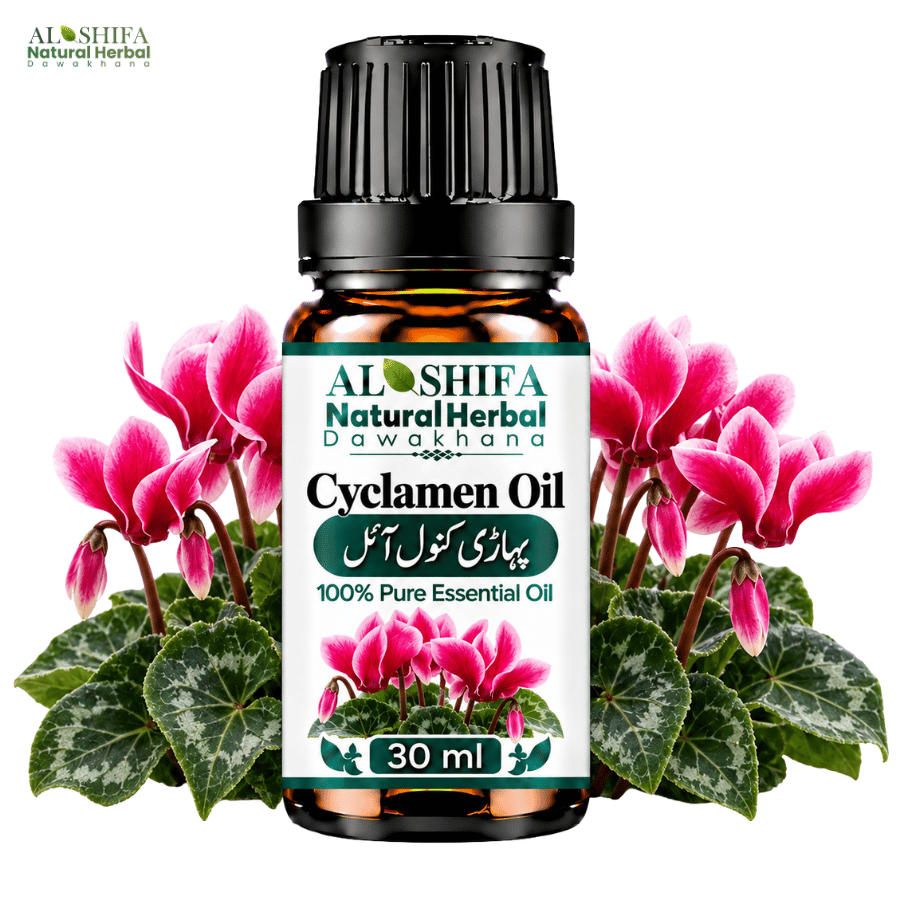
Cyclamen Essential Oil / Roghan Pahari Kanwal / Bukhoor Maryam is a specialty aromatic oil associated with the fresh, soft, floral, green and delicately sweet fragrance of Cyclamen. Depending on its exact composition, it is suitable for perfumery, attars, floral fragrance blends, soaps, personal-care products and selected cosmetic formulations.
Al Shifa Cyclamen Oil is carefully selected with attention to its aromatic quality, fresh floral character, product identity, cleanliness, freshness and protective packaging.
Key Features:
Usage: Use at a suitable concentration in perfumes, attars, soaps, body-care products and compatible cosmetic or aromatic formulations according to the specific product grade.
Important Note: Cyclamen Essential Oil is a commercial aromatic name and should not automatically be assumed to mean a conventional steam-distilled essential oil. Cyclamen products may be fragrance oils, floral accords, botanical extracts or other aromatic preparations, so the exact composition and product grade should be confirmed before use.
Cyclamen Essential Oil / Roghan Pahari Kanwal / Bukhoor Maryam – پہاڑی کنول آئل is a commercially named botanical aromatic oil associated with Cyclamen, a genus of flowering plants belonging to the Primulaceae family. Cyclamen plants are recognized by their distinctive swept-back flowers and underground tubers.
An important product-identity point is that Cyclamen is not a common commercial source of a conventional steam-distilled essential oil. Products sold as “Cyclamen Essential Oil” may instead be fragrance compositions, botanical infusions, extracts or aromatic oil blends. The exact production method and ingredient specification should therefore be confirmed for the individual product rather than assumed from the name alone.
The names Pahari Kanwal and Bukhoor Maryam can also be used differently in regional herbal trade, so botanical identification is particularly important. They should not automatically be treated as scientifically precise synonyms for every Cyclamen species.
At Al Shifa Natural Herbal Dawakhana, Cyclamen Oil is selected with attention to its declared botanical identity, aromatic character, product type, cleanliness, freshness and protective packaging.
Cyclamen refers to a group of flowering plants naturally distributed mainly around the Mediterranean region and neighbouring areas.
They are known for:
The aromatic material commercially sold under the name Cyclamen Oil is primarily relevant to perfumery, fragrance products, soaps, personal-care formulations and aromatic applications, depending on its actual composition.
Because genuine Cyclamen flowers are not a standard large-scale source of conventional essential oil:
“Cyclamen Essential Oil” should be identified by its actual production method and formulation rather than by the commercial name alone.
Product Name: Cyclamen Essential Oil / Roghan Pahari Kanwal / Bukhoor Maryam – پہاڑی کنول آئل
English Name: Cyclamen Oil / Cyclamen Aromatic Oil
Urdu Name: پہاڑی کنول آئل / روغن پہاڑی کنول
Roman Name: Cyclamen Essential Oil / Roghan Pahari Kanwal / Bukhoor Maryam
Scientific Name: Cyclamen spp. — exact species should be confirmed from the source
Plant Family: Primulaceae
Plant Part: Species and product dependent; flowers and aromatic profile are commonly associated with the commercial name
Oil Type: Commercial Aromatic Oil / Botanical Extract or Fragrance Preparation depending on specification
Common Forms: Cyclamen Fragrance Oil / Cyclamen Aromatic Oil / Botanical Extract or Infused Preparation
Appearance: Colourless to Pale Yellow or product dependent
Aroma: Fresh, Floral, Clean, Soft, Green, Watery & Delicately Sweet depending on formulation
Primary Applications: Perfumery, Fragrance Blends, Soaps, Personal-Care Products, Aromatic Formulations & Cosmetics
Product Type: Aromatic Botanical/Fragrance Material — exact specification should be verified
Cyclamen plants are small perennial flowering plants that develop from underground tubers.
Their flowers are particularly recognizable because the petals bend backwards, giving them an elegant and distinctive appearance.
Flower colours vary by species and cultivar and can include:
Cyclamen is widely cultivated as an ornamental flowering plant.
The genus Cyclamen contains multiple species.
Examples include:
These species should not automatically be considered chemically or medicinally interchangeable.
For a commercial botanical product, the exact species should ideally be confirmed through supplier documentation.
Cyclamen persicum is one of the best-known Cyclamen species because it is widely cultivated as an ornamental plant.
However:
Cyclamen persicum ≠ Automatically the Botanical Source of Every Product Sold as Cyclamen Oil
Commercial naming alone is insufficient to establish the species.
Pahari Kanwal is a regional herbal-market name and may be applied differently by different sellers.
The term should therefore not be treated as a universally standardized botanical identification.
When purchasing the product, greater importance should be given to:
This reduces the risk of confusing unrelated plants sold under similar regional names.
Bukhoor Maryam is another regional or traditional name that can create identification problems.
Similar names may be associated with different plants in different herbal traditions and markets.
Therefore:
Bukhoor Maryam ≠ Guaranteed Scientific Identification of Cyclamen
The botanical name should always be checked when accurate identification matters.
Commercial Cyclamen fragrance is generally associated with a delicate floral profile.
Depending on the formulation, its aromatic character may be described as:
This makes the Cyclamen fragrance profile particularly useful in modern floral compositions.
Cyclamen is particularly relevant to perfumery as a fragrance concept or floral accord.
It may be incorporated into fragrances designed around:
The commercial Cyclamen aroma used by perfumers does not necessarily come directly from distilled Cyclamen flowers.
In professional fragrance terminology, a Cyclamen accord can be created using multiple aromatic ingredients to reproduce or interpret the impression of Cyclamen flowers.
This is important because:
Cyclamen Fragrance ≠ Necessarily Natural Cyclamen Essential Oil
A pleasant Cyclamen scent does not prove that the material was distilled from Cyclamen flowers.
Depending on its specification, Cyclamen aromatic oil can be blended into:
The appropriate concentration depends on whether the product is a fragrance oil, botanical extract or another aromatic preparation.
Cyclamen fragrance materials may be used to create a fresh floral aroma in soaps.
The final fragrance performance can depend on:
Only a material specifically suitable for cosmetic or soap formulation should be used.
Depending on its grade and formulation, Cyclamen aromatic oil may be incorporated into:
For leave-on products, appropriate cosmetic fragrance limits and supplier recommendations should be followed.
Cyclamen’s fresh floral character may also be used in aromatic blends intended to create a pleasant environment.
Its fragrance profile can combine well with selected:
The exact blending behaviour depends on the composition of the supplied material.
Unlike well-established essential oils such as Lavender, Peppermint or Eucalyptus, there is no single standardized commercial Cyclamen essential-oil profile that should automatically be assigned to every product carrying the name.
The composition can vary significantly according to whether the product is:
Therefore, a fixed list of “Cyclamen essential oil constituents” should not be assumed without analytical documentation for the specific material.
The fragrance industry uses aromatic materials capable of producing fresh floral, watery or Cyclamen-like effects.
One well-known fragrance material is commonly associated with the name Cyclamen aldehyde.
However:
Cyclamen Aldehyde ≠ Cyclamen Plant Essential Oil
The similarity of the names should not be interpreted as proof that the fragrance ingredient is obtained by distilling the Cyclamen plant.
Different Cyclamen species have appeared in historical herbal traditions.
However, historical use of the plant does not establish that a modern product sold as Cyclamen Essential Oil has the same composition or medicinal properties.
The following materials should be treated separately:
Evidence relating to one cannot automatically be transferred to another.
Cyclamen tubers and other plant tissues can contain saponin-type compounds, including compounds historically described within the cyclamin group.
These substances are one reason raw Cyclamen plant material should not be treated as an ordinary edible herb.
The plant’s historical medicinal use does not make unsupervised ingestion safe.
Cyclamen aromatic products should not automatically be considered suitable for internal consumption.
In particular:
Fragrance Grade ≠ Food Grade
and
External Aromatic Product ≠ Internal Herbal Medicine
Correct identification is especially important with this product because several very different materials may be sold under overlapping names.
The name Pahari Kanwal can create the impression that Cyclamen is a type of Lotus.
Botanically, this is incorrect.
Cyclamen belongs to the Primulaceae family, while true Lotus belongs to a different botanical group.
Therefore:
Cyclamen ≠ True Lotus
Cyclamen is also not a Water Lily.
Cyclamen is a terrestrial flowering plant with an underground tuber, whereas Water Lilies are aquatic plants.
The plants differ botanically and should not be treated as interchangeable sources of aromatic oil.
Fragrance materials and botanical aromatic preparations can cause sensitivity in susceptible individuals.
For topical formulations:
Possible sensitivity reactions include:
Because products sold as Cyclamen Oil can vary significantly in composition:
Keep Cyclamen aromatic oils and fragrance materials out of reach of children.
For products intended for children:
People sensitive to perfumes or fragrance ingredients may react to Cyclamen fragrance products.
A patch test can be considered before extensive topical application of a new cosmetic formulation.
If persistent irritation develops, discontinue use.
At Al Shifa Natural Herbal Dawakhana, Cyclamen Oil is selected with attention to:
Declared Identity – Product identity should correspond to the supplier specification.
Botanical Information – Cyclamen species information is considered where available.
Product Type – Essential oil, extract, infusion and fragrance oil should not be treated as automatically interchangeable.
Aromatic Character – Fresh, floral and characteristic Cyclamen-style fragrance.
Perfumery Applications – Suitable for compatible fragrance formulations according to grade.
Soap Applications – Suitable where the product specification permits.
Cosmetic Applications – Suitable for compatible personal-care formulations according to grade.
Clean Handling – Carefully handled during packing.
Protective Packaging – Helps protect aromatic quality from unnecessary exposure to heat, light and air.
Al Shifa Natural Herbal Dawakhana, established in 1999, supplies carefully selected herbal oils, botanical materials and aromatic ingredients throughout Pakistan.
Our focus for Cyclamen Oil includes:
For Perfumery: Incorporate at an appropriate concentration according to the supplied product’s fragrance specification.
For Attar Blending: Blend carefully with compatible aromatic materials according to the desired fragrance profile.
For Soap Making: Use only if the supplied grade is suitable for soap and follow the recommended concentration.
For Body-Care Products: Incorporate at an appropriate fragrance concentration into compatible formulations.
For Cosmetic Formulations: Follow the product specification and applicable cosmetic fragrance limits.
For Aromatic Blends: Combine with compatible floral, green, citrus or woody aromatic materials according to the intended fragrance profile.
Cyclamen Essential Oil / Roghan Pahari Kanwal / Bukhoor Maryam – پہاڑی کنول آئل should not automatically be assumed to be a conventional steam-distilled essential oil. Commercial Cyclamen aromatic materials may be fragrance oils, floral accords, extracts, infusions or other preparations.
The regional names Pahari Kanwal and Bukhoor Maryam are not sufficiently precise on their own to establish botanical identity. The botanical species, ingredient composition, production method and intended use should be confirmed from the individual product specification.
Cyclamen plant material, particularly the tuber, should not be consumed casually. Cosmetic or fragrance-grade Cyclamen products are intended for external/aromatic applications and should not be swallowed.
For best aromatic quality:
Cyclamen Essential Oil / Roghan Pahari Kanwal / Bukhoor Maryam – پہاڑی کنول آئل is a specialty aromatic product associated with the fresh, delicate and floral character of Cyclamen. Depending on its exact specification, it can be suitable for perfumery, attars, floral fragrance blends, soaps, personal-care products and selected cosmetic formulations.
Customers searching for Cyclamen Essential Oil, Cyclamen Oil, Cyclamen Fragrance Oil, Cyclamen Aromatic Oil, Roghan Pahari Kanwal, Pahari Kanwal Oil, Bukhoor Maryam Oil, Cyclamen Perfume Oil, Cyclamen Oil for Perfume, Cyclamen Oil for Attar, Cyclamen Oil for Soap, Cyclamen Oil for Cosmetics, Cyclamen Oil Pakistan, Pahari Kanwal Oil Pakistan, Cyclamen Oil Lahore, Cyclamen Oil price in Pakistan or buy Cyclamen Oil online Pakistan can choose Al Shifa Natural Herbal Dawakhana for carefully selected quality.
Since 1999, Al Shifa Natural Herbal Dawakhana has focused on supplying herbal oils and aromatic materials with attention to product identity, quality, freshness, clean handling, responsible product information, protective packaging and proper storage.
Product Name: Cyclamen Essential Oil / Roghan Pahari Kanwal / Bukhoor Maryam – پہاڑی کنول آئل
English Name: Cyclamen Oil / Cyclamen Aromatic Oil
Urdu Name: پہاڑی کنول آئل / روغن پہاڑی کنول
Roman Name: Cyclamen Essential Oil / Roghan Pahari Kanwal / Bukhoor Maryam
Scientific Name: Cyclamen spp. — exact species should be confirmed from the source
Plant Family: Primulaceae
Plant Part: Product dependent
Oil Type: Commercial Aromatic Oil / Botanical Extract or Fragrance Preparation depending on specification
Common Forms: Cyclamen Fragrance Oil / Cyclamen Aromatic Oil / Botanical Extract
Appearance: Colourless to Pale Yellow or product dependent
Aroma: Fresh, Floral, Clean, Soft, Green, Watery & Delicately Sweet
Primary Applications: Perfumery, Attars, Fragrance Blends, Soaps, Personal Care & Cosmetics
Product Type: Aromatic Botanical/Fragrance Material
Important Note: The commercial name Cyclamen Essential Oil does not by itself establish that the product is a genuine steam-distilled essential oil. Product composition, botanical source and extraction or formulation method should be confirmed from the specific supplier documentation.
پہاڑی کنول آئل سائکلیمن نامی خوبصورت پھول دار پودے سے منسوب خوشبودار روغن ہے۔ سائکلیمن کی مختلف اقسام پائی جاتی ہیں، جن میں سائکلیمن پرسیکم بہت معروف ہے۔
سائکلیمن چھوٹے قد کا پودا ہے جس کے پتے عموما دل یا گولائی جیسی شکل رکھتے ہیں اور ان پر ہلکی چاندی جیسی لکیریں دکھائی دیتی ہیں۔ اس کے پھول سفید، گلابی، سرخی مائل یا جامنی رنگ کے ہو سکتے ہیں۔
اس پودے کی زمین کے اندر موٹی گانٹھ ہوتی ہے۔ اس گانٹھ میں تیز قدرتی اجزا پائے جاتے ہیں، اس لیے اسے خود سے کھانا یا اندرونی طور پر استعمال کرنا محفوظ نہیں سمجھا جاتا۔
سائکلیمن کے نام سے فروخت ہونے والا خوشبودار آئل ہر بار بھاپ سے حاصل خالص روغن نہیں ہوتا۔ بازار میں سائکلیمن کی خوشبو والے روغن، پھولوں کے خوشبودار جوہر اور دوسرے روغنوں میں تیار کیے گئے آمیزے بھی ملتے ہیں۔ اس لیے خریدتے وقت اصل قسم اور حاصل کرنے کا طریقہ دیکھنا ضروری ہے۔
اردو: سائکلیمن، پہاڑی کنول، روغن پہاڑی کنول
پنجابی: سائکلیمن، پہاڑی کنول، پہاڑی کنول دا تیل
ہندی: سائکلیمن، پہاڑی کنول، سائکلیمن کا تیل
فارسی: سیکلامن، نگونسار
عربی: سيكلامن، بخور مريم
انگریزی نام: سائکلیمن، سائکلیمن آئل
سائنسی نام: سائکلیمن پرسیکم
خاندان: پرائمولیسی
استعمال ہونے والا حصہ: خوشبودار پھول یا خوشبو کے لیے تیار کیا گیا جوہر، قسم کے مطابق
روغن کی قسم: خوشبودار روغن یا خوشبودار جوہر، اصل قسم کے مطابق
سائکلیمن ایک خوبصورت پھول دار پودا ہے۔
اس کی زمین کے اندر موٹی گول گانٹھ ہوتی ہے۔
پتے گہرے سبز ہوتے ہیں۔
پتوں پر ہلکے یا چاندی جیسے نقش دکھائی دیتے ہیں۔
پتے لمبی ڈنڈیوں پر نکلتے ہیں۔
پھول پتوں سے اوپر لمبی ڈنڈی پر کھلتے ہیں۔
پھولوں کی پنکھڑیاں پیچھے کی طرف مڑی ہوئی دکھائی دیتی ہیں۔
پھول سفید، گلابی، سرخ یا جامنی رنگ کے ہو سکتے ہیں۔
اس کی منفرد پھولوں والی شکل اسے دوسرے پودوں سے پہچاننے میں آسان بناتی ہے۔
اچھے سائکلیمن پودے میں:
خوشبودار جوہر یا روغن کے لیے اصل پودے اور استعمال ہونے والے حصے کی واضح معلومات اہم ہیں۔
سائکلیمن کے نام سے فروخت ہونے والے ہر خوشبودار آئل کو خالص بھاپ سے حاصل روغن سمجھنا درست نہیں۔
سائکلیمن کے پھولوں کی خوشبو نازک ہوتی ہے۔
خوشبو سازی میں سائکلیمن جیسی پھولوں کی خوشبو والے آمیزے بھی تیار کیے جاتے ہیں۔
اس لیے بوتل پر درج معلومات سے یہ دیکھنا ضروری ہے کہ:
یہ معلومات خالص قدرتی روغن کی پہچان کے لیے بہت اہم ہیں۔
پاکستان اور برصغیر کی معروف حکیمی کتب مفردات میں سائکلیمن پرسیکم سے حاصل خالص خوشبودار روغن کا الگ اور واضح مستند مزاج مقرر نہیں ہے۔
سائکلیمن کی گانٹھ، پھول اور خوشبودار روغن الگ شکلیں ہیں۔
اسی لیے کسی دوسری جڑی بوٹی، بخور مریم کے نام سے فروخت ہونے والے دوسرے پودے یا سائکلیمن کی گانٹھ کے لیے بیان کیا گیا مزاج خود سے اس خوشبودار روغن کے لیے مقرر نہیں کیا جاتا۔
کسی بیماری کے لیے اندرونی طبی استعمال معالج سے پوچھ کر کریں۔
سائکلیمن اپنی خوبصورت شکل اور پھولوں کی نرم خوشبو کی وجہ سے مشہور ہے۔
اس کے پھولوں سے منسوب خوشبو کو:
میں استعمال کیا جاتا ہے۔
سائکلیمن کی خوشبو نرم، پھولوں جیسی، صاف، تازہ اور ہلکی میٹھی محسوس ہوتی ہے۔
اچھی خوشبو میں بہت زیادہ تیز یا جلی ہوئی بو نہیں ہونی چاہیے۔
اگر روغن اصل پھولوں کے جوہر سے تیار کیا گیا ہو تو اس کے استعمال شدہ پودے اور طریقے کی معلومات واضح ہونی چاہئیں۔
اگر صرف خوشبو والا آمیزہ ہو تو اسے خالص سائکلیمن روغن نہ سمجھیں۔
سائکلیمن کی زمین کے اندر موجود گانٹھ میں سائکلامین نامی تیز قدرتی جز پایا جاتا ہے۔
یہ پودے کی گانٹھ کی خاص پہچان رکھنے والے اجزا میں شامل ہے۔
یہی وجہ ہے کہ سائکلیمن کی گانٹھ کو خود سے کھانا محفوظ نہیں ہے۔
خوشبودار پھولوں کے روغن یا بازار میں فروخت ہونے والے سائکلیمن خوشبو والے آمیزے میں گانٹھ کے یہی اجزا لازمی طور پر موجود نہیں ہوتے۔
اس لیے پودے کی گانٹھ اور خوشبودار آئل کو ایک جیسا نہیں سمجھا جاتا۔
پہاڑی کنول آئل کو جسم کو خوشبو دینے والے روغنی آمیزوں میں استعمال کیا جاتا ہے۔
اسے روغن جوجوبا یا روغن بادام کے ساتھ ملا کر جسم کے منتخب حصوں پر لگایا جاتا ہے۔
اگر آئل بہت تیز خوشبودار ہو تو کم مقدار استعمال کریں۔
پہاڑی کنول آئل کو خوشبودار جسمانی مالش کے روغن میں شامل کیا جاتا ہے۔
اسے روغن بادام، روغن جوجوبا، روغن ناریل یا روغن تل کے ساتھ ملایا جاتا ہے۔
تیار آمیزے سے بازوؤں، کندھوں، ٹانگوں اور پاؤں کی نرم مالش کی جاتی ہے۔
اگر سائکلیمن خوشبودار آئل جلد پر استعمال کے لیے تیار کیا گیا ہو تو اسے بنیادی روغن میں ملا کر استعمال کریں۔
روغن بادام یا روغن جوجوبا کے ساتھ کم مقدار شامل کی جاتی ہے۔
پہلی بار استعمال سے پہلے جلد کے چھوٹے حصے پر آزمائیں۔
جلدی امراض میں طبی استعمال معالج سے پوچھ کر کریں۔
خشک جلد کے خوشبودار روغنی آمیزوں میں سائکلیمن کی خوشبو شامل کی جاتی ہے۔
جلد کو روغنی نرمی بنیادی روغن سے ملتی ہے جبکہ سائکلیمن آمیزے میں پھولوں کی خوشبو شامل کرتا ہے۔
اسے روغن بادام یا روغن جوجوبا کے ساتھ ملا کر استعمال کیا جاتا ہے۔
پہاڑی کنول آئل کو ہاتھوں کے خوشبودار روغنی آمیزوں میں شامل کیا جاتا ہے۔
اسے بنیادی روغن کے ساتھ ملا کر ہاتھوں پر نرم مالش کی جاتی ہے۔
کٹے یا زخمی ہاتھوں پر استعمال نہ کریں۔
اسے پاؤں کے خوشبودار مالش والے روغنوں میں شامل کیا جاتا ہے۔
روغن ناریل، روغن بادام یا روغن جوجوبا کے ساتھ ملا کر پاؤں پر نرم مالش کی جاتی ہے۔
پہاڑی کنول کی خوشبو کو بالوں کے خوشبودار روغنوں میں شامل کیا جاتا ہے۔
اسے روغن ناریل، روغن بادام، روغن آرگن یا روغن جوجوبا کے ساتھ ملایا جاتا ہے۔
بالوں پر کم مقدار لگائی جاتی ہے تاکہ خوشبو نرم رہے۔
سر کی جلد پر استعمال کے لیے صرف وہ سائکلیمن آئل استعمال کریں جس پر جلد کے بیرونی استعمال کی واضح معلومات موجود ہوں۔
اسے بنیادی روغن کے ساتھ ملا کر پہلے جلد کے چھوٹے حصے پر آزمائیں۔
خارش، سرخی یا جلن پیدا ہو تو استعمال بند کریں۔
سر کی جلد کے امراض میں طبی استعمال معالج سے پوچھ کر کریں۔
سائکلیمن کی پھولوں جیسی خوشبو کو داڑھی کے روغنی آمیزوں میں شامل کیا جاتا ہے۔
اسے روغن جوجوبا یا روغن آرگن کے ساتھ ملا کر کم مقدار میں استعمال کیا جاتا ہے۔
سائکلیمن اپنی صاف، نرم اور پھولوں جیسی خوشبو کی وجہ سے خوشبو سازی میں مشہور ہے۔
اس کی خوشبو کو گلاب، چنبیلی، بنفشہ، صندل اور دوسرے پھولوں یا لکڑی جیسی خوشبو رکھنے والے اجزا کے ساتھ ملایا جاتا ہے۔
سائکلیمن جیسی خوشبو خوشبو کے آمیزے کو تازہ اور پھولوں جیسی کیفیت دیتی ہے۔
خوشبو پھیلانے کے لیے تیار سائکلیمن آئل کو خوشبو والے آلے میں استعمال کیا جاتا ہے۔
اس سے کمرے میں نرم اور پھولوں جیسی خوشبو پھیلتی ہے۔
صرف وہ آئل استعمال کریں جس پر اس استعمال کی واضح معلومات موجود ہوں۔
جلد پر استعمال کے لیے تیار سائکلیمن آئل کو پہلے کسی بنیادی روغن یا بغیر خوشبو والے غسل کے آمیزے میں ملایا جاتا ہے۔
اسے خالص حالت میں نہانے کے پانی میں زیادہ مقدار میں نہ ڈالیں۔
آنکھوں سے دور رکھیں۔
پاکستانی بازار میں پہاڑی کنول نام مختلف پودوں کے لیے بھی بولا جا سکتا ہے۔
سائکلیمن اصل کنول نہیں ہے۔
اصل کنول پانی میں اگنے والا الگ پودا ہے جبکہ سائکلیمن زمین پر اگنے والا پھول دار پودا ہے۔
اس لیے سائکلیمن آئل خریدتے وقت صرف پہاڑی کنول نام پر انحصار نہ کریں۔
سائنسی نام دیکھنا ضروری ہے۔
بخور مریم نام مختلف علاقوں میں مختلف پودوں کے لیے بولا جاتا ہے۔
اسی نام کی وجہ سے بازار میں پودوں کی پہچان میں غلطی ہو سکتی ہے۔
اگر مطلوبہ روغن سائکلیمن کا ہے تو اس پر سائکلیمن پرسیکم یا متعلقہ سائکلیمن قسم کا نام دیکھیں۔
صرف بخور مریم نام دیکھ کر پودے کی اصل قسم مقرر نہ کریں۔
اصل کنول پانی میں اگتا ہے۔
سائکلیمن زمین پر اگنے والا چھوٹا پھول دار پودا ہے۔
دونوں کے پتے، پھول، جڑ اور بڑھنے کی جگہ الگ ہیں۔
پہاڑی کنول کا بازاری نام سائکلیمن کے لیے استعمال ہو سکتا ہے، لیکن پودوں کے لحاظ سے یہ اصل کنول نہیں ہے۔
اصل پودے سے حاصل خوشبودار جوہر اور صرف سائکلیمن جیسی مصنوعی خوشبو والا آئل ایک چیز نہیں ہیں۔
خوشبو والے آمیزے میں دوسرے خوشبودار اجزا شامل ہو سکتے ہیں۔
اصل قسم کی پہچان کے لیے بوتل پر درج اجزا اور استعمال ہونے والے پودے کی معلومات دیکھیں۔
روغن بادام، روغن ناریل، روغن جوجوبا، روغن تل اور روغن زیتون بنیادی روغن ہیں۔
انہیں جلد اور جسمانی مالش میں زیادہ مقدار میں استعمال کیا جاتا ہے۔
سائکلیمن کا خوشبودار آئل اگر تیز ہو تو اسے بنیادی روغن میں کم مقدار میں ملا کر استعمال کیا جاتا ہے۔
سائکلیمن کی زمین کے اندر موٹی گانٹھ ہوتی ہے۔
اس گانٹھ میں تیز قدرتی اجزا پائے جاتے ہیں۔
اسے خود سے کھانا یا گھریلو دوا کے طور پر اندرونی استعمال کرنا محفوظ نہیں ہے۔
اسے بچوں اور جانوروں کی پہنچ سے دور رکھنا ضروری ہے۔
صرف جلد کے استعمال کے لیے تیار سائکلیمن آئل استعمال کریں۔
تھوڑی مقدار روغن جوجوبا، روغن بادام یا دوسرے بنیادی روغن میں ملائیں۔
پہلی بار جلد کے چھوٹے حصے پر آزمائیں۔
خارش، سرخی، سوجن یا جلن پیدا ہو تو استعمال بند کریں۔
روغن بادام، روغن جوجوبا یا روغن ناریل میں سائکلیمن خوشبودار آئل کی کم مقدار شامل کریں۔
تیار آمیزے کو بازوؤں، کندھوں، ٹانگوں یا پاؤں پر نرم ہاتھ سے لگائیں۔
آنکھوں اور حساس حصوں سے دور رکھیں۔
پہاڑی کنول آئل کو:
کے ساتھ ملا کر خوشبودار جلدی اور جسمانی روغنی آمیزوں میں استعمال کیا جاتا ہے۔
حساس جلد پر سائکلیمن خوشبودار آئل خالص حالت میں استعمال نہ کریں۔
بنیادی روغن میں کم مقدار ملا کر پہلے جلد کے چھوٹے حصے پر آزمائیں۔
خارش، سرخی، سوجن یا جلن پیدا ہو تو استعمال بند کریں۔
جلدی امراض میں طبی استعمال معالج سے پوچھ کر کریں۔
سائکلیمن خوشبودار آئل کو آنکھوں، ہونٹوں، منہ، ناک کے اندرونی حصے اور جسم کے حساس حصوں سے دور رکھیں۔
کھلے زخم، کٹی یا جلی ہوئی جلد پر نہ لگائیں۔
استعمال کے بعد ہاتھ اچھی طرح دھوئیں۔
سائکلیمن کی گانٹھ میں تیز قدرتی اجزا پائے جاتے ہیں۔
اس پودے یا اس سے منسوب خوشبودار آئل کو خود سے نہ پئیں۔
خوشبو یا بیرونی استعمال کے لیے فروخت ہونے والا آئل خوراک میں شامل نہ کریں۔
کسی بیماری کے لیے اندرونی طبی استعمال معالج سے پوچھ کر کریں۔
حمل کے دوران سائکلیمن کی گانٹھ یا اس سے حاصل اجزا کا اندرونی استعمال خود سے نہ کریں۔
خوشبودار آئل کا بیرونی استعمال بھی کم مقدار میں کریں۔
کسی بیماری کے لیے طبی استعمال معالج سے پوچھ کر کریں۔
دودھ پلانے کے دوران سائکلیمن آئل کو چھاتی یا ایسی جگہ نہ لگائیں جہاں سے بچے کے منہ تک پہنچے۔
اندرونی طبی استعمال معالج سے پوچھ کر کریں۔
بچوں کو سائکلیمن کی گانٹھ یا اس کا خوشبودار آئل خود سے اندرونی طور پر نہ دیں۔
بیرونی استعمال بھی صرف جلد کے لیے تیار شدہ روغن کی صورت میں کریں۔
آنکھوں، منہ اور ناک سے دور رکھیں۔
اسے بچوں کی پہنچ سے دور رکھیں۔
اصل پودا: سائکلیمن کی اصل قسم واضح ہو۔
سائنسی نام: سائکلیمن پرسیکم یا استعمال ہونے والی درست سائکلیمن قسم درج ہو۔
استعمال شدہ حصہ: پھول، جوہر یا دوسرے استعمال شدہ حصے کی معلومات واضح ہوں۔
حاصل کرنے کا طریقہ: روغن یا خوشبودار جوہر کس طریقے سے تیار ہوا ہے، یہ واضح ہو۔
قدرتی خوشبو: صاف، نرم اور پھولوں جیسی خوشبو رکھتا ہو۔
صاف آئل: پانی، گرد اور غیر ضروری ذرات سے پاک ہو۔
تازگی: باسی یا خراب بو نہ رکھتا ہو۔
غیر ضروری ملاوٹ سے پاک: غیر ضروری رنگ اور کم معیار کے دوسرے روغن کی ملاوٹ سے پاک ہو۔
پہاڑی کنول آئل کے نام سے فروخت ہونے والے روغن کی اصل قسم دیکھنا بہت ضروری ہے۔
سائکلیمن پرسیکم ایک خوبصورت پھول دار پودا ہے جس کی زمین کے اندر موٹی گانٹھ ہوتی ہے۔
اس گانٹھ میں تیز قدرتی اجزا پائے جاتے ہیں، اس لیے اسے خود سے کھانا یا اندرونی دوا کے طور پر استعمال نہ کریں۔
سائکلیمن کے نام سے فروخت ہونے والا ہر آئل خالص بھاپ سے حاصل روغن نہیں ہوتا۔ بازار میں خوشبودار جوہر اور سائکلیمن جیسی خوشبو والے آمیزے بھی فروخت ہوتے ہیں۔
بیرونی استعمال کے لیے اصل قسم، استعمال شدہ حصہ اور تیار کرنے کا طریقہ دیکھنا ضروری ہے۔
الشفاء نیچرل ہربل دواخانہ میں پہاڑی کنول آئل کے لیے درج ذیل باتوں کو اہمیت دی جاتی ہے:
اصل سائکلیمن: پودے کی اصل قسم اور سائنسی نام کو اہمیت دی جاتی ہے۔
درست پودا: پہاڑی کنول یا بخور مریم کے نام سے کسی دوسری جڑی بوٹی کی ملاوٹ سے بچنے کو اہمیت دی جاتی ہے۔
استعمال شدہ حصہ: خوشبودار آئل یا جوہر میں استعمال ہونے والے پودے کے حصے کی واضح معلومات کو اہمیت دی جاتی ہے۔
تیار کرنے کا طریقہ: روغن یا خوشبودار جوہر کس طریقے سے حاصل ہوا ہے، اس کی واضح معلومات کو اہمیت دی جاتی ہے۔
قدرتی خوشبو: صاف، نرم اور پھولوں جیسی خوشبو کو اہمیت دی جاتی ہے۔
صاف حالت: پانی، گرد اور غیر ضروری ذرات سے پاک ہونے کو اہمیت دی جاتی ہے۔
تازگی: باسی یا خراب بو والے آئل سے بچا جاتا ہے۔
غیر ضروری ملاوٹ سے پاک: غیر ضروری رنگ اور کم معیار کے دوسرے روغن کی ملاوٹ سے پاک ہونے کو اہمیت دی جاتی ہے۔
الشفاء نیچرل ہربل دواخانہ سنہ ۱۹۹۹ سے قدرتی جڑی بوٹیوں، پھولوں، پتوں، جڑوں، پھلوں، بیجوں اور ان سے حاصل ہونے والے روغنوں کی سپلائی کر رہا ہے۔
ہم پہاڑی کنول آئل میں اصل پودے کی درست پہچان، سائنسی نام، استعمال ہونے والے حصے، تیار کرنے کے طریقے، قدرتی خوشبو، صاف حالت، تازگی اور غیر ضروری ملاوٹ سے پاک ہونے کو اہمیت دیتے ہیں۔
اچھے پہاڑی کنول آئل کی پہچان اصل سائکلیمن، واضح سائنسی نام، صاف پھولوں جیسی خوشبو، تازگی اور تیار کرنے کے واضح طریقے سے کی جاتی ہے۔
پہاڑی کنول آئل کو ٹھنڈی، خشک اور روشنی سے محفوظ جگہ پر کسی جار میں اچھی طرح پیک کر کے رکھیں۔
تیز دھوپ اور زیادہ گرمی سے بچائیں۔
استعمال کے بعد ڈھکن اچھی طرح بند کریں۔
پانی سے محفوظ رکھیں۔
باسی یا خراب بو پیدا ہونے پر استعمال نہ کریں۔
اسے بچوں کی پہنچ سے دور رکھیں۔
سائکلیمن کی گانٹھ میں تیز قدرتی اجزا پائے جاتے ہیں، اس لیے پودے کی گانٹھ کو خود سے نہ کھائیں۔
سائکلیمن کے نام سے فروخت ہونے والے خوشبودار آئل کو بھی خود سے نہ پئیں۔
جلد پر استعمال سے پہلے دیکھیں کہ آئل بیرونی جلدی استعمال کے لیے تیار کیا گیا ہے۔
پہلی بار استعمال سے پہلے جلد کے چھوٹے حصے پر آزمائیں۔
خارش، سرخی، سوجن یا جلن پیدا ہو تو استعمال بند کریں۔
آنکھوں، منہ، ناک کے اندرونی حصے اور کھلے زخموں پر نہ لگائیں۔
کسی بیماری کے لیے اندرونی طبی استعمال معالج سے پوچھ کر کریں۔
پہاڑی کنول کے نام سے فروخت ہونے والا سائکلیمن آئل سائکلیمن پرسیکم یا سائکلیمن کی دوسری قسم سے منسوب خوشبودار آئل ہے۔
اس کی نمایاں پہچان نرم، صاف اور پھولوں جیسی خوشبو ہے۔
پاکستان اور برصغیر کی معروف حکیمی کتب مفردات میں سائکلیمن پرسیکم سے حاصل خالص خوشبودار روغن کا الگ اور واضح مستند مزاج مقرر نہیں ہے، اس لیے اس کے لیے خود سے گرم، سرد، تر یا خشک کا درجہ مقرر نہیں کیا جاتا۔
اسے خوشبو سازی، جسمانی خوشبودار روغنوں، جلد کی روغنی دیکھ بھال، بالوں، داڑھی، خوشبودار غسل اور ماحول کو خوشبودار بنانے والے آمیزوں میں استعمال کیا جاتا ہے۔
سائکلیمن اصل پانی والا کنول نہیں ہے۔ بخور مریم نام بھی مختلف جڑی بوٹیوں کے لیے بولا جاتا ہے، اس لیے اصل پودے کی پہچان کے لیے سائنسی نام دیکھنا ضروری ہے۔
سائکلیمن کی گانٹھ، اصل پھولوں کا خوشبودار جوہر اور صرف سائکلیمن جیسی خوشبو والا آئل الگ شکلیں ہیں۔ اچھے پہاڑی کنول آئل کی پہچان اصل پودے، واضح سائنسی نام، استعمال شدہ حصے، تیار کرنے کے طریقے، صاف خوشبو، تازگی اور غیر ضروری ملاوٹ سے پاک ہونے سے کی جاتی ہے۔