روغن اخروٹ
Original price was: ₨ 1,700.₨ 1,600Current price is: ₨ 1,600.
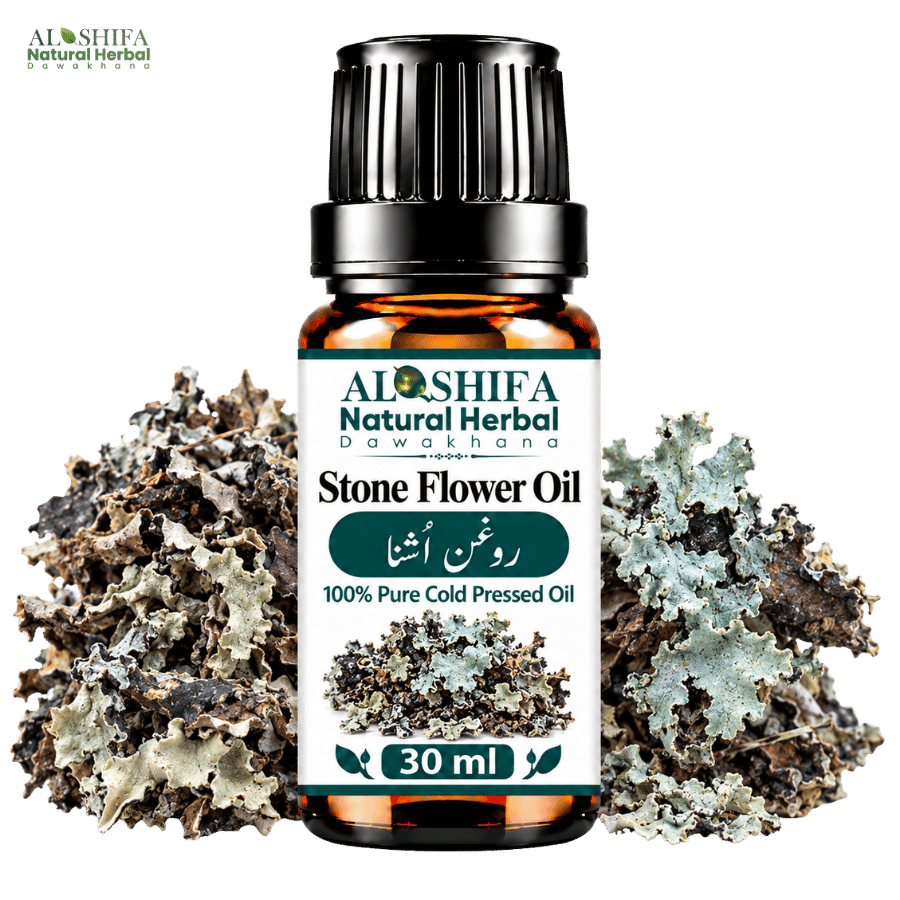
Pure Ushna Oil – Natural Skin Care & Soothing Joint Massage.
Stone Flower Oil / Roghan Ushna is a specialised aromatic oil associated with Stone Flower, a natural lichen traditionally known as Ushna, Chharila, Dagad Phool or Kalpasi. Known for its distinctive earthy, woody and mossy aroma, it is used in perfumery, aromatic blends, traditional external preparations, massage and cosmetic formulations.
Al Shifa Stone Flower Oil is carefully selected with attention to its traditional identity, characteristic aroma, quality source material, clean handling, suitable oil preparation and protective packaging.
Key Features:
Usage: Use an appropriate amount in perfumery and aromatic formulations, or incorporate into compatible massage, external-use and cosmetic oil preparations according to the concentration of the product.
Important Note: Stone Flower is a lichen, not a true flower, and Stone Flower Oil may be an infused or extract-based preparation rather than a conventional essential oil. Natural lichen-derived aromatic materials can cause sensitivity in some individuals, so patch testing is advisable before wider topical use.
Pure Ushna Oil – Natural Skin Care & Soothing Joint Massage.
Stone Flower Oil / Roghan Ushna – روغن اُشنا is a specialised aromatic herbal oil associated with Stone Flower, a lichen material traditionally known as Ushna, Chharila, Charela, Dagad Phool or Kalpasi in different parts of South Asia. The material commonly sold under these names is associated with lichen species of the Parmotrema / Parmelia group, although exact botanical identity can vary according to region and commercial source.
Stone Flower is not an ordinary flower. It is a naturally occurring lichen, an organism formed through a close biological association between a fungus and a photosynthetic partner. It commonly grows on rocks, tree bark and other natural surfaces and is recognised for its dry, leafy, grey, greenish-grey to brownish appearance and characteristic earthy aroma.
Commercial Stone Flower Oil is generally better understood as an infused, extract-based or aromatic herbal oil preparation rather than a conventional steam-distilled essential oil. Its exact composition depends on the lichen species, extraction method, carrier oil and formulation.
At Al Shifa Natural Herbal Dawakhana, Stone Flower Oil is selected with attention to its correct traditional identity, characteristic aromatic profile, quality of source material, clean handling, appropriate oil preparation, protective packaging and proper storage.
Stone Flower Oil is an oil-based preparation associated with aromatic lichen material commonly known as Stone Flower or Ushna.
Depending on the manufacturing process, it may be prepared as:
The exact extraction method is important because different preparation methods produce different chemical profiles.
Product Name: Stone Flower Oil / Roghan Ushna – روغن اُشنا
English Name: Stone Flower Oil / Lichen Oil
Urdu Name: روغن اُشنا / اُشنا کا تیل
Roman Name: Roghan Ushna / Ushna Oil / Stone Flower Oil
Traditional Names: Ushna / Chharila / Charela / Dagad Phool / Kalpasi
Botanical Identity: Commonly associated with Parmotrema / Parmelia group lichens
Biological Group: Lichen
Source Material: Whole Dried Lichen
Oil Type: Herbal Infused / Extract-Based Aromatic Oil, Depending on Preparation
Common Forms: Lichen-Infused Oil / Lichen Extract in Carrier Oil / Aromatic Herbal Oil Preparation
Appearance: Yellowish to Golden, Brownish or Greenish-Brown, Depending on Source and Processing
Aroma: Earthy, Woody, Mossy, Dry, Deep & Characteristic
Primary Applications: Perfumery, Aromatic Blends, Traditional External Preparations, Massage & Cosmetic Formulations
Product Type: Lichen-Derived Aromatic Herbal Oil Preparation
Despite its common name, Stone Flower is neither a true flower nor a flowering plant.
It is a lichen.
Lichens develop through a biological association involving:
This unusual biological structure distinguishes Stone Flower from ordinary medicinal herbs and flowers.
Dried Stone Flower commonly has:
Its appearance can vary according to species, growing conditions and processing.
Stone Flower is known by several regional and commercial names.
These include:
However, these common names are not always botanically precise.
Different lichen species can enter regional markets under overlapping names.
Therefore:
Common Name ≠ Guaranteed Species Identity
Stone Flower has a long history of use in South Asian traditional practices.
The dried lichen material has been associated with:
It is also known as an aromatic material in regional culinary traditions, but culinary use of the dried lichen should not automatically be considered equivalent to use of concentrated oil preparations.
Stone Flower has a distinctive earthy, mossy and woody character.
This makes it particularly interesting in fragrance compositions designed around:
It can contribute depth and a dry natural character to complex fragrance formulations.
Depending on its source and extraction method, Stone Flower Oil may have an aroma described as:
The intensity can vary significantly between preparations.
Stone Flower Oil may be incorporated into traditional external massage preparations.
When prepared in a suitable carrier oil, it can provide:
These are external and cosmetic applications rather than treatment claims.
Depending on the carrier oil and concentration, Stone Flower Oil may contribute to ordinary skin-conditioning formulations.
The carrier oil can provide:
However:
Skin Conditioning ≠ Treatment for Skin Disease
Lichens can contain distinctive naturally occurring compounds that differ from those found in ordinary flowering plants.
Depending on the lichen species, reported constituent groups may include:
The exact composition varies considerably between species.
Many lichens produce specialised compounds commonly referred to as lichen acids.
Examples reported from different lichen groups can include compounds such as:
However, these compounds should not automatically be assumed to occur in a particular Stone Flower Oil without verified botanical identity and chemical analysis.
Usnic acid is a well-known lichen compound that has attracted scientific interest.
However:
Stone Flower Oil ≠ Pure Usnic Acid
The amount present can vary according to:
Research on isolated usnic acid should not automatically be transferred to ordinary Stone Flower Oil.
Different lichen species and isolated lichen compounds have been investigated in laboratory research for antimicrobial activity.
However:
Laboratory Antimicrobial Activity ≠ Treatment for Infection
The concentration, extraction method and experimental conditions used in research may be very different from those of a commercial herbal oil.
Stone Flower Oil should not replace appropriate treatment for bacterial, fungal or other infections.
Extracts from different lichens have also been investigated for antioxidant properties.
However:
Experimental Antioxidant Activity ≠ Prevention or Treatment of Disease
Research involving concentrated extracts should not automatically be applied to an infused oil.
Selected lichen compounds have been investigated in experimental models involving inflammatory pathways.
These findings are scientifically interesting but do not establish ordinary Stone Flower Oil as a treatment for inflammatory disorders.
Therefore:
Experimental Activity ≠ Proven Clinical Treatment
Whole Stone Flower is dried lichen material.
Stone Flower Oil contains only those aromatic or other constituents incorporated into an oil preparation through its particular manufacturing process.
Therefore:
Stone Flower Oil ≠ Whole Stone Flower
A concentrated extract may be produced using specialised solvents or extraction techniques.
Its chemical composition and concentration can differ significantly from an oil infusion.
Therefore:
Stone Flower Extract ≠ Stone Flower Oil
Stone Flower Oil should not automatically be classified as a conventional essential oil.
Depending on the commercial product, it may instead be:
Therefore:
Stone Flower Oil ≠ Automatically a Steam-Distilled Essential Oil
The production method should be checked when exact oil identity is important.
A synthetic or compounded fragrance designed to smell like Stone Flower is different from a preparation containing genuine lichen-derived material.
Therefore:
Stone Flower Fragrance Oil ≠ Genuine Lichen-Derived Stone Flower Oil
Stone Flower and Oakmoss are both lichens, which can create confusion in perfumery discussions.
Oakmoss is classically associated with:
Evernia prunastri
Stone Flower sold as Ushna, Chharila, Dagad Phool or Kalpasi is commonly associated with other lichen groups.
Therefore:
Stone Flower ≠ Oakmoss
They should not automatically be considered botanically or chemically identical.
The word “flower” in Stone Flower is a common name.
Stone Flower:
Therefore:
Stone Flower Oil ≠ Floral Essential Oil
Its earthy and mossy aromatic character is fundamentally different from Rose, Jasmine or Neroli oils.
One of the most important considerations with Stone Flower is variation in market identity.
Several lichen species can resemble each other when dried, and regional names may overlap.
For this reason, claims about a specific scientific species or constituent profile should be made only when the source has been botanically verified.
Lichen-derived aromatic materials can cause sensitivity in susceptible individuals.
Before wider topical application:
Discontinue use if significant irritation develops.
Natural fragrance materials are not automatically non-allergenic.
Lichen-derived materials and their aromatic constituents can be sensitising for some individuals.
Possible reactions can include:
People with known fragrance sensitivity should use additional caution.
Traditional culinary use of dried Stone Flower does not establish that concentrated Stone Flower Oil is suitable for ingestion.
Therefore:
Culinary Stone Flower ≠ Automatically Edible Stone Flower Oil
Do not swallow an oil supplied or labelled for external, cosmetic or perfumery use.
Safety information for concentrated Stone Flower Oil preparations during pregnancy and breastfeeding is limited.
Avoid unnecessary concentrated aromatic exposure and use only according to the intended product purpose.
Internal medicinal use should not be assumed safe based on traditional culinary use of dried lichen.
Concentrated aromatic preparations should be used cautiously around children.
Avoid:
Keep the bottle securely out of reach of young children.
At Al Shifa Natural Herbal Dawakhana, Stone Flower Oil is selected with attention to:
Traditional Identity – Genuine Stone Flower / Ushna-associated material.
Source Quality – Carefully selected aromatic lichen material.
Lichen Identity – Recognition that Stone Flower is a lichen rather than a true flower.
Aromatic Character – Characteristic earthy, woody and mossy profile.
Oil-Type Awareness – Recognition that commercial Stone Flower Oil may be infused or extract-based.
Perfumery Applications – Suitable for appropriate aromatic and fragrance formulations.
External Applications – Suitable for specialised traditional external preparations.
Massage Applications – Suitable for compatible aromatic massage formulations.
Skin Sensitivity Awareness – Responsible consideration of lichen and fragrance sensitivity.
Responsible Claims – No exaggerated antimicrobial, anti-inflammatory or disease-treatment claims.
Clean Handling – Carefully handled during packing.
Protective Packaging – Helps preserve aromatic quality.
Proper Storage – Protected from excessive heat, light and contamination.
Al Shifa Natural Herbal Dawakhana, established in 1999, supplies natural oils, herbs and specialised aromatic materials throughout Pakistan.
Our focus for Stone Flower Oil includes:
For Perfumery: Incorporate at an appropriate concentration into compatible fragrance formulations according to the character and strength of the product.
For Aromatic Blends: Combine carefully with compatible woody, earthy, resinous or herbal aromatic materials.
For Massage: Use an appropriately formulated or diluted preparation suitable for topical massage.
For Skin Conditioning: Apply only when the finished product is suitable for topical use and individual skin tolerance.
For Cosmetic Formulation: Incorporate according to the requirements of the finished product and the concentration of the Stone Flower preparation.
For Internal Use: Do not consume Stone Flower Oil supplied for external, cosmetic or perfumery use.
Stone Flower Oil / Roghan Ushna – روغن اُشنا is an aromatic oil preparation associated with Stone Flower, a lichen material known regionally as Ushna, Chharila, Dagad Phool and Kalpasi. It is not a true flower oil and should not automatically be classified as a conventional steam-distilled essential oil.
Important distinctions include:
Store Stone Flower Oil in a cool, clean and dry place.
For best quality:
Stone Flower Oil / Roghan Ushna – روغن اُشنا is a specialised aromatic oil associated with Stone Flower, an earthy and mossy lichen material traditionally known as Ushna, Chharila, Dagad Phool and Kalpasi.
Unlike ordinary floral oils, Stone Flower Oil comes from a lichen source rather than a true flower. Its characteristic earthy, woody, mossy and deep aromatic profile makes it particularly interesting for perfumery, aromatic blends, traditional external preparations, massage oils and specialised cosmetic formulations.
Commercial Stone Flower Oil may be prepared as an infused, extract-based or aromatic oil formulation, so its exact composition depends on the source material and production method.
Customers searching for Stone Flower Oil, Ushna Oil, Roghan Ushna, Lichen Oil, Chharila Oil, Charela Oil, Dagad Phool Oil, Kalpasi Oil, Stone Flower Herbal Oil, Stone Flower Fragrance Oil, Stone Flower Oil Pakistan, Ushna Oil Pakistan, Roghan Ushna Pakistan, Stone Flower Oil Lahore, Stone Flower Oil price in Pakistan, Roghan Ushna price, buy Stone Flower Oil Pakistan or Stone Flower Oil online Pakistan can choose Al Shifa Natural Herbal Dawakhana for carefully selected quality.
Since 1999, Al Shifa Natural Herbal Dawakhana has focused on supplying natural oils and specialised aromatic materials with attention to correct identity, quality selection, clean handling, responsible product information, protective packaging and proper storage.
Product Name: Stone Flower Oil / Roghan Ushna – روغن اُشنا
English Name: Stone Flower Oil / Lichen Oil
Urdu Name: روغن اُشنا / اُشنا کا تیل
Roman Name: Roghan Ushna / Ushna Oil / Stone Flower Oil
Traditional Names: Ushna / Chharila / Charela / Dagad Phool / Kalpasi
Botanical Identity: Commonly associated with Parmotrema / Parmelia group lichens
Biological Group: Lichen
Source Material: Whole Dried Lichen
Oil Type: Herbal Infused / Extract-Based Aromatic Oil, Depending on Preparation
Common Forms: Lichen-Infused Oil / Lichen Extract in Carrier Oil / Aromatic Herbal Oil Preparation
Appearance: Yellowish to Golden, Brownish or Greenish-Brown, Depending on Source and Processing
Aroma: Earthy, Woody, Mossy, Dry, Deep & Characteristic
Primary Applications: Perfumery, Aromatic Blends, Traditional External Preparations, Massage & Cosmetic Formulations
Product Type: Lichen-Derived Aromatic Herbal Oil Preparation
Important Note: Stone Flower is a lichen rather than a true flower, and several related lichen species may enter trade under names such as Ushna, Chharila, Dagad Phool and Kalpasi. Stone Flower Oil should not automatically be classified as a conventional essential oil or assumed to contain a standardised amount of compounds such as usnic acid. Natural lichen-derived fragrance materials can also cause sensitivity in susceptible individuals.
روغن اشنا اشنا سے تیار کیا جانے والا خوشبودار ہربل روغن ہے۔ اشنا ایک کائی نما خوشبودار مادہ ہے جو پہاڑی علاقوں میں درختوں کی چھال، شاخوں اور چٹانوں پر بڑھتا ہے۔ خشک ہونے کے بعد اس کی شکل باریک، پھیلی ہوئی، سرمئی، سبزی مائل یا بھوری تہوں جیسی نظر آتی ہے۔
اشنا کو حکمت میں خوشبودار ادویات، جلد و بالوں کی دیکھ بھال اور بیرونی استعمال میں اہمیت حاصل ہے۔ اس کی اپنی گہری، مٹی جیسی اور لکڑی جیسی خوشبو ہوتی ہے۔
اشنا خود زیادہ چکنائی والا مادہ نہیں ہے، اس لیے بازار میں روغن اشنا کے نام سے ملنے والا روغن عموما اشنا کو کسی بنیادی روغن میں شامل کر کے تیار کیا جاتا ہے۔ اشنا سے خوشبودار جوہر بھی حاصل کیا جاتا ہے جو خوشبو سازی میں استعمال کیا جاتا ہے۔
اردو: اشنا، اشنہ، روغن اشنا
پنجابی: اشنا، اشنہ
ہندی: چھڑیلا، پتھر پھول، کلباسی
فارسی: اشنہ
عربی: اشنہ
انگریزی نام: اسٹون فلاور، لائکن، ٹری موس
سائنسی نام: پرمیلیا پرلاٹا، پرموٹریما پرلاٹم
استعمال ہونے والا حصہ: مکمل خشک اشنا
اشنا عام پھول دار جڑی بوٹی نہیں ہے۔
یہ کائی نما جاندار ہے جو درختوں کی چھال، شاخوں اور پتھریلی سطحوں پر پھیلتا ہے۔
اس کی ساخت پتلی، خشک، تہہ دار اور بے ترتیب ہوتی ہے۔
اس کی رنگت سرمئی، سبزی مائل، بھوری یا سیاہی مائل نظر آتی ہے۔
خشک اشنا میں اپنی خاص خوشبو ہوتی ہے جو مٹی، لکڑی اور جنگل کی قدرتی خوشبو سے ملتی جلتی ہے۔
اسی خوشبو کی وجہ سے اسے خوشبودار ادویات، روغنوں اور خوشبو سازی میں استعمال کیا جاتا ہے۔
اچھے اشنا میں یہ خصوصیات دیکھی جاتی ہیں:
اشنا میں بیجوں جیسی زیادہ چکنائی موجود نہیں ہوتی۔
اسی لیے روغن اشنا عموما صاف اور خشک اشنا کو تل، زیتون، بادام یا کسی دوسرے بنیادی روغن میں شامل کر کے تیار کیا جاتا ہے۔
اشنا کا خوشبودار جوہر الگ طریقے سے بھی حاصل کیا جاتا ہے۔ یہ گاڑھا اور زیادہ خوشبودار ہوتا ہے اور خوشبو سازی میں استعمال کیا جاتا ہے۔
اس لیے روغن اشنا خریدتے وقت یہ جاننا اہم ہے کہ وہ بنیادی روغن میں تیار کیا گیا ہربل روغن ہے یا اشنا کا خوشبودار جوہر۔
پاکستانی اور برصغیر کی حکیمی کتب مفردات میں اشنا کو گرم اور خشک مزاج کے ساتھ بیان کیا جاتا ہے۔
حکمت میں اشنا کو خوشبودار ادویات، جلد اور بالوں کے بیرونی استعمال اور جسمانی مالش میں شامل کیا جاتا ہے۔
روغن اشنا کو خاص طور پر بیرونی استعمال کے لیے اہمیت دی جاتی ہے۔
اشنا اپنی خاص خوشبو اور بیرونی استعمال کی وجہ سے حکمت میں معروف ہے۔
اسے خوشبودار حکیمی ادویات، بالوں کے روغن، جسمانی مالش کے روغن اور جلد پر لگانے والی ادویات میں شامل کیا جاتا ہے۔
اس کی قدرتی خوشبو اسے عام جڑی بوٹیوں سے الگ پہچان دیتی ہے۔
روغن اشنا کے اہم بیرونی استعمال یہ ہیں:
روغن اشنا کو بالوں کی دیکھ بھال کے لیے استعمال کیا جاتا ہے۔
اسے سر کی جلد اور بالوں کی جڑوں پر کم مقدار میں لگا کر ہلکی مالش کی جاتی ہے۔
اشنا کی خاص خوشبو بالوں کے روغن کو منفرد قدرتی خوشبو بھی دیتی ہے۔
اسے ناریل، بادام، زیتون یا تل کے روغن کے ساتھ ملا کر استعمال کیا جاتا ہے۔
روغن اشنا کو سر کی جلد کی روغنی مالش میں استعمال کیا جاتا ہے۔
اسے کم مقدار میں سر کی جلد پر لگا کر انگلیوں کے پوروں سے ہلکی مالش کی جاتی ہے۔
سر کی جلد کے امراض میں طبی استعمال معالج سے پوچھ کر کریں۔
خشک اور کھردرے بالوں کے لیے روغن اشنا کو کسی بنیادی روغن کے ساتھ استعمال کیا جاتا ہے۔
یہ بالوں کو روغنی نرمی دینے اور ان کی دیکھ بھال کے لیے فائدہ مند ہے۔
اسے بالوں کی لمبائی اور خشک سروں پر کم مقدار میں لگایا جاتا ہے۔
خشک بالوں کے سروں پر روغن اشنا کی تھوڑی مقدار بنیادی روغن کے ساتھ ملا کر لگائی جاتی ہے۔
یہ بالوں کو نرم اور سنوارا ہوا رکھنے کے لیے فائدہ مند ہے۔
روغن اشنا کو داڑھی کے روغنوں میں بھی شامل کیا جاتا ہے۔
اسے بادام، جوجوبا یا دوسرے بنیادی روغن کے ساتھ ملا کر داڑھی اور اس کے نیچے کی خشک جلد پر لگایا جاتا ہے۔
اس کی لکڑی اور مٹی جیسی خوشبو داڑھی کے روغنوں میں خاص پسند کی جاتی ہے۔
روغن اشنا کو خشک جسمانی جلد کی بیرونی روغنی دیکھ بھال میں استعمال کیا جاتا ہے۔
اسے بنیادی روغن کے ساتھ ملا کر ہاتھوں، پاؤں، کہنیوں اور دوسرے خشک حصوں پر لگایا جاتا ہے۔
حساس جلد پر پہلی بار تھوڑی مقدار آزمائیں۔
روغن اشنا جسمانی مالش کے لیے تیار روغنوں میں شامل کیا جاتا ہے۔
اسے تل، بادام یا زیتون کے روغن کے ساتھ ملا کر جسم پر ہلکے ہاتھ سے لگایا جاتا ہے۔
اس کی قدرتی خوشبو جسمانی مالش کے روغنوں میں خاص اہمیت رکھتی ہے۔
روغن اشنا کو جسمانی تھکاوٹ اور پٹھوں کے کھنچاؤ کے لیے تیار مالش والے روغنوں میں شامل کیا جاتا ہے۔
اسے بنیادی روغن کے ساتھ ملا کر کندھوں، کمر، بازوؤں اور ٹانگوں پر ہلکے ہاتھ سے مالش کیا جاتا ہے۔
پٹھوں کے امراض یا چوٹ کی صورت میں طبی استعمال معالج سے پوچھ کر کریں۔
اشنا کی سب سے نمایاں خصوصیات میں اس کی گہری قدرتی خوشبو شامل ہے۔
اس کی خوشبو مٹی، لکڑی، جنگل اور خشک درختوں کی چھال جیسی محسوس ہوتی ہے۔
اسی وجہ سے اشنا کے خوشبودار جوہر کو عطر اور دوسری خوشبوؤں میں استعمال کیا جاتا ہے۔
یہ دوسری خوشبوؤں کو گہرا اور دیر تک قائم رکھنے کے لیے بھی پسند کیا جاتا ہے۔
اشنا میں کئی قدرتی خوشبودار اور دوسرے اجزا پائے جاتے ہیں، جن میں یہ شامل ہیں:
اشنا کی قسم کے حساب سے اس کے قدرتی اجزا کی مقدار الگ رہتی ہے۔
ایٹرینورین اشنا کی کئی اقسام میں پایا جانے والا قدرتی جز ہے۔
یہ اشنا کی خاص قدرتی ساخت کا حصہ ہے۔
کلوروایٹرینورین بھی اشنا کی کئی اقسام میں پایا جاتا ہے۔
یہ کائی نما اشنا کے قدرتی اجزا میں شامل ہے۔
لیکینورک تیزاب اشنا کی کئی اقسام میں پایا جانے والا قدرتی جز ہے۔
یہ اشنا کی قدرتی ساخت میں شامل اہم اجزا میں شمار ہوتا ہے۔
اشنا کی کئی اقسام میں اسنک تیزاب پایا جاتا ہے۔
اس کی مقدار اشنا کی قسم کے مطابق الگ رہتی ہے۔
روغن اشنا اور اشنا کا خوشبودار جوہر ایک ہی شکل نہیں ہیں۔
روغن اشنا عموما اشنا کو کسی بنیادی روغن میں شامل کر کے تیار کیا جاتا ہے۔
اشنا کا خوشبودار جوہر خوشبو حاصل کرنے کے خاص طریقے سے تیار کیا جاتا ہے اور اس کی خوشبو زیادہ گہری ہوتی ہے۔
خوشبو سازی کے لیے تیار جوہر کو جلد پر خالص حالت میں لگانے کے بجائے کم مقدار میں دوسرے اجزا کے ساتھ استعمال کیا جاتا ہے۔
اشنا اور اوک موس کو بازار میں کبھی ایک دوسرے کے نام سے بھی پیش کیا جاتا ہے، لیکن ہر اشنا کو اوک موس سمجھنا درست نہیں ہے۔
برصغیر میں اشنا یا پتھر پھول کے نام سے ملنے والا مادہ عموما پرمیلیا یا پرموٹریما گروہ کے کائی نما جانداروں سے جڑا ہوتا ہے۔
اوک موس ایک الگ کائی نما جاندار ہے جس کا سائنسی نام ایورنیا پروناسٹری ہے۔
اس لیے روغن اشنا خریدتے وقت اصل اشنا کی پہچان اہم ہے۔
روغن اشنا کی تھوڑی مقدار جلد پر لگائیں۔
ہلکے ہاتھ سے مالش کریں۔
پہلی بار استعمال سے پہلے جلد کے چھوٹے حصے پر تھوڑی مقدار آزمائیں۔
آنکھوں، ہونٹوں اور کھلے زخموں پر نہ لگائیں۔
روغن اشنا کی تھوڑی مقدار کسی بنیادی روغن کے ساتھ ملا کر سر کی جلد اور بالوں پر لگائیں۔
انگلیوں کے پوروں سے ہلکی مالش کریں۔
بالوں کی لمبائی اور خشک سروں پر بھی کم مقدار لگائی جاتی ہے۔
بعد میں بال اپنے معمول کے مطابق دھو لیں۔
اشنا کے خوشبودار اجزا حساس جلد پر خارش یا سرخی پیدا کر سکتے ہیں۔
پہلی بار استعمال سے پہلے جلد کے چھوٹے حصے پر تھوڑی مقدار آزمائیں۔
خارش، سرخی یا جلن پیدا ہو تو استعمال بند کریں۔
جلدی امراض میں طبی استعمال معالج سے پوچھ کر کریں۔
بیرونی استعمال اور خوشبو سازی کے لیے تیار روغن اشنا کو نہ پئیں۔
اشنا کے طبی اندرونی استعمال کے لیے مقدار اور شکل الگ ہوتی ہے۔
کسی بیماری کے لیے اندرونی طبی استعمال معالج سے پوچھ کر کریں۔
حمل کے دوران اشنا کے خوشبودار جوہر یا زیادہ گاڑھے روغن کا طبی استعمال اپنی طرف سے نہ کریں۔
طبی استعمال معالج سے پوچھ کر کریں۔
دودھ پلانے کے دوران روغن اشنا کو چھاتی اور بچے کے منہ سے لگنے والی جگہ پر نہ لگائیں۔
طبی استعمال معالج سے پوچھ کر کریں۔
بچوں کی جلد پر گاڑھا خوشبودار روغن اپنی طرف سے استعمال نہ کریں۔
بچوں میں طبی استعمال معالج سے پوچھ کر کریں۔
روغن کو بچوں کی پہنچ سے دور رکھیں۔
اصل اشنا: درست پہچان والا صاف اور خشک اشنا استعمال کیا گیا ہو۔
قدرتی خوشبو: مٹی، لکڑی اور جنگل جیسی اپنی خاص خوشبو ہو۔
قدرتی رنگت: بنیادی روغن اور اشنا کے مطابق قدرتی رنگت ہو۔
صاف روغن: پانی، گرد اور غیر ضروری ذرات سے پاک ہو۔
اچھا بنیادی روغن: صاف اور اچھی کوالٹی کا بنیادی روغن استعمال کیا گیا ہو۔
تازگی: باسی یا خراب بو نہ ہو۔
غیر ضروری ملاوٹ سے پاک: مصنوعی رنگ، غیر ضروری مصنوعی خوشبو اور کم معیار کے روغن کی ملاوٹ سے پاک ہو۔
روغن اشنا کائی نما خوشبودار اشنا سے تیار کیا جانے والا روغن ہے۔
اشنا عام پھول دار جڑی بوٹی نہیں بلکہ درختوں اور چٹانوں پر بڑھنے والا کائی نما جاندار ہے۔
اس میں ایٹرینورین، کلوروایٹرینورین، لیکینورک تیزاب، اسنک تیزاب اور دوسرے قدرتی اجزا پائے جاتے ہیں۔
اس کا بیرونی استعمال بالوں، سر کی جلد، خشک جسمانی جلد، داڑھی اور جسمانی مالش میں کیا جاتا ہے۔
اشنا کا خوشبودار جوہر عطر اور دوسری خوشبوؤں میں بھی استعمال کیا جاتا ہے۔
حساس جلد پر پہلی بار تھوڑی مقدار آزمائیں۔
بیرونی استعمال کے لیے تیار روغن یا خوشبودار جوہر کو نہ پئیں۔
الشفاء نیچرل ہربل دواخانہ میں روغن اشنا کے لیے درج ذیل باتوں کو اہمیت دی جاتی ہے:
اصل اشنا: درست پہچان والے صاف اور خشک اشنا کو اہمیت دی جاتی ہے۔
قدرتی خوشبو: اشنا کی اپنی مٹی، لکڑی اور جنگل جیسی خوشبو کو اہمیت دی جاتی ہے۔
قدرتی رنگت: اشنا اور بنیادی روغن سے بننے والی قدرتی رنگت کو دیکھا جاتا ہے۔
صاف روغن: پانی، گرد اور غیر ضروری ذرات سے پاک روغن کو اہمیت دی جاتی ہے۔
اچھا بنیادی روغن: صاف اور اچھی کوالٹی کے بنیادی روغن کو اہمیت دی جاتی ہے۔
تازگی: باسی یا خراب بو والے روغن سے بچا جاتا ہے۔
غیر ضروری ملاوٹ سے پاک: مصنوعی رنگ، غیر ضروری مصنوعی خوشبو اور کم معیار کے دوسرے روغن کی ملاوٹ سے پاک ہونے کو اہمیت دی جاتی ہے۔
الشفاء نیچرل ہربل دواخانہ سنہ ۱۹۹۹ سے قدرتی جڑی بوٹیوں، خوشبودار اجزا اور ان سے تیار ہونے والے روغنوں کی سپلائی کر رہا ہے۔
ہم روغن اشنا میں اصل اشنا کی درست پہچان، صاف حالت، قدرتی خوشبو، اچھے بنیادی روغن، تازگی اور غیر ضروری ملاوٹ سے پاک ہونے کو اہمیت دیتے ہیں۔
اچھے روغن اشنا کی پہچان اس کی خاص قدرتی خوشبو، صاف حالت، قدرتی رنگت، تازگی اور اچھی پیکنگ سے کی جاتی ہے۔
روغن اشنا کو ٹھنڈی، خشک اور روشنی سے محفوظ جگہ پر کسی جار میں اچھی طرح پیک کر کے رکھیں۔
اسے تیز دھوپ، پانی اور زیادہ گرمی سے بچائیں۔
استعمال کے بعد ڈھکن اچھی طرح بند کریں۔
اسے بچوں کی پہنچ سے دور رکھیں۔
روغن اشنا خریدتے وقت یہ دیکھیں کہ اس میں اصل اشنا استعمال کیا گیا ہے اور روغن کس طریقے سے تیار کیا گیا ہے۔
اشنا کا خوشبودار جوہر اور بنیادی روغن میں تیار روغن اشنا الگ شکلیں ہیں۔
پہلی بار جلد کے چھوٹے حصے پر تھوڑی مقدار آزمائیں۔
آنکھوں، ہونٹوں اور کھلے زخموں پر نہ لگائیں۔
خارش، سرخی یا جلن پیدا ہو تو استعمال بند کریں۔
بیرونی استعمال کے لیے تیار روغن کو نہ پئیں۔
جلد، سر کی جلد یا دوسرے امراض میں طبی استعمال معالج سے پوچھ کر کریں۔
روغن اشنا خوشبودار کائی نما اشنا سے تیار کیا جانے والا ہربل روغن ہے۔
پاکستانی اور برصغیر کی حکیمی کتب مفردات میں اشنا کو گرم اور خشک مزاج کے ساتھ بیان کیا جاتا ہے۔
اشنا کی خاص پہچان اس کی گہری مٹی، لکڑی اور جنگل جیسی قدرتی خوشبو ہے۔
اسے بالوں، سر کی جلد، داڑھی، خشک جسمانی جلد، جسمانی مالش اور خوشبودار روغنوں میں استعمال کیا جاتا ہے۔
اشنا خود زیادہ چکنائی والا مادہ نہیں ہے، اس لیے روغن اشنا عموما اسے کسی بنیادی روغن میں شامل کر کے تیار کیا جاتا ہے۔
اشنا کا خوشبودار جوہر الگ شکل ہے اور اسے عطر اور دوسری خوشبوؤں میں استعمال کیا جاتا ہے۔
اچھے روغن اشنا کی پہچان اصل اشنا، قدرتی خوشبو، صاف حالت، اچھے بنیادی روغن، تازگی اور غیر ضروری ملاوٹ سے پاک ہونے سے کی جاتی ہے۔