سیاہ رال آئل
Original price was: ₨ 1,500.₨ 1,200Current price is: ₨ 1,200.
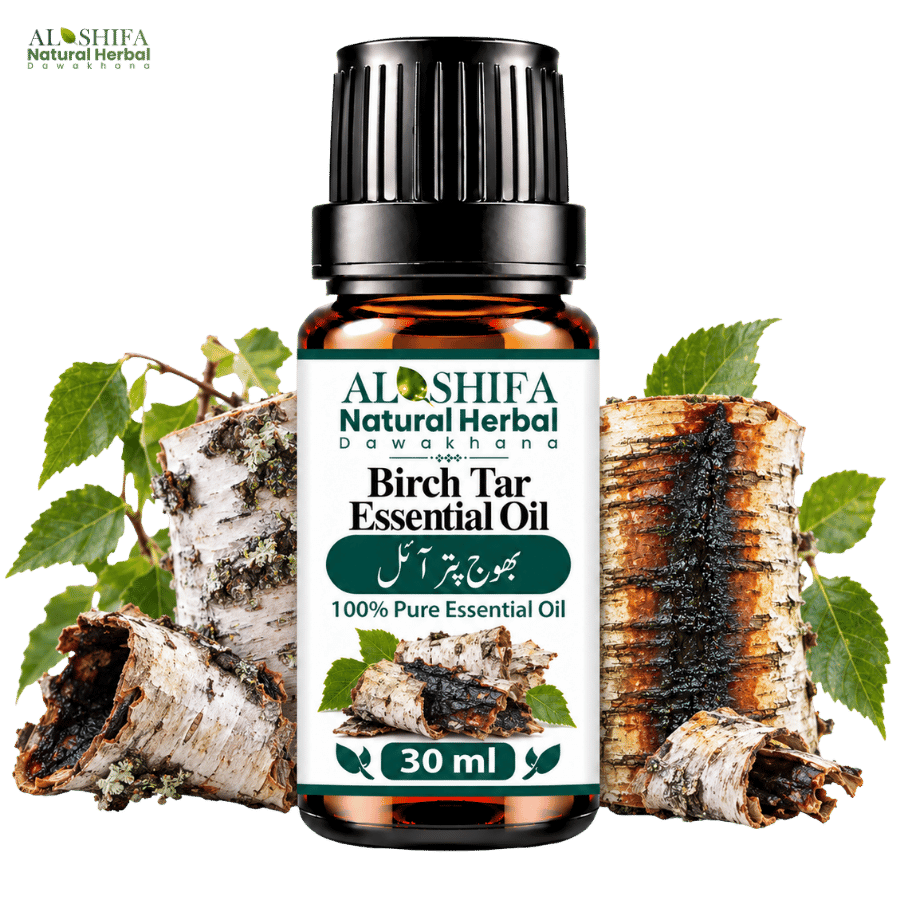
Birch Tar Oil, commonly sold as Birch Tar Essential Oil, is a powerful aromatic material derived from Birch bark through destructive distillation or pyrolysis. Known for its intensely smoky, leathery, woody, burnt, phenolic and tar-like aroma, it is mainly valued for perfumery, leather accords, smoky fragrance blends, soaps and specialised aromatic formulations.
Al Shifa Birch Tar Oil is carefully selected with attention to its botanical source, characteristic smoky-leathery aroma, material identity, clean handling, protective packaging and proper storage.
Key Features:
Usage: Use sparingly in perfumes, leather accords and specialised aromatic blends because of its extremely powerful aroma. For cosmetic or soap formulations, use only when the specific Birch Tar grade is suitable for the intended application.
Important Note: Birch Tar Oil is a pyrolysis-derived aromatic material, not a conventional steam-distilled essential oil. It should not be confused with Sweet Birch Essential Oil or Wintergreen Oil. Crude or unrectified Birch Tar should not automatically be considered suitable for skin use. Do not apply undiluted or swallow.
Birch Tar Oil, commonly sold in the aromatic and traditional-product market under names such as Birch Tar Essential Oil, is a distinctive dark, smoky aromatic material produced from Birch bark through destructive distillation or pyrolysis. It is especially recognised for its intensely smoky, leathery, woody, burnt, phenolic and tar-like aroma and has a long-established role in perfumery, leather accords, soaps and specialised aromatic formulations.
Unlike conventional essential oils obtained by steam distillation or cold pressing, Birch Tar Oil is created by heating Birch bark under controlled conditions with limited oxygen. For this reason, calling it an “essential oil” can be commercially familiar but is technically different from the usual definition of a steam-distilled essential oil.
At Al Shifa Natural Herbal Dawakhana, Birch Tar Oil is selected with attention to its botanical source, characteristic smoky profile, material identity, clean handling, protective packaging and appropriate storage.
Birch Tar Oil is a powerful aromatic material derived from the bark of Birch trees, commonly associated with species such as:
Betula pendula Roth
and closely related Betula species.
Birch belongs to the Betulaceae family.
The bark is subjected to destructive distillation, producing a complex dark aromatic material with an exceptionally strong smoky and leathery fragrance.
Product Name: Birch Tar Oil / Birch Tar Essential Oil – بھوج پتر ایسینشل آئل
English Name: Birch Tar Oil / Birch Tar Essential Oil
Urdu Name: بھوج پتر ایسینشل آئل / بھوج پتر کا تیل
Roman Name: Birch Tar Oil / Bhoj Patra Oil
Botanical Source: Betula pendula Roth and related Betula species
Plant Family: Betulaceae
Plant Part: Bark
Oil Type: Pyrolytic Aromatic Oil / Tar Oil
Common Production Method: Destructive Distillation / Pyrolysis of Birch Bark
Fragrance Character: Intensely Smoky, Leathery, Woody, Burnt, Phenolic, Tar-Like & Powerful
Primary Applications: Perfumery, Leather Accords, Smoky Fragrance Blends, Soap & Specialised Aromatic Formulations
Product Type: Birch Bark-Derived Pyrolytic Aromatic Material
Birch Tar Oil differs significantly from conventional steam-distilled essential oils.
Traditionally, Birch bark is heated under controlled conditions with restricted oxygen.
This process is known as:
During the process, heat breaks down components of the bark and produces a complex mixture of aromatic substances.
The resulting material has a characteristic:
Therefore:
Birch Bark ≠ Birch Tar Oil
and
Birch Tar Oil ≠ Conventional Steam-Distilled Essential Oil
Birch Tar Oil has one of the strongest and most recognisable profiles among specialised natural aromatic materials.
Its aroma is commonly described as:
Even a very small amount can strongly influence an entire fragrance composition.
Birch bark tar has a long history as a functional and aromatic material.
Historically, Birch-derived tar materials have been associated with:
In modern perfumery, its most recognisable contribution is its powerful smoky and leather-like fragrance.
Birch Tar Oil has historically been an important material in specialised perfumery.
It can contribute:
It is particularly associated with fragrance styles such as:
Because the aroma is extremely powerful, it is generally used at carefully controlled levels.
One of the best-known perfumery roles of Birch Tar is the creation of leather-like fragrance effects.
It can provide the impression of:
Historically, Birch Tar became strongly associated with leather fragrance profiles.
However:
Leather Aroma ≠ Actual Leather Ingredient
Birch Tar Oil is used as an aromatic component to help create a leather-style fragrance impression.
Birch Tar Oil may be incorporated in very small, controlled amounts into selected attar or perfume formulations requiring:
Its intensity means that excessive use can easily dominate other ingredients.
Birch Tar Oil may be combined carefully with compatible aromatic materials such as:
The exact amount should depend on the intended fragrance formulation and safety requirements.
Birch Tar materials have also been associated with specialised soap formulations.
Their distinctive smoky aroma can provide a characteristic dark, rustic fragrance profile.
However, formulation should account for:
Birch Tar Oil is chemically different from ordinary steam-distilled essential oils.
Because it is produced through pyrolysis, it can contain a complex mixture of compounds generated or released during thermal decomposition of Birch bark.
These can include different:
Its composition can vary significantly according to:
This is an important distinction.
Raw Birch Tar and crude Birch Tar Oil can contain constituents that make them unsuitable for ordinary cosmetic or perfumery use.
Specialised perfumery materials may therefore undergo further processing or rectification.
Therefore:
Crude Birch Tar ≠ Rectified Birch Tar Oil
The exact material supplied should be identified before cosmetic or perfumery use.
Raw Birch Tar is a thick tar-like material obtained from destructive distillation of Birch bark.
Birch Tar Oil can refer to a more fluid aromatic fraction obtained or processed from Birch Tar production.
Therefore:
Raw Birch Tar ≠ Birch Tar Oil
Their appearance, composition, concentration and applications can differ.
The term “Birch Tar Essential Oil” is sometimes used commercially.
Technically, however, Birch Tar Oil is not produced by the conventional steam-distillation process used for essential oils such as Lavender, Rosemary or Eucalyptus.
Instead, it is produced through destructive distillation or pyrolysis.
Therefore:
Birch Tar Oil ≠ Conventional Essential Oil
This distinction is important for accurate product identification.
Birch Tar Oil should not be confused with Sweet Birch Oil.
Sweet Birch Oil is associated with species such as:
Betula lenta
and has historically been associated with a methyl salicylate-rich aromatic profile.
Birch Tar Oil, in contrast, is produced through destructive distillation of Birch bark and has a strongly smoky, leathery and tar-like fragrance.
Therefore:
Birch Tar Oil ≠ Sweet Birch Essential Oil
This is a major identity and safety distinction.
Wintergreen Essential Oil is commonly associated with Gaultheria species and is naturally rich in methyl salicylate.
Birch Tar Oil has a completely different production process and aromatic profile.
Therefore:
Birch Tar Oil ≠ Wintergreen Essential Oil
The two materials should never be considered interchangeable.
Manufactured Birch or smoky fragrance oils may be formulated to imitate Birch Tar’s characteristic aroma.
Authentic Birch Tar Oil is derived from Birch bark through destructive distillation.
Therefore:
Birch Tar Oil ≠ Manufactured Birch Fragrance Oil
Birch Tar Oil is a highly concentrated aromatic material.
Carrier oils are fixed fatty oils used as bases for massage and cosmetic products.
Therefore:
Birch Tar Oil ≠ Carrier Oil
It should never be treated like Almond, Jojoba, Coconut or other carrier oils.
Birch Tar Oil naturally has a very powerful smoky fragrance.
However, aroma alone cannot establish:
Therefore:
Strong Smoky Aroma ≠ Proof of Authenticity
Birch Tar materials can naturally be dark.
However, darker colour does not automatically mean:
Therefore:
Dark Colour ≠ Proof of Superior Quality
Birch Tar Oil requires more careful safety consideration than many familiar aromatic oils because pyrolysis can produce complex compounds not normally associated with ordinary steam-distilled essential oils.
Raw or inadequately refined Birch Tar materials can contain undesirable constituents.
For this reason, the suitability of a particular Birch Tar material depends on:
Not every material sold as Birch Tar is suitable for direct cosmetic application.
Before using Birch Tar Oil in:
the exact grade and intended use of the supplied material should be established.
Therefore:
Natural Origin ≠ Automatically Cosmetic Grade
Birch Tar Oil should not be applied undiluted to the skin.
Its concentrated and chemically complex nature can increase the possibility of:
Any topical formulation should use an appropriate grade at a suitable concentration.
Because of its production method and chemical complexity, Birch Tar Oil should not automatically be used in home massage mixtures simply because other essential oils are used that way.
Therefore:
Birch Tar Oil ≠ Ordinary Massage Essential Oil
Use should depend on the exact grade and formulation requirements.
Birch Tar and related tar materials have historically been associated with cleansing and preservation applications.
Experimental research may also examine individual compounds or tar-derived materials for antimicrobial activity.
However:
Laboratory Antimicrobial Activity ≠ Treatment for Human Infection
Birch Tar Oil should not be promoted as a treatment for bacterial, fungal or viral diseases.
Tar-derived materials have historical associations with different skin-care practices, while medically regulated tar preparations can also exist.
However:
Birch Tar Oil ≠ Medical Treatment for Skin Disease
Ordinary aromatic Birch Tar Oil should not be presented as a treatment for:
Medical tar products and aromatic perfumery materials should not be treated as interchangeable.
Birch Tar has historically been associated with outdoor and practical applications, including uses where its strong odour may discourage insects.
However:
Traditional Repellent Use ≠ Guaranteed Insect Protection
Performance depends on the specific product, concentration, formulation and application conditions.
For ordinary essential oils, dilution is a basic part of topical safety.
With Birch Tar Oil, another question must first be answered:
Is the specific Birch Tar material suitable for cosmetic use?
Therefore:
Dilution Alone ≠ Proof of Cosmetic Safety
The grade, processing and intended use of the material remain important.
Birch Tar Oil and similar aromatic materials do not form a proper dilution simply by being added to plain water.
Therefore:
Birch Tar Oil + Water ≠ Proper Dilution
Water-based products require appropriate professional formulation.
When a Birch Tar material is specifically suitable for topical cosmetic use and is incorporated at an appropriate concentration, a limited patch test may be considered before wider application.
Stop use if significant:
develops.
Do not place Birch Tar Oil directly into:
Wash accidental external exposure appropriately and seek professional advice if significant irritation occurs.
Birch Tar Oil should not be swallowed.
It is a pyrolytic aromatic material rather than an ordinary culinary botanical oil.
Therefore:
Birch Tar Oil ≠ Food Oil
and
Natural Botanical Origin ≠ Safe for Internal Use
Because Birch Tar Oil is a chemically complex pyrolytic aromatic material, unnecessary topical or aromatic exposure during pregnancy and breastfeeding should be avoided unless the exact material has been assessed as suitable by an appropriately qualified professional.
Internal use should be avoided.
Birch Tar Oil should be kept securely away from infants and children.
Avoid:
People with:
should use strong aromatic tar materials cautiously.
Birch Tar Oil should not replace prescribed medicines or professional medical treatment.
At Al Shifa Natural Herbal Dawakhana, Birch Tar Oil is selected with attention to:
Botanical Source – Birch bark from suitable Betula material.
Plant Part Identity – Bark-derived aromatic material.
Characteristic Aroma – Intensely smoky, leathery, woody and tar-like.
Material Identity – Recognised as a destructive-distillation product rather than an ordinary steam-distilled essential oil.
Clean Handling – Carefully handled during packing.
Protective Packaging – Helps protect the strong aromatic material.
Product Distinction – Clearly distinguished from Sweet Birch Essential Oil, Wintergreen Oil and manufactured fragrance oils.
Responsible Information – Perfumery use is separated from unsupported medical claims.
Safety Awareness – Grade, rectification and intended application are recognised as important considerations.
Proper Storage – Protected from unnecessary heat, light, air and contamination.
Al Shifa Natural Herbal Dawakhana, established in 1999, supplies essential oils, carrier oils, herbs and specialised aromatic materials throughout Pakistan.
Our focus for Birch Tar Oil includes:
For Perfumery: Use only in carefully controlled quantities appropriate to the specific grade and fragrance formulation. Its aroma is extremely powerful.
For Leather Accords: Incorporate at a suitable concentration to create smoky, dark, woody and leather-like fragrance effects.
For Attars: Use sparingly in compatible formulations where a strong smoky or leather note is required.
For Aromatic Blends: Combine carefully with compatible woody, resinous, earthy or spicy aromatic materials.
For Soap & Personal-Care Formulations: Use only when the specific Birch Tar material is suitable for the intended cosmetic application and at an appropriate formulation level.
Do not assume that crude or unrectified Birch Tar is suitable for skin application.
Birch Tar Oil is a specialised Birch bark-derived aromatic material produced through destructive distillation or pyrolysis. Although commercially called Birch Tar Essential Oil, it is technically different from conventional steam-distilled essential oils.
Important distinctions include:
Store Birch Tar Oil in a cool, clean, dry and well-ventilated place.
For best quality:
Because the aroma is extremely strong, keep the container properly sealed to prevent transfer of odour to nearby materials.
Birch Tar Oil / Birch Tar Essential Oil – بھوج پتر ایسینشل آئل is a powerful Birch bark-derived aromatic material known for its characteristic intensely smoky, leathery, woody, burnt, phenolic and tar-like fragrance.
Unlike ordinary steam-distilled essential oils, Birch Tar Oil is produced through destructive distillation or pyrolysis. This gives it its distinctive dark and smoky aromatic character and makes it particularly valuable in specialised perfumery, leather accords, smoky fragrance compositions and appropriate soap formulations.
Correct product identification is especially important. Birch Tar Oil should not be confused with Sweet Birch Essential Oil, Wintergreen Essential Oil, raw Birch Tar or manufactured Birch fragrance oil. The exact grade and processing of the material should also be considered before cosmetic use.
Customers searching for Birch Tar Essential Oil, Birch Tar Oil, Birch Bark Tar Oil, Betula Oil, Bhoj Patra Oil, Birch Tar Perfume Oil, Birch Tar Leather Accord, Smoky Birch Oil, Birch Tar Aromatic Oil, Birch Tar Oil Pakistan, Birch Tar Essential Oil Pakistan, Birch Tar Oil Lahore, Birch Tar Essential Oil price in Pakistan, Birch Tar Oil price in Pakistan, buy Birch Tar Oil Pakistan or Birch Tar Oil online Pakistan can choose Al Shifa Natural Herbal Dawakhana for carefully selected aromatic material.
Since 1999, Al Shifa Natural Herbal Dawakhana has focused on supplying essential oils and specialised natural aromatic materials with attention to identity, quality selection, clean handling, responsible information, protective packaging and proper storage.
Product Name: Birch Tar Oil / Birch Tar Essential Oil – بھوج پتر ایسینشل آئل
English Name: Birch Tar Oil / Birch Tar Essential Oil
Urdu Name: بھوج پتر ایسینشل آئل / بھوج پتر کا تیل
Roman Name: Birch Tar Oil / Bhoj Patra Oil
Botanical Source: Betula pendula Roth and related Betula species
Plant Family: Betulaceae
Plant Part: Bark
Oil Type: Pyrolytic Aromatic Oil / Tar Oil
Common Production Method: Destructive Distillation / Pyrolysis of Birch Bark
Fragrance Character: Intensely Smoky, Leathery, Woody, Burnt, Phenolic, Tar-Like & Powerful
Primary Applications: Perfumery, Leather Accords, Smoky Fragrance Blends, Soap & Specialised Aromatic Formulations
Product Type: Birch Bark-Derived Pyrolytic Aromatic Material
Important Note: Birch Tar Oil is a specialised pyrolysis-derived aromatic material and is not technically the same as a conventional steam-distilled essential oil. It should not be confused with Sweet Birch Essential Oil or Wintergreen Oil. Cosmetic or skin use depends on the exact grade, processing and suitability of the material; crude or unrectified Birch Tar should not automatically be treated as suitable for topical use. Do not swallow.
بھوج پتر برچ ٹار آئل برچ درخت کی چھال سے خاص حرارتی طریقے سے حاصل ہونے والا گہرا، تیز بو والا روغنی مادہ ہے۔ اس کی خوشبو دھوئیں، جلی ہوئی لکڑی، چمڑے اور تارکول جیسی بہت گہری اور دیر تک رہنے والی ہوتی ہے۔
اسے خاص طور پر عطر سازی، چمڑے جیسی خوشبو، صابن اور بیرونی استعمال کے مخصوص مرکبات میں استعمال کیا جاتا ہے۔
برچ ٹار آئل کو عام پھولوں، پتوں یا چھلکوں سے بھاپ کے ذریعے حاصل ہونے والے خوشبودار روغن جیسا نہیں سمجھنا چاہیے۔ اس کی تیاری کا طریقہ اور قدرتی ساخت الگ ہوتی ہے۔
اردو: بھوج پتر برچ ٹار آئل، برچ ٹار آئل، برچ چھال کا تارکولی روغن
پنجابی: برچ دی چھال دا ٹار آئل
ہندی: بھوج پتر ٹار تیل، برچ ٹار تیل
فارسی: روغن قطران برچ
عربی: زیت قطران البتولا
انگریزی نام: برچ ٹار آئل، برچ ٹار ایسینشل آئل
درخت کی شناخت: برچ کی مختلف اقسام کی چھال سے برچ ٹار تیار کیا جاتا ہے۔
بھوج پتر کا سائنسی نام: بیٹولا یوٹیلس
خاندان: بیٹولیسی
بھوج پتر ایک پہاڑی برچ درخت ہے جو ہمالیائی علاقوں میں پایا جاتا ہے۔
اس درخت کی سب سے نمایاں پہچان اس کی باریک، کاغذ جیسی تہوں والی چھال ہے۔ اسی خاص چھال کی وجہ سے اسے بھوج پتر کے نام سے جانا جاتا ہے۔
برچ خاندان میں کئی الگ درخت شامل ہیں۔ تجارتی برچ ٹار صرف بھوج پتر سے ہی حاصل نہیں ہوتا بلکہ دوسری برچ اقسام کی چھال بھی استعمال ہوتی ہے۔
اسی لیے اچھے برچ ٹار آئل کی خریداری میں صرف نام نہیں بلکہ استعمال ہونے والے برچ درخت کی درست شناخت بھی دیکھنا اہم ہے۔
برچ ٹار آئل عام خوشبودار روغن کی طرح بھاپ سے کشید کر کے حاصل نہیں کیا جاتا۔
اسے برچ کی چھال کو بہت کم ہوا کے ساتھ خاص حرارت دینے سے حاصل کیا جاتا ہے۔
اس طریقے سے چھال سے گہرا بھورا یا تقریباً سیاہ تارکول جیسا روغنی مادہ نکلتا ہے۔
اس کی خوشبو بہت طاقتور، دھوئیں جیسی، لکڑی جیسی اور چمڑے جیسی ہوتی ہے۔
برچ ٹار آئل کو عام خوشبودار روغن کہنا مکمل شناخت واضح نہیں کرتا۔
عام خوشبودار روغن پھول، پتے، چھلکے، جڑ یا دوسرے خوشبودار حصوں سے بھاپ یا دوسرے مناسب طریقے سے حاصل کیے جاتے ہیں۔
برچ ٹار چھال کو خاص حرارت دینے سے حاصل ہوتا ہے۔
اسی وجہ سے اس کی خوشبو، رنگت، گاڑھا پن، استعمال اور احتیاط عام خوشبودار روغنوں سے الگ ہیں۔
پاکستانی اور برصغیر کی حکیمی کتبِ مفردات میں بھوج پتر یعنی بیٹولا یوٹیلس سے تیار برچ ٹار آئل کا الگ، واضح اور یکساں مزاج معروف مفرد روغن کے طور پر مقرر نہیں ہے۔
بھوج پتر کی چھال اور تجارتی برچ ٹار آئل بھی ایک چیز نہیں ہیں۔
اسی لیے برچ ٹار آئل کے لیے اپنی طرف سے گرم، سرد، تر یا خشک مزاج مقرر نہیں کیا جاتا۔
برچ ٹار آئل اپنی بہت طاقتور خوشبو کی وجہ سے پہچانا جاتا ہے۔
اس کی مہک میں دھواں، جلی لکڑی، خشک چمڑا، تارکول اور گہری لکڑی جیسا انداز محسوس ہوتا ہے۔
تھوڑی مقدار بھی پورے خوشبودار مرکب میں نمایاں محسوس ہوتی ہے۔
اسی لیے عطر سازی میں اس کی مقدار بہت کم رکھی جاتی ہے۔
برچ ٹار آئل عطر سازی میں خاص طور پر دھوئیں، چمڑے اور جلی ہوئی لکڑی جیسی گہری خوشبو پیدا کرنے کے لیے استعمال کیا جاتا ہے۔
یہ نرم پھولوں والی خوشبو کے بجائے گہرے، مضبوط اور لکڑی جیسے عطروں میں زیادہ پسند کیا جاتا ہے۔
اس کی بہت کم مقدار بھی عطر کی خوشبو کو نمایاں طور پر گہرا انداز دیتی ہے۔
برچ ٹار آئل چمڑے جیسی خوشبو بنانے کے لیے مشہور خوشبودار مادوں میں شامل ہے۔
اس کی دھوئیں اور لکڑی جیسی مہک چمڑے والے عطر کو گہرا اور مضبوط انداز دیتی ہے۔
اسے بہت کم مقدار میں دوسرے خوشبودار روغنوں کے ساتھ ملایا جاتا ہے۔
برچ ٹار آئل مردانہ عطر میں دیودار، صندل، خس، پچولی، لوبان اور کالی مرچ جیسی خوشبوؤں کے ساتھ استعمال کیا جاتا ہے۔
اس کی دھوئیں اور چمڑے جیسی مہک مردانہ عطر کو گہرا اور مضبوط انداز دیتی ہے۔
دیودار کی خشک لکڑی جیسی مہک برچ ٹار کی دھوئیں والی خوشبو کے ساتھ اچھی رہتی ہے۔
یہ امتزاج گہری لکڑی اور چمڑے جیسی خوشبو والے عطر میں پسند کیا جاتا ہے۔
خس کی مٹی اور جڑوں جیسی گہری خوشبو برچ ٹار کی دھوئیں والی مہک کے ساتھ اچھی رہتی ہے۔
یہ امتزاج خاص طور پر گہرے مردانہ عطر میں استعمال کیا جاتا ہے۔
پچولی کی مٹی اور لکڑی جیسی خوشبو برچ ٹار کی دھوئیں والی مہک کے ساتھ مضبوط امتزاج بناتی ہے۔
اسے عطر میں بہت کم مقدار میں استعمال کیا جاتا ہے۔
صندل کی نرم لکڑی جیسی مہک برچ ٹار کی بہت تیز دھوئیں والی خوشبو کو متوازن انداز دیتی ہے۔
یہ امتزاج گہرے اور دیر تک رہنے والے عطروں میں پسند کیا جاتا ہے۔
لوبان کی رال اور دھوئیں جیسی خوشبو برچ ٹار کے ساتھ اچھی طرح ملتی ہے۔
یہ امتزاج گہری، لکڑی اور دھوئیں جیسی خوشبو بنانے میں استعمال کیا جاتا ہے۔
کالی مرچ آئل کی تیز مصالحہ دار مہک برچ ٹار کی گہری لکڑی جیسی خوشبو کے ساتھ اچھی رہتی ہے۔
یہ امتزاج مردانہ عطر میں بہت کم مقدار میں استعمال کیا جاتا ہے۔
برچ ٹار کو خاص قسم کے صابن میں اس کی گہری دھوئیں اور تارکول جیسی خوشبو کے لیے استعمال کیا جاتا ہے۔
جلد پر استعمال ہونے والے صابن میں صرف ایسا برچ ٹار جز استعمال کریں جو اسی مقصد کے لیے تیار کیا گیا ہو۔
نامعلوم یا غیر صاف شدہ برچ ٹار کو اپنی طرف سے صابن میں شامل نہ کریں۔
برچ ٹار کا جلد کے لیے بیرونی استعمال پرانا ہے اور اسے خاص جلدی ادویات میں بھی شامل کیا گیا ہے۔
تاہم ہر برچ ٹار جلد پر لگانے کے لیے مناسب نہیں ہوتا۔
جلد کے امراض میں صرف مناسب معیار اور بیرونی استعمال کے لیے تیار شدہ شکل استعمال کریں اور طبی استعمال معالج سے پوچھ کر کریں۔
برچ ٹار کو سر کی جلد کے لیے بنائے جانے والے مخصوص صابن اور بیرونی ادویات میں بھی استعمال کیا جاتا ہے۔
خالص یا غیر صاف شدہ برچ ٹار آئل کو اپنی طرف سے براہ راست سر کی جلد پر نہ لگائیں۔
سر کی جلد کے امراض میں استعمال معالج سے پوچھ کر کریں۔
برچ ٹار کی گہری دھوئیں والی خوشبو کی وجہ سے اسے عام بالوں کے روغن میں زیادہ استعمال نہیں کیا جاتا۔
خاص سر کی جلد والی بیرونی ادویات یا صابن میں اس کی مناسب شکل شامل کی جاتی ہے۔
روزمرہ بالوں کے روغن میں خالص برچ ٹار اپنی طرف سے شامل نہ کریں۔
برچ ٹار آئل عام جسمانی مالش والا روغن نہیں ہے۔
اسے بادام، ناریل یا تل کے روغن کی طرح پورے جسم پر مالش کے لیے استعمال نہ کریں۔
اگر کسی خاص بیرونی دوا میں برچ ٹار شامل ہو تو اسے اس دوا پر درج طریقے کے مطابق استعمال کریں۔
برچ ٹار عموماً گہری بھوری سے تقریباً سیاہ رنگت رکھتا ہے۔
اس کی رنگت عام شفاف خوشبودار روغنوں سے بہت مختلف ہوتی ہے۔
اس کی گہری رنگت اور تیز بو اس کی نمایاں پہچان ہیں۔
برچ ٹار عام ہلکے خوشبودار روغن کے مقابلے میں زیادہ گاڑھا رہتا ہے۔
اس میں چھال کو خاص حرارت دینے کے دوران بننے والے کئی خوشبودار اور تارکولی اجزا موجود ہوتے ہیں۔
یہی اجزا اسے دھوئیں، چمڑے اور جلی لکڑی جیسی خاص مہک دیتے ہیں۔
برچ ٹار میں فینول، کریسول، گویائیکول اور دوسرے تارکولی خوشبودار اجزا پائے جاتے ہیں۔
چھال کو زیادہ حرارت دینے کے طریقے کی وجہ سے اس میں ایسے اجزا بھی بن سکتے ہیں جن کی مقدار جلد پر استعمال کے لیے اہم ہوتی ہے۔
اسی لیے برچ ٹار میں معیار، صفائی اور مطلوبہ استعمال کے لیے مناسب درجہ بہت اہم ہے۔
اچھے برچ ٹار آئل کی خوشبو بہت تیز، دھوئیں جیسی، لکڑی جیسی، چمڑے جیسی اور تارکولی ہوتی ہے۔
اس کی رنگت گہری بھوری سے تقریباً سیاہ رہتی ہے۔
اس کی ساخت عام خوشبودار روغنوں کے مقابلے میں زیادہ گاڑھی رہ سکتی ہے۔
تھوڑی مقدار میں بھی اس کی خوشبو بہت واضح محسوس ہوتی ہے۔
درست برچ کی شناخت: استعمال ہونے والے برچ درخت کی قسم واضح ہونی چاہیے۔
اچھی چھال: صاف اور درست شناخت والی برچ چھال سے تیار شدہ ٹار کو اہمیت دی جاتی ہے۔
خاص خوشبو: دھوئیں، لکڑی، چمڑے اور تارکول جیسی قدرتی مہک واضح ہونی چاہیے۔
قدرتی رنگت: گہری بھوری سے تقریباً سیاہ رنگت اس کی خاص پہچان ہے۔
مطلوبہ استعمال کی وضاحت: عطر، صابن یا جلد کے لیے استعمال کی قسم واضح ہونی چاہیے۔
صفائی: غیر ضروری گرد، پانی اور گندگی سے پاک حالت کو اہمیت دی جاتی ہے۔
تازگی: خراب یا غیر معمولی بو والے مادے سے بچا جاتا ہے۔
غیر ضروری ملاوٹ سے پاک: مصنوعی رنگ اور غیر واضح کم معیار کے روغن کی ملاوٹ سے پاک ہونے کو اہمیت دی جاتی ہے۔
بھوج پتر کی سائنسی شناخت بیٹولا یوٹیلس ہے اور یہ ہمالیائی برچ کے طور پر پہچانا جاتا ہے۔
تجارتی برچ ٹار یورپی برچ کی دوسری اقسام کی چھال سے بھی تیار کیا جاتا ہے۔
اس لیے ہر برچ ٹار آئل کو خود بخود بیٹولا یوٹیلس یعنی بھوج پتر سے حاصل شدہ نہیں سمجھنا چاہیے۔
خریدتے وقت استعمال ہونے والے درخت کا سائنسی نام دیکھنا اہم ہے۔
برچ ٹار اور برچ سے منسوب دوسرے خوشبودار روغن ایک چیز نہیں ہیں۔
برچ ٹار کی پہچان گہری رنگت اور دھوئیں، تارکول اور چمڑے جیسی خوشبو ہے۔
اس لیے صرف بوتل پر برچ آئل لکھا ہونا اس کی مکمل شناخت کے لیے کافی نہیں ہے۔
عطر سازی میں برچ ٹار جیسی دھوئیں اور چمڑے والی خوشبو بنانے کے لیے خوشبودار مرکب بھی استعمال کیے جاتے ہیں۔
ایسا خوشبودار مرکب اصل برچ چھال سے تیار برچ ٹار نہیں ہوتا۔
خریدتے وقت اصل مادہ، درخت کی شناخت اور استعمال کی قسم دیکھنا اہم ہے۔
غیر صاف شدہ برچ ٹار کو اپنی طرف سے خالص حالت میں جلد پر نہ لگائیں۔
جلد کے لیے صرف ایسا برچ ٹار یا اس سے بنی دوا استعمال کریں جو واضح طور پر بیرونی جلدی استعمال کے لیے تیار کی گئی ہو۔
پہلی بار استعمال سے پہلے جلد کے چھوٹے حصے پر تھوڑی مقدار آزمائیں۔
جلن، سرخی یا خارش محسوس ہو تو استعمال بند کریں۔
جلد کے امراض میں طبی استعمال معالج سے پوچھ کر کریں۔
برچ ٹار آئل کو کٹی، چھلی یا زخمی جلد اور کھلے زخم پر اپنی طرف سے استعمال نہ کریں۔
کھلے زخم کے لیے طبی استعمال معالج سے پوچھ کر کریں۔
برچ ٹار آئل کو آنکھوں، ہونٹوں، ناک کے اندرونی حصے اور چہرے کے حساس حصوں سے دور رکھیں۔
آنکھ میں چلا جائے تو فوراً صاف پانی سے اچھی طرح دھوئیں۔
برچ ٹار والی بیرونی ادویات استعمال کرتے وقت اس دوا پر درج دھوپ سے بچاؤ کی ہدایات پر عمل کریں۔
بڑے جسمانی حصے پر اپنی طرف سے برچ ٹار نہ لگائیں۔
برچ ٹار آئل پینے کے لیے نہیں ہے۔
اسے پانی، چائے، خوراک یا دوسرے مشروبات میں شامل نہ کریں۔
اس کا اندرونی استعمال نہ کریں۔
بوتل کو کھانے پینے کی چیزوں سے الگ رکھیں۔
حمل کے دوران برچ ٹار آئل کا طبی یا جسمانی استعمال اپنی طرف سے نہ کریں۔
اگر کسی جلدی دوا میں برچ ٹار شامل ہو تو استعمال معالج سے پوچھ کر کریں۔
دودھ پلانے کے دوران برچ ٹار آئل کو چھاتی یا بچے کے منہ کے قریب نہ لگائیں۔
طبی استعمال معالج سے پوچھ کر کریں۔
بچوں کی جلد پر خالص یا غیر صاف شدہ برچ ٹار آئل استعمال نہ کریں۔
بچوں کو برچ ٹار آئل پینے کے لیے ہرگز نہ دیں۔
بچوں کے لیے طبی استعمال معالج سے پوچھ کر کریں۔
بوتل بچوں کی پہنچ سے دور رکھیں۔
برچ ٹار آئل برچ درخت کی چھال کو خاص حرارتی طریقے سے تیار کرنے سے حاصل ہونے والا گہرا تارکولی روغنی مادہ ہے۔
یہ عام بھاپ سے حاصل ہونے والا خوشبودار روغن نہیں ہے۔
اس کی خاص پہچان گہری بھوری سے سیاہ رنگت اور دھوئیں، جلی لکڑی، چمڑے اور تارکول جیسی بہت تیز خوشبو ہے۔
اس میں فینول، کریسول، گویائیکول اور دوسرے تارکولی خوشبودار اجزا پائے جاتے ہیں۔
برچ ٹار کو عطر سازی، چمڑے جیسی خوشبو اور مخصوص بیرونی ادویات میں استعمال کیا جاتا ہے۔
جلد کے لیے صرف ایسا برچ ٹار استعمال کریں جو واضح طور پر اسی مقصد کے لیے مناسب معیار میں تیار کیا گیا ہو۔
برچ ٹار میں تیاری کے طریقے سے بننے والے ایسے اجزا بھی موجود رہ سکتے ہیں جن کی وجہ سے غیر صاف شدہ مادے کا بار بار یا زیادہ جلدی استعمال مناسب نہیں ہے۔
بھوج پتر یعنی بیٹولا یوٹیلس اور تجارتی برچ ٹار میں استعمال ہونے والی دوسری برچ اقسام کو ایک ہی شناخت نہ دیں۔
برچ ٹار آئل پینے کے لیے نہیں ہے۔
الشفاء نیچرل ہربل دواخانہ میں برچ ٹار آئل کے لیے درج ذیل باتوں کو اہمیت دی جاتی ہے:
درست برچ کی شناخت: استعمال ہونے والے برچ درخت کی واضح شناخت کو اہمیت دی جاتی ہے۔
اچھی چھال: صاف اور اچھی حالت والی برچ چھال سے تیار شدہ ٹار کو اہمیت دی جاتی ہے۔
خاص قدرتی خوشبو: دھوئیں، لکڑی، چمڑے اور تارکول جیسی خاص مہک کو اہمیت دی جاتی ہے۔
قدرتی رنگت: گہری بھوری سے تقریباً سیاہ قدرتی رنگت کو دیکھا جاتا ہے۔
صاف حالت: پانی، گرد اور غیر ضروری گندگی سے پاک حالت کو اہمیت دی جاتی ہے۔
استعمال کی واضح قسم: عطر، صابن یا بیرونی استعمال کے لیے مناسب درجہ واضح ہونا چاہیے۔
تازگی: خراب یا غیر معمولی بو والے برچ ٹار سے بچا جاتا ہے۔
غیر ضروری ملاوٹ سے پاک: مصنوعی رنگ، مصنوعی خوشبو اور غیر واضح کم معیار کے روغن کی ملاوٹ سے پاک ہونے کو اہمیت دی جاتی ہے۔
الشفاء نیچرل ہربل دواخانہ سنہ ۱۹۹۹ سے قدرتی جڑی بوٹیوں، درختوں کے حصوں اور ان سے حاصل ہونے والے روغنوں کی سپلائی کر رہا ہے۔
ہم برچ ٹار آئل میں درست شناخت، صاف حالت، مخصوص دھوئیں اور چمڑے جیسی خوشبو، گہری قدرتی رنگت، تازگی اور غیر ضروری ملاوٹ سے پاک ہونے کو اہمیت دیتے ہیں۔
اچھے برچ ٹار آئل کی پہچان اس کے اصل درخت کی شناخت، خاص دھوئیں والی مہک، گہری رنگت، صاف حالت اور مناسب پیکنگ سے کی جاتی ہے۔
برچ ٹار آئل کو ٹھنڈی، خشک اور روشنی سے محفوظ جگہ پر کسی جار میں اچھی طرح پیک کر کے رکھیں۔
اسے تیز دھوپ، پانی اور زیادہ گرمی سے بچائیں۔
استعمال کے بعد ڈھکن اچھی طرح بند کریں کیونکہ اس کی خوشبو بہت طاقتور ہوتی ہے۔
اسے خوراک اور مشروبات سے الگ رکھیں۔
اسے بچوں کی پہنچ سے دور رکھیں۔
برچ ٹار آئل عام خوشبودار روغن نہیں بلکہ خاص حرارتی طریقے سے برچ کی چھال سے حاصل ہونے والا تارکولی مادہ ہے۔
غیر صاف شدہ برچ ٹار کو خالص حالت میں براہ راست جلد پر نہ لگائیں۔
صرف مطلوبہ استعمال کے لیے مناسب معیار والا برچ ٹار استعمال کریں۔
آنکھوں، ہونٹوں، ناک کے اندرونی حصے، کھلے زخموں اور حساس جلد سے دور رکھیں۔
بڑے جسمانی حصے پر بار بار اپنی طرف سے استعمال نہ کریں۔
جلد کے امراض میں طبی استعمال معالج سے پوچھ کر کریں۔
حمل، دودھ پلانے اور بچوں میں طبی استعمال معالج سے پوچھ کر کریں۔
برچ ٹار آئل کو پینے کے لیے استعمال نہ کریں۔
برچ ٹار آئل برچ درخت کی چھال کو خاص حرارت دینے سے حاصل کیا جاتا ہے۔
اس کی خاص پہچان گہری بھوری سے تقریباً سیاہ رنگت اور دھوئیں، جلی لکڑی، چمڑے اور تارکول جیسی بہت تیز خوشبو ہے۔
یہ عام بھاپ سے حاصل ہونے والا خوشبودار روغن نہیں ہے۔
بھوج پتر کا سائنسی نام بیٹولا یوٹیلس ہے، لیکن تجارتی برچ ٹار دوسری برچ اقسام کی چھال سے بھی تیار کیا جاتا ہے۔ اسی لیے درخت کی درست شناخت دیکھنا اہم ہے۔
اسے عطر سازی میں چمڑے، دھوئیں اور لکڑی جیسی گہری خوشبو کے لیے استعمال کیا جاتا ہے۔
جلد کے لیے صرف اسی مقصد کے لیے تیار اور مناسب معیار والا برچ ٹار استعمال کریں۔
اچھے برچ ٹار آئل کی پہچان درست برچ کی شناخت، خاص دھوئیں والی قدرتی خوشبو، گہری رنگت، صاف حالت اور غیر ضروری ملاوٹ سے پاک ہونے سے کی جاتی ہے۔