
Brahmi Buti, Bacopa monniera
Contact for Price
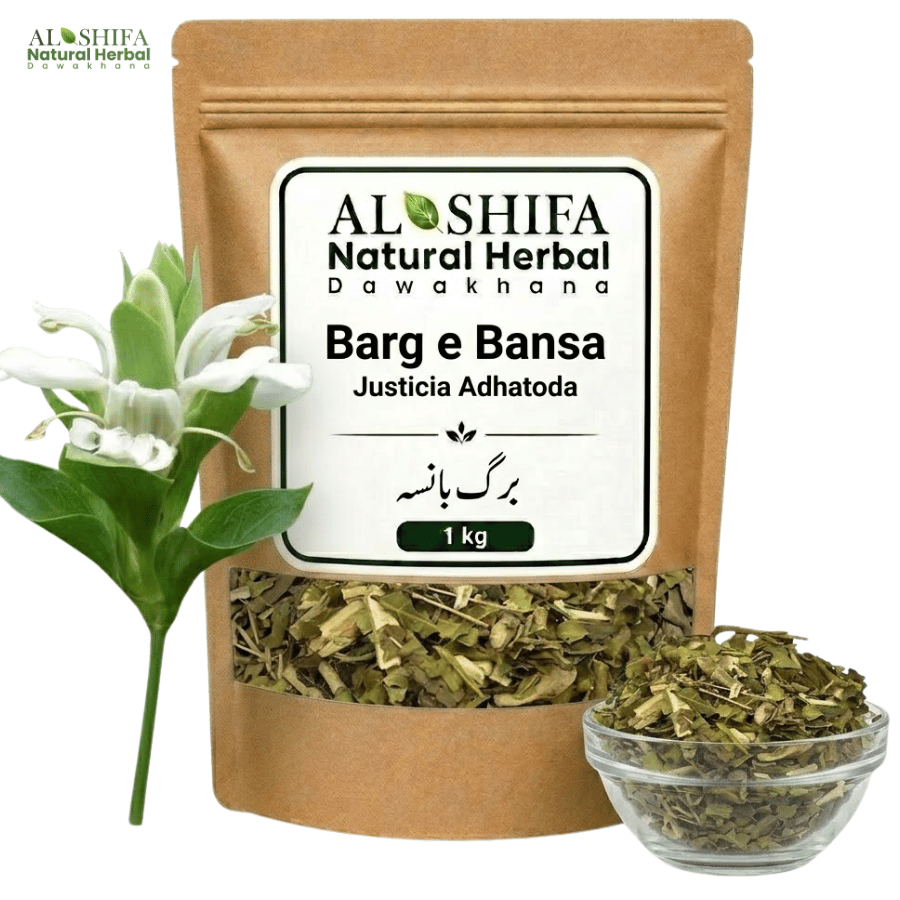
Barg e Bansa, also known as Barg e Aroosa or Vasaka Leaves, is a traditional medicinal leaf material obtained from Justicia adhatoda (also known as Adhatoda vasica). It has traditionally been used in cough-related, respiratory-wellness, throat-comfort, chest-comfort, expectorant-type and selected Unani preparations.
Al Shifa Barg e Bansa is carefully selected with attention to its traditional leaf identity, natural appearance, cleanliness, proper dryness and responsible storage.
Key Features:
Important Note: Barg e Bansa refers to the leaves of Justicia adhatoda, also widely known as Adhatoda vasica. Whole leaves and concentrated extracts are different preparations. Traditional respiratory use should not be considered treatment for serious respiratory diseases, and medicinal internal use during pregnancy requires particular caution.
Barg e Bansa, also known as Barg e Aroosa or Vasaka Leaves, is a traditional medicinal leaf material obtained from Justicia adhatoda L., a plant belonging to the Acanthaceae family. In Urdu and Unani herbal trade, it is commonly known as برگ بانسہ and برگ اڑوسہ.
Vasaka has a long history in Unani, Ayurvedic and South Asian herbal practice. Its leaves are especially known in traditional preparations associated with cough-related soothing, respiratory wellness, throat comfort, chest comfort and expectorant-type herbal formulations.
The plant contains naturally occurring quinazoline alkaloids, including vasicine and related compounds. These constituents have received scientific interest, but research involving isolated compounds, concentrated extracts or specially prepared formulations should not automatically be applied to ordinary dried Barg e Bansa leaves.
An important botanical point is that older herbal literature frequently uses the name Adhatoda vasica. The plant is now commonly accepted botanically as Justicia adhatoda L. These names are therefore often encountered for the same medicinal plant in herbal trade and literature.
At Al Shifa Natural Herbal Dawakhana, Barg e Bansa is carefully selected with attention to its traditional leaf identity, natural appearance, cleanliness, proper dryness and responsible storage.
Barg e Bansa refers specifically to the dried leaves of:
Justicia adhatoda L.
The plant is an evergreen shrub widely recognized in South Asian traditional medicine.
Its leaves are commonly:
After drying, the leaves naturally become more brittle and change from fresh green to dull green, olive-green or greenish-brown.
Product Name: Barg e Bansa / Barg e Aroosa
English Name: Vasaka Leaves / Malabar Nut Leaves
Urdu Name: برگ بانسہ / برگ اڑوسہ
Roman Name: Barg e Bansa / Barg e Aroosa / Bansa Leaves
Scientific Name: Justicia adhatoda L.
Common Botanical Synonym: Adhatoda vasica Nees
Plant Family: Acanthaceae
Plant Part: Leaves
Common Form: Whole Dried Leaves / Cut Leaves / Powder
Product Type: Traditional Medicinal Leaf Raw Material
Two scientific names are commonly encountered for Vasaka:
Justicia adhatoda L.
and
Adhatoda vasica Nees
Older herbal, Ayurvedic, Unani and scientific literature frequently uses Adhatoda vasica, while modern botanical references commonly recognize Justicia adhatoda.
For practical herbal identification, these names commonly refer to the same medicinal plant.
Dried Barg e Bansa usually consists of:
Some broken leaves are expected because properly dried leaf material becomes brittle.
Natural colour may vary according to harvesting, drying and storage.
Good-quality Barg e Bansa should generally have:
Extremely dark, damp, mouldy or heavily contaminated material should not be used.
Vasaka is one of the better-known respiratory herbs in South Asian traditional practice.
Its leaves have traditionally appeared in preparations associated with:
Its strongest traditional identity is associated with respiratory and cough-related formulations.
Barg e Bansa has a long history in traditional cough preparations.
It may be included in:
Traditional use is commonly associated with supporting comfort when cough is accompanied by mucus or throat irritation.
However:
Traditional Cough Use ≠ Proven Treatment for the Cause of Cough
Cough can result from many different conditions and should be assessed when persistent or severe.
Vasaka is particularly known in traditional medicine for its association with expectorant-type preparations.
An expectorant-type preparation is intended to support the movement or clearance of respiratory secretions.
This traditional use is one reason Vasaka appears in many herbal cough and chest formulations.
However, traditional expectorant use should not be interpreted as proof that the leaf treats infections or serious lung disease.
Barg e Bansa has traditionally been included in preparations associated with:
These uses describe its traditional role and do not establish it as a replacement for medical treatment.
Vasaka leaves may also appear in compound preparations intended for throat comfort.
Such formulations may combine Vasaka with other herbs traditionally used for:
The effect of a complete herbal formulation should not automatically be attributed to Vasaka alone.
Barg e Bansa is also traditionally included in preparations described for general chest comfort.
This should not be interpreted as evidence that it treats:
These conditions require appropriate diagnosis and management.
Justicia adhatoda leaves contain several naturally occurring plant compounds.
The best-known constituents include:
Among these, vasicine is one of the compounds most closely associated with scientific interest in Vasaka.
Vasicine is a quinazoline alkaloid naturally present in Justicia adhatoda.
Scientific research has investigated vasicine and related compounds for several biological activities.
However:
Isolated Vasicine ≠ Whole Dried Vasaka Leaf
An isolated compound can behave differently from the complete plant material.
The concentration of vasicine in crude dried leaves can also vary.
The amount of vasicine and related constituents in Vasaka can vary according to:
Ordinary dried leaves therefore should not be assumed to provide a standardized amount of active alkaloids.
Barg e Bansa can be supplied in different forms.
Whole Dried Leaves:
Allow easier examination of leaf identity and condition.
Cut Leaves:
Smaller pieces used in traditional herbal formulations.
Leaf Powder:
Finely ground dried leaf material.
Extract:
A processed preparation that may concentrate selected constituents.
Standardized Extract:
A specially prepared product designed to contain controlled levels of particular compounds.
These forms are not automatically equivalent.
Therefore:
Whole Leaf ≠ Powder ≠ Extract ≠ Standardized Extract
Justicia adhatoda has several plant parts, including:
Traditional uses and chemical composition can vary between these parts.
Barg e Bansa specifically refers to the leaves.
Therefore:
Vasaka Leaf ≠ Vasaka Root ≠ Vasaka Flower
Research involving another plant part should not automatically be applied to the dried leaves.
Whole or coarsely cut Barg e Bansa allows better examination of:
Once the material is finely powdered, many visible identification characteristics are lost.
Reliable sourcing therefore becomes more important when purchasing powdered Vasaka.
Justicia adhatoda, its extracts and compounds such as vasicine have been investigated scientifically.
Experimental studies may examine:
However:
Laboratory Activity ≠ Proven Human Treatment
and
Isolated Compound Research ≠ Effect of Ordinary Dried Leaves
Human clinical evidence and product standardization should be considered separately from traditional use.
Vasaka has a strong traditional respiratory reputation, but this does not establish it as a treatment for asthma.
Asthma can cause serious breathing difficulty and requires appropriate diagnosis and management.
Prescribed asthma medicines should not be stopped or replaced with Barg e Bansa without medical guidance.
Traditional cough and respiratory use should not be interpreted as evidence that Vasaka treats serious infections such as:
These conditions require appropriate medical diagnosis and treatment.
Herbal preparations should not delay necessary care.
Cough should be appropriately assessed when it is:
Traditional herbal use should not delay medical assessment in these situations.
Pregnancy is an important safety consideration with Vasaka.
Traditional literature and experimental information concerning Justicia adhatoda and vasicine raise concerns about possible effects on uterine activity.
For this reason, medicinal internal use during pregnancy should not be undertaken without appropriate professional guidance.
Concentrated extracts require even greater caution.
Reliable safety information regarding medicinal amounts of Vasaka during breastfeeding is limited.
Breastfeeding women should seek appropriate guidance before regular or concentrated medicinal use.
Ordinary dried leaves and concentrated extracts should not automatically be treated as equivalent.
Traditional cough formulations may contain Vasaka, but use in children should be age appropriate.
The amount and preparation suitable for an adult should not automatically be used for a child.
Children with breathing difficulty, high fever, persistent cough, dehydration, unusual sleepiness or significant weakness require medical assessment.
People with chronic medical conditions or those taking regular medicines should seek appropriate guidance before frequent medicinal use of Barg e Bansa.
This is particularly important when:
Traditional herbal products should not automatically replace prescribed treatment.
Individual sensitivity to herbal material can occur.
Discontinue use if Barg e Bansa causes significant:
Serious allergic reactions require prompt medical attention.
At Al Shifa Natural Herbal Dawakhana, Barg e Bansa is selected with attention to:
Traditional Botanical Identity – Material consistent with Justicia adhatoda.
Correct Plant Part – Attention to genuine Vasaka leaf material.
Natural Appearance – Characteristic dried leaf structure and colour.
Proper Dryness – Maintained in a suitably dry condition.
Cleanliness – Selected to minimize dust and unnecessary foreign material.
Leaf Condition – Checked for excessive moisture, mould, insects and deterioration.
Responsible Storage – Protected from moisture and unsuitable storage conditions.
Al Shifa Natural Herbal Dawakhana, established in 1999, supplies herbs and natural raw materials throughout Pakistan.
Our focus for Barg e Bansa includes:
Barg e Bansa has traditionally been included in:
The appropriate preparation and amount depend on the product form and individual circumstances.
Whole dried leaves, powder and concentrated extracts can differ considerably.
For medicinal use, follow a recognized traditional formulation or guidance from an appropriately qualified practitioner.
Barg e Bansa / Barg e Aroosa refers to the leaves of Justicia adhatoda L., also widely known by the botanical synonym Adhatoda vasica.
Important distinctions include:
Store Barg e Bansa in a cool, dry and clean place in a tightly closed container.
For responsible storage:
Do not use material showing visible mould, excessive moisture, significant insect infestation, contamination or an unpleasant rotten or musty smell.
Barg e Bansa, also known as Barg e Aroosa or Vasaka Leaves, is a traditional medicinal leaf material obtained from Justicia adhatoda L., also widely known as Adhatoda vasica, and known in Urdu as برگ بانسہ / برگ اڑوسہ.
It has traditionally been used in cough-related, respiratory-wellness, expectorant-type, throat-comfort, chest-comfort and selected Unani and Ayurvedic preparations.
Customers searching for Barg e Bansa, Barg Bansa, Barg e Aroosa, Barg Aroosa, Bansa Leaves, Aroosa Leaves, Vasaka, Vasaka Leaves, Malabar Nut, Malabar Nut Leaves, Justicia Adhatoda, Justicia Adhatoda Leaves, Adhatoda Vasica, Adhatoda Vasica Leaves, Dried Vasaka Leaves, Whole Vasaka Leaves, Pure Barg e Bansa, Original Barg e Bansa, Natural Vasaka Leaves, Barg e Bansa benefits, Barg e Bansa uses, Barg e Aroosa benefits, Vasaka benefits, Vasaka uses, Justicia Adhatoda benefits, Adhatoda Vasica benefits, Vasaka for cough, Barg e Bansa for cough, Barg e Aroosa for cough, Vasaka respiratory use, Barg e Bansa traditional uses, Barg e Bansa Unani, Vasaka Unani, Barg e Bansa Pakistan, Vasaka Leaves Pakistan, Justicia Adhatoda Pakistan, Pure Barg e Bansa Pakistan, Original Barg e Bansa Pakistan, Barg e Bansa Lahore, Vasaka Leaves Lahore, Barg e Bansa price in Pakistan, Vasaka Leaves price in Pakistan, Justicia Adhatoda price in Pakistan, buy Barg e Bansa Pakistan, buy Vasaka Leaves Pakistan, Barg e Bansa online Pakistan or Vasaka Leaves online Pakistan can choose Al Shifa Natural Herbal Dawakhana for carefully selected traditional herbal material.
Since 1999, Al Shifa Natural Herbal Dawakhana has focused on supplying herbs and natural raw materials with attention to identity, correct plant-part selection, cleanliness, proper drying, careful handling, responsible storage and clear product information.
Product Name: Barg e Bansa / Barg e Aroosa
English Name: Vasaka Leaves / Malabar Nut Leaves
Urdu Name: برگ بانسہ / برگ اڑوسہ
Roman Name: Barg e Bansa / Barg e Aroosa / Bansa Leaves
Scientific Name: Justicia adhatoda L.
Common Botanical Synonym: Adhatoda vasica Nees
Plant Family: Acanthaceae
Plant Part: Leaves
Product Type: Traditional Medicinal Leaf Raw Material
Traditional Use: Cough-related, respiratory-wellness, expectorant-type, throat-comfort, chest-comfort and selected Unani and Ayurvedic preparations
Important Note: Barg e Bansa refers specifically to Vasaka leaves. Whole leaves, powders, extracts and isolated compounds such as vasicine are not equivalent. Traditional respiratory use should not be considered proven treatment for asthma, pneumonia, tuberculosis or other serious respiratory diseases. Medicinal internal use during pregnancy requires particular caution.
برگ بانسہ جسے برگ اڑوسہ بھی کہا جاتا ہے، ایک معروف نباتاتی مفرد دوا ہے۔ یہ بانسہ کے پودے کے خشک پتے ہوتے ہیں۔ طبِ یونانی اور دیسی طبی ادویات میں اسے خاص طور پر کھانسی کی بیماری، بلغم والی کھانسی کی بیماری، گلے کے امراض، سینے کے امراض اور سانس کے امراض کے لیے استعمال کیا جاتا ہے۔
بانسہ کے پتوں میں قدرتی طور پر ایسے نباتاتی اجزاء پائے جاتے ہیں جو سانس کی نالی اور بلغم کے حوالے سے خاص اہمیت رکھتے ہیں۔ اسی وجہ سے برگ بانسہ کو کھانسی کے شربت، جوشاندے اور سینے کے لیے بنائی جانے والی کئی حکیمی ادویات میں شامل کیا جاتا ہے۔
الشفاء نیچرل ہربل دواخانہ میں برگ بانسہ منتخب کرتے وقت اس کی درست نباتاتی شناخت، پتوں کی قدرتی رنگت، اصل ساخت، صفائی اور مناسب خشک حالت کو اہمیت دی جاتی ہے۔
برگ بانسہ بانسہ کے پودے کے خشک پتوں کو کہا جاتا ہے۔
بانسہ ایک سدا بہار جھاڑی نما پودا ہے۔ اس کے پتے لمبوترے، نوک دار اور نمایاں رگوں والے ہوتے ہیں۔ پودے پر سفید سے ہلکے رنگ کے پھول نکلتے ہیں۔
خشک برگ بانسہ کی عام پہچان یہ ہے:
نام: برگ بانسہ / برگ اڑوسہ
معروف نام: بانسہ، اڑوسہ، برگ بانسہ، برگ اڑوسہ
نباتاتی نام: جسٹیشیا اڈھاٹوڈا
خاندان: ایکنتھیسی خاندان
استعمال ہونے والا حصہ: خشک پتے
قسم: نباتاتی مفرد دوا
عام شکل: لمبوترے اور نوک دار خشک پتے
عام رنگت: سبز سے بھورا مائل سبز
ذائقہ: کڑوا
بو: ہلکی نباتاتی
بانسہ ایک جھاڑی نما پودا ہے جس کے پتے طبی استعمال میں خاص اہمیت رکھتے ہیں۔
اس کی اہم نشانیاں یہ ہیں:
حکیمی استعمال کے لیے درست شناخت والے صاف اور مناسب طور پر خشک پتے منتخب کرنا ضروری ہے۔
پاکستان میں رائج حکیمی اور مفردات کی کتابوں میں برگ بانسہ کا مزاج سرد و خشک بیان کیا جاتا ہے۔
طبِ یونانی میں اسے خاص طور پر کھانسی کی بیماری، بلغم والی کھانسی کی بیماری، گلے کے امراض، سینے کے امراض اور سانس کے امراض کے لیے بنائی جانے والی حکیمی ادویات میں شامل کیا جاتا ہے۔
اسے خون کے اخراج کو کم کرنے کے لیے بنائی جانے والی حکیمی ادویات میں بھی جگہ دی جاتی ہے۔
اچھا برگ بانسہ پہچاننے کے لیے درج ذیل باتوں کا خیال رکھا جاتا ہے:
طبِ یونانی میں برگ بانسہ کے اہم افعال یہ بیان کیے جاتے ہیں:
منفث بلغم: بلغم والی کھانسی کی بیماری اور سینے کے امراض کے لیے بنائی جانے والی حکیمی ادویات میں شامل کیا جاتا ہے۔
سانس کی نالی کے لیے استعمال: سانس کے امراض اور کھانسی کی بیماری کے حکیمی نسخوں میں شامل کیا جاتا ہے۔
گلے کے لیے استعمال: گلے کے امراض اور گلے کی خراش کی بیماری کے لیے بنائی جانے والی حکیمی ادویات میں شامل کیا جاتا ہے۔
خون کے اخراج کے لیے استعمال: کھانسی کے ساتھ خون آنے اور جسم سے غیر معمولی خون کے اخراج کے لیے بنائی جانے والی حکیمی ادویات میں شامل کیا جاتا ہے۔
برگ بانسہ کا سب سے معروف استعمال کھانسی کی بیماری کے لیے بنائی جانے والی حکیمی ادویات میں ہے۔
اسے خاص طور پر ایسی کھانسی میں استعمال ہونے والے نسخوں میں شامل کیا جاتا ہے جہاں سینے میں بلغم موجود ہو۔
اگر کھانسی کی بیماری تین ہفتے سے زیادہ جاری رہے، سانس پھولے، تیز بخار ہو یا کھانسی کے ساتھ خون آئے تو معالج سے چیک کروائیں۔
برگ بانسہ کو بلغم والی کھانسی کی بیماری کے لیے بنائی جانے والی حکیمی ادویات میں خاص اہمیت حاصل ہے۔
اس کے قدرتی نباتاتی اجزاء سانس کی نالی اور بلغم پر اپنے اثرات کی وجہ سے معروف ہیں۔
اسے سینے میں جمع گاڑھے بلغم کو نرم کرنے اور خارج کرنے کے لیے بنائے جانے والے حکیمی شربتوں اور جوشاندوں میں شامل کیا جاتا ہے۔
برگ بانسہ کو خشک کھانسی کی بیماری کے لیے بنائی جانے والی مرکب حکیمی ادویات میں بھی شامل کیا جا سکتا ہے۔
خشک کھانسی میں اسے نرم تاثیر رکھنے والے مفردات کے ساتھ استعمال کیا جاتا ہے۔
اگر خشک کھانسی کی بیماری مسلسل موجود ہو یا رات کے وقت بہت زیادہ بڑھ جائے تو معالج سے چیک کروائیں۔
برگ بانسہ کو نزلہ کی بیماری کے ساتھ ہونے والی کھانسی اور سینے میں بلغم کے لیے بنائی جانے والی حکیمی ادویات میں شامل کیا جاتا ہے۔
اگر نزلہ کی بیماری کئی دن برقرار رہے اور ساتھ تیز بخار یا سانس لینے میں مشکل ہو تو معالج سے چیک کروائیں۔
برگ بانسہ کو زکام کی بیماری کے دوران ہونے والی کھانسی اور سینے کی رطوبت کے لیے بنائے جانے والے حکیمی نسخوں میں شامل کیا جا سکتا ہے۔
اگر زکام کی بیماری کے ساتھ سینے میں شدید درد یا سانس پھولنے کی شکایت ہو تو معالج سے چیک کروائیں۔
برگ بانسہ کو گلے کے امراض کے لیے بنائی جانے والی حکیمی ادویات میں شامل کیا جاتا ہے۔
خاص طور پر کھانسی کے ساتھ گلے میں خراش، رطوبت اور بے آرامی کے لیے بنائے جانے والے شربتوں میں اسے شامل کیا جا سکتا ہے۔
برگ بانسہ کو گلے کی خراش کی بیماری کے لیے بنائے جانے والے حکیمی شربت اور جوشاندے میں شامل کیا جاتا ہے۔
اگر گلے کی خراش کی بیماری کے ساتھ نگلنے میں شدید مشکل، گردن میں سوجن یا تیز بخار ہو تو معالج سے چیک کروائیں۔
برگ بانسہ کو سینے کے امراض کے لیے بنائی جانے والی حکیمی ادویات میں خاص اہمیت حاصل ہے۔
اسے خاص طور پر سینے میں بلغم، کھانسی اور سانس کی نالی میں رطوبت کے لیے استعمال ہونے والے حکیمی نسخوں میں شامل کیا جاتا ہے۔
اگر سینے کے امراض میں شدید درد، سانس کی بہت زیادہ کمی یا تیز بخار ہو تو معالج سے چیک کروائیں۔
برگ بانسہ کو سانس کے امراض کے لیے بنائی جانے والی مرکب حکیمی ادویات میں شامل کیا جاتا ہے۔
اس کے قدرتی نباتاتی اجزاء سانس کی نالی پر اپنے اثرات کی وجہ سے تحقیق کا موضوع بھی رہے ہیں۔
اگر سانس لینے میں واضح دشواری ہو تو صرف قہوہ، شربت یا جوشاندہ استعمال کرنے کے بجائے معالج سے چیک کروائیں۔
برگ بانسہ کو دمہ کی بیماری کے لیے مقررہ ادویات کا متبادل نہ سمجھیں۔
دمہ کی بیماری میں اگر سانس کی تنگی، گھرگھراہٹ یا سینے کی جکڑن بڑھ رہی ہو تو مقررہ ادویات خود سے بند نہ کریں اور معالج سے چیک کروائیں۔
برگ بانسہ کو برونکائٹس کی بیماری میں کھانسی اور بلغم کے لیے بنائی جانے والی حکیمی ادویات میں شامل کیا جا سکتا ہے۔
اگر برونکائٹس کی بیماری میں تیز بخار، سانس پھولنا یا سینے میں شدید درد موجود ہو تو معالج سے چیک کروائیں۔
طبِ یونانی میں برگ بانسہ کو کھانسی کے ساتھ خون آنے کے لیے بنائی جانے والی حکیمی ادویات میں شامل کیا جاتا ہے۔
لیکن کھانسی کے ساتھ خون آنا اہم علامت ہے۔
اگر کھانسی کے ساتھ خون آئے تو صرف حکیمی نسخہ استعمال کرنے کے بجائے معالج سے چیک کروائیں۔
برگ بانسہ کو ناک سے خون آنے کی بیماری کے لیے بنائی جانے والی حکیمی ادویات میں بھی شامل کیا جاتا ہے۔
اگر ناک سے خون بار بار آئے، زیادہ مقدار میں آئے یا آسانی سے بند نہ ہو تو معالج سے چیک کروائیں۔
برگ بانسہ کو زیادہ ماہواری آنے کی بیماری کے لیے بنائی جانے والی حکیمی ادویات میں شامل کیا جا سکتا ہے۔
اگر ماہواری میں خون بہت زیادہ آئے، بڑے لوتھڑے آئیں، چکر یا شدید کمزوری محسوس ہو تو معالج سے چیک کروائیں۔
برگ بانسہ کو خون کے اخراج کو کم کرنے کے لیے بنائے جانے والے حکیمی نسخوں میں شامل کیا جاتا ہے، اسی لیے اسے خونی بواسیر کی بیماری کی حکیمی ادویات میں بھی شامل کیا جا سکتا ہے۔
اگر بواسیر کی بیماری میں مسلسل یا زیادہ خون آئے تو معالج سے چیک کروائیں۔
برگ بانسہ کو کھانسی اور سانس کی شکایت کے ساتھ ہونے والی بخار کی بیماری کے حکیمی نسخوں میں شامل کیا جا سکتا ہے۔
اگر بخار کی بیماری کئی دن جاری رہے یا بہت تیز ہو تو معالج سے چیک کروائیں۔
برگ بانسہ میں کئی اہم قدرتی نباتاتی اجزاء پائے جاتے ہیں، جن میں شامل ہیں:
ان میں واسی سین اور واسی سینون برگ بانسہ کے زیادہ معروف قدرتی اجزاء ہیں۔
واسی سین بانسہ کے پتوں میں پایا جانے والا اہم قدرتی نباتاتی جز ہے۔
اس پر سانس کی نالی، بلغم اور کھانسی کے حوالے سے تحقیق کی گئی ہے۔
اسی وجہ سے بانسہ کے پتوں کو کھانسی اور سینے کے لیے بنائی جانے والی کئی نباتاتی ادویات میں شامل کیا جاتا ہے۔
واسی سینون بھی بانسہ کے اہم نباتاتی اجزاء میں شامل ہے۔
یہ واسی سین کے ساتھ بانسہ کے پتے کی نباتاتی خصوصیات میں کردار ادا کرتا ہے۔
خشک پتے میں یہ اجزاء پورے نباتاتی حصے کے ساتھ موجود ہوتے ہیں، اس لیے خشک برگ بانسہ اور الگ کیے گئے گاڑھے نباتاتی اجزاء کو ایک جیسا نہیں سمجھنا چاہیے۔
مکمل برگ بانسہ:
مکمل خشک پتے میں اصل شکل، رگیں، قدرتی رنگت اور صفائی دیکھنا آسان ہوتا ہے۔
برگ بانسہ کا سفوف:
پسا ہوا برگ بانسہ حکیمی ادویات میں شامل کرنا آسان ہوتا ہے، لیکن سفوف میں اصل پتے کی شناخت دیکھنا مشکل ہو جاتی ہے۔
ضرورت کے مطابق صاف خشک برگ بانسہ کو تازہ باریک کرنا بہتر ہے۔
برگ بانسہ کو قہوے کی شکل میں استعمال کیا جا سکتا ہے۔
اسے کھانسی کی بیماری، بلغم والی کھانسی کی بیماری، گلے کے امراض اور سینے کے امراض کے لیے بنائے جانے والے حکیمی قہووں میں شامل کیا جاتا ہے۔
قہوے کی طبی مقدار عمر اور جسمانی حالت کے مطابق مقرر کی جاتی ہے۔
برگ بانسہ کو جوشاندے میں بھی شامل کیا جاتا ہے۔
اسے کھانسی، بلغم اور سینے کے لیے استعمال ہونے والے دوسرے مناسب مفردات کے ساتھ ملا کر حکیمی ادویات میں استعمال کیا جا سکتا ہے۔
بہت گاڑھا جوشاندہ یا بڑی مقدار خود سے استعمال نہ کریں۔
برگ بانسہ اور گل زوفہ دونوں کو کھانسی کی بیماری اور سینے کے امراض کے لیے بنائی جانے والی حکیمی ادویات میں استعمال کیا جاتا ہے، لیکن دونوں الگ نباتات ہیں۔
برگ بانسہ بانسہ کے پودے کے خشک پتے ہیں۔
گل زوفہ زوفہ کے خوشبودار پھول دار حصے ہیں۔
دونوں کی نباتاتی شناخت، قدرتی اجزاء اور حکیمی استعمال کی صورت ایک جیسی نہیں ہوتی۔
خواتین برگ بانسہ کی بڑی طبی مقدار خود سے استعمال نہ کریں۔
خاص طور پر زیادہ ماہواری آنے کی بیماری یا خون کے اخراج کی شکایت میں اصل وجہ معلوم کرنا ضروری ہے۔
اگر خون زیادہ آ رہا ہو یا کمزوری اور چکر محسوس ہوں تو معالج سے چیک کروائیں۔
حاملہ خواتین برگ بانسہ کی طبی مقدار خود سے استعمال نہ کریں۔
بانسہ کے اہم نباتاتی اجزاء کے رحم پر اثرات کے حوالے سے معلومات موجود ہیں، اس لیے حمل کے دوران اس کا اندرونی طبی استعمال خاص احتیاط چاہتا ہے۔
اگر حمل کے دوران کھانسی کی بیماری، زکام کی بیماری، گلے کے امراض یا سانس کے امراض موجود ہوں تو مناسب دوا معالج سے معلوم کریں۔
دودھ پلانے والی خواتین برگ بانسہ کی بڑی طبی مقدار خود سے استعمال نہ کریں۔
دودھ پلانے کے دوران طبی مقدار اور استعمال کی مدت معالج سے معلوم کریں۔
بچوں کو برگ بانسہ کی بڑی طبی مقدار خود سے نہ دیں۔
اگر بچے میں کھانسی کی بیماری، بخار کی بیماری یا سانس کے امراض مسلسل موجود ہوں تو معالج سے چیک کروائیں۔
بچے کو سانس لینے میں واضح دشواری ہو تو فوری طبی توجہ ضروری ہے۔
بزرگ افراد میں برگ بانسہ کی طبی مقدار جسمانی حالت کے مطابق ہونی چاہیے۔
اگر دل کے امراض، جگر کی بیماری، گردوں کی بیماری یا سانس کے امراض موجود ہوں تو بڑی طبی مقدار خود سے استعمال نہ کریں۔
جگر کی بیماری والے افراد برگ بانسہ کی بڑی طبی مقدار یا کئی مفردات والی حکیمی ادویات خود سے استعمال نہ کریں۔
اگر جگر کی بیماری کی مستقل ادویات استعمال ہو رہی ہوں تو معالج کو بتائیں۔
گردوں کی بیماری والے افراد برگ بانسہ کی بڑی طبی مقدار خود سے استعمال نہ کریں۔
اگر گردوں کی بیماری کی مستقل ادویات استعمال ہو رہی ہوں تو مناسب مقدار معالج سے معلوم کریں۔
اگر دل کے امراض، خون جمنے کے امراض یا فالج کی بیماری کی وجہ سے خون پتلا کرنے والی ادویات استعمال ہو رہی ہوں تو برگ بانسہ کی بڑی طبی مقدار خود سے شروع نہ کریں۔
خون آنے کی شکایت کی صورت میں معالج سے چیک کروائیں۔
اگر کوئی شخص سانس کے امراض، دل کے امراض، جگر کی بیماری، گردوں کی بیماری یا خون جمنے کے امراض کی مستقل ادویات استعمال کر رہا ہو تو برگ بانسہ کی بڑی طبی مقدار خود سے شروع نہ کرے۔
مستقل ادویات خود سے بند یا تبدیل نہ کریں۔
برگ بانسہ یا اس کے نباتاتی اجزاء سے حساس افراد میں جسمانی ردعمل پیدا ہو سکتا ہے۔
اگر استعمال کے بعد:
پیدا ہو تو استعمال بند کریں اور معالج سے چیک کروائیں۔
برگ بانسہ کی بہت زیادہ مقدار خود سے استعمال نہ کریں۔
زیادہ استعمال سے:
پیدا ہو سکتی ہے۔
اگر علامات شدید یا مسلسل ہوں تو معالج سے چیک کروائیں۔
برگ بانسہ کے مصلح اور بدل کا انتخاب بیماری، جسمانی حالت اور حکیمی نسخے کے مطابق کیا جاتا ہے۔
کھانسی اور بلغم کے لیے استعمال ہونے والا ہر نباتاتی مفرد برگ بانسہ کا مکمل بدل نہیں ہوتا۔
مناسب مصلح اور بدل مستند حکیم سے معلوم کریں۔
برگ بانسہ کو حکیمی ادویات میں:
استعمال کیا جاتا ہے۔
مقدار عمر، جسمانی حالت، بیماری اور استعمال کی شکل کے مطابق مقرر کی جاتی ہے۔
بچوں، حاملہ خواتین، دودھ پلانے والی خواتین، بزرگ افراد اور دل، جگر یا گردوں کی بیماری والے افراد طبی مقدار خود سے مقرر نہ کریں۔
برگ بانسہ / برگ اڑوسہ ایک معروف نباتاتی مفرد دوا ہے جسے طبِ یونانی میں خاص طور پر کھانسی کی بیماری، بلغم والی کھانسی کی بیماری، گلے کے امراض، سینے کے امراض اور سانس کے امراض کے لیے بنائی جانے والی حکیمی ادویات میں شامل کیا جاتا ہے۔
حمل کے دوران برگ بانسہ کا اندرونی طبی استعمال خود سے نہ کریں۔
اگر کھانسی کے ساتھ خون آئے، سانس لینے میں شدید دشواری ہو، سینے میں شدید درد ہو یا تیز بخار کئی دن جاری رہے تو معالج سے چیک کروائیں۔
الشفاء نیچرل ہربل دواخانہ میں برگ بانسہ منتخب کرتے وقت درج ذیل باتوں کا خیال رکھا جاتا ہے:
درست نباتاتی شناخت: اصل بانسہ کے پتوں کی شناخت کو خاص اہمیت دی جاتی ہے۔
قدرتی رنگت: سبز سے بھورا مائل سبز قدرتی رنگت دیکھی جاتی ہے۔
پتوں کی اصل ساخت: لمبوترے، نوک دار اور نمایاں رگوں والے پتوں کو اہمیت دی جاتی ہے۔
مناسب خشک حالت: پتوں میں غیر ضروری نمی نہیں ہونی چاہیے۔
صاف ستھری حالت: مٹی، گرد، کیڑوں اور پھپھوندی سے پاک حالت کو اہمیت دی جاتی ہے۔
غیر ضروری ملاوٹ سے پاک: غیر ضروری شاخوں، گھاس اور مشابہ پتوں کی ملاوٹ سے پاک مال منتخب کرنے کو اہمیت دی جاتی ہے۔
الشفاء نیچرل ہربل دواخانہ سنہ ۱۹۹۹ سے قدرتی جڑی بوٹیوں، پتوں اور حکیمی مفردات کی سپلائی کر رہا ہے۔
ہم برگ بانسہ کی درست نباتاتی شناخت، پتوں کی قدرتی رنگت، اصل ساخت، صفائی اور مناسب خشک حالت کو اہمیت دیتے ہیں۔
خشک طبی پتوں میں درست شناخت، مناسب خشک حالت اور غیر ضروری ملاوٹ سے پاک ہونا معیار کی اہم نشانیاں ہیں۔
برگ بانسہ کو ٹھنڈی، خشک اور صاف جگہ پر کسی جار میں اچھی طرح پیک کر کے رکھیں۔
اگر برگ بانسہ میں پھپھوندی، کیڑے، غیر ضروری نمی یا خراب بو پیدا ہو جائے تو اسے استعمال نہ کریں۔
برگ بانسہ / برگ اڑوسہ پاکستان میں کھانسی اور سانس کے لیے استعمال ہونے والا معروف نباتاتی مفرد ہے۔ اسے خاص طور پر کھانسی کی بیماری، بلغم والی کھانسی کی بیماری، گلے کے امراض، سینے کے امراض اور سانس کے امراض کے لیے بنائی جانے والی حکیمی ادویات، شربتوں اور جوشاندوں میں شامل کیا جاتا ہے۔
اگر آپ برگ بانسہ، برگ اڑوسہ، بانسہ کے پتے، اڑوسہ کے پتے، خالص برگ بانسہ، اصل برگ بانسہ، برگ بانسہ کے فوائد، برگ بانسہ کے استعمال، برگ بانسہ پاکستان، برگ بانسہ لاہور، برگ بانسہ کی قیمت، برگ بانسہ آن لائن یا برگ بانسہ خریدیں تلاش کر رہے ہیں تو الشفاء نیچرل ہربل دواخانہ درست نباتاتی شناخت، قدرتی رنگت، صفائی اور مناسب خشک حالت کو اہمیت دیتا ہے۔
نام: برگ بانسہ / برگ اڑوسہ
معروف نام: بانسہ، اڑوسہ، برگ بانسہ، برگ اڑوسہ
نباتاتی نام: جسٹیشیا اڈھاٹوڈا
خاندان: ایکنتھیسی خاندان
استعمال ہونے والا حصہ: خشک پتے
قسم: نباتاتی مفرد دوا
مزاج: سرد و خشک
عام شکل: لمبوترے اور نوک دار خشک پتے
عام رنگت: سبز سے بھورا مائل سبز
ذائقہ: کڑوا
بو: ہلکی نباتاتی
اہم قدرتی اجزاء: واسی سین، واسی سینون، واسی سینول، کوئنازولین قسم کے نباتاتی اجزاء، فلیوونائڈز، فینول والے نباتاتی اجزاء، ٹینن اور نباتاتی ریشہ۔
اہم حکیمی استعمال: کھانسی کی بیماری، بلغم والی کھانسی کی بیماری، گلے کے امراض، سینے کے امراض اور سانس کے امراض کے لیے بنائی جانے والی حکیمی ادویات میں شامل کیا جاتا ہے۔
اہم احتیاط: حاملہ خواتین برگ بانسہ کی طبی مقدار خود سے استعمال نہ کریں۔ بچوں، دودھ پلانے والی خواتین، بزرگ افراد اور دل، جگر یا گردوں کی بیماری والے افراد طبی مقدار مستند معالج سے معلوم کریں۔ کھانسی کے ساتھ خون یا سانس لینے میں شدید دشواری کی صورت میں معالج سے چیک کروائیں۔