
Oud Hindi,Aquilaria agallocha
Contact for Price
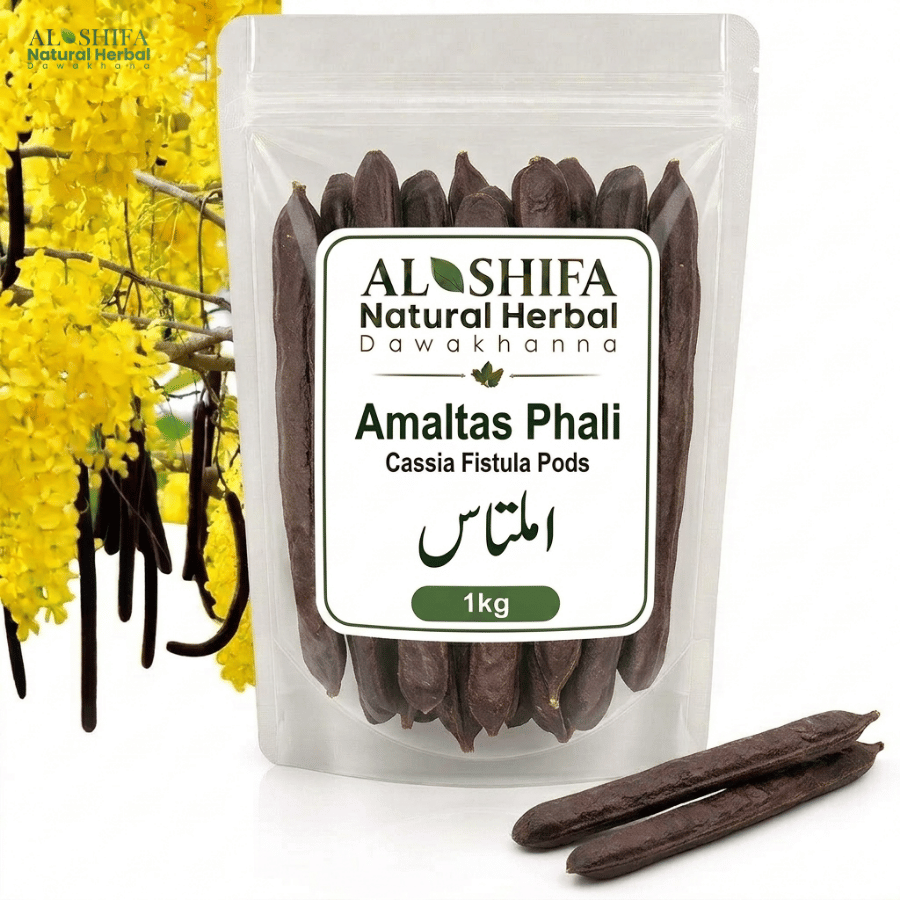
Amaltas Phali, commonly known as Cassia Fistula Pods or Golden Shower Tree Pods, is the mature fruit of Cassia fistula. Its dark inner pulp has traditionally been used in bowel-related, occasional constipation, stool-softening, digestive and selected Unani preparations.
Al Shifa Amaltas Phali is carefully selected with attention to its botanical identity, mature pod appearance, natural pulp, cleanliness, proper dryness and responsible storage.
Key Features:
Important Note: Whole Amaltas pods, inner pulp and seeds are different materials; the pulp is most associated with traditional bowel use. Excessive or prolonged laxative use may cause diarrhoea, dehydration and electrolyte imbalance and should be avoided.
Amaltas Phali, commonly known as Cassia Fistula Pods, Golden Shower Pods or Indian Laburnum Pods, is the dried fruit of Cassia fistula L., a well-known tree belonging to the Fabaceae family. In Urdu herbal trade, it is commonly known as املتاس or املتاس پھلی.
Cassia fistula is easily recognized by its beautiful hanging clusters of bright yellow flowers and its long, dark cylindrical pods. These mature pods contain numerous seeds surrounded by a naturally dark, sticky pulp.
In traditional Unani, Ayurvedic and South Asian herbal practice, the pod pulp has been especially valued in preparations associated with bowel movement, constipation-related wellness, digestive comfort and selected compound herbal formulations.
The whole pod, pod shell, seeds and inner pulp are different parts of the fruit. Traditional medicinal references to Amaltas often relate particularly to the dark pulp found inside mature pods, so these parts should not automatically be treated as interchangeable.
At Al Shifa Natural Herbal Dawakhana, Amaltas Phali is carefully selected with attention to its botanical identity, mature pod characteristics, natural appearance, cleanliness, proper dryness and responsible storage.
Amaltas Phali is the mature dried fruit of:
Cassia fistula L.
The tree is widely known for its striking yellow flowers and long hanging pods.
As the fruit matures, the pod becomes dark brown to almost black and develops a hard outer shell.
Inside the mature pod are:
The pulp is the part most strongly associated with the traditional bowel-related use of Amaltas.
Product Name: Amaltas Phali
English Name: Cassia Fistula Pods / Golden Shower Tree Pods
Urdu Name: املتاس / املتاس پھلی
Roman Name: Amaltas / Amaltas Phali
Scientific Name: Cassia fistula L.
Plant Family: Fabaceae
Plant Part: Mature Fruit Pods; traditional preparations commonly use the inner pulp
Common Form: Whole Dried Pods / Pod Pieces / Separated Pulp
Product Type: Traditional Medicinal Fruit Material
Mature Cassia fistula pods are highly distinctive.
They generally have:
Pod length and thickness can naturally vary according to the tree, growing conditions and maturity.
Cassia fistula is famous for its bright yellow flowers.
However, the flowers and mature pods are separate plant materials.
Therefore:
Amaltas Flowers ≠ Amaltas Pods
and
Amaltas Pods ≠ Amaltas Pulp Alone
Different plant parts can contain different natural constituents and may have different traditional applications.
This distinction is particularly important for Amaltas.
A mature pod contains:
Traditional bowel-related use is associated mainly with the pulp surrounding the seeds rather than treating every part of the pod as identical.
Therefore:
Whole Pod ≠ Inner Pulp ≠ Seeds
Product descriptions and traditional preparations should identify which material is actually being used.
Good-quality mature Amaltas Phali should generally have:
Broken pods can still be genuine material, but intact or larger pieces make botanical examination easier.
Amaltas has a long history in South Asian traditional medicine.
The mature fruit pulp has traditionally appeared in preparations associated with:
These traditional uses do not mean that Amaltas is appropriate for every cause of constipation or abdominal discomfort.
The best-known traditional use of Amaltas fruit pulp is in bowel-related preparations.
It has historically been used when a formulation is intended to support:
Its traditional role is often described as a mild laxative or bowel-opening ingredient.
However, the effect can depend on the preparation, amount, individual response and the actual part of the fruit used.
Amaltas pulp has a particularly long history in preparations for occasional constipation.
Constipation can have many causes, including:
For this reason, repeated constipation should not automatically be managed by continuing laxative herbs without identifying the underlying cause.
The dark pulp inside mature Cassia fistula pods has traditionally been incorporated into formulations intended to help make bowel movements easier.
This traditional use should be distinguished from claims that the herb treats bowel disease.
Amaltas does not replace medical evaluation for persistent constipation, severe abdominal symptoms or unexplained changes in bowel habits.
Amaltas may also appear in compound digestive preparations.
Its role in these formulas may relate mainly to bowel movement rather than acting as a general digestive tonic.
Traditional formulations can combine Amaltas with other herbs selected for:
The properties of a complete compound formulation should not automatically be attributed to Amaltas alone.
Cassia fistula fruits contain a variety of naturally occurring plant substances.
Reported constituent groups include:
The exact composition can vary according to:
Cassia species are often discussed in relation to naturally occurring anthraquinone-related compounds.
These compounds can be relevant to bowel activity in some plants and preparations.
However:
Cassia Fistula ≠ Every Cassia or Senna Product
and
Whole Amaltas Pod ≠ Purified Laxative Compound
The amount and type of active constituents depend on the species, plant part and preparation.
Amaltas belongs to the same broad plant family as several other well-known medicinal plants, but it should not automatically be confused with Senna.
Amaltas: Cassia fistula
Common Medicinal Senna: Senna alexandrina and related commercial Senna material
Although both have histories of bowel-related use, they are different botanical products.
Their leaves, fruits and constituent profiles should not automatically be considered equivalent.
The word “Cassia” can also create confusion with Cassia cinnamon.
Cassia fistula is a flowering tree in the Fabaceae family.
Cassia cinnamon comes from Cinnamomum species in the Lauraceae family.
Therefore:
Cassia Fistula Pods ≠ Cassia Cinnamon
They are completely different botanical materials.
Amaltas can be supplied in several forms.
Whole Pod:
Contains the pod wall, internal compartments, seeds and pulp.
Separated Pulp:
The dark fruit material traditionally associated most strongly with bowel-related preparations.
Powder:
May consist of a particular processed plant part depending on the product.
Extract:
A concentrated processed preparation containing selected soluble constituents.
These forms should not automatically be considered interchangeable.
Whole or large pieces of Amaltas Phali allow better examination of:
Finely processed material has fewer visible identification characteristics.
Reliable sourcing is therefore especially important when purchasing powdered or processed Amaltas.
Traditional use provides historical information about how Cassia fistula has been used.
It does not establish treatment for:
Persistent or severe bowel symptoms require appropriate medical assessment.
Amaltas should be used responsibly when taken for medicinal purposes.
Internal use should consider:
Excessive use of bowel-stimulating or laxative preparations can cause unwanted gastrointestinal effects.
Using too much of a laxative preparation can lead to:
Repeated or prolonged laxative use without identifying the cause of constipation is not recommended.
Amaltas bowel-related preparations should generally be avoided when a person already has diarrhoea unless specifically advised by a qualified practitioner.
Significant diarrhoea can lead to dehydration.
Warning signs can include:
Severe or persistent symptoms require medical attention.
Do not rely on laxative herbs when there is:
These symptoms can require urgent medical assessment.
A person with suspected intestinal blockage should not self-use laxative preparations.
Symptoms such as severe abdominal pain, vomiting, marked abdominal swelling and inability to pass stool or gas require prompt medical attention.
Increasing bowel stimulation in such situations can be inappropriate.
Pregnant or breastfeeding women should seek appropriate professional guidance before medicinal use of Amaltas for constipation.
Constipation is common during pregnancy, but treatment should consider:
Concentrated or repeated laxative use should not be self-directed.
Amaltas should not automatically be given to children for constipation without age-appropriate guidance.
Constipation in children can result from diet, hydration, toilet habits, medicines or medical conditions.
Persistent constipation, abdominal pain, vomiting, blood in stool or poor growth requires professional assessment.
People with chronic digestive conditions or those taking regular medicines should seek appropriate guidance before medicinal use.
Extra caution is sensible for people using:
Persistent constipation can also be a side effect of certain medicines and should be discussed with an appropriate healthcare professional.
At Al Shifa Natural Herbal Dawakhana, Amaltas Phali is selected with attention to:
Botanical Identity – Material consistent with Cassia fistula.
Mature Pod Characteristics – Recognizable long, dark cylindrical fruit.
Correct Plant Material – Attention to mature fruit pods and their characteristic internal structure.
Natural Appearance – Typical mature pod colour and texture.
Proper Dryness – Maintained in a suitably dry condition.
Cleanliness – Selected to minimize dust, soil and unnecessary foreign material.
Pod Condition – Checked for excessive moisture, mould, insects and deterioration.
Al Shifa Natural Herbal Dawakhana, established in 1999, supplies traditional herbs and natural raw materials throughout Pakistan.
Our focus for Amaltas Phali includes:
Amaltas fruit pulp has traditionally been included in bowel-related, occasional constipation, stool-softening, digestive and selected compound Unani preparations.
The appropriate preparation and amount depend on:
Because excessive laxative use can cause diarrhoea, dehydration and electrolyte disturbance, medicinal use should follow a recognized formulation or guidance from an appropriately qualified practitioner.
Long-term self-directed laxative use should be avoided.
Amaltas Phali is the mature fruit of Cassia fistula, and its dark inner pulp is the part most strongly associated with traditional bowel-related use.
Important distinctions include:
Store Amaltas Phali in a cool, dry and clean place in a tightly closed container.
For responsible storage:
Do not use material showing visible mould, excessive moisture, significant insect infestation, contamination or an unusual rotten smell.
Amaltas Phali, commonly known as Cassia Fistula Pods or Golden Shower Tree Pods, is the mature fruit of Cassia fistula, known in Urdu as املتاس / املتاس پھلی.
Its dark inner pulp has traditionally been included in bowel-related, occasional constipation, stool-softening, digestive and selected Unani preparations. Correct identification of the fruit and distinction between the whole pod, pulp and seeds are important when selecting Amaltas.
Customers searching for Amaltas, Amaltas Phali, Cassia Fistula Pods, Cassia Fistula Fruit, Golden Shower Pods, Golden Shower Tree Pods, Indian Laburnum Pods, Cassia fistula, dried Amaltas, whole Amaltas pods, Amaltas pulp, pure Amaltas, original Amaltas, natural Amaltas, Amaltas benefits, Amaltas uses, Amaltas Phali benefits, Amaltas Phali uses, Cassia Fistula benefits, Cassia Fistula uses, Amaltas traditional uses, Amaltas bowel use, Amaltas constipation use, Amaltas digestive use, Amaltas Unani, Cassia Fistula Pakistan, Amaltas Pakistan, pure Amaltas Pakistan, original Amaltas Pakistan, Amaltas Lahore, Amaltas price in Pakistan, Amaltas Phali price in Pakistan, Cassia Fistula Pods price in Pakistan, buy Amaltas Pakistan, buy Amaltas Phali Pakistan, Amaltas online Pakistan or Cassia Fistula Pods online Pakistan can choose Al Shifa Natural Herbal Dawakhana for carefully selected traditional fruit material.
Since 1999, Al Shifa Natural Herbal Dawakhana has focused on supplying traditional herbs and natural raw materials with attention to identity, maturity, cleanliness, proper drying, careful handling, responsible storage and clear product information.
Product Name: Amaltas Phali
English Name: Cassia Fistula Pods / Golden Shower Tree Pods
Urdu Name: املتاس / املتاس پھلی
Roman Name: Amaltas / Amaltas Phali
Scientific Name: Cassia fistula L.
Plant Family: Fabaceae
Plant Part: Mature Fruit Pods; traditional preparations commonly use the inner pulp
Product Type: Traditional Medicinal Fruit Material
Traditional Use: Bowel wellness, occasional constipation-related preparations, stool-softening, digestive comfort and selected compound Unani formulations
Important Note: The whole Amaltas pod, inner pulp and seeds are different materials. The pulp is most strongly associated with traditional bowel-related use. Excessive or prolonged laxative use should be avoided, and persistent constipation, severe abdominal pain, vomiting, blood in stool or suspected intestinal obstruction requires appropriate medical assessment.
املتاس ایک معروف درخت ہے جس کے خوبصورت زرد پھول اور لمبی گہری بھوری پھلیاں اس کی خاص پہچان ہیں۔ طبِ یونانی اور دیسی طبی ادویات میں اس کی پکی ہوئی پھلی کے اندر موجود نرم، گہرا بھورا سے سیاہی مائل گودا خاص اہمیت رکھتا ہے۔
حکیمی استعمال میں املتاس پھلی کو خاص طور پر قبض کی بیماری، بواسیر کی بیماری، معدے اور آنتوں کے امراض، بخار کی بیماری اور جلد کے امراض کے لیے بنائی جانے والی ادویات میں شامل کیا جاتا ہے۔ اس کا سب سے معروف استعمال قبض کی بیماری میں نرم ملین کے طور پر ہے۔
املتاس کی پوری سخت پھلی براہِ راست کھانے کے لیے استعمال نہیں کی جاتی۔ حکیمی استعمال میں پھلی کے اندر موجود گودا زیادہ اہم ہوتا ہے۔
الشفاء نیچرل ہربل دواخانہ میں املتاس پھلی منتخب کرتے وقت اس کی درست نباتاتی شناخت، پختہ پھلی، قدرتی رنگت، اندر موجود گودے کی حالت، صفائی اور مناسب خشک حالت کو اہمیت دی جاتی ہے۔
املتاس درمیانے سے بڑے قد کا درخت ہے۔ موسم میں اس پر شوخ زرد پھول بڑی تعداد میں کھلتے ہیں۔ پھول ختم ہونے کے بعد لمبی بیلن نما پھلیاں بنتی ہیں۔
پکنے پر پھلی کا بیرونی حصہ گہرا بھورا یا تقریباً سیاہ ہو جاتا ہے۔
پھلی کے اندر کئی خانے ہوتے ہیں۔ ان خانوں میں بیج اور گہرا چپچپا گودا موجود ہوتا ہے۔
اس کی عام پہچان یہ ہے:
نام: املتاس
معروف نام: املتاس، املتاس پھلی
نباتاتی نام: کیسیا فسچولا
خاندان: فیبیسی خاندان
استعمال ہونے والا حصہ: پکی پھلی کا اندرونی گودا
قسم: نباتاتی مفرد دوا
عام شکل: لمبی بیلن نما سخت پھلی
عام رنگت: بیرونی حصہ گہرا بھورا سے سیاہی مائل، اندرونی گودا گہرا بھورا
ذائقہ: قدرے میٹھا
بو: ہلکی مخصوص نباتاتی
املتاس کا درخت اپنے زرد پھولوں کی وجہ سے آسانی سے پہچانا جاتا ہے۔
اس کی اہم نشانیاں یہ ہیں:
حکیمی استعمال کے لیے مکمل پکی اور درست شناخت والی پھلی اہم ہے۔
پاکستان میں رائج حکیمی اور مفردات کی کتابوں میں املتاس کے گودے کا مزاج گرم و تر درجہ اول بیان کیا جاتا ہے۔
اسے خاص طور پر نرم ملین مفرد کے طور پر قبض کی بیماری اور آنتوں کے لیے بنائی جانے والی حکیمی ادویات میں شامل کیا جاتا ہے۔
مقدار مریض کی عمر، جسمانی حالت، قبض کی شدت اور استعمال ہونے والی ادویات کے مطابق مقرر کی جاتی ہے۔
اچھا املتاس پھلی پہچاننے کے لیے درج ذیل باتیں دیکھی جاتی ہیں:
طبِ یونانی میں املتاس کے اہم افعال یہ بیان کیے جاتے ہیں:
ملین: قبض کی بیماری میں پاخانہ نرم کرنے کے لیے استعمال ہونے والی حکیمی ادویات میں شامل کیا جاتا ہے۔
آنتوں کے لیے استعمال: معدے اور آنتوں کے امراض کے حکیمی نسخوں میں شامل کیا جاتا ہے۔
بواسیر میں استعمال: قبض کے ساتھ موجود بواسیر کی بیماری کے لیے بنائی جانے والی حکیمی ادویات میں شامل کیا جاتا ہے۔
بخار میں استعمال: بخار کی بیماری کے لیے بنائی جانے والی حکیمی ادویات میں شامل کیا جاتا ہے۔
جلد کے لیے استعمال: جلد کے امراض کے لیے بنائی جانے والی بیرونی حکیمی ادویات میں اس کے مختلف حصے شامل کیے جا سکتے ہیں۔
املتاس کے گودے کا سب سے معروف حکیمی استعمال قبض کی بیماری میں ہے۔
پکی پھلی کا گودا نرم ملین اثر رکھتا ہے اور پاخانے کو نرم کرنے کے لیے استعمال کیا جاتا ہے۔
اسے خاص طور پر ایسی قبض کی بیماری میں حکیمی ادویات میں شامل کیا جاتا ہے جہاں نرم ملین کی ضرورت ہو۔
اگر قبض کی بیماری کئی دن تک برقرار رہے، پیٹ میں شدید درد ہو، پاخانے میں خون آئے یا وزن مسلسل کم ہو تو معالج سے چیک کروائیں۔
سخت قبض کی بیماری میں خود سے املتاس کی بڑی مقدار استعمال نہ کریں۔
اگر پاخانہ اور گیس مکمل طور پر بند ہو، پیٹ بہت زیادہ پھول جائے، شدید درد ہو یا بار بار قے آئے تو معالج سے چیک کروائیں۔
املتاس کے گودے کو معدے اور آنتوں کے امراض کے لیے بنائی جانے والی حکیمی ادویات میں شامل کیا جاتا ہے، خاص طور پر جب قبض بھی موجود ہو۔
اس کا گودا آنتوں میں پاخانے کی حرکت آسان کرنے کے لیے استعمال کیا جاتا ہے۔
اگر معدے اور آنتوں کے امراض میں مسلسل شدید درد، خون والا پاخانہ یا بار بار قے ہو تو معالج سے چیک کروائیں۔
قبض کی بیماری بواسیر کی بیماری کی تکلیف بڑھا سکتی ہے۔
املتاس کے گودے کو پاخانہ نرم رکھنے کے لیے استعمال کیا جاتا ہے، اس لیے قبض کے ساتھ موجود بواسیر کی بیماری کی حکیمی ادویات میں اسے شامل کیا جا سکتا ہے۔
اگر بواسیر کی بیماری میں زیادہ خون آئے، شدید درد ہو یا مقعد کے قریب سخت سوجن ہو تو معالج سے چیک کروائیں۔
سخت پاخانہ مقعد میں شگاف کی بیماری میں درد اور خون بڑھا سکتا ہے۔
املتاس کا نرم ملین استعمال پاخانہ نرم رکھنے کے لیے حکیمی ادویات میں شامل کیا جا سکتا ہے۔
اگر ہر بار پاخانے کے ساتھ خون آئے یا شدید درد ہو تو معالج سے چیک کروائیں۔
اسہال کی بیماری میں املتاس کا گودا خود سے استعمال نہ کریں کیونکہ اس کا ملین اثر پاخانے کی تعداد بڑھا سکتا ہے۔
اگر اسہال کی بیماری کے ساتھ خون، تیز بخار، شدید کمزوری یا جسم میں پانی کی کمی ہو تو معالج سے چیک کروائیں۔
املتاس کی زیادہ مقدار سے پیٹ میں مروڑ پیدا ہو سکتے ہیں۔
اگر پہلے سے پیٹ کے مروڑ کی بیماری موجود ہو تو املتاس کی طبی مقدار خود سے استعمال نہ کریں۔
آنتوں کی رکاوٹ کی بیماری میں املتاس یا کوئی ملین دوا خود سے استعمال نہ کریں۔
اگر پیٹ شدید پھولا ہوا ہو، پاخانہ اور گیس بند ہو، بار بار قے آئے یا شدید پیٹ درد ہو تو معالج سے چیک کروائیں۔
املتاس کو بخار کی بیماری کے لیے بنائی جانے والی حکیمی ادویات میں شامل کیا جاتا ہے۔
اگر بخار کی بیماری مسلسل ہو، بہت تیز ہو یا شدید کمزوری کے ساتھ ہو تو معالج سے چیک کروائیں۔
املتاس کے مختلف حصوں کو جلد کے امراض کے لیے بنائی جانے والی بیرونی حکیمی ادویات میں استعمال کیا جاتا ہے۔
جلد پر کوئی نئی چیز لگانے سے پہلے تھوڑی جگہ پر آزمانا بہتر ہے۔
اگر جلد کے امراض میں زخم، پیپ، شدید سوجن یا تیزی سے پھیلتی سرخی ہو تو معالج سے چیک کروائیں۔
املتاس کے پودے کے مختلف حصوں کو خارش کی بیماری کے لیے بنائی جانے والی بیرونی حکیمی ادویات میں شامل کیا جا سکتا ہے۔
اگر خارش کی بیماری مسلسل رہے، رات کے وقت بہت زیادہ ہو یا جلد پر زخم بن جائیں تو معالج سے چیک کروائیں۔
املتاس کی پکی پھلی کے اندر موجود گہرا گودا حکیمی استعمال میں سب سے اہم حصہ ہے۔
یہ گودا:
پھلی کا سخت بیرونی چھلکا اور اندرونی گودا ایک جیسا استعمال نہیں رکھتے۔
املتاس کی پھلی اور گودے میں کئی قدرتی نباتاتی اجزاء پائے جاتے ہیں، جن میں شامل ہیں:
ان اجزاء میں آنتوں کی حرکت پر اثر ڈالنے والے نباتاتی اجزاء بھی شامل ہیں۔
املتاس میں موجود اینتھراکوئنون قسم کے نباتاتی اجزاء اس کے ملین اثر میں کردار ادا کر سکتے ہیں۔
یہی وجہ ہے کہ بہت زیادہ مقدار استعمال کرنے سے پاخانہ پتلا، پیٹ میں مروڑ یا اسہال کی بیماری پیدا ہو سکتی ہے۔
مکمل املتاس پھلی:
مکمل پھلی میں اصل شکل، پختگی، قدرتی رنگت اور اندرونی ساخت دیکھنا آسان ہوتا ہے۔
املتاس کا گودا:
حکیمی استعمال میں پکی پھلی کا اندرونی گودا زیادہ اہم ہوتا ہے۔
پہلے سے نکالا ہوا گودا لیتے وقت صفائی، مناسب حالت اور خراب بو نہ ہونے کا خاص خیال رکھیں۔
املتاس اور سنا مکی الگ نباتاتی مفردات ہیں۔
املتاس کا پکا ہوا گودا نرم ملین کے طور پر مشہور ہے۔
سنا مکی کے پتے اور پھلیاں نسبتاً طاقتور ملین اثر کے لیے معروف ہیں۔
قبض کی بیماری میں دونوں کی مقدار اور استعمال ایک جیسا نہیں ہوتا۔
قبض کی بیماری میں مناسب پانی، غذائی ریشہ اور جسمانی حرکت بھی اہم ہیں۔
اگر پانی بہت کم پیا جائے تو قبض کی بیماری برقرار رہ سکتی ہے۔
خواتین میں قبض کی بیماری کے لیے املتاس والی حکیمی ادویات استعمال کی جا سکتی ہیں۔
طبی مقدار جسمانی حالت کے مطابق مقرر ہونی چاہیے۔
حاملہ خواتین املتاس کے گودے کی بڑی طبی مقدار خود سے استعمال نہ کریں۔
حمل کے دوران قبض کی بیماری عام ہو سکتی ہے، لیکن مسلسل یا شدید قبض کی بیماری میں معالج سے چیک کروائیں۔
دودھ پلانے والی خواتین املتاس کی بڑی طبی مقدار خود سے استعمال نہ کریں۔
اگر قبض کی بیماری مسلسل موجود ہو تو مناسب مقدار معالج سے معلوم کریں۔
بچوں کو املتاس کا گودا خود سے بڑی مقدار میں نہ دیں۔
بچوں میں قبض کی بیماری خوراک، پانی کی کمی یا جسمانی مسئلے کی وجہ سے ہو سکتی ہے۔
اگر بچے کو مسلسل قبض، شدید پیٹ درد یا خون والا پاخانہ ہو تو معالج سے چیک کروائیں۔
بزرگ افراد میں قبض کی بیماری عام ہو سکتی ہے، لیکن املتاس کی بڑی مقدار سے اسہال اور جسم میں پانی کی کمی پیدا ہو سکتی ہے۔
کمزور بزرگ افراد میں طبی مقدار مستند معالج سے معلوم کرنا بہتر ہے۔
املتاس کے گودے میں قدرتی شکر موجود ہوتی ہے۔
ذیابیطس کی بیماری والے افراد بڑی مقدار خود سے استعمال نہ کریں اور روزانہ خوراک میں موجود شکر اور کاربوہائیڈریٹس کا خیال رکھیں۔
بہت زیادہ ملین استعمال سے اسہال اور جسم میں پانی و نمکیات کی کمی پیدا ہو سکتی ہے۔
دل کے امراض والے افراد میں نمکیات کی شدید کمی اہم مسئلہ بن سکتی ہے، اس لیے بڑی مقدار خود سے استعمال نہ کریں۔
گردوں کی بیماری والے افراد املتاس کی طبی مقدار خود سے استعمال نہ کریں۔
زیادہ اسہال ہونے سے پانی اور نمکیات کی کمی پیدا ہو سکتی ہے، جو گردوں کی بیماری والے افراد کے لیے خاص اہمیت رکھتی ہے۔
جگر کی بیماری والے افراد املتاس کی بڑی طبی مقدار خود سے استعمال نہ کریں۔
اگر جگر کی بیماری کی مستقل ادویات استعمال ہو رہی ہوں تو معالج کو بتائیں۔
اگر کوئی شخص دل کے امراض، بلڈ پریشر کی بیماری، ذیابیطس کی بیماری، جگر کی بیماری یا گردوں کی بیماری کی مستقل ادویات استعمال کر رہا ہو تو املتاس کی بڑی طبی مقدار خود سے شروع نہ کرے۔
زیادہ ملین اثر سے جسم میں پانی اور نمکیات کی کمی پیدا ہو سکتی ہے، اس لیے مسلسل استعمال سے گریز کریں۔
املتاس یا اس کے نباتاتی اجزاء سے حساس افراد میں جسمانی ردعمل پیدا ہو سکتا ہے۔
اگر استعمال کے بعد:
پیدا ہو تو استعمال بند کریں اور معالج سے چیک کروائیں۔
املتاس کے گودے کی بہت زیادہ مقدار خود سے استعمال نہ کریں۔
زیادہ استعمال سے:
پیدا ہو سکتی ہے۔
اگر شدید اسہال یا کمزوری ہو تو استعمال روکیں اور معالج سے چیک کروائیں۔
قبض کی بیماری میں ملین ادویات مسلسل خود سے استعمال کرنا مناسب نہیں۔
اگر بار بار ملین دوا کی ضرورت پڑ رہی ہو تو قبض کی بیماری کی وجہ جاننے کے لیے معالج سے چیک کروائیں۔
املتاس کے مصلح اور بدل کا انتخاب قبض کی شدت، جسمانی حالت اور حکیمی نسخے کے مطابق کیا جاتا ہے۔
ہر ملین مفرد دوا املتاس کا مکمل بدل نہیں ہوتی۔
مناسب مصلح اور بدل مستند حکیم سے معلوم کریں۔
املتاس کو حکیمی ادویات میں:
استعمال کیا جاتا ہے۔
مقدار عمر، جسمانی حالت، قبض کی شدت اور استعمال کی شکل کے مطابق مقرر کی جاتی ہے۔
بچوں، حاملہ خواتین، دودھ پلانے والی خواتین، بزرگ افراد اور دل، جگر یا گردوں کی بیماری والے افراد مقدار خود سے مقرر نہ کریں۔
املتاس پھلی کا اندرونی گودا ایک معروف نرم ملین نباتاتی مفرد ہے۔
اسے خاص طور پر قبض کی بیماری، بواسیر کی بیماری اور معدے اور آنتوں کے امراض کے لیے بنائی جانے والی حکیمی ادویات میں شامل کیا جاتا ہے۔
اگر قبض کے ساتھ شدید پیٹ درد، بار بار قے، خون والا پاخانہ یا پاخانہ اور گیس مکمل طور پر بند ہو تو ملین دوا خود سے استعمال نہ کریں اور معالج سے چیک کروائیں۔
الشفاء نیچرل ہربل دواخانہ میں املتاس پھلی منتخب کرتے وقت درج ذیل باتوں کا خیال رکھا جاتا ہے:
درست نباتاتی شناخت: اصل املتاس کی پکی پھلی کی شناخت کو اہمیت دی جاتی ہے۔
قدرتی رنگت: پکی پھلی کی گہری بھوری سے سیاہی مائل رنگت دیکھی جاتی ہے۔
مکمل پھلی: قدرتی شکل اور مناسب پختگی والی پھلی منتخب کی جاتی ہے۔
اندرونی گودا: پھلی کے اندر موجود قدرتی گودے کی حالت کو دیکھا جاتا ہے۔
مناسب خشک حالت: پھلی میں غیر ضروری نمی نہیں ہونی چاہیے۔
صاف ستھری حالت: مٹی، گرد، کیڑوں اور پھپھوندی سے پاک حالت کو اہمیت دی جاتی ہے۔
الشفاء نیچرل ہربل دواخانہ سنہ ۱۹۹۹ سے قدرتی جڑی بوٹیوں اور حکیمی مفردات کی سپلائی کر رہا ہے۔
ہم املتاس پھلی کی درست نباتاتی شناخت، مناسب پختگی، قدرتی رنگت، اندرونی گودے کی حالت، صفائی اور مناسب خشک حالت کو اہمیت دیتے ہیں۔
حکیمی استعمال میں املتاس کی پکی پھلی اور اس کے اندر موجود اصل گودے کی پہچان خاص اہمیت رکھتی ہے۔
املتاس پھلی کو ٹھنڈی، خشک اور صاف جگہ پر کسی جار میں اچھی طرح پیک کر کے رکھیں۔
اگر پھلی یا گودے میں پھپھوندی، کیڑے، غیر ضروری نمی یا خراب بو پیدا ہو جائے تو اسے استعمال نہ کریں۔
املتاس پھلی پاکستان میں معروف نباتاتی مفرد دوا ہے۔ اس کا اندرونی گودا خاص طور پر قبض کی بیماری، بواسیر کی بیماری اور معدے اور آنتوں کے امراض کے لیے بنائی جانے والی حکیمی ادویات میں شامل کیا جاتا ہے۔
اگر آپ املتاس، املتاس پھلی، خالص املتاس، اصل املتاس، املتاس کے فوائد، املتاس کے استعمال، املتاس پاکستان، املتاس لاہور، املتاس کی قیمت، املتاس آن لائن یا املتاس خریدیں تلاش کر رہے ہیں تو الشفاء نیچرل ہربل دواخانہ درست نباتاتی شناخت، مکمل پکی پھلی، قدرتی رنگت، اندرونی گودے کی حالت اور صفائی کو اہمیت دیتا ہے۔
نام: املتاس
معروف نام: املتاس، املتاس پھلی
نباتاتی نام: کیسیا فسچولا
خاندان: فیبیسی خاندان
استعمال ہونے والا حصہ: پکی پھلی کا اندرونی گودا
قسم: نباتاتی مفرد دوا
مزاج: گرم و تر درجہ اول
عام شکل: لمبی بیلن نما سخت پھلی
عام رنگت: گہری بھوری سے سیاہی مائل
ذائقہ: قدرے میٹھا
بو: ہلکی مخصوص نباتاتی
اہم قدرتی اجزاء: قدرتی شکر، نباتاتی ریشہ، اینتھراکوئنون اجزاء، رائن، فلیوونائڈز، ٹینن اور فینول والے نباتاتی اجزاء۔
اہم حکیمی استعمال: قبض کی بیماری، بواسیر کی بیماری اور معدے اور آنتوں کے امراض کے لیے بنائی جانے والی حکیمی ادویات میں شامل کیا جاتا ہے۔
اہم احتیاط: اسہال کی بیماری، آنتوں کی رکاوٹ کی بیماری یا شدید پیٹ درد میں املتاس کا گودا خود سے استعمال نہ کریں۔ حاملہ خواتین، دودھ پلانے والی خواتین، بچے، بزرگ افراد اور دل، جگر یا گردوں کی بیماری والے افراد طبی مقدار مستند معالج سے معلوم کریں۔