
jo, Oats, Oatmeal
Contact for Price
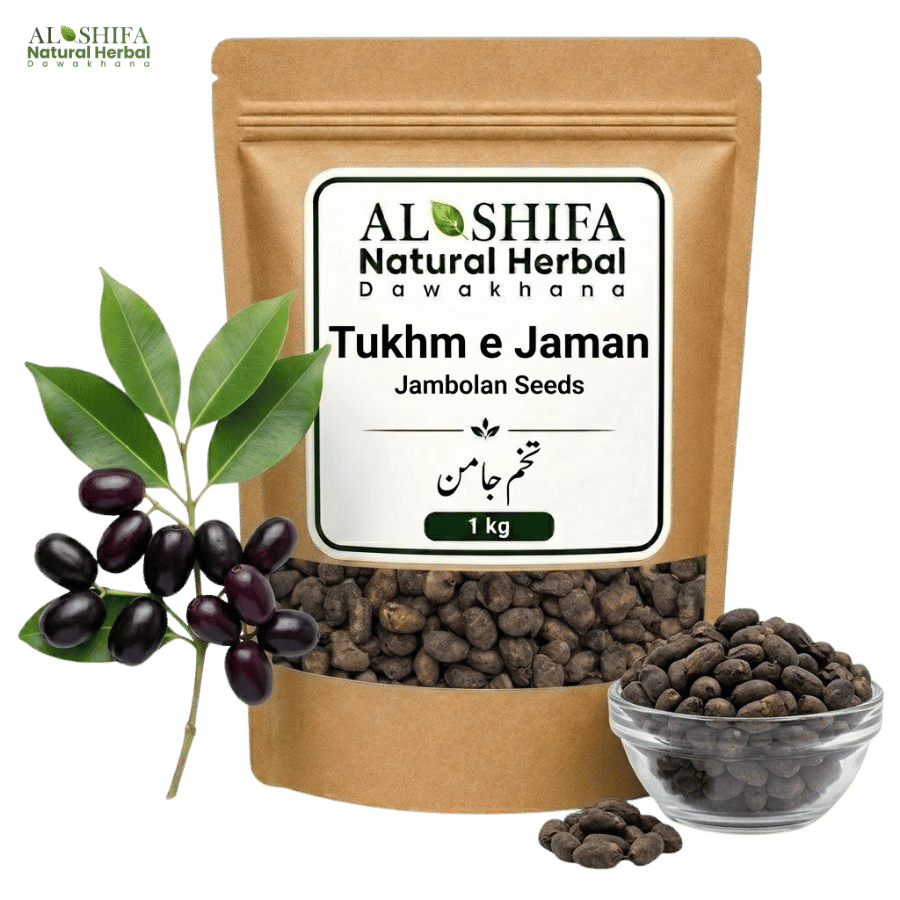
Jambolan Seeds (Tukhm e Jaman / Jamun Seeds) are the mature dried seeds of Syzygium cumini, traditionally valued in Unani and Ayurvedic practices. They are particularly associated with digestive wellness, astringent preparations, metabolic wellness, and traditional blood-sugar-related formulations.
Al Shifa Tukhm e Jaman is carefully selected with attention to botanical identity, maturity, cleanliness, proper drying, and natural quality.
Key Features:
Important Note: Traditional use of Tukhm e Jaman for blood-sugar wellness does not make it a substitute for diabetes medication or medical care. People taking glucose-lowering medicines should seek professional guidance before regular medicinal use.
Jambolan Seeds (Tukhm e Jaman / Jamun Seeds) are the mature seeds obtained from the fruit of the Jamun tree, botanically known as Syzygium cumini (L.) Skeels. Jamun is a well-known evergreen tree of the Indian subcontinent, valued for its deep purple edible fruit as well as its long history of use in Unani, Ayurvedic, and other South Asian traditional practices.
The seeds have a characteristic pale brown to greyish appearance after drying and are traditionally used whole or as an ingredient in appropriately prepared herbal formulations. They contain naturally occurring plant constituents including polyphenols, tannins, flavonoid-related compounds, and other phytochemicals.
Tukhm e Jaman has a particularly strong traditional association with digestive wellness and glucose-related herbal preparations. However, traditional use should be distinguished from clinically proven treatment. Jamun seeds should not be considered a replacement for prescribed diabetes medication, blood-glucose monitoring, or professional medical care.
Al Shifa Tukhm e Jaman is carefully selected with attention to botanical identity, maturity, cleanliness, proper drying, natural appearance, and responsible storage.
Jambolan Seeds are the seeds found inside the fruit of the Jamun tree.
The ripe Jamun fruit is typically dark purple to almost black, with a juicy, astringent-sweet pulp surrounding the seed. After separation from the fruit, the seeds can be cleaned and properly dried for traditional herbal use.
They are commonly known as:
The name Indian Blackberry is a common name only; Jamun is botanically different from true blackberries.
Jamun belongs to the Myrtaceae family.
English Name: Jambolan Seeds / Jamun Seeds
Urdu Name: تخم جامن
Roman Name: Tukhm e Jaman / Tukhm-e-Jamun
Scientific Name: Syzygium cumini (L.) Skeels
Family: Myrtaceae
Plant Part: Seeds
Product Type: Dried Herbal Seeds
Older botanical literature may also list Jamun under names such as Eugenia jambolana. These older names may still appear in traditional herbal literature and commercial references, but Syzygium cumini is the widely accepted botanical name.
Jamun fruit and Tukhm e Jaman come from the same plant, but they are not nutritionally or phytochemically identical.
The fresh fruit contains:
The seed has a different composition and is traditionally used primarily as a herbal raw material rather than as an ordinary fruit.
Therefore, benefits associated with eating fresh Jamun fruit should not automatically be attributed to dried Jamun seeds, and research involving seed extracts should not automatically be applied to ordinary whole seed powder.
Tukhm e Jaman has been used for generations in traditional South Asian systems of medicine.
Traditional formulations have particularly associated Jamun seeds with:
These uses reflect historical herbal practice and should not be interpreted as proof that Jamun seeds can independently diagnose, prevent, treat, or cure a medical condition.
One of the notable traditional characteristics of Jamun seeds is their astringent nature.
This characteristic is partly associated with naturally occurring tannin-type plant compounds.
Astringent herbs have historically been incorporated into traditional preparations intended for digestive and intestinal wellbeing.
However, persistent diarrhoea, blood in the stool, dehydration, severe abdominal pain, fever, or prolonged changes in bowel habits require appropriate medical assessment rather than self-treatment with herbal ingredients.
Jamun seeds are widely known in traditional herbal practice for their association with blood-sugar and metabolic wellness formulations.
This is also one of the most commonly discussed uses of Tukhm e Jaman.
Scientific research has investigated Jamun seed preparations and their phytochemicals for possible effects related to glucose metabolism. However, the composition of whole seeds, powders, extracts, doses, and study preparations can differ considerably, and this research does not establish ordinary Jamun seed as a substitute for standard diabetes treatment.
For this reason:
Anyone with diabetes, prediabetes, recurrent low blood sugar, or glucose-lowering medication should discuss regular medicinal use with an appropriate healthcare professional.
Jamun seeds have traditionally been incorporated into preparations intended to support digestive and intestinal comfort.
Their naturally astringent character has contributed to their historical use in selected digestive formulations.
They should nevertheless be regarded as a traditional herbal ingredient rather than a treatment for:
Persistent or severe digestive symptoms require appropriate diagnosis.
Jamun seeds contain a range of naturally occurring phytochemicals.
Depending on growing conditions, maturity, processing, storage, and analytical method, these may include:
These compounds are frequently studied for their biological properties.
However, the presence of antioxidant or other phytochemicals in laboratory testing does not by itself prove that consuming Jamun seeds will prevent or treat disease in humans.
Jamun seeds contain plant compounds capable of demonstrating antioxidant activity under laboratory conditions.
Antioxidants are substances that can interact with reactive molecules and are widely present in plant foods and herbs.
For responsible product information, antioxidant activity should not be translated into claims that Jamun seeds can prevent cancer, reverse ageing, cleanse the blood, repair organs, or protect against every chronic disease.
The seeds are better described as a traditional botanical ingredient containing naturally occurring antioxidant plant compounds.
Jamun plant materials have also appeared historically in certain traditional oral-care practices because of their astringent character.
Such traditional use does not mean that raw Jamun seed powder should replace:
Persistent gum bleeding, tooth pain, swelling, ulcers, or other oral problems should be professionally evaluated.
Jamun seeds are sometimes marketed online as a weight-loss or fat-burning ingredient.
This description is not appropriate.
Tukhm e Jaman should not be presented as a proven fat burner, appetite suppressant, or obesity treatment.
Healthy weight management depends on overall dietary intake, physical activity, sleep, medical factors, medications, hormones, and other individual circumstances.
At Al Shifa Natural Herbal Dawakhana, Tukhm e Jaman is selected with attention to:
Botanical Identity – Seeds associated with genuine Syzygium cumini fruit.
Maturity – Properly developed seeds suitable for traditional raw-material use.
Natural Appearance – Characteristic colour, texture, and form.
Cleanliness – Carefully handled to minimize unnecessary dust, fruit residue, and foreign material.
Proper Drying – Adequate drying is important because residual moisture can encourage deterioration during storage.
Quality Selection – Excessively damp, mouldy, insect-affected, decomposed, or otherwise unsuitable material is avoided.
Responsible Storage – Protection from moisture, excessive heat, direct sunlight, insects, and contamination.
Al Shifa Natural Herbal Dawakhana, established in 1999, supplies carefully selected herbs, seeds, roots, fruits, peels, gums, resins, kernels, spices, powders, oils, and other traditional natural ingredients across Pakistan.
Our Tukhm e Jaman is selected for customers seeking quality Jamun seeds for appropriate traditional Unani, Ayurvedic, digestive, metabolic, and herbal formulations.
We focus on correct identity, cleanliness, proper drying, natural quality, and responsible product information rather than exaggerated therapeutic claims.
Tukhm e Jaman is traditionally incorporated into different herbal preparations, frequently after appropriate processing according to the formulation being prepared.
Because the intended amount and method can vary according to:
there is no single universal medicinal dose suitable for every person.
For regular medicinal use—particularly for blood-sugar management—guidance from a qualified healthcare professional or experienced registered practitioner is recommended.
Jamun seeds should be used responsibly, particularly when taken regularly or in concentrated herbal preparations.
Seek professional guidance before medicinal use if you:
Because Jamun seed preparations may potentially influence glucose-related parameters, people using diabetes medicines should be particularly cautious about combining them without monitoring.
Stop use and seek appropriate advice if an unexpected adverse reaction occurs.
Using Jamun as an ordinary food and using concentrated Jamun seed preparations medicinally are not the same exposure.
Because reliable safety information for concentrated medicinal use during pregnancy and breastfeeding is limited, regular medicinal use of Tukhm e Jaman during these periods should only be considered with appropriate professional guidance.
Tukhm e Jaman has a respected place in traditional herbal practice, particularly in formulations associated with digestive and metabolic wellness.
However, it is not a replacement for medical diagnosis or prescribed treatment.
It should not be promoted as a proven cure for:
People already receiving treatment for diabetes should not stop or reduce their medication because they begin using Jamun seeds.
Store Tukhm e Jaman in a cool, clean, dry place in a tightly closed container.
For better preservation:
Proper storage helps preserve the natural quality of dried seeds.
Jambolan Seeds (Tukhm e Jaman / Jamun Seeds) are traditional dried seeds of Syzygium cumini, a well-known South Asian tree valued in Unani and Ayurvedic herbal practice.
The seeds are particularly associated with traditional digestive, astringent, metabolic, and glucose-related herbal formulations and naturally contain tannins, polyphenols, flavonoid-related compounds, and other phytochemicals.
Customers searching for Tukhm e Jaman Pakistan, Jamun Seeds Pakistan, Jambolan Seeds Pakistan, Tukhm e Jaman Lahore, Jamun Seeds price in Pakistan, Tukhm e Jaman price in Pakistan, pure Jamun Seeds, original Tukhm e Jaman, or Jamun Seeds online can choose Al Shifa Natural Herbal Dawakhana for carefully selected herbal raw material.
Since 1999, Al Shifa Natural Herbal Dawakhana has focused on providing traditional natural ingredients with attention to identity, cleanliness, proper drying, natural quality, responsible storage, and accurate product information.
Product Name: Jambolan Seeds / Tukhm e Jaman
English Name: Jambolan Seeds / Jamun Seeds
Urdu Name: تخم جامن
Roman Name: Tukhm e Jaman / Tukhm-e-Jamun
Scientific Name: Syzygium cumini (L.) Skeels
Older Botanical Synonym: Eugenia jambolana
Family: Myrtaceae
Plant Part: Seeds
Product Type: Dried Herbal Seeds
Traditional Use: Digestive wellness, astringent preparations, metabolic wellness, and traditional glucose-related herbal formulations
Important Note: Traditional use of Jamun seeds for glucose-related wellness does not make them a substitute for diabetes medication, blood-glucose monitoring, or professional medical care.
تخم جامن جامن کے پختہ پھل سے حاصل ہونے والے بیج ہیں۔ جامن برصغیر کا ایک معروف سدا بہار درخت ہے جس کے گہرے جامنی رنگ کے پھل غذائی اہمیت رکھتے ہیں، جبکہ اس کے بیج صدیوں سے طبِ یونانی، آیورویدی اور برصغیر کے دیگر روایتی طریقہ ہائے علاج میں استعمال ہوتے آئے ہیں۔
خشک ہونے کے بعد تخم جامن عموماً ہلکے بھورے، خاکستری یا مٹیالے رنگ کے دکھائی دیتے ہیں۔ ان میں قدرتی طور پر قابض نباتاتی اجزاء، کثیر فینولی مرکبات، نباتاتی رنگ دار مرکبات اور دیگر قدرتی نباتاتی اجزاء پائے جاتے ہیں۔
روایتی طب میں تخم جامن کو خصوصاً نظامِ ہضم، آنتوں کی عمومی صحت، قابض نسخوں اور خون میں شکر کی مقدار سے متعلق روایتی مرکبات میں اہمیت حاصل رہی ہے۔
الشفاء نیچرل ہربل دواخانہ میں تخم جامن کو اصل شناخت، پختگی، صفائی، مناسب خشکی، قدرتی حالت اور محفوظ ذخیرے کو مدنظر رکھتے ہوئے منتخب کیا جاتا ہے۔
تخم جامن وہ بیج ہیں جو جامن کے پکے ہوئے پھل کے اندر موجود ہوتے ہیں۔
جامن کا پختہ پھل عموماً گہرے جامنی سے تقریباً سیاہ رنگ کا ہوتا ہے۔ اس کے رسیلے اور قدرے کسیلے میٹھے گودے کے اندر بیج موجود ہوتا ہے۔
پھل سے الگ کرنے کے بعد بیج کو مناسب طریقے سے صاف اور خشک کر کے روایتی طبی تیاریوں میں استعمال کیا جاتا ہے۔
برصغیر میں اسے عام طور پر:
جیسے ناموں سے جانا جاتا ہے۔
جامن کا درخت ایک معروف پھل دار سدا بہار درخت ہے اور اس کا تعلق اسی نباتاتی خاندان سے ہے جس میں متعدد خوشبودار اور پھل دار پودے شامل ہیں۔
تخم جامن سے مراد اسی درخت کے پھل کے اندر موجود پختہ بیج ہیں۔
قدیم نباتاتی اور طبی کتب میں جامن کے لیے مختلف سائنسی مترادفات بھی استعمال ہوئے ہیں، اسی وجہ سے پرانے اور جدید حوالوں میں نام کا فرق نظر آ سکتا ہے۔
جامن کا پھل اور تخم جامن ایک ہی درخت سے حاصل ہوتے ہیں، لیکن دونوں کی غذائی اور نباتاتی ساخت ایک جیسی نہیں ہوتی۔
تازہ جامن کے پھل میں مختلف مقدار میں:
موجود ہوتے ہیں۔
اس کے برعکس بیج کی ساخت مختلف ہوتی ہے اور اسے عام پھل کے بجائے زیادہ تر روایتی طبی خام جزو کے طور پر استعمال کیا جاتا ہے۔
اس لیے تازہ جامن کے پھل سے منسوب تمام خصوصیات کو تخم جامن پر لاگو کرنا درست نہیں۔
اسی طرح کسی خاص عرق یا مرتکز تیاری پر ہونے والی تحقیق کو عام خشک بیج یا اس کے سفوف کے برابر نہیں سمجھنا چاہیے۔
تخم جامن کو طبِ یونانی میں طویل عرصے سے مختلف مرکبات میں شامل کیا جاتا رہا ہے۔
روایتی طور پر اسے خصوصاً:
میں استعمال کیا جاتا رہا ہے۔
یہ تمام استعمال روایتی طبی تجربات اور تاریخی طریقۂ استعمال کا حصہ ہیں اور انہیں کسی بیماری کے یقینی علاج کے طور پر نہیں سمجھنا چاہیے۔
تخم جامن کی نمایاں روایتی خصوصیات میں اس کی قابض تاثیر شامل ہے۔
اس خصوصیت کا تعلق اس میں قدرتی طور پر موجود بعض قابض نباتاتی اجزاء سے سمجھا جاتا ہے۔
قابض نوعیت کے نباتاتی اجزاء کو روایتی طور پر نظامِ ہضم اور آنتوں سے متعلق بعض مرکبات میں شامل کیا جاتا رہا ہے۔
تاہم اگر کسی شخص کو:
کا سامنا ہو تو صرف روایتی نسخوں پر انحصار کرنے کے بجائے طبی معائنہ ضروری ہے۔
تخم جامن کا سب سے معروف روایتی استعمال خون میں شکر کی مقدار اور جسمانی استحالے سے متعلق مرکبات میں ہے۔
طبِ یونانی، آیورویدی اور دیگر روایتی طریقوں میں جامن کے بیج اس مقصد سے طویل عرصے سے استعمال ہوتے آئے ہیں۔
تخم جامن کے مختلف نباتاتی اجزاء پر جدید سائنسی تحقیق بھی کی گئی ہے، تاہم مکمل بیج، سفوف، عرق، مرتکز تیاری اور تحقیق میں استعمال ہونے والی مقداریں ایک دوسرے سے مختلف ہو سکتی ہیں۔
اسی وجہ سے تخم جامن کو ذیابیطس کی تجویز کردہ ادویات کا متبادل نہیں سمجھنا چاہیے۔
ذیابیطس کے مریضوں کے لیے ضروری ہے کہ:
خون میں شکر کم کرنے والی ادویات کے ساتھ تخم جامن کی مرتکز تیاریوں کا استعمال بعض افراد میں شکر کی مقدار ضرورت سے زیادہ کم کرنے کا امکان پیدا کر سکتا ہے۔
تخم جامن کو روایتی طور پر نظامِ ہضم اور آنتوں کی عمومی نگہداشت سے متعلق مختلف مرکبات میں شامل کیا جاتا رہا ہے۔
اس کی قابض نوعیت کی وجہ سے اسے بعض روایتی ہاضمی نسخوں میں اہمیت حاصل رہی ہے۔
تاہم اسے:
کا ثابت شدہ علاج نہیں سمجھنا چاہیے۔
مسلسل یا شدید علامات کی صورت میں درست تشخیص ضروری ہے۔
تخم جامن میں قدرتی طور پر مختلف نباتاتی مرکبات پائے جاتے ہیں۔
ان کی مقدار جامن کی قسم، زمین، موسم، پختگی، خشک کرنے کے طریقے اور ذخیرے کے مطابق مختلف ہو سکتی ہے۔
ان میں عمومی طور پر:
شامل ہو سکتے ہیں۔
ان اجزاء پر مختلف سائنسی تحقیقات کی گئی ہیں، لیکن کسی نباتاتی جزو کی موجودگی بذاتِ خود یہ ثابت نہیں کرتی کہ تخم جامن کسی مخصوص بیماری کو روک یا ختم کر سکتا ہے۔
تخم جامن میں ایسے قدرتی نباتاتی مرکبات موجود ہوتے ہیں جو تجربہ گاہ میں ضدِ تکسیدی سرگرمی ظاہر کر سکتے ہیں۔
ایسے اجزاء بہت سے پھلوں، سبزیوں، بیجوں اور جڑی بوٹیوں میں قدرتی طور پر پائے جاتے ہیں۔
تاہم اس بنیاد پر یہ دعویٰ کرنا درست نہیں کہ تخم جامن:
تخم جامن کو قدرتی نباتاتی اجزاء رکھنے والے ایک روایتی خام جزو کے طور پر بیان کرنا زیادہ مناسب ہے۔
جامن کے مختلف حصے اپنی قابض خصوصیات کی وجہ سے بعض روایتی منہ اور دانتوں کی نگہداشت کی تیاریوں میں بھی استعمال ہوتے رہے ہیں۔
تاہم تخم جامن کا سفوف:
کا متبادل نہیں ہے۔
مسوڑھوں سے مسلسل خون آنا، دانت میں شدید درد، سوجن، پیپ، منہ کے زخم یا دیگر مسلسل علامات کی صورت میں دندان ساز سے معائنہ کروانا چاہیے۔
بعض جگہوں پر تخم جامن کو وزن کم کرنے یا جسم کی چربی تیزی سے گھٹانے والی چیز کے طور پر پیش کیا جاتا ہے۔
ایسے دعوے مناسب نہیں۔
تخم جامن کو چربی پگھلانے، بھوک ختم کرنے یا موٹاپے کا ثابت شدہ علاج نہیں سمجھنا چاہیے۔
جسمانی وزن پر مجموعی غذا، روزمرہ جسمانی سرگرمی، نیند، ہارمون، ادویات، عمر اور مختلف طبی عوامل اثر انداز ہوتے ہیں۔
الشفاء نیچرل ہربل دواخانہ میں تخم جامن کے انتخاب کے دوران درج ذیل خصوصیات کو اہمیت دی جاتی ہے:
اصل شناخت: جامن کے پختہ پھل سے حاصل شدہ حقیقی بیج۔
پختگی: مناسب طور پر تیار اور مکمل بیج۔
قدرتی حالت: بیج کا مخصوص قدرتی رنگ، ساخت اور شکل۔
صفائی: غیر ضروری گرد، پھل کی باقیات اور بیرونی مواد کو کم سے کم رکھنے کی کوشش۔
مناسب خشکی: ذخیرے کے دوران خرابی سے بچانے کے لیے مناسب طور پر خشک بیج۔
معیاری انتخاب: بہت زیادہ نم، پھپھوندی زدہ، کیڑوں سے متاثر یا خراب شدہ بیج سے گریز۔
محفوظ ذخیرہ: نمی، شدید گرمی، دھوپ، کیڑوں اور آلودگی سے مناسب حفاظت۔
الشفاء نیچرل ہربل دواخانہ سنہ ۱۹۹۹ سے جڑی بوٹیوں، بیجوں، جڑوں، پھلوں، چھلکوں، گوند، قدرتی رال، مغزیات، مصالحہ جات، سفوف، روغنی اجزاء اور دیگر روایتی قدرتی خام اجزاء کی فراہمی سے وابستہ ہے۔
ہمارا تخم جامن ایسے صارفین کے لیے منتخب کیا جاتا ہے جو اسے مناسب طبِ یونانی، آیورویدی، ہاضمی، جسمانی استحالے اور دیگر روایتی مرکبات میں استعمال کرنا چاہتے ہیں۔
ہم اصل شناخت، صفائی، مناسب خشکی، قدرتی معیار، محفوظ ذخیرے اور ذمہ دارانہ معلومات کو بنیادی اہمیت دیتے ہیں۔
تخم جامن کو روایتی طور پر مختلف طبی مرکبات میں مناسب تیاری کے بعد استعمال کیا جاتا رہا ہے۔
اس کی مقدار اور طریقۂ استعمال مختلف عوامل کے مطابق تبدیل ہو سکتے ہیں، مثلاً:
اسی وجہ سے ہر شخص کے لیے ایک ہی طبی مقدار مقرر کرنا مناسب نہیں۔
خصوصاً خون میں شکر کی مقدار سے متعلق استعمال کے لیے مستند معالج کی رہنمائی بہتر ہے۔
تخم جامن کو خصوصاً مسلسل یا مرتکز طبی استعمال میں ذمہ داری کے ساتھ استعمال کرنا چاہیے۔
درج ذیل افراد طبی استعمال سے پہلے مستند معالج سے مشورہ کریں:
خون میں شکر کم کرنے والی ادویات کے ساتھ تخم جامن کے مسلسل طبی استعمال میں خاص احتیاط ضروری ہے۔
جامن کے پھل کو عام غذا کے طور پر استعمال کرنا اور تخم جامن کی مرتکز طبی تیاری استعمال کرنا ایک جیسی بات نہیں۔
حمل اور دودھ پلانے کے دوران تخم جامن کے مسلسل یا مرتکز طبی استعمال کے بارے میں قابلِ اعتماد معلومات محدود ہیں۔
اس لیے ان ادوار میں طبی مقصد کے لیے اس کا استعمال مستند معالج کی رہنمائی کے بغیر نہیں کرنا چاہیے۔
تخم جامن کو روایتی طب میں خصوصاً نظامِ ہضم، قابض مرکبات، جسمانی استحالے اور خون میں شکر سے متعلق روایتی نسخوں میں اہم مقام حاصل ہے۔
تاہم اسے طبی تشخیص یا معالج کی تجویز کردہ دوا کا متبادل نہیں سمجھنا چاہیے۔
تخم جامن کو:
کا ثابت شدہ علاج قرار دینا مناسب نہیں۔
خصوصاً ذیابیطس کے مریض تخم جامن شروع کرنے کے بعد اپنی تجویز کردہ دوا خود سے بند یا کم نہ کریں۔
تخم جامن کو صاف، ٹھنڈی اور خشک جگہ پر اچھی طرح بند برتن میں محفوظ رکھیں۔
بہتر حفاظت کے لیے:
مناسب ذخیرہ خشک بیجوں کے قدرتی معیار کو برقرار رکھنے میں مدد دیتا ہے۔
تخم جامن جامن کے پختہ پھل سے حاصل ہونے والا ایک معروف روایتی بیج ہے جسے طبِ یونانی اور آیورویدی طریقوں میں طویل عرصے سے استعمال کیا جاتا رہا ہے۔
روایتی طور پر اسے نظامِ ہضم، آنتوں کی عمومی صحت، قابض مرکبات، جسمانی استحالے اور خون میں شکر سے متعلق بعض روایتی نسخوں میں شامل کیا جاتا ہے۔
تخم جامن میں قدرتی طور پر قابض اجزاء، کثیر فینولی مرکبات، نباتاتی رنگ دار مرکبات اور دیگر قدرتی نباتاتی مادے پائے جاتے ہیں۔
اگر آپ تخم جامن پاکستان، جامن کے بیج پاکستان، خالص تخم جامن، اصل تخم جامن، تخم جامن لاہور، تخم جامن کے فوائد، تخم جامن کے استعمال، تخم جامن کی قیمت پاکستان یا تخم جامن آن لائن تلاش کر رہے ہیں تو الشفاء نیچرل ہربل دواخانہ احتیاط سے منتخب روایتی خام اجزاء فراہم کرتا ہے۔
سنہ ۱۹۹۹ سے الشفاء نیچرل ہربل دواخانہ روایتی قدرتی اجزاء کی فراہمی میں اصل شناخت، صفائی، مناسب خشکی، قدرتی معیار، محفوظ ذخیرے اور ذمہ دارانہ معلومات کو بنیادی اہمیت دیتا آ رہا ہے۔
نام: تخم جامن
معروف نام: جامن کے بیج
مستعمل حصہ: پختہ بیج
قسم: خشک روایتی نباتاتی بیج
روایتی استعمال: نظامِ ہضم کی عمومی نگہداشت، قابض مرکبات، جسمانی استحالے اور خون میں شکر سے متعلق روایتی تیاریوں میں استعمال
اہم نوٹ: خون میں شکر سے متعلق تخم جامن کا روایتی استعمال اسے ذیابیطس کی تجویز کردہ ادویات، خون میں شکر کی باقاعدہ جانچ یا طبی علاج کا متبادل نہیں بناتا۔