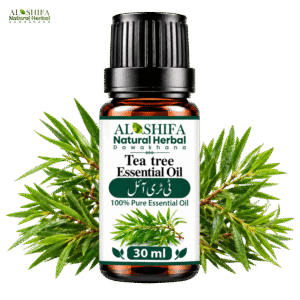
ٹی ٹری آئل
₨ 700
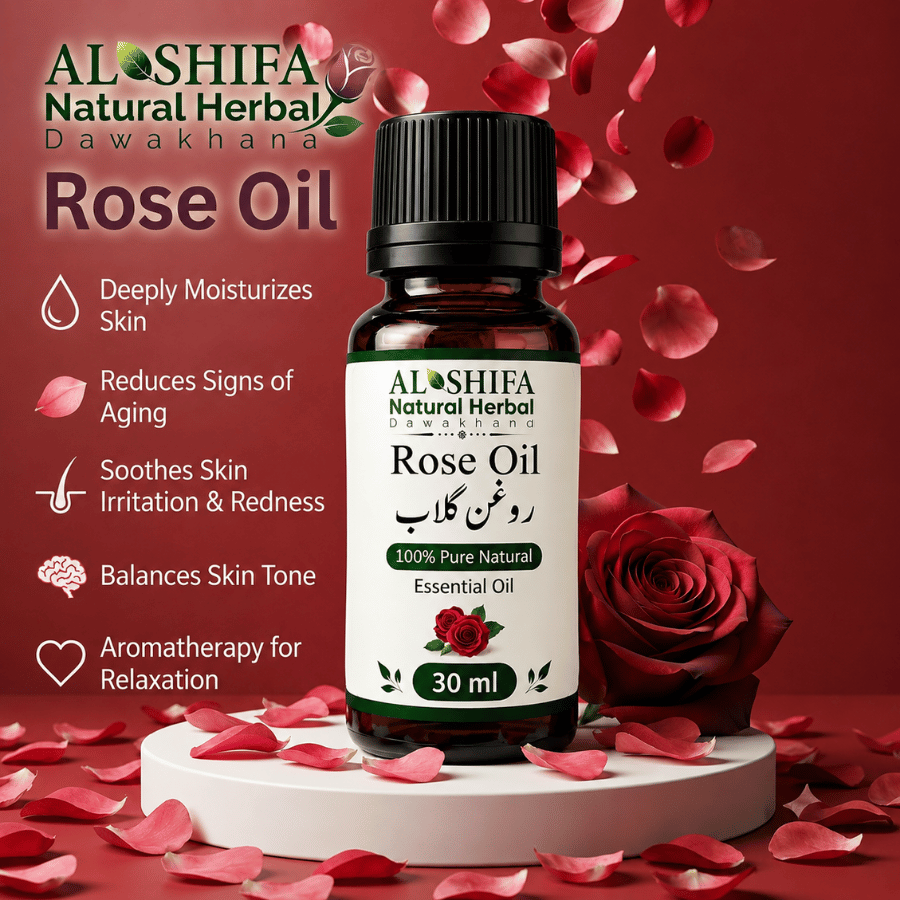
Rose Oil is a premium aromatic botanical oil associated with fragrant Rosa × damascena flowers, offering a characteristic rich, sweet, deep and elegant floral aroma. Depending on its manufacturing method, Rose Oil may be used in perfumery, aromatherapy, diluted skincare, massage blends and hair-care formulations.
Al Shifa Rose Oil is carefully selected for botanical identity, characteristic rose aroma, freshness, aromatic quality, clean handling and proper packaging.
Key Features:
Usage: Use appropriately diluted in a compatible carrier oil for skin, massage or hair-care applications, or incorporate into suitable aromatic and perfumery formulations.
Important Note: The name Rose Oil or Roghan Gulab does not by itself establish whether the product is distilled Rose Essential Oil, Rose Absolute or Rose-Infused Oil. The exact product type and usage should follow the actual extraction method and formulation.
Rose Oil / Roghan Gulab / روغن گلاب is an aromatic botanical oil associated with fragrant rose flowers, particularly Rosa × damascena Mill. of the Rosaceae family. True rose essential oil is obtained from fresh rose flowers, traditionally through steam or hydro-distillation, and is prized for its intensely floral, sweet, rich and characteristic rose aroma.
Rose oil is one of the most concentrated aromatic products obtained from roses. A very large quantity of flowers is required to produce a relatively small amount of genuine rose essential oil, which contributes to its value in fine perfumery, aromatherapy, premium skincare and botanical cosmetic formulations.
However, the commercial name “Roghan Gulab” can also be used for rose-infused oils or rose preparations in a carrier oil. Therefore, the actual manufacturing method should determine whether a specific product is classified as Rose Essential Oil, Rose Infused Oil or another rose-based oil preparation.
Al Shifa Rose Oil is carefully selected for botanical identity, characteristic rose aroma, freshness, quality, clean handling and proper packaging, making it suitable for aromatic, cosmetic and traditional external-care applications.
True Rose Essential Oil is the volatile aromatic oil obtained from fragrant rose flowers.
One of the most important botanical sources is:
Rosa × damascena Mill.
commonly known as Damask Rose.
The flowers contain a complex mixture of volatile aromatic constituents responsible for the characteristic fragrance of genuine rose oil.
Product Name: Rose Oil / Roghan Gulab
English Name: Rose Oil / Damask Rose Oil
Urdu Name: روغن گلاب
Roman Name: Roghan Gulab / Roghan-e-Gulab
Scientific Name: Rosa × damascena Mill.
Plant Family: Rosaceae
Plant Part: Fresh Flowers / Petals
Oil Type: Aromatic Rose Oil; Exact Commercial Type Depends on Manufacturing Method
Essential Oil Extraction: Steam Distillation / Hydro-Distillation
Infused Oil Preparation: Rose Material Infused or Extracted into a Carrier Oil
Appearance: Pale Yellow to Yellowish Aromatic Oil for Distilled Rose Oil; Varies by Preparation
Aroma: Rich, Sweet, Deep, Floral & Characteristically Rosy
Primary Applications: Perfumery, Aromatherapy, Skincare, Cosmetic Formulations & Traditional External Care
Product Type: Botanical Aromatic Oil
Rosa × damascena is one of the world’s best-known aromatic roses and an important source of rose essential oil and rose water.
Its fragrant flowers are valued for their:
The quality and aromatic profile of rose oil can vary with cultivar, growing region, harvest conditions and extraction method.
True Rose Essential Oil, commonly called Rose Otto, is generally produced through steam or hydro-distillation of fresh fragrant rose flowers.
During distillation, volatile aromatic compounds are separated from the flowers.
This process also produces aromatic floral water known as Rose Hydrosol or Rose Water.
Because the natural essential-oil yield of rose flowers is very low, genuine distilled rose oil is highly concentrated and generally produced in relatively small quantities.
These are different aromatic materials.
Rose Otto: Produced primarily through steam or hydro-distillation.
Rose Absolute: Produced through solvent-based extraction processes and widely used in fine perfumery.
They may have different:
Therefore:
Rose Otto ≠ Rose Absolute
This distinction is especially important for Roghan Gulab.
Rose Essential Oil: Concentrated volatile aromatic oil obtained through distillation.
Rose-Infused Oil: A carrier oil containing rose-derived aromatic or botanical material.
An infused oil is generally much less concentrated than a pure essential oil and behaves more like a carrier-based cosmetic oil.
Therefore:
Roghan Gulab ≠ Automatically Pure Rose Essential Oil
The manufacturing specification determines the correct classification.
Rose Oil and Rose Water are not the same product.
Rose Oil: Concentrated oil-soluble aromatic fraction.
Rose Water: Water-based aromatic distillation product or appropriately formulated floral water.
Therefore:
Rose Oil ≠ Rose Water
They differ substantially in concentration, composition and application.
Genuine Damask Rose essential oil contains a complex mixture of naturally occurring volatile compounds.
Important constituents can include:
The exact chemical profile varies according to botanical material, geography, harvest and distillation conditions.
Citronellol is an important aromatic constituent found in many rose oils.
It contributes to the characteristic:
Its concentration can vary considerably between genuine rose oils.
Geraniol is another naturally occurring aromatic alcohol associated with the floral character of rose essential oil.
It is also found naturally in several other aromatic plants.
The presence of geraniol alone does not establish that an oil is genuine rose oil.
Nerol contributes a softer, fresh floral character to the overall aroma profile.
Together with other naturally occurring constituents, it helps create the complex fragrance associated with high-quality rose oil.
Rose Oil is particularly valued for its sophisticated fragrance.
Its aroma can be described as:
This makes it especially valuable in premium fragrance and personal-care formulations.
Rose is one of the classic aromatic materials used in fine perfumery.
Rose Oil may be incorporated into:
Because true essential oil is highly concentrated, relatively small amounts can contribute a strong rose character.
Rose Essential Oil is used in aromatherapy primarily for its pleasant floral aroma and sensory experience.
It may be used in appropriately diluted aromatic blends intended to create a:
These uses should not be presented as treatment for anxiety, depression, insomnia or other medical conditions.
When appropriately diluted and formulated, Rose Oil may be incorporated into:
Its main value in such formulations is its characteristic fragrance and aromatic botanical profile.
Rose Oil may also be used in properly formulated hair and scalp products for:
It should not be marketed as a clinically proven treatment for hair loss, dandruff or scalp disorders.
True Rose Essential Oil is a highly concentrated aromatic material.
For routine skin application, it should generally be appropriately diluted in a suitable carrier oil or finished cosmetic formulation rather than applied extensively in undiluted form.
Suitable carrier oils can include compatible cosmetic oils according to the intended formulation.
Rose essential oil naturally contains fragrance constituents such as citronellol and geraniol that can cause sensitivity in susceptible individuals.
For topical use:
Concentrated essential oils should be used cautiously during pregnancy and breastfeeding.
Routine medicinal or highly concentrated use should not be assumed safe simply because the product is natural. Professional advice is appropriate where there is uncertainty.
Keep concentrated Rose Essential Oil away from children.
Products intended for children should use age-appropriate formulations and concentrations rather than adult essential-oil practices.
Rose Oil should not automatically be considered suitable for oral consumption.
Internal suitability depends on:
A cosmetic or aromatherapy-grade Rose Oil should not be consumed merely because it is botanically derived.
Research involving rose preparations may examine:
These products are chemically and physically different.
Therefore:
Research on Rose Water or Rose Extract ≠ Evidence for the Same Effect from Rose Oil
Likewise, laboratory findings should not automatically be converted into medical claims for a commercial cosmetic oil.
For accurate identification:
Rose Essential Oil ≠ Rose Absolute
Rose Essential Oil ≠ Rose Water
Rose Essential Oil ≠ Rose-Infused Carrier Oil
Rose Oil ≠ Rose Fragrance Oil
Rose Oil ≠ Rosehip Seed Oil
The final distinction is particularly important.
Rosehip Seed Oil is a completely different product.
Rose Oil: Obtained from aromatic rose flowers and valued primarily for its volatile fragrance compounds.
Rosehip Seed Oil: A fixed carrier oil obtained from seeds of rose fruits, commonly species such as Rosa canina.
Therefore:
Rose Oil ≠ Rosehip Seed Oil
Their composition, extraction methods and applications are different.
Al Shifa Natural Herbal selects Rose Oil with attention to:
For Aromatic Use: Add an appropriate small quantity to a suitable aroma application according to product instructions.
For Skin & Massage: Dilute appropriately in a compatible carrier oil or use as part of a professionally formulated cosmetic product.
For Hair & Scalp: Add an appropriate diluted amount to a compatible hair oil or cosmetic formulation.
For Perfumery: Use according to the concentration and formulation requirements of the finished fragrance product.
Rose Oil is an aromatic botanical product and is not a medicine for diagnosing, treating, curing or preventing disease.
The commercial name Roghan Gulab does not by itself establish whether the product is pure distilled Rose Essential Oil, Rose Absolute, Rose Infused Oil or another rose-based preparation. The actual extraction method and formulation should determine the product classification.
Store Rose Oil:
Some genuine rose oils can become thicker or partially solidify at cooler temperatures because of naturally occurring components. This physical behavior can reverse as the oil gently returns to a suitable room temperature.
Al Shifa Natural Herbal offers Rose Oil / Roghan Gulab / روغن گلاب, carefully selected for its characteristic floral aroma, botanical identity, freshness and aromatic quality.
Customers searching for Rose Oil in Pakistan, Roghan Gulab, روغن گلاب, Damask Rose Oil, Rose Flower Oil, Rose Oil Lahore, Rose Oil price in Pakistan or buy Rose Oil online in Pakistan can choose Al Shifa for quality-focused botanical selection, clean handling and proper packaging.
Product Name: Rose Oil / Roghan Gulab
English Name: Rose Oil / Damask Rose Oil
Urdu Name: روغن گلاب
Roman Name: Roghan Gulab / Roghan-e-Gulab
Scientific Name: Rosa × damascena Mill.
Plant Family: Rosaceae
Plant Part: Flowers / Petals
Oil Type: Aromatic Rose Oil; Exact Type Depends on Manufacturing Method
Essential Oil Extraction: Steam Distillation / Hydro-Distillation
Appearance: Typically Pale Yellow to Yellowish for Distilled Rose Oil; Varies by Preparation
Aroma: Rich, Sweet, Deep & Characteristically Floral
Primary Applications: Perfumery, Aromatherapy, Cosmetic Formulations, Massage Blends & Traditional External Care
Product Type: Botanical Aromatic Oil
Important Note: The name “Roghan Gulab” alone does not prove that a product is pure distilled Rose Essential Oil. It may also refer commercially to a rose-infused or carrier-based oil. The actual extraction method and formulation should be confirmed before labeling the product as Rose Essential Oil, Rose Otto, Rose Absolute or Rose Infused Oil.
الشفاء روغن گلاب ایک خوشبودار اور قیمتی روغن ہے جو گلاب کے پھولوں کی دلکش خوشبو اور خوبصورت خصوصیات کی وجہ سے خاص اہمیت رکھتا ہے۔ گلاب صدیوں سے حسن و خوبصورتی، خوشبو، عطر سازی اور جلد کی نگہداشت میں پسند کیا جاتا ہے۔
گلاب کے پھول اپنی نرم پنکھڑیوں، دلکش رنگت اور میٹھی پھولوں والی خوشبو کی وجہ سے دنیا بھر میں مشہور ہیں۔ ان سے مختلف اقسام کے خوشبودار روغن تیار کیے جاتے ہیں۔
روغن گلاب کی اصل قسم جاننا ضروری ہے۔ گلاب کا خالص خوشبودار تیل، گلاب کی پنکھڑیوں کو دوسرے تیل میں بھگو کر تیار کیا گیا روغن اور گلاب کی خوشبو والا تیل تین الگ اقسام ہیں۔
الشفاء روغن گلاب کو خوشبو، جلد کی نگہداشت، بالوں کی نگہداشت، جسمانی مالش، عطر سازی اور مختلف حسن و آرائش کی اشیا میں استعمال کے حوالے سے جانا جاتا ہے۔ اس کا درست استعمال روغن کی اصل قسم اور اس میں شامل اجزا کے مطابق ہوتا ہے۔
اردو نام: روغن گلاب، گلاب کا تیل، روغن گل سرخ
پنجابی نام: گلاب دا تیل، روغن گلاب
ہندی نام: گلاب کا تیل، گل روغن
فارسی نام: روغن گل سرخ، روغن گل محمدی
عربی نام: زيت الورد، دهن الورد
انگریزی نام: روز آئل، روز فلاور آئل
سائنسی نام: روزا ڈماسینا، روزا سینٹی فولیا اور گلاب کی دوسری اقسام
خاندان: روزیسی
استعمال ہونے والا حصہ: گلاب کی پنکھڑیاں
پراڈکٹ کی قسم: خوشبودار روغن
خوشبو: میٹھی، نرم اور دلکش پھولوں والی
رنگت: بے رنگ، ہلکی زرد یا روغن کی قسم کے مطابق
مزاج: حکیمی کتب میں گلاب کو عموماً سرد اور خشک بیان کیا جاتا ہے۔
گلاب ایک مشہور خوشبودار پھول ہے جو دنیا کے مختلف علاقوں میں کاشت کیا جاتا ہے۔
اس کے پھول مختلف رنگوں میں پیدا ہوتے ہیں، جن میں سرخ، گلابی، سفید اور زرد رنگ شامل ہیں۔
گلاب کی متعدد اقسام میں خوشبو بھی مختلف ہوتی ہے۔
خوشبودار روغن تیار کرنے کے لیے خاص طور پر خوشبو والی اقسام کے پھول منتخب کیے جاتے ہیں۔
گلاب ایک جھاڑی نما پودا ہے۔
اس کی نمایاں خصوصیات یہ ہیں:
گلاب کے پھولوں کی خوشبو اس کی قسم، موسم اور پھول کی تازگی کے مطابق مختلف ہوتی ہے۔
گلاب دنیا کے متعدد ممالک میں پیدا ہوتا ہے۔
خوشبودار گلاب کی کاشت کے معروف ممالک میں:
شامل ہیں۔
پاکستان میں بھی گلاب کی مختلف اقسام باغات اور زرعی علاقوں میں کاشت کی جاتی ہیں۔
یہ خوشبودار گلاب کے پھولوں سے کشید کے ذریعے حاصل کیا جاتا ہے۔
اس کی خوشبو بہت زیادہ گاڑھی ہوتی ہے اور یہ نہایت قیمتی ہوتا ہے۔
اسے عام طور پر بہت کم مقدار میں خوشبو اور حسن و آرائش کی مخصوص اشیا میں شامل کیا جاتا ہے۔
اس قسم میں گلاب کی پنکھڑیوں کو کسی دوسرے تیل میں رکھ کر ان کی خوشبو اور تیل میں حل ہونے والے اجزا شامل کیے جاتے ہیں۔
یہ روغن خالص کشید شدہ روغن گلاب سے مختلف ہوتا ہے۔
اس کی خصوصیات استعمال ہونے والے بنیادی تیل کے مطابق ہوتی ہیں۔
اس قسم میں کسی بنیادی تیل یا خوشبو کے آمیزے میں گلاب جیسی مہک شامل کی جاتی ہے۔
یہ خوشبودار اشیا اور بعض حسن و آرائش کی مصنوعات میں استعمال ہوتا ہے۔
اسے خالص گلاب کے پھولوں سے حاصل ہونے والے روغن کے برابر نہیں سمجھنا چاہیے۔
گلاب کی خوشبو دنیا کی مشہور پھولوں والی خوشبوؤں میں شمار ہوتی ہے۔
اس کی نمایاں خصوصیات:
گلاب کی مختلف اقسام میں خوشبو کی شدت اور انداز مختلف ہوتا ہے۔
روغن گلاب کی رنگت اس کی قسم کے مطابق مختلف ہوتی ہے۔
خالص کشید شدہ روغن گلاب عموماً بے رنگ سے ہلکا زرد ہوتا ہے۔
گلاب کی پنکھڑیوں سے تیار کردہ روغن کی رنگت بنیادی تیل کے مطابق ہو سکتی ہے۔
صرف سرخ یا گلابی رنگت ہونا خالص روغن گلاب کی پہچان نہیں ہے۔
خالص خوشبودار روغن گلاب میں مختلف قدرتی خوشبودار مرکبات پائے جاتے ہیں۔
ان میں شامل ہیں:
ان اجزا کی مقدار گلاب کی قسم اور تیل حاصل کرنے کے طریقے کے مطابق مختلف ہوتی ہے۔
گلاب کی پنکھڑیوں سے دوسرے تیل میں تیار کیے گئے روغن کی ترکیب اس سے مختلف ہوتی ہے۔
گلاب اپنی خوشبو اور خوبصورت پھولوں کی وجہ سے جلد کی نگہداشت کی اشیا میں خاص مقام رکھتا ہے۔
گلاب کی پنکھڑیوں سے کسی نرم بنیادی تیل میں تیار کردہ روغن جلد کی روزمرہ نگہداشت میں استعمال کیا جا سکتا ہے، بشرطیکہ وہ جلد کے لیے محفوظ طریقے سے تیار کیا گیا ہو۔
اس کا استعمال جلد کو نرم اور ملائم رکھنے کے لیے کیا جاتا ہے۔
اگر روغن گلاب کسی جلد کے لیے موزوں بنیادی تیل میں تیار کیا گیا ہو تو اس میں موجود چکنائی جلد کی نمی برقرار رکھنے میں کردار ادا کر سکتی ہے۔
اس سے جلد نرم اور ملائم محسوس ہوتی ہے۔
خالص کشید شدہ روغن گلاب کو براہ راست جلد پر نہیں لگانا چاہیے۔
خشک جلد کے لیے گلاب کی خوشبو والا نرم بنیادی روغن استعمال کیا جا سکتا ہے۔
اس میں بنیادی تیل جلد پر حفاظتی تہہ قائم کرنے اور نمی کے ضیاع کو کم کرنے میں کردار ادا کرتا ہے۔
اس مقصد کے لیے روغن کا جلد کے مطابق ہونا ضروری ہے۔
گلاب کی خوشبو حسن و آرائش کی مختلف اشیا میں پسند کی جاتی ہے۔
چہرے کے لیے تیار کردہ روغن گلاب کو اس کی پیکنگ پر درج ہدایات کے مطابق استعمال کیا جا سکتا ہے۔
چہرے پر خالص خوشبودار روغن براہ راست استعمال نہ کریں۔
گلاب کی نرم اور خوشگوار خوشبو روزمرہ حسن و آرائش کے معمول کو دلکش بناتی ہے۔
گلاب کی خوشبو والے جلد کے مطابق روغن سے مالش کرنے پر جلد نرم محسوس ہو سکتی ہے۔
گلاب کی خوشبو والا نرم بنیادی روغن جسمانی مالش میں استعمال کیا جا سکتا ہے۔
اس کی خوشبو مالش کے تجربے کو خوشگوار بناتی ہے۔
مالش کے لیے روغن کی قسم اور جلد کے لیے اس کی حفاظت کی تصدیق ضروری ہے۔
گلاب کی خوشبو اپنی نرمی اور دلکشی کی وجہ سے پسند کی جاتی ہے۔
بہت سے افراد گلاب کی خوشبو کو پُرسکون ماحول سے جوڑتے ہیں۔
اسے خوشبودار ماحول، آرام کے وقت اور خوشبو کے شوق کے لیے استعمال کیا جاتا ہے۔
تاہم اسے بے خوابی، ذہنی دباؤ یا کسی نفسیاتی بیماری کا علاج نہیں سمجھنا چاہیے۔
روغن گلاب اپنی منفرد مہک کی وجہ سے خوشبو پسند کرنے والے افراد میں خاص مقبولیت رکھتا ہے۔
اس کی خوشبو عطر، خوشبودار روغنی آمیزوں اور مختلف خوشبوؤں میں استعمال ہوتی ہے۔
گلاب عطر سازی کے مشہور پھولوں میں شامل ہے۔
خالص خوشبودار روغن گلاب کو عطر اور خوشبو کے مخصوص آمیزوں میں بہت کم مقدار میں شامل کیا جاتا ہے۔
اس کی مہک دوسری پھولوں والی خوشبوؤں کے ساتھ بھی خوبصورت امتزاج بناتی ہے۔
گلاب کی خوشبو کو مختلف روغنی آمیزوں میں شامل کیا جا سکتا ہے۔
اسے دوسری پھولوں اور لکڑی کی خوشبوؤں کے ساتھ ملا کر مختلف مہکیں تیار کی جاتی ہیں۔
خوشبو کی مقدار اور محفوظ استعمال کی حد روغن کی قسم کے مطابق ہونی چاہیے۔
گلاب کی خوشبو والا بنیادی تیل بالوں کی نگہداشت کے لیے تیار کردہ مخصوص روغنی آمیزوں میں شامل کیا جا سکتا ہے۔
اس کا استعمال بالوں میں خوشگوار مہک پیدا کرتا ہے۔
بالوں کو نرم رکھنے کا اثر زیادہ تر اس بنیادی تیل کی خصوصیات پر منحصر ہوتا ہے جس میں گلاب شامل کیا گیا ہو۔
بالوں کے لیے موزوں بنیادی تیل میں گلاب کی خوشبو شامل کرکے بالوں کی روزمرہ نگہداشت کا روغن تیار کیا جا سکتا ہے۔
یہ بالوں کی سطح کو نرم اور ملائم محسوس کرانے میں کردار ادا کر سکتا ہے۔
سر کی جلد کے لیے مخصوص طور پر تیار کردہ نرم روغن گلاب استعمال کیا جا سکتا ہے۔
خالص خوشبودار روغن کو براہ راست سر کی جلد پر لگانے سے جلن پیدا ہو سکتی ہے۔
اس لیے صرف محفوظ اور درست مقدار میں تیار کردہ روغنی آمیزہ استعمال کریں۔
گلاب کی خوشبو صابن سازی میں بہت پسند کی جاتی ہے۔
اسے خوشبودار صابن اور صفائی کی مختلف اشیا میں شامل کیا جاتا ہے۔
اس سے صابن میں دلکش پھولوں والی مہک پیدا ہوتی ہے۔
گلاب کی خوشبو مختلف حسن و آرائش کی اشیا میں استعمال ہوتی ہے۔
مثلاً:
ان اشیا میں گلاب کے روغن کی قسم اور مقدار مختلف ہوتی ہے۔
ہاتھوں کے لیے تیار کردہ نرم روغنی آمیزے میں گلاب کی خوشبو شامل کی جا سکتی ہے۔
بنیادی تیل ہاتھوں کی جلد کو نرم اور ملائم رکھنے میں کردار ادا کرتا ہے۔
پاؤں کی روزمرہ نگہداشت کے لیے تیار کردہ روغنی آمیزوں میں گلاب کی خوشبو استعمال کی جا سکتی ہے۔
اس کی خوشگوار مہک مالش کے تجربے کو مزید دلکش بناتی ہے۔
نرم بنیادی تیل میں تیار کردہ گلاب کا روغنی آمیزہ ناخنوں کے اردگرد خشک جلد کی نگہداشت میں استعمال کیا جا سکتا ہے۔
اس کا نرم کرنے والا اثر بنیادی تیل کی خصوصیات سے حاصل ہوتا ہے۔
گلاب کی خوشبو گھروں، خوشبودار اشیا اور عطر سازی میں پسند کی جاتی ہے۔
خالص خوشبودار روغن گلاب کی بہت کم مقدار مخصوص خوشبو پھیلانے والے آلات میں استعمال کی جا سکتی ہے، بشرطیکہ وہ اس مقصد کے لیے موزوں ہو۔
بند کمروں، بچوں اور پالتو جانوروں کی موجودگی میں خوشبودار تیل استعمال کرتے وقت احتیاط ضروری ہے۔
گلاب کو خوشبو، محبت، خوبصورتی اور نفاست کی علامت سمجھا جاتا ہے۔
اسی وجہ سے گلاب کی خوشبو شادی بیاہ، تہواروں اور مختلف خوشبودار اشیا میں مقبول ہے۔
گلاب کو حکیمی کتب میں خاص اہمیت حاصل ہے۔
اس کے پھول، عرق اور مختلف تیار کردہ اشیا کو الگ الگ طریقوں سے بیان کیا گیا ہے۔
گلاب کے پھول، عرق گلاب اور روغن گلاب ایک جیسی چیزیں نہیں ہیں۔
ان کے اجزا اور استعمال میں نمایاں فرق ہوتا ہے۔
روغن گلاب:
عرق گلاب:
روغن گل دمشق خاص طور پر دمشقی گلاب سے حاصل ہونے والے روغن کے لیے استعمال ہونے والا نام ہے۔
دمشقی گلاب کا سائنسی نام روزا ڈماسینا ہے۔
روغن گلاب ایک وسیع نام ہے جو مختلف اقسام کے گلاب سے تیار کردہ تیل کے لیے استعمال ہو سکتا ہے۔
اس لیے ہر روغن گلاب کو لازماً روغن گل دمشق نہیں کہا جا سکتا۔
روغن گل سرخ کا نام حکیمی اور فارسی انداز میں گلاب کے روغن کے لیے استعمال ہوتا ہے۔
تاہم اس نام سے فروخت ہونے والی اشیا کی اصل ترکیب مختلف ہو سکتی ہے۔
خریدتے وقت یہ جاننا ضروری ہے کہ روغن خالص کشید شدہ ہے یا کسی دوسرے تیل میں تیار کیا گیا ہے۔
خالص خوشبودار روغن گلاب گلاب کے پھولوں سے حاصل کیا جاتا ہے۔
گلاب کی خوشبو والا تیل قدرتی یا تیار کردہ خوشبودار اجزا کا آمیزہ بھی ہو سکتا ہے۔
دونوں کی قیمت، ترکیب اور استعمال مختلف ہوتے ہیں۔
روغن گلاب: گلاب کی خوشبو یا گلاب کے پھولوں سے تیار ہونے والا روغن ہے۔
بادام کا تیل: بادام کی گری سے حاصل کیا جاتا ہے اور جلد و بالوں کے لیے بنیادی روغن کے طور پر استعمال ہوتا ہے۔
گلاب کی پنکھڑیوں کو بادام کے تیل میں رکھ کر بھی خوشبودار روغن تیار کیا جا سکتا ہے۔
ایسی صورت میں بنیادی روغن بادام کا تیل ہوتا ہے۔
استعمال کا طریقہ روغن کی اصل قسم پر منحصر ہے۔
جلد کے لیے: صرف جلد پر لگانے کے لیے تیار کردہ اور درست مقدار میں ملا ہوا روغن استعمال کریں۔
جسمانی مالش: نرم بنیادی تیل میں تیار کردہ محفوظ روغنی آمیزہ استعمال کریں۔
بالوں کے لیے: بالوں کی نگہداشت کے لیے تیار کردہ روغن کی ہدایات پر عمل کریں۔
خوشبو کے لیے: مخصوص خوشبودار روغن کو اس کے استعمال کے مطابق استعمال کریں۔
عطر سازی: خالص خوشبودار روغن کو مقررہ محفوظ مقدار میں شامل کریں۔
خالص کشید شدہ روغن گلاب بہت گاڑھا ہوتا ہے۔
اسے عام بنیادی تیل کی طرح زیادہ مقدار میں استعمال نہیں کیا جاتا۔
جلد پر استعمال کے لیے اسے مناسب بنیادی تیل میں بہت کم مقدار میں ملایا جاتا ہے۔
حساس جلد اور چہرے کے لیے خوشبودار روغن کی مقدار مزید کم رکھنی چاہیے۔
جلد کے لیے تیار کردہ روغن استعمال کرنے سے پہلے:
چہرے کی جلد حساس ہوتی ہے۔
خالص خوشبودار روغن گلاب کو براہ راست چہرے پر لگانے سے جلن یا الرجی پیدا ہو سکتی ہے۔
آنکھوں، ہونٹوں اور ناک کے اندر روغن نہ لگائیں۔
چہرے کے لیے صرف اس مقصد کے مطابق تیار کردہ روغنی آمیزہ استعمال کریں۔
حمل کے دوران خالص خوشبودار روغن گلاب کے استعمال میں احتیاط ضروری ہے۔
اسے کھانے یا پینے کے لیے استعمال نہ کریں۔
جلد پر استعمال کے لیے بھی مستند معالج کی ہدایات کو ترجیح دیں۔
دودھ پلانے کے دوران خالص خوشبودار روغن کے استعمال میں احتیاط کریں۔
اسے چھاتی یا ایسے حصوں پر نہ لگائیں جہاں سے بچے کے منہ میں روغن جا سکتا ہو۔
خالص خوشبودار روغن گلاب بچوں کی پہنچ سے دور رکھیں۔
بچوں کی جلد پر براہ راست استعمال نہ کریں۔
بچوں کے لیے خوشبودار روغن کے استعمال سے پہلے ماہر کی ہدایات ضروری ہیں۔
روغن گلاب خریدتے وقت درج ذیل باتیں دیکھیں:
صرف خوشبو یا رنگت سے خالص روغن گلاب کی تصدیق نہیں کی جا سکتی۔
خالص کشید شدہ روغن گلاب تیار کرنے کے لیے بہت بڑی مقدار میں خوشبودار گلاب کی پنکھڑیاں درکار ہوتی ہیں۔
پھولوں سے حاصل ہونے والے روغن کی مقدار بہت کم ہوتی ہے۔
اسی وجہ سے خالص روغن گلاب عموماً قیمتی ہوتا ہے۔
گلاب کی خوشبو والے عام تیل یا پنکھڑیوں سے دوسرے تیل میں تیار کردہ روغن کی قیمت اس سے مختلف ہوتی ہے۔
گلاب کی خوشبو میں فرق درج ذیل وجوہات سے آ سکتا ہے:
خالص روغن گلاب کی خوشبو مختلف فصلوں میں کچھ مختلف ہو سکتی ہے۔
روغن گلاب کو محفوظ رکھنے کے لیے:
الشفاء نیچرل ہربل دواخانہ میں روغن گلاب کے لیے درج ذیل باتوں کو اہمیت دی جاتی ہے:
درست گلاب: گلاب کی مناسب قسم کی پہچان۔
روغن کی نوعیت: خالص خوشبودار روغن اور دوسرے تیل میں تیار کردہ روغن کے درمیان واضح فرق۔
خوشبو: گلاب کی دلکش اور خوشگوار مہک۔
صفائی: غیر ضروری آلودگی سے پاک روغن۔
اچھی پیکنگ: روغن کی خوشبو اور معیار برقرار رکھنے والی بوتل۔
درست معلومات: پراڈکٹ کے اجزا اور استعمال کی وضاحت۔
الشفاء نیچرل ہربل دواخانہ سنہ 1999 سے جڑی بوٹیوں اور حکیمی روغنیات کے شعبے میں کام کر رہا ہے۔
ہم روغن گلاب میں:
کو اہمیت دیتے ہیں۔
الشفاء روغن گلاب گلاب کی دلکش خوشبو اور اس کی خوبصورت پہچان کی وجہ سے خوشبودار روغنیات میں ایک خاص مقام رکھتا ہے۔
خالص خوشبودار روغن گلاب کو براہ راست جلد پر استعمال نہ کریں۔
اسے خود سے کھانے یا پینے کے لیے استعمال نہ کریں۔
آنکھوں اور حساس حصوں سے دور رکھیں۔
جلد پر خارش، سرخی یا جلن پیدا ہو تو استعمال بند کر دیں۔
خوشبو سے الرجی رکھنے والے افراد احتیاط کریں۔
حمل، دودھ پلانے کے دوران اور بچوں کے لیے استعمال سے پہلے ماہر کی ہدایات ضروری ہیں۔
پراڈکٹ نام: الشفاء روغن گلاب
اردو نام: روغن گلاب، گلاب کا تیل، روغن گل سرخ
پنجابی نام: گلاب دا تیل
فارسی نام: روغن گل سرخ، روغن گل محمدی
عربی نام: زيت الورد، دهن الورد
انگریزی نام: روز آئل
سائنسی نام: روزا ڈماسینا، روزا سینٹی فولیا اور گلاب کی دوسری اقسام
خاندان: روزیسی
استعمال ہونے والا حصہ: گلاب کی پنکھڑیاں
پراڈکٹ کی قسم: خوشبودار روغن
خوشبو: میٹھی، نرم اور دلکش پھولوں والی
رنگت: بے رنگ سے ہلکی زرد یا روغن کی قسم کے مطابق
مزاج: حکیمی کتب کے مطابق سرد اور خشک
نمایاں قدرتی اجزا: خالص خوشبودار روغن میں سیٹرونی لول، جیرانیول، نیرول اور دوسرے خوشبودار مرکبات
استعمال: خوشبو، عطر سازی، محفوظ روغنی آمیزوں، جلد اور بالوں کی نگہداشت کی مخصوص اشیا میں
محفوظ رکھنے کا طریقہ: ٹھنڈی، خشک اور دھوپ سے محفوظ جگہ پر بند بوتل میں رکھیں
کوالٹی: پریمیم روغن گلاب
برانڈ: الشفاء نیچرل ہربل دواخانہ