
Aloe vera Var, kawar Gandal
Contact for Price

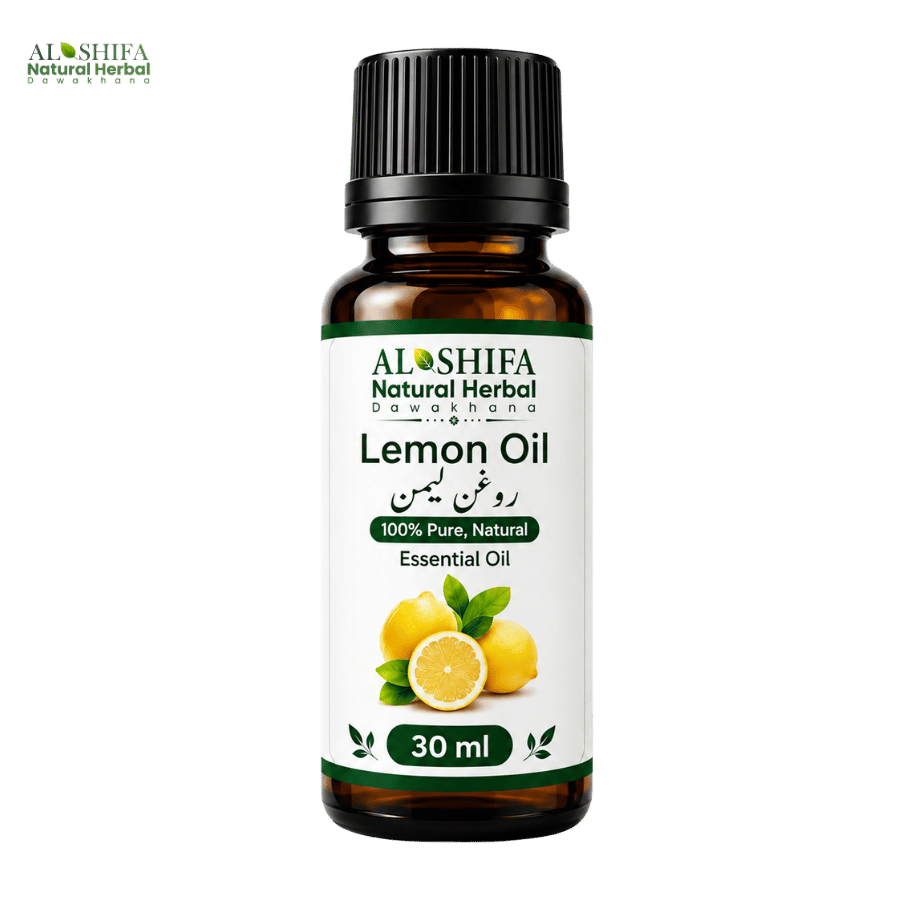
Lemon Oil / Roghan Lemon – روغن لیموں is a concentrated aromatic oil obtained from the peel of Lemon (Citrus limon), known for its fresh, bright, clean, and refreshing citrus aroma.
How to Use: Dilute appropriately with a suitable carrier oil before topical or massage use.
Storage: Keep tightly closed in a cool, dry place away from direct sunlight and heat.
Important Note: Avoid undiluted skin application. Certain cold-pressed Lemon Oils may increase sensitivity to sunlight, so use appropriate sun-exposure precautions after topical application.
Lemon Oil / Roghan Lemon – روغن لیموں is a fresh, intensely aromatic citrus oil obtained from the peel of Lemon (Citrus limon (L.) Osbeck), a well-known citrus fruit belonging to the Rutaceae family. Lemon peel contains numerous tiny oil glands that hold the volatile aromatic compounds responsible for the fruit’s characteristic bright, fresh, sweet-tart citrus fragrance.
Lemon Oil is widely valued in aromatherapy, perfumery, massage blends, soaps, cosmetics, household fragrance preparations, and personal-care formulations. Its refreshing citrus aroma makes it one of the most recognizable and versatile aromatic botanical oils.
It is important to distinguish concentrated Lemon Oil from lemon juice. Lemon juice is a water-based acidic liquid obtained from the fruit pulp, whereas Lemon Oil is primarily obtained from the outer peel and contains a concentrated mixture of volatile aromatic compounds.
Quality Lemon Oil should preserve the characteristic fresh citrus aroma of lemon peel while being properly processed, packaged, and protected from excessive heat, light, oxygen, and contamination.
Product Name: Lemon Oil
Urdu Name: روغن لیموں
Roman Name: Roghan Lemon / Roghan Leemu
Botanical Source: Lemon
Botanical Name: Citrus limon (L.) Osbeck
Family: Rutaceae
Genus: Citrus
Plant Part Commonly Used: Fruit Peel
Oil Type: Citrus Essential Oil / Volatile Aromatic Oil
Common Extraction Method: Expression / Cold Pressing of the Peel
Aroma: Fresh, bright, citrusy, clean, slightly sweet and tangy
Product Category: Essential Oil / Citrus Aromatic Oil
Lemon Oil is the concentrated aromatic oil found primarily within small oil glands in the outer peel of the lemon fruit.
Unlike many essential oils that are commonly produced through steam distillation, traditional Lemon Essential Oil is frequently obtained by mechanically expressing or cold pressing the peel.
This process releases the volatile aromatic oil present in the peel and produces an oil with the familiar fresh lemon fragrance.
The resulting product is substantially more concentrated than simply smelling or handling fresh lemon peel and should therefore be used appropriately.
Lemon comes from Citrus limon (L.) Osbeck, an evergreen citrus plant belonging to the Rutaceae family.
Scientific Name: Citrus limon (L.) Osbeck
Genus: Citrus
Family: Rutaceae
Plant Type: Evergreen Citrus Tree or Shrub
Primary Oil Source: Outer Fruit Peel
The aromatic peel is especially rich in volatile compounds responsible for the characteristic lemon fragrance.
Lemon Oil and lemon juice are completely different preparations.
Lemon juice is obtained from the juicy inner portion of the fruit. It is largely water-based and naturally contains organic acids, including citric acid.
Lemon Oil is obtained primarily from the outer peel and consists largely of oil-soluble volatile aromatic compounds.
Therefore, Lemon Oil should not be expected to have the same chemical composition, acidity, nutritional profile, or uses as fresh lemon juice.
For example, citric acid is a major characteristic of lemon juice but not the principal component of Lemon Essential Oil.
The chemical composition of Lemon Oil varies depending on lemon variety, geographic origin, climate, fruit maturity, processing method, and storage.
Common volatile constituents may include:
Limonene is generally one of the most prominent volatile compounds in lemon peel oil and contributes significantly to its characteristic citrus aroma.
Exact constituent percentages should only be stated when supported by laboratory analysis of the specific product batch.
One of the primary qualities of Lemon Oil is its clean and instantly recognizable citrus fragrance.
Its aroma can be described as:
This aromatic profile makes Lemon Oil particularly useful in fragrance formulations where a fresh citrus top note is desired.
Lemon Oil is widely used in aromatherapy because of its fresh and pleasant fragrance.
When used appropriately in a suitable diffuser, its aroma can contribute to a fresh and inviting atmosphere.
Common aromatic applications include:
Its pleasant aroma may help create a refreshing sensory environment, but aromatherapy should not be presented as a treatment for anxiety, depression, neurological disorders, or other medical conditions.
Lemon Oil is particularly useful in fragrance compositions.
Its bright citrus profile is often used as a top-note aromatic ingredient, contributing immediate freshness to a fragrance blend.
It can complement aromatic profiles such as:
Because citrus top notes can evaporate relatively quickly, appropriate formulation and storage are important.
Lemon Oil may be incorporated into appropriately formulated massage oils.
Since it is concentrated, it should generally be diluted in a suitable carrier oil before skin application.
Suitable carrier oils may include:
The essential oil should be used at an appropriate concentration according to the intended formulation and user.
Lemon Oil is concentrated and should not normally be applied undiluted over the skin.
Improper use may result in:
Dilution reduces the concentration of the aromatic oil and makes topical application more appropriate.
A small patch test is advisable before broader use.
This is particularly important for Lemon Oil.
Cold-pressed or expressed Lemon Oil may contain naturally occurring compounds that can increase the skin’s sensitivity to ultraviolet light.
As a result, skin treated with certain expressed citrus oils may react more strongly when exposed to sunlight or ultraviolet sources.
For leave-on skin preparations containing cold-pressed Lemon Oil:
The risk can differ according to extraction method and chemical composition. For example, some appropriately produced distilled lemon oils may have a different light-sensitivity profile from expressed peel oil.
Therefore, the extraction method matters when determining safe topical use.
Before applying a diluted Lemon Oil preparation over a larger area, test a small amount on intact skin.
Observe for:
If irritation develops, discontinue use.
People with particularly sensitive skin should use additional caution.
Lemon Oil is widely used as an aromatic ingredient in personal-care formulations.
Depending on formulation and concentration, it may be incorporated into:
Its primary contribution is often its characteristic citrus fragrance rather than a medicinal effect.
Lemon Oil is sometimes promoted online for acne, pigmentation, dark spots, whitening, or other skin concerns.
These claims require caution.
Concentrated Lemon Oil should not be promoted as a treatment for:
Applying concentrated lemon oil directly to the face may cause irritation, and expressed oil may also present sunlight-related concerns.
For facial cosmetic formulations, appropriate concentration, formulation, and safety assessment are especially important.
Lemon Oil may be included at an appropriate concentration in selected hair and scalp products for its fresh aroma.
Possible formulation applications include:
However, it should not be claimed to cure hair loss, reverse baldness, treat alopecia, or permanently stimulate hair regrowth.
Proper dilution remains important for scalp applications.
The fresh citrus aroma of Lemon Oil makes it useful in various household fragrance preparations.
It may be incorporated appropriately into:
When used in household preparations, it should still be stored safely and kept away from children and pets.
Concentrated essential oils should also be handled carefully around surfaces because they may affect certain finishes or materials.
Using Lemon Oil as though it were lemon juice is inappropriate.
Lemon juice is a conventional food ingredient.
Lemon Oil is a concentrated aromatic preparation.
A few drops of concentrated essential oil should not automatically be considered equivalent to adding fresh lemon juice to water, tea, or food.
Their chemistry, concentration, and intended uses differ considerably.
The fact that lemon fruit is edible does not mean every concentrated Lemon Essential Oil product is automatically appropriate for swallowing.
Unless the specific product is:
it should not be casually swallowed or added to drinking water, tea, or food.
Products sold for aromatherapy or external cosmetic use should be used according to their labeling.
Lemon peel oil and its naturally occurring volatile compounds have been investigated in laboratory and experimental research.
Areas of investigation include:
Such studies can help characterize the chemistry of lemon oil but do not establish that the oil can diagnose, prevent, treat, or cure diseases.
Research involving isolated limonene, concentrated extracts, laboratory systems, or animal models should not automatically be interpreted as evidence for ordinary topical or aromatic Lemon Oil use.
Lemon Oil is frequently associated online with digestive cleansing or “detox” claims.
These claims should be approached carefully.
Lemon Oil should not be marketed as:
The human body has its own physiological systems for processing and eliminating metabolic waste, and concentrated Lemon Oil should not be presented as a replacement for medical care.
Lemon Oil should not be promoted as a fat-burning or rapid weight-loss product.
It should not be described as:
Laboratory research involving limonene or other isolated citrus compounds does not demonstrate that smelling or applying Lemon Oil causes meaningful clinical weight loss.
Pregnant or breastfeeding individuals should use concentrated essential oils cautiously.
Before extensive topical or aromatic use, particularly in concentrated preparations, appropriate professional guidance is advisable.
Internal self-administration of concentrated Lemon Oil should be avoided unless the specific product and circumstances have been professionally assessed.
Essential oils should be handled carefully around children.
Lemon Oil should:
Children may be more sensitive to concentrated aromatic substances.
Avoid contact with:
If accidental eye exposure occurs, seek appropriate medical or poison-information guidance rather than attempting repeated home remedies.
Concentrated citrus essential oils require care around animals.
Do not:
If significant accidental exposure occurs or a pet becomes unwell, seek veterinary advice.
Quality Lemon Oil depends on several factors, including:
For precise confirmation of a particular batch’s volatile profile, suitable laboratory analysis provides more reliable information than appearance or aroma alone.
Lemon Oil is a botanical product, so natural variation is expected.
Its aroma and composition can vary according to:
Minor differences between batches can therefore occur naturally.
Citrus oils can change over time when repeatedly exposed to oxygen, heat, and light.
Oxidation can alter the aroma and may also increase the potential for skin sensitivity.
For this reason:
Proper storage is especially important for maintaining the fresh citrus character of Lemon Oil.
To preserve quality:
Possible indications of deterioration may include:
An old or significantly oxidized essential oil may also be more likely to irritate sensitive skin.
Quality Lemon Oil / Roghan Lemon – روغن لیموں provides the characteristic fresh citrus aroma of lemon peel in a concentrated botanical form.
Product Name: Lemon Oil
Urdu Name: روغن لیموں
Roman Name: Roghan Lemon / Roghan Leemu
Botanical Source: Lemon
Botanical Name: Citrus limon (L.) Osbeck
Family: Rutaceae
Genus: Citrus
Plant Part: Fruit Peel
Oil Type: Citrus Essential Oil / Volatile Aromatic Oil
Common Extraction Method: Expression / Cold Pressing of Lemon Peel
Aroma: Fresh, bright, clean, citrusy, slightly sweet and tangy
Naturally Occurring Constituents: Commonly includes limonene, β-pinene, γ-terpinene, α-pinene, sabinene and other naturally occurring volatile aromatic compounds
Common Applications: Aromatherapy, fragrance blends, appropriately diluted massage oils, soaps, personal-care products and selected cosmetic formulations
Storage: Keep tightly closed in a cool, dry and dark place, protected from excessive heat, sunlight, air exposure, children, and pets.
Lemon Oil / Roghan Lemon – روغن لیموں captures the distinctive fresh, bright, and citrusy aroma of lemon peel in a highly concentrated botanical form. Its naturally occurring volatile compounds, particularly limonene, contribute strongly to its characteristic fragrance.
It is a versatile aromatic ingredient suitable for aromatherapy, fragrance compositions, soaps, appropriately diluted massage blends, and selected personal-care formulations.
An important distinction should always be maintained between lemon fruit, lemon juice, lemon peel, lemon extracts, isolated limonene, and Lemon Essential Oil. These preparations differ considerably in composition and concentration, so evidence or benefits associated with one should not automatically be attributed to another.
Important Safety Note: Lemon Oil is a concentrated aromatic product. Dilute appropriately before topical use and avoid the eyes, mucous membranes, sensitive areas, and damaged skin. Certain cold-pressed or expressed Lemon Oils may increase sensitivity to ultraviolet exposure, so appropriate sunlight precautions are important for leave-on skin applications. Do not ingest unless the specific product has been appropriately manufactured and labeled for such use. Keep securely away from children and pets.
روغن لیموں لیموں کے چھلکے سے حاصل ہونے والا ایک خوشبودار اور مرتکز نباتاتی روغن ہے۔ یہ سِٹرس لیمون نامی پودے سے حاصل کیا جاتا ہے جو روٹیسی نباتاتی خاندان سے تعلق رکھتا ہے۔ لیموں کے بیرونی چھلکے میں قدرتی طور پر باریک روغنی غدود موجود ہوتے ہیں جن میں وہ خوشبودار اجزاء پائے جاتے ہیں جو لیموں کو اس کی مخصوص تازہ، ترش، خوشگوار اور فرحت بخش مہک دیتے ہیں۔
روغن لیموں کو خوشبودار استعمال، جسمانی مالش کے مناسب آمیزوں، صابن، خوشبو کی تیاری، بالوں اور جلد کی منتخب نگہداشت کی مصنوعات اور دیگر ذاتی نگہداشت کی تیاریوں میں استعمال کیا جاتا ہے۔
یہ بات سمجھنا ضروری ہے کہ روغن لیموں اور لیموں کا رس ایک جیسی چیزیں نہیں ہیں۔ لیموں کا رس پھل کے اندرونی گودے سے حاصل ہونے والا پانی پر مشتمل ترش مائع ہے، جبکہ روغن لیموں بنیادی طور پر بیرونی چھلکے میں موجود خوشبودار اجزاء سے حاصل کیا جاتا ہے۔
نام: روغن لیموں
نباتاتی ماخذ: لیموں
نباتاتی نام: سِٹرس لیمون
نباتاتی خاندان: روٹیسی
جنس: سِٹرس
استعمال ہونے والا حصہ: پھل کا بیرونی چھلکا
قسم: مرتکز خوشبودار نباتاتی روغن
عام طریقۂ حصول: چھلکے کو دبا کر یا سرد طریقے سے روغن نکالنا
خوشبو: تازہ، ترش، صاف، قدرے میٹھی اور خوشگوار
عام استعمال: خوشبودار استعمال، مالشی آمیزے، صابن، خوشبو اور منتخب ذاتی نگہداشت کی تیاریاں
لیموں کے بیرونی چھلکے میں بہت سے باریک روغنی غدود موجود ہوتے ہیں۔ ان غدود میں قدرتی خوشبودار مرکبات محفوظ ہوتے ہیں۔
جب لیموں کے چھلکے کو مناسب طریقے سے دبا کر یا سرد طریقۂ استخراج سے تیار کیا جاتا ہے تو یہ خوشبودار روغن حاصل کیا جا سکتا ہے۔
اس روغن کی نمایاں خوشبودار خصوصیات میں شامل ہیں:
چونکہ یہ روغن مرتکز ہوتا ہے، اس لیے اس کی تھوڑی مقدار بھی نمایاں خوشبو فراہم کر سکتی ہے۔
لیموں کا نباتاتی نام سِٹرس لیمون ہے۔ یہ روٹیسی خاندان سے تعلق رکھنے والا سدا بہار پھل دار پودا ہے۔
اس کے پھل کا بیرونی چھلکا خوشبودار روغنی غدود سے بھرپور ہوتا ہے۔
لیموں کے مختلف حصوں کی کیمیائی ساخت مختلف ہوتی ہے۔ یہی وجہ ہے کہ لیموں کے چھلکے سے حاصل ہونے والے روغن کو پھل کے رس یا گودے کے برابر نہیں سمجھنا چاہیے۔
روغن لیموں اور لیموں کا رس اپنی ساخت اور استعمال دونوں کے لحاظ سے مختلف ہیں۔
لیموں کا رس پھل کے اندرونی رسیلے حصے سے حاصل ہوتا ہے۔ اس میں پانی اور قدرتی نامیاتی تیزاب، خصوصاً سٹرک تیزاب، نمایاں مقدار میں موجود ہوتے ہیں۔
روغن لیموں بنیادی طور پر پھل کے بیرونی چھلکے سے حاصل کیا جاتا ہے اور اس میں اڑ جانے والے خوشبودار نباتاتی مرکبات نمایاں ہوتے ہیں۔
اس لیے لیموں کے رس سے متعلق غذائی خصوصیات کو روغن لیموں پر لاگو کرنا درست نہیں۔
روغن لیموں میں مختلف قدرتی خوشبودار مرکبات پائے جا سکتے ہیں۔
ان میں شامل ہو سکتے ہیں:
لیمونین لیموں کے چھلکے کے روغن کا ایک نمایاں خوشبودار جزو ہے اور اس کی مخصوص ترش اور تازہ خوشبو میں اہم کردار ادا کرتا ہے۔
ان اجزاء کی درست مقدار مختلف فصلوں میں مختلف ہو سکتی ہے۔
روغن لیموں کی قدرتی ساخت کئی عوامل سے متاثر ہو سکتی ہے، مثلاً:
اس لیے مختلف کھیپوں میں خوشبو، رنگت اور خوشبودار اجزاء کی مقدار میں معمولی فرق قدرتی ہو سکتا ہے۔
روغن لیموں کی سب سے نمایاں خصوصیت اس کی تازہ، صاف اور ترش خوشبو ہے۔
اس کی خوشبو عام طور پر:
محسوس ہوتی ہے۔
یہ خصوصیت اسے مختلف خوشبودار آمیزوں کے لیے موزوں بناتی ہے۔
روغن لیموں اپنی تازہ مہک کی وجہ سے خوشبودار معمولات میں مقبول ہے۔
مناسب مقدار میں اسے خوشبو پھیلانے والے آلات یا دیگر خوشبودار آمیزوں میں شامل کیا جا سکتا ہے۔
اس کے عام خوشبودار استعمالات میں شامل ہیں:
اس کا خوشبودار استعمال طبی علاج کا متبادل نہیں ہے۔
روغن لیموں اپنی تیز اور تازہ خوشبو کی وجہ سے مختلف خوشبودار مصنوعات میں استعمال کیا جاتا ہے۔
اس کی خوشبو کو ایسے آمیزوں میں شامل کیا جا سکتا ہے جن میں:
موجود ہو۔
مناسب تناسب میں استعمال کرنے سے یہ خوشبو کے آمیزے کو تازگی فراہم کر سکتا ہے۔
روغن لیموں کو مناسب مقدار میں بنیادی روغن کے ساتھ ملا کر جسمانی مالش کے لیے استعمال کیا جا سکتا ہے۔
اس مقصد کے لیے مناسب بنیادی روغنوں میں شامل ہو سکتے ہیں:
چونکہ روغن لیموں مرتکز ہوتا ہے، اس لیے اسے براہِ راست زیادہ مقدار میں جلد پر استعمال نہیں کرنا چاہیے۔
مرتکز روغن لیموں بعض افراد کی جلد پر جلن یا حساسیت پیدا کر سکتا ہے۔
غیر مناسب یا زیادہ مقدار میں استعمال سے ممکنہ طور پر:
پیدا ہو سکتی ہے۔
اس لیے جلد پر استعمال سے پہلے اسے مناسب بنیادی روغن میں پتلا کرنا بہتر ہے۔
سرد طریقے سے دبائے گئے بعض روغن لیموں میں قدرتی طور پر ایسے اجزاء موجود ہو سکتے ہیں جو جلد کو تیز دھوپ یا بالائے بنفشی شعاعوں کے لیے زیادہ حساس بنا سکتے ہیں۔
اسی لیے جلد پر باقی رہنے والی تیاریوں میں روغن لیموں استعمال کرتے وقت خصوصی احتیاط ضروری ہے۔
کشید کے ذریعے تیار کیے گئے بعض روغن لیموں کی خصوصیات سرد طریقے سے چھلکے کو دبا کر حاصل کیے گئے روغن سے مختلف ہو سکتی ہیں۔
اسی لیے جلدی استعمال کے لیے روغن کے طریقۂ تیاری کی معلومات اہم ہیں۔
پہلی مرتبہ استعمال سے پہلے پتلا کیے گئے روغن کی معمولی مقدار جلد کے ایک چھوٹے حصے پر آزمانا بہتر ہے۔
اگر درج ذیل علامات ظاہر ہوں تو استعمال روک دیں:
شدید یا مسلسل ردِعمل کی صورت میں مناسب طبی رہنمائی حاصل کریں۔
روغن لیموں کو مناسب مقدار میں مختلف ذاتی نگہداشت کی مصنوعات میں شامل کیا جا سکتا ہے۔
ان میں شامل ہو سکتی ہیں:
ان مصنوعات میں روغن لیموں کا ایک اہم مقصد اپنی تازہ ترش خوشبو فراہم کرنا ہوتا ہے۔
روغن لیموں کے بارے میں بعض اوقات دانوں، داغ دھبوں، رنگت اور جلد کی مختلف بیماریوں سے متعلق مبالغہ آمیز دعوے کیے جاتے ہیں۔
روغن لیموں کو:
قرار دینا درست نہیں۔
خصوصاً چہرے پر مرتکز روغن لیموں براہِ راست لگانا جلن اور حساسیت کا سبب بن سکتا ہے۔
روغن لیموں کو مناسب مقدار میں بعض بالوں اور سر کی جلد کی نگہداشت کی مصنوعات میں شامل کیا جا سکتا ہے۔
مثلاً:
تاہم اسے گنج پن، بال گرنے کی بیماری یا مستقل طور پر نئے بال اگانے کا علاج قرار نہیں دینا چاہیے۔
سر کی جلد پر استعمال سے پہلے بھی مناسب مقدار اور جلدی حساسیت کا خیال رکھنا ضروری ہے۔
روغن لیموں کی تازہ ترش خوشبو اسے صابن اور مختلف خوشبودار تیاریوں کے لیے موزوں بناتی ہے۔
مناسب ترکیب میں اسے:
میں شامل کیا جا سکتا ہے۔
مقدار کا تعین مصنوعات کی نوعیت کے مطابق ہونا چاہیے۔
لیموں کی تازہ مہک گھریلو خوشبودار مصنوعات میں بھی پسند کی جاتی ہے۔
روغن لیموں کو مناسب ترکیب کے ساتھ:
میں استعمال کیا جا سکتا ہے۔
مرتکز روغن بعض سطحوں، پالش یا مواد پر اثر انداز ہو سکتا ہے، اس لیے گھریلو استعمال میں بھی احتیاط ضروری ہے۔
روغن لیموں کو لیموں کے رس کی طرح استعمال نہیں کرنا چاہیے۔
لیموں کا رس ایک عام غذائی جزو ہے، جبکہ روغن لیموں ایک مرتکز خوشبودار نباتاتی روغن ہے۔
اس لیے روغن لیموں کے چند قطرے تازہ لیموں کے رس کے برابر نہیں سمجھے جا سکتے۔
دونوں کی ساخت، ارتکاز اور استعمال نمایاں طور پر مختلف ہیں۔
صرف اس وجہ سے کہ لیموں ایک خوردنی پھل ہے، ہر قسم کے مرتکز روغن لیموں کو پینے کے لیے محفوظ نہیں سمجھنا چاہیے۔
عام طور پر خوشبودار یا بیرونی استعمال کے لیے تیار کیے گئے روغن کو خود سے:
مناسب نہیں۔
صرف وہ مخصوص مصنوعات جنہیں باقاعدہ طور پر غذائی استعمال کے لیے تیار، جانچا اور واضح طور پر اسی مقصد کے لیے درج کیا گیا ہو، ان کے لیے بھی مناسب ہدایات اور پیشہ ورانہ رہنمائی ضروری ہے۔
لیموں کے چھلکے کے روغن اور اس میں موجود مختلف قدرتی مرکبات پر تجرباتی سطح پر تحقیق کی گئی ہے۔
تحقیق کے موضوعات میں شامل ہیں:
ایسی تحقیق نباتاتی مرکبات کی خصوصیات سمجھنے میں مدد دیتی ہے، لیکن اس سے یہ ثابت نہیں ہوتا کہ روغن لیموں کسی بیماری کی تشخیص، روک تھام یا علاج کر سکتا ہے۔
لیمونین لیموں کے چھلکے کے روغن میں پایا جانے والا ایک اہم قدرتی خوشبودار مرکب ہے۔
اس مرکب پر مختلف تجرباتی تحقیقات کی گئی ہیں۔
تاہم کسی الگ مرکب پر ہونے والی تحقیق کو براہِ راست پورے روغن لیموں کے طبی فائدے کے طور پر پیش نہیں کرنا چاہیے۔
مرتکز مرکب، نباتاتی عرق، مکمل پھل اور خوشبودار روغن اپنی ساخت اور مقدار کے لحاظ سے مختلف ہوتے ہیں۔
روغن لیموں کے بارے میں بعض اوقات جسم کی اندرونی صفائی سے متعلق مبالغہ آمیز دعوے کیے جاتے ہیں۔
اسے:
قرار دینا درست نہیں۔
جسم کے اپنے قدرتی نظام مختلف فاضل مادوں کو سنبھالنے اور خارج کرنے کا کام انجام دیتے ہیں۔
روغن لیموں کو وزن کم کرنے یا چربی گھلانے والی دوا کے طور پر پیش نہیں کرنا چاہیے۔
اسے:
قرار دینا مناسب نہیں۔
لیمونین یا دوسرے الگ مرکبات پر ہونے والی تجرباتی تحقیق اس بات کا ثبوت نہیں کہ روغن لیموں سونگھنے یا جلد پر لگانے سے وزن نمایاں طور پر کم ہو جاتا ہے۔
حمل اور دودھ پلانے کے دوران مرتکز خوشبودار روغنوں کے استعمال میں احتیاط ضروری ہے۔
حاملہ یا دودھ پلانے والی خواتین کو روغن لیموں کے وسیع یا مرتکز استعمال سے پہلے مناسب پیشہ ورانہ رہنمائی حاصل کرنی چاہیے۔
اندرونی استعمال خود سے نہ کریں۔
روغن لیموں کو بچوں کے حوالے سے احتیاط سے محفوظ اور استعمال کرنا چاہیے۔
بچے مرتکز خوشبودار مرکبات کے لیے بالغ افراد سے مختلف حساسیت رکھتے ہیں۔
روغن لیموں کو درج ذیل حصوں سے دور رکھنا چاہیے:
استعمال کے بعد ہاتھ اچھی طرح صاف کرنا بہتر ہے۔
مرتکز ترش پھلوں کے خوشبودار روغن پالتو جانوروں کے اردگرد احتیاط سے استعمال کیے جانے چاہئیں۔
اگر کسی جانور کا روغن سے زیادہ رابطہ ہو جائے اور اس کی طبیعت خراب محسوس ہو تو جانوروں کے معالج سے رہنمائی حاصل کریں۔
معیاری روغن لیموں کے لیے درست نباتاتی شناخت، مناسب پھل، صاف تیاری اور محفوظ ذخیرہ اہم ہیں۔
معیار کے اہم پہلوؤں میں شامل ہیں:
کسی مخصوص کھیپ کے اجزاء کی درست مقدار جاننے کے لیے تجربہ گاہی تجزیہ زیادہ قابلِ اعتماد ذریعہ ہے۔
روغن لیموں کو بار بار ہوا، روشنی اور گرمی کے سامنے رکھنے سے اس کے خوشبودار مرکبات میں وقت کے ساتھ تبدیلی آ سکتی ہے۔
اس تبدیلی سے:
اس لیے بوتل کو غیر ضروری طور پر کھلا نہیں چھوڑنا چاہیے۔
روغن لیموں کے معیار اور خوشبو کو برقرار رکھنے کے لیے:
درج ذیل تبدیلیاں روغن کے معیار میں خرابی کی علامت ہو سکتی ہیں:
بہت پرانا یا خراب طریقے سے محفوظ کیا گیا روغن حساس جلد پر زیادہ جلن پیدا کر سکتا ہے۔
روغن لیموں لیموں کے چھلکے کی تازہ اور ترش خوشبو کو ایک مرتکز نباتاتی شکل میں فراہم کرتا ہے۔
نام: روغن لیموں
نباتاتی ماخذ: لیموں
نباتاتی نام: سِٹرس لیمون
نباتاتی خاندان: روٹیسی
جنس: سِٹرس
استعمال ہونے والا حصہ: پھل کا بیرونی چھلکا
قسم: مرتکز خوشبودار نباتاتی روغن
عام طریقۂ حصول: چھلکے کو دبا کر یا سرد طریقے سے روغن نکالنا
خوشبو: تازہ، صاف، ترش، قدرے میٹھی اور خوشگوار
قدرتی خوشبودار اجزاء: لیمونین، بیٹا پائینین، گاما ٹرپینین، الفا پائینین، سابینین اور دیگر قدرتی خوشبودار نباتاتی مرکبات
عام استعمال: خوشبودار معمولات، خوشبو کے آمیزے، مناسب طور پر پتلے کیے گئے مالشی روغن، صابن اور منتخب ذاتی نگہداشت کی تیاریاں
ذخیرہ: ٹھنڈی، خشک اور تاریک جگہ پر اچھی طرح بند بوتل میں رکھیں اور دھوپ، شدید گرمی، بچوں اور پالتو جانوروں سے محفوظ رکھیں۔
روغن لیموں لیموں کے بیرونی چھلکے میں موجود قدرتی خوشبودار اجزاء کو مرتکز شکل میں فراہم کرتا ہے۔ اس کی تازہ، صاف، ترش اور قدرے میٹھی خوشبو اسے خوشبودار استعمال، مناسب مالشی آمیزوں، صابن اور منتخب ذاتی نگہداشت کی مصنوعات کے لیے ایک مقبول نباتاتی روغن بناتی ہے۔
یہ بات ہمیشہ ذہن میں رکھنی چاہیے کہ لیموں کا پھل، لیموں کا رس، لیموں کا چھلکا، لیموں کا عرق، لیمونین اور روغن لیموں الگ الگ شکلیں ہیں۔ ایک شکل سے متعلق غذائی یا تحقیقی معلومات کو دوسری شکل پر خود بخود لاگو کرنا درست نہیں۔
اہم حفاظتی نوٹ: روغن لیموں ایک مرتکز خوشبودار نباتاتی روغن ہے۔ جلد پر استعمال سے پہلے مناسب بنیادی روغن میں پتلا کریں۔ آنکھوں، منہ، ناک کی اندرونی جھلی، حساس حصوں اور زخمی جلد سے دور رکھیں۔ سرد طریقے سے چھلکے کو دبا کر حاصل کیے گئے بعض روغن لیموں جلد کو دھوپ اور بالائے بنفشی شعاعوں کے لیے زیادہ حساس بنا سکتے ہیں، اس لیے جلد پر استعمال کے بعد مناسب احتیاط ضروری ہے۔ اسے خود سے نگلنے یا پانی، چائے اور قہوہ میں شامل کرکے پینے سے گریز کریں۔ بچوں اور پالتو جانوروں کی پہنچ سے دور رکھیں۔